N S W E
Wildlife Expeditions

Wildlife of
Arkansas

From Ozark highlands to Delta wetlands, Arkansas packs mountain forests, big rivers, and world-class waterfowl and freshwater fish diversity into one wildlife-rich state.
208 Species
134,771 km² Land Area
Overview

About Arkansas

Arkansas' wildlife comes from a bold meeting of uplands and lowlands: the rugged Ozark and Ouachita forests, spring-fed streams, and the wide Mississippi Alluvial Plain (the Delta). This mix makes homes for game like white-tailed deer, wild turkey, and black bear, and for many migratory birds, reptiles, amphibians, and freshwater fish. Key places shape the state's life. The Ozark Plateau has clear rivers, limestone springs, and hardwood forests that support stream fish, mussels, nesting raptors, and forest birds. The Ouachita Mountains have pine-hardwood slopes and rocky ridges for wide-ranging mammals and many songbirds. In the east, Delta bottomland hardwoods, oxbow lakes, swamps, and rice wetlands are major stopovers and winter areas on the Mississippi Flyway for ducks, geese, wading birds, and shorebirds. What feels most Arkansas is how fast the landscape and wildlife change—you can go from cold upland streams to broad floodplain forests and waterfowl-packed wetlands in one day.

Physical Features

Geography

Arkansas' wildlife shifts west to east, from upland forests to lowland floodplains. The Ozark Plateau and Ouachita Mountains have hardwood and pine forests, streams, caves and places that host black bear, turkey, amphibians, bats. The Mississippi Alluvial Plain (Delta) has wetlands, bottomland hardwoods and farms with waterfowl, wading birds, floodplain fish. Major rivers and reservoirs make migration routes and fisheries.

134,771 km² (land) Land Area
29th largest U.S. state (by total area) Size Rank
State Type
Elevation Range

~17 m to 839 m (Mississippi River lowlands to Magazine Mountain)

Coastline

No ocean coastline; extensive river shorelines (notably the Mississippi River) and numerous large reservoirs and lakes that function as key aquatic and wetland habitat

Key Landscapes

Ozark Plateau (including the Boston Mountains) - rugged upland forests, karst springs/caves, cold-water streams Ouachita Mountains - pine-hardwood forests, ridgelines, and headwater streams Arkansas River Valley - major east-west corridor with riparian forests, sandbars, and reservoirs Mississippi Alluvial Plain (Arkansas Delta) - flat floodplain with bottomland hardwoods, oxbows, wetlands, and agricultural fields used by wintering waterfowl Crowley's Ridge - elevated loess ridge with distinct forests and refugia within the Delta Grand Prairie - grassland/agricultural landscape important for geese, ducks, and other open-country species where wetlands persist or are restored (e.g., rice fields) and adjacent to bottomland habitats
State Symbols

Official Wildlife Symbols

wildflower

Apple blossom

Designated 1901

bird

Northern mockingbird

Designated 1929

tree

Pine tree

Designated 1939

fish

Channel catfish

Designated 1973

insect

Honeybee

Designated 1973

bird

Northern bobwhite (quail)

Designated 1977

animal

White-tailed deer

Designated 1993

reptile

Diamondback terrapin

Designated 1993

bird

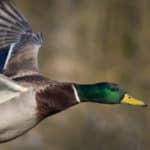
Mallard (duck)

Designated 1993

insect

Diana fritillary (butterfly)

Designated 2007

Parks & Reserves

Protected Areas

Arkansas' protected lands include national forests in the Ozark and Ouachita Mountains, National Park Service sites near rivers and thermal springs, and National Wildlife Refuges protecting bottomland hardwoods, swamps, and waterfowl across the Mississippi Alluvial Plain (Delta). State parks link habitat for forest birds, bats, native fish, and waterfowl. Protection is strongest in upland Ozarks/Ouachitas and Delta wetlands (White, Cache rivers).

Protected Coverage

≈13% (rough estimate; dominated by federally managed national forests plus NWRs, state parks, and other conservation lands)

National Parks & Preserves

Buffalo National River

≈95,000 acres (NPS-managed lands along ~135 miles of river)

Protects one of the last undammed large rivers in the lower 48, with limestone bluffs, riparian forests, and high-quality aquatic habitat supporting diverse fish and mussels; also a strong corridor for wildlife viewing (especially along river bottoms and adjacent uplands).

North American river otter White-tailed deer Wild turkey Bald eagle Smallmouth bass

Hot Springs National Park

≈5,500 acres

A compact but biologically rich unit combining oak-pine forests with streams and thermal springs; notable for birdlife, reptiles/amphibians, and bat habitat in forested ravines close to an urban interface.

White-tailed deer Barred owl Pileated woodpecker Five-lined skink Tri-colored bat

Ozark-St. Francis National Forests

≈1.2 million acres (combined)

Large blocks of hardwood and pine-oak forest, karst systems, and clear streams that support forest interior birds, black bear habitat in parts of the Ozarks, and exceptionally popular cold- and warm-water fisheries.

American black bear Wild turkey Pileated woodpecker Eastern collared lizard Brook trout

Ouachita National Forest

≈1.8 million acres (spans AR and OK)

Extensive pine-oak uplands and mountain streams with large roadless blocks and designated wilderness; important for black bears, neotropical migrant birds, reptiles, and native stream fishes across the Ouachita Mountains.

American black bear Red-shouldered hawk Worm-eating warbler Timber rattlesnake Longear sunfish

Arkansas Post National Memorial

346.7 acres

Protects a Mississippi River Delta edge landscape with wetlands, bottomland forest, and open water; notable for migratory birds and wetland wildlife viewing in a historically significant setting.

Bald eagle Wood duck Great blue heron American alligator River cooter

State & Provincial Parks

Hobbs State Park-Conservation Area

≈12,000 acres

Arkansas' largest state park, emphasizing conservation of Ozark hardwood forests and headwater streams; strong for songbirds, deer, and amphibians, with comparatively intact interior forest habitat.

White-tailed deer Wild turkey Pileated woodpecker Northern cardinal Eastern newt

Devil's Den State Park

≈2,500 acres

A Boston Mountains park with rugged sandstone formations, caves/shelters, and forested hollows; notable for woodland birds, bats, and herpetofauna in a scenic Ozark setting.

Barred owl Wood thrush Eastern box turtle Five-lined skink Rafinesque's big-eared bat

Petit Jean State Park

≈3,400 acres

A classic Arkansas plateau park with mixed forests, cliffs, and streams; good for raptors, songbirds, and general wildlife viewing along varied trail habitats.

Red-tailed hawk White-tailed deer Wild turkey Pileated woodpecker Gray squirrel

Crowley's Ridge State Park

≈2,000 acres

Protects a rare geologic and ecological "island" (Crowley's Ridge) rising above the Delta; important for migratory birds, forest diversity, and wetland-edge wildlife.

Prothonotary warbler Red-headed woodpecker Wood duck White-tailed deer Cottonmouth

Wildlife Refuges

White River National Wildlife Refuge

≈160,000 acres

One of the largest remaining bottomland hardwood forest complexes in the Mississippi River system; premier for wintering waterfowl, wading birds, and floodplain wildlife (including black bear).

American black bear White-tailed deer Mallard Wood duck Bald eagle

Cache River National Wildlife Refuge

≈68,000 acres

Protects swamps, oxbows, and bottomland hardwoods along the Cache River-famous for old-growth cypress/tupelo stands and outstanding birding and winter waterfowl use.

Wood duck Snow goose Great egret American alligator North American river otter

Felsenthal National Wildlife Refuge

≈65,000 acres

A major south-Arkansas wetland complex of backwaters, bottomland forest, and lakes; important for migratory waterfowl, wading birds, and wetland-dependent reptiles/amphibians.

Wood duck Blue-winged teal Great blue heron American alligator Bald eagle

Bald Knob National Wildlife Refuge

≈15,000 acres

Intensively managed wetland and cropland habitat that supports very large concentrations of wintering ducks and geese-one of the most reliable waterfowl-viewing areas in the state.

Mallard Northern pintail Snow goose Bald eagle White-fronted goose

Wilderness Areas

  • Upper Buffalo Wilderness (Ozark-St. Francis National Forests)
  • Richland Creek Wilderness (Ozark-St. Francis National Forests)
  • Caney Creek Wilderness (Ouachita National Forest)
  • Flatside Wilderness (Ouachita National Forest)
  • Black Fork Mountain Wilderness (Ouachita National Forest)
Animals

Wildlife

Arkansas sits at a crossroads of major U.S. ecoregions-Ozark and Ouachita mountain forests, extensive bottomland hardwoods and cypress-tupelo swamps in the Mississippi Alluvial Plain (Delta), and large river systems (Arkansas, White, St. Francis, Mississippi). This mix creates a "mountains-to-marsh" wildlife experience: black bears and elk in rugged uplands, world-class wintering waterfowl and wading birds in flooded timber and rice country, and exceptionally rich freshwater communities (notably fishes and mussels) in clear Ozark streams and big rivers.

~90 species Mammals
~400-420 species (many migrants on the Mississippi Flyway) Birds
~70 species Reptiles
~35-40 species Amphibians
~200-240 species Fish

Endemic & Rare Species

Ozark Hellbender (Ozark subspecies)

Cryptobranchus alleganiensis bishopi

Federally Endangered (U.S.)

A large, fully aquatic salamander tied to cold, clean, high-oxygen Ozark streams; Arkansas is part of its core remaining range and conservation focus.

Ozark Big-eared Bat

Corynorhinus townsendii ingens

Federally Endangered (U.S.)

Cave-roosting bat with a very limited range; depends on protected cave systems and surrounding foraging habitat in the Ozark region.

American Burying Beetle

Nicrophorus americanus

Federally Threatened (U.S.)

A once-widespread carrion beetle now rare; western Arkansas supports important remaining populations and ongoing conservation work.

Interior Least Tern

Sternula antillarum athalassos

Not listed under the U.S. Endangered Species Act (delisted 2021)

Nests on sparsely vegetated sandbars along large rivers; sensitive to river alteration and disturbance, with key breeding areas in the region.

Red-cockaded Woodpecker

Dryobates borealis

Federally Threatened (U.S.)

A pine-forest specialist tied to mature, open pine ecosystems; persists in managed southern pine landscapes where habitat conditions are restored.

Pallid Sturgeon

Scaphirhynchus albus

Federally Endangered (U.S.)

A large-river sturgeon dependent on connected, free-flowing habitats; Arkansas's big rivers are part of its remaining range and recovery efforts.

Caddo Mountain Salamander

Plethodon caddoensis

Range-restricted; conservation concern due to narrow distribution

A Ouachita Mountains endemic/near-endemic woodland salamander with a small geographic footprint, making it vulnerable to habitat and climate shifts.

Alligator Snapping Turtle

Macrochelys temminckii

Declining/regulated; considered vulnerable in many assessments

A giant, slow-reproducing turtle of big rivers and oxbows; persists in Arkansas but is sensitive to overharvest and habitat change.

Notable Populations

  • Mississippi Flyway waterfowl concentrations in the Delta-especially wintering dabbling ducks (notably mallards) in flooded timber and rice landscapes.
  • One of the nation's richer freshwater biodiversity regions: diverse Ozark stream fishes plus high freshwater mussel diversity statewide (a key indicator of clean, connected rivers).
  • Regionally important sandbar-nesting bird habitat along major rivers (supporting species such as Interior Least Terns where conditions persist).
  • Notable bat cave/karst resources in northern Arkansas that support significant roosting and hibernating bat assemblages (and associated conservation priorities).

Recent Changes

  • American Black Bear populations rebounded through management and habitat recovery; sightings and range use have increased in parts of the state.
  • Elk reintroduced to the Buffalo River area (late 20th century) established a popular, stable herd; ongoing management addresses habitat and human-wildlife interactions.
  • Bald Eagles increased markedly following nationwide recovery and improved protections; wintering and nesting presence is now routine.
  • American alligator populations recovered from historic declines and are managed; distribution remains centered in southern wetlands.
  • Bat declines and stressors have intensified due to white-nose syndrome in cave-hibernating species (impacting multiple Myotis bats).
  • Ozark hellbender declines persist in portions of the Ozarks, linked to sedimentation, water quality, and habitat fragmentation; active head-starting/augmentation efforts occur in the region.
  • Continuing long-term declines of grassland/early-successional birds (e.g., northern bobwhite) reflect habitat loss and changing land use.
  • Invasive feral hogs expanded and continue to pressure habitats and native wildlife through rooting damage and competition.
Visit

Wildlife Viewing

Arkansas offers great wildlife viewing in big hardwood forests, clear Ozark streams, rugged Ouachita ridges, and the wet Mississippi Delta. Expect excellent birding (waterfowl, shorebirds, songbirds), chances to see white-tailed deer and, in some areas, black bears, and many freshwater animals in rivers, oxbows, and cypress swamps. Trails, refuges, and scenic byways make trips easy year-round.

Best Seasons

Spring (Mar-May)

Peak migration for songbirds and shorebirds; wildflower season in Ozark/Ouachita forests; frogs and salamanders active after rains. Expect busy birding at wetlands (Cache River, White River NWR) and strong chances for warblers in upland forests and along river corridors.

Summer (Jun-Aug)

Best for river-based wildlife watching: paddling the Buffalo National River and other Ozark streams for herons, kingfishers, beavers, otters, and turtles; night sounds (owls, insects, amphibians) are at their best. Go early/late to avoid heat; look for elk at first/last light (Ponca area).

Fall (Sep-Nov)

Waterfowl begin arriving as temperatures drop; raptor migration and excellent bird photography on open wetlands and along ridgelines. Forest mast draws deer and bears in upland habitats. Crisp weather is ideal for hiking-and-scan style wildlife trips in the Ozarks and Ouachitas.

Winter (Dec-Feb)

Prime season for ducks, geese, swans, and bald eagles on refuges and flooded timber areas in the Delta (e.g., Bayou Meto, White River NWR). Fewer bugs, clearer sightlines in forests, and strong chances for eagle viewing near large rivers and lakes.

Top Wildlife Experiences

  • Paddle-and-scan the Buffalo National River (near Ponca/Jasper): float a calm section at sunrise for river otters, beavers, great blue herons, belted kingfishers, and abundant turtles; finish with an evening elk stakeout in the Ponca/Boxley Valley area.
  • Winter waterfowl show in flooded timber at Bayou Meto Wildlife Management Area: follow a morning bird-watching route to hear wings and see large flocks of mallards, teal, and geese—bring binoculars and a scope.
  • Cypress swamp birding on the Cache River National Wildlife Refuge: take a boardwalk/short trail day (and, if conditions allow, a canoe/kayak route) to spot prothonotary warblers in warm months, wintering ducks, woodpeckers, and wading birds among tupelo and cypress knees.
  • Bald eagle viewing along the White River and White River National Wildlife Refuge: visit in winter for eagles perched in riverside trees, plus deer, wild turkey, and waterfowl; focus on slow drives and short walks with frequent glassing stops.
  • Dusk wildlife drive and lake-edge walks at Petit Jean State Park: combine overlooks and forest trails for deer, wild turkey, barred owls, and seasonal songbirds; add a nighttime 'listen' session for owls and amphibians (stay on designated areas).
  • Explore bear and big woods in Ouachita National Forest (west/central Arkansas). Take a quiet forest road loop with pull-offs to clearings and berry/mast patches. Best early or late, especially late summer to fall; watch wildlife from a safe distance.
  • Spring warbler day in the Ozark National Forest (e.g., around Lake Fort Smith/White Rock Mountain areas): hike a ridge-to-hollow trail and bird by ear; expect mixed flocks, tanagers, vireos, and multiple warbler species during peak migration.

Wildlife Watching Types

Birding hotspots (waterfowl refuges in the Delta; spring/fall migration in forests and along rivers) Waterfowl and wetland wildlife viewing (ducks, geese, swans, waders in flooded timber and managed wetlands) Raptor and eagle watching (winter eagles on major rivers/lakes; fall raptor movement on ridges) Mammal viewing (elk in the Ponca/Boxley Valley area; deer and wild turkey statewide; black bears in select forested regions) River and paddling-based wildlife watching (otters, beavers, herons, kingfishers, turtles on Ozark streams and lowland rivers) Herpetology and amphibian listening nights (frogs/salamanders especially spring and after rains) Wildlife photography trips (dawn/dusk drives, refuge blinds/pull-offs, and low-angle riverbank shooting) Fishing as wildlife-linked nature travel (watch osprey, eagles, herons and aquatic life while targeting Arkansas's rich freshwater fisheries)

Guided Options

  • Arkansas Game and Fish Commission (AGFC) educational programs and events at nature centers and select WMAs (seasonal bird walks, nature talks, and youth/visitor programming-check current calendars by location).
  • U.S. Fish & Wildlife Service ranger-led or refuge-sponsored programs at Delta refuges (when offered): interpretive walks, wildlife-oriented events, and seasonal waterfowl/eagle viewing guidance (varies by refuge and year).
  • Local birding guide services (spring migration and winter waterfowl/eagle trips) based around the Delta refuges and Ozark hotspots-ideal if you want target-species planning and access-to-best-vantage-point efficiency.
  • Buffalo National River area outfitters for guided floats (canoe/kayak) that double as wildlife-viewing trips-useful for first-time paddlers or visitors wanting a naturalist-style outing.
  • State park interpretive programs (e.g., Petit Jean and other major parks) that often include guided hikes, owl prowls, and nature talks-best for families and visitors wanting structured wildlife experiences.
Habitats

Ecosystems

Arkansas stretches from the forested Ozark and Ouachita Mountains to the Mississippi Alluvial Plain (Delta). Most of the state has temperate forests—upland oak-hickory and pine, plus bottomland hardwoods—crossed by big rivers (Arkansas, White, Black, Ouachita, Red, Mississippi). Floodplains, swamps, and wetlands help waterfowl migrations; karst, cliffs, and rugged uplands add local habitat and high freshwater biodiversity.

Biomes

Temperate Forest

The dominant biome across uplands and many lowlands: oak-hickory and mixed hardwood forests in the Ozarks; pine-hardwood systems in the Ouachitas and south; extensive bottomland hardwood forests and riparian corridors in floodplains.

Statewide; predominant in the Ozarks, Ouachitas, and much of southern/central Arkansas; also extensive along river bottoms.

Temperate Grassland

Occurs as prairie/grassland openings, glades, and savanna-like woodlands (often maintained historically by fire), plus pasturelands that function as surrogate grasslands for some wildlife.

Patchy and localized; more common as openings in northwest and parts of west/central Arkansas; much reduced from historical extent.

Freshwater

Large warm-water river systems, oxbow lakes, reservoirs, springs, and streams support diverse fish communities (e.g., black basses, sunfishes, catfishes) and extensive aquatic food webs.

Statewide; densest networks in the Ozark streams and the Mississippi/White/Arkansas river basins, with numerous reservoirs statewide.

Wetland

Floodplain wetlands, swamps, marshes, and seasonally inundated forests are especially prominent in the Delta and along major rivers; includes highly managed waterfowl habitat areas.

Concentrated in the Mississippi Alluvial Plain/Delta and major river floodplains; scattered wetlands elsewhere.

Habitats

Forest

Widespread upland and lowland forests, including extensive public and private timberlands; key for deer, black bear, neotropical migrants, and forest interior species.

Deciduous Forest

Oak-hickory and mixed hardwood stands in the Ozarks and river bottoms; strong fall mast production supports deer, turkey, and many small mammals.

Coniferous Forest

Pine and pine-hardwood forests, especially in the Ouachitas and southwestern Arkansas; includes managed pine landscapes and more natural shortleaf pine systems.

Woodland

Open-canopy oak woodlands and pine-oak woodlands (often fire-influenced) with diverse understories; occurs on ridges, slopes, and glades.

Grassland

Prairie remnants, old fields, and pasturelands used by grassland birds and pollinators; often interspersed with woodland/edge habitats.

Prairie

Small native prairie/glade remnants (including rocky glades) and restoration sites, particularly in northwest/western portions; important for specialized plants and reptiles.

Shrubland

Early-successional thickets on disturbed sites, utility corridors, and regenerating timberlands; valuable for songbirds and small game.

Mountain

Ozark and Ouachita highlands create rugged topography, elevational microclimates, and diverse slope/aspect habitats; includes scenic ridges and valleys.

Cliff/Rocky Outcrop

Bluffs and rock outcrops (notably in the Ozarks along rivers) provide nesting/roosting sites and specialized plant communities.

Cave

Karst caves and sink systems in the Ozarks support bats and cave-adapted fauna; groundwater connectivity influences regional spring and stream ecology.

River/Stream

Major rivers (Mississippi, Arkansas, White, Black, Ouachita, Red) with large floodplains, sandbars, and riparian forests; critical for fish migration, mussels, and waterbirds.

Lake

Natural oxbows in the Delta and many reservoirs (e.g., Bull Shoals, Greers Ferry, Ouachita) supporting recreation, fisheries, and shoreline habitats.

Pond

Farm ponds and small impoundments common in agricultural and mixed-use landscapes; support amphibians, waterfowl, and warm-water fish.

Wetland

Seasonally flooded forests, moist-soil units, and emergent wetlands-especially in the Delta-supporting major waterfowl concentrations and wading birds.

Swamp

Bald cypress-tupelo and other bottomland swamp systems in the Mississippi Alluvial Plain and larger river backwaters; high productivity and nursery habitat.

Marsh

Emergent marshes in oxbows, backwaters, and managed wetland complexes; important for amphibians, rails, and migrating ducks.

Bog

Localized acidic seepage wetlands and peat-influenced pockets (rare compared to other wetland types); supports specialized plants where present.

Agricultural/Farmland

Row-crop landscapes (notably rice, soybeans, cotton in the Delta) that strongly shape hydrology and habitat availability; includes extensive irrigation and drainage infrastructure.

Urban

Cities such as Little Rock-North Little Rock, Fort Smith, Fayetteville/Springdale/Rogers, and Jonesboro with fragmented green spaces and riparian corridors.

Suburban

Expanding development around metro areas and lake communities; mix of yards, small woodlots, and altered streams.

Ecoregions

EPA Level III: Ozark Highlands EPA Level III: Boston Mountains EPA Level III: Arkansas Valley EPA Level III: Ouachita Mountains EPA Level III: South Central Plains EPA Level III: Mississippi Alluvial Plain EPA Level III: Mississippi Valley Loess Plains EPA Level III: Western Gulf Coastal Plain WWF: Ozark Highlands forests WWF: Ouachita Mountains forests WWF: Southeastern mixed forests WWF: Mississippi lowland forests
Protection

Conservation

Primary Threats

  • Conversion and fragmentation of bottomland hardwood forests and wetlands in the Mississippi Alluvial Plain (Delta) historically reduced habitat for waterfowl, songbirds, and floodplain specialists; remaining high-quality tracts are often isolated by agriculture and levee networks. In fast-growing areas (e.g., Northwest Arkansas), development also fragments forests and riparian corridors.
  • Row-crop agriculture (rice, soybeans, cotton) dominates much of the Delta, reducing native wetlands/forests and increasing drainage/ditch networks; poultry and pasture production in western/northwestern Arkansas can intensify nutrient runoff into sensitive watersheds.
  • Dams, reservoirs, river straightening, levees, and bank stabilization change flood patterns bottomland forests need and break spawning and host fish links for freshwater mussels. Stopping natural fires in pine and oak areas reduces open savanna and woodland habitat for many species.
  • Nutrient enrichment (nitrogen/phosphorus) and sedimentation from agriculture and rapidly developing watersheds (notably parts of the Illinois River basin) degrade streams, affecting sensitive fish and mussels. Legacy metal contamination from historic lead-zinc mining in the Tri-State mining district (northwest AR) continues to influence some stream sediments and biota.
  • Feral hogs damage wetlands and forest understories, increase erosion, and prey on ground-nesting wildlife. Aquatic invasives (e.g., carp in large rivers and connected wetlands; invasive aquatic plants in some reservoirs/backwaters) alter food webs and habitat quality for native fish and waterfowl.
  • White-nose syndrome has caused major declines in cave-hibernating bats (including federally listed species) across the Ozarks and Ouachitas; disturbance at roost caves can compound impacts. Other emerging issues include amphibian diseases (e.g., chytrid) and fish health problems exacerbated by warm, low-oxygen conditions.
  • More frequent extreme rainfall and flooding can scour streams and smother mussel beds with sediment, while hotter summers and drought increase water temperatures and reduce flows in upland streams. Shifts in hydroperiods in the Delta can reduce the reliability of seasonal wetlands important for migrating waterfowl.
  • Transportation expansion and river infrastructure (navigation features, revetments, bridges) fragment habitats and can simplify river channels. Dams create barriers that limit fish movement and affect sediment transport, with downstream consequences for mussel and sturgeon habitat.
  • When poorly managed, timber harvest can increase sediment delivery to streams and reduce mature forest structure; in some landscapes, conversion to short-rotation pine plantations can reduce habitat complexity. Conversely, well-designed forestry with stream buffers and prescribed fire can be compatible with many conservation goals.
  • Historic and localized ongoing extraction (including legacy impacts from lead-zinc districts) contributes to heavy-metal contamination risk and physical disturbance in some watersheds; abandoned mine lands can alter drainage patterns and water chemistry.
  • Recreation pressure on high-use rivers (e.g., popular floats) and in caves can disturb sensitive species and degrade riparian zones if unmanaged; cave visitation can be particularly harmful to bat colonies during hibernation or maternity periods.
  • Recovering and expanding black bear populations increase the frequency of conflicts near towns and in rural interface areas (garbage, bird feeders, crops). Similarly, expanding beaver and deer populations can create localized landowner conflicts that require targeted management.
  • Regulated hunting is a cornerstone of Arkansas wildlife management and funding, but illegal take and misidentification risks can affect sensitive species (e.g., unlawful harvest of protected turtles or incidental impacts near roosting/nesting areas). Maintaining sustainable harvest and enforcement remains important.
  • Most sport fisheries are actively managed, but localized overharvest risks exist for long-lived species (e.g., trophy catfish, paddlefish in some waters, and rare sturgeon where encountered), and for certain turtles collected for meat/market in some areas.
Fun Facts

Did You Know?

Arkansas is one of the few U.S. places where you can see both American alligators and American black bears on the same trip, especially in Delta bottomlands like the White River and lower Ouachita floodplains.

A big share of Arkansas's famous winter duck abundance is powered by agriculture: flooded rice fields in the Grand Prairie act as "replacement wetlands," providing waste grain and shallow-water habitat that can rival natural marsh food supplies.

In the Ozarks, some native aquatic species are literally built for darkness: Ozark cave-adapted animals (including fish and invertebrates) have reduced/absent pigmentation and eyes, living in groundwater-fed caves and springs where sunlight never reaches.

The Greater Roadrunner-often thought of as a desert bird-occurs in parts of southwestern Arkansas, while just a few hours away the Delta holds cypress-tupelo swamps that feel more like coastal wetlands than the interior U.S.

Ozark hellbenders ("snot otters") still persist in some clear, rocky Arkansas streams; they breathe largely through their skin and require high oxygen levels, so their presence is a strong sign of cold, clean, fast-flowing water.

The White River National Wildlife Refuge, about 160,000 acres, is the U.S. Fish & Wildlife Service’s largest remaining connected bottomland hardwood forest in the lower Mississippi River Valley, where black bears, alligators, and wintering waterfowl overlap.

Blanchard Springs Caverns (Ozark-St. Francis National Forest) has one of the largest maternity colonies of the endangered gray bat (Myotis grisescens); summer roost counts often reach hundreds of thousands in this single cave.

The Cache River-Bayou DeView "Black Swamp" area supports some of the oldest bald cypress in the interior U.S.; dendrochronology work has documented individual trees that are roughly 1,000+ years old-living habitat older than the state itself.

Arkansas is routinely among the top states nationally for mallard harvest in the U.S. Fish & Wildlife Service Migratory Bird Harvest Surveys-reflecting how exceptionally concentrated wintering ducks can be in the state's Delta and Grand Prairie landscapes.

Arkansas is a southern state with a population of about 3 million. It borders Texas and Oklahoma to the east, Louisiana to the south, and Mississippi and Tennessee to the west.

Arkansas calls itself “the Natural State,” and it’s easy to see why. Bordered by the Ozark Mountains on one side and the Ouachita Mountains on another, it has breathtaking mountain vistas, deep valleys, and rushing mountain streams. Arkansas has densely forested timberlands and fertile lowlands known for their rich black soil. The lower part of the state is on the Mississippi Delta and the Gulf of Mexico, and its wetlands include cypress swamps, headwater swamps, and slope wetlands.

Although its weather is often described as subtropical, Arkansas has four distinct seasons. It has hot, humid summers, cool falls, dry springs, and snowy winters.

Wild Animals in Arkansas

Eastern Spotted Skunk (Spilogale putorius) tail lifted near log.

Eastern spotted skunks are native to Arkansas.

The state’s low population density, varied topography, and wild landscapes have allowed many native species to thrive here. Arkansas’s mountains and forests are excellent places to see birds and wildlife. There are 400 native bird species and more than 150 butterfly and moth species. You can spot great blue herons, snowy owls, ruby-throated hummingbirds, white ibis, golden-crowned kinglets, and four species of oriole. Arkansas is home to the red-cockaded woodpecker, one of the rarest endangered birds.

Arkansas has 16 native bat species, including the endangered Rafinesque’s big-eared bat, the hoary bat, and the Seminole bat. Many of its animals include mammals and rodents common to most forested states.

Arkansas’s predators include coyotes, gray foxes, red foxes, and bobcats. Among its rodents are 12 mouse species, ground squirrels, and the southern flying squirrel. Its small mammals include river otters, shrews, pocket gophers, cottontail rabbits, and opossums.

Arkansas has some strange mammals like the nine-banded armadillo and the eastern woodrat. It also has strange rodents you will only find here, like the thirteen-lined ground squirrel, the southern bog lemming, and the Texas deer mouse.

The state is home to two species of skunk, the eastern spotted skunk and the striped skunk, and several shrew species.

Reptiles and amphibians include the most common types, but they also include some weird species like prairie lizards, Texas horned lizards, bull snakes, eastern garter snakes, and Gulf crayfish. Arkansas also has alligators, turtles, and geckos.

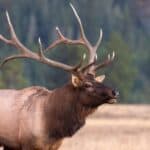
Elk were once hunted to extinction, but conservation efforts have reintroduced them to the area surrounding the Buffalo National River in northwest Arkansas. Black bears have also returned to the state after years of absence.

The Official Animal of Arkansas
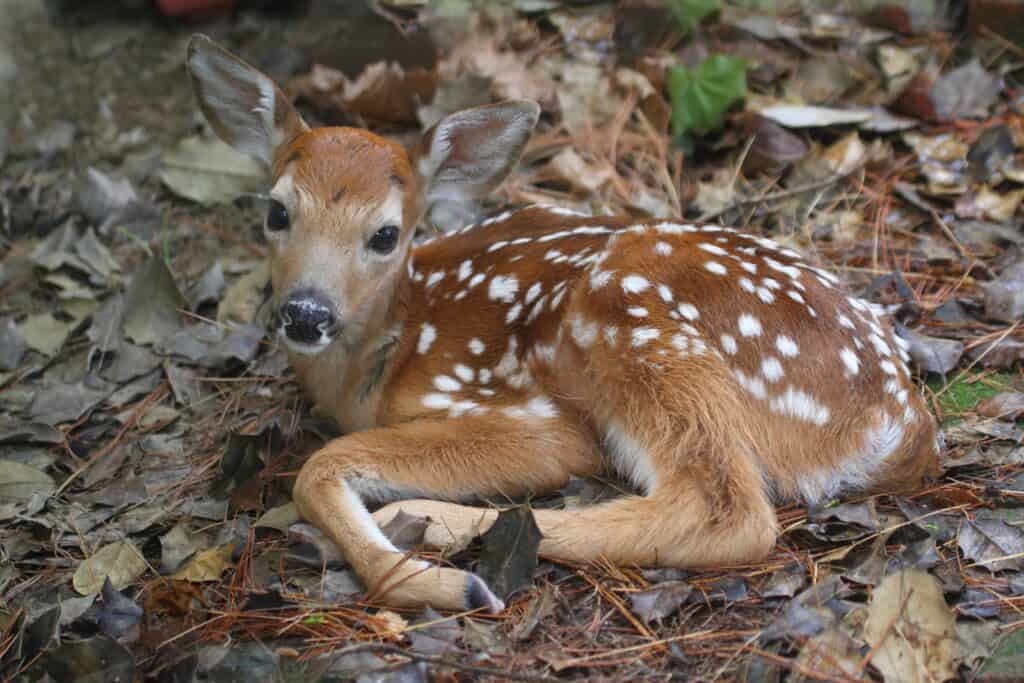
baby fawn

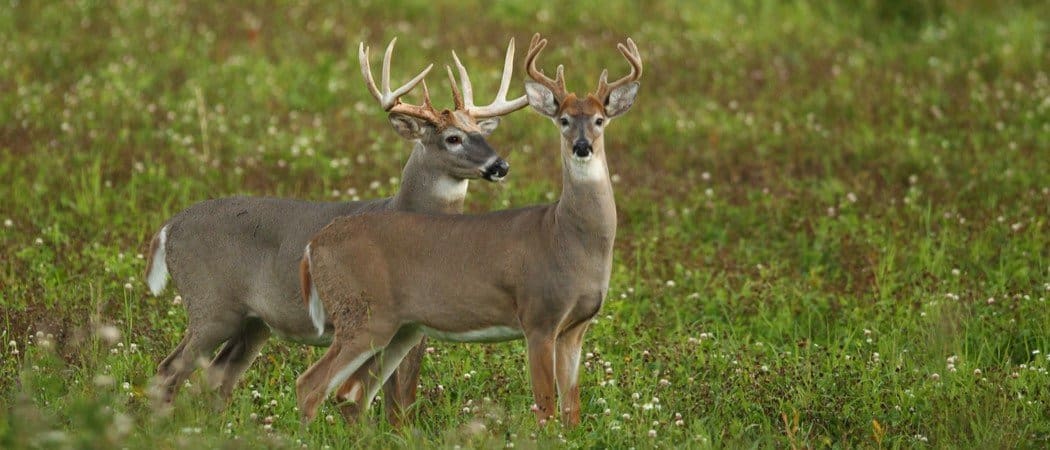
White-tailed deer are the state animal of Arkansas.

The white-tail deer is the official animal of Arkansas, and it can be found in abundance throughout the state. Hunting game such as deer plays an important role in the local economy, and elk are also a popular choice for hunters.

The mockingbird is the state bird, with its melodic chirping bringing joy to many Arkansans. As well as being home to these animals, Arkansas has some beautiful flora too. The state tree is the pine tree. This majestic evergreen symbolizes both strength and longevity, qualities that are shared by all who call this wonderful state home!

Where To Find the Top Wild Animals in Arkansas

Mount Magazine Arkansas
Mount Magazine State Park is one of many wonderful places to see nature and wild animals.

Arkansas is home to many wildlife preserves and nature walks that provide visitors with opportunities to observe wild animals in their natural habitats. Places like these are beneficial for a variety of reasons.

For example, they are important for research and conservation as scientists can monitor the health of species or measure how well certain populations are doing in different areas. They also help protect endangered species from illegal poaching or development activities that could harm their habitat.

Nature walks allow people to appreciate natural beauty while learning more about local flora and fauna, which helps increase awareness of environmental issues. Finally, sanctuaries provide refuge for animals who have been injured or abused by humans, giving them the chance to heal without fear of further danger. All in all, places like this have an incredibly positive impact on both human society and the environment!

  • Pinnacle Mountain State Park is a large state park that is also a Trail of Tears National Historic Site. It has 15 miles of hiking and biking trails and river walks. It is an excellent place to see some of the state’s rarest butterflies, moths, and birds.
  • The Delta Rivers Nature Center, established in 2001, was the state’s first nature center. It displays fish and aquatic animals in a natural setting that duplicates river bottom habitats.
  • Hot Springs National Park includes 47 natural thermal springs, 30 miles of hiking trails, and a hot water cascade. It is one of the best places to camp in Arkansas and an excellent place to view wildlife and birds.
  • Lake Chicot State Park is a protected area surrounding the 20-mile-long Lake Chicot, the largest natural lake in the state.
  • Turpentine Creek Wildlife Refuge is a 459-acre sanctuary for abused and abandoned big cats. The refuge is accredited by the Global Federation of Animal Sanctuaries as an ethical animal tourism destination.

Biggest Animals in Arkansas
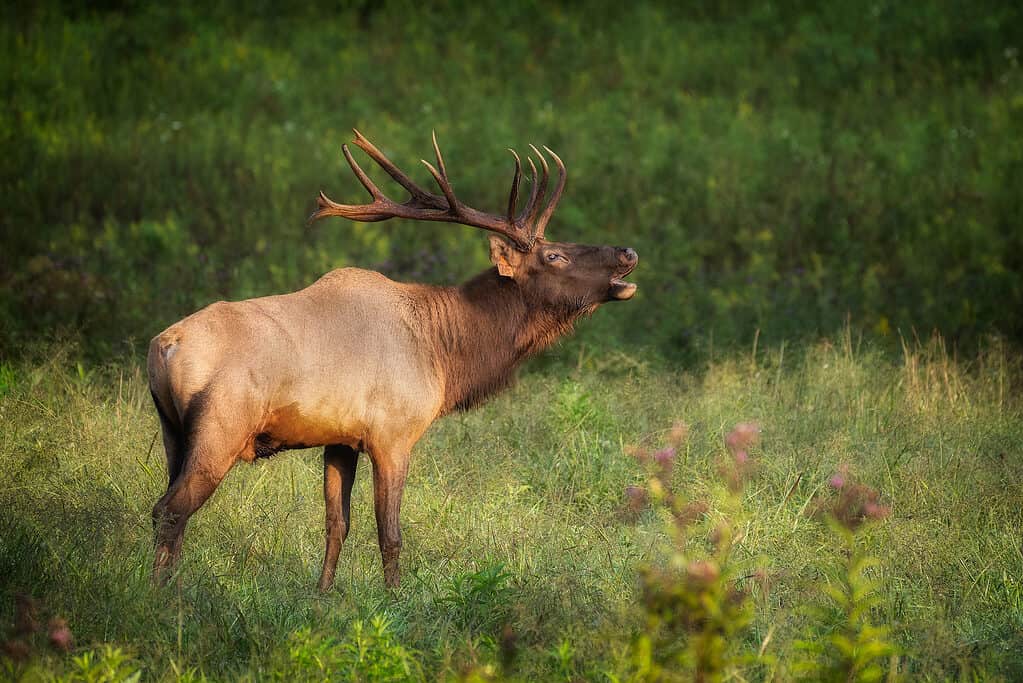
Rocky Mountain elk

A Rocky Mountain elk is one of the largest animals in Arkansas

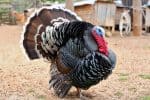
The largest animals in Arkansas are the American black bear, white-tailed deer, and wild turkey. These animals can reach impressive sizes due to the abundance of food sources available in the natural habitats they call home.

American black bears have an average weight of between 130 and 500 pounds when fully grown. They prefer forested areas near streams or rivers that provide plenty of plants to eat as well as a reliable source of water. Bears will also scavenge for human food if given the chance, so it’s important to keep trash cans secure where these animals live!

White-tailed deer are some of the most recognizable wildlife species in Arkansas, with their characteristic reddish coats and large antlers on males during the breeding season. Adults range from 90-250 pounds depending on age, gender, and nutrition availability. Deer inhabit both open fields and woodlands but prefer dense cover like thick brush or trees for protection from predators.

Elk are also found in Arkansas, ranging in size from 500 to 700 pounds! Additionally, wild boars have recently been reintroduced into some areas of Arkansas, reaching weights of up to 600 pounds. While these animals may not be incredibly common due to habitat loss or hunting pressures, they still make their presence known as a reminder of just how much diversity exists within this great state’s wildlife!

3 Rarest Animals in Arkansas

mother and baby eagle
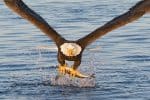
Bald Eagles are one of the rarest animals to spot in Arkansas.

In Arkansas, several animals can be considered rare but not endangered. These include black bears, wild boars, and bald eagles. Black bears inhabit wooded areas with plenty of food sources, such as acorns and berries. They also prefer to live in forests with thick vegetation for cover.

Wild boars are found in the Ozark Mountains and tend to congregate near wetlands or streams, where they feed on aquatic plants and grasses.

Bald eagles can be seen along rivers or lakes where they will build their nests high up in tall trees or cliffs so that they can soar above the landscape looking for prey such as fish or small mammals.

The Most Dangerous Animals in Arkansas Today

Brown Recluse Spider
Brown recluse spiders are one of the most dangerous creatures in Arkansas

Some Arkansans joke that the most dangerous animals in their state are careless, armed game hunters. Jokes aside, Arkansas has some dangerous animals, including alligators and bears, but attacks on humans are rare. The most dangerous animals to humans are the state’s poisonous snakes and spiders.

Snakes: Arkansas has copperhead snakes, timber rattlesnakes, and the western banded rattlesnake.
Spiders: Arkansas is home to the venomous brown recluse spider.

Endangered Animals in Arkansas
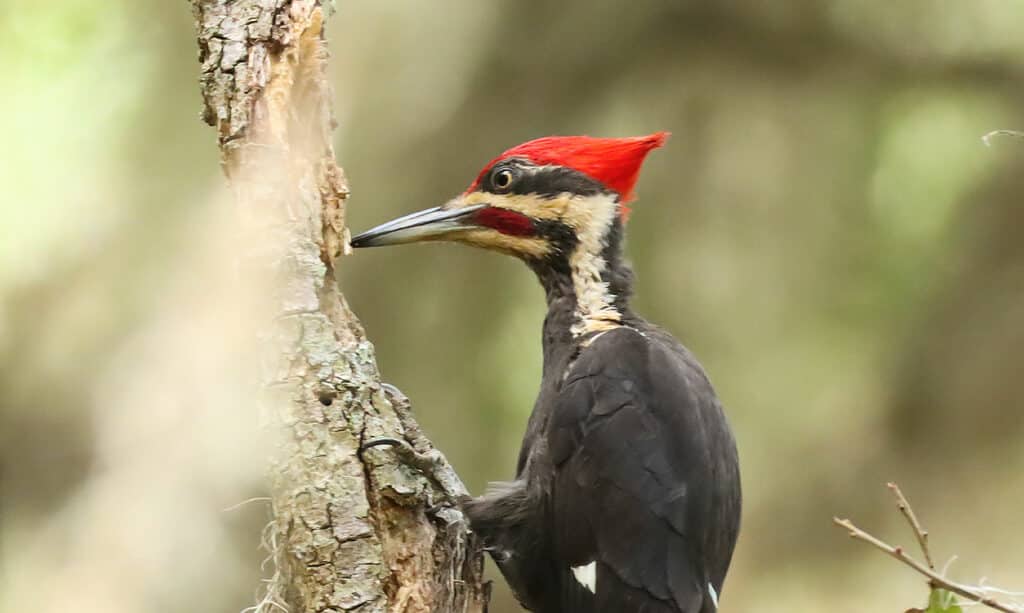
Ivorybill Woodpecker, Animal, Animal Wildlife, Beak, Bird

The ivory-billed woodpecker is an endangered species found in Arkansas.

Animals in Arkansas are becoming endangered due to a variety of factors, such as habitat destruction and fragmentation, poaching, pollution, and climate change. The loss of natural habitats from development projects or farming activities can drastically reduce the amount of available space for animals.

Poaching is another major contributor when illegal hunters take too many animals for their own consumption or for sale on the black market. Pollution can also be dangerous to wildlife populations as it contaminates their food sources or destroys their habitats. Finally, climate change has been causing extreme weather events that have killed off entire species in Arkansas.

Arkansas has 32 threatened and endangered species. They include:

  • Ozark big-eared bat (Corynorhinus tonswendii ingens)
  • Ozark cave fish (Troglichthys rosae)
  • Ozark hellbender (Crypotbranchus alleganiensis bishop)
  • Curtis pearly mussel (Epioblasma curtisi)
  • Ivory-billed woodpecker (Campephilus principalis)
  • Rattlesnake-master borer moth (Papaipema eryngi)

The Ozark hellbender is a strange animal with an equally weird name. One of the rarest species, this endangered salamander only lives in the mountain streams of the Ozarks. The states of Missouri and Arkansas are working together to preserve the hellbender.

The rattlesnake-master borer moth is one of the rarest moths. It exists in only five states, including Arkansas, Illinois, Kentucky, North Carolina, and Oklahoma. The moth gets its strange name from its dependence on the rattlesnake master, a prairie plant that is its only food source.

Arkansas residents can help protect these endangered species by supporting conservation efforts that focus on protecting animal habitats and restoring areas back to health where possible. This includes reducing plastic waste and other pollutants that damage the environment. Additionally, individuals should report any suspicious activity related to poaching so that law enforcement officers can investigate further if necessary. Finally, people should consider donating money or volunteering their time at local conservation organizations that work hard every day to preserve our state’s precious wildlife resources!

Native Plants in Arkansas
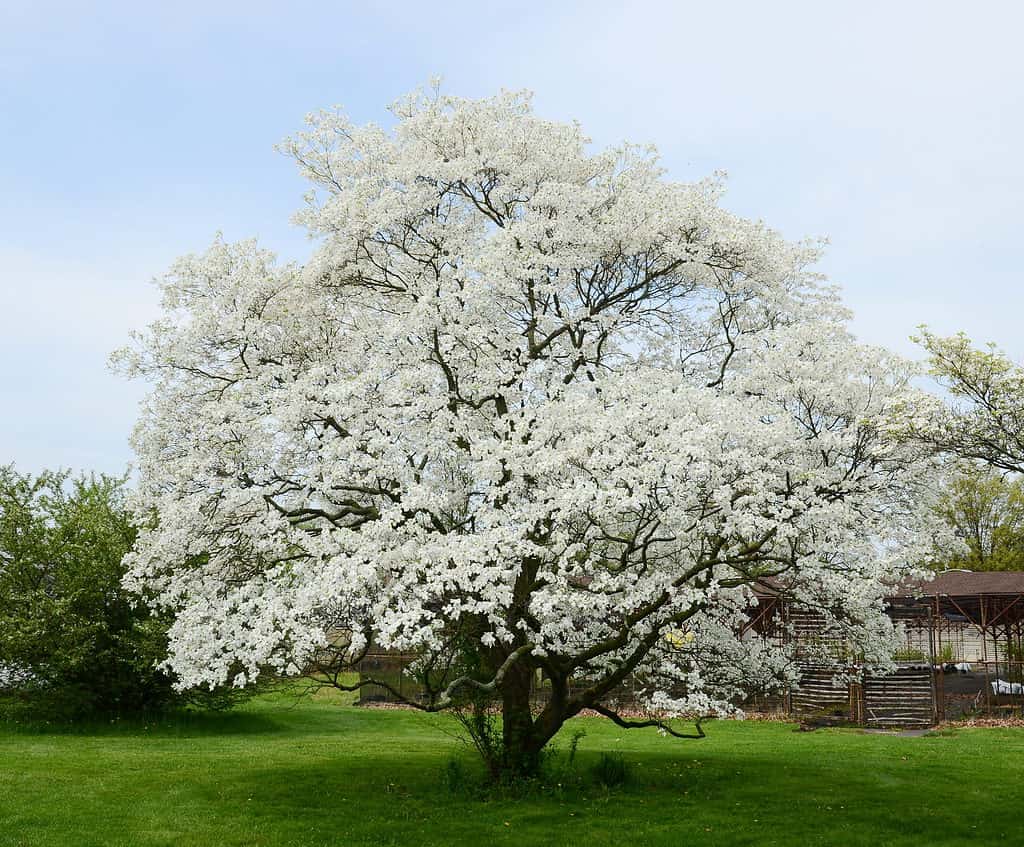
dogwood in full bloom

Dogwood trees are one of many plants native to Arkansas.

Arkansas is home to a diverse array of evergreen and deciduous plant species. With over 11.7 billion trees covering around 56% of the state, you are bound to come across the silver or boxelder maple trees, which just happen to be indigenous to Arkansas.

In addition to the silver and boxelder maple trees, Arkansas is home to an array of native wildflowers. These include the fragrant white-flowering dogwood tree, the yellow-blooming Indian blanket flower, and the pink iris.

The state also has a variety of flowering shrubs, such as rhododendron and mountain laurels, that can be seen blooming in springtime. In addition, several species of ferns are native to Arkansas, including sensitive ferns, bracken ferns, Christmas ferns, ostrich ferns, and hay-scented ferns. With so many different types of plants throughout the state, you will never be short on beauty while exploring nature in Arkansas!

The Flag of Arkansas

The Arkansas flag has a lot of symbolic meaning.

Arkansas’ flag is a distinct symbol of the state. It features a red background, commonly referred to as “the field,” which is charged with a large white diamond in the center. The diamond has blue borders that contain 25 five-pointed stars and four other stars located inside the diamond itself. In addition, within the white diamond is written in blue letters; “Arkansas.”

The symbolism behind this flag is significant for Arkansas residents. The twenty-five stars represent Arkansas being admitted into the Union as the 25th state on June 15th, 1836, while each of those four additional stars signifies subsequent admittance of states after Arkansas joined the union up until 1861 when it seceded from it during Civil War times.

Two colors are featured heavily throughout represent opposing sides. Red signifies its people’s loyalty to their Confederate cause and loyalty whilst blue stands for their perseverance and faithfulness towards America’s Union principles.

Read about:

  • extinct animals that lived in Arkansas.
  • the amazing waterfalls in Arkansas.
  • the best fishing spots in Arkansas this summer.
  • the best national parks in Arkansas.
  • the types of hawks in Arkansas.

Animals Found in Arkansas

208 species documented in our encyclopedia

Thank you for reading! Have some feedback for us?