
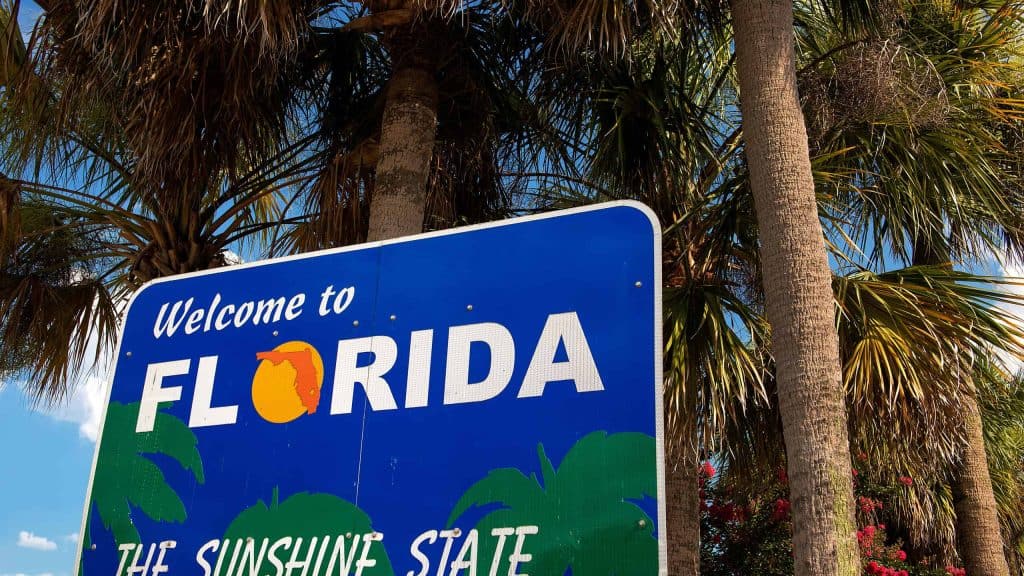
Florida is taking a step toward hands-on wildlife management that ultimately enlists the public to help with invasive-species removals, including one particularly notorious carnivore. Known as the state’s Python Challenge, this Floridian program mobilizes participants to capture Burmese pythons in and around the Everglades. But that isn’t the only change Florida is making in an effort to manage its current species populations.
A black bear hunt has been approved in Florida for December 2025, marking the first such season in nearly a decade. Is this a decision the general populace is excited about, or does it come with controversy? Discover what Florida is changing about its hunting laws and seasons this year and what it means for the state’s invasive species, as well as the local population’s involvement.
Why Florida Invites the Public In
©Ingo70/Shutterstock.com
Florida state officials say there are two main dynamics driving these new hunting programs: rapid human growth is pushing deeper into wildlife habitat, and animal populations are creating ecological or public-safety pressures that Florida’s staffing and budgets cannot fully address.
Inviting trained members of the public into these hunting initiatives helps with labor, overall awareness, and data that leads to additional management funding and understanding. The Florida Fish and Wildlife Conservation Commission (FWC) describes this approach as science-led wildlife stewardship that combines agency work with citizen participation. However, there are pros and cons to both initiatives. Supporters and opponents of these two changes exist; here is what they have to say, along with the details of both programs.
The Python Challenge: Criticism and Support
©Heiko Kiera/Shutterstock.com
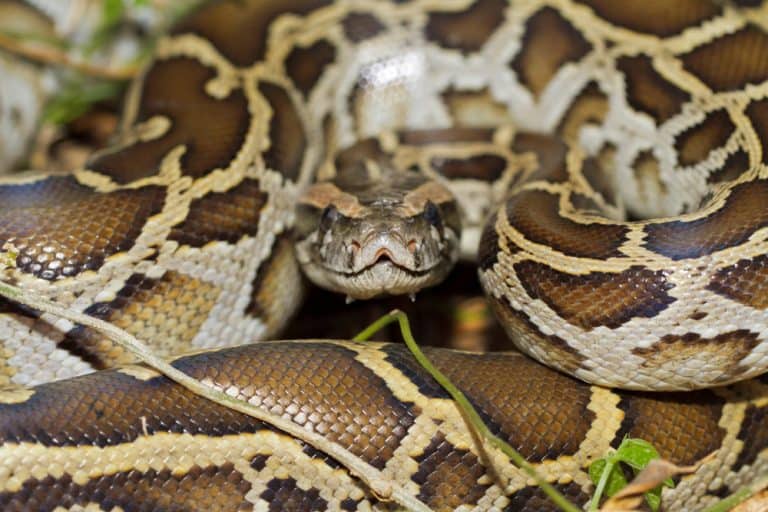
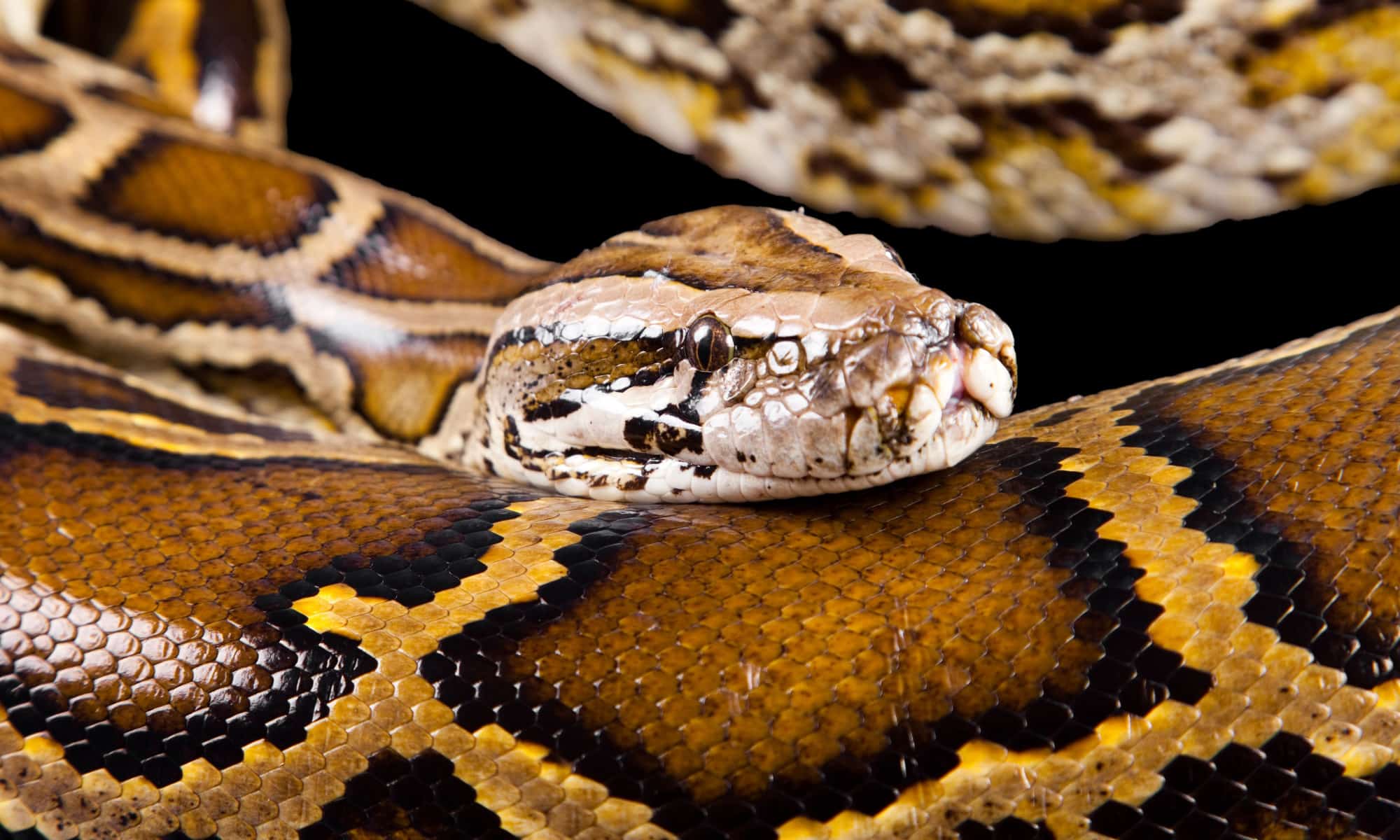
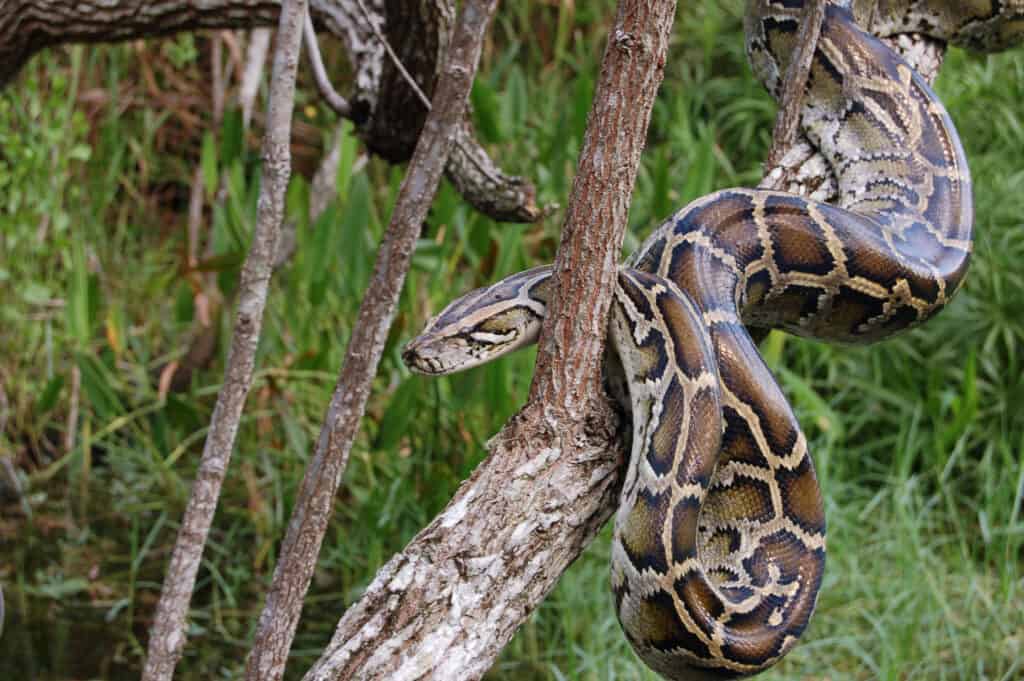
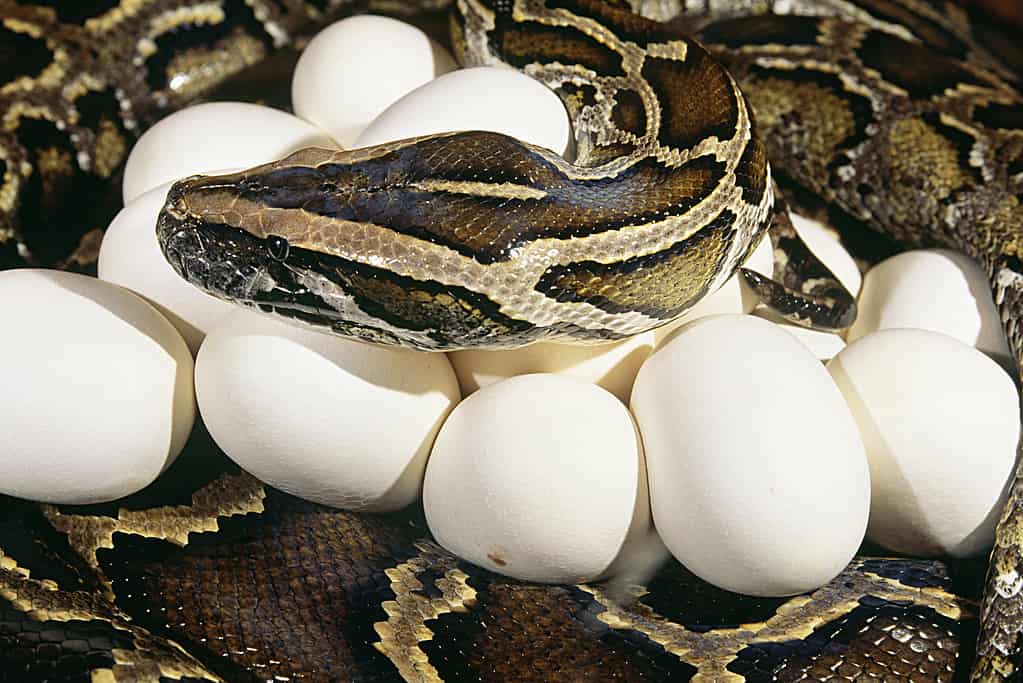
The first change Florida is making to its current wildlife management schedule involves one particular invasive snake. The Burmese python is a non-native constrictor known for causing steep declines in small mammal populations in parts of the Everglades.
Florida’s Python Challenge involves both volunteers and professionals. After fulfilling the state’s required training, participants find and remove snakes during a defined window on public lands that have opted in, including parts of the Everglades and Big Cypress. The 2025 event ran July 11–20 and was framed by FWC as a way to protect Florida’s native wildlife and reduce ecological damage that’s been occurring in Florida for years.
Supporters’ View
Proponents argue that these invaders typically outpace conventional removal methods. That’s why adding hundreds of trained eyes and hands slows the spread of these snakes, yields location data, and keeps the issue in front of the public. The rules limit certain tools and methods to reduce risk and standardize humane dispatch, and a competitive model provides structure and accountability.
Critics’ View
Skeptics contend that this python challenge is more symbolic than helpful, removing only a fraction of this invasive population and risking inhumane methods when large crowds of civilians are involved in the process. They argue that year-round professional suppression, improved detection technologies, and habitat-level tactics may produce steadier gains than a brief, high-profile contest.
Data is pending from the hunt, so both critics and supporters await the outcome of this contest.
The Black Bear Hunt: Criticism and Support
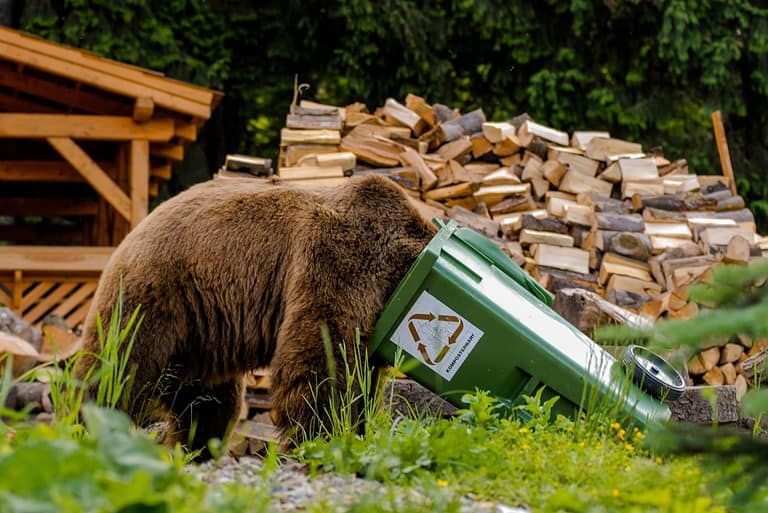
©Richard Jackson/iStock / Getty Images Plus via Getty Images
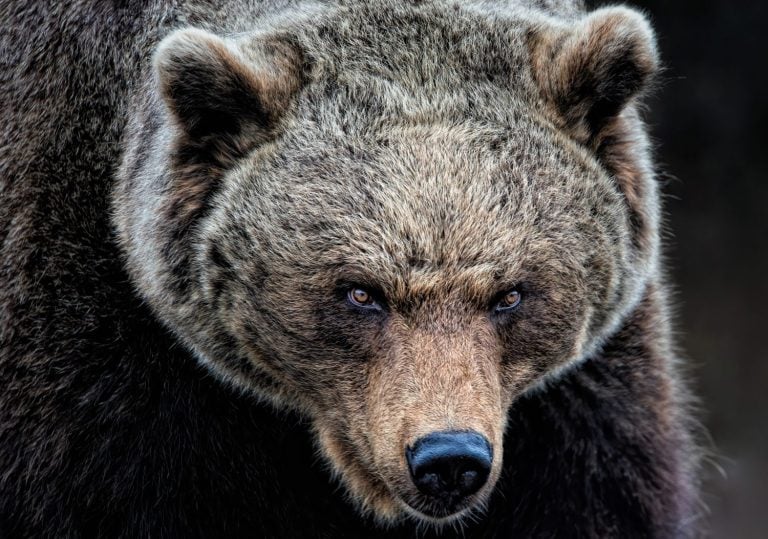
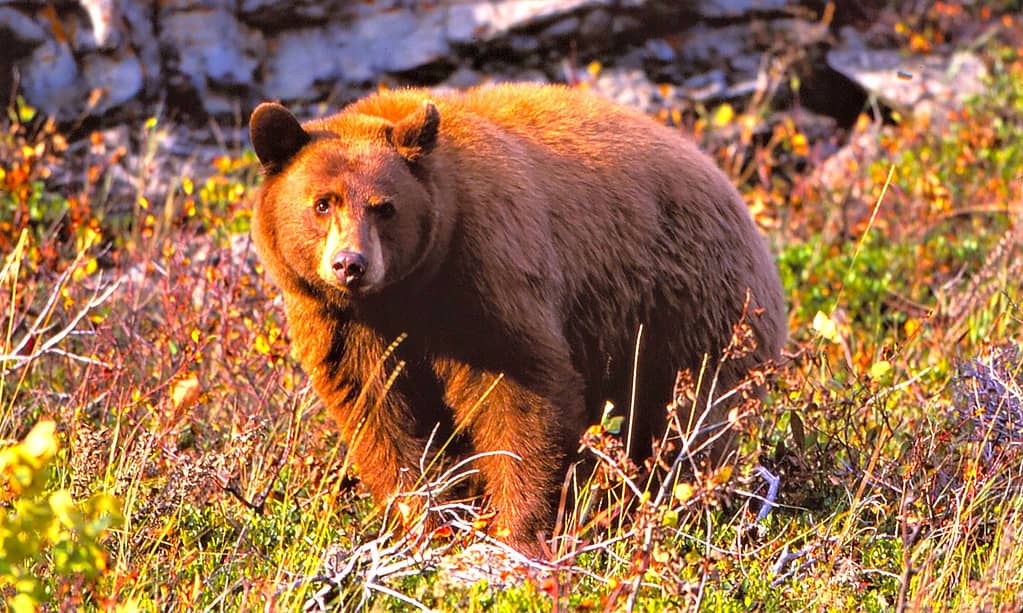
In August 2025, FWC unanimously approved a limited black bear hunt from December 6th through the 28th, marking the first hunt since 2015. The rule caps permits using a random drawing, sets a combined quota of 187 bears across four hunt areas, prohibits hunting cubs or females with cubs, and sets resident and nonresident fees at $100 and $300, respectively.
Leaders of this initiative say the move addresses the rising bear-human interactions and aligns with recovered populations, which are now estimated at around 4,000 statewide. “We make decisions based on science,” FWC chair Rodney Barreto said when the measure passed. But what do critics and supporters say?
Supporters’ View
Regulated harvest is a standard tool used across North America to shape population structure, stabilize numbers in ideal habitats, and deter bears from entering neighborhoods or other unwanted areas. Several local officials state that residents are increasingly encountering bears on porches, playgrounds, and streets, bringing safety concerns and property conflicts into the spotlight.
Critics’ View
Opponents of this hunt say the state is relying on outdated or incomplete data. The last bear hunt in 2015 saw over 300 bears killed in two days, including females and cubs, making them wary of a new hunting initiative. Additionally, lawsuits have been filed to block the 2025 hunt, and critics call the decision primarily politically driven.
With this in mind, what do the data, science, and experts have to say about this initiative?
What the Science and Data Say
©Freaktography/Shutterstock.com
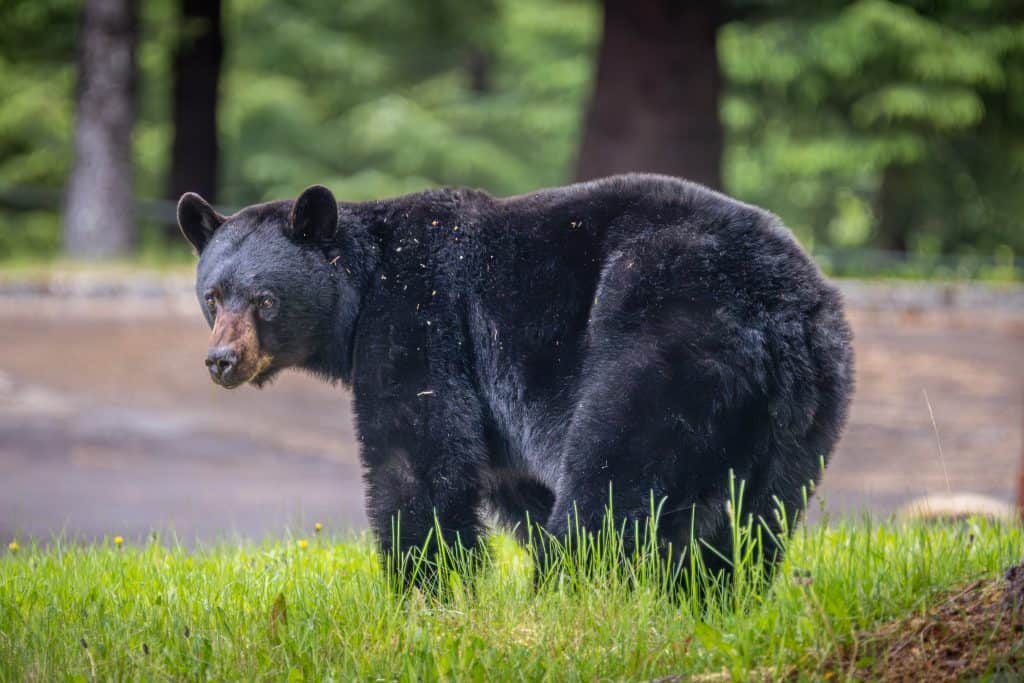
FWC’s Black Bear Management Plan aims to maintain healthy, self-sustaining, and genetically diverse subpopulations while also minimizing conflict with humans. The process also includes periodic updates to population estimates and adjustments to management tools or hunting processes.
Bear advocates believe that until new, comprehensive estimates are complete, removals should be restrained and focused on conflict prevention. Some prevention methods include bear-resistant trash cans, wildlife corridors, and driver awareness, but it is unclear if these methods are enough to address the current situation.
How Many Residents Are Interested in This Initiative?

©JMP_Traveler/Shutterstock.com
Current reports indicate over 160,000 applications have been submitted for fewer than 200 permits. At the same time, environmental groups have organized protests and legal challenges, and some are encouraging a “buy and don’t use” tactic, which means they are attempting to acquire a permit in order to prevent a potential harvest from occurring.
What’s Next for Florida’s Invasive Species?
©Paul Tessier/Shutterstock.com
When it comes to Florida’s python population, agencies and researchers will continue tracking removals, improving snake detection, and gauging wildlife response over time. Additional measures will determine whether the Python Challenge meaningfully suppressed this invasive species or not.
For black bears in the state, the December hunt will be scrutinized closely for its adherence to rules, accuracy of quotas, and all post-season evaluations. Eventually, this data will shape whether future seasons proceed, are modified, or are dissolved entirely. Legal outcomes and public sentiment will likely influence both, and time will tell how this process unfolds in the future.
The Future of Florida Wildlife Management
Florida’s new wildlife programs and hunting initiatives will heavily depend on science, implementation, and parallel investments in habitat preservation, waste management, and public education. While there are many arguments for and against both programs, only time and data will tell how Florida can manage these species moving forward.