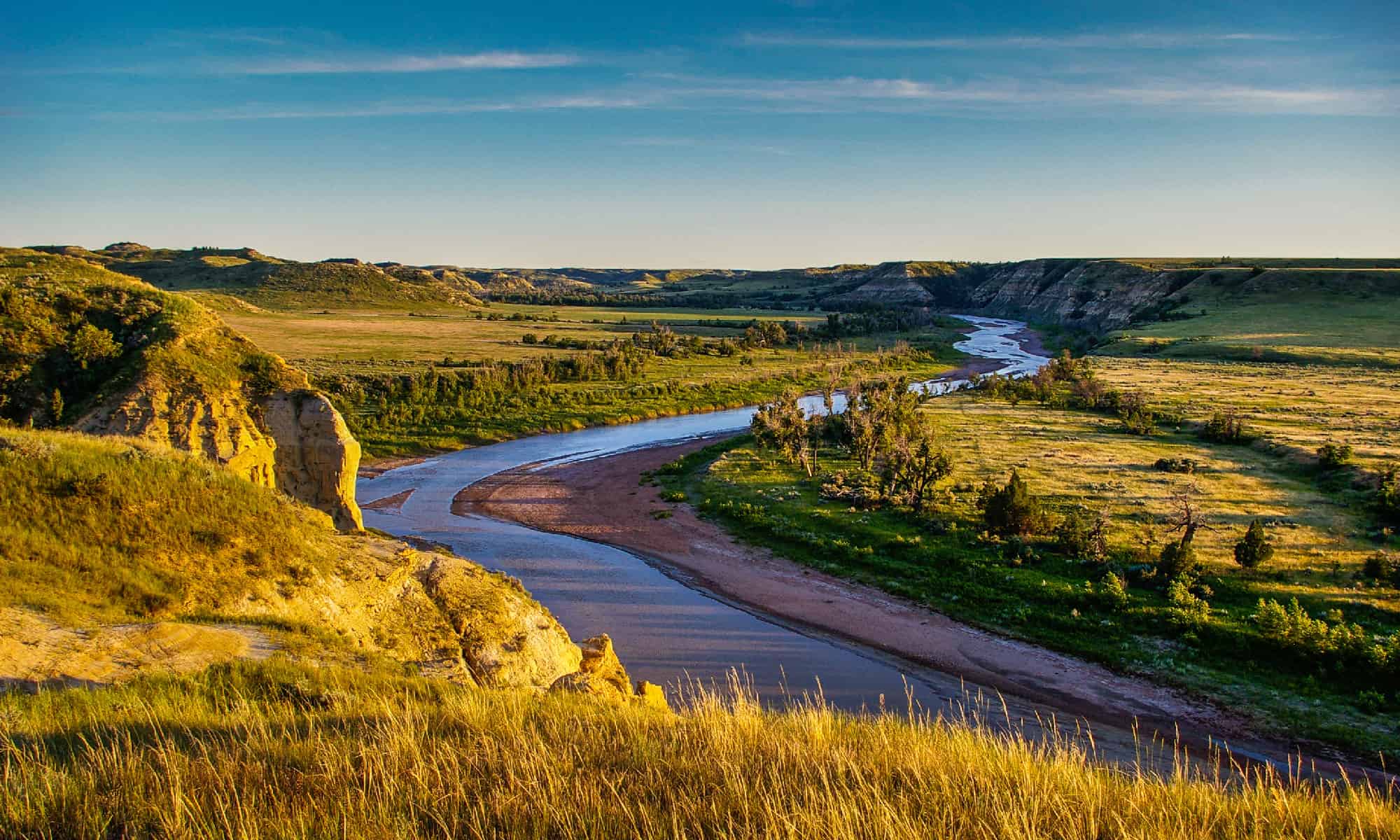

Located in western North Dakota, Theodore Roosevelt National Park spans more than 70,000 acres and is divided into three distinct units: South, North, and Elkhorn Ranch. Each of these sections offers a different glimpse of the gorgeous country that inspired our nation’s 26th president, and there are many different species to see during a visit here.
Around 750,000 tourists come here annually, exploring a unique mix of prairie, woodland, and riparian habitats. What animals might you spot on a trip to this park, and when or where are you likely to encounter them? Here are some of the species that call Theodore Roosevelt National Park home, along with tips on how you can see them during your visit.
American Bison
©John Kotlowski/Shutterstock.com
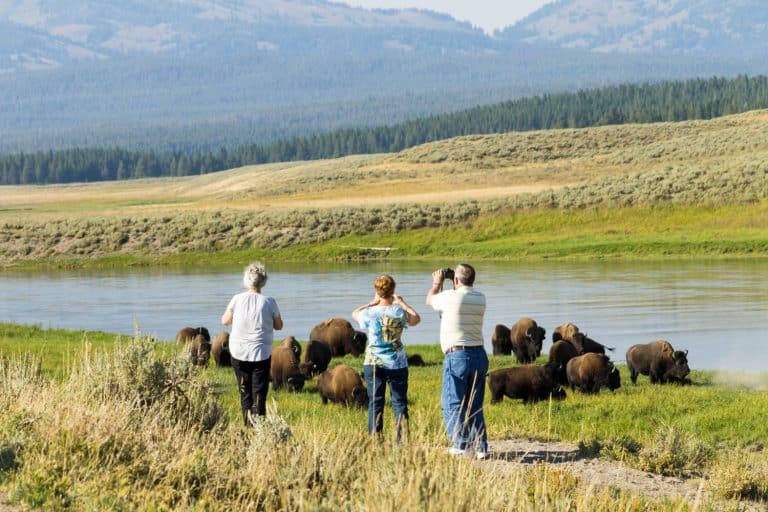
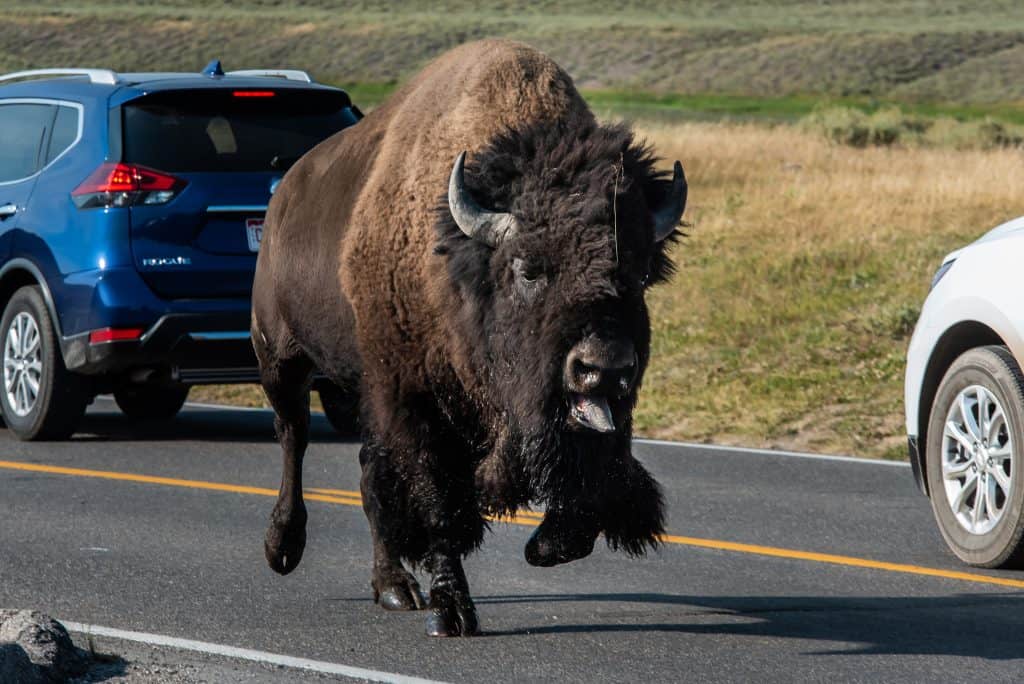
The American bison and the Great Plains go hand in hand, which is why you’re likely to see plenty on your trip to this national park. Roughly 700 bison live within its boundaries, with herds distributed between the South and North Units. They graze the grasslands near Cottonwood Campground and Buck Hill, often causing traffic delays as they cross the park roads. Drive carefully, and never approach them.
Wild Horses
©twildlife/iStock via Getty Images
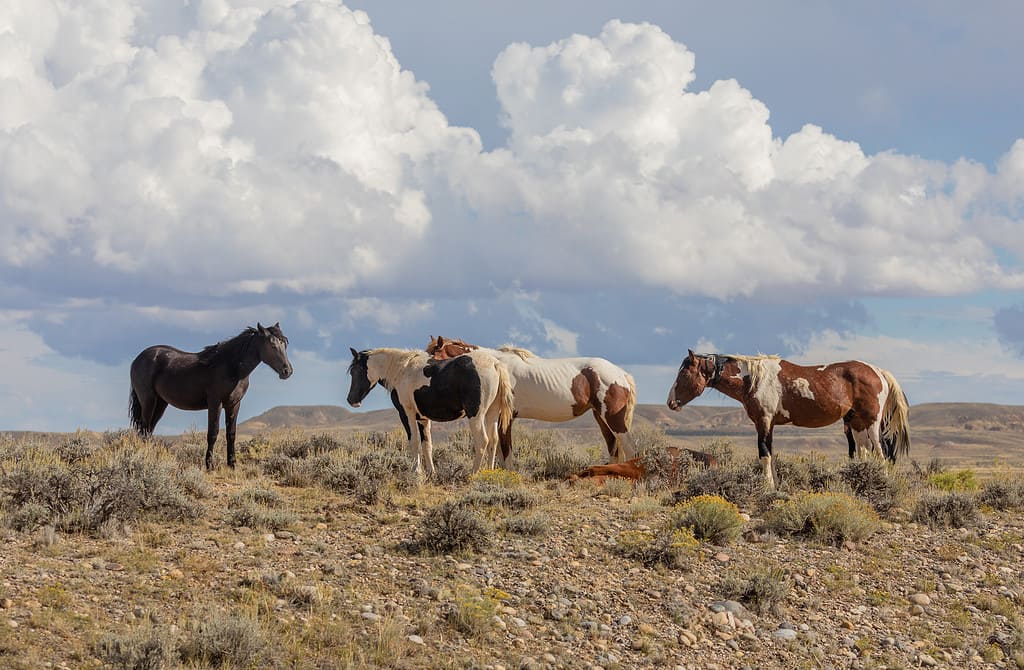
Among the park’s most beloved residents are its free-roaming, wild horses, which are descendants of domestic stock left behind in the early 20th century. Around 180 to 200 wild horses inhabit the South Unit, moving through Painted Canyon. Early morning and late evening are the best times to see them grazing along ridgelines or water sources.
Elk
©Tom Reichner/Shutterstock.com
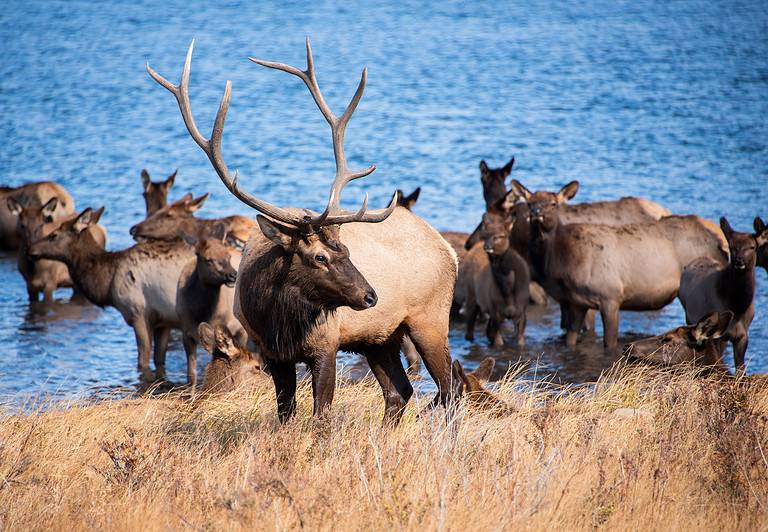
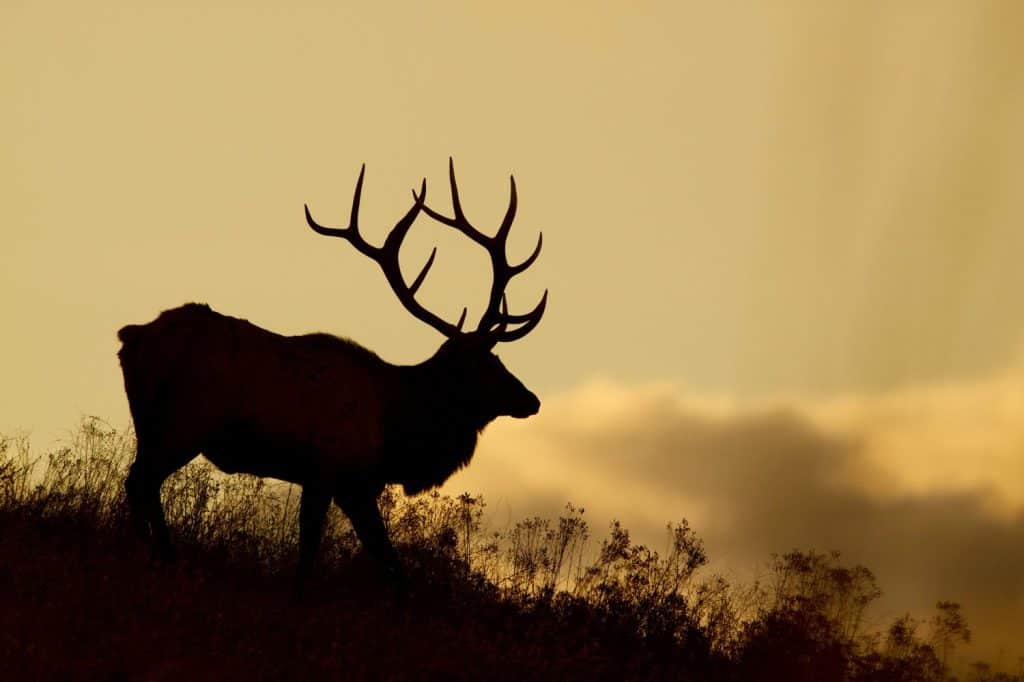
Elk are frequently spotted in Theodore Roosevelt’s North Unit, especially in the valleys near the Little Missouri River. Latest estimates suggest 150 to 200 elk call the park home, though their numbers shift seasonally as animals drift beyond park boundaries. During the fall rut, when males compete for mates, you’ll likely hear their distinctive bugling calls.
Mule Deer
©Dennis Laughlin/Shutterstock.com
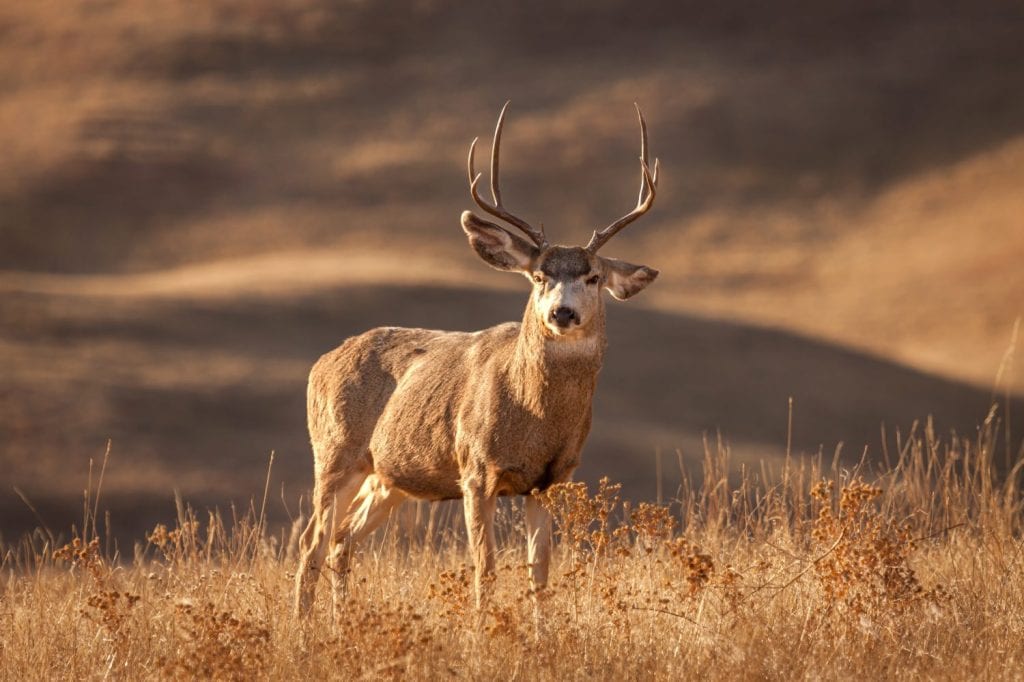
Mule deer are abundant throughout the park, numbering around 1,000 individuals. They prefer open slopes and meadows, feeding in the early morning and resting in midday. They’re often seen along the park’s scenic roads and are among the most commonly observed animals here.
White-Tailed Deer

©Tony Campbell/Shutterstock.com
Slightly smaller and more elusive than its cousin, the mule deer, white-tailed deer prefer to graze along the Little Missouri River. Park experts estimate 400 to 500 of these deer live in the park at any given time, and they’re most visible at dawn and dusk, so drive carefully during these hours.
Pronghorn
©Jack Dykinga / Public domain, from Wikimedia Commons, the free media repository – Original / License
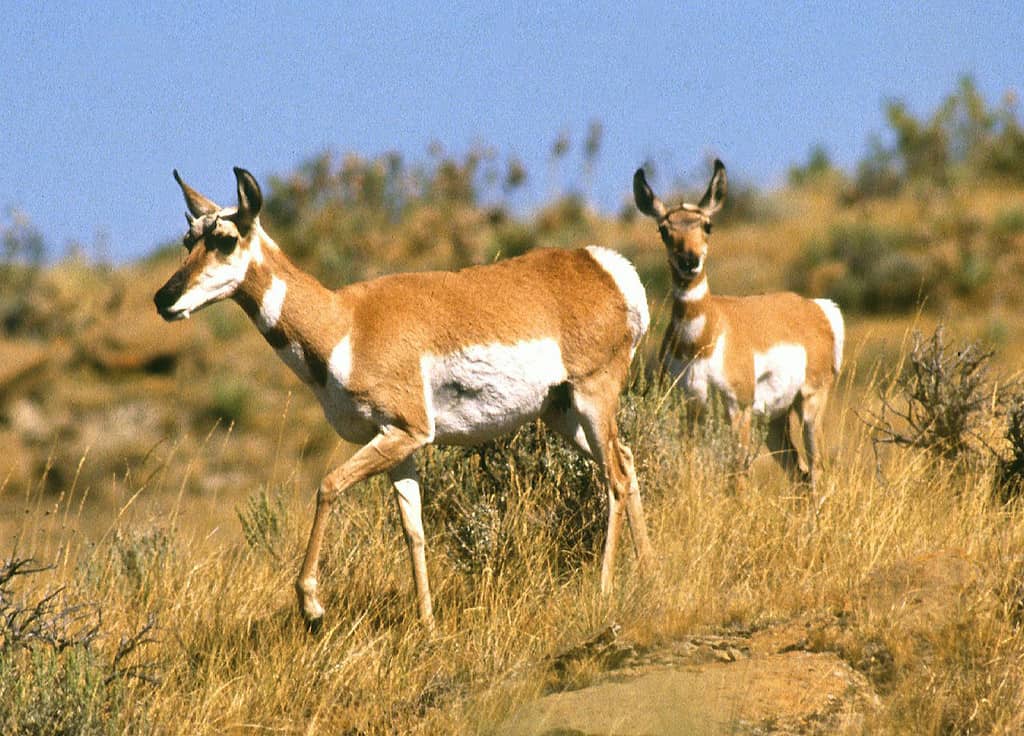
The pronghorn is another signature species of the Northern Plains, like the bison, easily recognized by its unique markings. Roughly 150 pronghorns roam the park, primarily in the South Unit, where the terrain is wide open. They’re best spotted from long distances through binoculars, so be sure to pack your set.
Coyotes
©Chris Desborough/Shutterstock.com
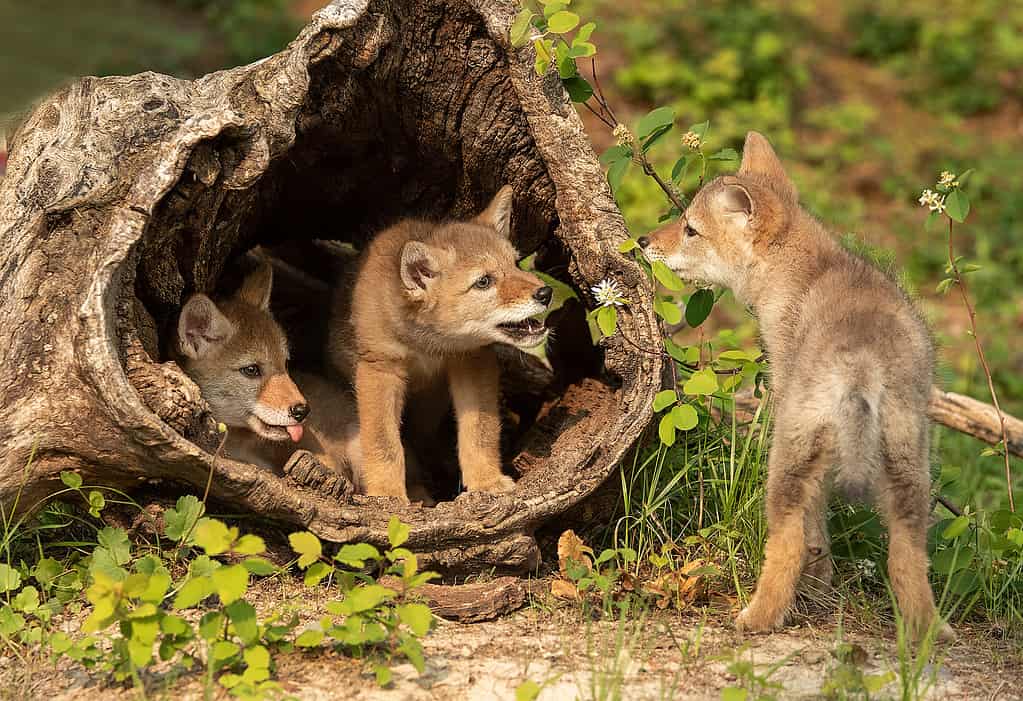
Coyotes often travel at night, so you may not see one despite their numbers. Wildlife surveys estimate around 80 to 100 coyotes in the park, and they may be occasionally visible along park roads in early morning hours.
Prairie Dogs
©vagabond54/Shutterstock.com
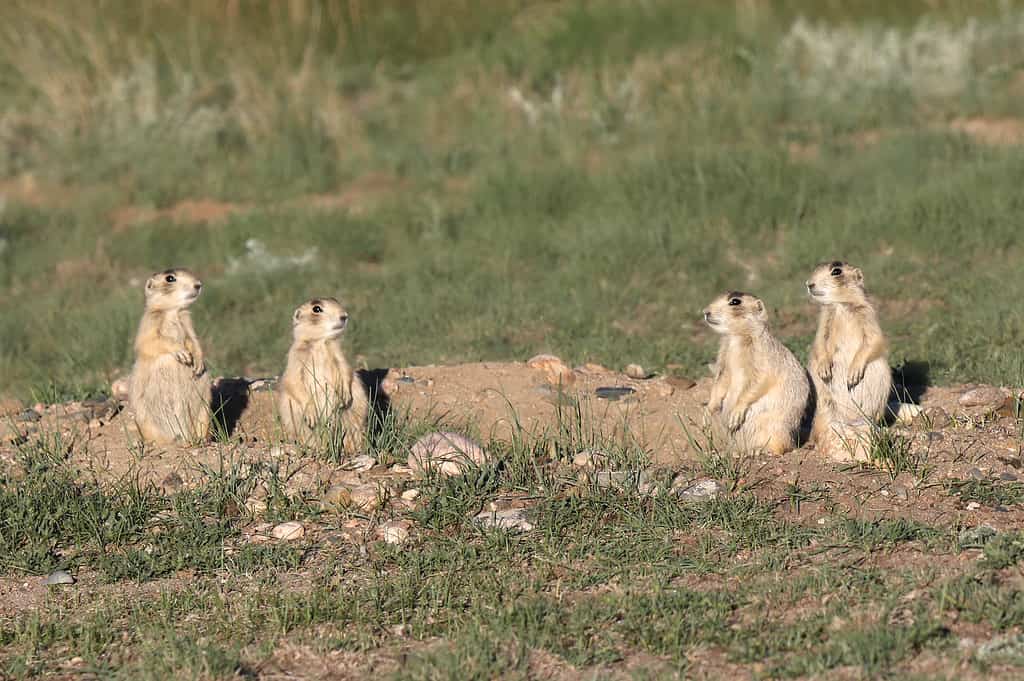
The park’s prairie dogs are impossible to overlook, given that there are more than 10,000 prairie dogs in colonies throughout the South and North Units. You can easily view them near the Skyline Vista Trail and Buck Hill areas, where they stand sentry at their burrow openings and scrabble across grasslands.
Black-Tailed Jackrabbits
©J Curtis/Shutterstock.com
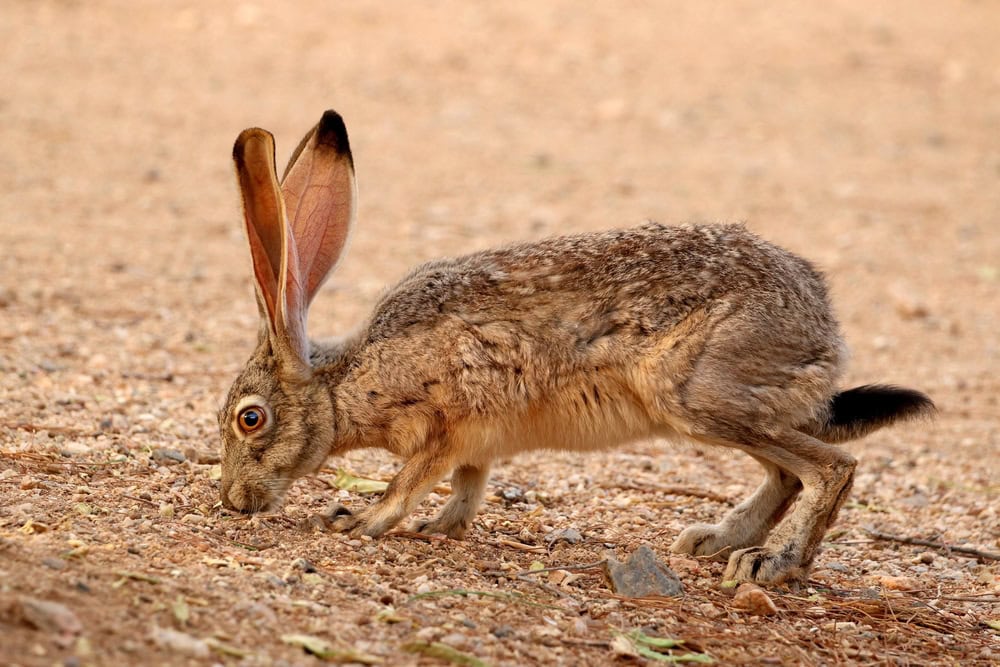
Black-tailed jackrabbits can be seen in the park’s open fields and are most active at dawn and dusk. Their population fluctuates with seasonal food availability but typically remains in the low hundreds.
Badgers
©Steve Boice/Shutterstock.com
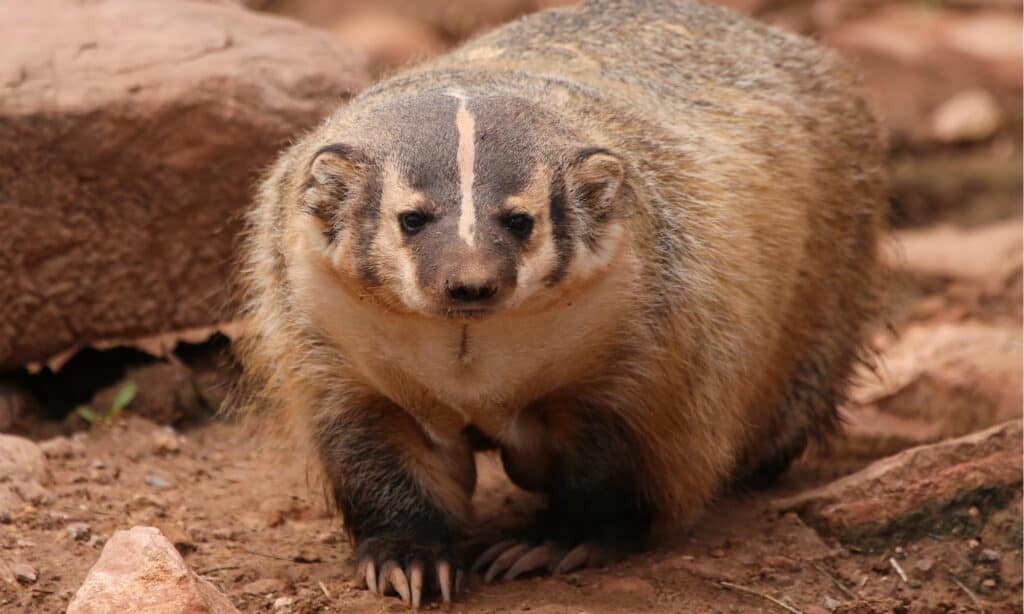
Badgers are reclusive but still exist throughout Theodore Roosevelt National Park’s grasslands. Park staff estimate around 30 to 50 individuals inhabit the area, though they’re rarely seen during the day. Their burrows are more commonly seen than the animals themselves, but you might spot one if you explore a more remote trail.
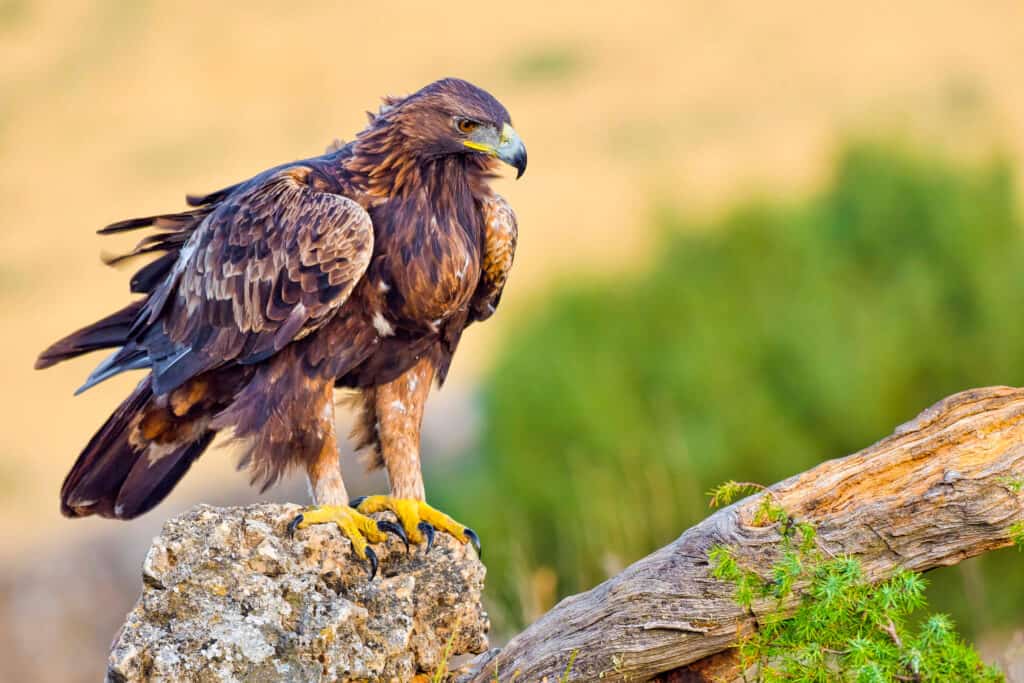
Golden Eagles
©Al Carrera/Shutterstock.com
Golden eagles are a must-see for birdwatchers in this park, though roughly a dozen nesting pairs are known to use the park and surrounding cliffs. They are easiest to spot in the North Unit, where open skies and large buttes create their ideal hunting conditions. This is another species you’ll want your binoculars to spot!
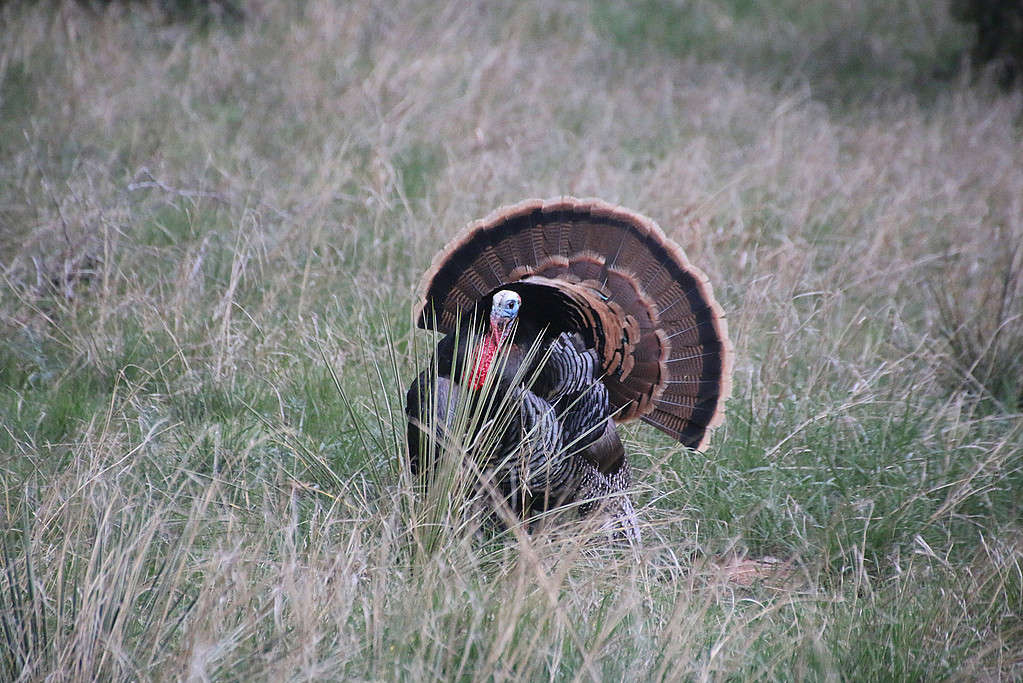
Wild Turkeys
©artiste9999/iStock via Getty Images
Wild turkeys love this park’s mixed terrain, and there are an estimated 300 to 400 birds scattered throughout. The largest concentrations are typically near the Little Missouri River corridor, and they forage along roadside ditches at dusk.
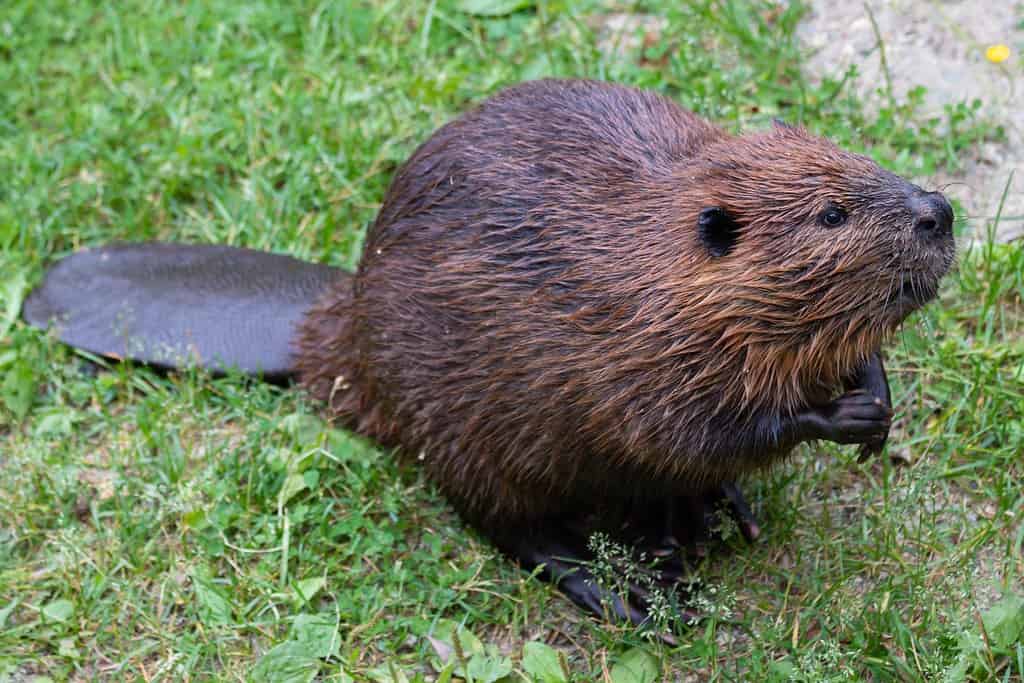
Beavers
©Ilkka Koivula/Shutterstock.com
Beavers are important within Theodore Roosevelt National Park’s waterways, and there are roughly 50 to 70 of them along the Little Missouri River and nearby streams. You can occasionally see their lodges or gnawed trees near the river crossings on the South Unit’s Scenic Loop Drive.
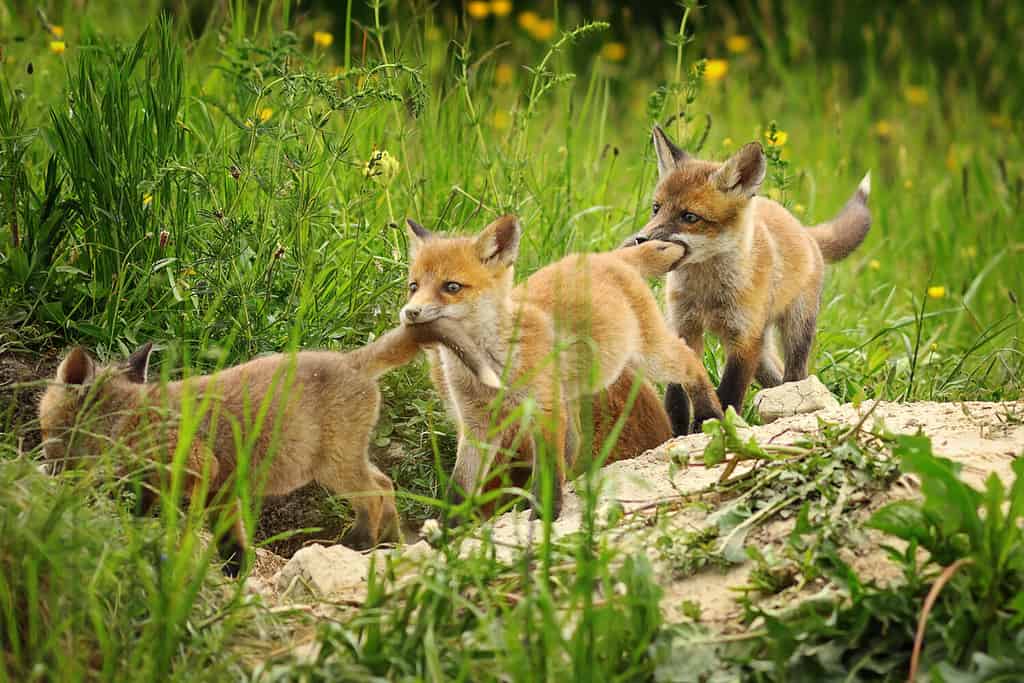
Red Foxes
©taviphoto/Shutterstock.com
These elusive predators are often hiding near prairie dog towns where their preferred prey is abundant. The population is about 20 to 30 individuals, and sightings are not uncommon in the early morning. Their bright coats stand out in the environment, so keep your eyes peeled.
Western Meadowlarks
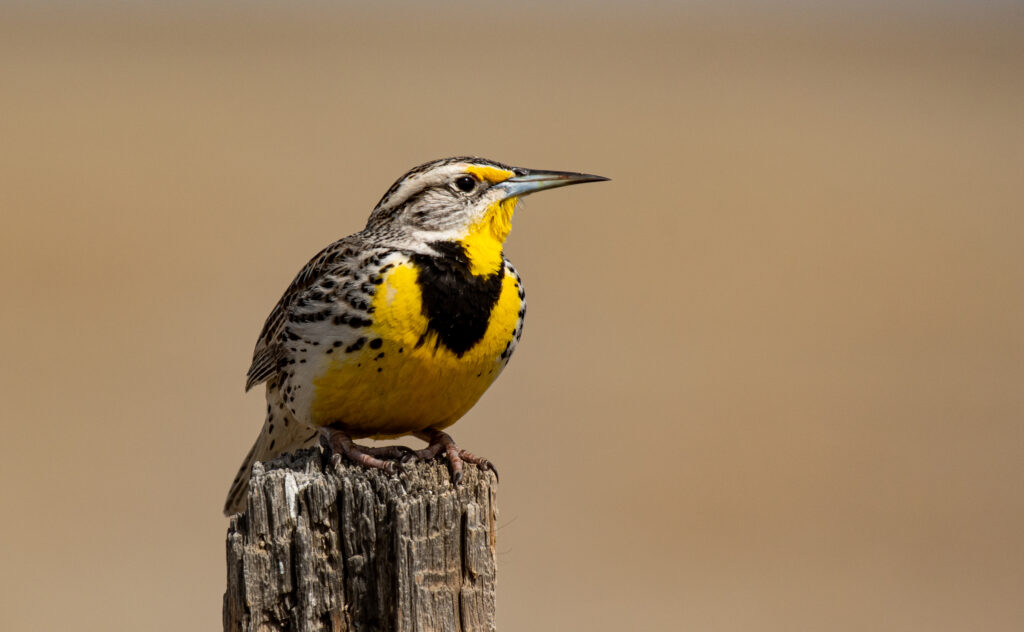
©Kerry Hargrove/Shutterstock.com
As North Dakota’s state bird, the western meadowlark is heard almost everywhere in the park and is also a must-see if you’re passing through. Surveys suggest several hundred pairs nest across the grasslands of both the North and South Units.
Bighorn Sheep
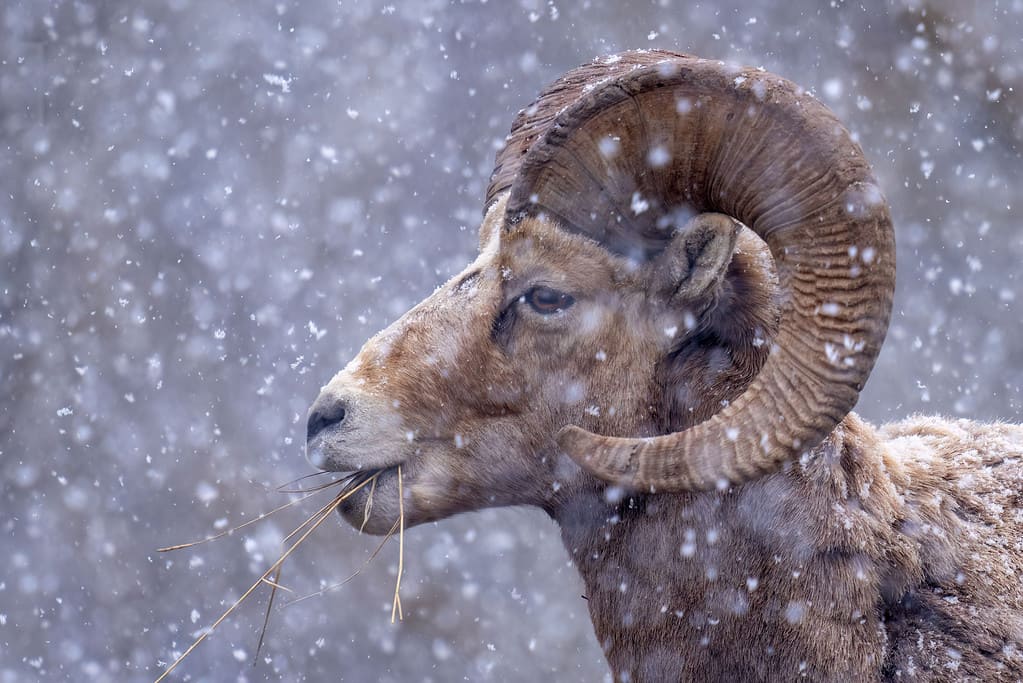
©Wirestock/iStock via Getty Images
Bighorn sheep were reintroduced to the North Unit in 1956 after disappearing from the region decades earlier. Today, the population has stabilized at about 100 to 120 animals, which is a boon for the park and the species itself. They frequent the cliffs near Oxbow Overlook and are best viewed in the cooler hours of the day.
Bobcats
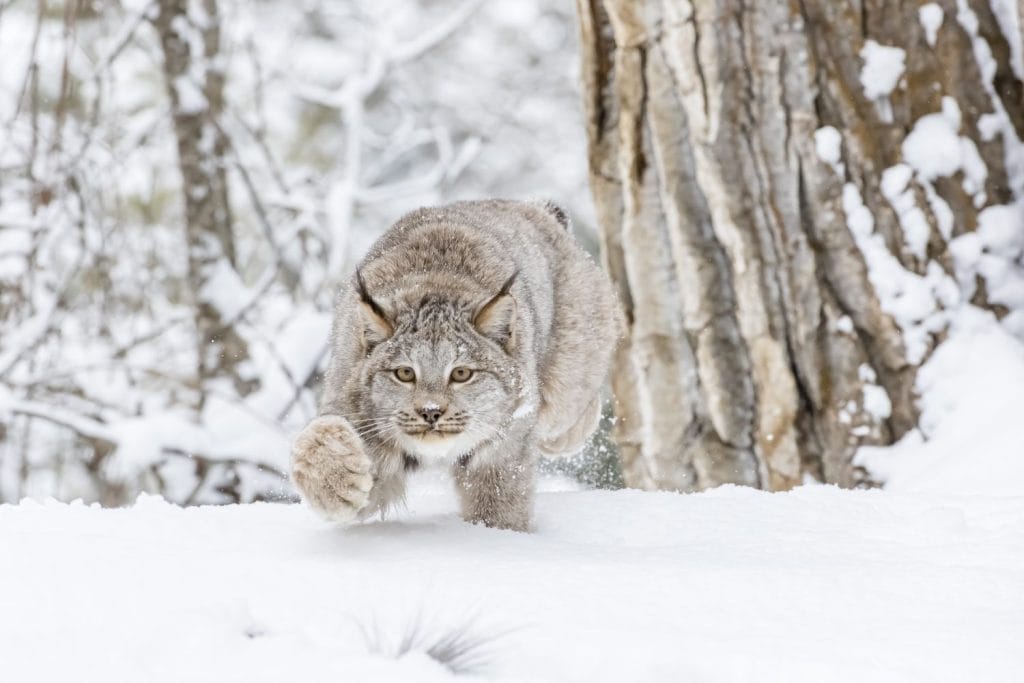
©Grindstone Media Group/Shutterstock.com
Bobcats live quietly in the park, which is why most visitors never see them. Park estimates place their population between 15 and 25 individuals. Occasionally, rangers capture them on trail cameras near the Little Missouri River corridor, so be sure to ask park staff if there have been any recent sightings.