
Quick Take
- The Caribbean monk seal's most endearing quality was the same trait that made it shockingly easy to wipe out, and hunters exploited that quality ruthlessly. See how trust doomed them →
- Columbus called them 'sea wolves,' but the reason has nothing to do with how they behaved. Read Columbus's first encounter →
- The species vanished decades before it was officially declared extinct, and the gap between those two dates raises uncomfortable questions. See the extinction timeline →
- The threats wiping out today's remaining monk seals are different in name only. History is already repeating itself. See today's parallel threats →
Seals are typically thought of as living in cold water habitats. With their thick layers of blubber and dense fur, seals have adapted to live in cold temperatures.
However, there was once a seal that enjoyed a much warmer climate. The now-extinct tropical seal of the Caribbean, once found along the Spanish Main, enjoyed swimming in warm ocean waters and basking on sandy beaches. The Caribbean monk seals were social animals that grouped together when hauling out. This social nature made them endearing, but was also a key component to their demise. Their trust in humans contributed to their decline.
The Caribbean Monk Seal Was the Only Indigenous Seal of the Caribbean
As the name suggests, the Caribbean monk seal lived in the waters of the Caribbean. They were the only native seal species living in these waters, where they had very few predators, with sharks and the occasional alligator as exceptions. Land predators were non-existent.
Caribbean monk seals were very prevalent in the Caribbean Sea, the Gulf of Mexico, and in portions of the Atlantic. They were friendly, social, and curious. Caribbean monk seals also helped control fish populations, which in turn helped the region’s coral reefs flourish.
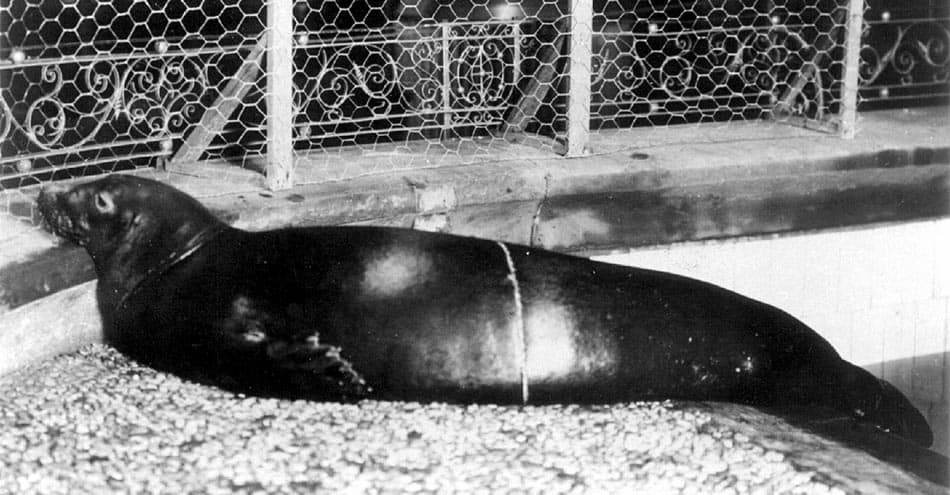
The Caribbean monk seal was nicknamed a “sea wolf” by European explorers.
©New York Zoological Society / public domain – Original / License
Europeans first spotted the Caribbean monk seal in 1494. This is when Christopher Columbus and his crew sailed through the monk seals’ habitat. The Caribbean monk seals were called “sea wolves” by Columbus. However, this was not because of their behavior. Instead, it had to do with their fur color and the sounds they made when calling to one another.
Shortly after their discovery, the Caribbean monk seal was targeted, marking the beginning of the end for the monk seal that had lived and thrived in the Caribbean waters for so long.
What Did the Caribbean Monk Seal Look Like?
To get an idea of what Caribbean monk seals looked like, catching a glimpse of today’s monk seals will provide insight. However, there are some significant differences between the species, most notably size and coloration.
Caribbean monk seals were approximately eight feet long and weighed up to 600 pounds. In many instances, males were larger than females.
The monk seals had gray-brown to dark brown fur on the top of their bodies. However, because algae would grow on the fur, it could appear green. The fur on the underbelly was significantly lighter than on the top.
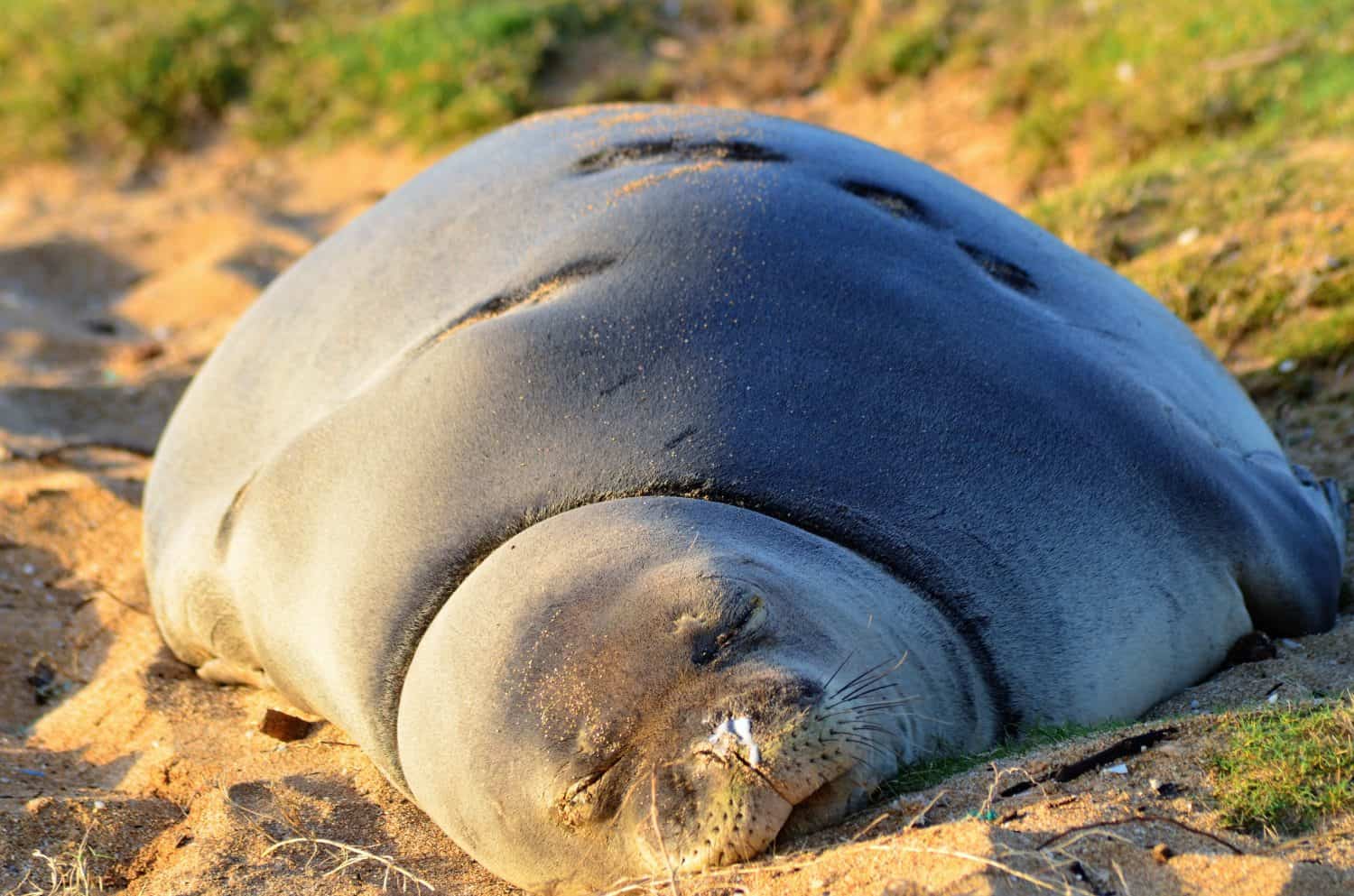
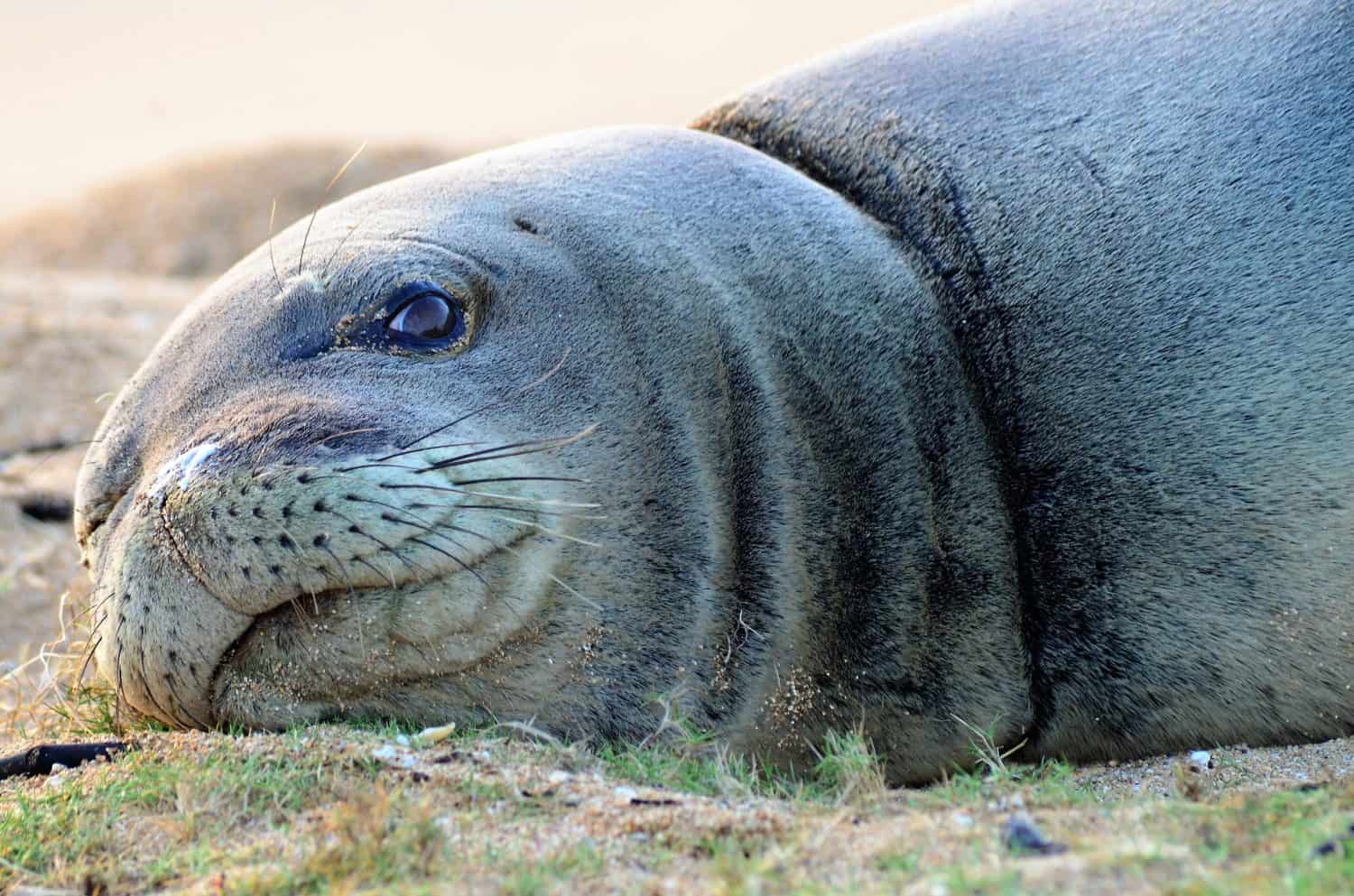
Caribbean monk seals looked similar to the Hawaiian monk seals (pictured) of today.
©C mcarter/Shutterstock.com
Like today’s monk seals, the flippers were short, and the seals lacked external ear flaps. Caribbean monk seals were known for their large, soulful eyes. Additionally, they had an upturned nose and light-colored whiskers.
Caribbean monk seals closely resembled their Mediterranean and Hawaiian relatives, but their unique appearance and tropical habitat set them apart from other monk seals of their time.
Why the Caribbean Monk Seal Was Targeted
Caribbean monk seals were targeted by humans. Although monk seals were used for various purposes, the primary reason so many were killed was financial gain.
Hides and blubber from Caribbean monk seals were in-demand commodities. Blubber was rendered and used for cooking and lighting, while the hides could be turned into leather for apparel. Those who could kill the most made the most money.
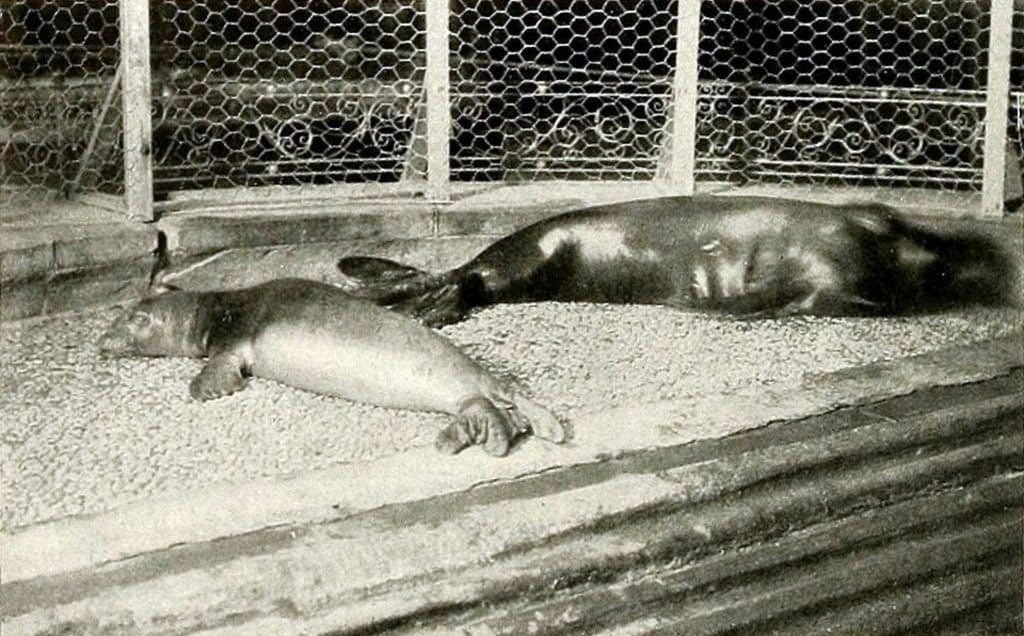
Caribbean monk seals were targeted for financial gain.
©Unknown author / Wikimedia Commons / Public Domain – Original
Caribbean monk seals had no known predators on land. As a result, the monk seals were trusting. This allowed humans to approach and hunt them at close range. The Caribbean monk seals’ lack of fear allowed many to be killed at once, leading to massive population declines in a short period.
When Did the Caribbean Monk Seal Go Extinct?
The Caribbean monk seal may have been spotted and described by Columbus as a sea wolf, but that does not mean the seals went extinct centuries ago. Instead, Caribbean monk seals were eradicated only several decades ago.
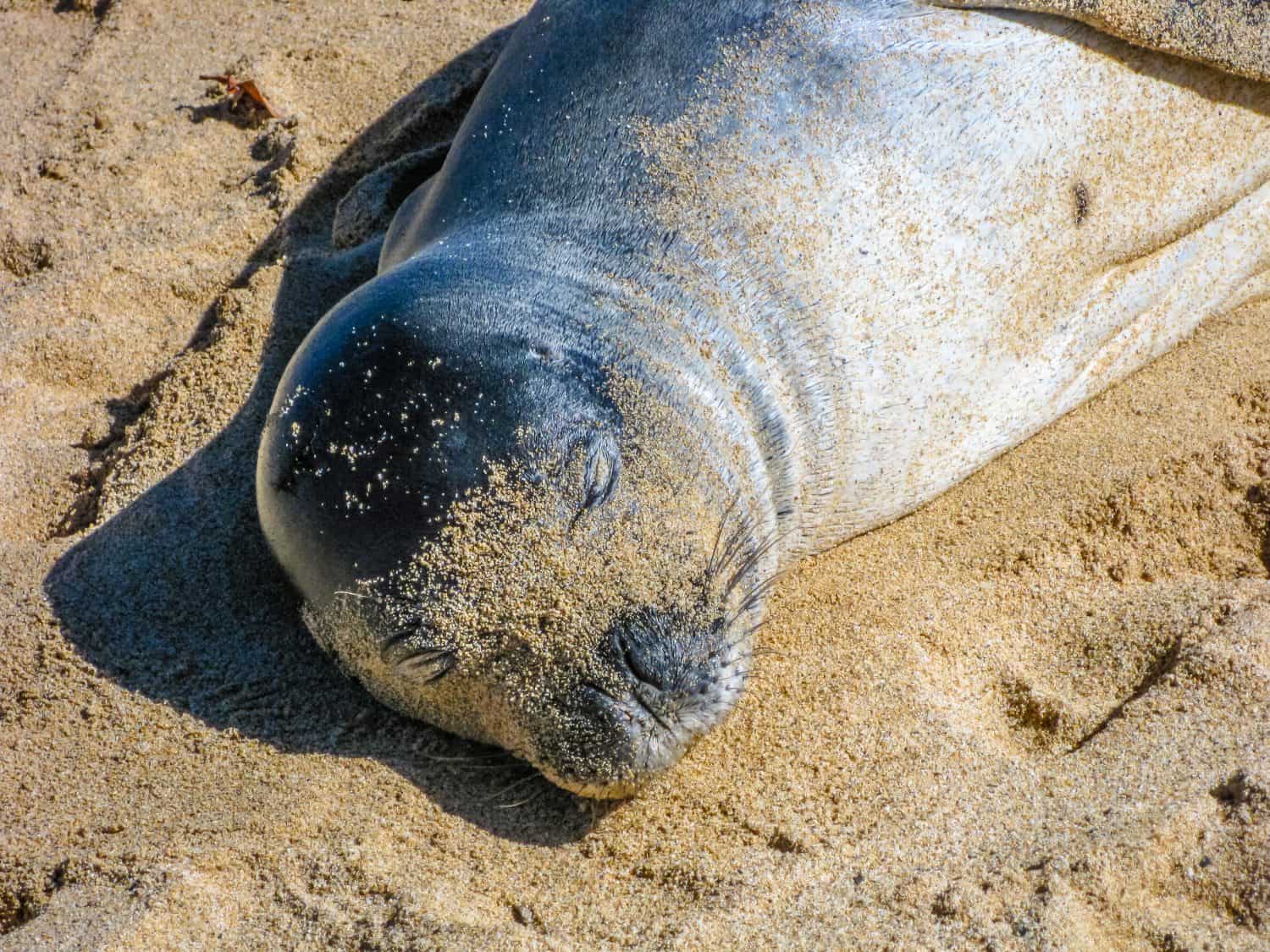
Caribbean monk seals, similar to this Hawaiian monk seal, went extinct in 1952.
©Benny Marty/Shutterstock.com
Live Caribbean monk seals were last verified in 1952 at Serranilla Bank, near Jamaica. While there were some alleged sightings in subsequent years, none of them could be verified.
Officially, Caribbean monk seals were declared extinct in 2008.
Monk Seals Are Endangered Today
As a species, monk seals have not fared well. Caribbean monk seals are believed to have gone extinct in 1952. The Hawaiian monk seal and Mediterranean monk seal are endangered, with just over 1,550 of the former and 600 to 700 of the latter left on the planet. Many of the issues that have led to the demise of these seals are caused by humans. If things do not change, the remaining monk seals may not survive for many more decades.
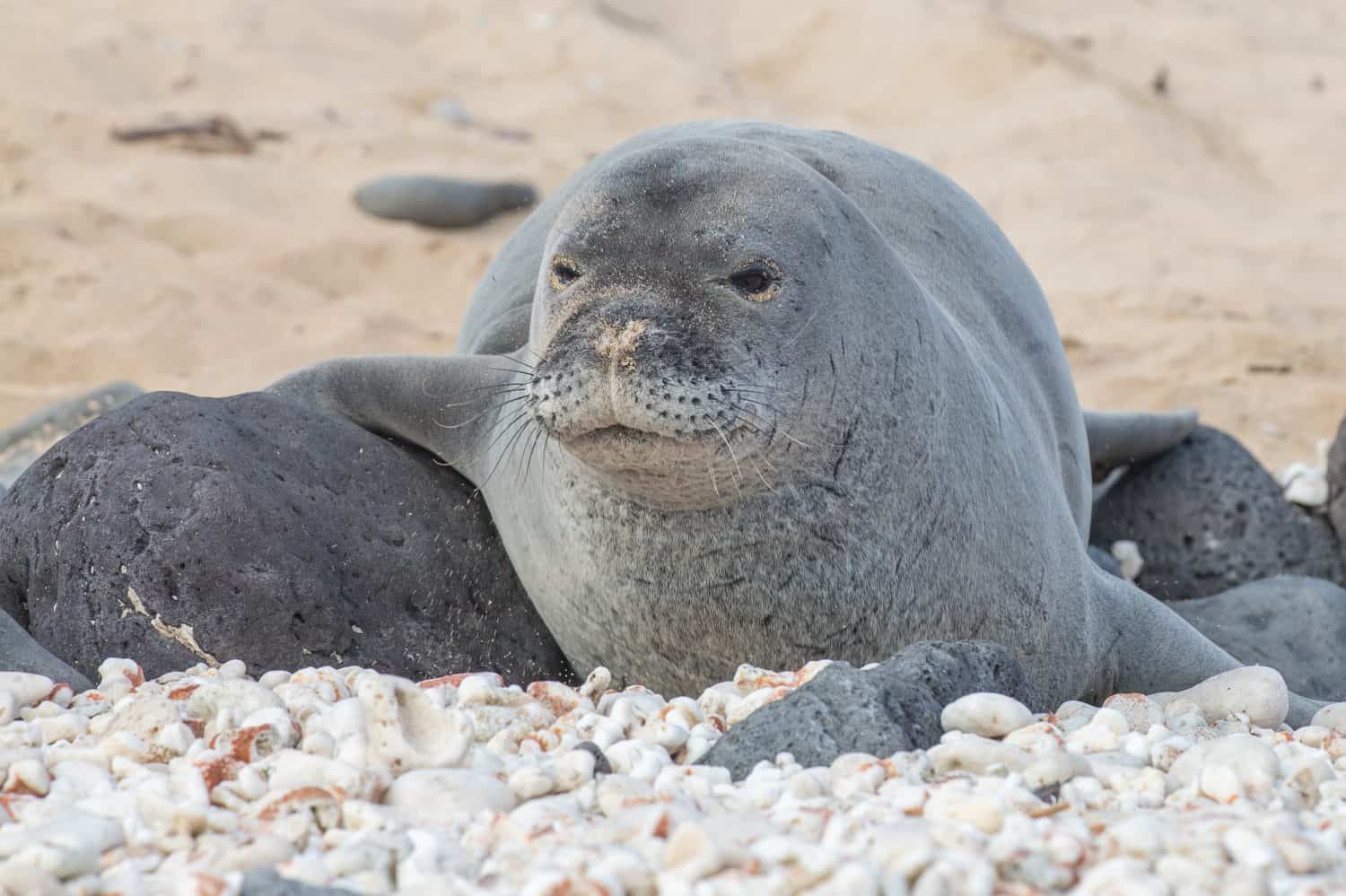
The Hawaiian monk seal is an endangered species.
©Shane Myers Photography/Shutterstock.com
The biggest threats to monk seals today, according to The Institute for Environmental Research and Education and the Marine Mammal Commission, include:
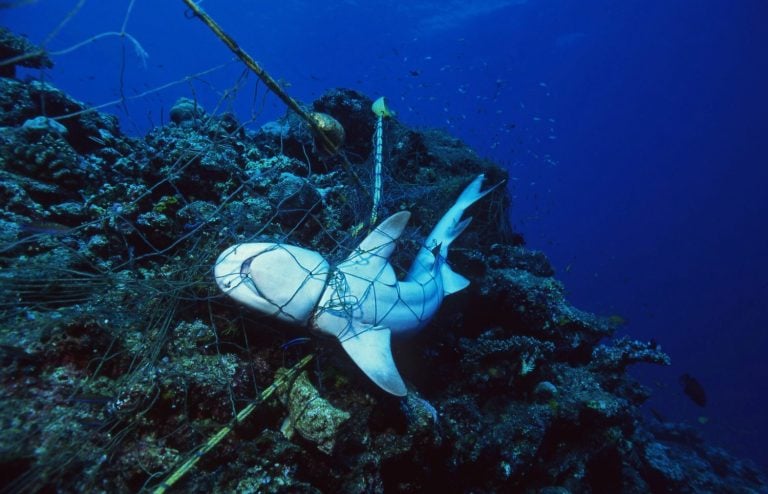
- Entanglement in fishing gear
- Loss of habitat
- Loss of breeding grounds
- Boat vessel strikes
- Disturbance of seals at breeding grounds
Caribbean monk seals went extinct due to human overhunting, overfishing their prey, and the loss of their breeding habitats. Today, while hunting is less of a threat, entanglement in fishing gear poses a similar danger to the remaining monk seals, repeating the tragic history of the Caribbean monk seal.
Calls for change are going unheeded. Improved conservation efforts are needed for monk seals to survive to the end of the century. Without them, the Mediterranean and Hawaiian monk seals will join the Caribbean monk seal in extinction, becoming yet another cautionary tale.