
Quick Take
- Wolves hunting sea otters sounds like an isolated quirk, yet scientists suspect it is reshaping entire ecosystems in ways nobody predicted. See the ecosystem impact →
- Researchers are reading wolf teeth like tree rings to uncover a dietary secret hiding in plain sight. See how teeth reveal diets →
- Sea otters were nearly wiped out once, and the predator now threatening their comeback isn't who anyone expected. Meet the unexpected predator →
- Coastal wolves eating marine prey are paying a hidden biological price that could change how we think about predator adaptability. Discover the biological toll →
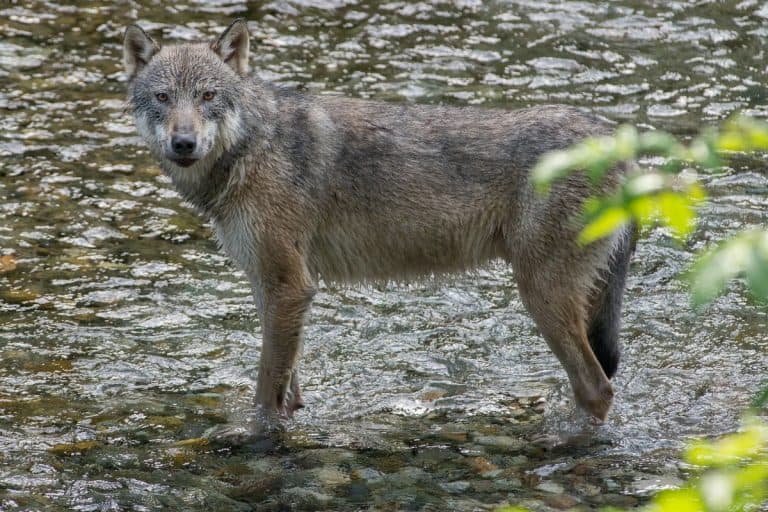
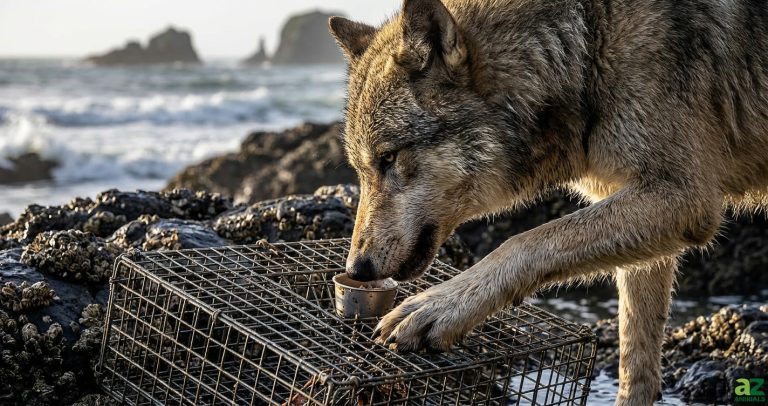
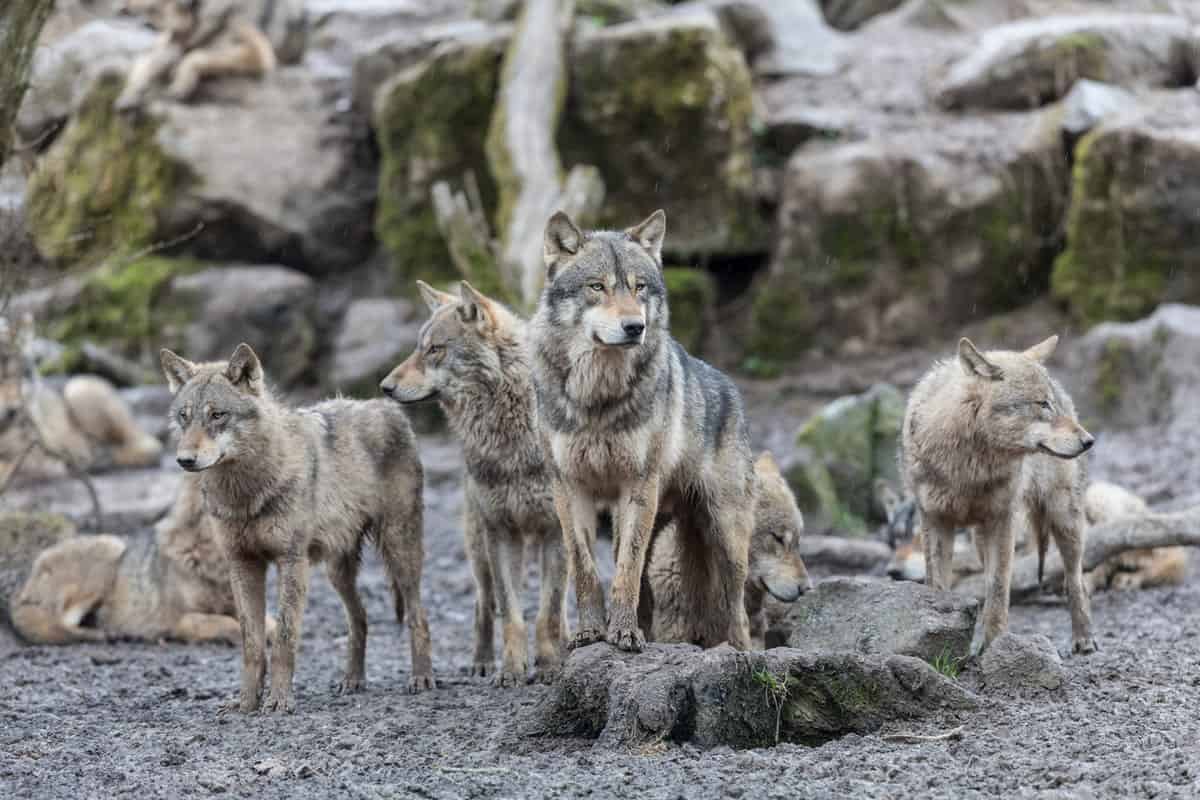
On Alaska’s Prince of Wales Island, the boundary between land and ocean is blurring in an unexpected way. Grey wolves, iconic symbols of the forest, have taken to hunting sea otters along these remote coastlines, a striking shift with consequences scientists are only beginning to unravel.
Continue reading
For years, scattered reports told of wolves feeding on aquatic creatures, but few details emerged about how these terrestrial predators hunt marine prey or what ripple effects might follow. Now, Patrick Bailey, a Ph.D. candidate at the University of Rhode Island, is piecing together the story by merging classical ecology with modern technology and local expertise.
Uncovering a New Predator-Prey Connection
Grey wolves wield enormous influence over their traditional territories, regulating populations and indirectly reshaping forests, meadows, and even riverbanks. But their marine forays hint at a larger role. As Bailey notes, “We don’t have a clear understanding of the connections between water and land food webs, but we suspect that they are much more prevalent than previously understood.” His work at Sarah Kienle’s CEAL Lab seeks to illuminate how wolves’ appetites reach beyond the trees and onto the tidal flats.
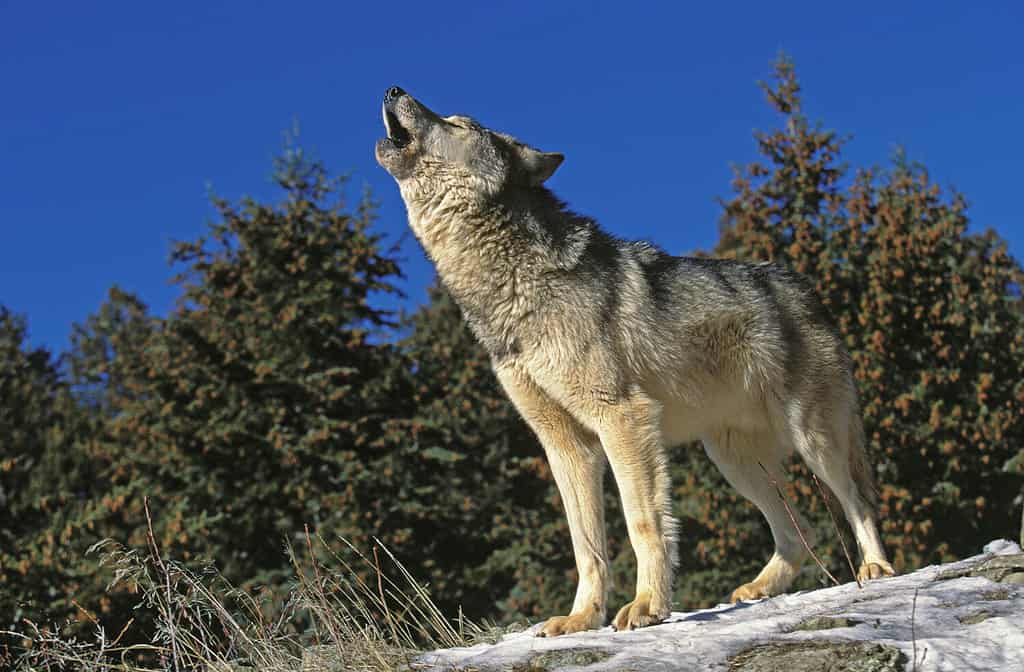
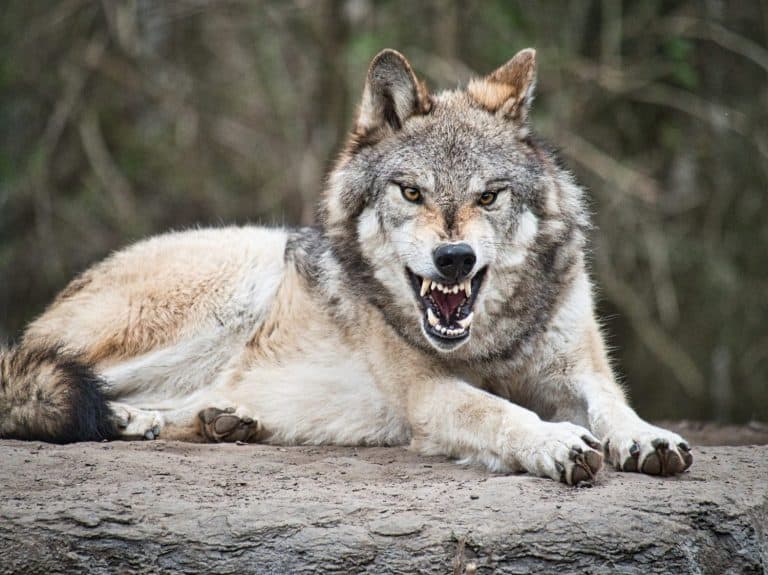
Wolves howl
©slowmotiongli/Shutterstock.com
This hunger could have sweeping consequences, especially for sea otters. Once hunted to the brink of extinction by the fur trade, these endangered mammals are clawing back their niche as keystone predators. Their comeback helps restore kelp forests, but wolves’ newfound taste for otters could reawaken an ancient ecological dynamic.
Teeth Tell the Tale
Tracking these changes requires detective work. Bailey is leveraging wolf teeth, collected from both museum archives and recently deceased animals, to reconstruct diets over time. Like growth rings in a tree, layers in the teeth record chemical signatures from different meals.
“If large enough, we can individually sample each of these growth rings to track an individual’s feeding patterns over time,” Bailey explains. By comparing teeth from multiple wolves, the research can reveal whether this marine menu is an anomaly or a widespread adaptation among coastal populations.
In the field, Bailey and his colleagues have benefited from advice and insight from local residents. According to Bailey, working with people who know the land firsthand is essential for deciphering the unique behaviors unfolding on the island. Trail cameras, far sharper than those of a decade ago, are now capturing wolves’ elusive hunts, offering unprecedented detail into their strategies.
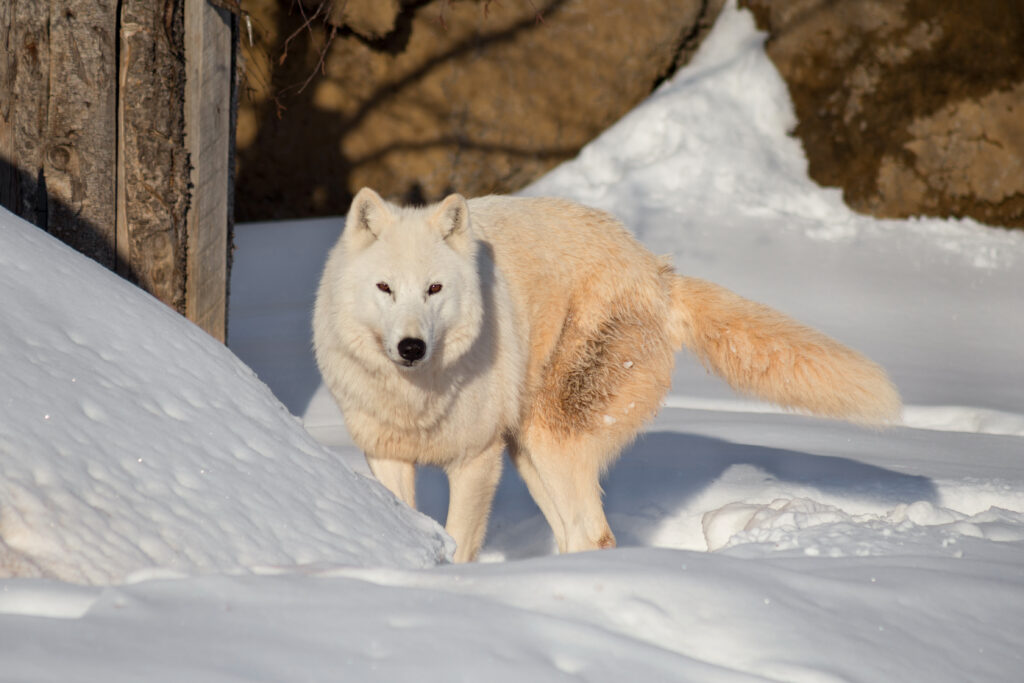
©Tikhomirov Sergey/Shutterstock.com
Hidden Costs of a Sea Diet
But this story is not without hazards. Otters, as marine mammals high in the food chain, tend to accumulate methylmercury, a potent toxin. New research by Sophie Gilbert Roffler and others finds that wolves dining regularly on otters are ingesting this chemical in staggering amounts: liver samples from coastal wolves show mercury concentrations up to 278 times higher than those in inland wolves. Bailey warns, “Methylmercury accumulation can cause a suite of problems related to reproduction, body condition, and behavioural abnormalities.” The health of these pioneering predators may be at risk.
Bigger Questions on the Horizon
While the focus for now remains on Prince of Wales Island, Bailey is already thinking broader. His dissertation also considers the differences between coastal and inland wolves, not just in Alaska, but along the historic ranges of North America’s east coast. By studying skulls from Canadian specimens stored at Harvard, Bailey hopes to understand how hunting in different environments may have shaped wolf evolution over centuries.
The peculiar intersection of wolves and sea otters highlights a deeper truth that scientists are still grappling with: the edges of ecosystems are more porous than we once imagined. As predators like wolves adapt and blur boundaries, the consequences radiate beyond individual species, reminding us that in nature, every meal tells a bigger story.