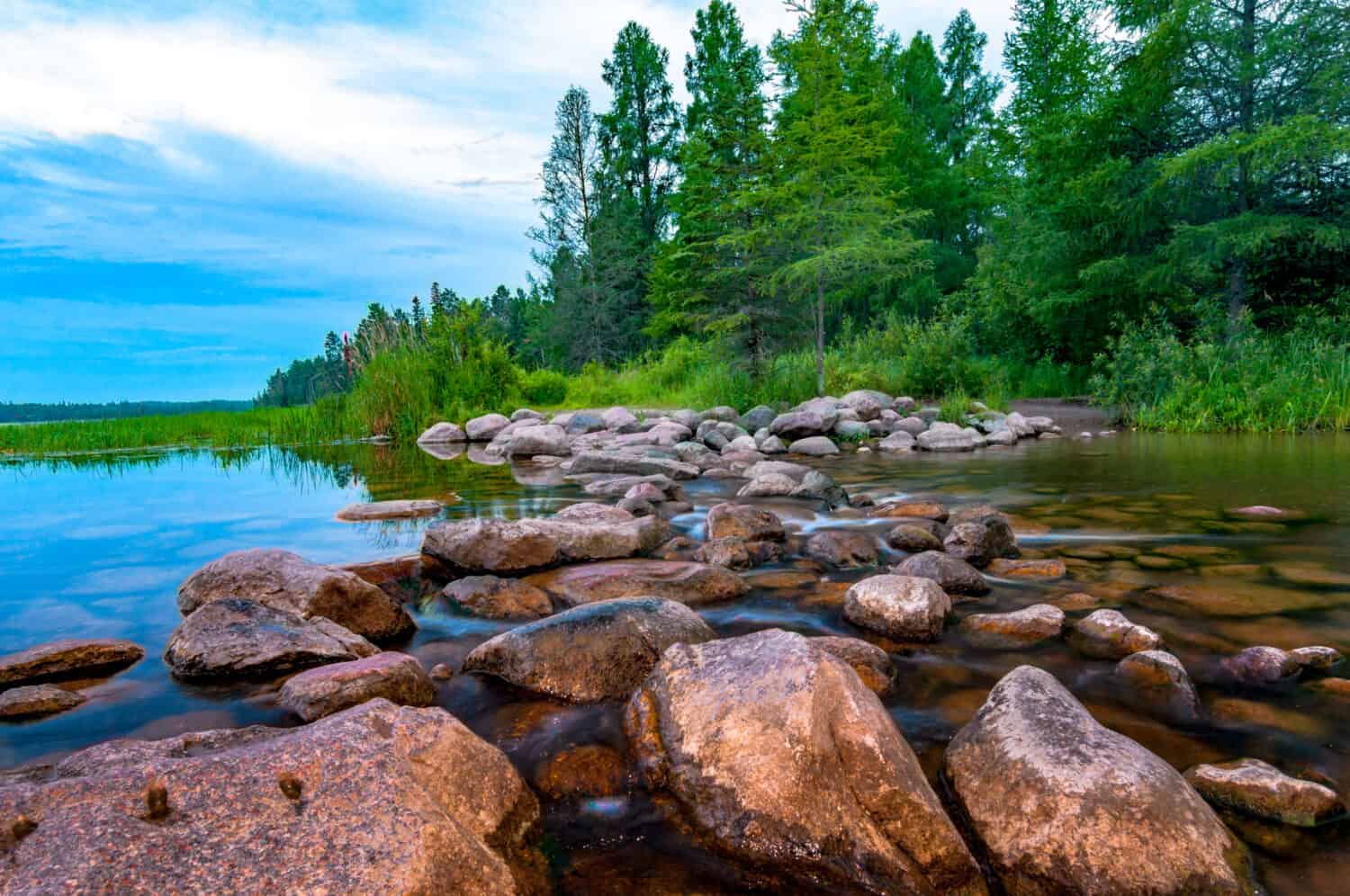

Ever wonder where the Mississippi River begins? You can see for yourself in Itasca State Park in the heart of northern Minnesota, where a quiet stream trickling from Lake Itasca eventually ends up in the Gulf of Mexico. Itasca’s 32,000 acres hold one of the most diverse collections of animals in the Upper Midwest, including deer, moose, snakes, songbirds, and raptors. It’s a destination well worth a visit from every wilderness lover.
White-Tailed Deer (Odocoileus virginianus)
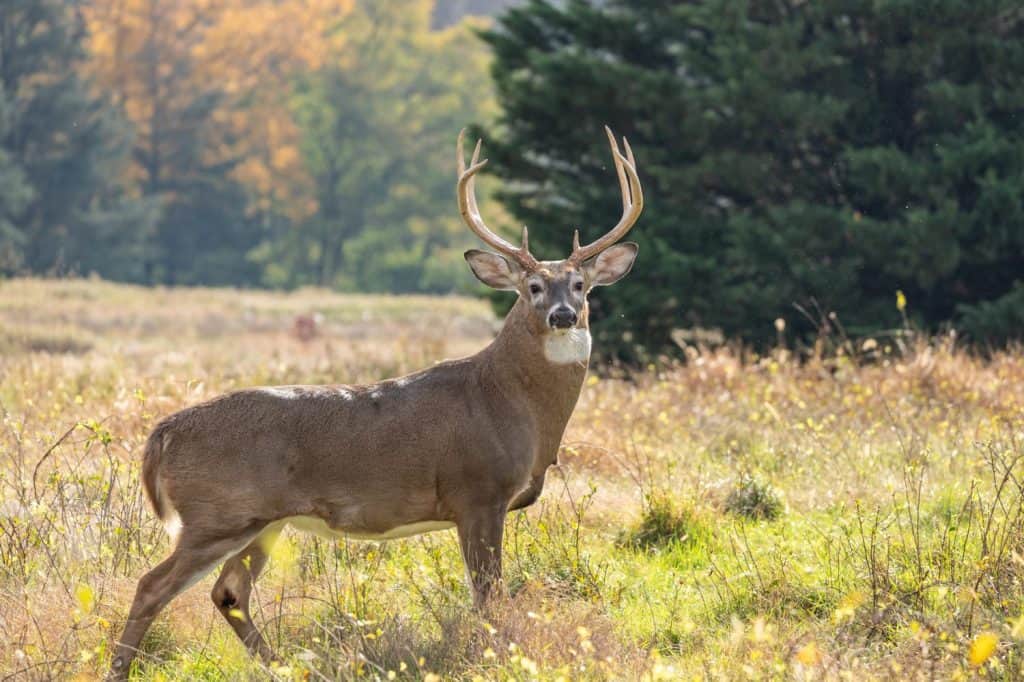
White-Tailed Deer (Odocoileus virginianus)
©Amy Lutz/Shutterstock.com
The white-tailed deer is the park’s most visible large mammal. These adaptable herbivores graze on leaves, grasses, and acorns, and are often spotted at dawn or dusk near Mary Lake and Wilderness Drive. Fall is one of the best times to observe them, as it is their mating season, known as the rut. Males battle one another, butting horns, for the privilege of mating with the females of their choice. In winter, their grayish coats help them blend into the snowy forest. Fawns are born in spring, but if you find one hidden alone in the underbrush, don’t disturb it. Their mothers hide them while they graze and will come back.
Moose (Alces alces)

Moose (Alces alces)
©RONSAN4D/iStock / Getty Images Plus via Getty Images
Massive and elusive, the moose is one of Itasca’s most awe-inspiring residents. Towering up to seven feet at the shoulder, it feeds on aquatic plants in shallow lakes and wetlands. Moose prefer solitude and cooler temperatures, often found near bogs along the park’s northern edges. Though sightings have grown rarer due to warming climates and parasites, their tracks and stripped willows reveal their presence to patient observers.
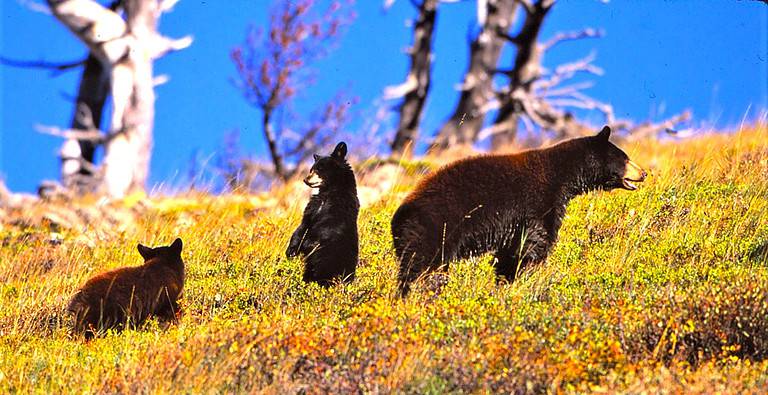
Black Bear (Ursus americanus)
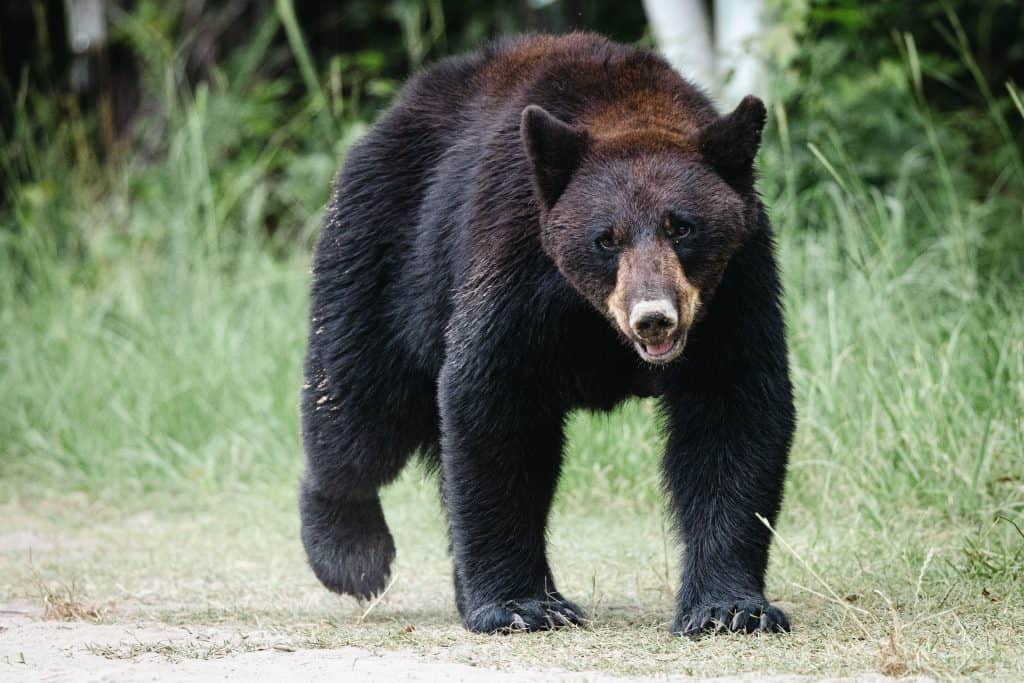
Black Bear (Ursus americanus)
©Wirestock Creators/Shutterstock.com
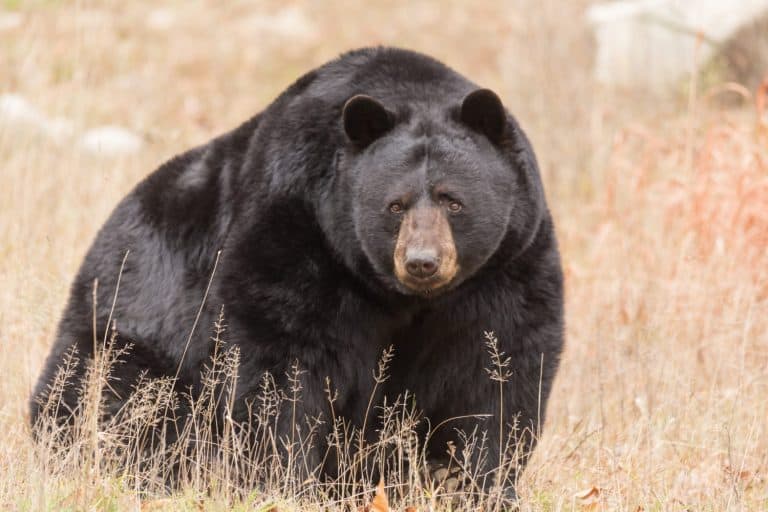
The black bear embodies the wildness of Itasca. Shy and intelligent, it forages for berries, nuts, insects, and carrion, occasionally overturning logs in search of grubs. Bears roam widely, especially in spring and summer before hibernating in forest dens. Despite their size, they move silently through the woods. Campers are urged to keep food sealed, as curiosity and hunger can draw them far too close for comfort.
Red Fox (Vulpes vulpes)
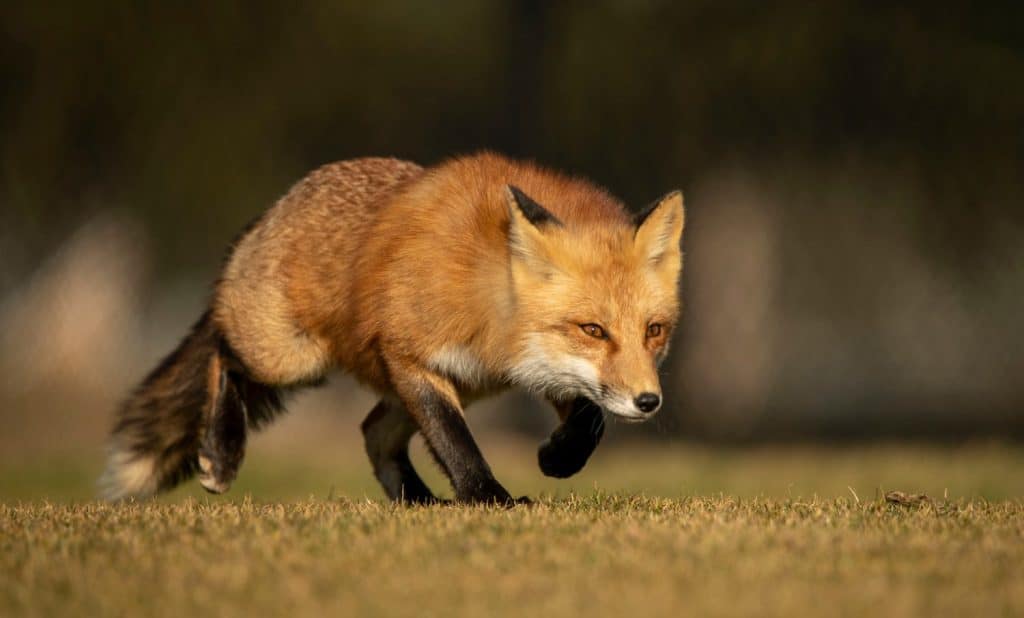
Red Fox (Vulpes vulpes)
©Jackie Connelly-Fornuff/Shutterstock.com
The red fox is a flash of color against the green and gold of the forest. With its fiery coat and white-tipped tail, it hunts quietly for mice, rabbits, and small birds. Foxes are most active at dawn and dusk, gliding between trees or across open clearings. Their adaptability lets them thrive near human areas, while still doing just fine supporting themselves from the prey of the northern woods.
Eastern Gray Wolf (Canis lupus)
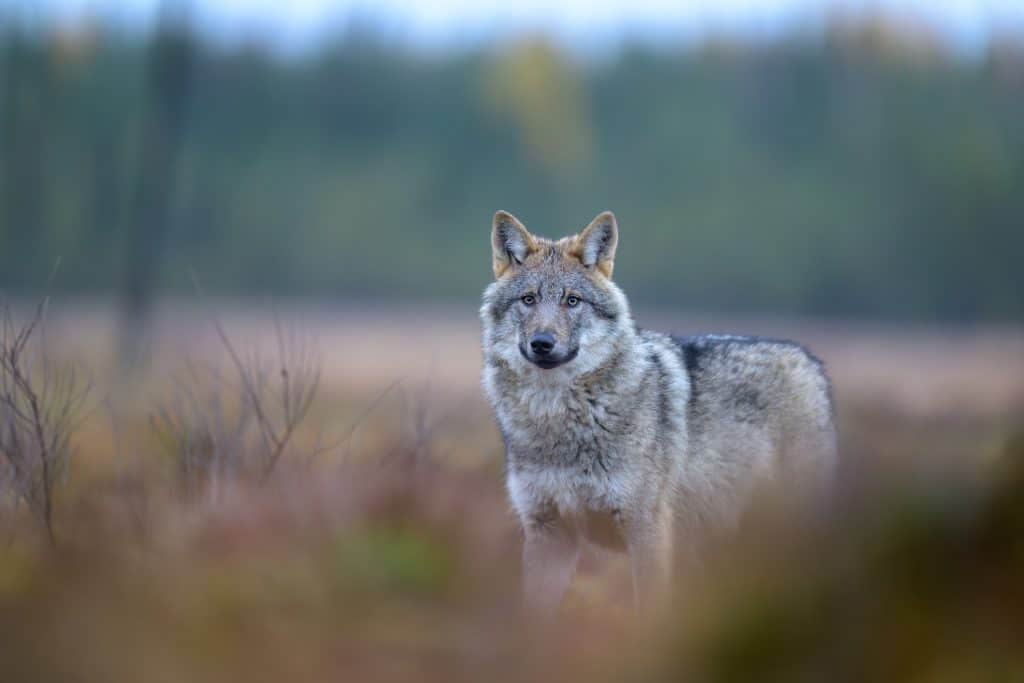
Eastern Gray Wolf (Canis lupus)
©Bjorn H Stuedal/Shutterstock.com
Few sounds stir a combination of fear and awe like the call of a wolf echoing across Itasca’s lakes. Once nearly eliminated from the region, wolves have returned, roaming vast territories that extend beyond park borders. They hunt in packs, taking deer and smaller prey, maintaining balance in the ecosystem. Though encounters are rare, hearing them enhances the sense of mystery and wildness in the evenings.
River Otter (Lontra canadensis)
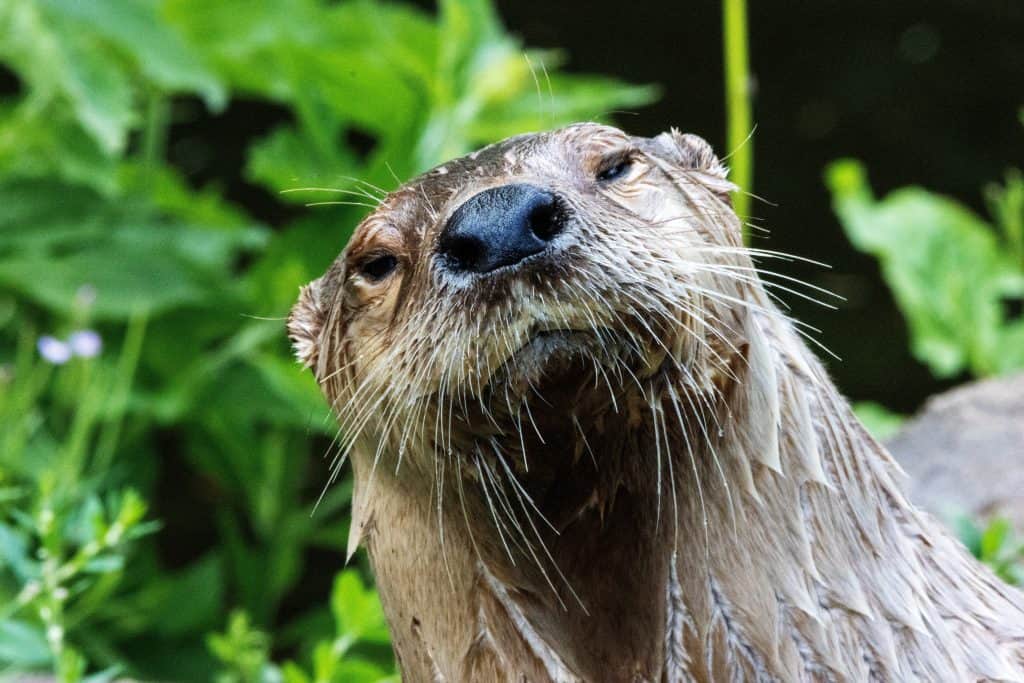
River Otter (Lontra canadensis)
©Ian Peter Morton/Shutterstock.com
Graceful and playful, river otters slip through Itasca’s lakes and streams like living shadows. They feed on fish, frogs, and crustaceans, using streamlined bodies and webbed feet for effortless swimming. Social and curious, otters often slide down muddy banks or wrestle on the ice in winter. Scientists don’t know why they do this: social bonding, hunting and escape skills, or something else. But it’s not hard to imagine they do it just for sheer fun.
Bald Eagle (Haliaeetus leucocephalus)
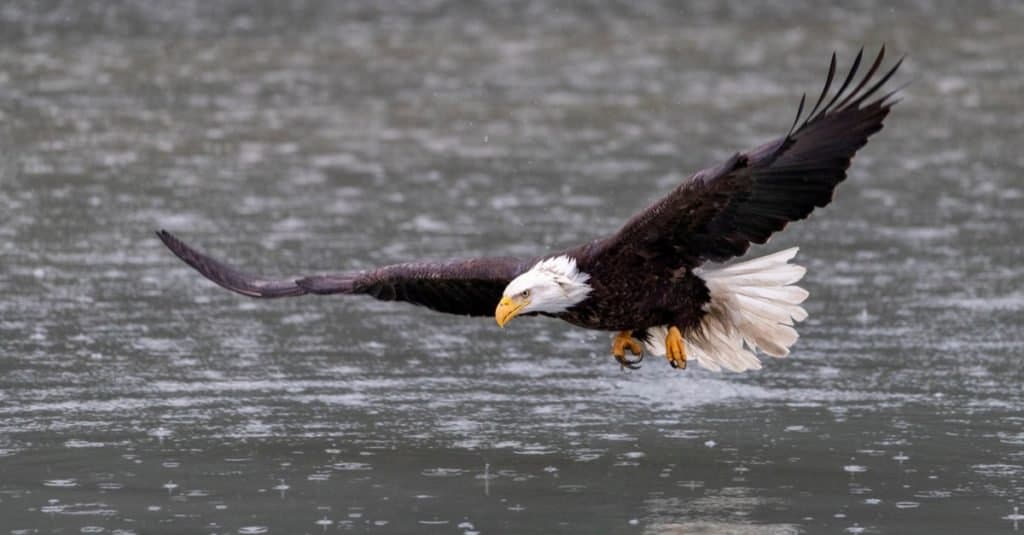
Bald Eagle (Haliaeetus leucocephalus)
©Dennis W Donohue/Shutterstock.com
Few sights match the majesty of a bald eagle soaring over the Mississippi headwaters. These raptors nest in tall white pines near lakes and rivers, feeding on fish and carrion. Once endangered, they have rebounded strongly in Minnesota thanks to conservation efforts. They are widely considered one of the country’s greatest success stories of animal conservation.
Common Loon (Gavia immer)
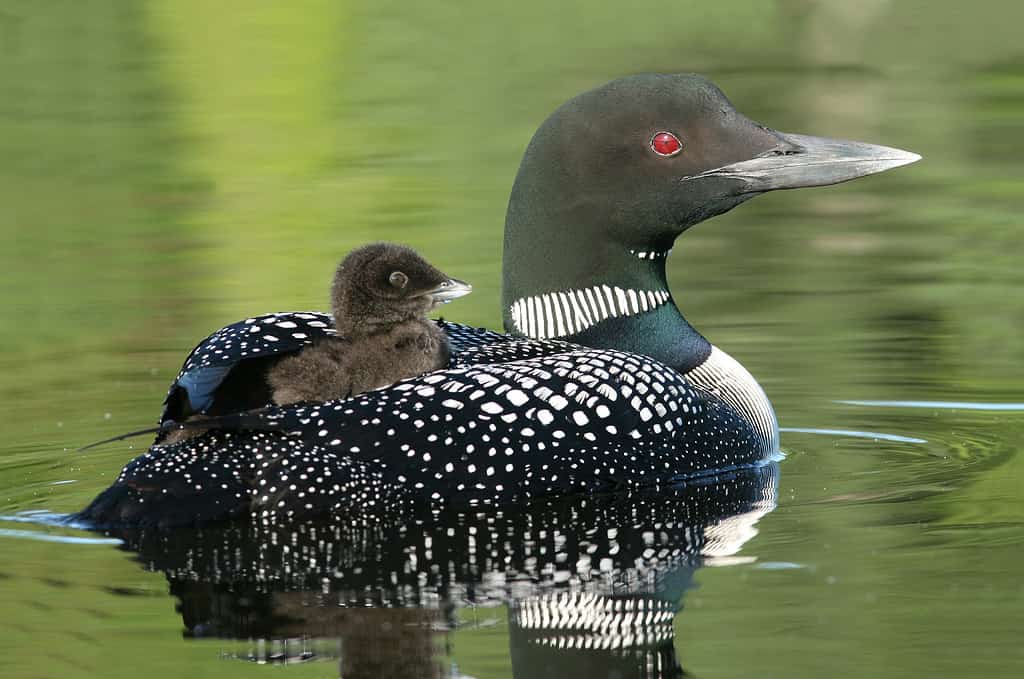
Common Loon (Gavia immer)
©BRIAN LASENBY/iStock via Getty Images
The black-and-white checkered plumage and red eyes of the common loon make it unmistakable as it dives deep for fish. Loons require clear, quiet lakes, and Itasca’s many bodies of water provide perfect nesting grounds. If you take an early morning walk, listen for their call through the mist over the lake.
Osprey (Pandion haliaetus)
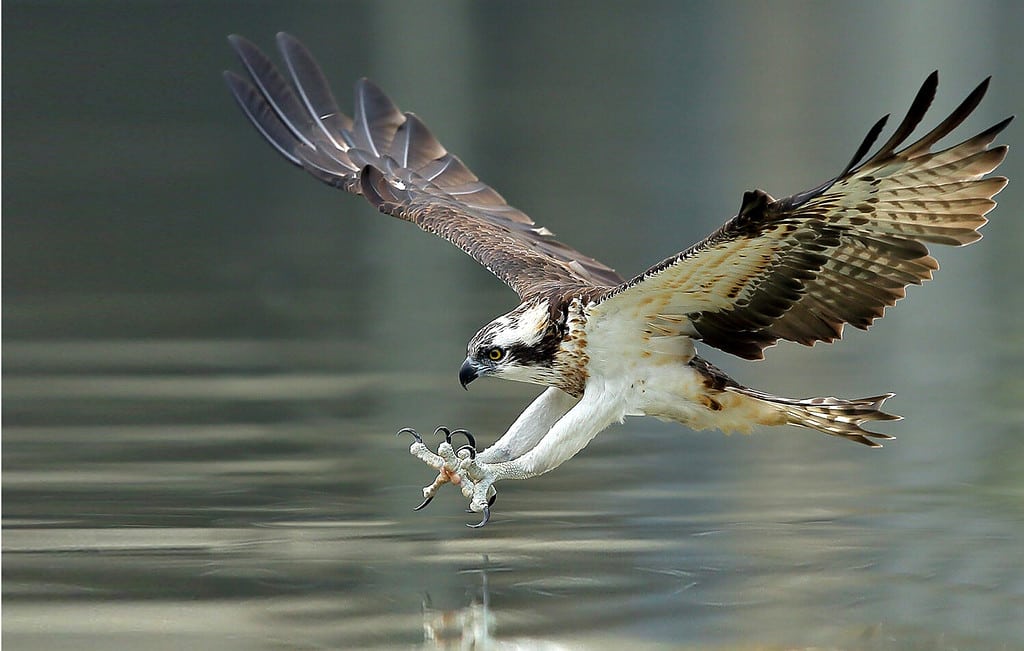
Osprey (Pandion haliaetus)
©Wang LiQiang/Shutterstock.com
The osprey, or fish hawk, patrols the park’s lakes and plunges talons-first into the water to seize fish. Ospreys return each year to reuse large stick nests built atop dead trees or man-made platforms. Visitors recognize them by their high-pitched calls and agile flight patterns.
Great Blue Heron (Ardea herodias)
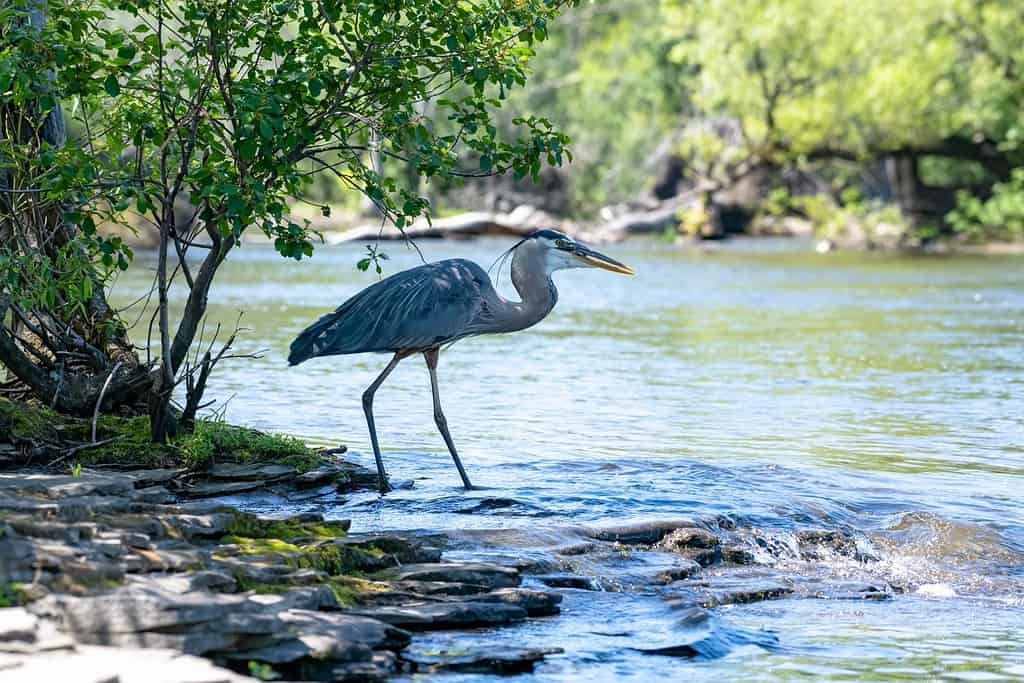
Great Blue Heron (Ardea herodias)
©Karen Hogan/Shutterstock.com
Tall and statuesque, the great blue heron stalks the shallows with patient grace. Feeding mostly on fish, frogs, and insects, it strikes with lightning speed. Colonies of herons, called rookeries, can be found near backwater lakes in the park.
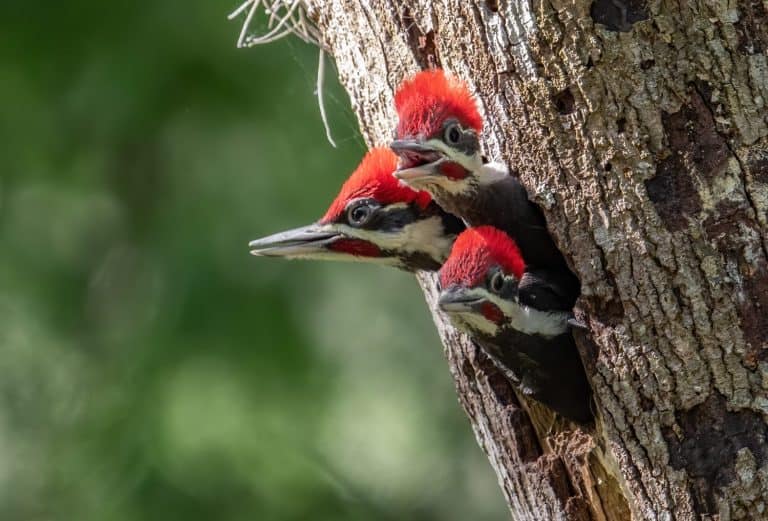
Pileated Woodpecker (Dryocopus pileatus)
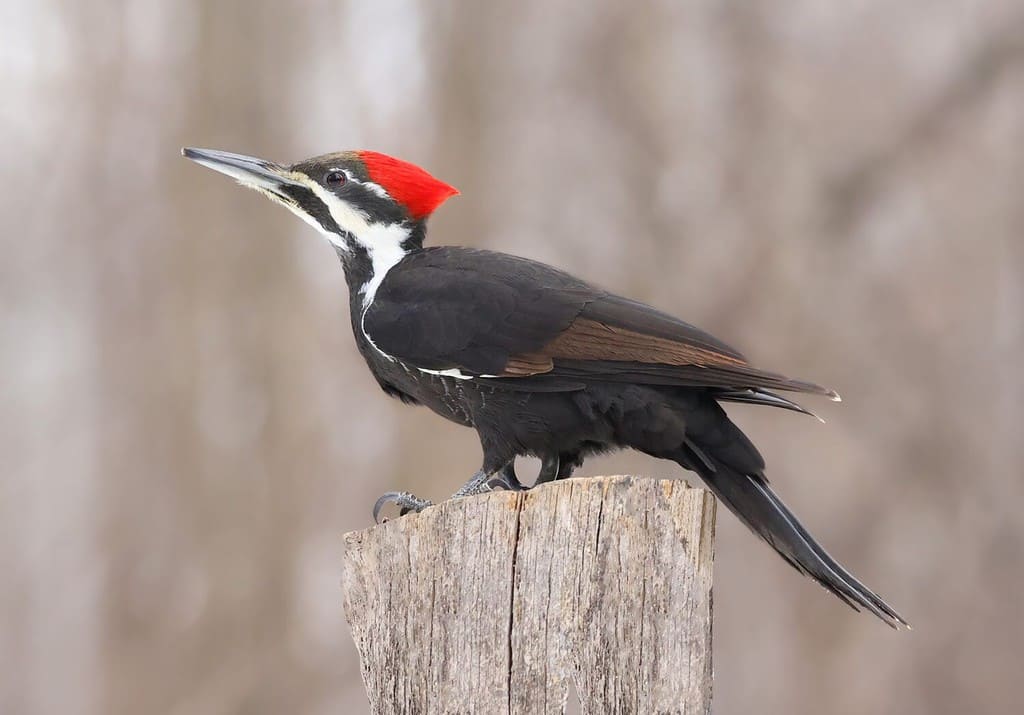
Pileated Woodpecker (Dryocopus pileatus)
©Vlad G/Shutterstock.com
The largest woodpecker in North America, the pileated woodpecker is unmistakable with its bold red crest and deep hammering calls. These birds carve large rectangular holes in dead trees searching for carpenter ants. Their excavations create nesting sites later used by owls and ducks, making them essential to forest ecology.
Black-Capped Chickadee (Poecile atricapillus)
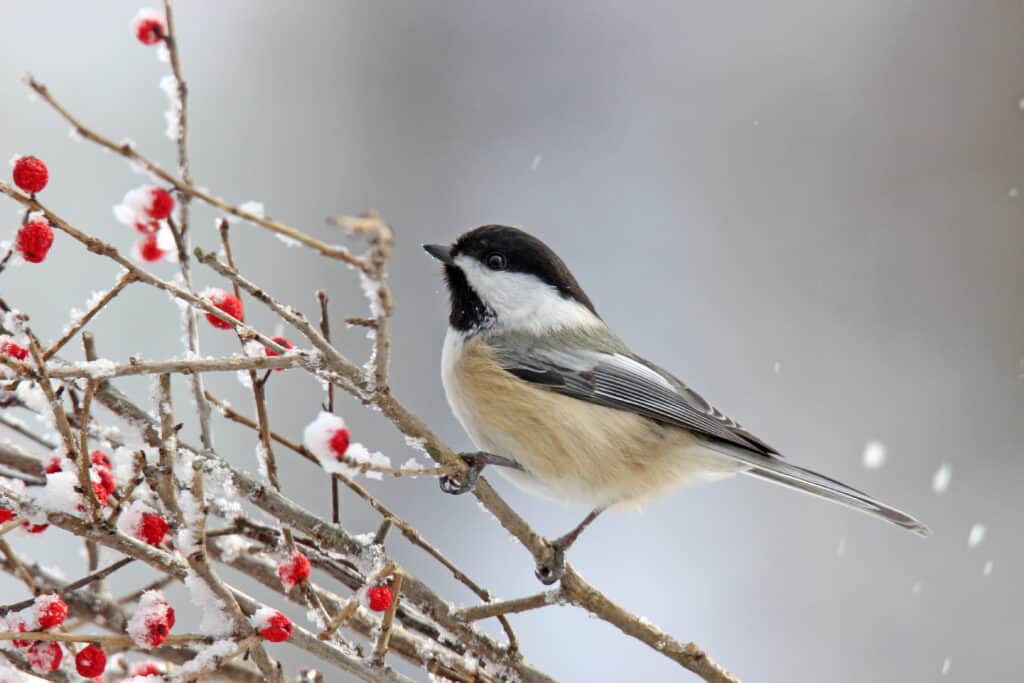
Black-Capped Chickadee (Poecile atricapillus)
©iStock.com/suefeldberg
Small, cheerful, and fearless, the black-capped chickadee is the park’s constant companion. Even in the coldest winters, chickadees flit between branches, calling “chick-a-dee-dee-dee.” They feed on seeds, berries, and insects, caching food for later.
Eastern Chipmunk (Tamias striatus)
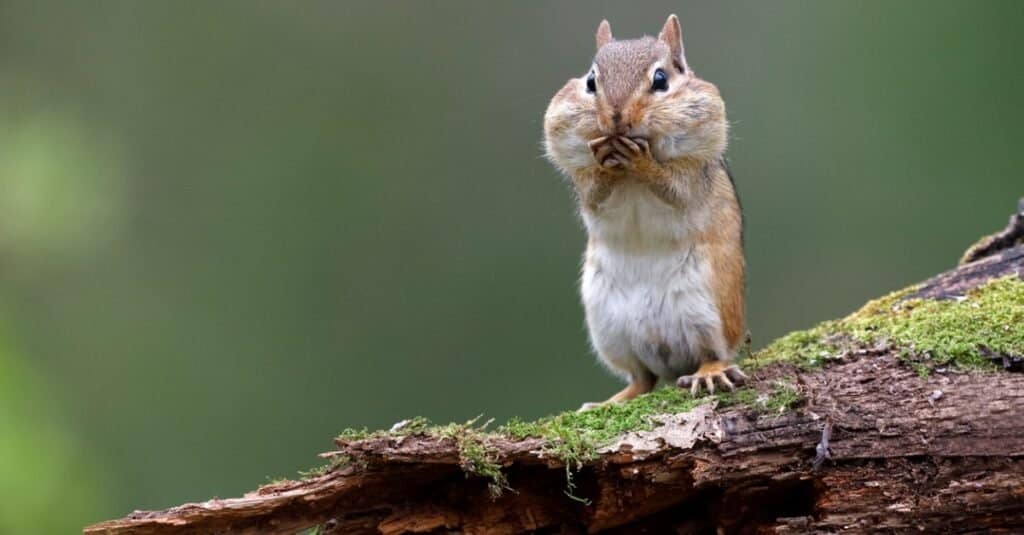
Eastern Chipmunk (Tamias striatus)
©iStock.com/BrianLasenby
The eastern chipmunk scurries across trails and campsites, cheeks bulging with seeds and acorns. These striped foragers live in burrows lined with leaves, storing food for winter. Quick and curious, they often appear around picnic areas, though they’re just as busy deep in the woods.
Painted Turtle (Chrysemys picta)

Painted Turtle (Chrysemys picta)
©Ethan Daniels/Shutterstock.com
On warm afternoons, painted turtles bask on logs along Lake Itasca’s shoreline. Their smooth shells — olive with red and yellow markings — gleam in the sun. Omnivorous and unhurried, they feed on aquatic plants, insects, and small fish. As autumn arrives, they bury themselves in lake mud, where they can survive months of ice-covered stillness.
Common Garter Snake (Thamnophis sirtalis)
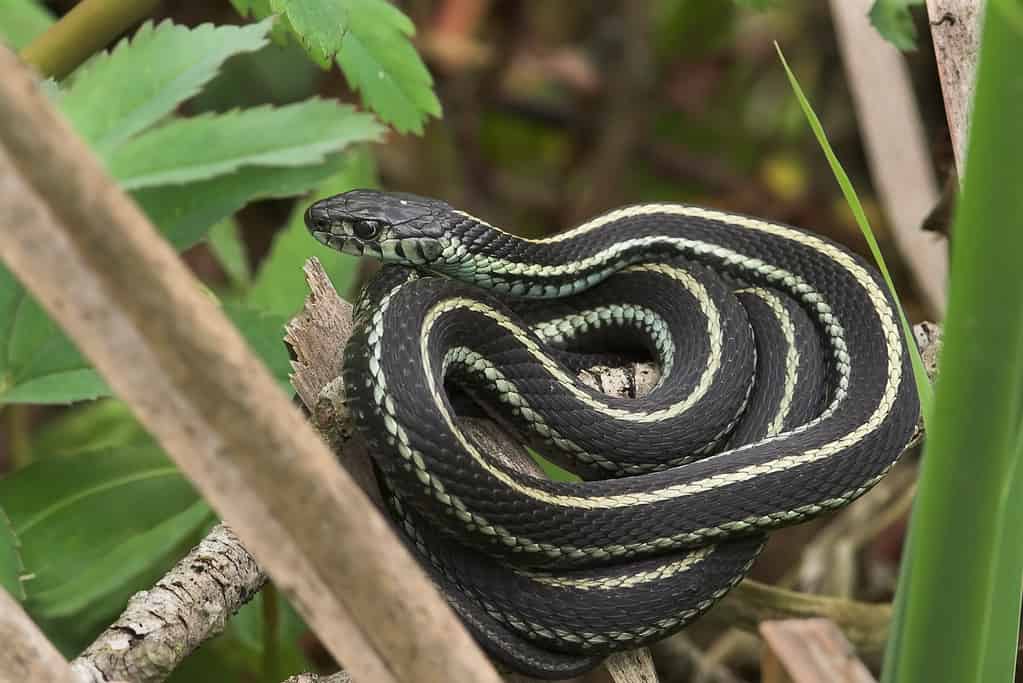
Common Garter Snake (Thamnophis sirtalis)
©iStock.com/rkhalil
Among the few reptiles in northern Minnesota, the common garter snake thrives in Itasca’s damp meadows and forest edges. Nonvenomous and mild-tempered, it feeds on frogs, earthworms, and slugs. Its distinctive yellow stripes run the length of its dark body, and it often suns itself on rocks or trails after cool mornings.
Wood Frog (Lithobates sylvaticus)
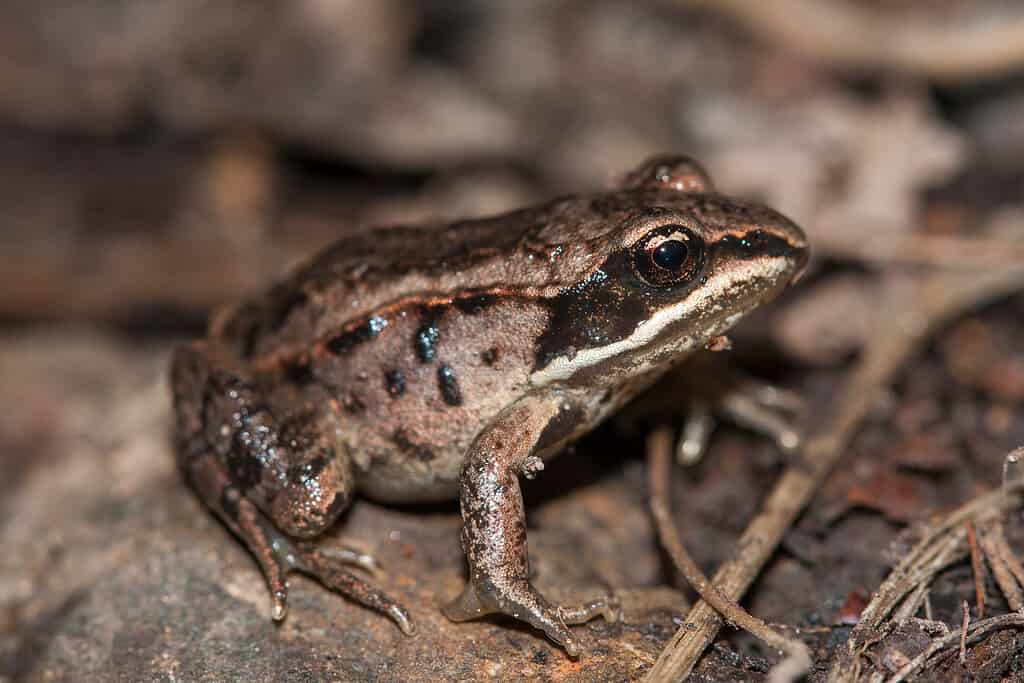
Wood Frog (Lithobates sylvaticus)
©Viktor Loki/Shutterstock.com
The wood frog is one of nature’s great survivors. Each winter it freezes solid — heart stopped, ice forming in its tissues — then thaws back to life in spring. These small brown frogs emerge as soon as snow melts, filling vernal pools with a chorus of calls. Their freeze-tolerance makes them a marvel of northern adaptation.
Monarch Butterfly (Danaus plexippus)
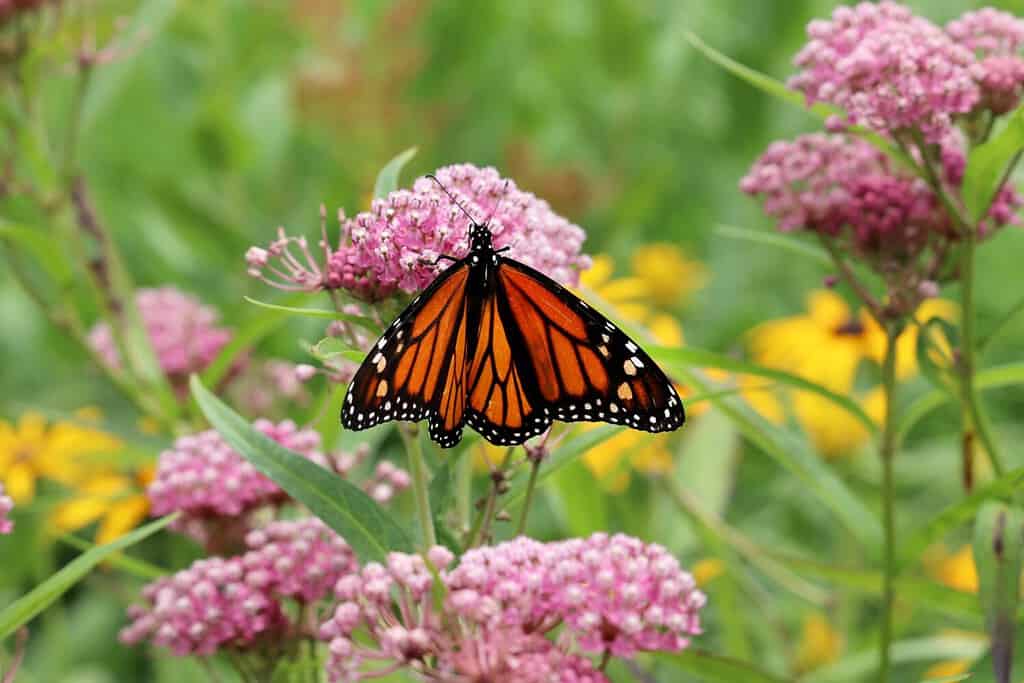
Monarch Butterfly (Danaus plexippus)
©Nancy J. Ondra/Shutterstock.com
Each summer, monarch butterflies drift through Itasca’s meadows, sipping nectar from milkweed. Their orange-and-black wings flash against the forest green, symbols of endurance and migration. In late August, they begin their astonishing journey south to Mexico, linking Minnesota’s forests to faraway mountain sanctuaries thousands of miles away.
North American Beaver (Castor canadensis)
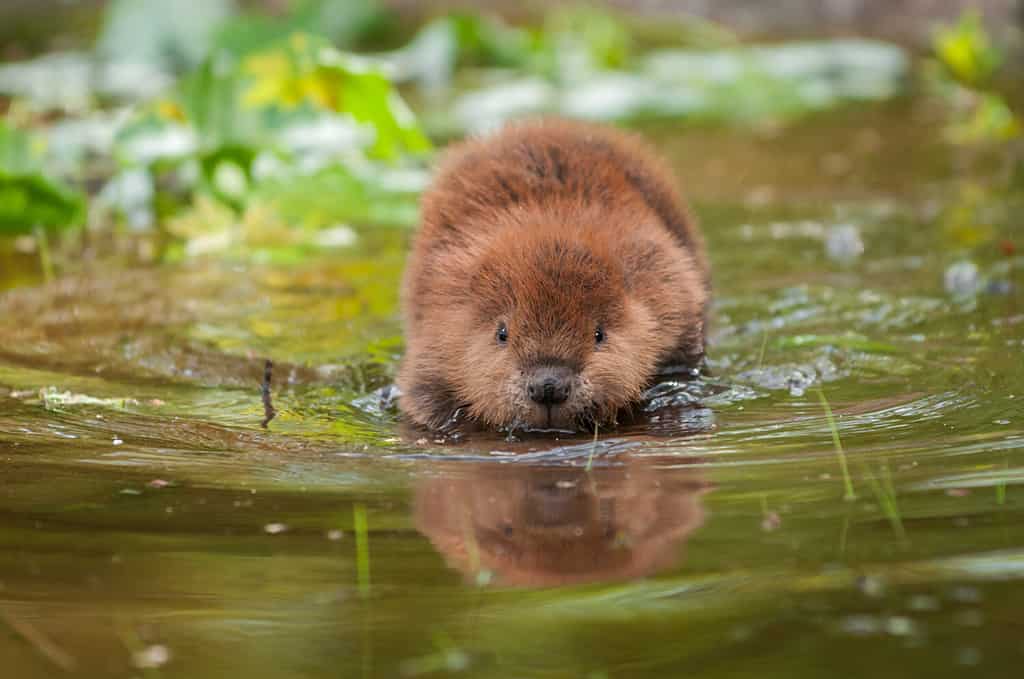
North American Beaver (Castor canadensis)
©Holly Kuchera/Shutterstock.com
Without the beaver’s dams and ponds, many wetland species — herons, frogs, dragonflies — would lose their habitat. Itasca’s beavers are master architects, reminding us how one small animal can reshape an entire landscape.
Water and Life Begin Together
As dusk deepens over Lake Itasca, the forest comes alive: loons wail, wolves call, and fireflies spark above the cattails. Every creature here, from the smallest frog to the soaring eagle, reminds us that water and life begin together in the stillness of these northern woods.