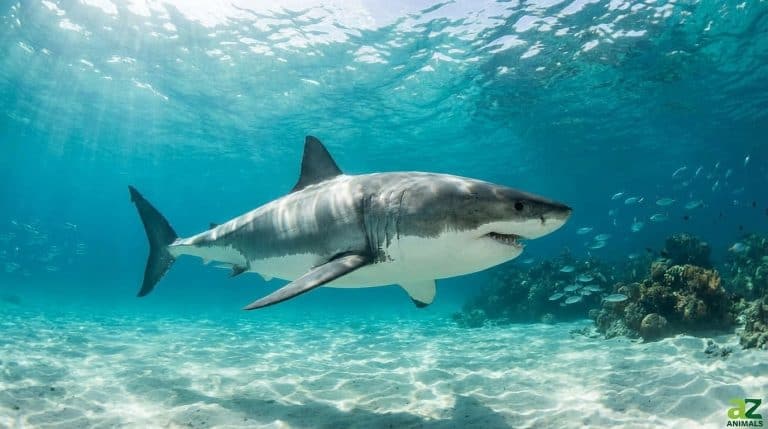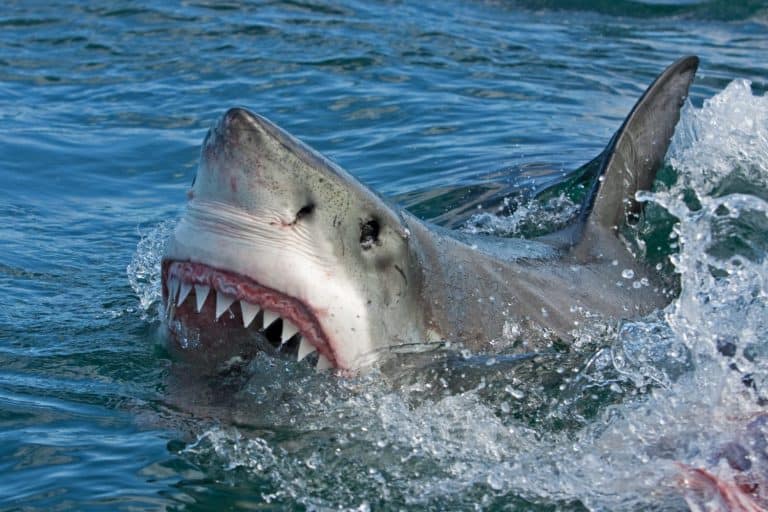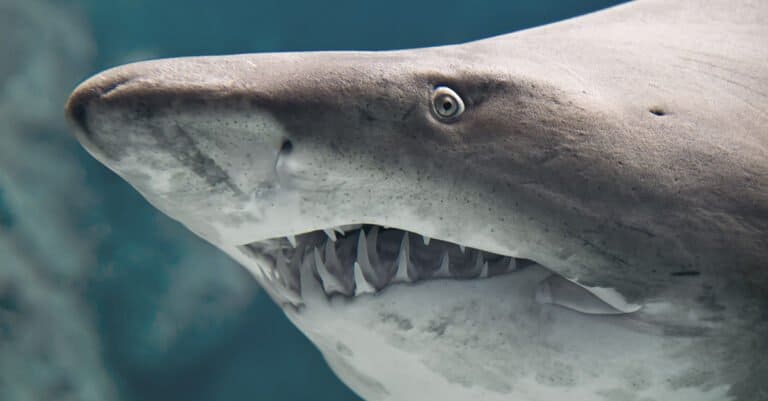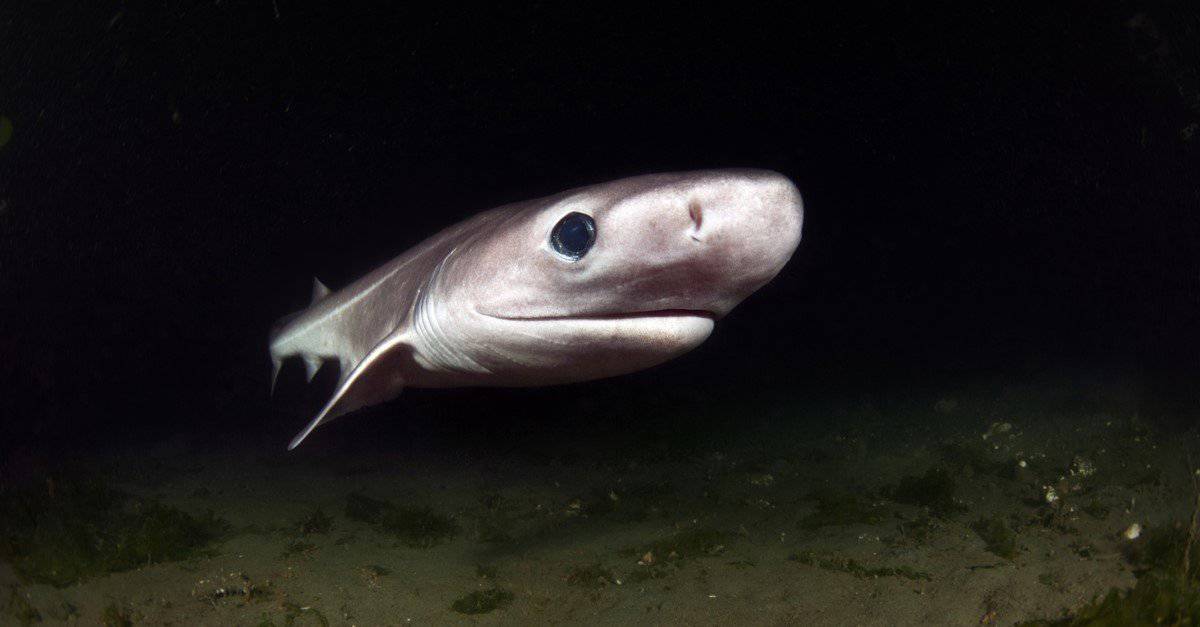

A routine marine survey near the island of Cabrera, just south of Mallorca, turned into a breakthrough moment when scientists encountered a species never before documented in the region: the bluntnose sixgill shark. The team from the conservation group Save the Med captured rare footage of the prehistoric-looking predator during their latest biodiversity study in Cabrera National Park.

Bluntnosed sixgill sharks on display at the Civic Museum of Natural History of Trieste
©bepsy/Shutterstock.com
A First for the Park — and the Region
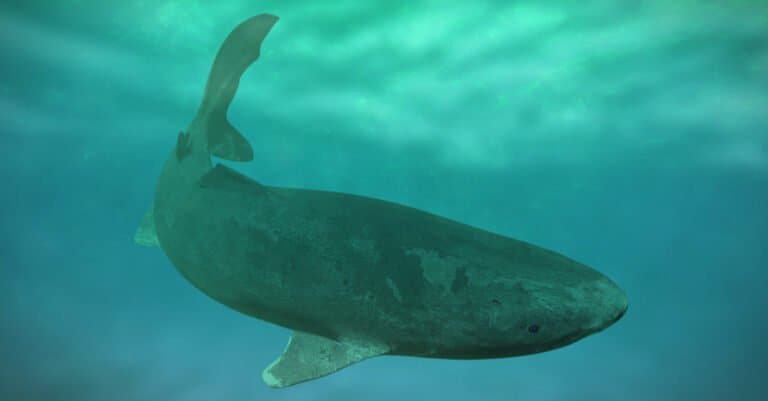
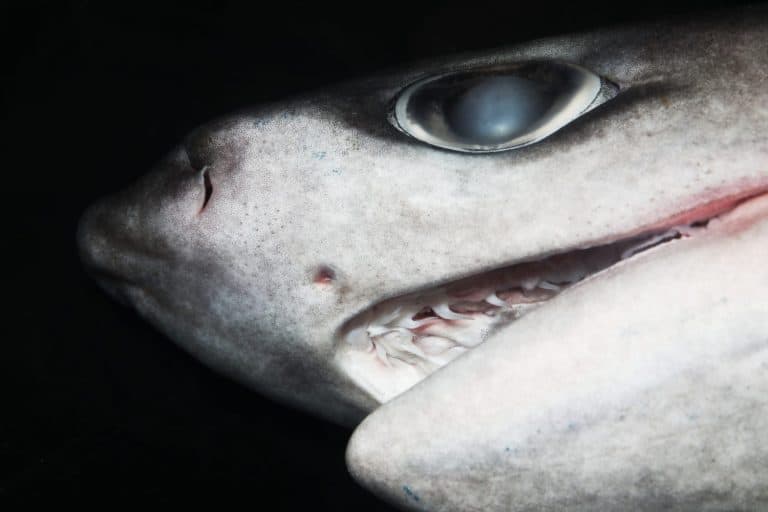
The bluntnose sixgill shark, sometimes called the grey shark, is a deep-sea species that usually stays far from human eyes. Spotting one in the waters around Cabrera is more than unusual — researchers say it’s the first confirmed sighting in the area.
This surprising encounter emerged from a large-scale study titled “Sharks and Rays in the Cabrera National Park,” presented by the Balearic Ministry of the Environment. The project used non-invasive monitoring methods to track species diversity, population numbers, and seasonal movement patterns throughout the protected waters.
A Shark Appears Unexpectedly in the Shallows
While sixgill sharks typically roam the deep, this individual showed up in relatively shallow water — a behavior that immediately caught researchers’ attention. The sighting highlights how little is still known about the species’ movements in the Mediterranean.
Multiple Species Recorded for the First Time
The sixgill wasn’t the only notable find. The team documented dozens of catsharks, with 25 individuals recorded — making them the most frequently observed species during the study.
Researchers also succeeded in capturing the first-ever images of the white skate within Cabrera National Park. This species is critically endangered in the Mediterranean, so confirming its presence is a meaningful conservation milestone.
Large pelagic sharks made far fewer appearances. Scientists counted 17 blue sharks and only a handful of mako sharks, showing how uncommon these wide-ranging species can be in coastal areas.
Spain’s Largest Marine National Park
Cabrera National Park was designated Spain’s largest national park in 2019 and encompasses more than 222,000 acres of land and sea. Located about 10 miles from Colònia de Sant Jordi, the island and surrounding waters support some of the region’s most intact marine habitats.
Although the bluntnose sixgill shark may look intimidating, it is considered harmless to humans, and encounters are extremely rare.