
Quick Take
- Multiple shark species are home to the Caribbean Sea, helping to create healthy marine ecosystems.
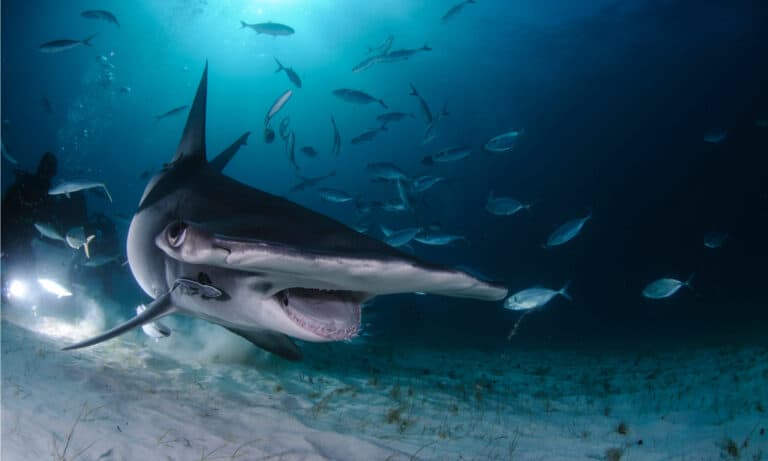
- The great hammerhead shark possesses a unique profile that creates specific tracking challenges for divers.
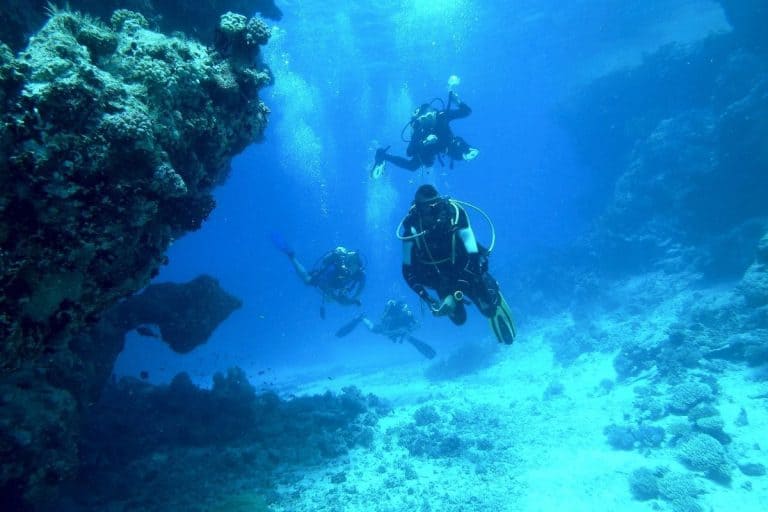
- Encountering thesepredators in the Caribbean is safer than standard assumptions suggest.
- Nurse shark numbers have declined in recent decades due to pollution, overfishing, and the shark fin soup industry.
The Caribbean Sea is often associated with crystal-clear water, vibrant coral reefs, and post-card perfect beaches. But beyond these beautiful features, the Caribbean is home to something less frequently seen. Some of the ocean’s most powerful predators patrol these warm waters. Sharks play a vital role in maintaining the balance of the Caribbean’s marine ecosystems, cruising through reef-lined coastal areas and deep offshore channels. Many of these species are sleek, fast, and highly adapted hunters that have thrived here for millions of years.
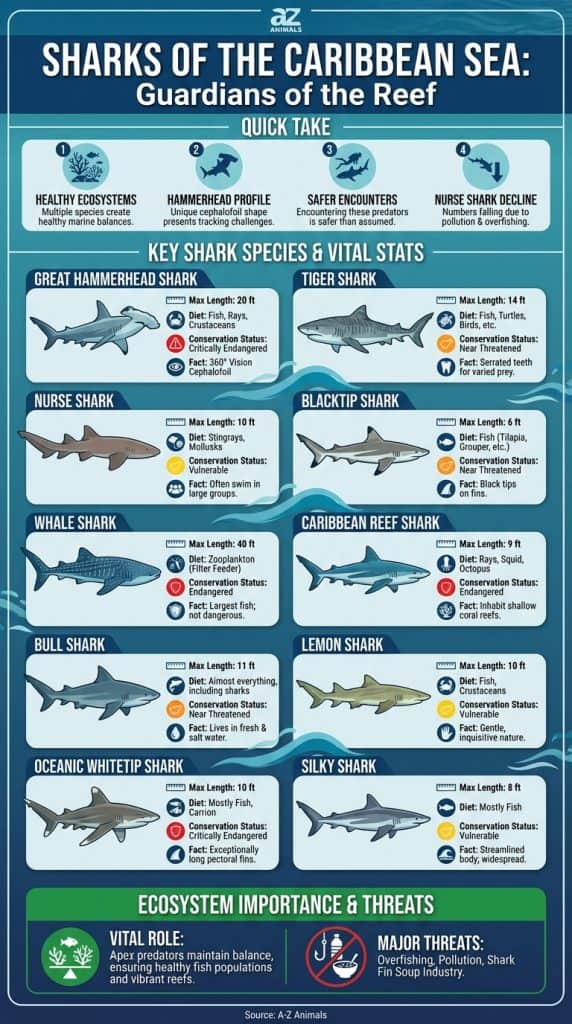
They aren’t just hunters; they are the lifeblood of the reef—and they’re fighting a losing battle against pollution and overfishing. Discover the secrets of the Caribbean’s most misunderstood guardians.
©A-Z Animals
While sharks are often feared and misunderstood, their presence in the Caribbean is a sign of a healthy ocean. These formidable fish range from small reef dwellers to massive open-water predators, each with unique behaviors and survival strategies. This article explores the sharks swimming the Caribbean Sea, detailing where they live, how they hunt, and why they are essential to the area.
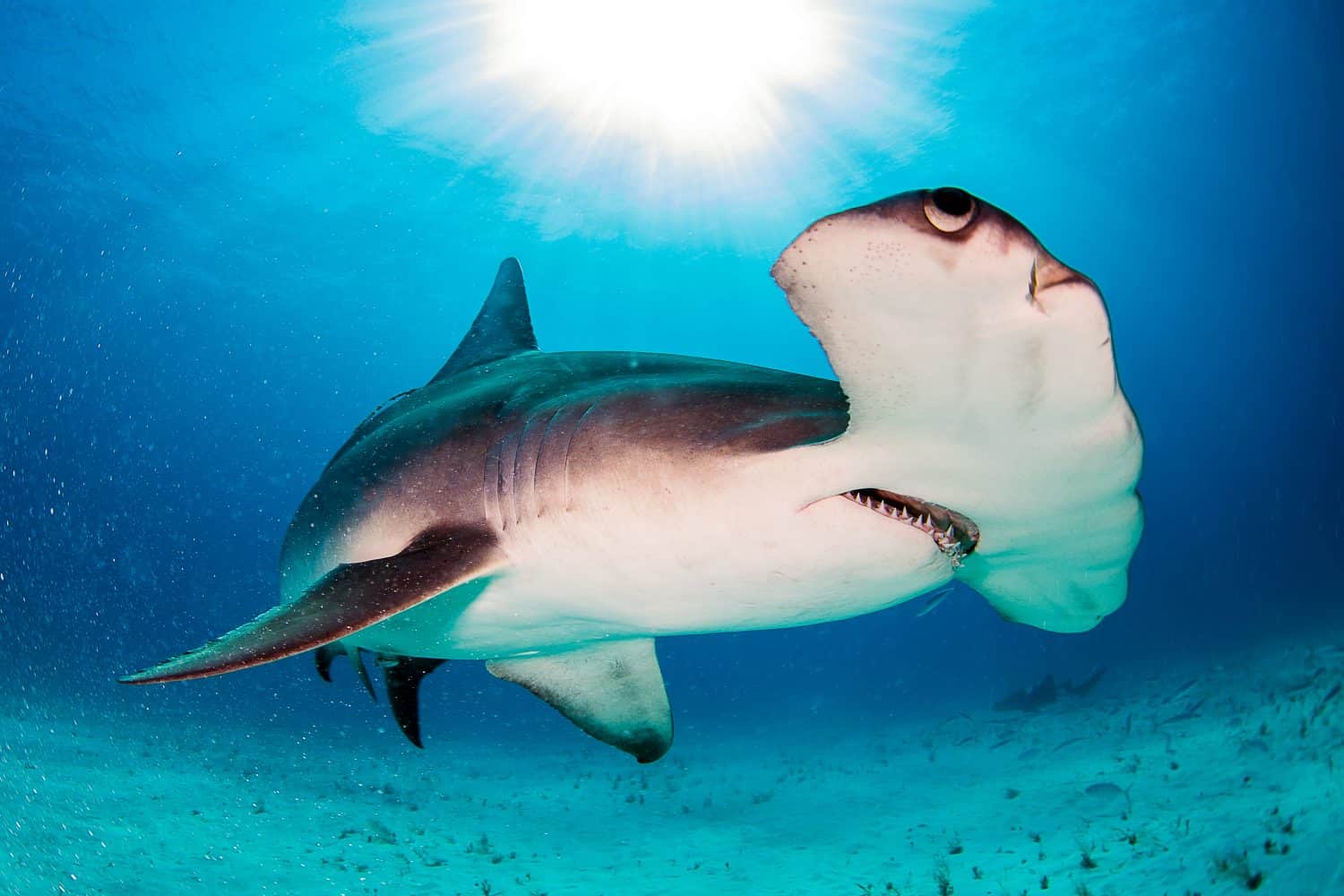
Great Hammerhead Shark
©Sail Far Dive Deep/Shutterstock.com
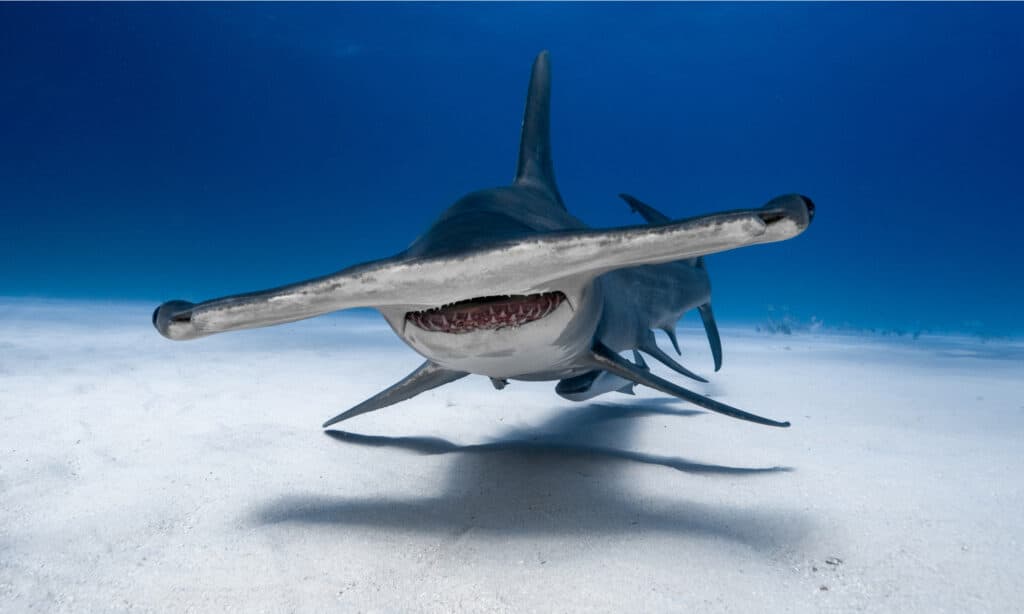
Great hammerhead sharks are one of the most spectacular species of sharks in our oceans. Despite growing to nearly 20 feet long, these docile sharks have never been implicated in a human fatality. Their hammer-shaped heads, known as cephalofoils, give them a 360-degree field of vision. Great hammerhead sharks eat fish, stingrays, crustaceans, and even other sharks. Unfortunately, due to overfishing, pollution, and the shark fin soup industry, they’re Critically Endangered.
Tiger Shark
©kaschibo/Shutterstock.com
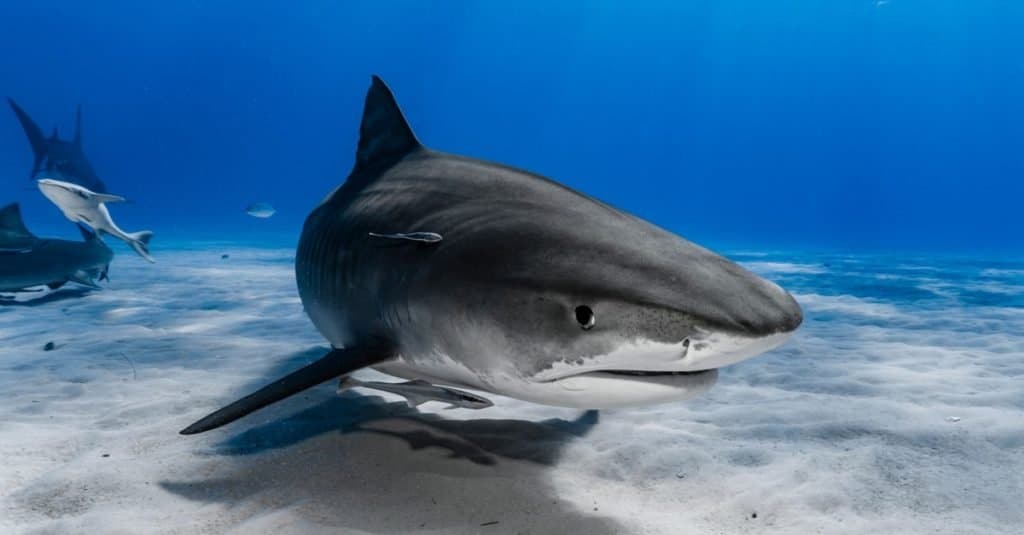
Tiger sharks found in the Caribbean Sea grow up to about 14 feet long, and have streamlined, torpedo-shaped bodies. Their teeth are serrated, and designed to kill and ingest bony fish, sea turtles, dolphins, seals, and even sea birds. Tiger sharks, like most sharks, are apex predators and considered dangerous to humans due their size and hunting prowess. However, attacks are extremely rare for this Near Threatened species.
Nurse Shark
©Maui Topical Images/Shutterstock.com
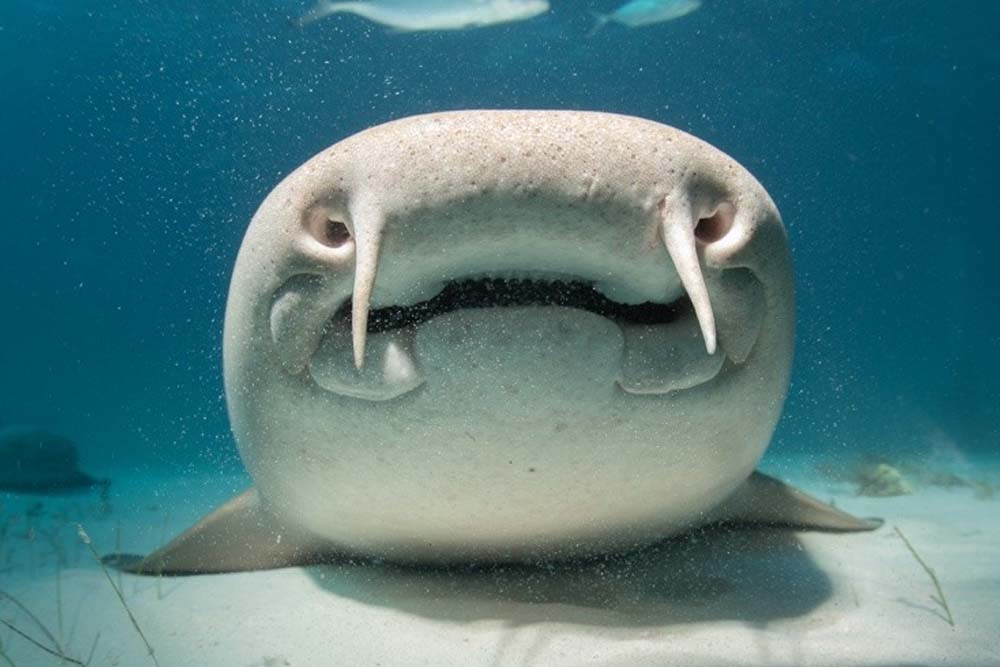
Nurse sharks grow up to ten feet long and have squarish noses and relatively small teeth. They’re found only in the shallow coastal waters of the Caribbean Sea, where they often swim in large groups, on the hunt for stingrays, small fish, mollusks, and crustaceans. Nurse sharks have been implicated in nine total attacks on humans, none of which proved fatal. Like most species of shark, their numbers have declined in recent decades due to pollution, overfishing, and the shark fin soup industry. Today, they’re listed as Vulnerable to extinction.
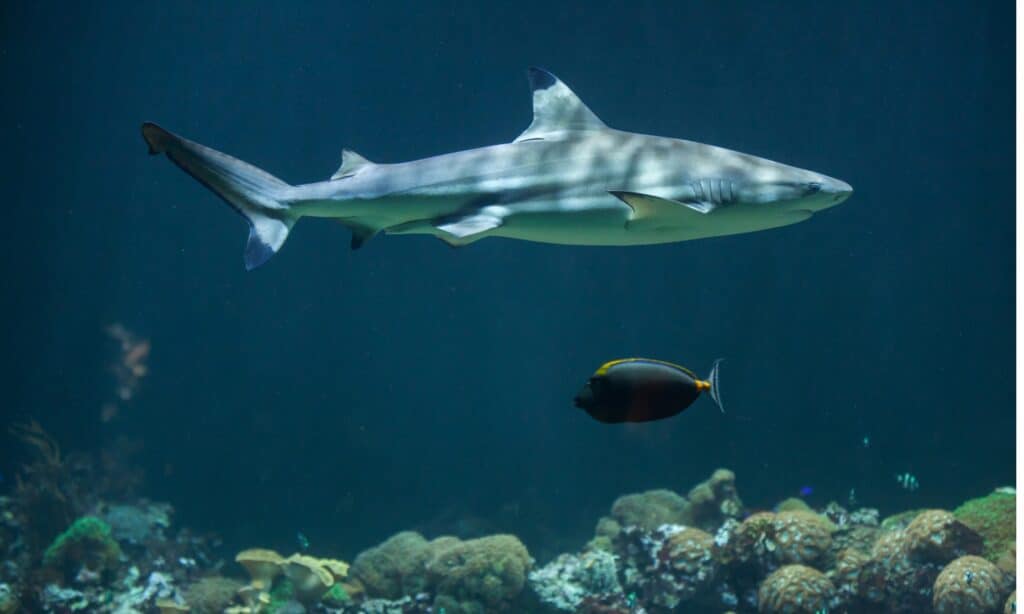
Blacktip Shark
©iStock.com/wrangel
Blacktip sharks found in the Caribbean Sea grow to a maximum length of around six feet. They have torpedo-shaped bodies with pointed snouts and black tips on their fins. These sharks live in all the waters of the Caribbean and eat mainly fish. Some of their favorite prey species include tilapia, grouper, herring, mullet, porgies, and sardines. Blacktip sharks are classified as Near Threatened.
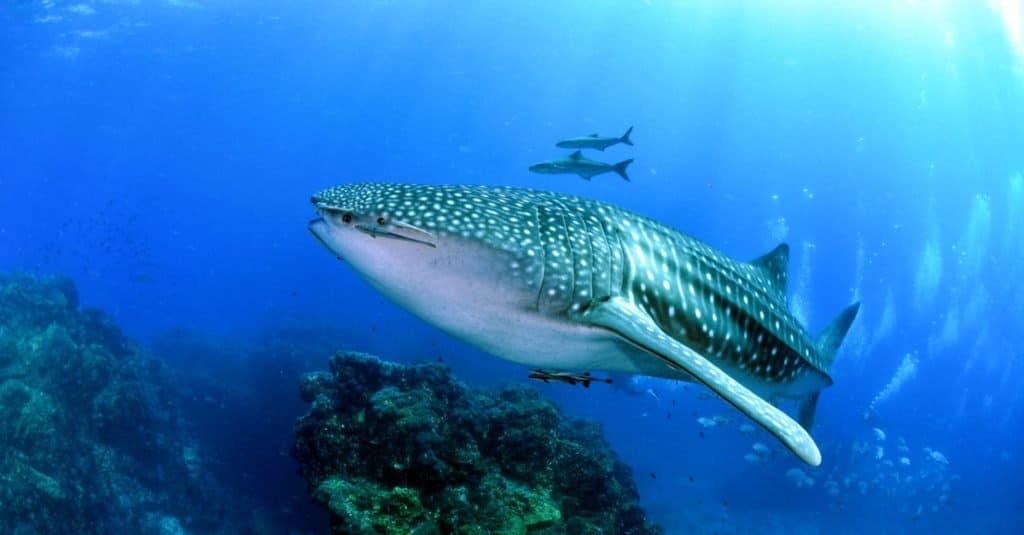
Whale Shark
©weera bunnak/Shutterstock.com
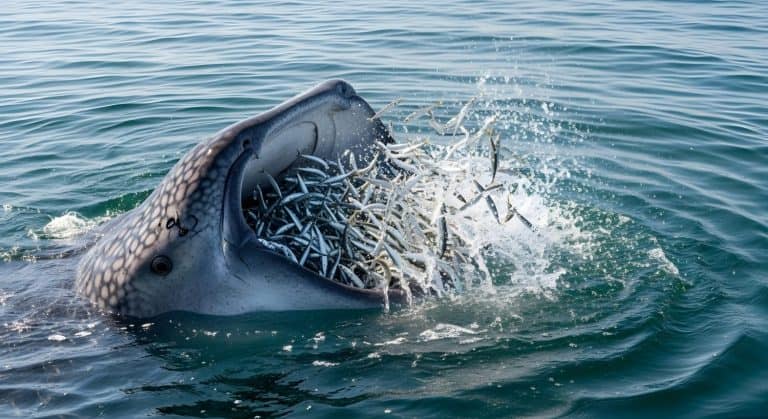
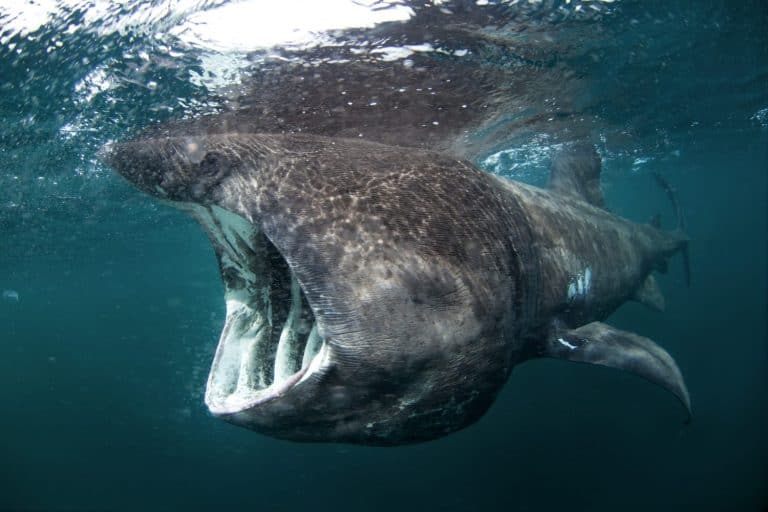
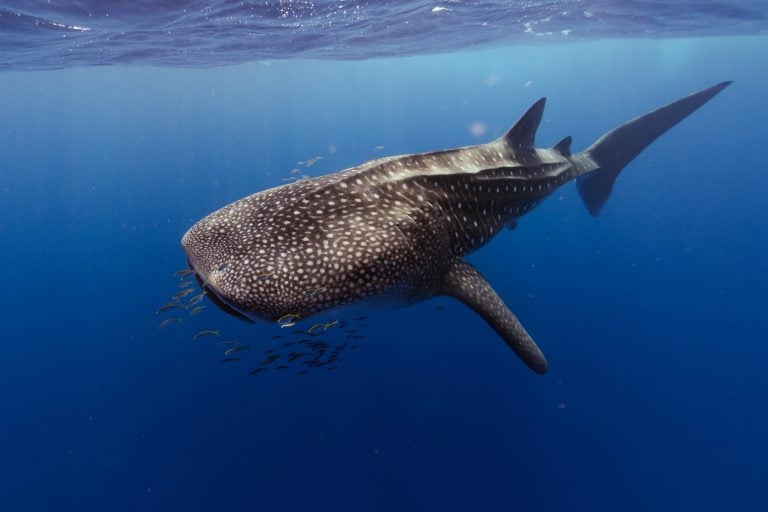
Whale sharks live in tropical and subtropical waters all over the world. They grow up to 40 feet long and have wide, flat mouths. Like other sharks, they have upright dorsal and tail fins and large pectoral fins. Unlike other sharks, whale sharks are actually filter feeders and eat mostly zooplankton. They’re not dangerous to humans, though they are Endangered. Like almost all species of sharks, whale sharks face threats from pollution and overfishing.
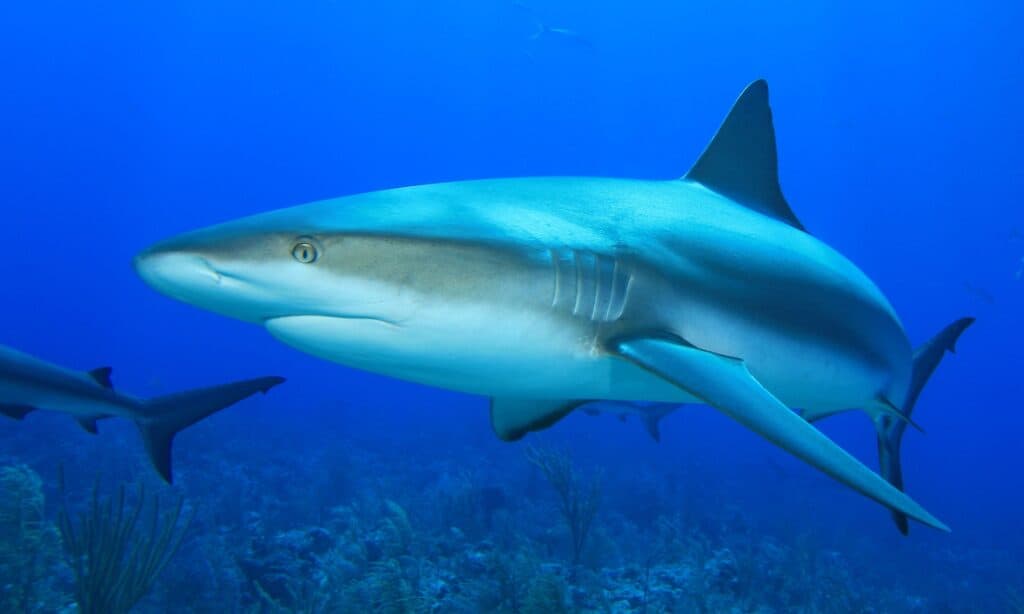
Caribbean Reef Shark
©iStock.com/richcarey
Caribbean reef sharks grow up to nine feet long. They stick close to the coasts and inhabit only shallow waters, usually near coral reefs, as their name suggests. Though responsible for a small number of non-fatal attacks on humans, Caribbean reef sharks are Endangered and are not considered dangerous. They eat stingrays, eagle rays, squid, octopus, and bony fish.
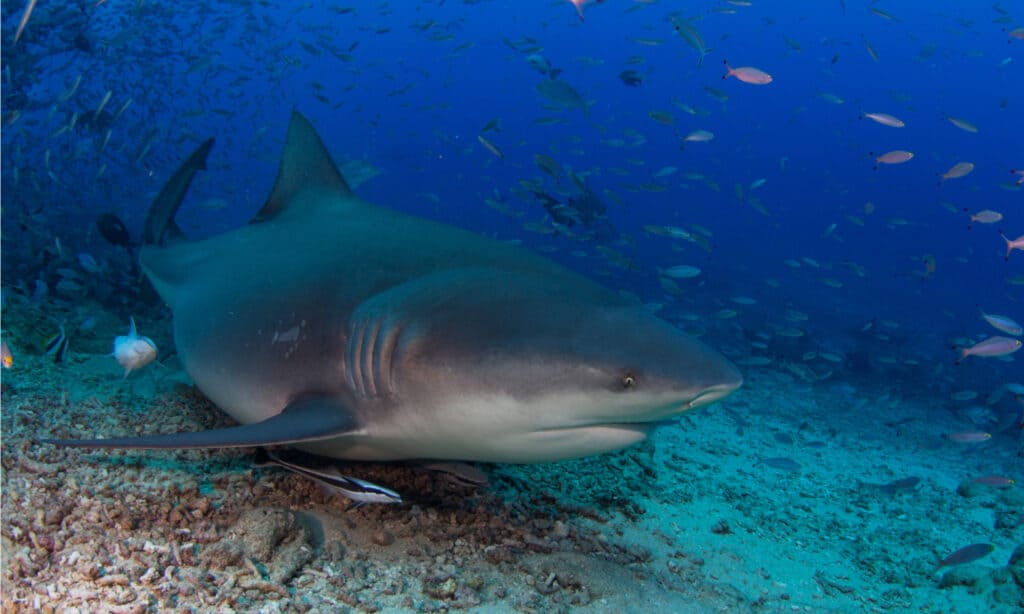
Bull Shark
©Aquarius Traveller/Shutterstock.com
Bull sharks are famously capable of living in fresh and salt water. They grow to around eleven feet long and have pointed, wickedly sharp teeth. Bull sharks only live in shallow coastal waters, where they hunt almost everything, including other sharks. They have thick bodies with short snouts and long fins. The IUCN lists them as Near Threatened.
Lemon Shark
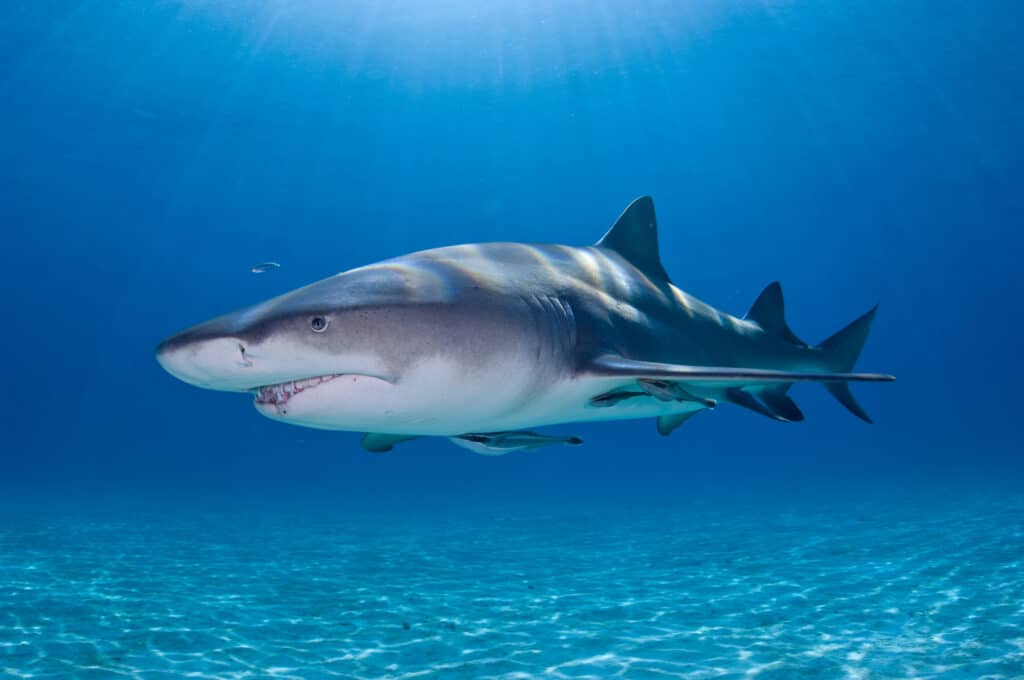
©iStock.com/uwimages
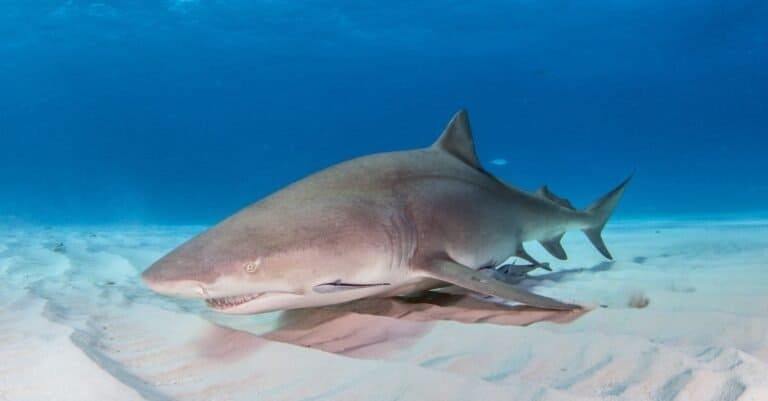
This rarely talked about species seldomly attacks people and has never been implicated in a human death. Lemon sharks grow up to 10 feet long and stick to the sandy ocean floor, where they hunt fish, crustaceans, and smaller sharks. Listed as Vulnerable, lemon sharks are a particular favorite of snorkelers and divers because of their gentle, inquisitive nature.
Oceanic Whitetip Shark
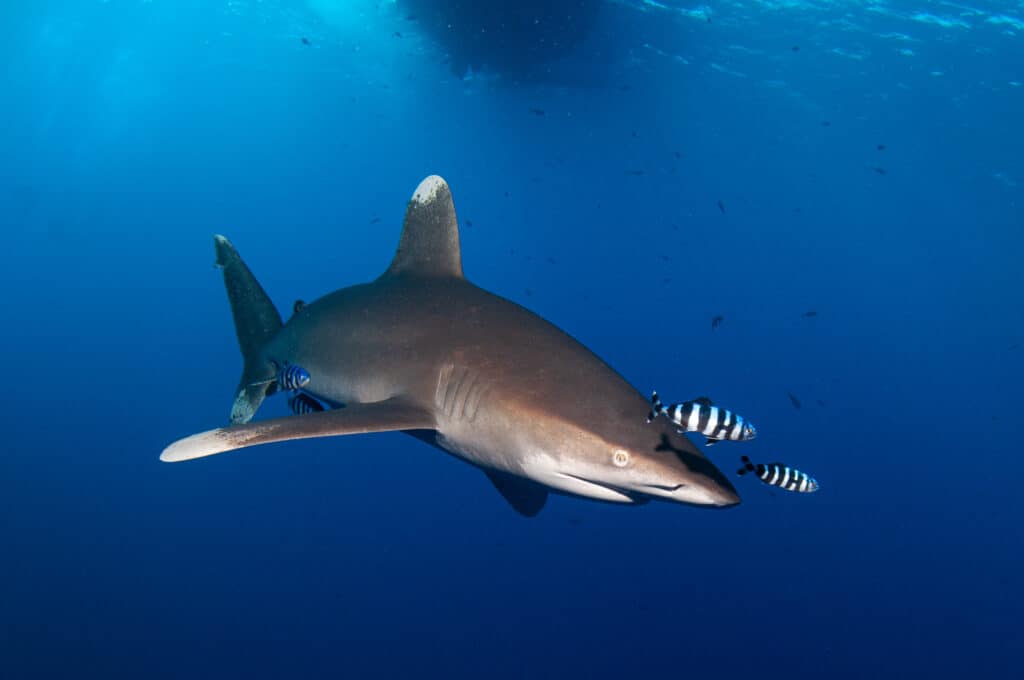
©MartinRejzek/Shutterstock.com
Oceanic whitetip sharks have exceptionally long pectoral fins; they grow up to about ten feet long. They’re Critically Endangered due to the same usual suspects affecting other sharks, namely overfishing, pollution, and the shark fin soup industry. Oceanic whitetips eat mostly fish but will also feast on carrion. They live in coastal waters and the deep ocean and can be found in any of the world’s tropical oceans.
Silky Shark
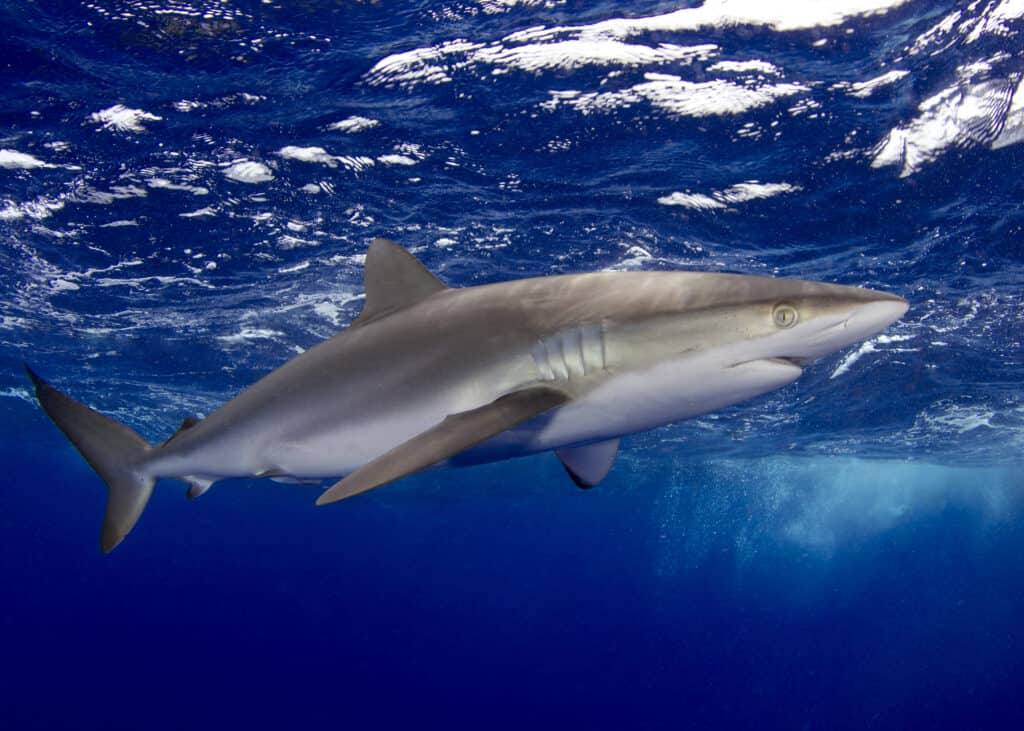
©Matt9122/Shutterstock.com
Silky sharks grow up to eight feet long and eat mostly fish. Like many sharks, they’re Vulnerable to extinction, and their population has declined significantly in recent decades. They swim all the waters of the Caribbean Sea and are not generally considered dangerous to humans. Silky sharks have streamlined bodies with small dorsal fins and large tail fins.