
Quick Take
- There have been four reported shark attacks on the coast off the Sydney area of Australia in the last 48 hours.
- Some people have sustained life-changing injuries.
- Agencies suspect that heavy rain has attracted fish and, therefore, sharks to coastal areas.
- Bull sharks, an aggressive shark species, are likely responsible and can mistake humans for prey.
- Many beaches are closed, and the advice is not to enter dirty and murky water.
News outlets around the world are reporting on a series of shark attacks along Australia’s New South Wales (NSW) coastline. Australia has been described as one of the global shark attack hotspots, with several large shark species living off its coast and millions of people taking to the warm waters each year for water sports. Yet, this concentration of attacks in such a short period of time is unusual. This is what we know so far.
Recent Shark Attacks Around Sydney
The attacks started on Sunday, 18th January, when a 12-year old boy was left critically injured after an encounter with a shark near Sydney Harbor beach. The following day, a young surfer had a lucky escape at Dee Why Beach in Sydney. His surfboard was left with a chunk bitten out of it. Hours later, a 27-year-old was left with what are being described as life-changing injuries at nearby Manly.
On Tuesday, January 20, a fourth attack was reported. In this incident, a 39-year-old man sustained chest wounds after a shark bit into his board near the Point Plomer campground, which is about 280 miles north of Sydney. Authorities have announced that dozens of beaches across Sydney and the NSW Mid North Coast will remain closed until further notice.
Why Are There So Many Attacks Right Now?
Local agencies have explained that there have been days of heavy rain in the area. Rain flushes nutrients into the water, and this makes fish congregate close to the shore. The sharks follow to feed on the fish. The issue is especially apparent near river mouths where the sharks are most likely to congregate. The water is murky, which means that sharks cannot see what they are attacking, and people cannot see the sharks coming. This is why the local advice is to think twice before entering dirty water.
Which Sharks Are Involved in the Attacks?
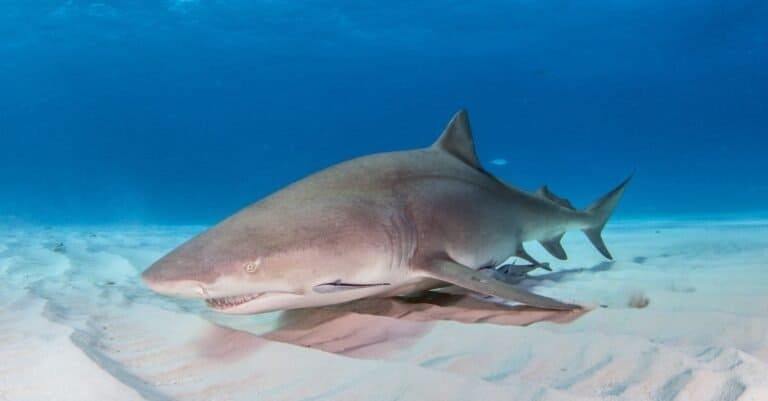
The authorities believe that bull sharks (Carcharhinus leucas) are behind this series of attacks. They are considered among the most dangerous shark species to humans and were also responsible for the death of a woman on the NSW Mid North Coast last November.
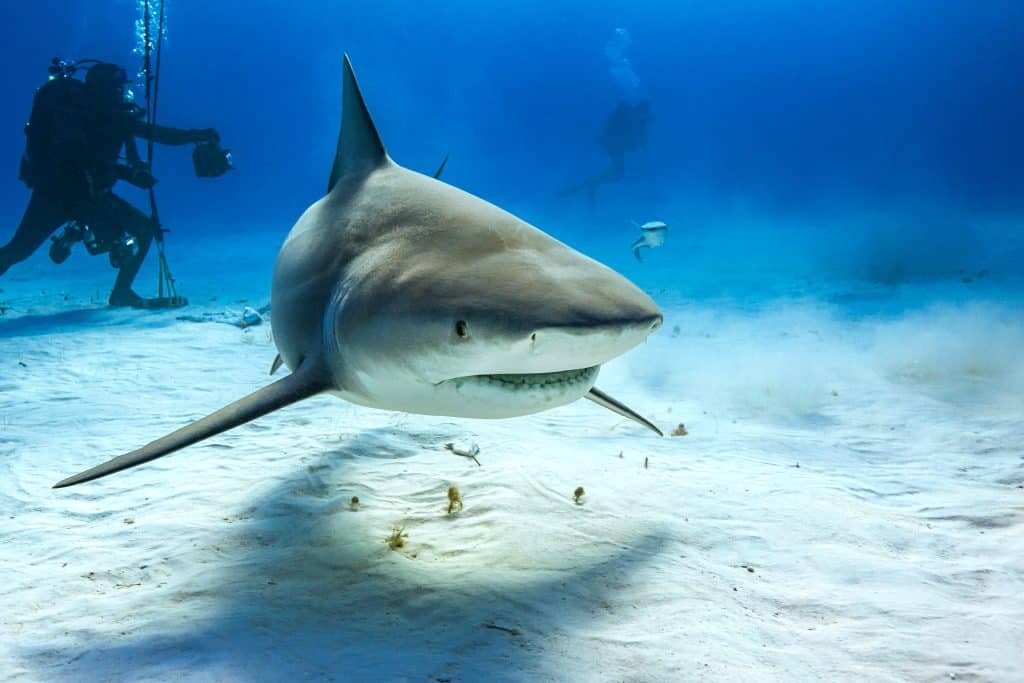
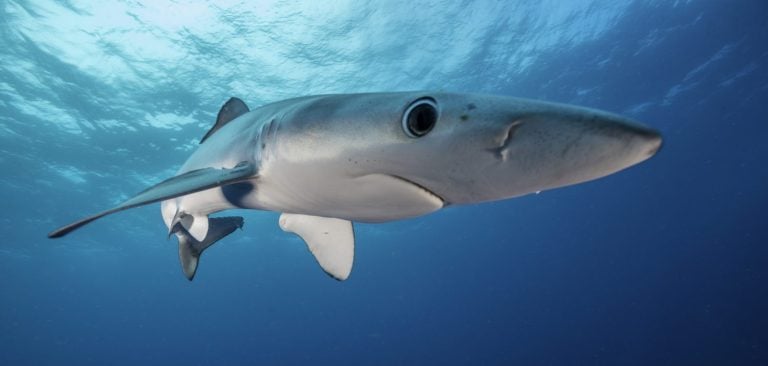
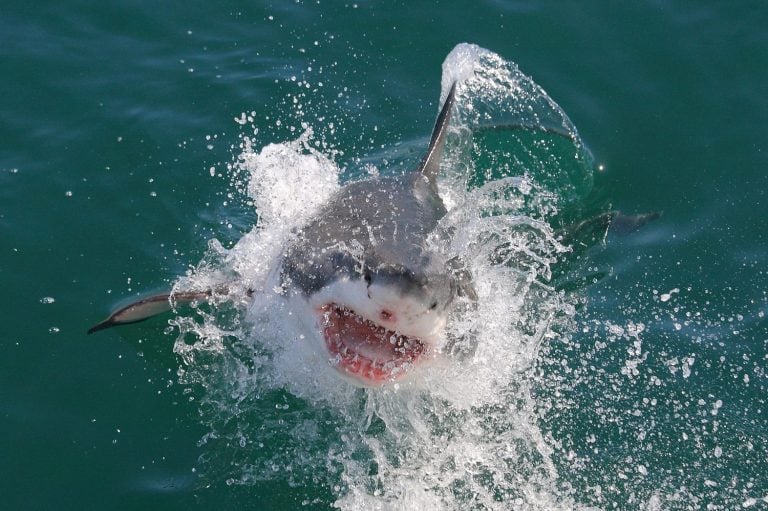
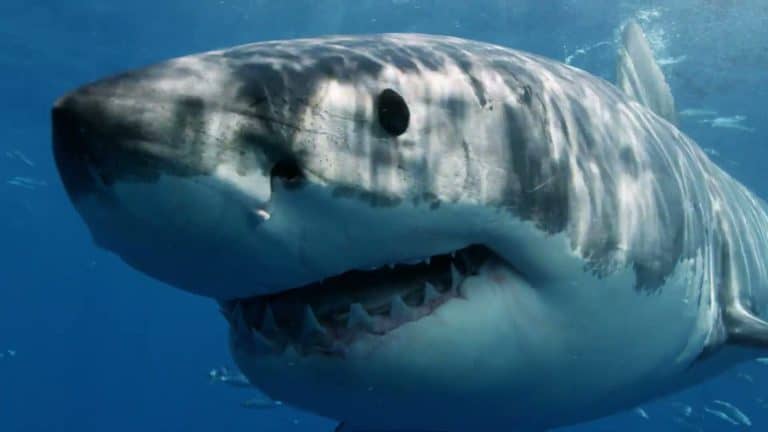
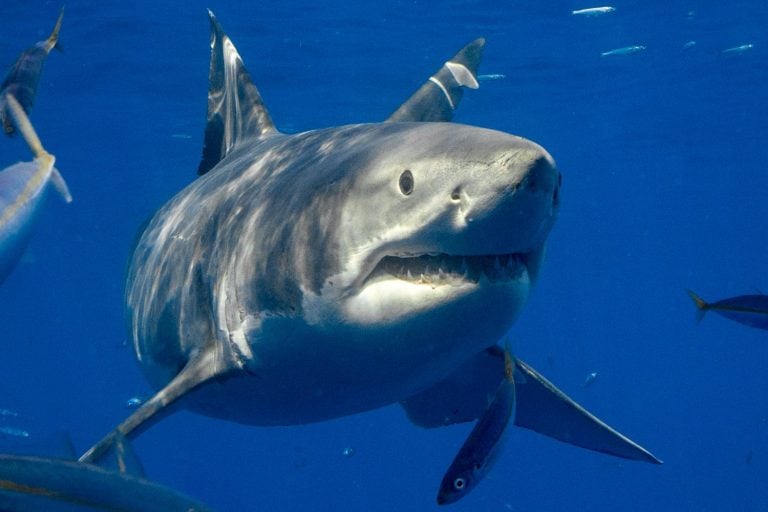
Bull sharks are an aggressive shark species.
©Carlos Grillo/Shutterstock.com
It is common to see bull sharks around Sydney in January and February, as this is when the waters reach their preferred temperature. However, it is unusual for so many attacks to be reported in such a short period.
What Do We Know About Bull Sharks?
Bull sharks are also known as cub sharks and are found along the coasts of the United States, Mexico, Central and South America, Africa, India, and Australia. They live in tropical and subtropical marine habitats and can live at depths of over 400 feet. However, these sharks are able to tolerate prolonged periods in freshwater environments, so river mouths are not a problem for them. Also, these ocean inlets where saltwater meets freshwater are often where people also like to enter the water. Interestingly, bull sharks give birth in estuaries and use this habitat as a nursery.
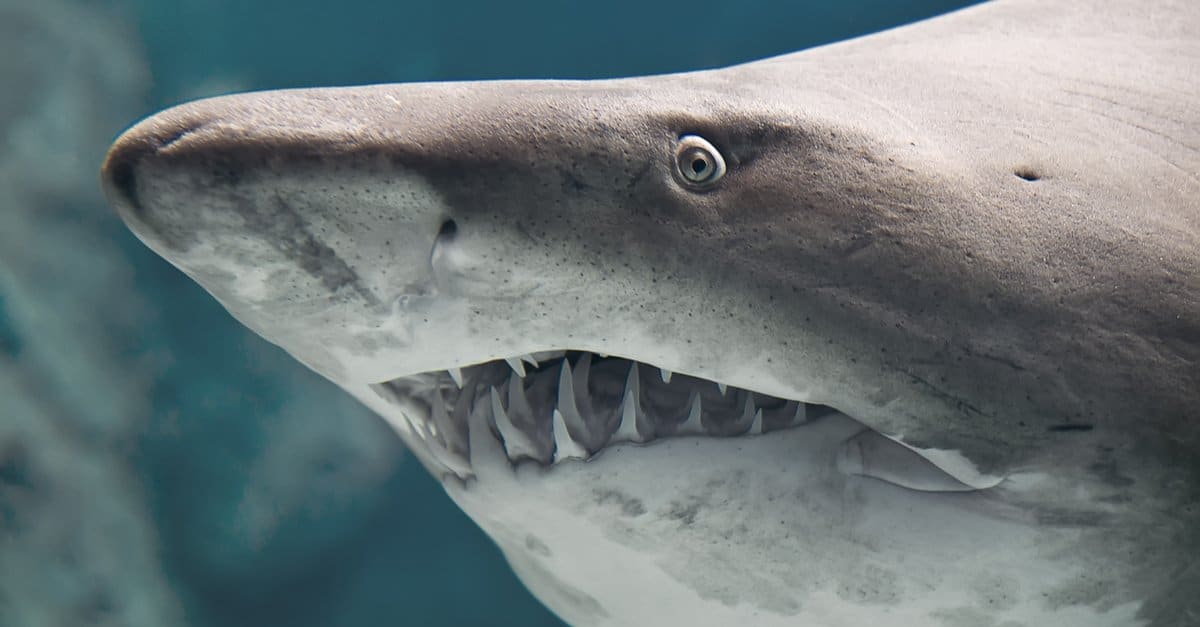
Female bull sharks are bigger than males. Overall, they have an average weight of between 116 and 244 pounds. They have a short snout, and adults are a light to dark gray on the dorsal side (back) and white on the ventral side (belly). Their teeth look like jagged triangles.
Bull Shark Behavior
Bull sharks are considered to be one of the more aggressive shark species. So much so that many aquariums choose not to house them because they kill all the other fish on display. Studies of attack behavior in bull sharks have recorded that their body starts to move in a spinning and winding motion, together with a back-and-forth motion when they start the attack. To observers, it can almost look as if they are disoriented. They take a circular route with their snout pointing upward. Their behavior may also vary depending on habitat. In riverine systems, they are active during the day.
These sharks have excellent hearing, which helps them detect potential prey that is 20 feet away. They also likely have a good sense of smell, although this has not been scientifically proven.
Their diet usually consists of Ariidae catfish. However, they also commonly eat stingrays, swimming crabs, and mullet. Very rarely, they will eat convict fish, jacks, pompanos, and even other bull sharks! When bull sharks are younger, they predominantly hunt ray-finned fish. As they get older, they progress to cartilaginous fish. Occasionally, they will supplement their diets with small mammals, birds, crustaceans, and molluscs. These sharks are constantly foraging for food, and unfortunately, they sometimes mistake humans for larger prey. They are known to investigate boats in estuaries and rivers.