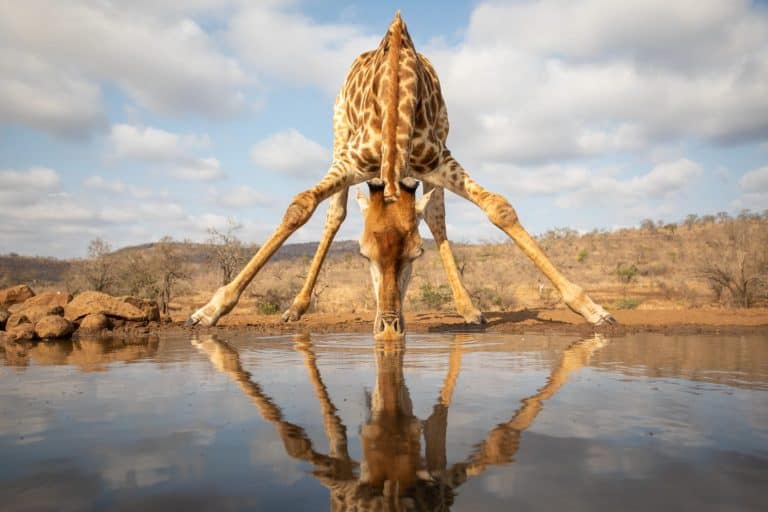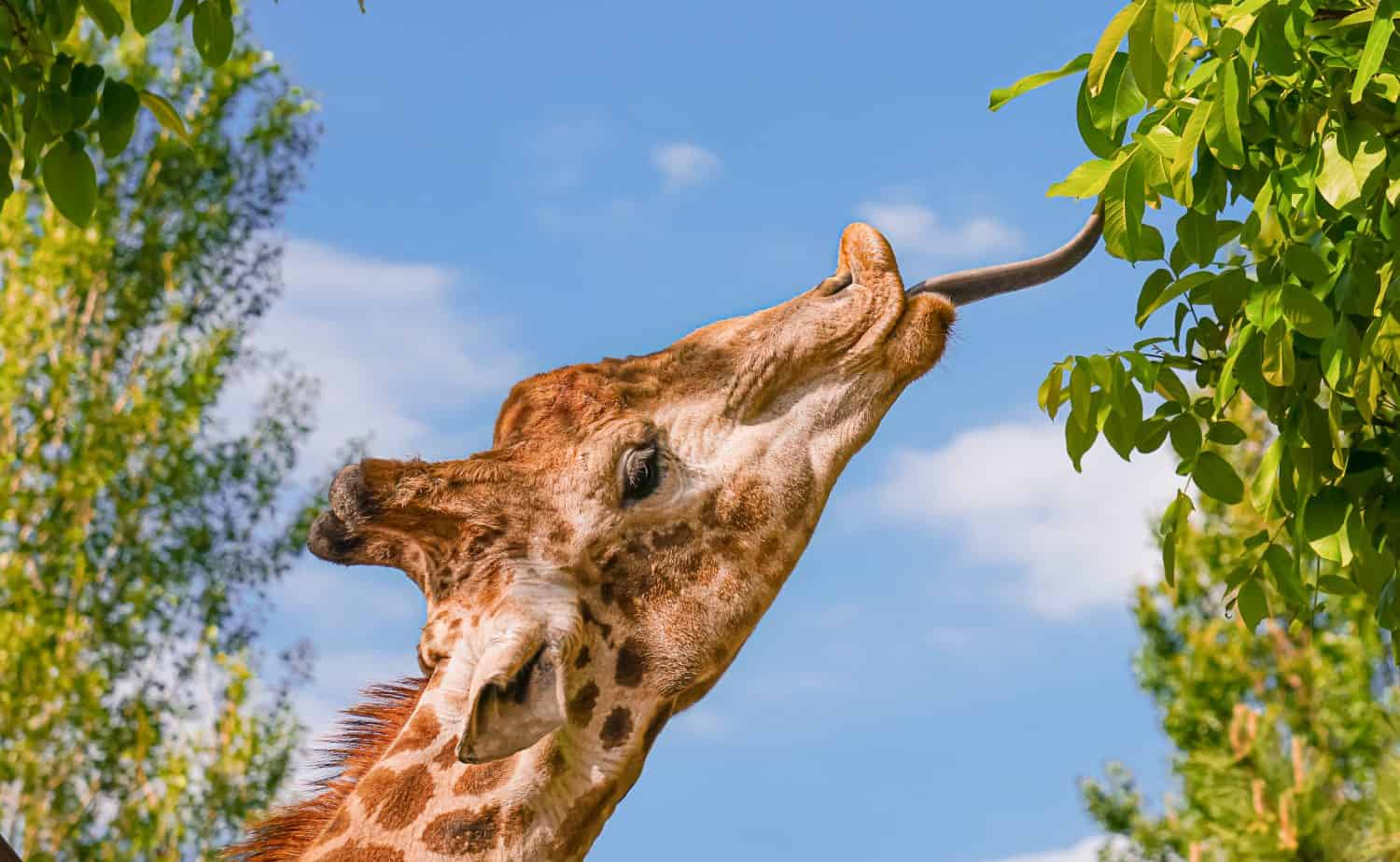

Giraffes do more than tower over the savanna. They help build it. By eating pods and tough foliage, then dropping dung packets packed with viable seeds, they spread trees across grasslands and open woodlands. This quiet work supports plant diversity, helps patches recover after disturbance, and keeps nutrients moving. Studies on Acacia species show higher establishment away from the parent tree when seeds pass through large herbivores, a role giraffes regularly fill. The result is a landscape with more shade, cover, and forage for many animals, not just browsers. In parts of Africa where large herbivores still range widely, this “living delivery service” is one of the engines that keep savannas renewing themselves.
Giraffes’ Role in the Ecosystem
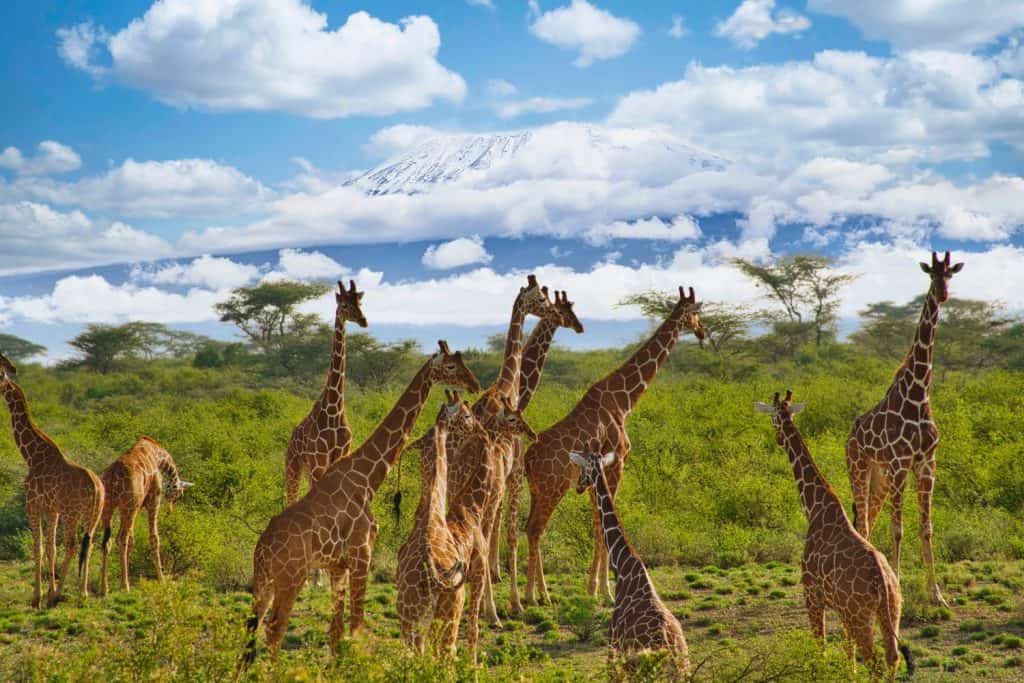
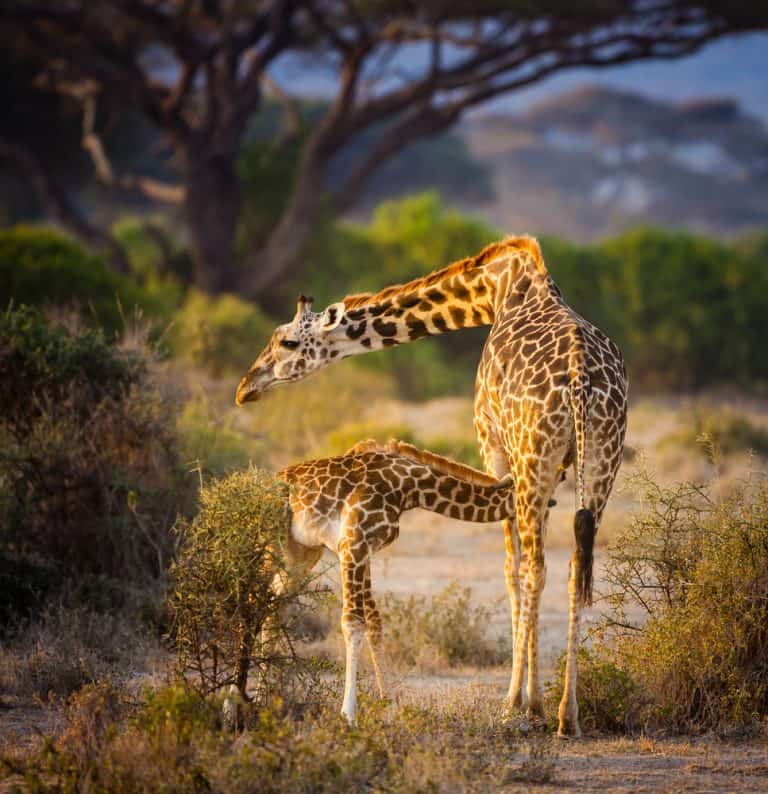
One way giraffes defend themselves against predators is by sticking together in vigilant herds.
©Heinz-Peter Schwerin/Shutterstock.com
Giraffes include four recognized species: northern, reticulated, Masai, and southern. Their ranges are patchy across sub-Saharan Africa, from the Sahel and East Africa to parts of southern Africa, mainly in savannas, open woodlands, and dry scrub. They are tall, wide-ranging browsers that shape vegetation by pruning tree canopies and creating “browse lines” that let light reach the ground. This patterning helps grasses and shrubs regenerate and keeps habitats mixed rather than overgrown.
They eat leaves, pods, and flowers, especially from acacias and related thorn trees such as Vachellia, Senegalia, and Commiphora. Tough seeds pass through the gut and are dropped in dung, which adds nutrients and helps seedlings take hold away from parent trees. By moving seeds across long daily walks, giraffes connect plant populations and speed recovery after fire or drought.
Lions are their main predators, taking calves and sometimes adults. Hyenas, leopards, African wild dogs, and crocodiles kill calves more often than grown giraffes. Predation pressure shapes group vigilance and calf hiding behavior, which in turn influences where and how far herds move.
How Does Digestion Move Seeds?
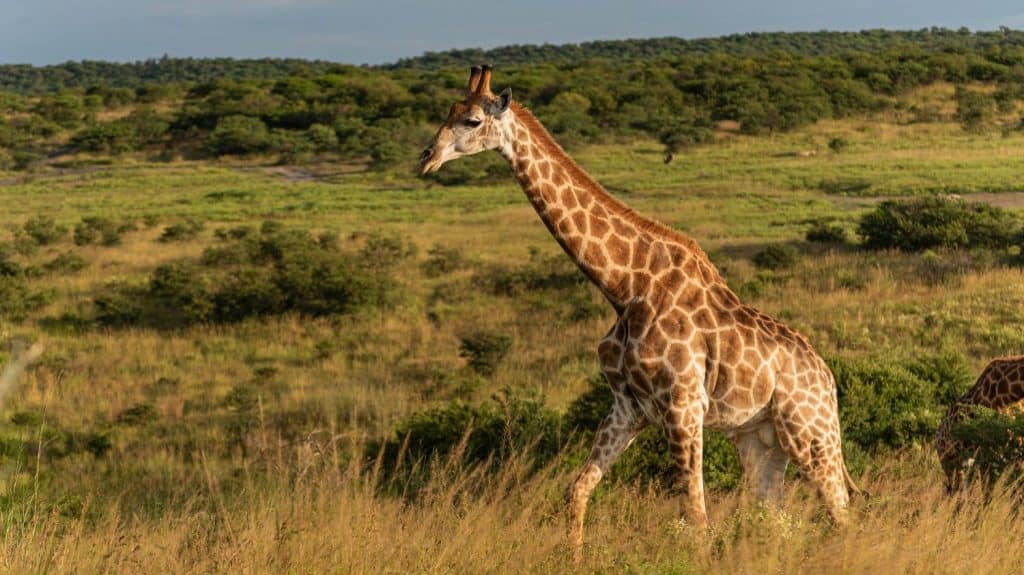
Giraffes pass seeds from the plants they eat through their digestive tract and disperse them across the savanna in their dung.
©Wirestock Creators/Shutterstock.com
Giraffes are ruminants with four stomach chambers that can break down woody leaves that many mammals avoid. Hard-coated seeds from species such as Acacia often pass intact, then sprout better after the trip. Passage through herbivore guts can scarify seed coats and transport them beyond heavy seedfall under parent crowns, where insects and pathogens are common. Field work in African savannas documents that ungulates, including giraffe, disperse large numbers of pods, shifting recruitment to safer, sunnier microsites. This is not accidental background noise in the ecosystem; it is a core pathway for tree regeneration across wide areas.
Dung as a Launchpad
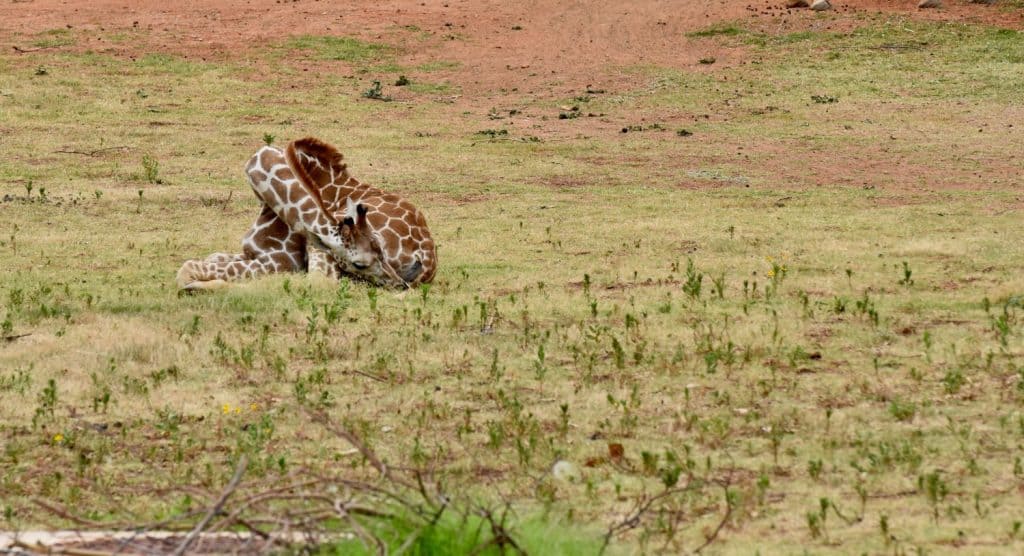
Giraffe dung acts as a fertilizer, helping new trees sprout.
©Comunc8/Shutterstock.com
Once seeds exit the gut, giraffe dung does double duty. It protects seeds from seed-eaters for a short window and supplies fertilizer as the pat breaks down. Seedlings that establish from dung in open patches can outperform those that sprout in the deep shade below adult crowns. These dung “islands” are especially helpful after fire or heavy grazing, when open ground dominates and a quick return of shrubs and trees prevents erosion and restores structure. Over time, many small packets add up to visible shifts in where young trees appear in the landscape.
Species That Ride Along
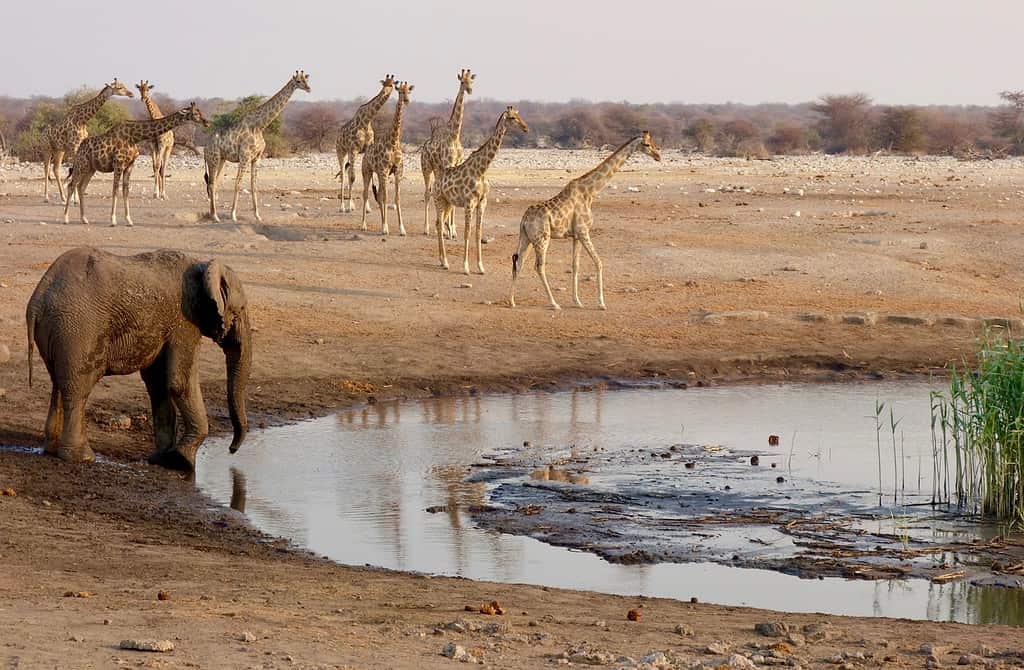
Giraffes’ seed dispersal is part of an ecological loop that benefits them and other species.
Tree dispersal set in motion by giraffes supports insects, birds, and mammals that rely on thorny trees for nectar, nesting, and cover. Oxpeckers spend long hours on giraffes, feeding on ticks and signaling danger with calls that hosts appear to heed. Their frequent perch on giraffe backs and necks is well documented. The association likely reduces parasite loads for the host while giving the birds mobility and access to food. As thorny trees spread and mature, they host ants that defend branches, songbirds that nest in spines, and browsers that return to feed, a loop that keeps habitat quality high for many species.
Timing and Plant Adaptations

Seed and pod production of acacia trees is timed to the giraffes’ peak browsing season.
©Stas Bobkov/Shutterstock.com
Plants are not passive passengers. Work on African Acacia species shows that seed and pod production often lines up with peak browsing seasons. This maximizes the odds that herbivores carry seeds far from parent trees. Several studies note species-specific patterns, with giraffe moving many A. nilotica and A. karroo seeds, while antelope dominate for A. tortilis. These differences matter for how and where woodlands regenerate. When climate or land use shifts, the balance among dispersers can change. As a result, it changes which tree species fill gaps after fire or drought. Understanding who moves which seeds is key to planning restoration in fragmented areas.
Quiet, Wide Movement
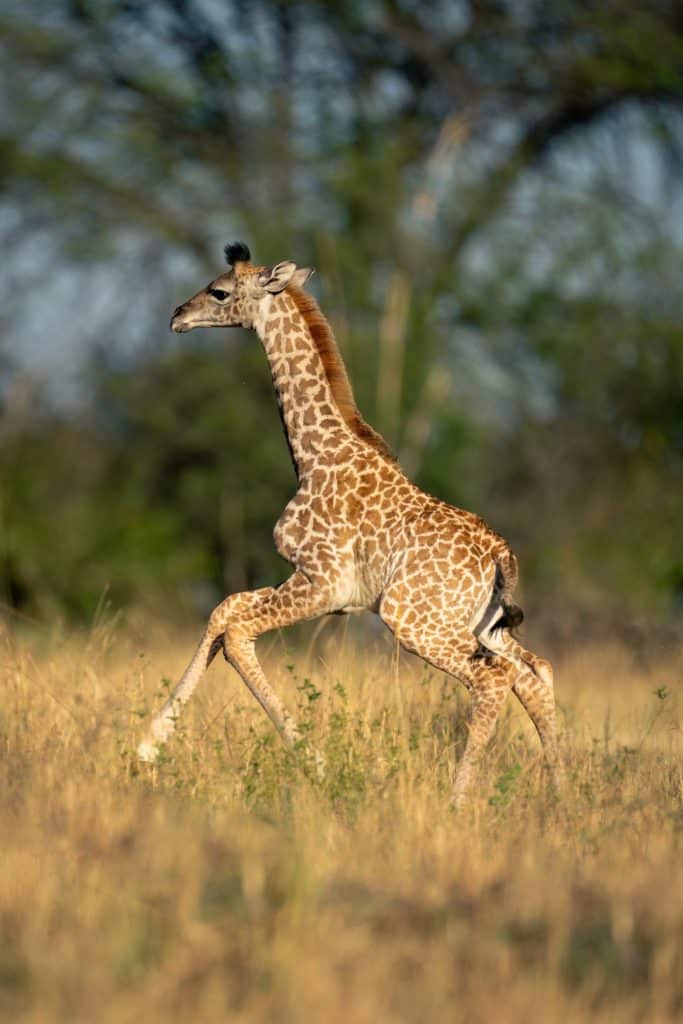
Because giraffes cover so much distance in their daily wanderings, they can disperse seeds far beyond their origins.
©Nick Dale Photo/Shutterstock.com
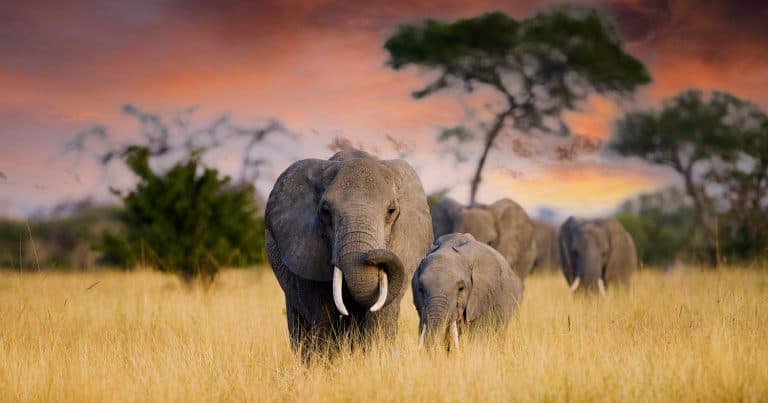
Giraffes cover large areas to find browse and water, often walking many kilometers in a day and expanding their ranges during dry periods. That roaming turns into seed movement. While elephants hold the distance record for land mammals—with average seed dispersal around five kilometers, and rare events reaching forty kilometers or even over one hundred kilometers in simulations—giraffes also move seeds across property boundaries, rivers, and habitat edges. The outcome is gene flow among plant stands and a steady drip of regeneration in new places, which strengthens savanna resilience.
Recovery After Fire and Drought
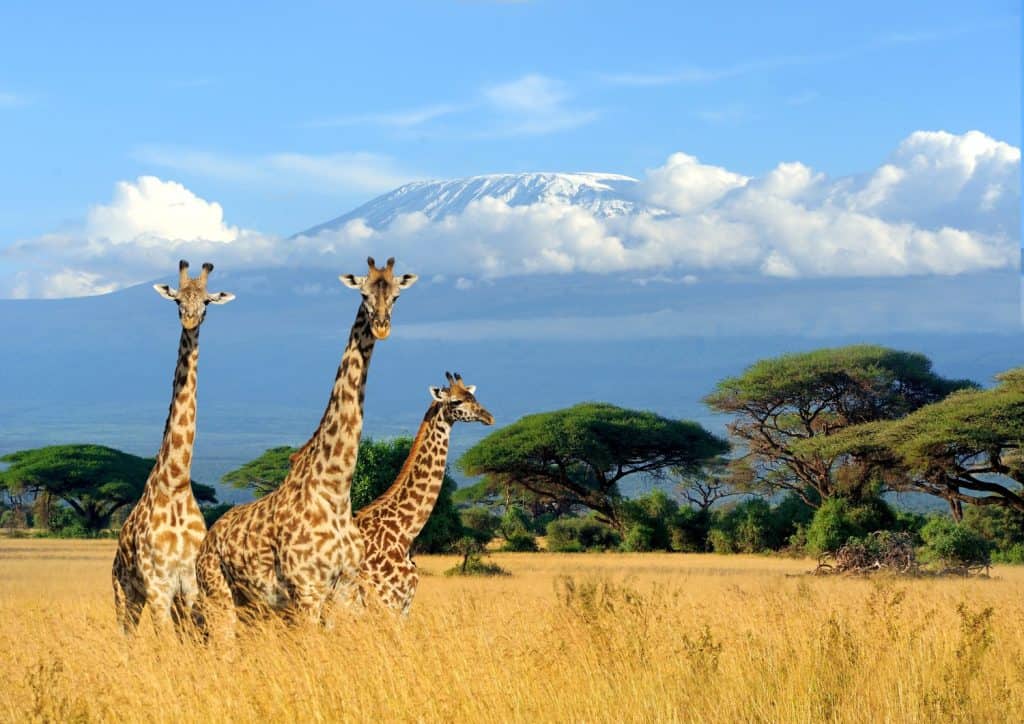
Large herbivores can make a landscape more resilient to fire and recover more quickly from it.
©Volodymyr Burdiak/Shutterstock.com
African savannas burn often—many wetter savannas see fire every 1–3 years, mostly in the dry season, with longer gaps in drier or more wooded regions. Within bounds, that rhythm is healthy: many grasses and trees are fire-adapted, and periodic burns keep the grass–tree balance, recycle nutrients, and maintain habitat structure. Timing matters. Cooler, patchier early dry-season fires tend to be gentler on vegetation and wildlife, while hot late-season burns can do more damage. Too much fire can thin out woody cover; too little fire can let shrubs and trees close in. The sweet spot depends on rainfall, grazing, and local goals.
After a burn or a multi-year dry spell, the first plants to return are usually grasses and hardy shrubs. Browsing by tall herbivores opens up thickets, allows more light to reach the ground, and creates spaces where new seedlings can establish. When giraffes return to these areas, they deposit the next generation of seeds into these openings. Research and long-term observations in southern Africa show that landscapes with active browsing hold a patchy mosaic of open and wooded zones, which supports more wildlife and helps buffer future shocks. Where large herbivores are removed, thorn scrub can thicken, diversity can fall, and recovery can stall.
Giraffe Conservation
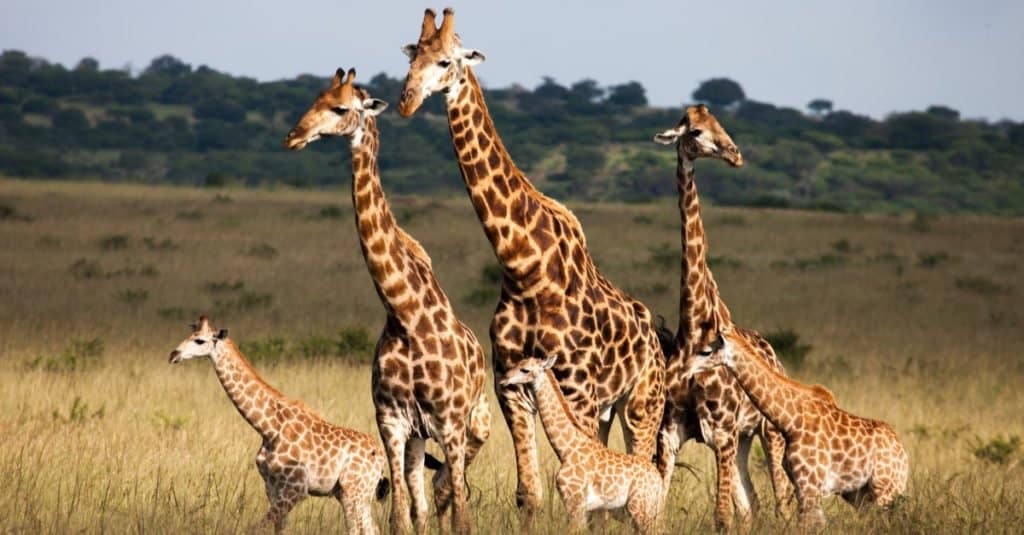
Giraffe numbers are falling. Understanding their role in seed disbursement adds another reason to value their conservation.
©Craig Fraser/Shutterstock.com
After an extended decline, giraffe numbers have shown a significant recovery in recent years, with an estimated 68,837 individuals in the wild as of 2025—a 50% increase in just five years, largely due to improved survey coverage and conservation efforts. However, some populations remain threatened by habitat loss, hunting, and conflict. Habitat loss over centuries has been severe in many regions. Conservation groups and governments are now expanding protections, improving trade rules, and backing community-led efforts that pair livelihoods with wildlife stewardship. Still, declines in several regions remain steep, and without connected rangelands, the seed-movement services giraffes provide will shrink along with their ranges.
Seeds for Tomorrow
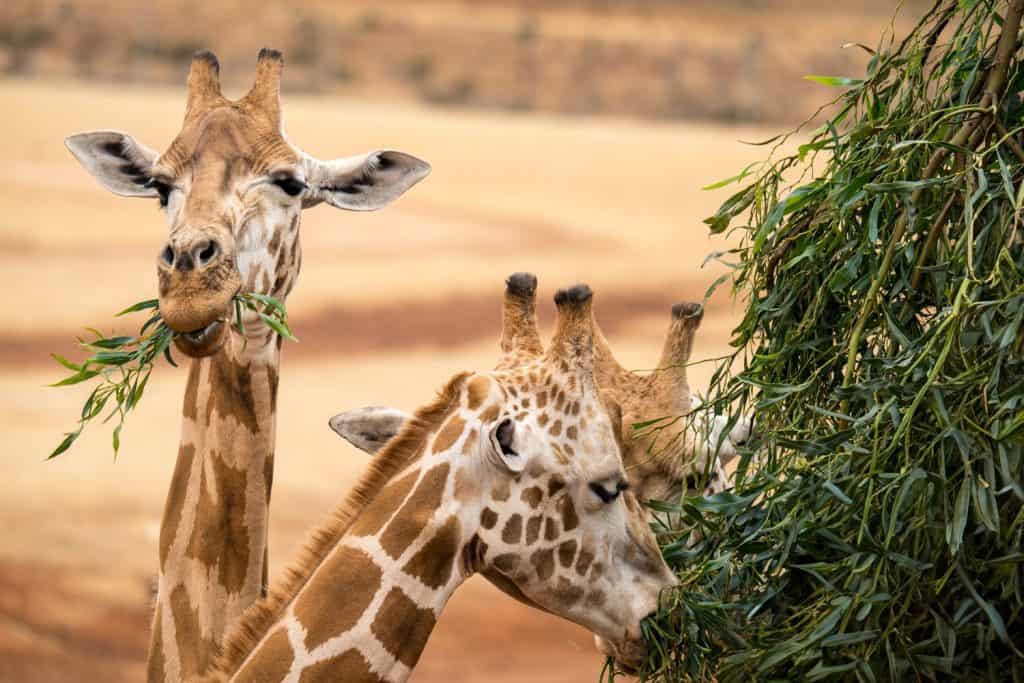
Protecting giraffes also protects the ecosystems they contribute to.
©Vincent_Nguyen/Shutterstock.com
Look closely at a giraffe plucking pods from a thorn tree. That simple act sets off a chain that can shape where the next grove takes root. Day after day, step by step, seeds move, dung drops, and green dots appear across the map. Over the years, these green dots grow into shade for calves, nectar sources for bees, and shelter for songbirds. In places under pressure from climate and land use, the steady work of tall browsers is one of the easiest ways to keep renewal going. Protecting giraffes is not only about saving an iconic and beloved silhouette on the African horizon; it is about safeguarding the quiet processes that keep African landscapes alive.