
Quick Take
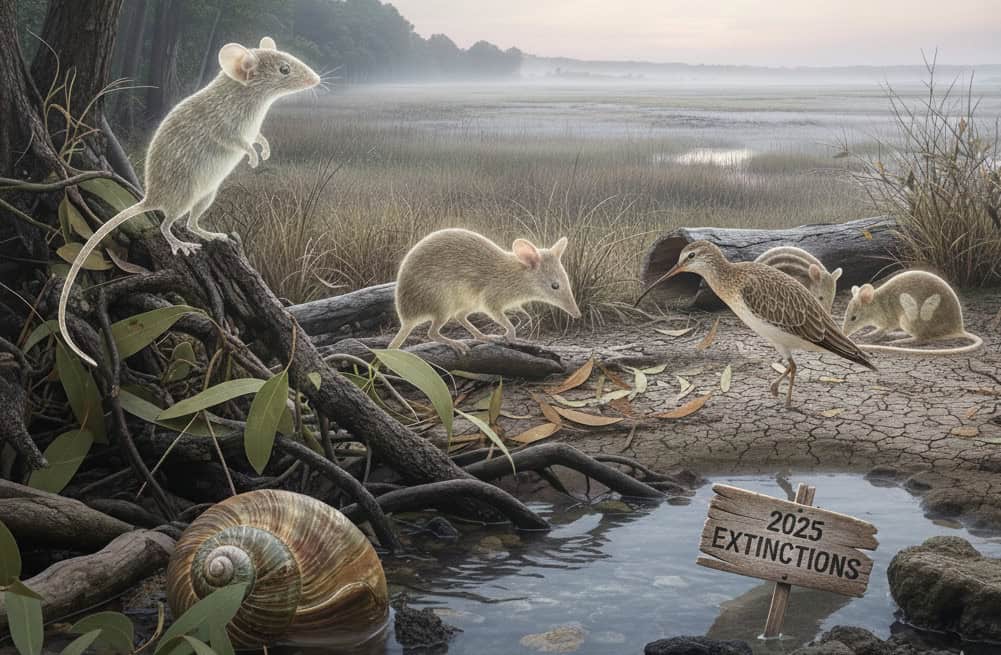
- Six animal species, including the slender-billed curlew and Christmas Island shrew, were confirmed extinct in 2025.
- Habitat loss, invasive species, climate change, and hunting are the primary drivers of these extinctions.
- Effective conservation, public support, and urgent action can help prevent further species losses worldwide.
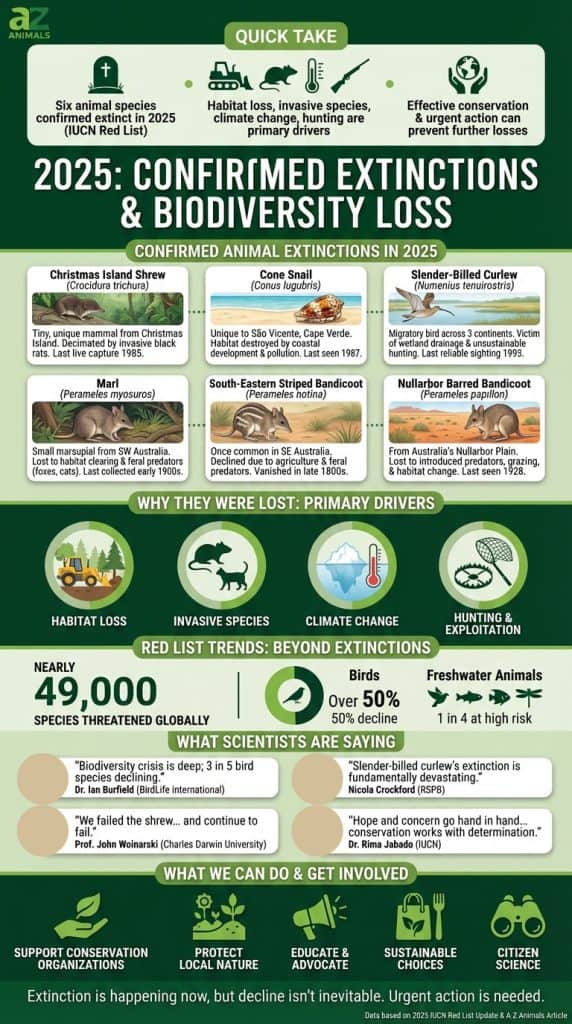
In 2025, the world marked another sad milestone in the ongoing loss of biodiversity: multiple species long missing from their habitats were officially declared extinct on the International Union for Conservation of Nature (IUCN) Red List of Threatened Species. These formal declarations aren’t made lightly; they require exhaustive surveys and decades of monitoring to confirm that no individuals remain in the wild. Scientists had feared some of these losses for years but finally seeing them recorded in the global registry underscores how close we may be to losing vast swaths of Earth’s natural heritage forever. In addition to these announcements, the 2025 IUCN Red List update paints a broader picture of a planet under stress. Tens of thousands of species are now at risk due to human-driven threats like habitat destruction, climate change, and invasive species.
©A-Z Animals
Confirmed Extinctions in 2025
According to the 2025 IUCN Red List update, at least six animal species were moved into the Extinct category this year—meaning there is no reasonable doubt that the last individual has died—while additional plant species were also declared lost.
These declarations do not necessarily mean the species disappeared in 2025; many had been missing from the wild for years or decades. Rather, the IUCN’s formal recognition reflects the culmination of long scientific efforts to determine whether any individuals remain.
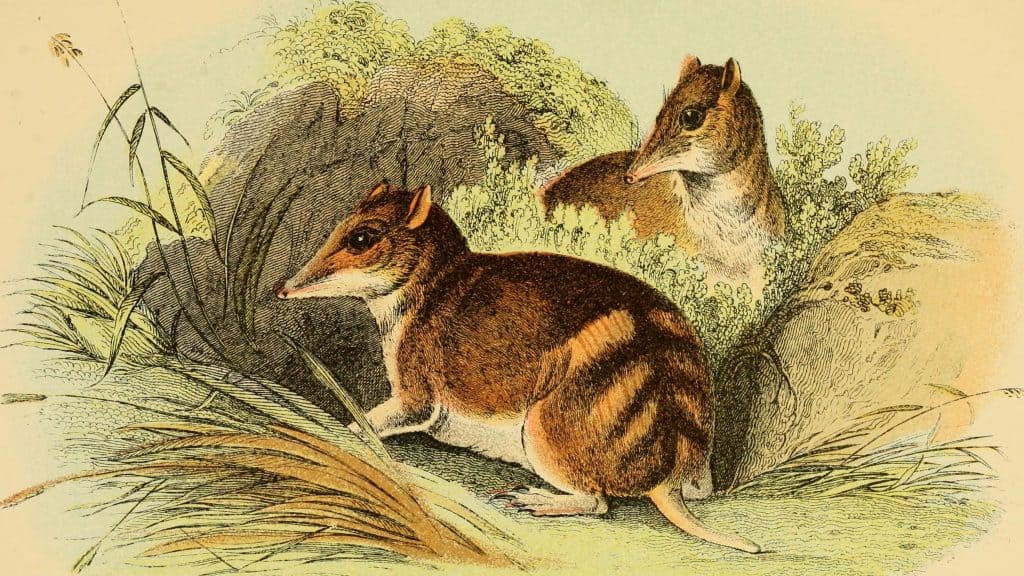
Once common, this bandicoot vanished from southeastern Australia after land-use changes and invasive predators.
©Internet Archive Book Images, No restrictions, via Wikimedia Commons – Original / License
Among the species confirmed extinct in 2025:
Christmas Island Shrew (Crocidura trichura) is
The Christmas Island shrew was a tiny, mouse-sized mammal found only on Australia’s remote Christmas Island—now officially declared extinct after decades of absence from the wild. Once abundant across the island, the shrew was known for its nighttime twittering calls echoing through rainforest litter, where it fed on small beetles and other invertebrates. Its decline began soon after humans settled in the late 1800s, bringing with them invasive black rats, which introduced blood-borne parasites and fierce competition that decimated native small mammals. Although a handful of live specimens were captured as late as 1985, extensive surveys since then failed to find any individuals, prompting the IUCN to move it into the Extinct category in 2025. The loss of this species is particularly poignant in Australia, which has now seen more mammal extinctions than any other region since colonial settlement.
Cone Snail (Conus lugubris)
This marine cone snail was once unique to the north shore of São Vicente in the Cape Verde Islands. Known for its complex venom and beautifully patterned shell, this small predatory snail had a very limited geographic range, a factor that made it especially vulnerable to habitat changes. The last confirmed specimens were collected in 1987, and despite repeated searches by malacologists and conservation teams, no living individuals have been found for nearly four decades. Coastal development, pollution, and habitat degradation from tourism and human settlement are believed to have destroyed much of the snail’s fragile shoreline environment.
Slender-Billed Curlew (Numenius tenuirostris)
Perhaps one of the most heartbreaking losses in 2025 is the slender-billed curlew, a bird that used to migrate across three continents from its breeding grounds in western Siberia and the Kazakh Steppe to wintering wetlands in the Mediterranean and North Africa. This elegant shorebird, with its long, curved bill perfect for probing mudflats, was last reliably seen in Morocco in 1995. An extensive review of all available records found no verifiable evidence of survival. Habitat loss caused by wetland drainage, combined with unsustainable hunting along its migratory flyways, drove its decline. Poor conservation efforts also played a role; the species was poorly understood and rarely studied in its later years, so scientists struggled to mount effective protections before it faded from nature.
Marl (Perameles myosuros)
The marl was a small marsupial native to the dense understory forests and woodlands of southwestern Australia. It belonged to the bandicoot family, a group of marsupials known for their pointed snouts, quick movements, and role in soil turnover and seed dispersal. Museum records indicate the last specimen was collected in the early 1900s, but poor historical documentation suggests its extinction was likely overlooked until the recent IUCN assessment. Scientists believe the marl disappeared due to a combination of habitat clearing for agriculture and predation by introduced foxes and feral cats, a pattern that has repeated for many Australian mammals. Although it vanished more than a century ago, moving this species into the Extinct category finally officially acknowledges a long-suspected but poorly recorded loss.
South-Eastern Striped Bandicoot (Perameles notina)
The south-eastern striped bandicoot (sometimes known as the southern barred bandicoot) was once common in southeastern regions of Australia. Despite being common in the mid-1800s, the species vanished from scientific records later that century, its numbers dwindling as European settlement changed the landscape. Agricultural expansion, changes in land use, and the rise of feral predators like cats and foxes likely played major roles in its decline. Although long unseen in the wild, in 2025 the IUCN formally recognized the species no longer exists.
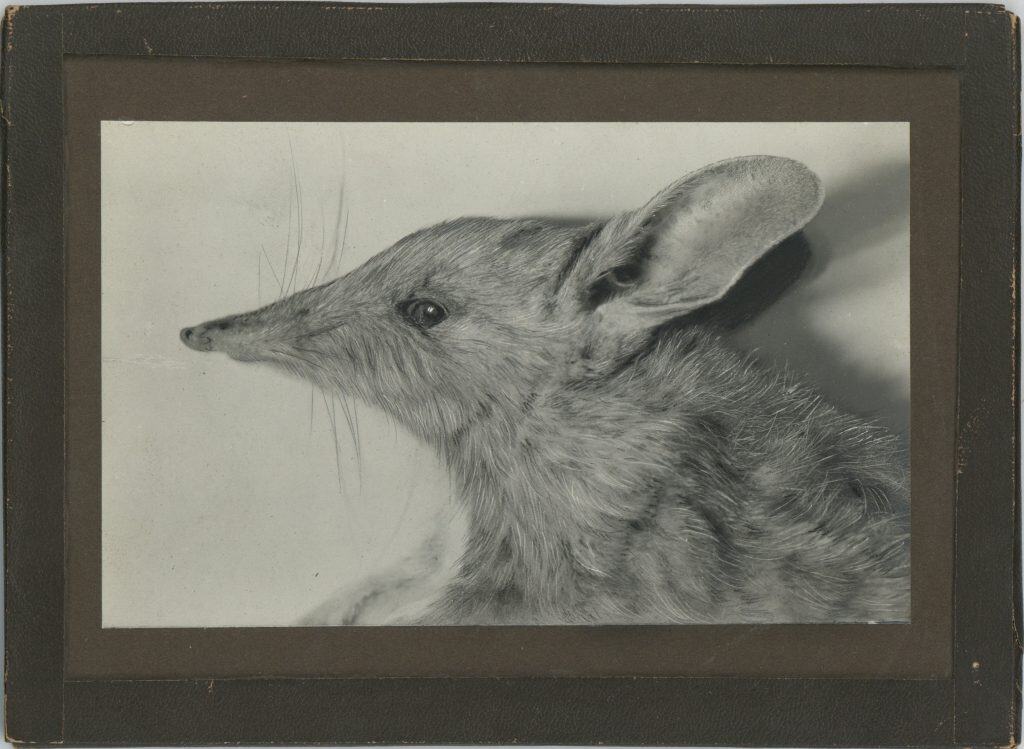
Native to southern Australia’s Nullarbor Plain, this bandicoot was lost to predators, grazing, and habitat degradation.
©Gavan Mitchell, Imaging Technician, ADAPT Lab, Department of Anatomy & Physiology, University of Melbourne, CC BY 4.0 – Original / License
Nullarbor Barred Bandicoot (Perameles papillon)
The Nullarbor barred bandicoot—sometimes called the butterfly bandicoot for the distinctive dark patch on its rump—lived on the vast, arid Nullarbor Plain of southern Australia. Known nearly exclusively from museum specimens collected until 1928, this species remained a mystery in many respects until its extinction was formally assessed. Its demise is linked to introduced predators such as feral cats and foxes, habitat degradation from non-native rabbits and livestock grazing, and changes in fire regimes. Although it’s been decades since the last confirmed sighting, thanks to updated taxonomic clarity and the IUCN’s rigorous assessment process, scientists can say with confidence that the Nullarbor barred bandicoot has been lost.
In addition to these animals, at least two plant species were declared extinct: Diospyros angulata, a tree native to Mauritius, and Delissea sinuata, a plant that once grew in the Waianae Mountains of O‘ahu, Hawai‘i.
Why These Species Were Declared Extinct
The reasons behind these extinctions mirror the broader drivers of the global biodiversity crisis. The most common are:
- Habitat Loss and Modification: For many species, the destruction and fragmentation of habitat—often from logging, agricultural expansion, urbanization, or mining—removed the places they needed to live and reproduce. Wetland and grassland drainage, for example, has devastated migratory bird stopover sites that species like the slender-billed curlew once depended on.
- Invasive Species: Non-native predators and competitors can overwhelm endemic species with limited ranges. Small mammals and invertebrates on isolated islands like Christmas Island have been especially vulnerable to introduced rats, cats, and other invasive animals.
- Climate Change: Rising temperatures, shifting weather patterns, and altered ecosystems add stress to already fragile species. Though generally not the primary cause, climate change compounds other threats and is reshaping habitats faster than many species can adapt.
- Hunting and Exploitation: Overharvesting of wildlife for food, feathers, or other products has historically driven declines in birds and mammals. For example, intensive hunting contributed to the slender-billed curlew’s disappearance from wintering grounds across North Africa and Europe.
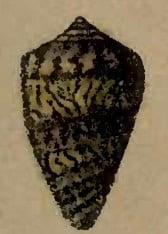
This Cape Verde snail vanished after coastal development and pollution destroyed its limited shoreline habitat
©G.W. Tryon, Public domain, via Wikimedia Commons – Original / License
More Bad News: Red List Trends Beyond Extinction Declarations
The 2025 IUCN Red List update didn’t just record extinctions; it also highlighted the growing number of species facing the threat of extinction. According to a global analysis of the list, nearly 49,000 species are now considered threatened worldwide, out of more than 172,000 evaluated. This includes species classified as Vulnerable, Endangered, and Critically Endangered—all categories that indicate elevated risk of extinction without effective conservation action.
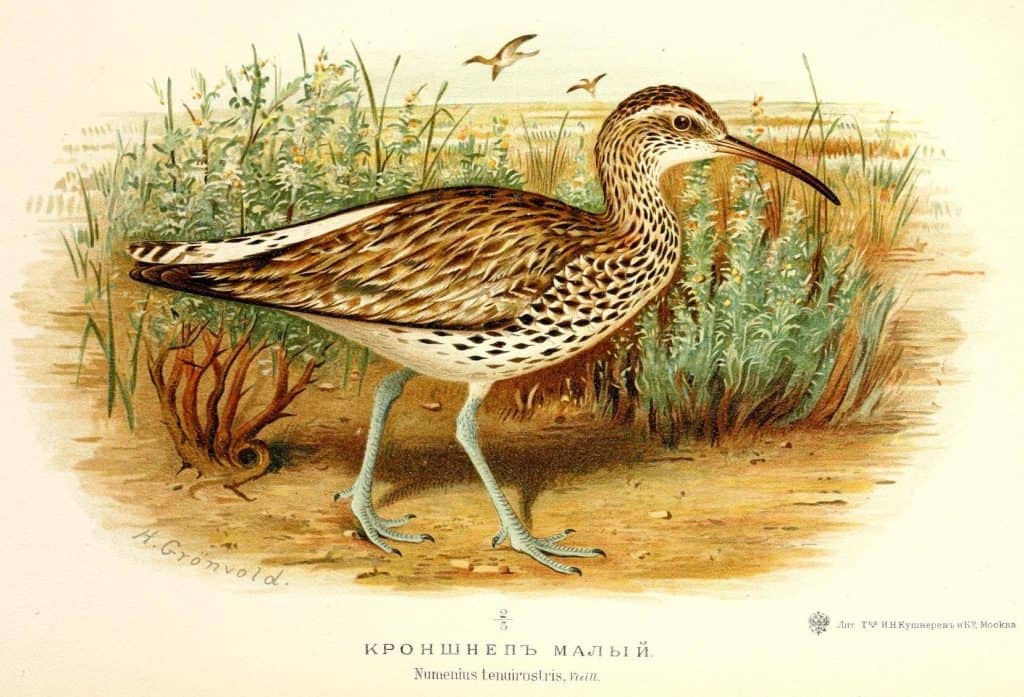
Nearly 49,000 species are now threatened globally, with birds being especially vulnerable, reflecting escalating biodiversity declines and risks
©Henrik Grønvold, Public domain, via Wikimedia Commons – Original / License
Birds are among the groups under the greatest pressure: more than half of all bird species are currently in decline, with threats ranging from forest clearing in tropical regions to climate-linked changes in sea ice that affect Arctic seal predators and other marine birds. Freshwater animals—fish, dragonflies, crayfish, etc.—also show troubling trends, with one study revealing that nearly one out of every four freshwater species faces a high risk of extinction due to water pollution, damming, and habitat loss.
What Scientists Are Saying
For conservation scientists and biodiversity experts, the official extinctions are both a sobering acknowledgment and a call to action.
While all losses are tragic, the loss of the slender-billed curlew seems to have particularly upset much of the science community. Dr. Ian Burfield, senior scientist at BirdLife International, pointed to the deepening crisis facing birds globally. Reflecting on the broader patterns of avian declines, he said: “That three in five of the world’s bird species have declining populations shows how deep the biodiversity crisis has become.”
Similarly, Nicola Crockford, Principal Policy Officer for the Royal Society for the Protection of Birds (RSPB), framed the curlew’s extinction as a grim milestone for nature conservation: “This is one of the most fundamentally devastating stories to come out of nature conservation in a century and gets to the very heart of why the RSPB and BirdLife Partnership are doing what we do … ultimately, to prevent extinction of species.” She stressed that it “highlights that our work to save Eurasian Curlew and other migratory shorebirds … is of utmost urgency to prevent more species following the Slender-billed Curlew into extinction.”
In Australia, the loss of the Christmas Island shrew has drawn blunt critique from researchers familiar with the island’s unique fauna. Professor John Woinarski, a conservation biologist at Charles Darwin University, took ownership of the problem as he reflected on the broader implications of this extinction: “We’ve failed the shrew, and we’ve failed many other species, and we continue to fail.” He also noted the challenge of protecting vulnerable island fauna and the pattern of mammal losses that Australia continues to experience.
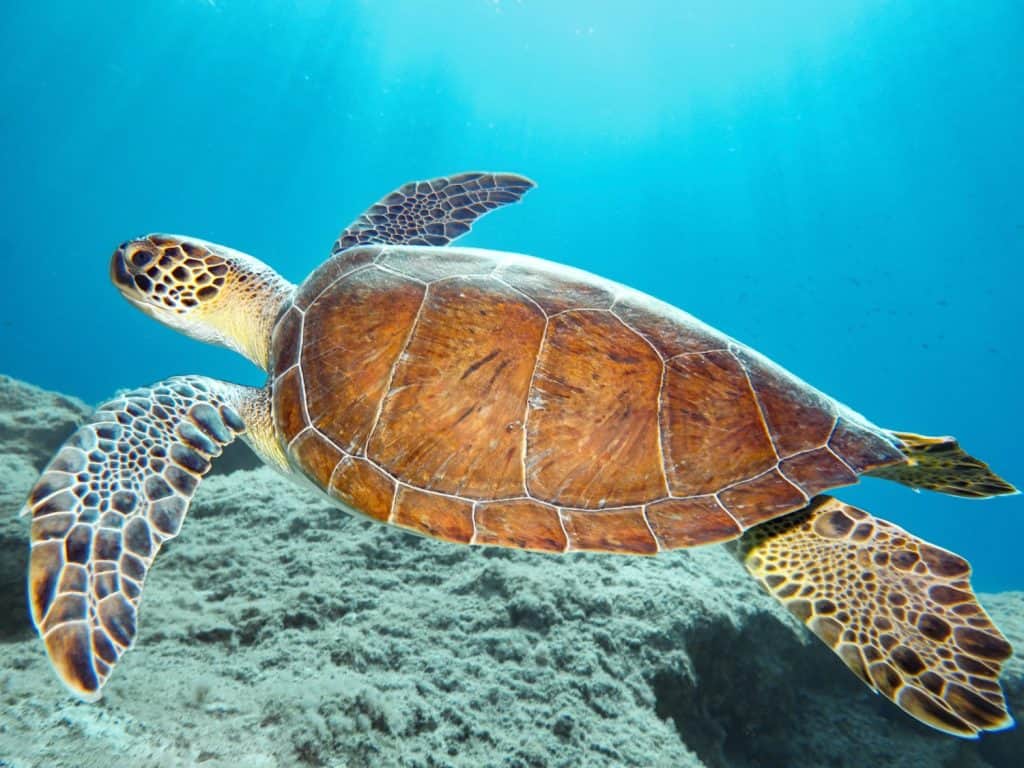
Once endangered, the green sea turtle shows how long-term conservation can bring species back from the brink.
©Sakis Lazarides/Shutterstock.com
On another front, Dr. Rima Jabado, deputy chair of the IUCN Species Survival Commission, offered a message balancing concern with hope. While highlighting the ongoing threats that drive species toward extinction, she pointed to the recovery of species like the green sea turtle as evidence that conservation can succeed when people are committed. “Hope and concern go hand in hand in this work,” she said, urging supporters to back conservation initiatives and urge leaders to honor environmental commitments. Dr. Grethel Aguilar, Director General of the IUCN, echoed this optimism, stating: “The recovery of the green turtle reminds us that conservation works when we act with determination and unity.”
But despite a few silver linings, the expert consensus is clear: extinctions such as those formalized in 2025 are not isolated events but symptoms of larger global trends. These voices from scientists and conservation leaders underscore the gravity of species loss, but also the pathways toward meaningful intervention. The underlying message is consistent: extinction events should act as catalysts for greater investment in habitat protection, international cooperation, and sustained conservation policies. They should never be mere footnotes in biodiversity reports.
What We Can Do
While the scale of the biodiversity crisis can feel overwhelming, individuals and communities have power to make meaningful contributions:
- Support Conservation Organizations: Groups that protect habitats, restore ecosystems, and run breeding programs depend on public support. Donating time, money, or advocacy can strengthen those efforts. (See the end of this article for a list of trusted organizations.)
- Protect Local Nature: Backyard gardens, urban green spaces, and community wetlands all support native species. Planting native plants and reducing pesticide use can help pollinators and other wildlife.
- Educate and Advocate: Contacting elected officials about environmental protections and supporting policies that reduce habitat destruction and pollution sends a strong message. Awareness campaigns can shift public priorities and inspire collective action.
- Sustainable Choices: Everyday decisions from reducing meat consumption to choosing sustainably sourced products can lessen the pressure on habitats and wild populations worldwide.
- Citizen Science: Participating in bird counts, wildlife surveys, and habitat monitoring helps scientists track species trends and informs conservation strategies.
Looking Forward
The official extinction of species like the Christmas Island shrew and the slender-billed curlew is a sad reminder that biodiversity loss isn’t an abstract future threat—it’s actually happening right now, in real time, with irreversible consequences. Yet the broader data from the 2025 IUCN Red List also show that decline doesn’t have to be inevitable. Where conservation is adequately funded, sustained, and guided by science, species can and do recover. For every species formally declared extinct, dozens more remain precariously close to the same fate. What happens next will depend on how urgently governments, institutions, and individuals act. The window to prevent further losses is narrowing, but it hasn’t closed.
Want to Get Involved? Start Here
These organizations work across many species and ecosystems worldwide:
National Fish and Wildlife Foundation (NFWF) – Invests in science-based conservation programs across the United States to restore habitats and protect fish, wildlife, and plants:
IUCN Save Our Species – Partners with scientists and local groups to protect threatened species and restore habitats worldwide.
The Nature Conservancy (TNC) – Offers volunteer opportunities in habitat restoration, citizen science, invasive species removal, and more, as well as ways to donate and advocate for protected lands and waters.
Rainforest Trust – Focuses on protecting vulnerable tropical and subtropical forests and securing land for threatened species — donations support direct land protection and partnership efforts: