
Quick Take
- Sea turtles use the Earth's magnetic field in a way that goes far beyond simple compass navigation, and a 2025 study finally proved how. See the magnetic field science →
- Rising sand temperatures are quietly reshaping sea turtle populations in a way that could make future recovery nearly impossible. Explore the temperature threat →
- Some sea turtle species are already fighting back against climate change, and their strategy is something researchers only confirmed in the last few years. See how turtles are adapting →
- One low-tech conservation trick is helping restore the natural balance of sea turtle populations, and it costs almost nothing. Discover the low-cost solution →
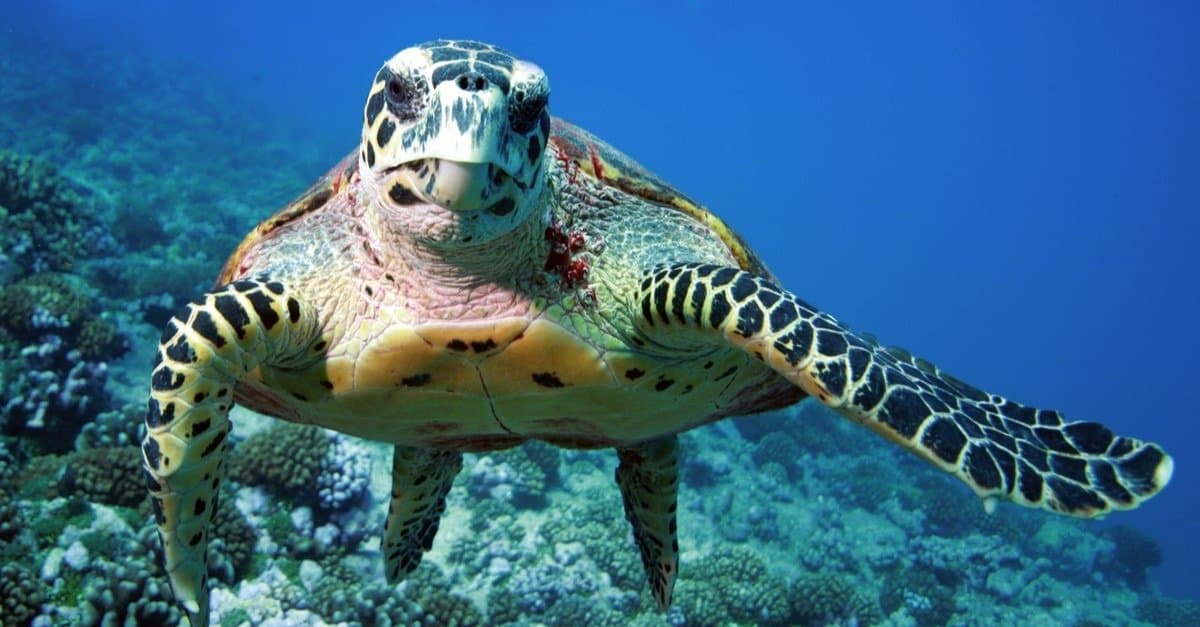
They outlived dinosaurs, have built-in GPS that helps them navigate the world’s oceans with ease, and intuitively know how to return to the beach of their birth to lay their own eggs for the next generation. Sea turtles are among the planet’s most incredible species, but they are also under threat.
June 16th is World Sea Turtle Day — a time to celebrate these incredible marine animals and focus on how we can mitigate the threats this amazing species faces.
The Amazing Survival and Navigation Skills of Sea Turtles
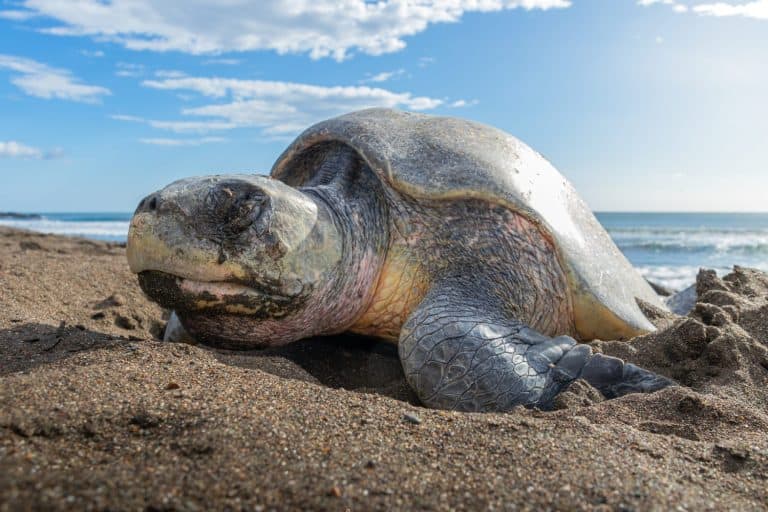
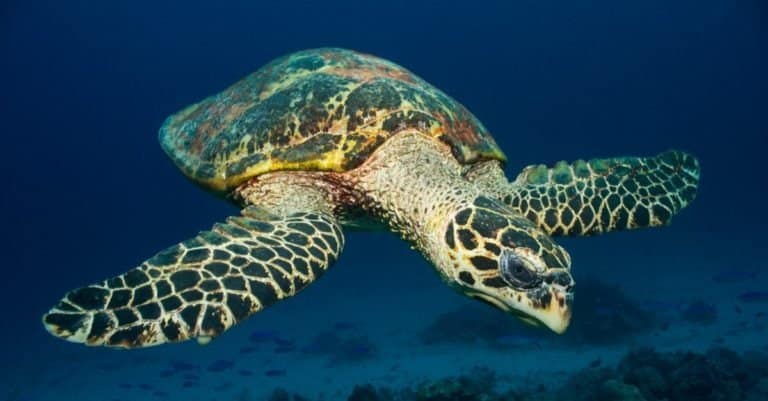
Sea turtles are survival experts. They’ve been around for more than 160 million years, surviving the mass extinction event that took out the dinosaurs. They also instinctively know how to move around the world’s oceans thanks to a skill shared by many migratory animals–magnetic navigation.
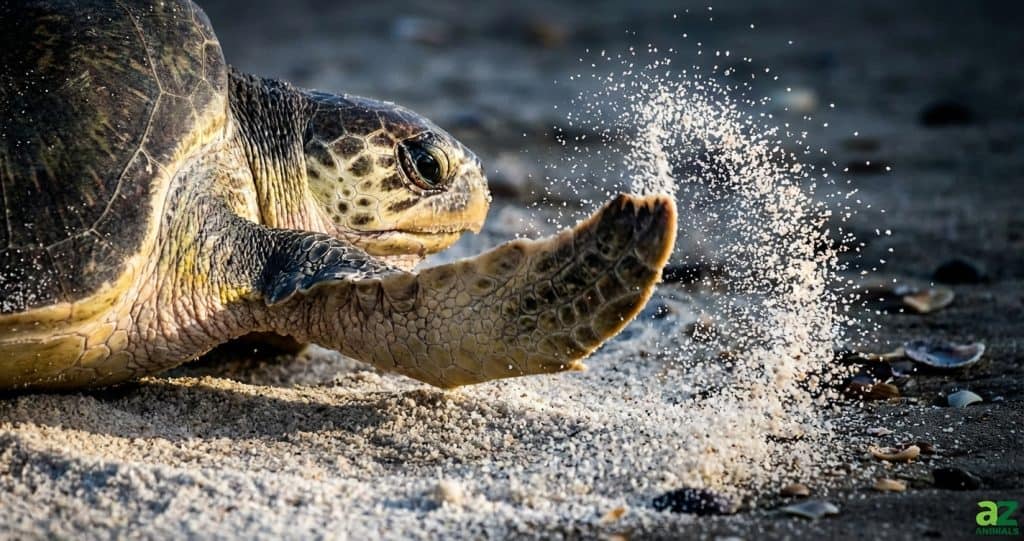
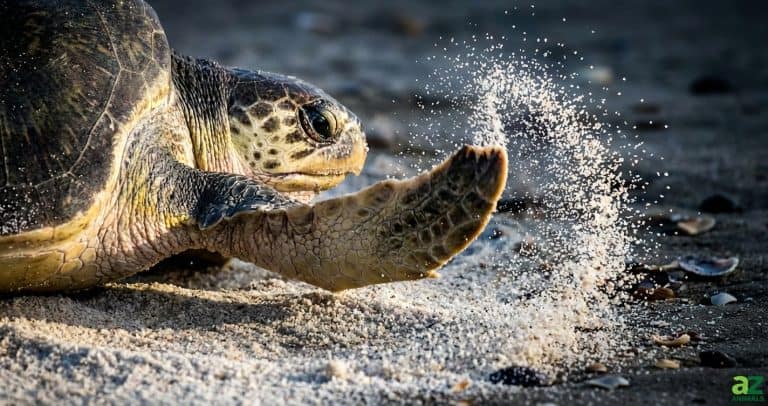
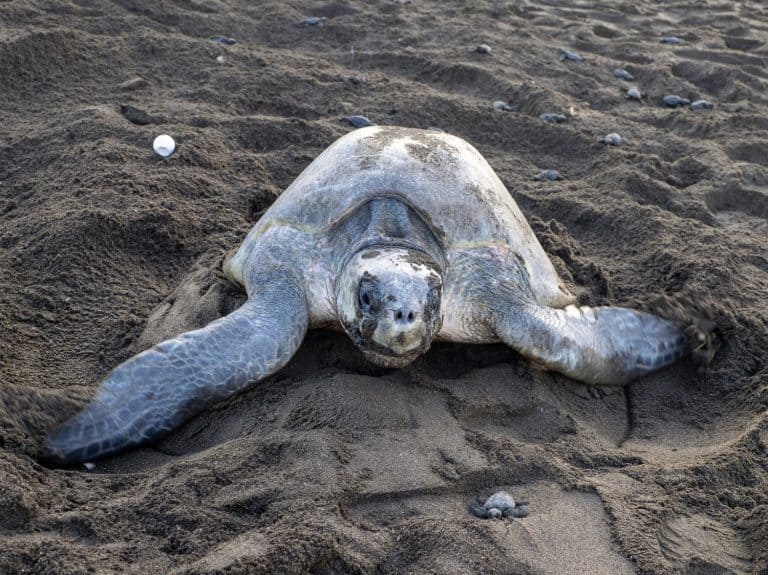
Sea turtles use magnetic navigation to return to their birth beach and lay their eggs.
©A-Z Animals
They use the Earth’s magnetic field as both a compass and a map. A 2025 study from the University of North Carolina – Chapel Hill provided the first evidence that sea turtles can learn and remember the unique magnetic signatures of specific locations. Researchers proved that loggerhead sea turtles can learn and recall the magnetic signatures of different places, helping them navigate across vast areas of the world’s oceans as they travel between foraging areas, breeding grounds, and their birth beaches.
Loggerheads travel vast distances during their lifetimes, some of the farthest distances of any sea turtle species. They do it by detecting variations in the Earth’s magnetic field, then comparing it to an internal magnetic map they’ve learned and memorized. Their memories are extremely accurate, allowing them to return year after year to the spots where food is abundant.
Sea Turtle Threats
Despite sea turtles’ amazing ability to survive against the odds, modern life is throwing new challenges at them. Most are manmade.
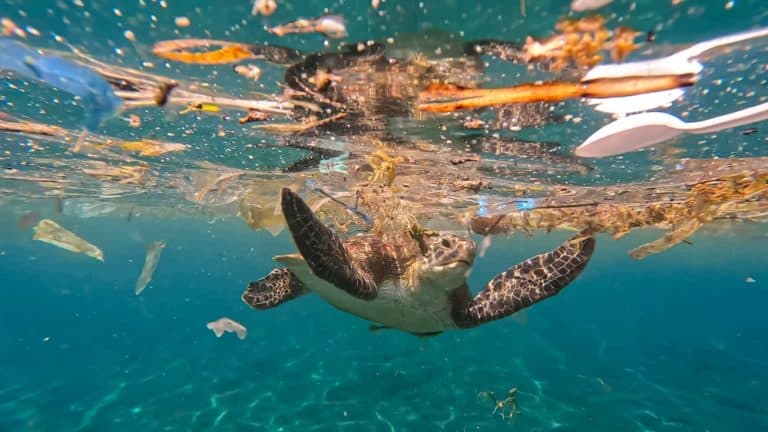
Ocean pollution is a big one. Whether it is plastic microparticles ingested by sea turtles or ghost nets that entangle and kill them, the world’s oceans are filled with manmade threats to these amazing creatures.
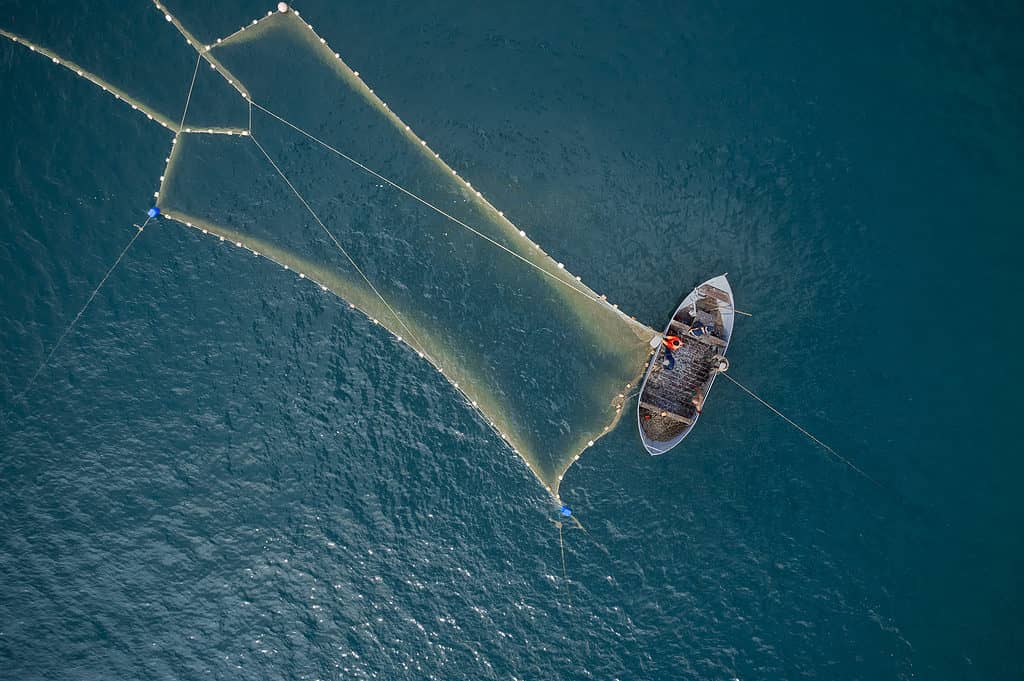
Fishing nets are a big threat to sea turtles.
©OlegRi/Shutterstock.com
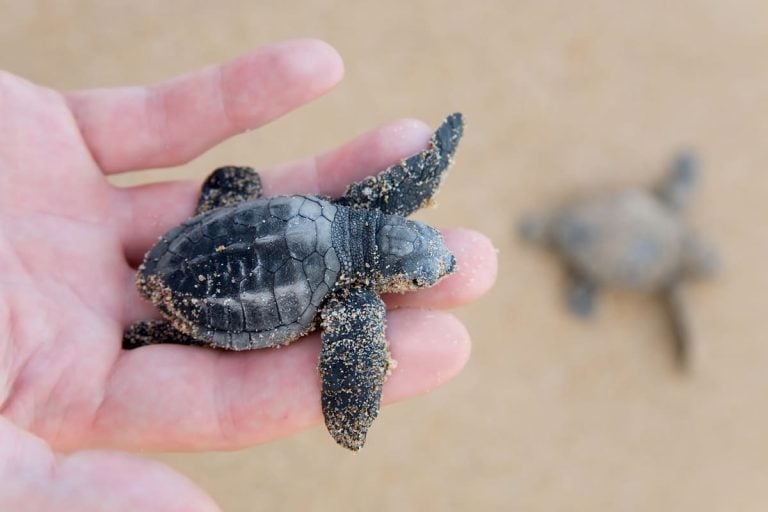
Coastal development is another threat. The artificial light produced by buildings constructed on oceanfront lots directly interferes with sea turtle hatchlings’ ability to reach the safety of the sea. Hatchlings use the brightest light—typically the horizon over the ocean—to navigate. When the brightest light comes from land, they head inland instead, which often leads to disorientation and death.
Coastal development also leads to the loss of beach habitats, which are critical nesting grounds for sea turtles. Boat traffic from increased coastal populations also threatens the species, as many sea turtles are hit and killed by boat propeller strikes.

Boat propeller strikes are another threat to sea turtles.
©Kirill Zdorov/iStock via Getty Images
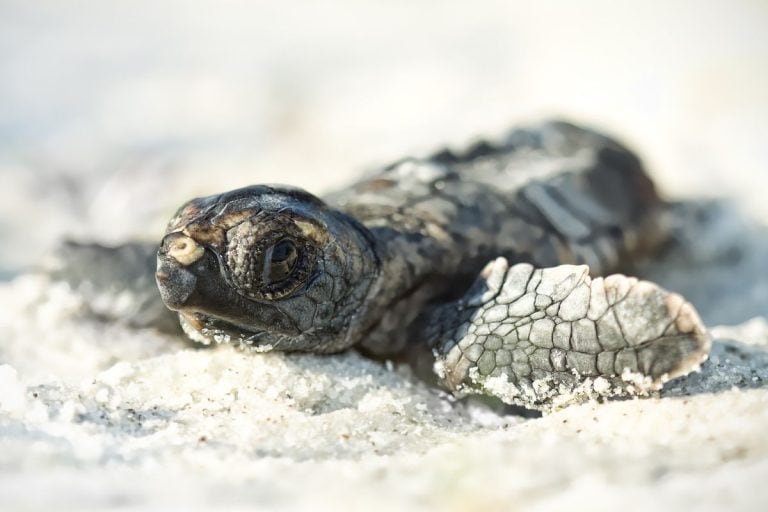
Climate change is also impacting sea turtle survival. When a female lays eggs in a sandy burrow, the sex of the hatchlings is determined by the temperature surrounding the buried nest. Historically, the ratio was about 50/50, male to female. However, as sand temperatures rise along with air temperatures, that ratio shifts. Warmer sand results in more female hatchlings, which can dramatically impact future population numbers in the long term.
How Conservation Efforts are Helping
Around the world, sea turtle conservation groups are working hard to mitigate the threats that sea turtles face.
Tools that are proving effective include beach patrols that look for freshly laid nests, then erect protective boundaries to prevent human disturbance. When a nest is laid in a vulnerable location, conservationists relocate it to a safer site.
Some conservation groups are also taking steps to create a more welcoming environment on nesting beaches. One such effort in the Caribbean is adding palm leaf shading to cover nests in an effort to reduce the ambient sand temperature and maintain natural sex ratios.
To prevent accidental entrapment in active commercial fishing nets, trawlers are adding turtle excluder devices (TEDs) to the net, giving accidentally captured turtles an emergency exit.
Legislation designed to criminalize the harvest and trade of turtle shells and eggs has also been enacted in places where these practices were prevalent.
The efforts are working, too. Global sea turtle populations are rebounding, with nest counts up at many sites. Green sea turtles, once classified as endangered on the IUCN Red List, were downgraded in 2025 to least concern status.
Sea Turtles are Also Adapting
Sea turtles are survivors and have been for millions of years. So it’s no surprise that they are changing their behavior to cope with the threats caused by humans.
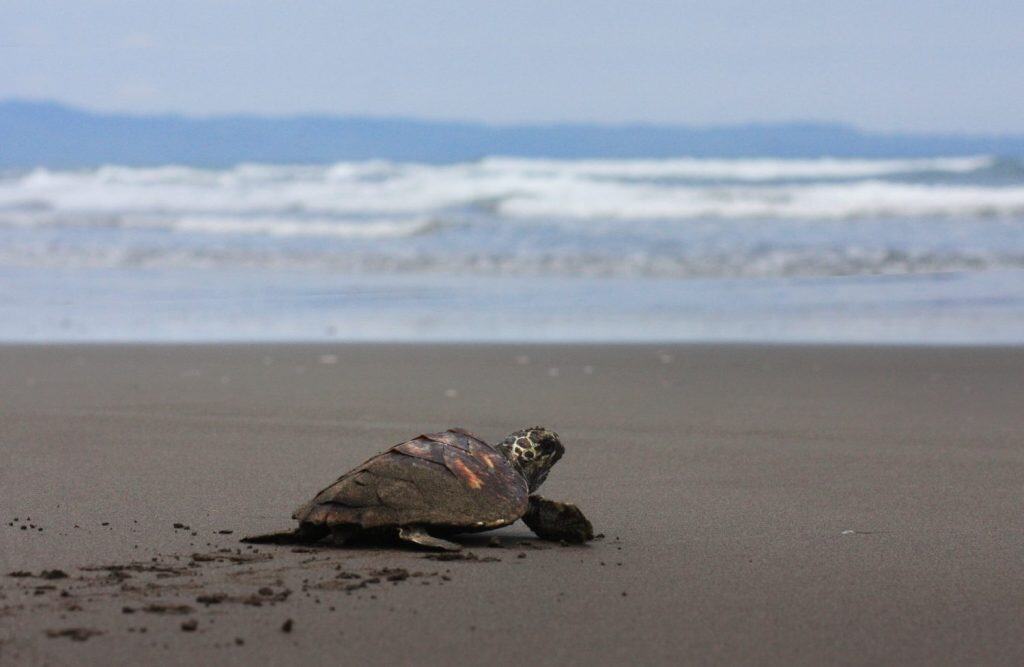
Sea turtles are also adapting to human threats, by changing their nesting schedule and locations.
©Mahmud Hidayat/Shutterstock.com
Some species, like green and loggerhead turtles, have gradually been moving up their nesting schedule. In the past 30 years, researchers at the University of Exeter have determined that these turtles move it up by one day per year. It appears they arrive earlier to find cooler sand for incubating their eggs.
Other species, like the Mediterranean loggerhead, are choosing different nesting beaches altogether. Over the course of 60 years, this species has shifted its nesting sites roughly 800 miles northwest, to cooler sites.
What You Can Do
For anyone who loves sea turtles, the good news is that helping with conservation is easy and doesn’t require a lot of effort. Here are some steps you can take to help sea turtles thrive in the future.
Support sea turtle conservation organizations, whether it is through volunteering your time or donating money.
Reduce your plastic footprint by skipping single-use plastics like shopping bags, straws, and utensils.
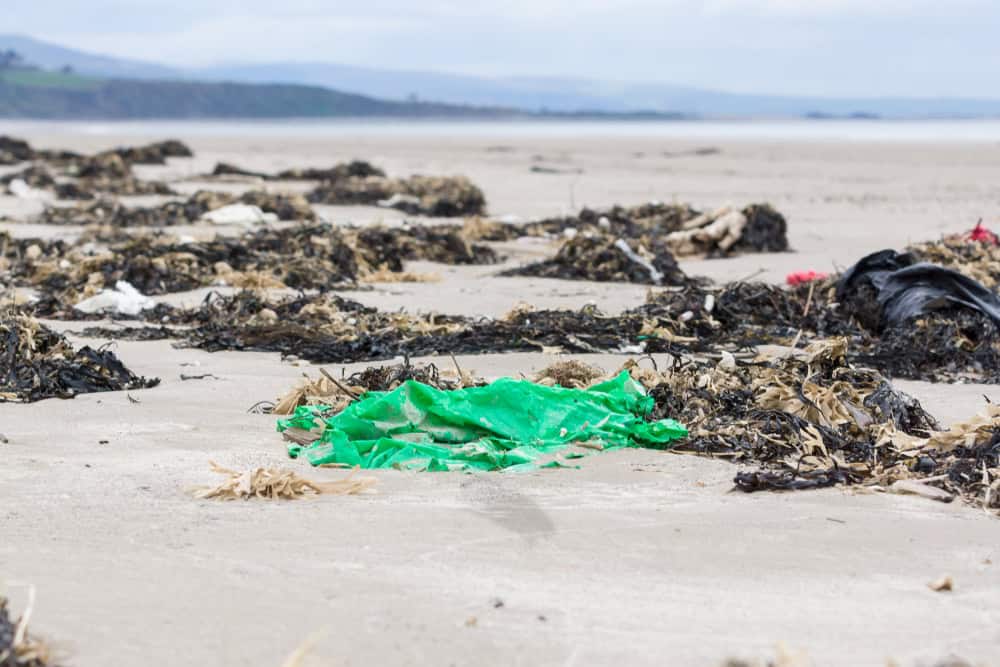
Skipping single-use plastic and cleaning it up when you see it on the beach is one way to help turtles.
©DandsPhotography/Shutterstock.com
Protect beaches when you’re near them during nesting season. Turn off flashlights and car headlights. Avoid beaches when active nesting is going on. If you live on the coast near a nesting beach, use red filters over lights at night.
Be a responsible boater. Observe no-wake zones, especially in known turtle habitats. Watch for turtles outside these zones and drive at a speed that allows you to slow down if you see one.
Spread the word. World Sea Turtle Day is just one day, but you can raise awareness throughout the year. Every voice counts when it comes to protecting sea turtles.