
Quick Take
- A quirk of the last ice age may have accidentally split one leopard population into something genetically unrecognizable, and scientists are only now untangling how it happened. See how isolation shaped them →
- Cape leopards are dramatically smaller than their African cousins, yet the real reason why has nothing to do with what you'd expect. Explore the size difference →
- A single word in a scientific classification could decide whether these leopards survive or vanish. Right now, that word is wrong. See why classification matters →
- Fewer Cape leopards exist than most people realize, and the threats closing in on them can't wait for science to catch up. Discover the threats they face →
Africa is home to some of the most beautiful big cats, including the leopard. However, there is one leopard that does not look like the rest. This has led researchers to look into the genetic mystery of Africa’s miniature leopards. According to researchers, the Cape leopards are genetically unique, which could have a huge impact on their conservation status.
South Africa’s Cape Leopards Are Genetically Unique
There are five subspecies of African leopards. Each one is named for the region in which they live. All look alike to one another, except for the Cape leopards. While their coloration is similar, the most noticeable difference is their size.
According to a January 2026 study published in Heredity, the leopards living in the Cape Floristic Region of South Africa are half the body mass of other African leopards. The study was conducted because there has been debate for decades as to whether these are just smaller African leopards or if the Cape leopards are their own species.
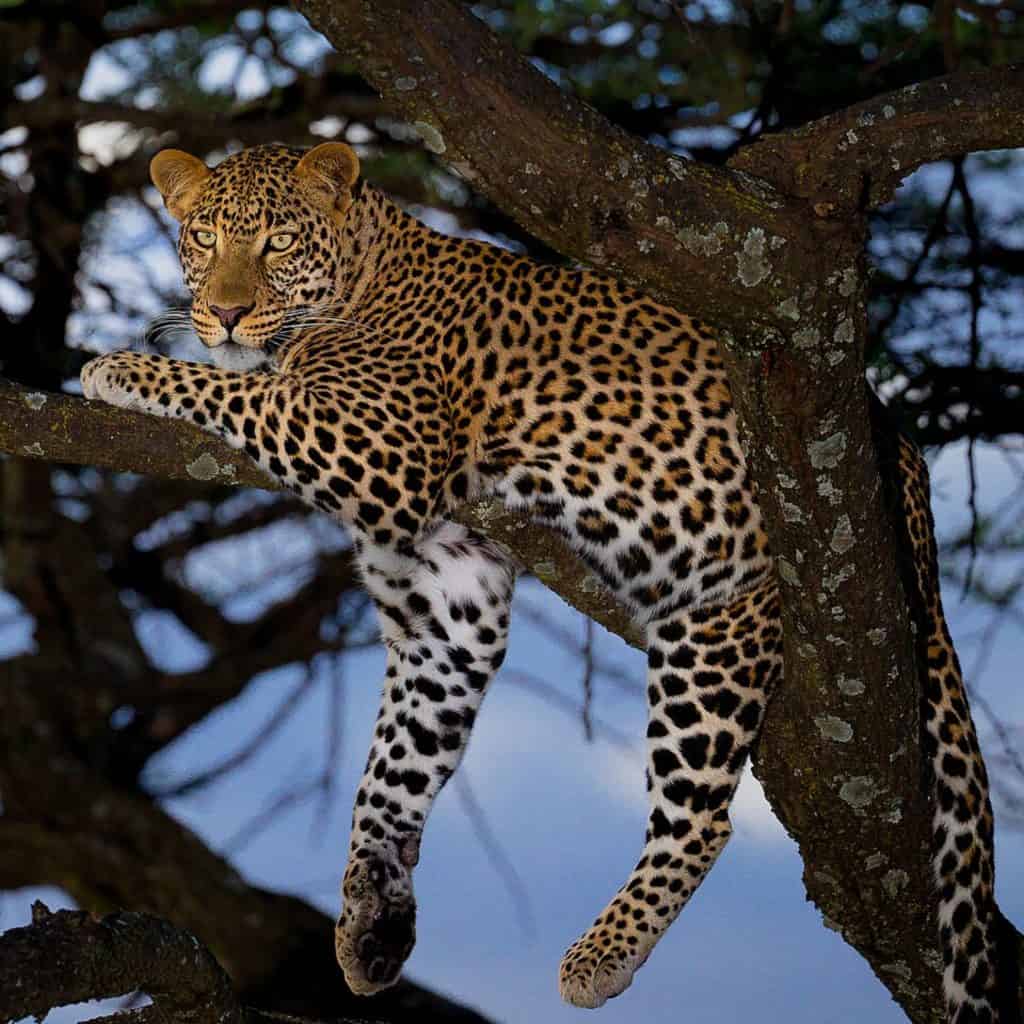
Cape leopards have been found to be genetically different than other African leopards.
©Sumeet Moghe, CC BY-SA 4.0 , via Wikimedia Commons – Original / License
Working with evolutionary biologists and leopard experts from the region, researchers from the University of Copenhagen collected muscle and skin samples from the leopards. They ran the DNA from these samples against that of African leopards. Researchers found that the Cape leopards are genetically different from other leopards.
The study has gained renewed attention after its first author, Laura Tensen—now an assistant professor at the University of Greifswald—published an article in The Conversation.
“Our research found that the leopards of the Cape are not just smaller than other African leopards, they’ve also formed their own genetic group,” Tensen wrote, “clearly separated from leopards elsewhere in southern and eastern Africa.”
How the Cape Leopards Became Genetically Unique
To explain how the Cape leopards became genetically unique, researchers had to look back to the leopards’ ancestors. According to the study, the Cape leopards began to diverge from other African leopards between 20,000 and 24,000 years ago.
The timeframe coincides with the last ice age, specifically its coldest period. According to researchers, this made it difficult for leopards to move from one region to the next to interact with one another. Consequently, populations of leopards remained separate from one another.
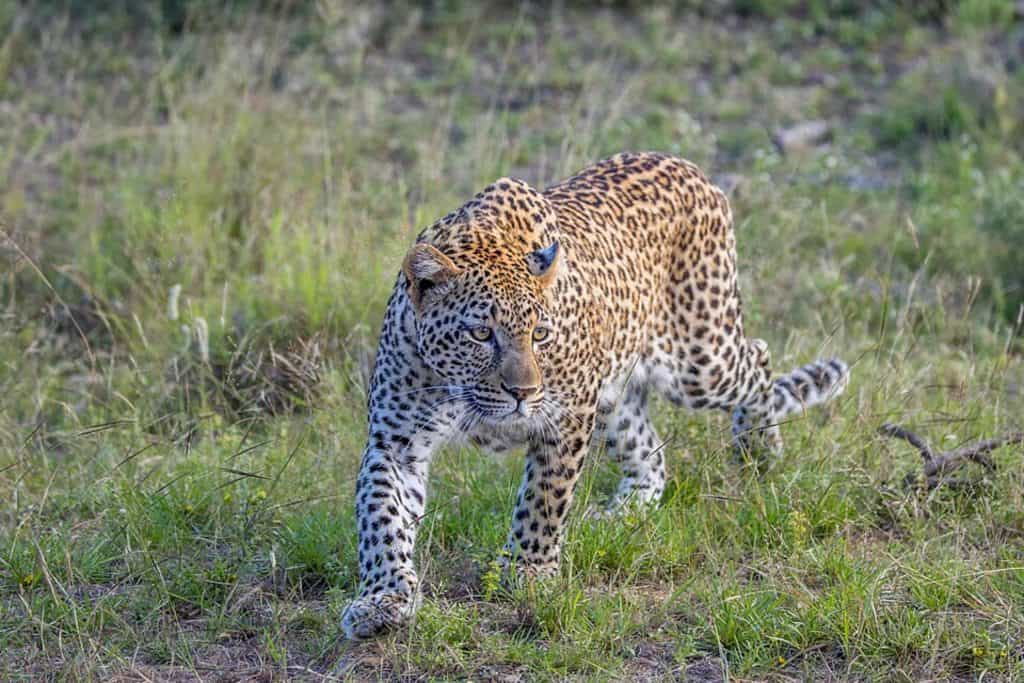
Cape leopards, similar to this African leopard, began to become genetically different 20,000 to 24,000 years ago.
©Charles J. Sharp, CC BY-SA 4.0 , via Wikimedia Commons – Original / License
This, combined with the large numbers of leopards killed in the 19th and 20th centuries, further reduced their populations. The remaining Cape leopards had to survive in a region that lacks large game. According to researchers, this led to significant differences in size between Cape leopards and other African leopard subspecies. Therefore, both isolation and adaptation have contributed to the Cape leopards’ genetic uniqueness.
Why Is the Cape Leopard’s Genetic Uniqueness Important for Conservation?
Currently, the Cape leopard is classified as a subspecies of the African leopard. African leopards are considered a vulnerable species. Although there are estimated to be tens of thousands of African leopards in the wild, if the Cape leopard were to become regionally extinct, it would be seen as a regional issue rather than a threat to the species as a whole.
There are fewer than 1,000 Cape leopards left. Were they to be classified as their own species, rather than a subspecies, conservation efforts would be significantly expanded from what currently exists.
According to Tensen, because there are few reserves for Cape leopards, they frequently come into contact with humans. Unfortunately, these encounters often result in harm to the leopards, further reducing their genetically distinct population.
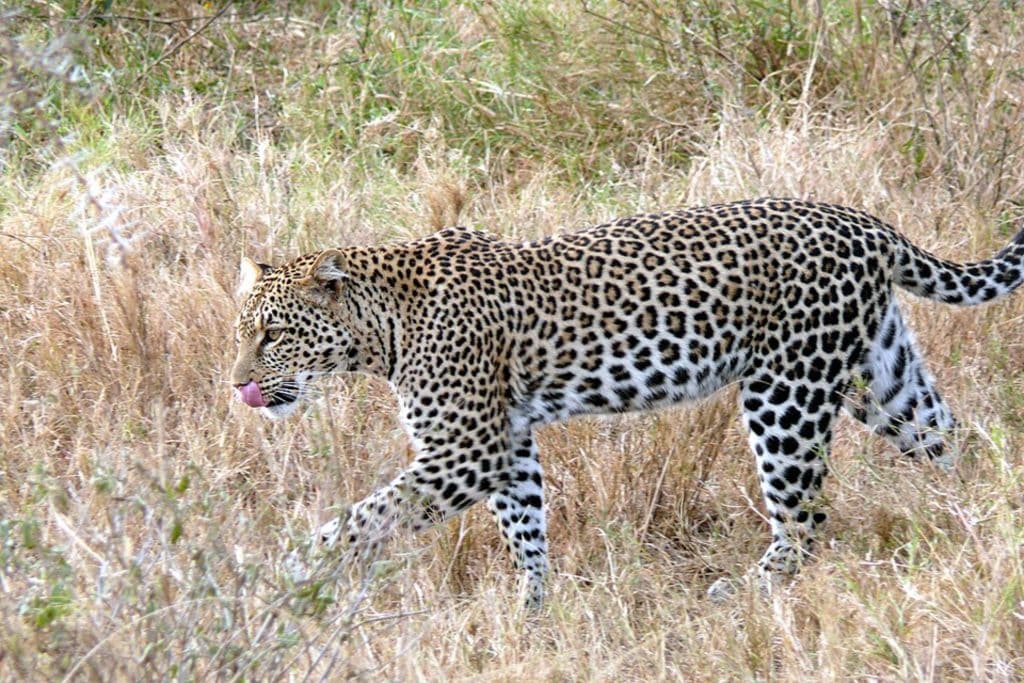
If Cape leopards, similar to this African leopard, were officially declared a separate species, conservation efforts would change dramatically.
©Haplochromis, CC BY-SA 3.0 , via Wikimedia Commons – Original / License
“Populations that are genetically distinct and locally adapted are often described as evolutionarily significant units,” Tensen wrote for The Conversation. “This means they represent a unique branch of a species’ evolutionary history and need specific protection so that they can continue to adapt to future change.”
Tensen goes on to state that conserving the Cape leopards means not only “saving an iconic predator” but also “preserving an evolutionary legacy shaped over thousands of years by one of the most distinctive landscapes on the African continent.”
Unfortunately, until the Cape leopards are classified as a separate species, they will not receive any conservation measures that differ from those for African leopards.
Threats That Cape Leopards Face Today
Leopards, as a species, are declining overall. This is because they face threats that push them ever closer to extinction. While these big cats are not yet on the brink of extinction, if they continue to face increasing external pressures, it may not be long before they reach that point.
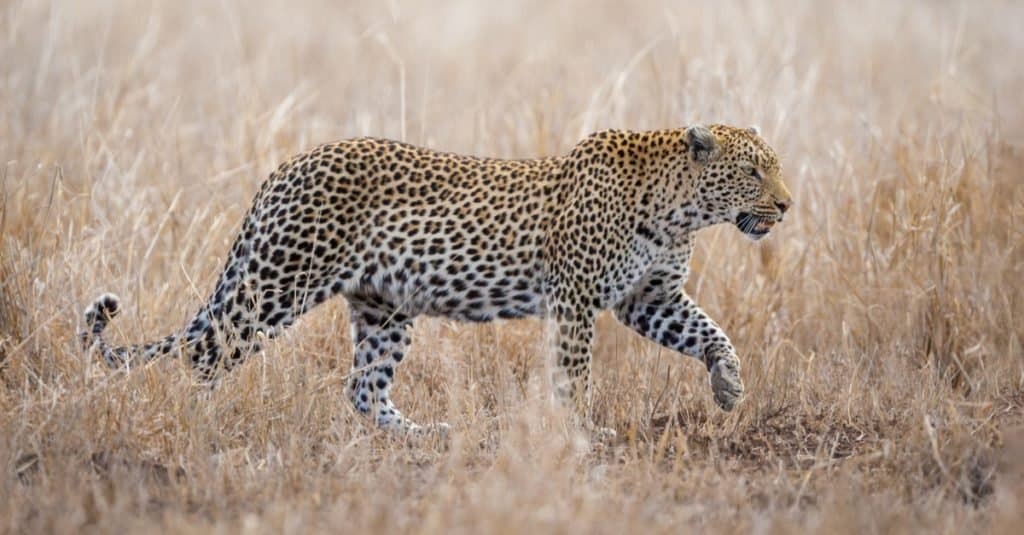
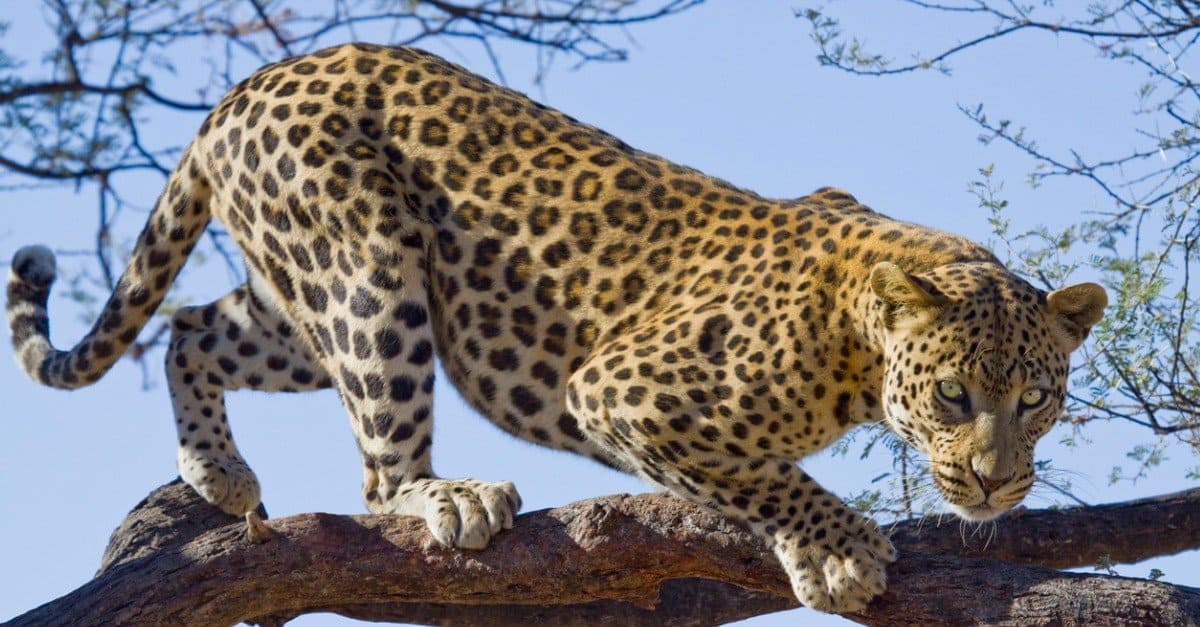
African leopards face threats such as habitat loss, habitat fragmentation, and poaching.
©Stu Porter/Shutterstock.com
The threats that leopards, including Cape leopards, face include:
- Habitat loss
- Habitat fragmentation
- Illegal wildlife trade
- Retaliatory killings
- Climate change
As for the Cape leopard, the biggest threats to its population are habitat loss, retaliatory killings, road mortality, and poaching. Therefore, measures such as halting urbanization, tracking leopards to keep them away from livestock, educating ranchers and farmers, and deterring poaching are essential to prevent further population loss. However, implementing these measures is easier said than done.
It will take time for Cape leopards to be recognized as a distinct species, if they are recognized as such. Unfortunately, with so few of these leopards left, time is not on their side. This is why stopping illegal activities and taking the necessary steps for conservation are crucial. Otherwise, the small leopard living in the Cape Floristic Region of South Africa may be destined for extinction.