
Quick Take
- Grey squirrels in the UK are invasive and outcompete red squirrels, spreading squirrel pox that heavily harms red populations.
- As of 2025, red squirrels number 120,000–140,000, with over 75% in Scotland, and conservation projects release captive-bred individuals in North Wales.
- Grey squirrels cause tens of millions of pounds of tree damage annually and reduce songbird fledging rates.
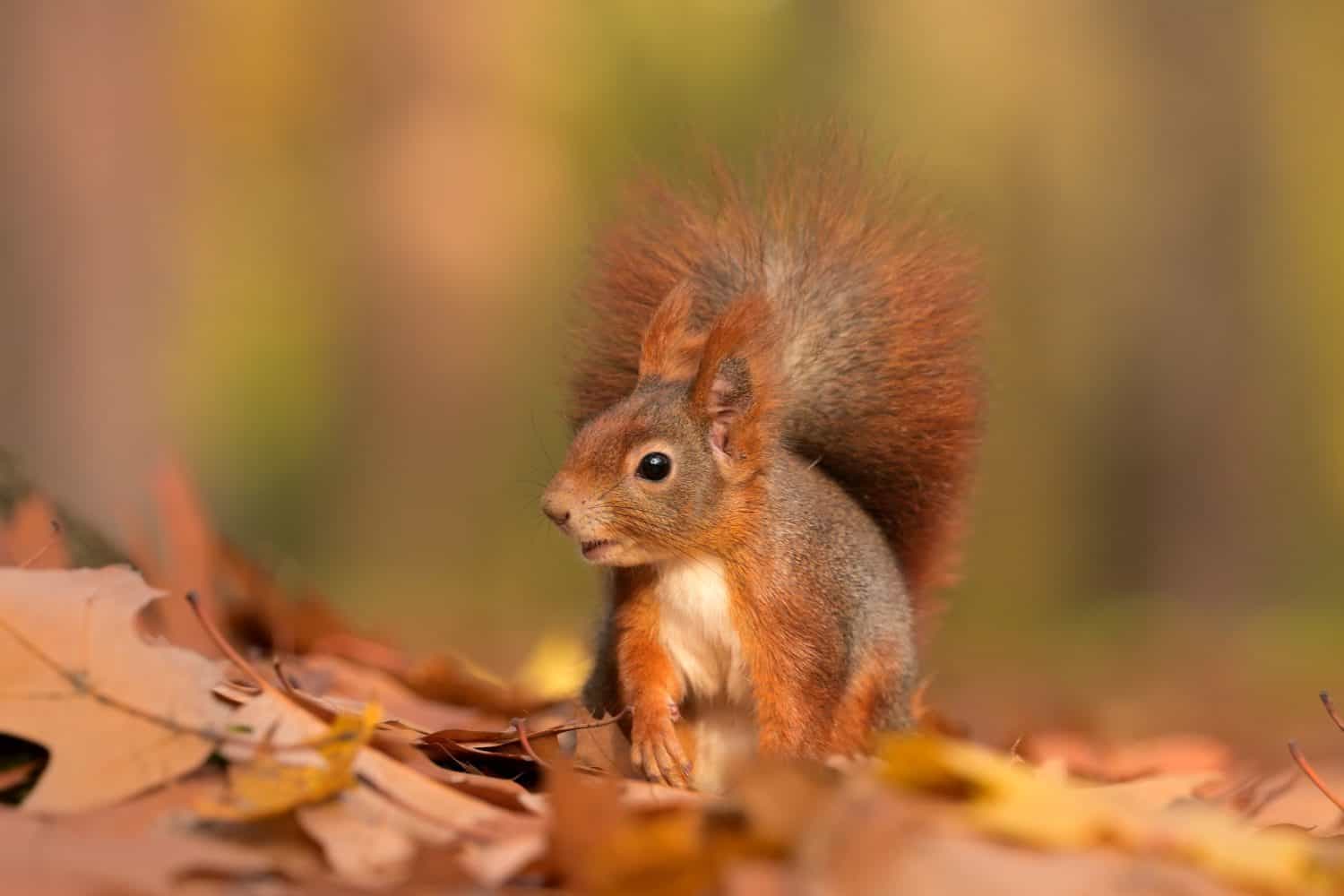
There are still red squirrels (Sciurus vulgaris) living in the UK, but only in very limited ranges. As this interesting Instagram post explains, they were driven out of most areas by the invasive grey squirrel, but can still be found in some locations, including parts of North Wales. You can also see just how cute these little animals are! Take a look, then read on to learn how the grey squirrel has nearly wiped out this native UK species and what is being done to help red squirrels recover.
Grey Squirrels Arrive From North America
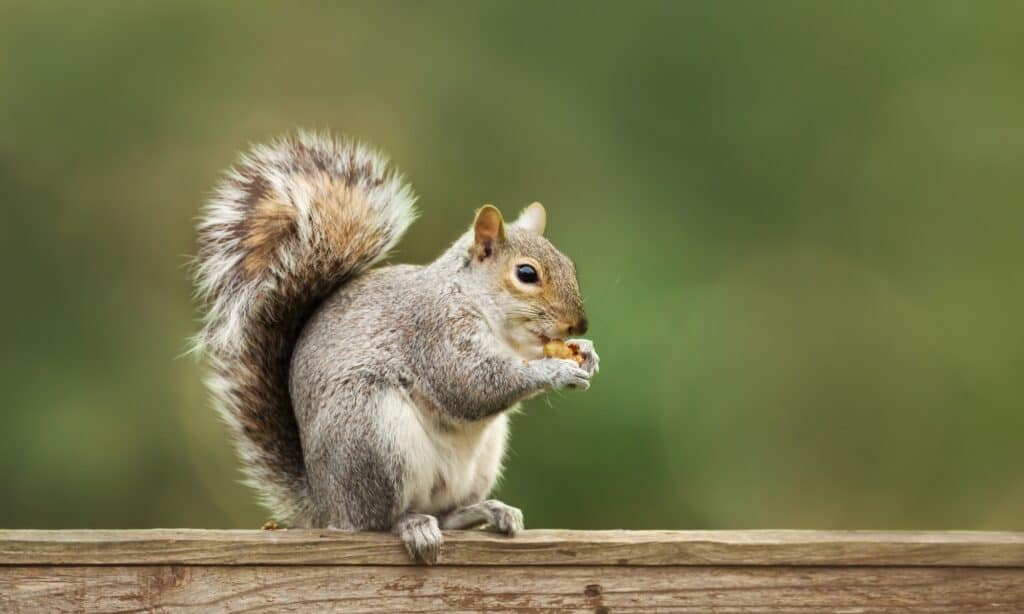
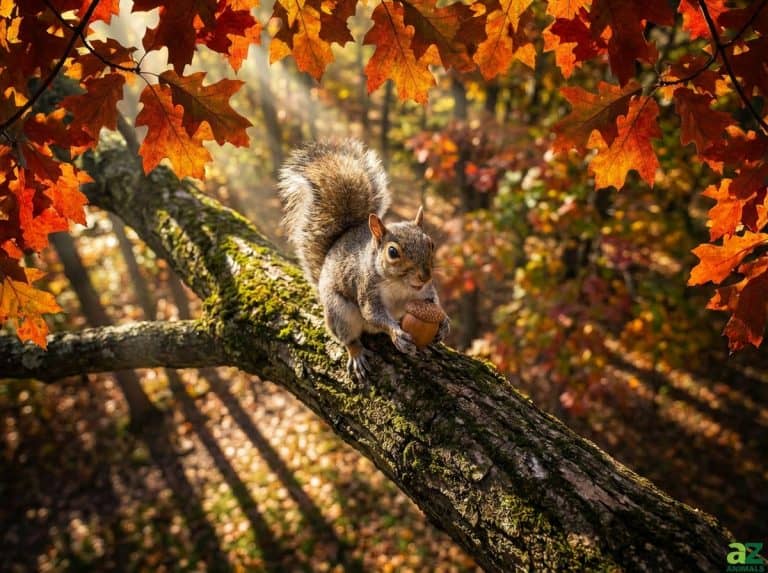
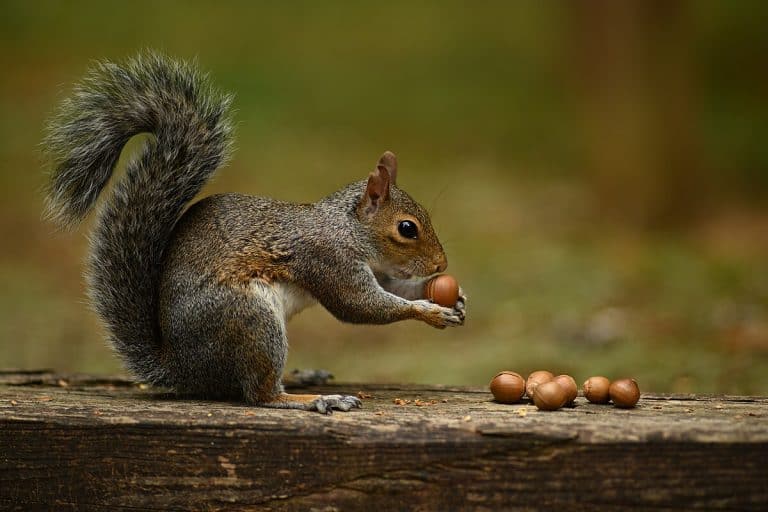
Eastern gray squirrels were introduced into the UK as an ornamental species.
©iStock.com/Dgwildlife
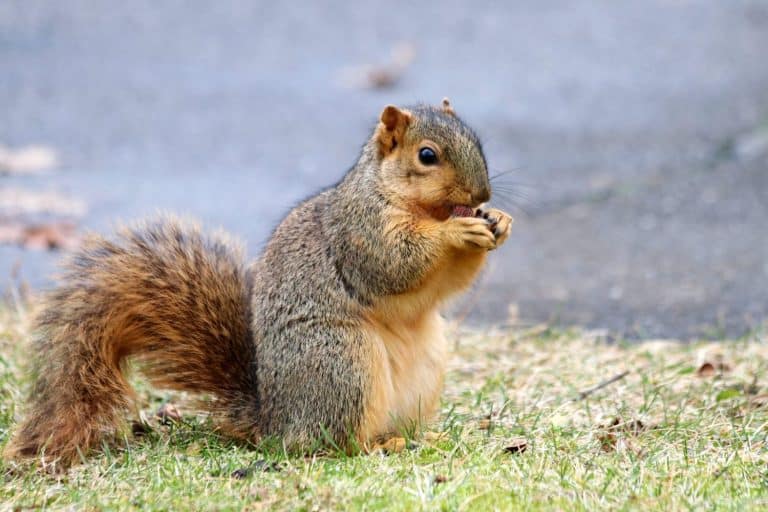
The Eastern gray squirrel (Sciurus carolinensis) is regarded as an invasive, non-native species in the UK. They were first introduced from North America in 1876 as an ornamental animal for the amusement of rich people. The plan was that they would live in the gardens of stately homes. There were at least 30 separate and purposeful introductions between 1876 and 1930. Of course, the squirrels did not stay within the grounds of the estates and soon moved into the surrounding countryside. By the 1930s, people realized the squirrels were causing damage, but by then, it was too late to prevent their spread.
These squirrels feed on nuts, acorns, and tree seeds. Food is collected and buried underground in the fall so that the squirrels can access it during the winter. In the spring and summer, they feed directly on flowers, buds, and shoots, and will occasionally take eggs and even young birds. Importantly, they can also feed on tree bark.
Red Squirrel Populations Decimated
Following the introduction of the grey squirrel to the UK, the red squirrel population began to decline. Part of the reason for this is that grey squirrels carry a disease called squirrel pox. This is caused by a virus, and it is transmitted through contact with infected lesions or contaminated crusts and fleas. The UK grey squirrels carry it and can spread it, but have developed an immunity, so they do not get sick. Red squirrels, on the other hand, become very ill and most will die within four or five days of catching it.
Another reason for the reduction in red squirrel numbers is the competition for food. Grey squirrels are larger and more robust than the red species. There are now at least 2.5 million and possibly 3 million grey squirrels in the UK, and they can access a wider variety of food sources, including the bark of Britain’s broadleaved trees. Last year, researchers from Woodland Trust, University of Surrey, University of Bangor, and the Animal and Plant Health Agency studied the difference in gut microbiota (microbes living in the gut) between the two species. They found that grey squirrels had a more diverse range of microbiota in their gut compared to red squirrels. This greater diversity in gut microbiota may indicate better general health and immunity, possibly enabling grey squirrels to eat a wider range of foods.
Red Squirrels Clinging On
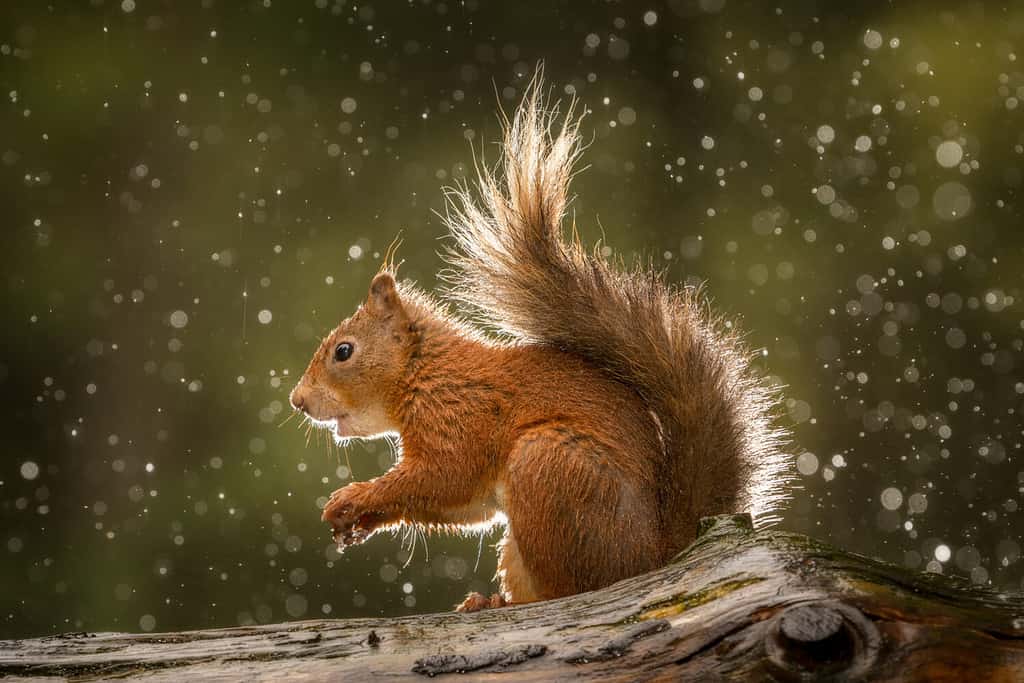
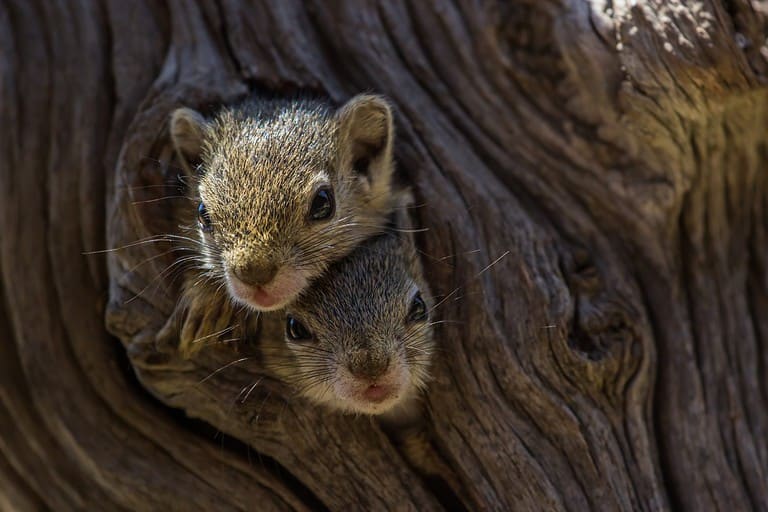
Projects to protect red squirrels are underway.
©Christopher Chambers/Shutterstock.com
As of 2025, the UK red squirrel population is estimated to be between 120,000 and 140,000, with over 75% living in Scotland. Their populations are now primarily found in Scotland, with smaller, fragmented populations in North Wales (as mentioned in the Instagram clip), Northern England, and a few isolated areas elsewhere. They are on the GB Red List as endangered in England and Wales and Near Threatened in Scotland. Multiple conservation projects are underway to protect them. In the Instagram clip, the Welsh island of Anglesey is mentioned.
Here, the Red Squirrels Trust Wales and Clocaenog Red Squirrels Trust have received £523,400 investment from the Heritage Fund to work with locals on vital conservation work. Captive-bred red squirrels are being released into the forests of North Wales, with steps being taken to protect them. The goal is to help red squirrels become better established in these areas and to thrive. There is huge support locally from both individuals and community organizations. Local people are enthusiastic about engaging with the natural world and are committed to protecting it.
Other Damage Caused by Grey Squirrels
As well as driving out the red squirrels, the grey squirrels cause tens of millions of pounds of damage to trees every year. Iconic British tree species such as the beech, sycamore, oak, poplar, sweet chestnut, birch, and cricket bat willow are most susceptible to damage. A 2000 survey found that all sycamore trees surveyed showed signs of damage from grey squirrels. Conservationists fear that stocks of some tree species in the UK will suffer permanent damage.
Grey squirrels also pose a threat to songbirds. They eat songbird chicks and eggs and may reduce the fledging rates by an average of 15 percent. Grey squirrels can also damage maize and fruit crops and threaten orchards. In urban areas, grey squirrels often enter houses, particularly roof spaces, where they can cause significant damage. They have been known to cause extensive damage to roofs, telephone wires, and even electricity cables!