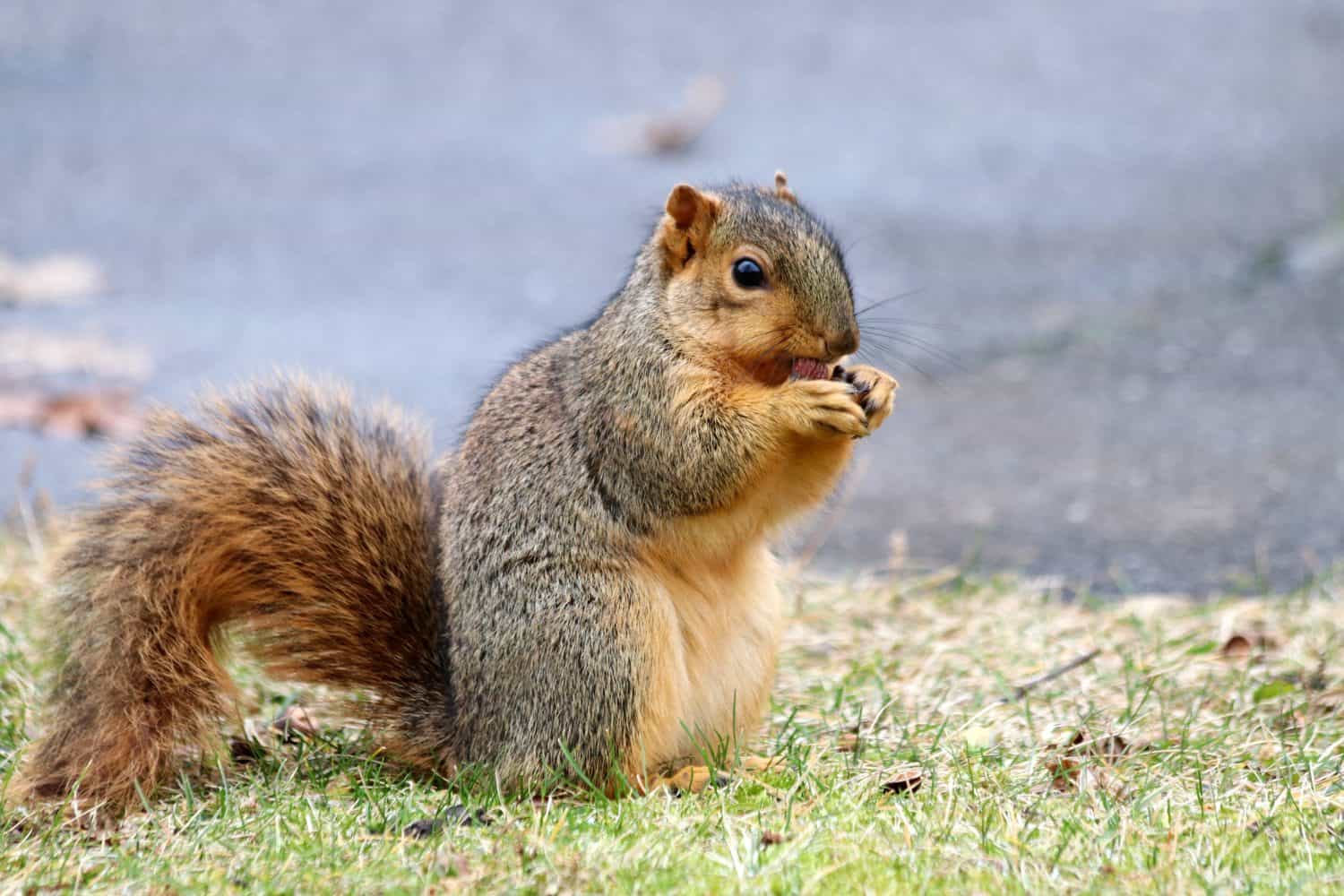

In junior high school, I spent a summer taking supplemental classes at Sacramento State University. My parents sent me with plenty of snacks to get through the day, including trail mix. The campus quad quickly became my favorite place to have lunch, thanks to countless squirrels roaming around and begging students for food.
They were fearless, trotting right up to my makeshift picnic and staring expectantly at the peanuts and almonds in my hand. Day after day, I fed them freely, unable to resist their cuteness at the age of 12. It wasn’t until years later that I learned just how much harm I might have been causing.
Today, I’ll dive into the truth behind feeding squirrels, including the potential harm this causes them as well as the environment they live in. If you’re a serial squirrel feeder, either directly or indirectly, this piece is for you. Here’s what you need to know about feeding wild animals, even the cute ones!

Why Does Feeding Squirrels Cause More Harm Than Good?
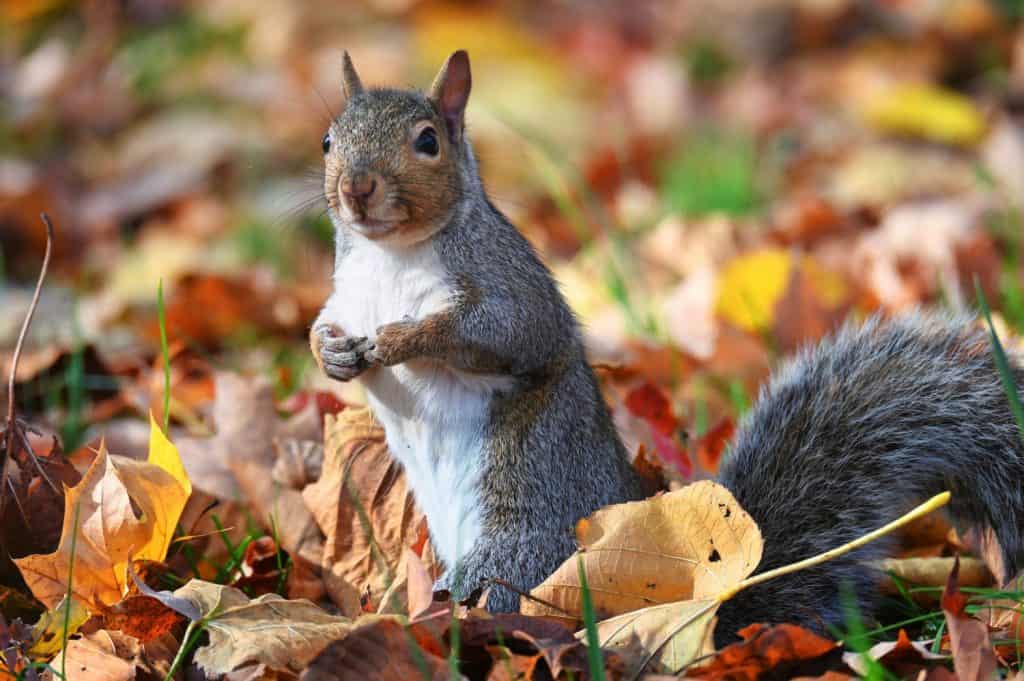
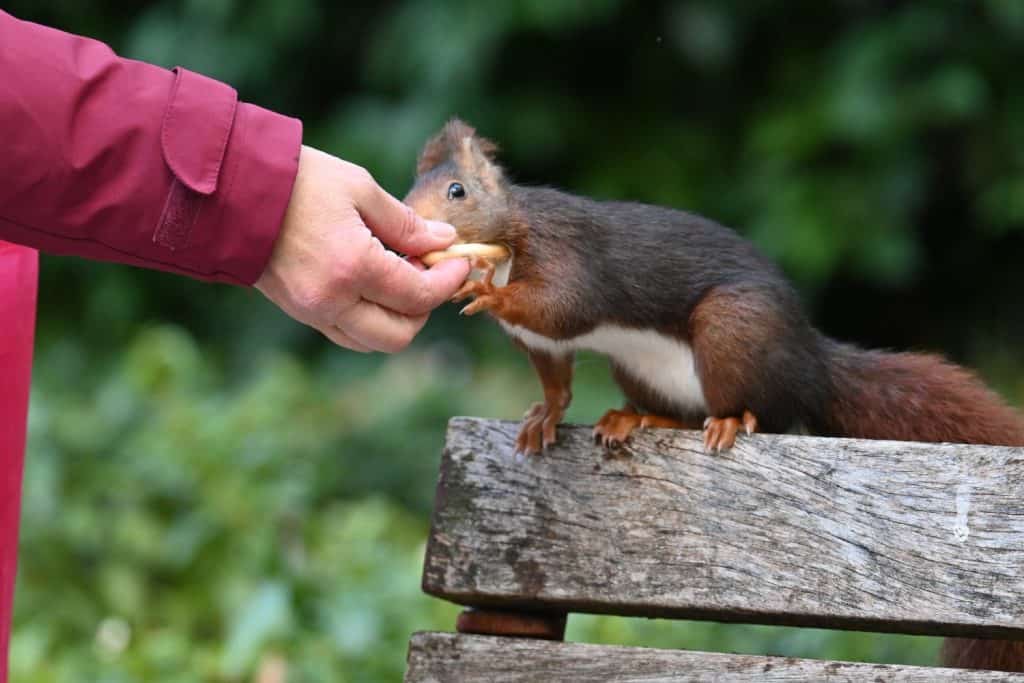
Never hand-feed squirrels.
©MargJohnsonVA/Shutterstock.com
Hand-feeding wildlife seems innocent enough, but there are a number of issues behind this activity. Urban squirrels, especially ones found on university campuses or in large parks, can appear completely at ease with humans. But that familiarity is the main problem.
The California Department of Fish and Wildlife, through its Keep Me Wild program, believes that wildlife should “stay wild,” because feeding “does not help them and often harms them.” Instead of seeing humans as potential threats, fed squirrels and other animals begin viewing people as predictable food sources. That change has the potential to fundamentally rewire how they behave.
Tameness Isn’t Cute; It’s Dangerous
When squirrels lose their natural wariness of humans, they take risks they normally never would, including engaging in situations that may cause them extreme harm.
Wildlife professionals routinely warn that feeding squirrels can lead to behaviors that increase these possibilities:
- The chance of bites
- Vehicle collisions
- Attacks by off-leash dogs
- Human retaliation when squirrels become a nuisance on their properties
Once squirrels learn that approaching people leads to food, that behavior rarely disappears, even when those handouts eventually stop. But how many handouts does it take to change a squirrel’s natural behavior? Far fewer than you think.
How Quickly Does Animal Behavior Change When Food Is Involved?
Feeding squirrels can alter their food behaviors.
©GenadiyGM/Shutterstock.com
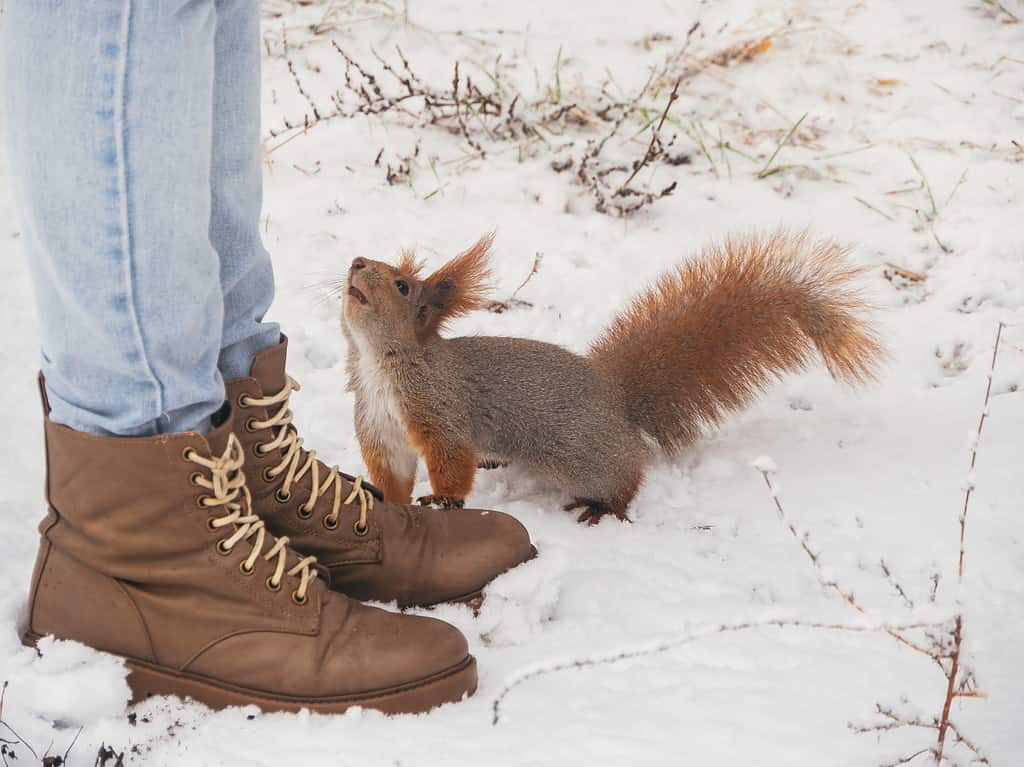
According to the U.S. Fish and Wildlife Service, squirrels are extremely efficient learners. A single positive encounter or feeding session can start a pattern. Within days of casual snacking, squirrels may begin:
- Spending less time foraging
- Staying near benches, pathways, and picnic tables
- Approaching strangers who look like they might be carrying food
This behavioral dependence can become so strong that squirrels abandon robust seasonal caching behaviors. In parts of the U.S., wildlife biologists have even documented vast differences in body fat among squirrels living in urban versus forested environments, with urban squirrels maintaining much lower levels of body fat given their supposedly consistent access to food.
Bird Feeders Can Also Alter Squirrel Populations
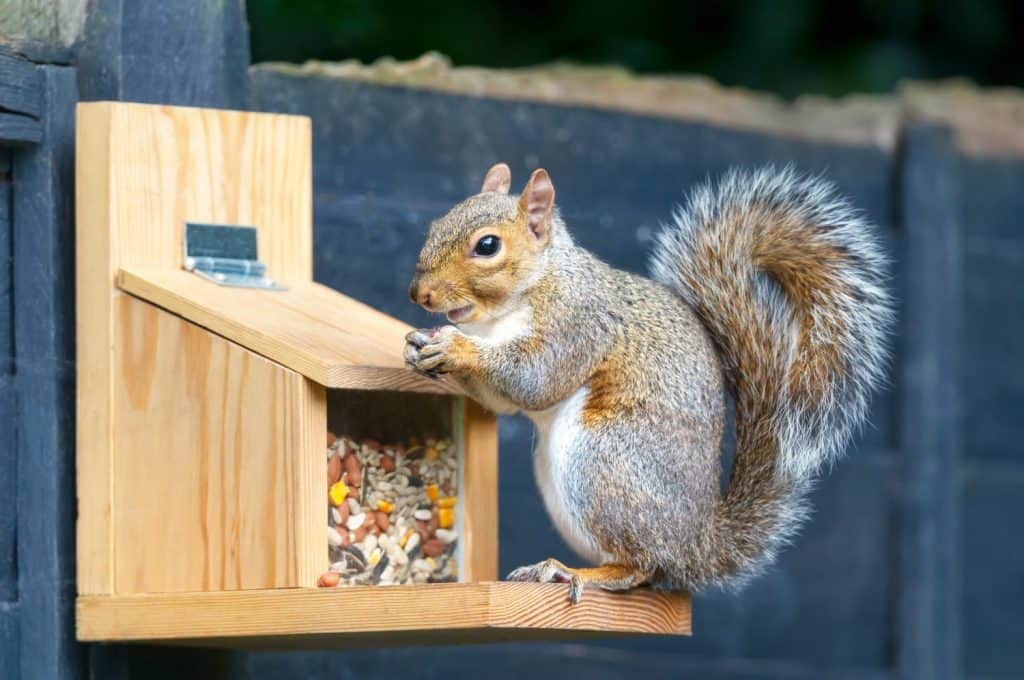
Bird feeders can become hubs for disease if they are poorly maintained.
©Giedriius/Shutterstock.com
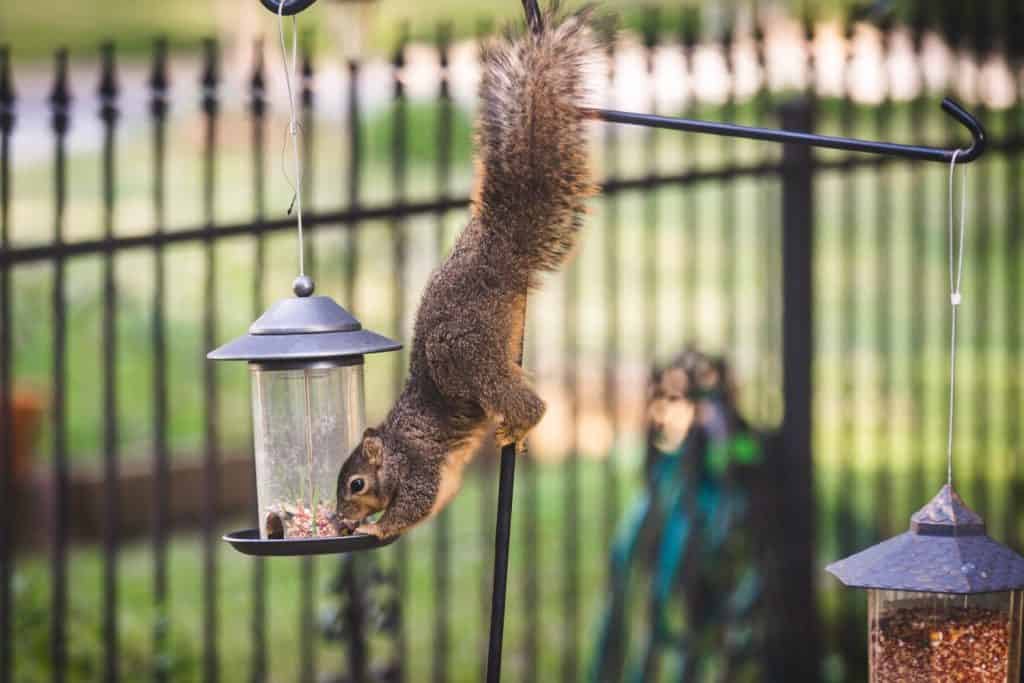
Bird feeders, especially those that are overflowing or poorly maintained, can act as open buffets for local squirrels. These artificial food sources may provide thousands of calories per day with little effort, significantly altering a squirrel’s natural foraging habits.
The U.S. Forest Service, in its Wildlife Safety Guidelines, warns that feeding stations can also cause wildlife to cluster unnaturally. This clustering inflates squirrel populations beyond what the ecosystem can support, pushing local habitats out of balance within a limited amount of time.
A feeder that seems harmless can unintentionally:
- Support more squirrels than the habitat naturally would
- Encourage dominance behaviors among squirrels
- Lead to aggressive competition with birds and other small mammals
- Increase property damage as squirrels expand nests into attics and sheds
Bird Feeders Can Become Hubs For Disease
Squirrels congregating at feeders also create ideal conditions for disease outbreaks—diseases that can harm both other animals and humans. When squirrels gather in this way, it often elevates the spread of:
- Mange
- Squirrel pox
- Salmonella
- Leptospirosis
- Fleas, ticks, and mites
The Centers for Disease Control and Prevention, through its rodent disease overview, notes that decreased fear of humans combined with higher population density makes pathogen transmission much more likely, even in your own backyard.
How Does Feeding Squirrels Affect Local Ecology?
Squirrels help disperse seeds.
©JennGarcia/Shutterstock.com
When it comes to local ecosystems, squirrels are vital seed dispersers, as much of a forest’s regeneration depends on them burying acorns or other seeds. When they stop caching food, trees lose one of their most reliable partners.
The National Park Service, in an article on why feeding wildlife is harmful, explains that artificial feeding disrupts natural food cycles and animal movement patterns. Squirrels that aren’t seeking acorns also aren’t planting new trees. Over decades, this small behavioral shift can alter what species grow or live in any given region.
High Squirrel Populations Also Affect Other Animals
When animal populations like squirrels expand beyond natural limits, multiple things can happen:
- Birds lose access to tree cavities
- Ground-nesting birds suffer higher predation
- Competing mammals (like native tree squirrels) get displaced
In the U.K., for example, gray squirrels were almost completely responsible for pushing native red squirrels into severe decline. U.S. biologists warn that similar patterns can occur in American forests if we aren’t careful.
Are Human Snacks Safe for Squirrels?
Human snacks can cause health problems in squirrels.
©Dmytro Buianskyi/iStock via Getty Images
According to the Wildlife Center of Virginia, in its guide on improper wildlife nutrition, squirrels that are fed human snacks often develop:
- Metabolic bone disease
- Muscle weakness
- Broken teeth
- Kidney strain
- Obesity
Peanuts and sunflower seeds, for instance, bind calcium and can lead to severe skeletal deformities in young squirrels. Meanwhile, salted trail mix can quickly dehydrate squirrels because their bodies aren’t adapted to handle high sodium.
Much like people who live on junk food, squirrels that rely on human snacks experience routine energy spikes and crashes. Over time, these unhealthy, unnatural diets reshape their gut microbiomes and weaken their immune systems.
What’s the Best Way to Support Squirrels Without Feeding Them?
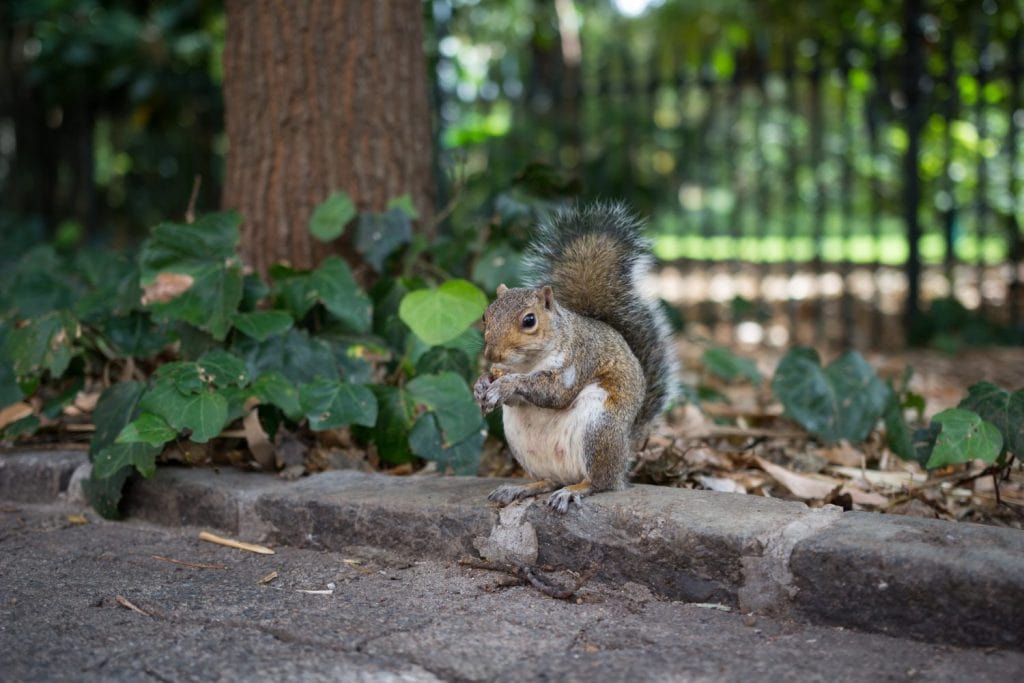
There are other ways you can support squirrels without feeding them directly.
©Timothy Reinhardt/Shutterstock.com
When it comes to helping your local squirrel populations, wildlife organizations recommend habitat-based support—ways you can alter your backyard to better support wildlife passing through. Instead of feeding squirrels directly, you can:
- Plant oak, hickory, or other native, nut-bearing trees
- Keep gardens pesticide and chemical-free
- Offer clean water sources, especially in the summertime
- Maintain certain brush piles for natural shelter
- Install squirrel-resistant bird feeders if you feed your local birds
Remove Food Sources For Squirrels Over Time
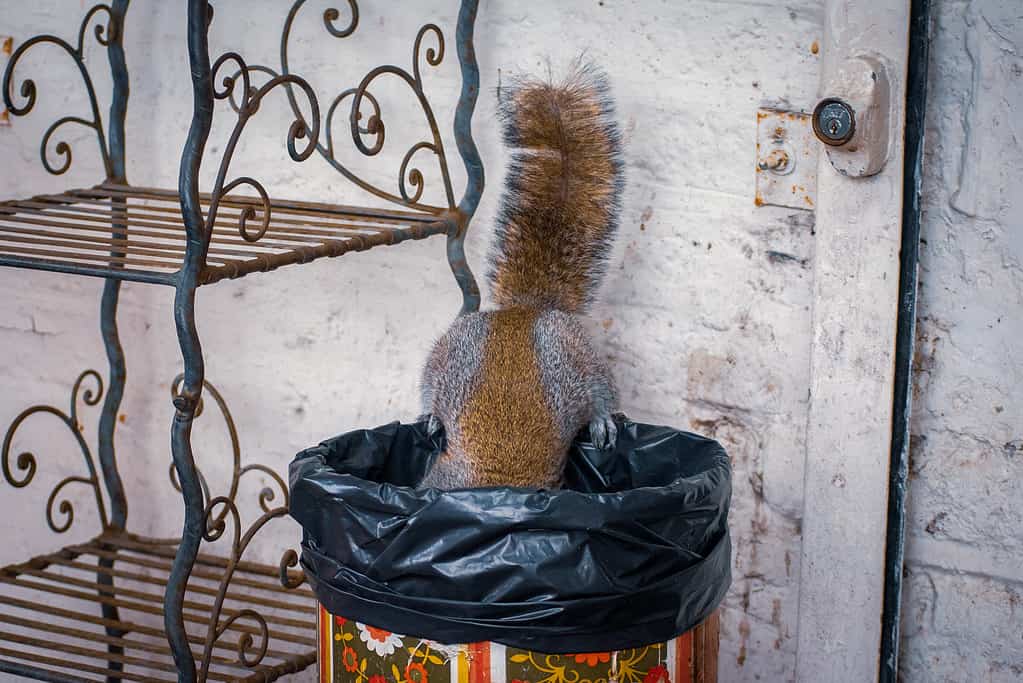
It’s not good for squirrels to rely on the food you provide them.
©Leo Watson/iStock via Getty Images
While it may seem smart to cut off your hungry squirrel population ASAP, experts suggest otherwise. If a community has been feeding squirrels for years, abruptly stopping can cause undue stress within the population. Instead, wildlife agencies recommend:
- Cleaning or reducing the amount of birdseed available
- Transitioning to feeders with baffles
- Offering native plantings that support natural foraging
- Placing feeders out of reach rather than removing them entirely, allowing squirrels to reestablish their natural behaviors gradually
Looking Back at My Own Squirrel-Feeding Days
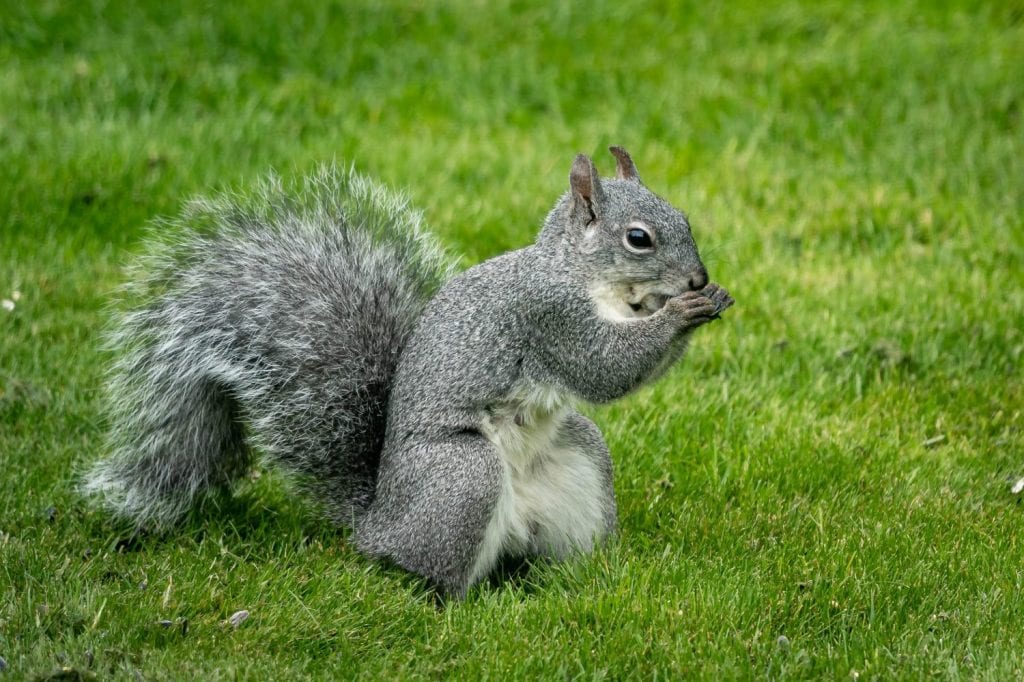
The best thing you can do for squirrels is leave them be.
©d murk photographs/Shutterstock.com
When I think back to my brief summer at Sac State, I still remember the squirrels and their reliance on my daily snacks. At the time, feeding them felt harmless, even wholesome, especially given my age. I thought I was helping; at the very least, I was unaware of the harm I was perpetuating, just like so many other students spending their lunches outdoors.
Now I know better. I was unintentionally encouraging behavior that put those squirrels at risk, something that we as humans regularly do to multiple animal species without realizing it. At the end of the day, letting squirrels and other animals stay wild is the real act of kindness you can show them.