
Quick Take
- These spiders are venomous, but there is a counterintuitive reason they pose almost no threat to humans, even at their size. Understand their limited danger →
- Joro spiders have a surprisingly specific weakness that controls their spread, though researchers say it is not working the way anyone expected.
- Park officials are asking visitors to do something unusual when they spot one. What visitors do in that moment directly shapes what scientists know about this invasion. See how visitors can help →
- How a spider from East Asia quietly established itself across multiple US states is a case study in how invasions slip past every defense. Trace the joro spider's spread →
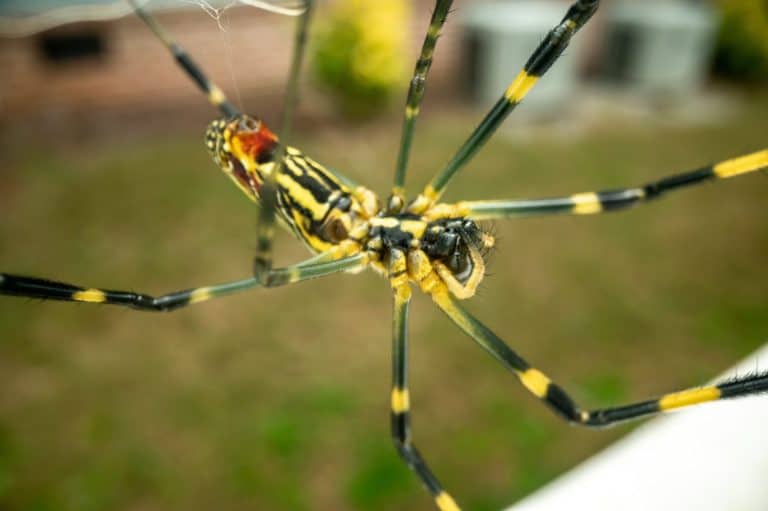
Invasive species can be extremely damaging to the ecosystems they are introduced to. One spider species that’s been slowly growing in population over the past decade is the joro spider. These spiders are gradually spreading throughout the Smoky Mountains, and officials are asking for your help to identify them. A news story from WSMV discusses these spiders in more detail.
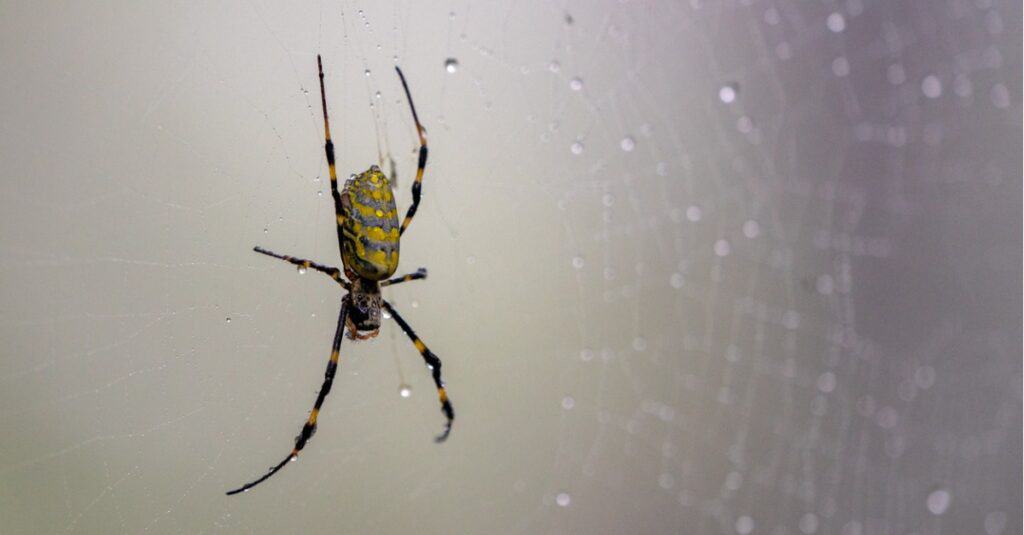
While venomous, the joro spider poses no lethal threat to humans.
©iStock.com/SmevansEvans
About Joro Spiders
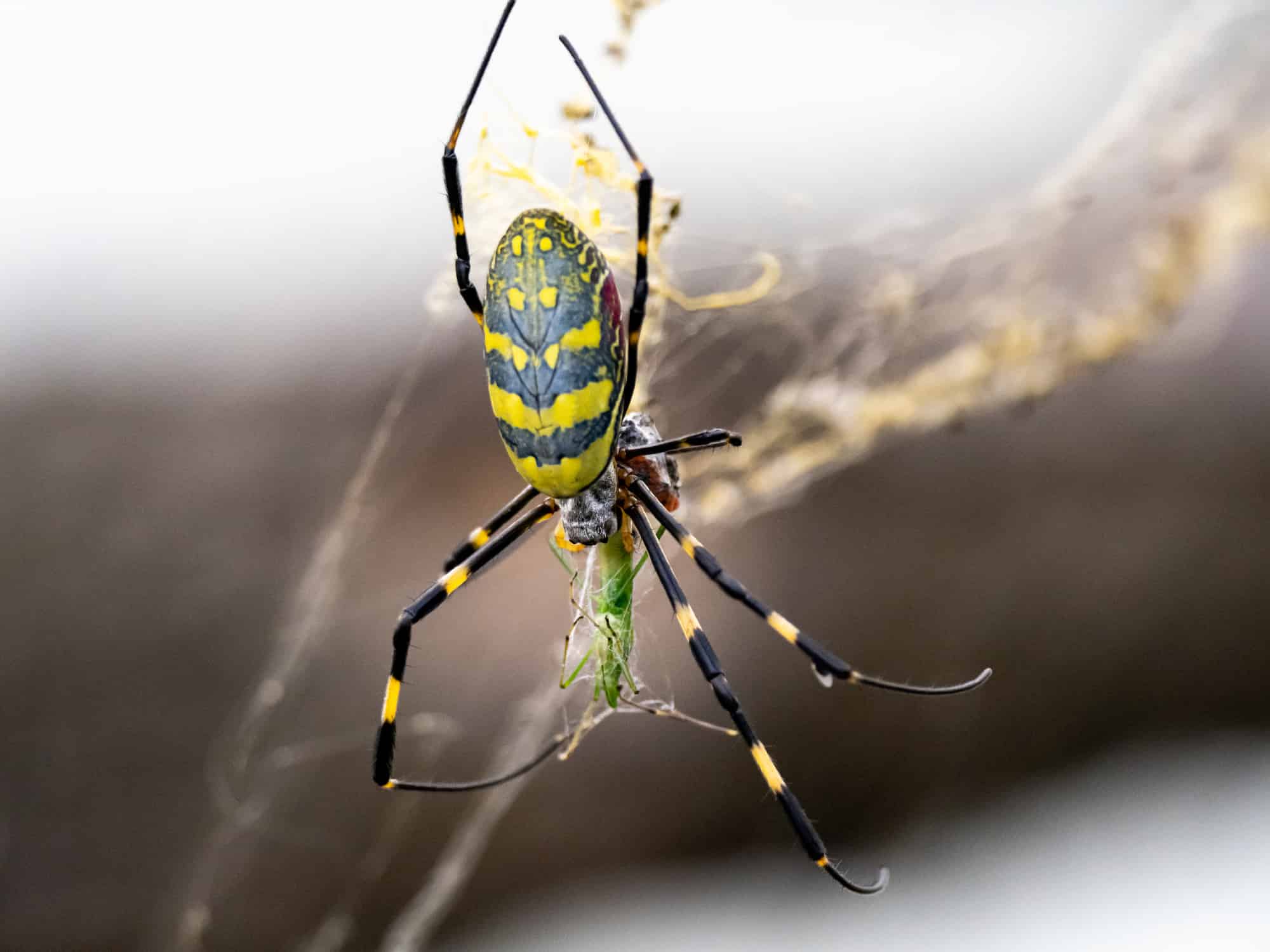
Joro spiders are massive orb-weaver spiders native to East Asia but have slowly been spreading through the Smoky Mountains. They originate throughout Japan, Korea, China, and Taiwan. How they were introduced to the United States isn’t officially known, but it’s most likely they made their way over on shipping containers. Many invasive species spread around the world this way. The joro spider was first confirmed in Georgia back in 2014, and its population has slowly expanded since. They currently range across the Southeast, including states like Georgia, South Carolina, North Carolina, Tennessee, Louisiana, and Alabama. Joro spiders have been spotted spreading through the Great Smoky Mountains, where they were first recorded in the park in 2024. Because of this, park officials are asking visitors for help in documenting any sightings.
Park officials have requested that visitors leave the spiders alone but ask that they take a picture. You should then record where you found it and submit it to researchers at the University of Tennessee through the iNaturalist app or by email. Observations like these help researchers understand where and how quickly these spiders are spreading. Joro spiders are not too difficult to miss, as they are on the larger side. An adult can grow to about four inches across, or roughly the size of your hand! While their sizeable proportions may seem intimidating, these spiders are not medically dangerous to humans. Joro spiders are venomous like most other spiders, but their fangs are tiny enough that they have difficulty penetrating human skin. When bites do occur, people often experience localized pain and redness that eventually subsides. If you are bitten and worried, it’s always safest to seek medical attention.