
Quick Take
- This caterpillar doesn't wear dead bugs to hide from prey, so researchers have been left wondering what the real reason behind its gruesome disguise actually is. Explore the real reason →
- The disguise works on more than just one sense, and that second layer is what makes the deception nearly impossible to detect. See the olfactory disguise →
- Only 62 of these caterpillars have ever been observed, yet scientists believe the species has existed for over six million years. That tension raises urgent questions. See their endangered status →
- The spider it steals from is also its greatest threat, raising the question of how the caterpillar manages to pull off the heist without becoming the next meal. Discover the spider dynamic →
Most caterpillars are herbivorous insects. They quickly consume as much vegetation as possible to grow larger and complete metamorphosis, becoming moths or butterflies.
However, some caterpillars prefer live prey over leaves. One species of carnivorous caterpillar even decorates itself with the body parts of dead insects. But why does the bone collector caterpillar adorn itself with the deceased?
Bone Collector Caterpillars Decorate Themselves with Body Parts
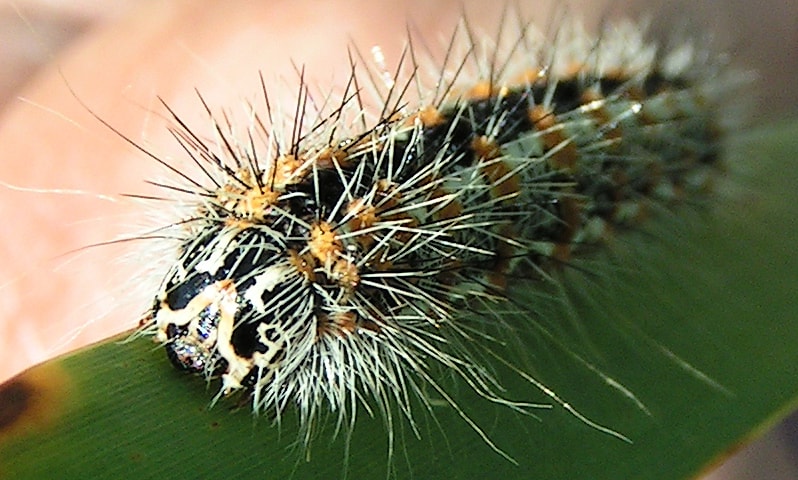
Bone collector caterpillars are unique insects that live only on the island of O’ahu. These caterpillars belong to the Hawaiian Fancy Case Caterpillar group, or the genus Hyposmocoma, which decorates itself with a host of items, from algae to pebbles. However, the bone collector caterpillar chooses discarded body parts for outerwear.
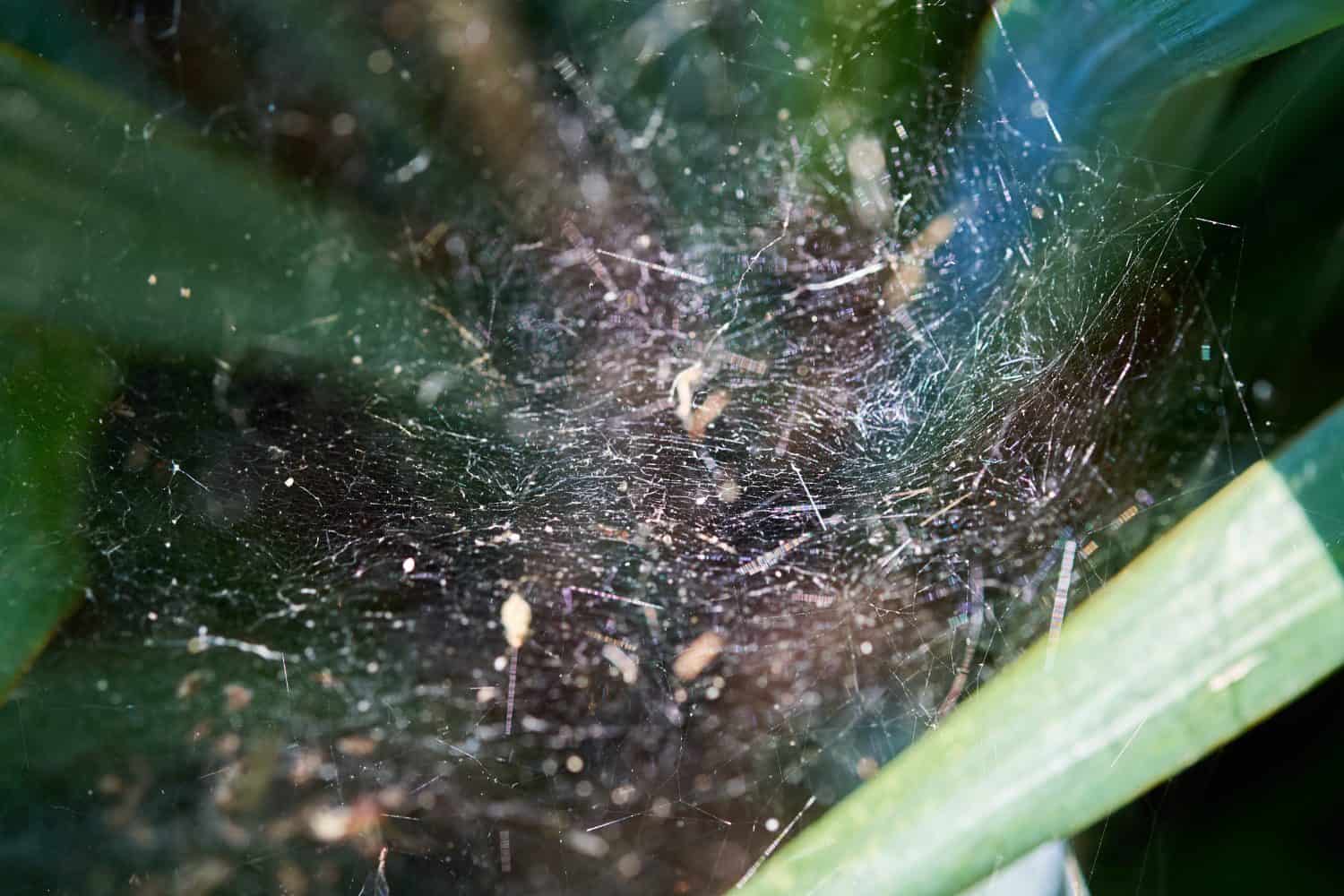
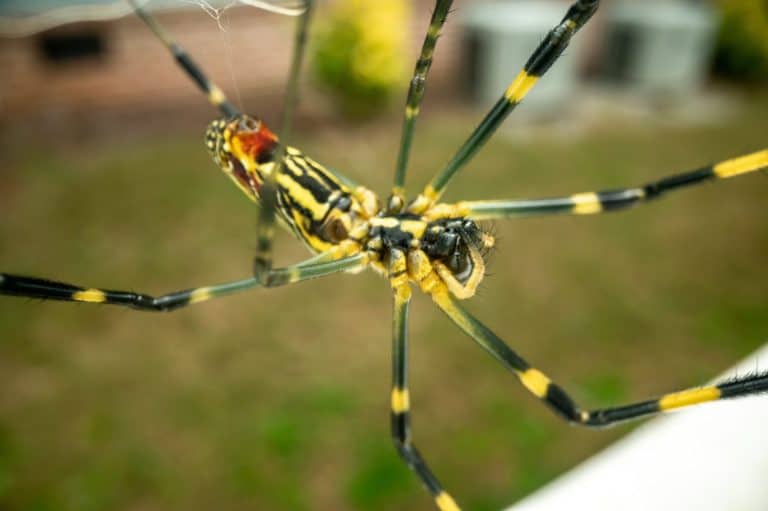
Bone collector caterpillars will take the insect debris in and around spiderwebs and attach it to themselves.
©Alexander Sobol/Shutterstock.com
According to a 2025 study, researchers observed bone collector caterpillars affixing “fly wings, weevil heads and earwig abdomens” to their bodies. The caterpillars do this with the silk their bodies produce. Each piece is carefully chosen to fit the body just so. The caterpillars are so particular about placement and fit that researchers have observed them gnawing at discarded body parts to make them the perfect size.
These caterpillars lurk in and around spiderwebs to find their next meal. But because they look like nothing more than a pile of discarded body parts, spiders do not give bone collector caterpillars a second glance, even as their web is infiltrated.
Why Do Bone Collector Caterpillars Decorate Themselves with Body Parts?
Bone collector caterpillars are the first known species of caterpillar to adorn themselves with the body parts of dead insects. They do this not to remain inconspicuous to their prey. Instead, bone collector caterpillars use the remains to camouflage themselves from those they want to steal food from.
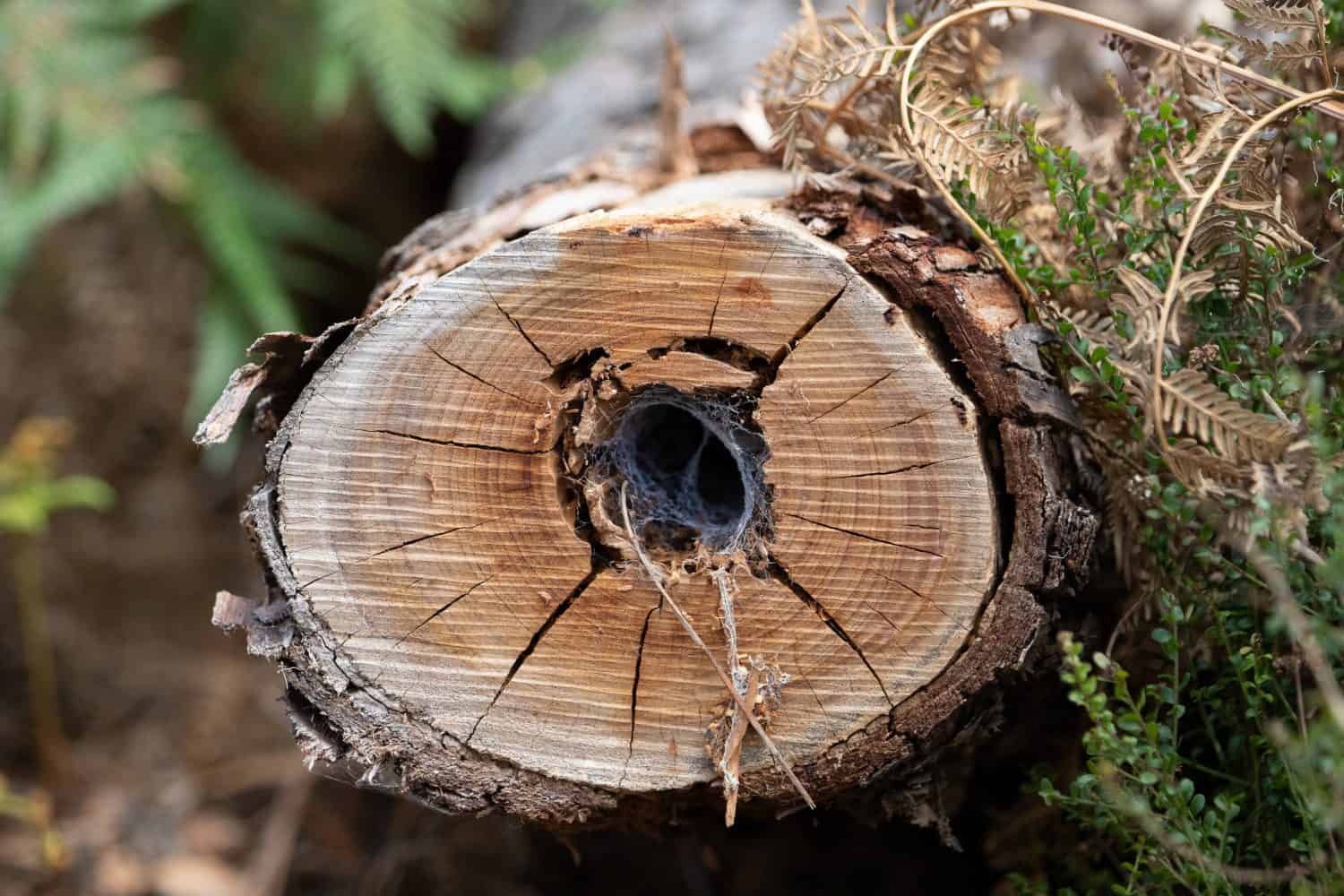
Bone collector caterpillars wear dead insect body parts to move through the spiderweb without being detected by the spider.
©Kim Hoffmann/Shutterstock.com
To compete for prey in the spiderweb, bone collector caterpillars must make spiders think they are not there. By using the discarded body parts of insects the spider has already eaten, the caterpillar looks like a pile of debris.
Better still, the caterpillar also smells like the deceased, allowing it to move freely in and around the spiderweb. Consequently, the caterpillar can consume all the insect prey it wants without the spider knowing.
Bone Collector Caterpillars Are Carnivorous Caterpillars
Only 20 types of obligate carnivorous caterpillars are known worldwide. They all hail from the Hawaiian Islands.
The bone collector caterpillar is part of just 0.1% of moth and butterfly species that feed exclusively on other insects to survive. These caterpillars do not eat any plant material whatsoever. By targeting spiderwebs, the caterpillars can work smarter, not harder, for their food. They do not have to chase their prey; the caterpillars simply have to wait for the insect to become entangled. Bone collector caterpillars are known to eat not only insects trapped in spiderwebs but also members of its own species.
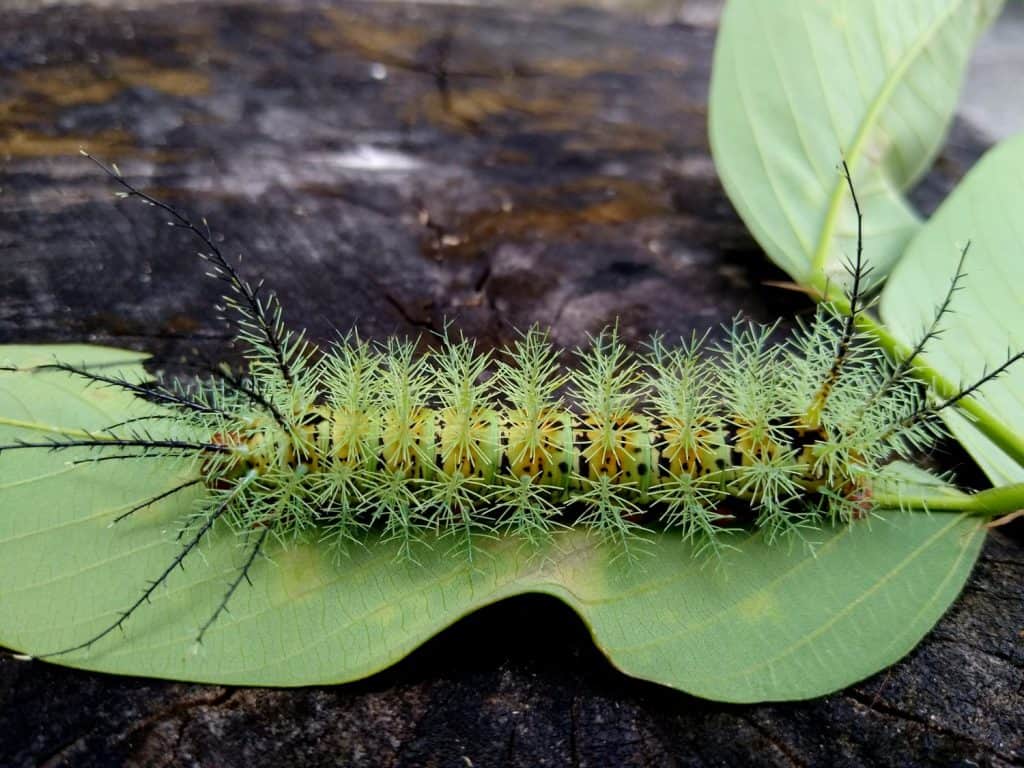
The majority of caterpillars are herbivores.
©Joa Souza/Shutterstock.com
Once a new insect becomes entangled in the web, the bone collector caterpillar tries to consume it before the spider even realizes it has new prey. Other times, the bone collector caterpillar simply eats what is left over after the spider’s meal.
If two bone collector caterpillars come into contact, nothing stops one from trying to eat the other. The caterpillars are not only carnivores but also cannibalistic. They will do whatever it takes to survive, be it consuming insects trapped in spiderwebs or their own kind.
What is the Relationship Between Spiders and Bone Collector Caterpillars?
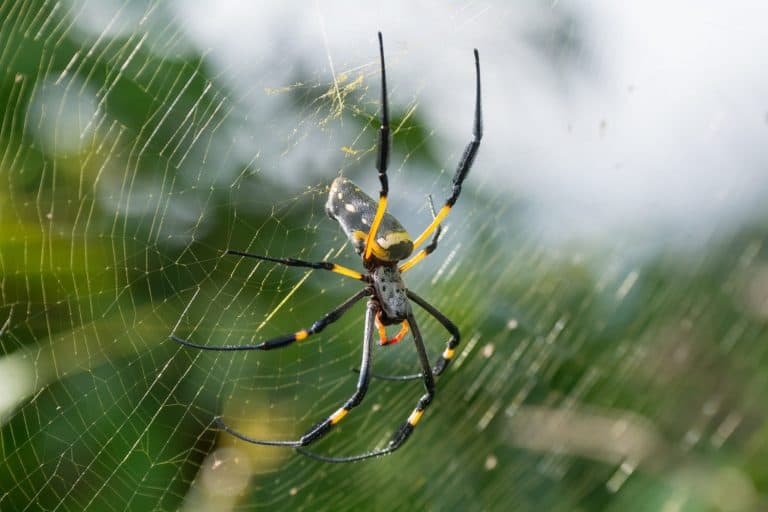
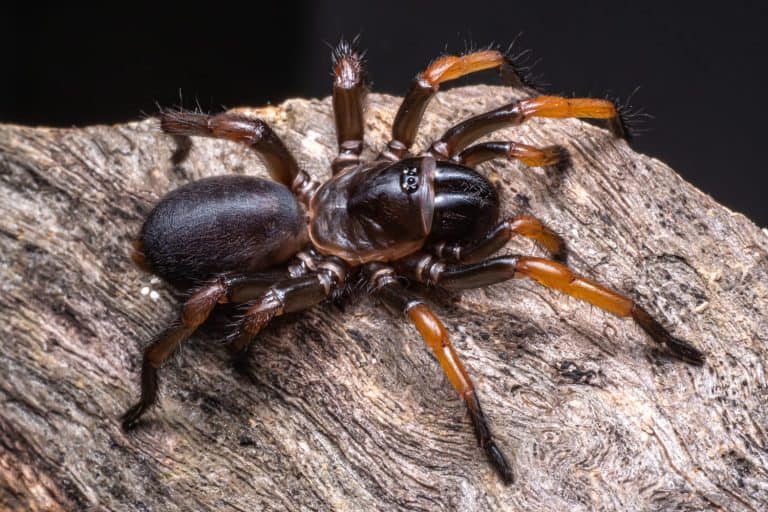
The bone collector caterpillar does not have a friendly relationship with the spiders it encounters. In fact, the biggest threats to the caterpillars are the very spiders in the webs they invade. For this reason, the caterpillar does its best not to be seen by the spider.
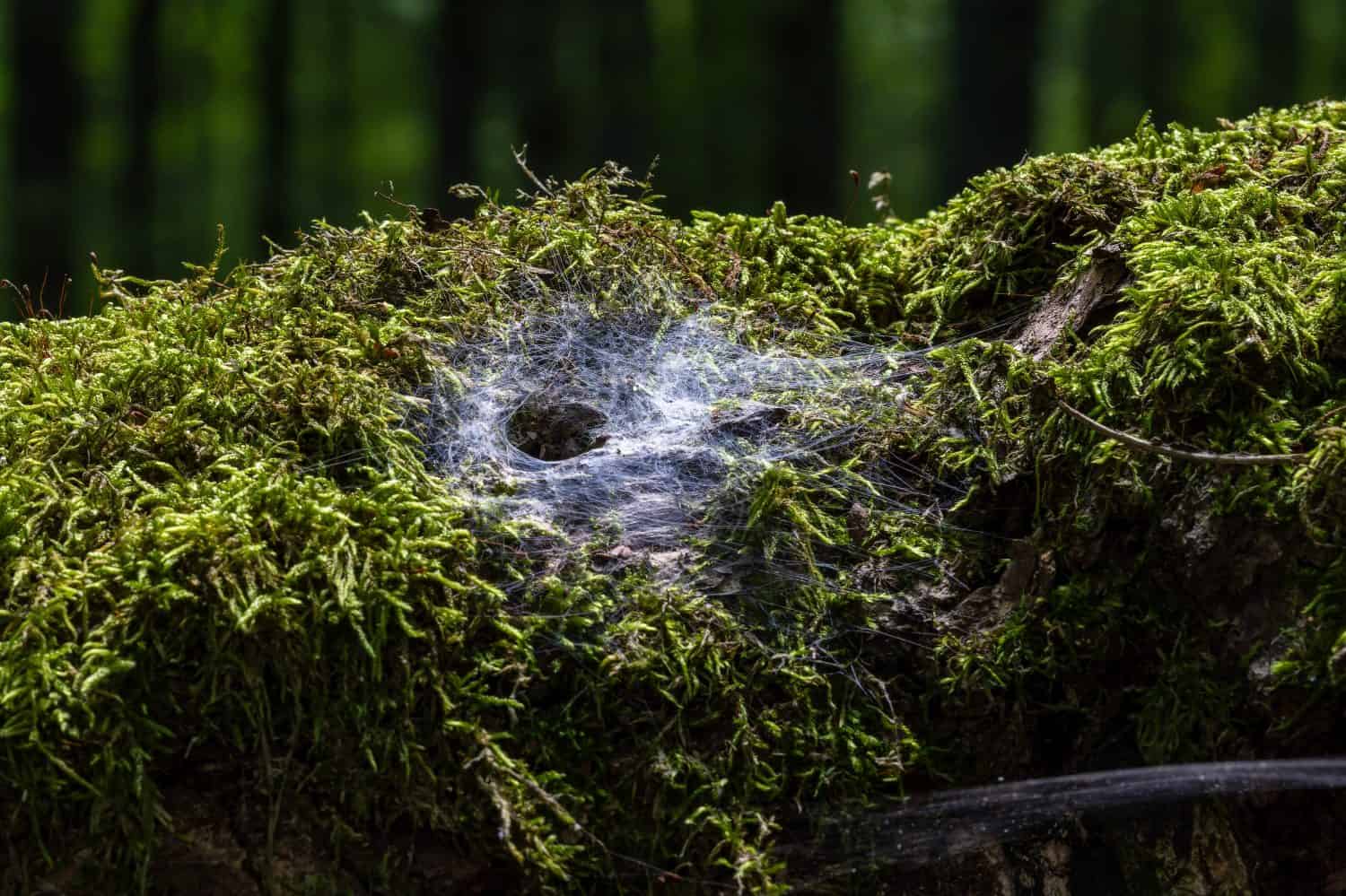
Spiders would target bone collector caterpillars if they realized they were in the web.
©Aleksander Bolbot/Shutterstock.com
The meticulous adornment of the wings, ant heads, and even parts of the exoskeleton of the spider that built the web keeps the bone collector caterpillar from being detected by the spider. The spider remains completely unaware of the caterpillar.
If the bone collector caterpillar entered the web without the body parts of other deceased creatures, the spider would pursue it immediately. This is why wearing self-made armor is necessary.
Bone Collector Caterpillars Are Endangered
Bone collector caterpillars live in a small, 5.8-square-mile region of forest on the island of O’ahu. While scientists believe these caterpillars have been a part of the Hawaiian landscape for over six million years, the islands they once lived on are long gone, submerged under the ocean.
Because the insect is restricted to a small range on one side of the island, and because only 62 individual caterpillars have been observed in over two decades of research, the scientific community has deemed the bone collector caterpillar endangered.
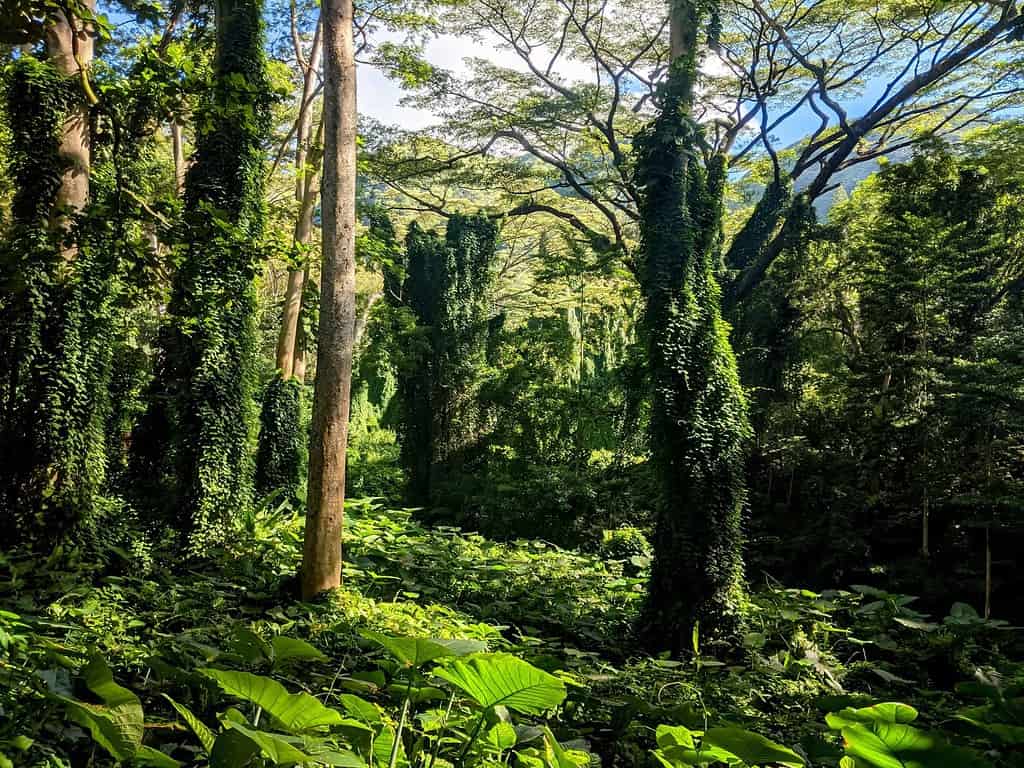
Because bone collector caterpillars are found only in a small region of O’ahu and have a small population, they have been categorized as endangered.
©Eliska Parizkova/Shutterstock.com
Some of the reasons the bone collector caterpillar has been classified as endangered include:
- Incredibly limited ecosystem range
- Specialized habitat for hunting
- Limited number observed in the wild
With so few of these caterpillars remaining, it is important to conserve them while they have a chance at survival. Conservationists must do the following to ensure these incredible caterpillars do not go extinct:
- Protect their limited habitat from tourism, logging, and development
- Manage any invasive species as soon as they show signs of trying to establish themselves in the region
- Look for signs of climate change stress on the caterpillars and their overall habitat
To the best of the scientific community’s knowledge, no other caterpillar on the planet is like the bone collector caterpillar. We must act now to protect this unique creature before it is too late.