Quick Take
- The friendly behavior that made Gearhart's elk famous is actually a one-way door, and wildlife experts say that once it happens, there is no going back. How habituation works →
- A legal program meant to protect property owners ended up splitting the entire community in two, and the number at the center of the controversy is staggering. See the controversy unfold →
- These elk look docile, but three out of four seasons they're capable of something most residents never saw coming. Discover the hidden dangers →
- A well-meaning habit shared by many Gearhart residents accidentally made the elk problem nearly impossible to solve. Why the problem persists →
In a small Pacific Northwest beach town, there are two kinds of residents – and despite their differences, they’ve learned to coexist peacefully. For more than a decade, the people of Gearhart, Oregon, have made way for a herd of elk that wandered in and decided to stay.
The elk spend their days wandering through yards, grazing on landscaping, and even swimming in the local surf spot. They aren’t afraid of people, and that’s created a conundrum for Gearhart residents.
Here’s how it all went down, and what’s happening next.
A Golf Community Turned Elk Habitat
More than a decade ago, a herd of 40 elk wandered into the picturesque community of Gearhart, a coastal Oregon town situated along State Highway 101. Since then, the resident elk herd has made itself comfortable, and is regularly seen browsing the local golf course, residential yards, and the nearby sand dunes.
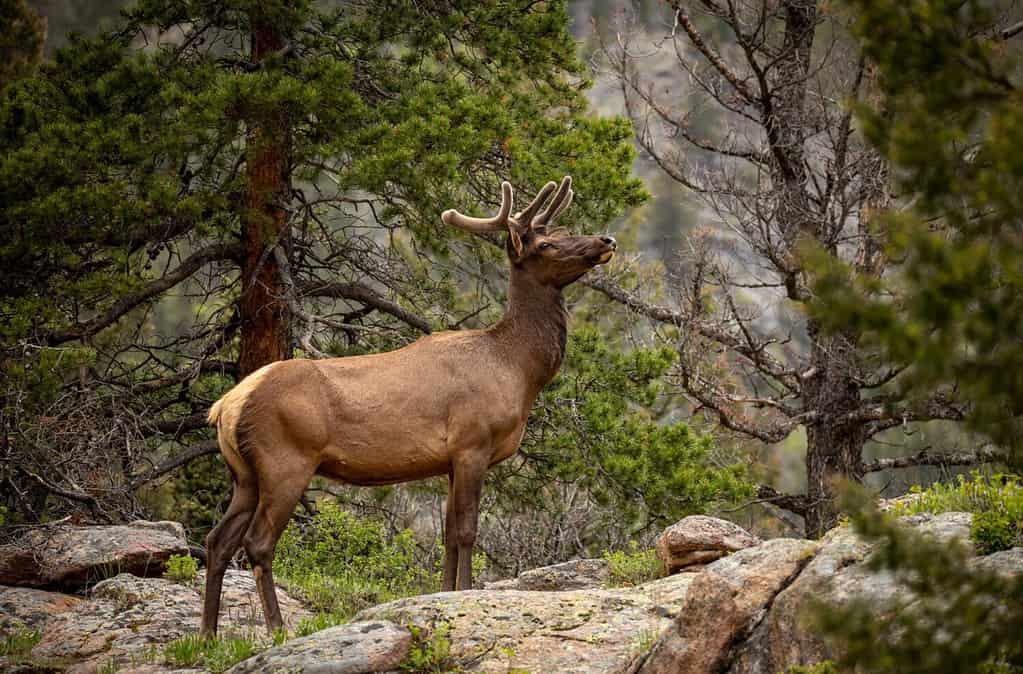
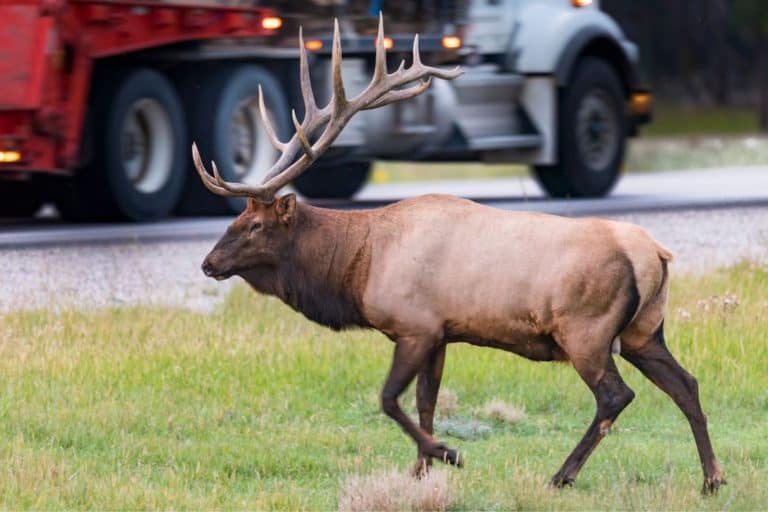
Roosevelt elk have moved into several coastal towns in Oregon.
©DanaForeman/Shutterstock.com
But that original herd didn’t stay small. Over the years, the population grew to about 100. It reached nearly 150 in the latest count.
All those elk meant a need for more grazing space. Eventually, the original Gearhart herd split up into smaller groups and moved into nearby communities. In 2023, the Oregon Department of Fish and Wildlife (ODFW) determined the elk had settled into communities east of Highway 101, including Warrenton, Fort Stevens, and other areas.
While residents of Gearhart might have thought their herd was thinning, it was actually because the herd was expanding. ODFW says the elk are quite healthy, calling them “robust and stable.”
Why Did the Elk Move In?
Like many species, the elk were the victims of habitat loss. As human development expanded along Oregon’s coast, the elk’s natural range shrank. They had no choice but to move closer to towns.
Which is where the second problem arose. Elk love grazing on green plants and grass, both of which are abundant in residential communities. Extensive landscaping around homes and the Gearhart golf course enticed the elk with their favorite meals.
Eventually, the elk began to see humans as a reliable source of food, aided by well-meaning people feeding the elk and taking selfies with them. Over the years, the elk stopped seeing human interaction as dangerous. According to ODFW, this process is called “habituation,” and once it happens it can’t usually be reversed.
The elk were there to stay.
It Created a Dangerous Situation
As much as people liked to believe the elk were behaving like household pets, that was not the case. While the elk no longer feared humans, they were not tame. Numerous incidents of natural elk behavior made the news.
Elk chased and charged people, even pinning a man to the ground. The elk have trampled family pet dogs to death and routinely hit parked and moving cars.
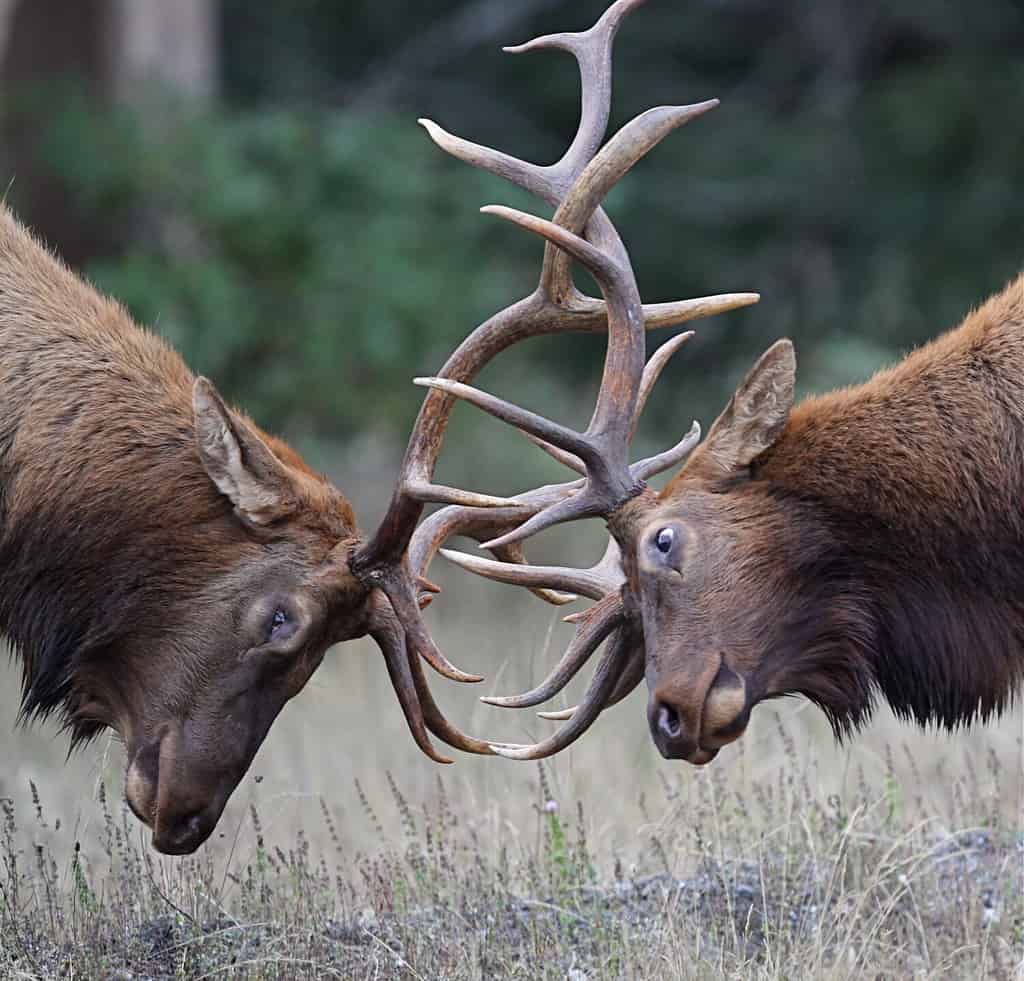
Bull Roosevelt elk become extremely aggressive during fall mating season.
©Tom Reichner/Shutterstock.com
But the elk were just doing what came naturally. Bull Roosevelt elk, like the kind that moved into Gearhart, can weigh up to 1,100 pounds. They also get aggressive during the fall mating season. Female elk fiercely protect their young calves during the spring and summer. This means that three out of four seasons of the year, people and pets are in potential danger from aggressive elk.
There’s also the property damage threat. The elk routinely destroy fences, pastures, and yards. Unfortunately for homeowners, Oregon does not reimburse them for damage caused by wild animals.
The elks’ presence also sometimes ties up emergency first response resources. More than once, the local fire department has been dispatched to free elk that get stuck in beach rocks.
Solving the Problem Divided the Town
One group of property owners had enough and lobbied the state for relief. The solution became the Oregon Landowner Preference Program that allows landowners to bring in licensed hunters to kill elk that are damaging their property. The program is administered by ODFW. There’s no legal limit on the number of elk that can be killed, as long as the damage continues.
Under the program, between 2020 and 2023, 77 elk were killed on a single piece of land near Gearhart. The property owners claimed the elk were damaging their fencing and horse pastures. While the landowners were pleased, the sheer number of dead elk caused significant backlash from other community members.
Angry residents packed a city council meeting and accused ODFW of using the program as cover for a secret culling mission. ODFW denied those claims and clarified that the 77 elk came from three separate herds of more than 250 elk spread across many square miles – not a single herd.
A More Humane Approach
The outrage sparked concerned residents to form a new group, the Clatsop Plains Elk Collaborative in 2019. Backed by the state’s then-Governor Kate Brown, the group’s mission was to find ways for humans and the elk to coexist peacefully.
New rules were put in place to help make this happen. Strategies included banning the feeding of elk in Gearhart and Warrenton, putting up warning signs advising people to keep their distance, and initiating new studies on topics like protected elk corridors and different culling strategies.
Unfortunately, the state has not moved forward with finalizing rules to create safe-passage land for the elk to roam. Enforcing the feeding ban, however, has proven difficult.
No long-term solution has yet been found.