
Quick Take
- The eastern tiger swallowtail's urban schedule has gone so far off-course that its survival window is genuinely at risk, though not for the reason you'd assume. See the swallowtail's delay →
- Citizen science played a surprisingly decisive role in cracking this research, a finding that changes what we thought we knew about tracking wildlife in cities. See how iNaturalist helped →
- Plants and pollinators have always been in sync. But what happens to an entire ecosystem when only one side shifts its calendar? Explore the calendar shift →
Pollinators are rearranging their schedules, and human activity is responsible for it. A study by University of Florida researchers at the Institute of Food and Agricultural Sciences supports the idea that some species adjust their activity levels in response to human-modified landscapes. Published in Royal Society Open Science, the study claims that urban areas often see later start and end dates.
And while the duration of pollinator activity remains the same, this change points to a significant correlation between pollinators and human activity. Evidence shows that our impact on the environment affects pollinators in ongoing, cyclical ways, revealing more about our actions than we may realize.
Continue reading
Cities Delay Pollinator Activity By Nearly a Month
UF/IFAS researchers analyzed a total of 52 species, spanning from Alabama to central New York. This range included heavily populated cities as well as more rural locations. Data were collected over an entire season to capture pollinator activity. Of the 52 species, researchers found that 19 of them changed their activity levels.
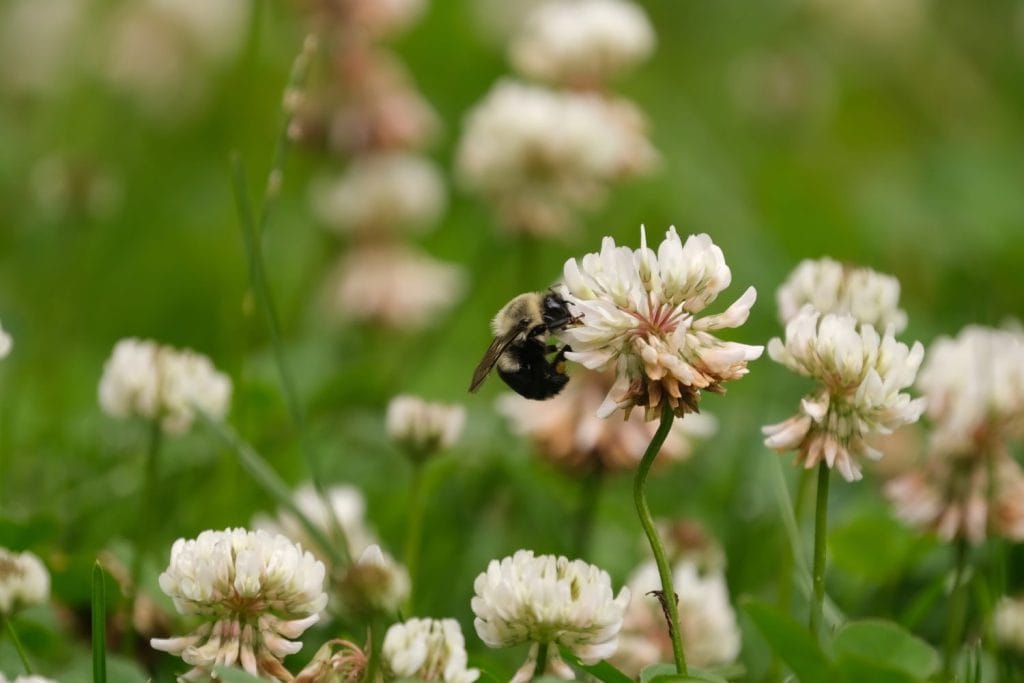
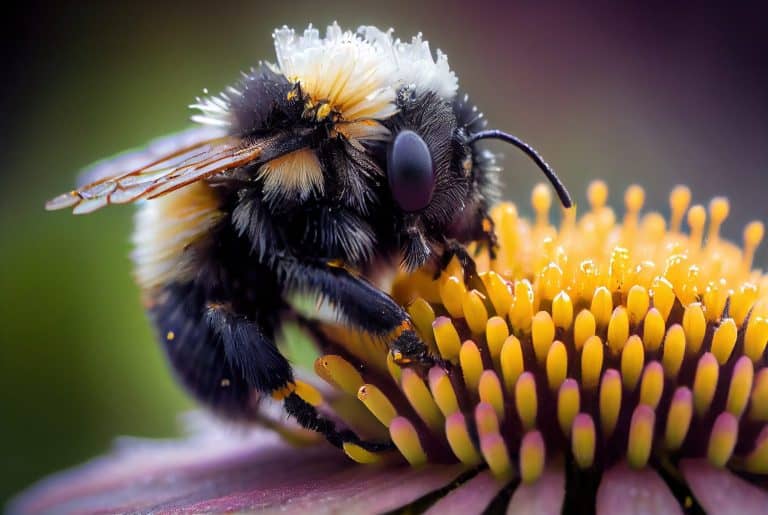
Bees have adapted to city life but may still struggle in highly developed areas.
©CPWhite/Shutterstock.com
Several factors contributed to this change in routine. Researchers noted development, agriculture, and roads as primary influences. Additionally, data were collected routinely on temperature, weather patterns, and general geography. The greatest variability was observed in urban environments, which frequently experienced fluctuations across these factors.
“Cities, and those who live in cities, change vegetation, resources, and many other features of the landscape at the same time,” said Corey Callaghan, an assistant professor of global ecology at UF/IFAS Fort Lauderdale Research and Education Center, about the study results. “If we are shifting the pollinator calendar, the big question is whether the plants and other species they interact with are shifting their calendars too. Ecological relationships depend on species being in the same place at the same time.”
Researchers Also Used Citizen Observations
As an additional layer of observation, researchers incorporated citizens’ findings into their study. More than 80,000 observations were submitted through iNaturalist, which helped pinpoint the activity of many urban pollinators. On average, many species began their activity roughly 22 days later than usual and ended 21 days later. There were few changes to the overall length of the pollinating season, but its timeline shifted dramatically in cities.
On an individual basis, some pollinators did have longer or shorter seasons. Researchers suggest this is largely due to plant availability, the growing season, and human activity. Human activity, while indirectly connected to pollinator schedules, influences the plant life that sustains them.
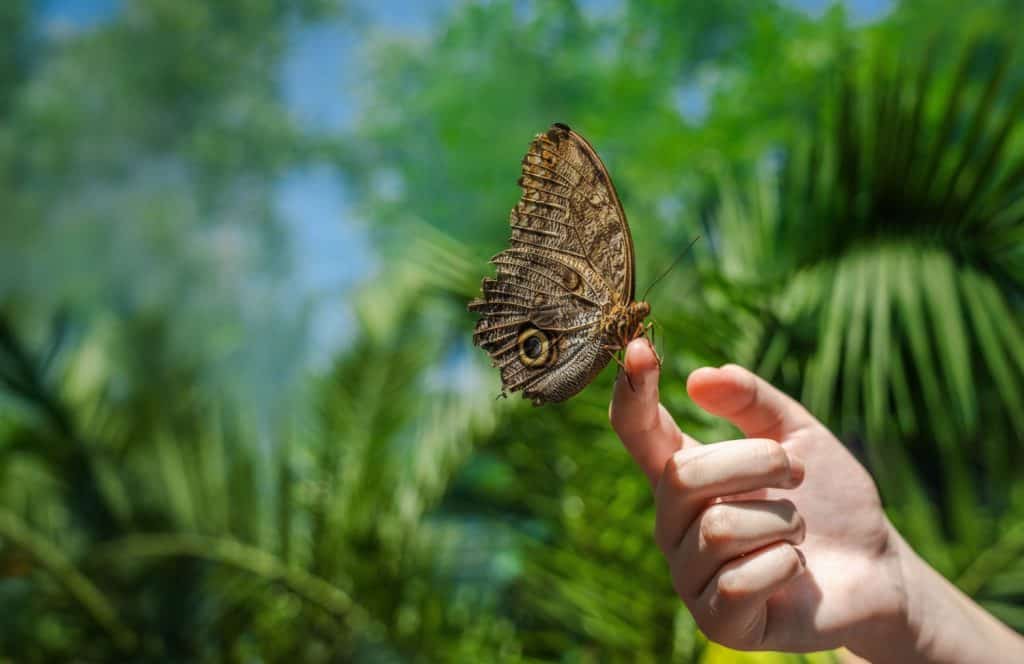
Green spaces are crucial in cities where pollinators need quick, easily accessible nectar sources.
©StockMediaSeller/Shutterstock.com
In urban environments, pollinators are often at the mercy of parks, gardens, and other protected or private land. The growing season of all these determines when pollinators, such as bees and butterflies, are active. While they follow a natural cycle, their timing must be nearly perfect.
The bloom season is short for many plants, and missing this window could devastate an entire population of pollinators. Those living in or near cities have likely adapted to this, following the growing season as it changes from year to year. Observations through iNaturalist help researchers document these changes, which makes citizen science a crucial aspect of this and future studies.
Some Species Followed Their Own Schedules
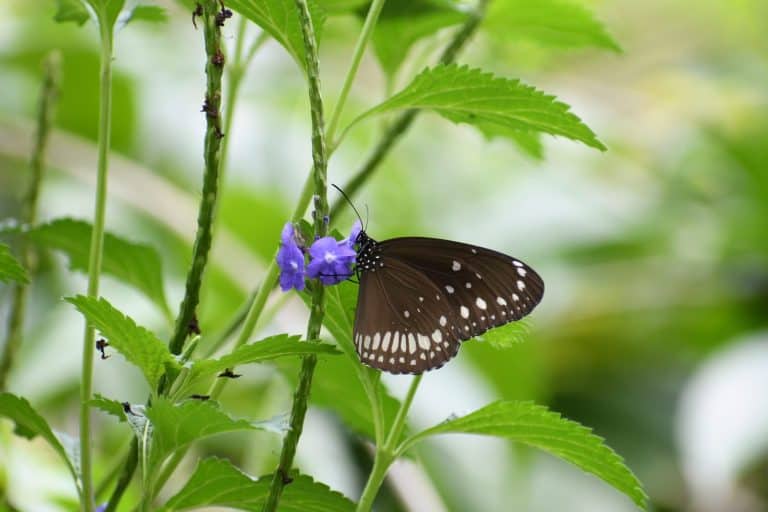
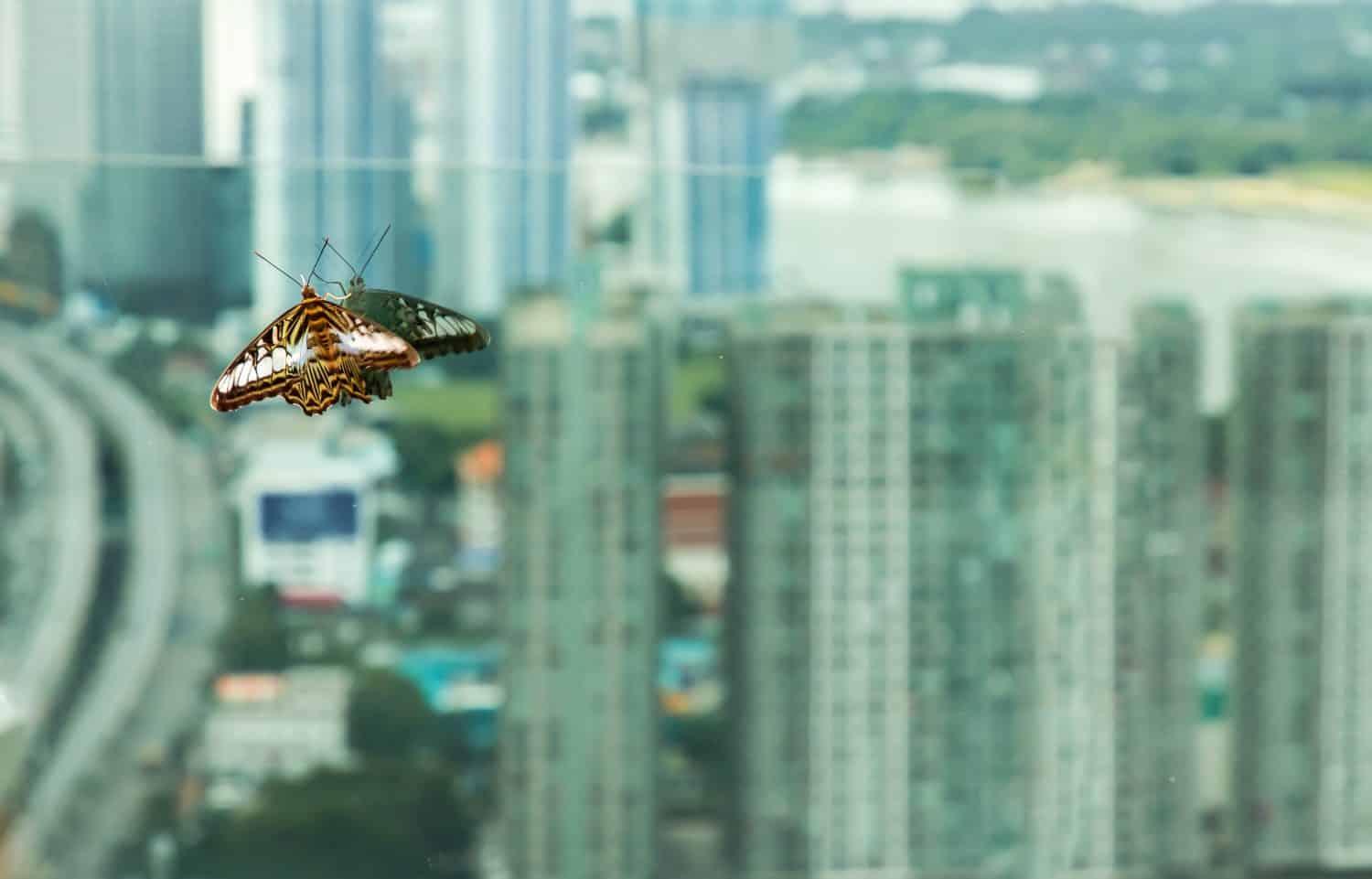
Some pollinators, such as the eastern tiger swallowtail (Papilio glaucus), showed activity that deviated from the average delay. Researchers learned that this species began pollinating approximately 33 days after its expected start date. This delayed activity continued for roughly 23 days in urban environments. In contrast, the same species in rural or natural areas had an earlier, or on-time, pollination schedule.
Typically, the eastern tiger swallowtail is active from May through September. But city residents may observe them later in the year. This distinction is crucial when comparing rural species with those living in urban habitats. Given that they only live 1 to 2 weeks, eastern tiger swallowtails must choose their timing wisely.
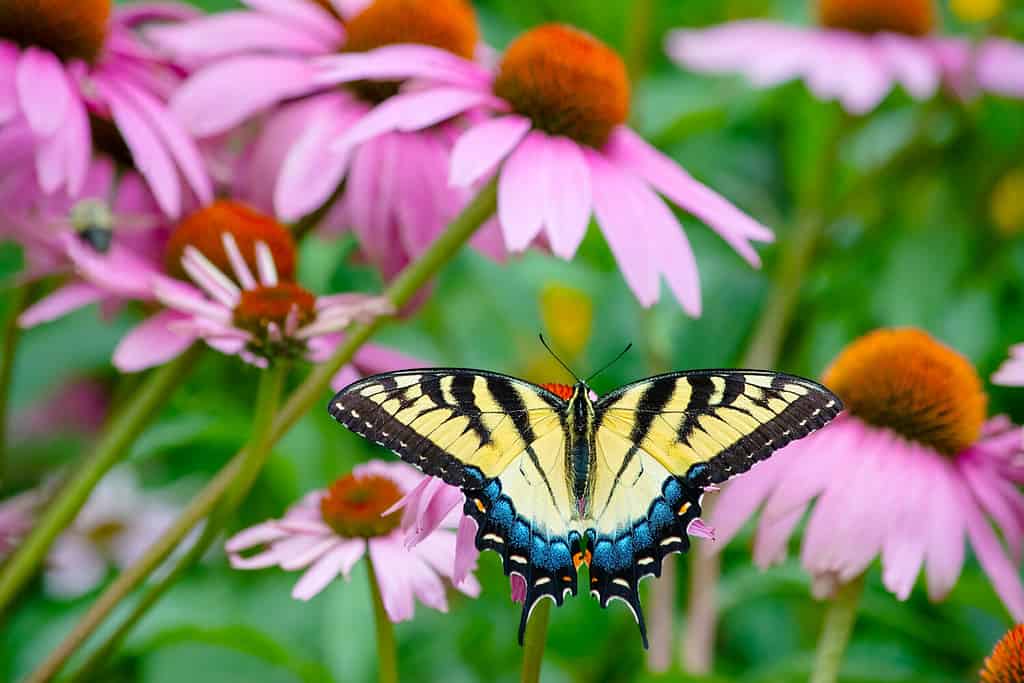
The eastern tiger swallowtail adjusts its schedule by nearly a month in urban areas.
©K Quinn Ferris/Shutterstock.com
Climate also affects this species. Eastern tiger swallowtails prefer warm, sunny days for pollinating, and researchers also took this into account. They require flowers in full bloom, including species such as thistles, milkweed, and zinnias.
These flowers are harder to come by in cities, which also have a significant impact on the behavior of plant-specific butterflies. If nothing else, this study demonstrates that human activity plays a greater role in the lives of pollinators now than ever before. Our impact on the environment may be changing the way insects adapt and evolve, for better or worse.