
Quick Take
- Assassin bugs can raid a termite colony for over an hour without a single termite sounding the alarm, and the trick they use to pull this off is more disturbing than you'd expect. See the disguise technique →
- Assassin bugs don't need to enter a termite nest to empty it. Instead, they use a fishing technique that turns the termites' own instincts against them. See the fishing method →
- Termites aren't as defenseless as they seem, which is exactly why assassin bugs refuse to fight them on their home turf. Discover the termite threat →
- The same corpses an assassin bug wears as armor also serve as its most effective weapon, and there is a reason that dual purpose works so well. Explore the dual-purpose armor →
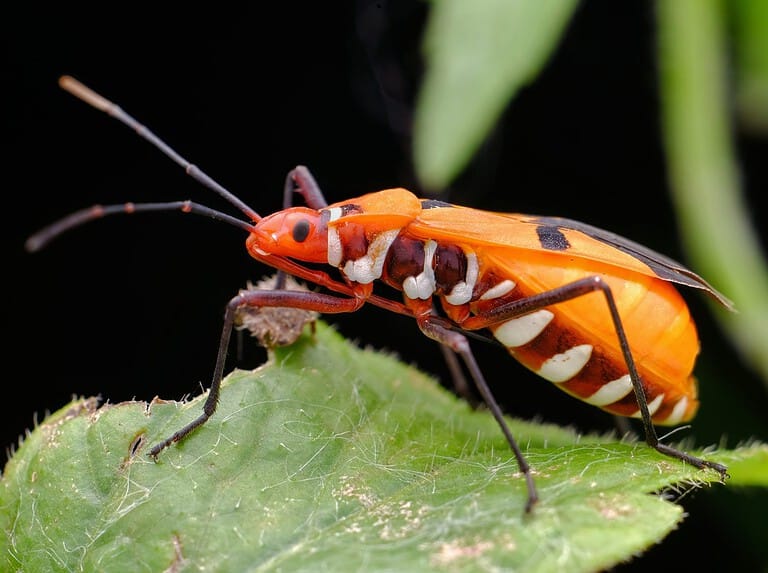
There are over 7,000 species of assassin bugs. While all ambush their prey, not all use the same technique, nor do they target the same creatures.
Some assassin bugs hunt spiders, while others target bees. Those that fancy termites essentially use dead termites to camouflage themselves. The unsuspecting prey do not realize they are even in danger until it is too late.
Assassin Bugs Wear Dead Termites to Trick Prey
Assassin bugs are ambush predators. But that does not mean the bugs simply wait for termites to come their way to feed on them. Instead, they adhere dead termite bodies to themselves. With this disguise, they are able to strike without living termite prey ever sensing they are in danger.
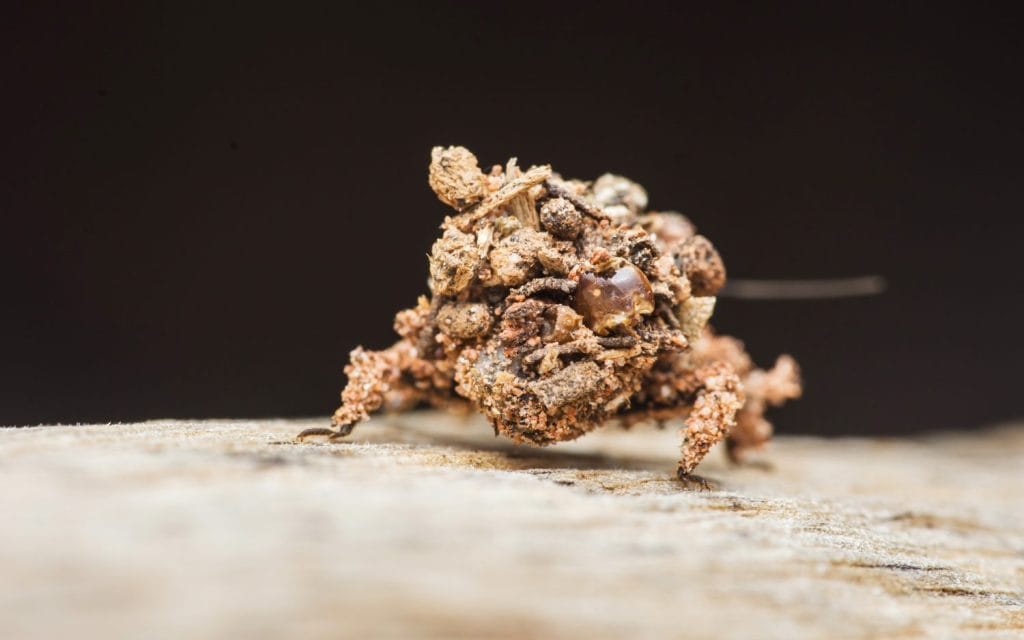
Masked assassin bugs will wear dead termites on their backs like cloaks to mask their appearance and scent.
©Pawich Sattalerd/Shutterstock.com
Not all assassin bugs wear dead termites like a cloak, but the masked assassin bug and the termite assassin bug are notorious for this deceptive strategy. To attach the dead termites to their backs, the assassin bugs use a combination of hook-shaped hairs and body secretions. Depending on the size difference between the assassin bug and the termites, there may be several termites stuck to the assassin bug’s back.
By attaching dead termites to themselves, the assassin bugs can use the pheromones of the dead termites to get close to live termites, right before killing and eating them. This masking works so well that an assassin bug can kill members of a colony for an hour or more, with the termites being none the wiser.
Assassin Bugs Lure Termites Out of Nests Before Killing Them
Assassin bugs are not only masters of disguise but also experts at fishing. Because of their luring technique, assassin bugs do not even need to enter a termite nest to feed on its inhabitants.
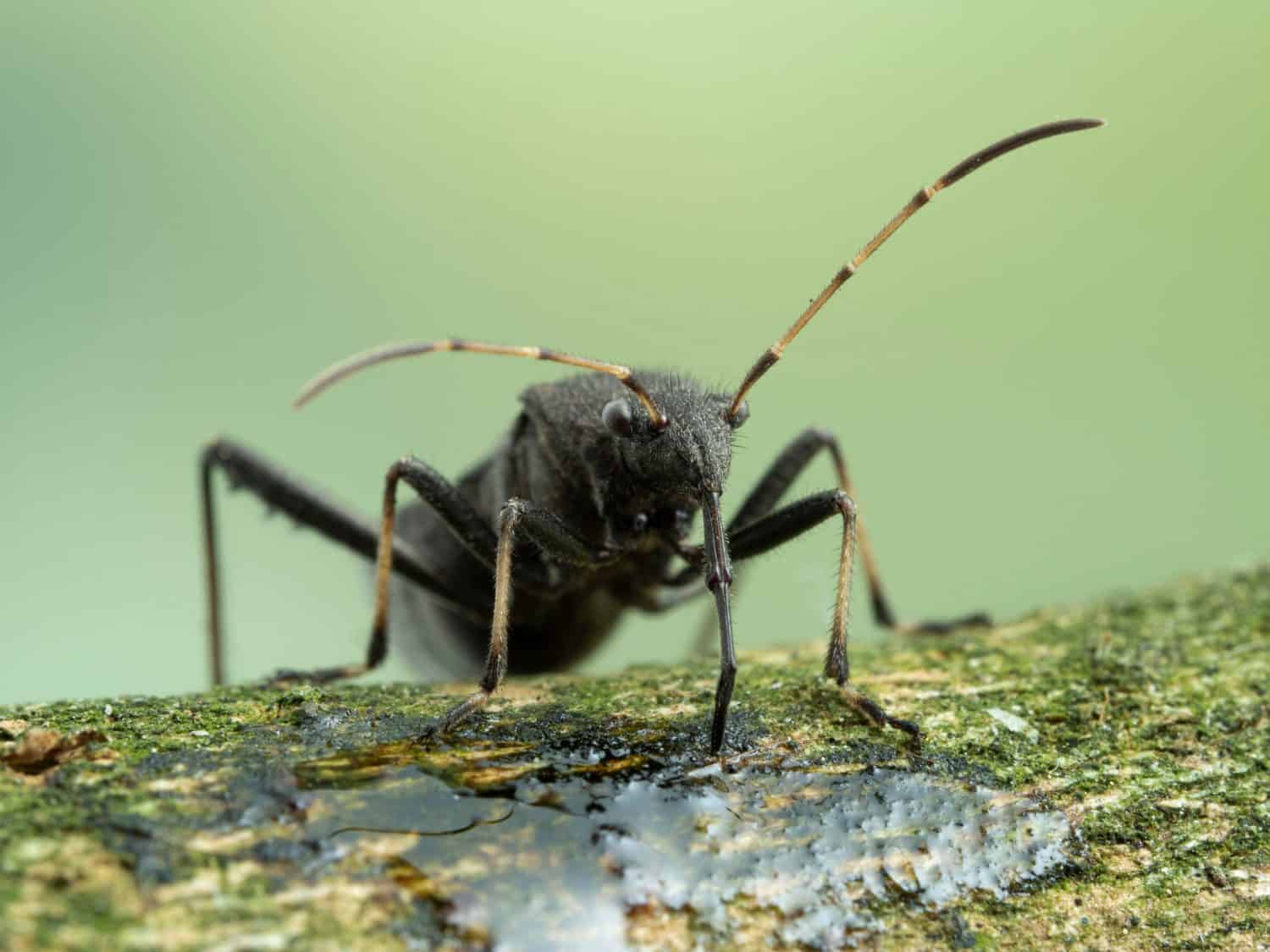
When assassin bugs locate a termite nest, they position themselves near the entrance and place their rostrum (curved mouthpiece) into the tunnel. Termites can sense the intrusion because of the chemical traces the assassin bug introduces into the nest.
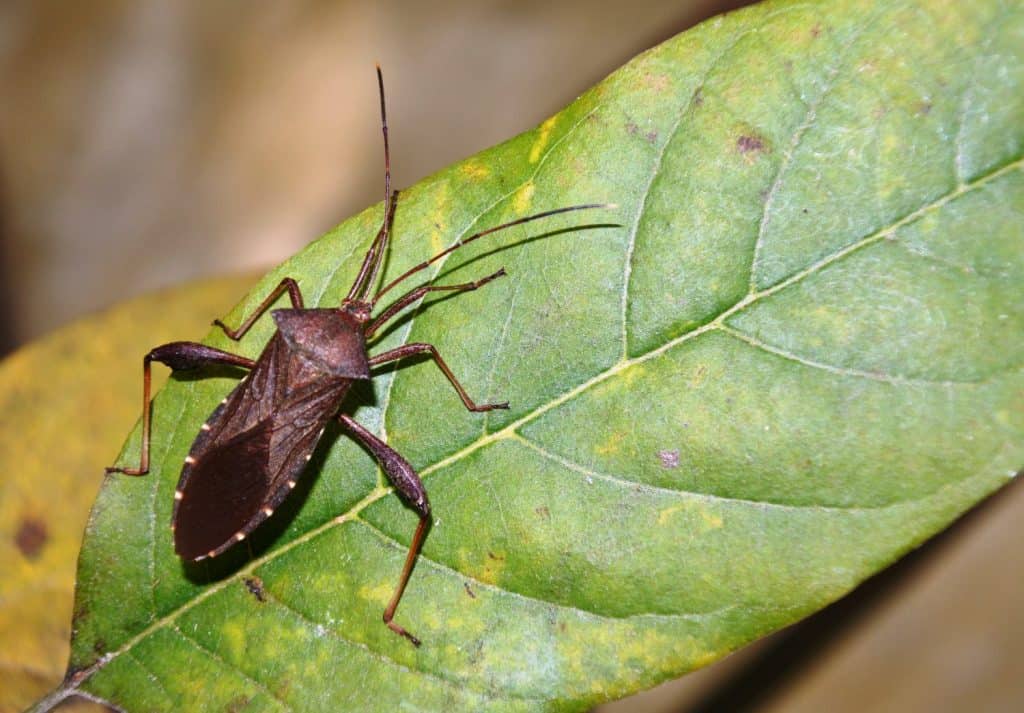
Termite assassin bugs will place their rostrum in the termite tunnel to fish for termites.
©tupaiterbang/Shutterstock.com
As the termites come to investigate the rostrum, or even defend against it, they are in the perfect position for the assassin bugs to attack. The assassin bugs impale the termites and inject toxins into them that both immobilize them and begin to liquefy them internally. This process repeats as termites continue to investigate and try to clear the opening of the nest tunnel. It ends only when the assassin bug has had its fill.
Why Can’t Assassin Bugs Go into Termite Nests Without Tricking Them?
Termites may be vulnerable to assassin bugs, but they are not completely defenseless in their nests. This is why assassin bugs prefer to lure termites away from the rest of their colony as opposed to sneaking into the nest and attacking.
Each termite plays a different role in the colony. When the colony senses danger, soldier termites are the first line of defense. These termites have strong mandibles that can harm or even kill assassin bugs.
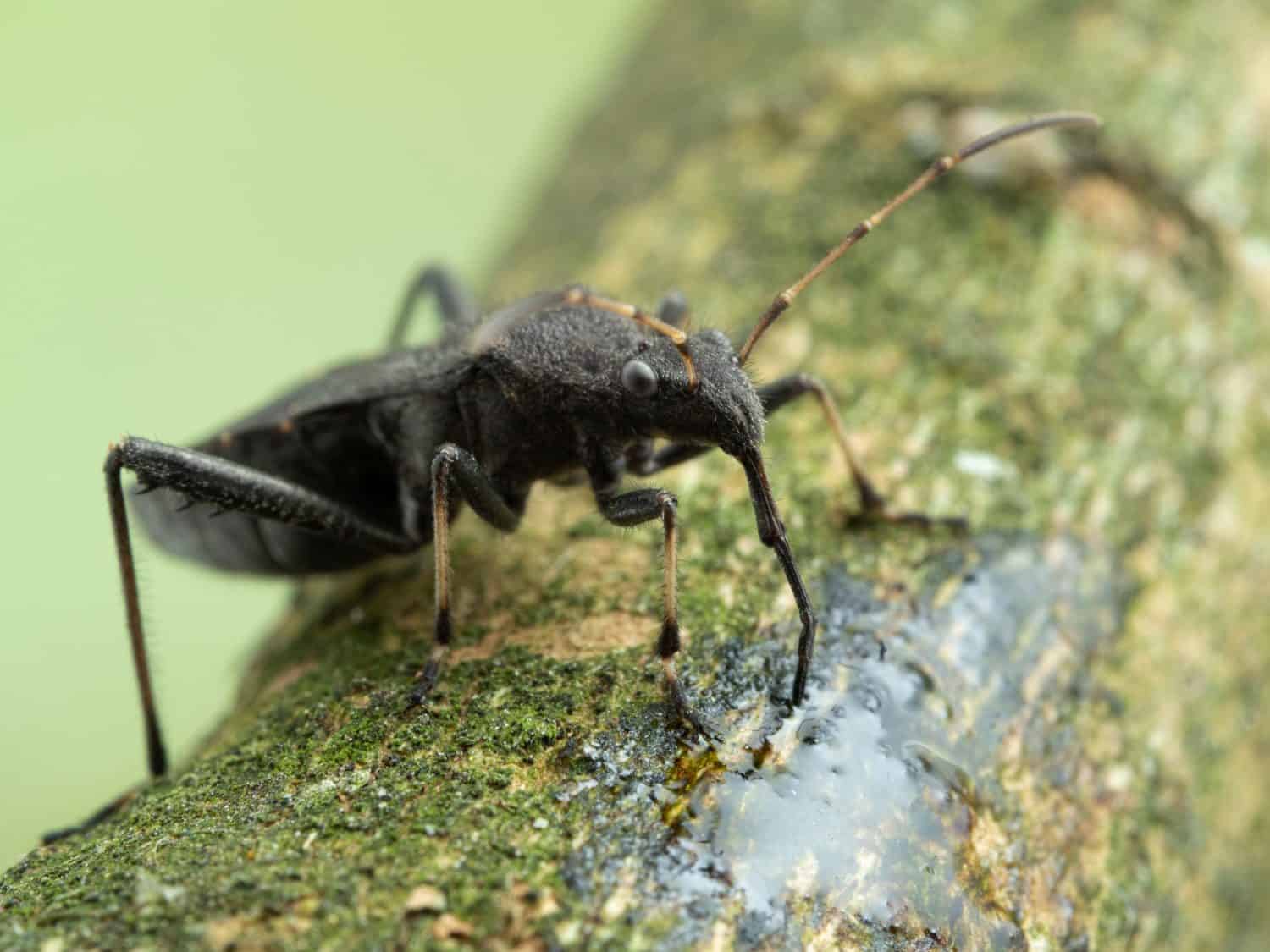
While assassin bugs could and do infiltrate termite nests, wearing termite corpses and fishing for termites means less chance of harm coming to the assassin bug.
©Ernie Cooper/Shutterstock.com
While worker termites are not equipped to kill assassin bugs on their own, in large numbers they can overwhelm the predatory bugs by swarming them. The worker termites will bite and chew on the assassin bug, according to the Australian Museum, which may become enough of an annoyance that the assassin bug will leave the nest before too much carnage ensues.
Assassin bugs can easily navigate the tunnels within termite nests and could kill termites one by one for an easy meal. However, this also carries the risk of encountering soldier termites or a swarm. Instead of risking harm, waiting outside the nest for termites or pretending to be a termite are much easier and safer options for assassin bugs looking for a meal.