
Quick Take
- One animal on this list generates temperatures nearly as hot as the Sun's surface, and it is small enough to fit in the palm of your hand. See the extreme temperatures →
- One unlikely creature on this list is actually responsible for making some of the white sand on tropical beaches. Discover the sand maker →
- One animal's habit looks purely destructive but actually keeps entire ecosystems alive for countless other species. See how drilling helps ecosystems →
- Some of nature's most powerful demolition work happens completely out of sight, reshaping the ground beneath your feet right now. Explore underground tunneling →
Some animals don’t just survive in nature; they can completely alter it. These animals act like tiny demolition crews by knocking down trees, pushing through solid wood, punching holes into rock, or tearing apart termite mounds. Their work can dramatically change the look of a landscape. At the same time, they create new homes and food sources for countless species. Here are eight of nature’s greatest demolition experts.
1. Beaver

©Michal14/Shutterstock.com
No animal is known for affecting its surroundings quite like the beaver. Using its powerful teeth, it can chop down surprisingly large trees, before dragging the wood away to build dams and lodges. Amazingly, the trajectory of a stream can be redirected by a determined beaver colony. Their construction projects are quite significant and they’re often called ecosystem engineers.
2. African Elephant
©Joao L. Vieira/Shutterstock.com
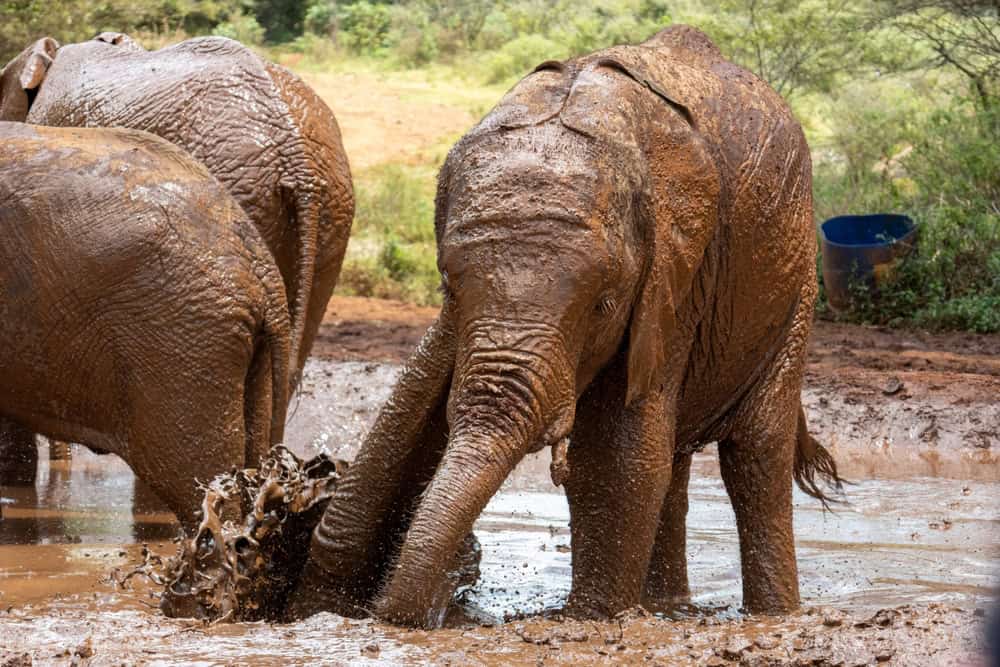
African elephants push over trees while feeding or clearing paths through vegetation. Although this may seem destructive for no reason, it helps keep grasslands open, something that benefits countless other animals. Their strength can reshape whole sections of forest over time, altering landscapes on a large scale.
3. Woodpecker
©Hugh Lansdown/Shutterstock.com
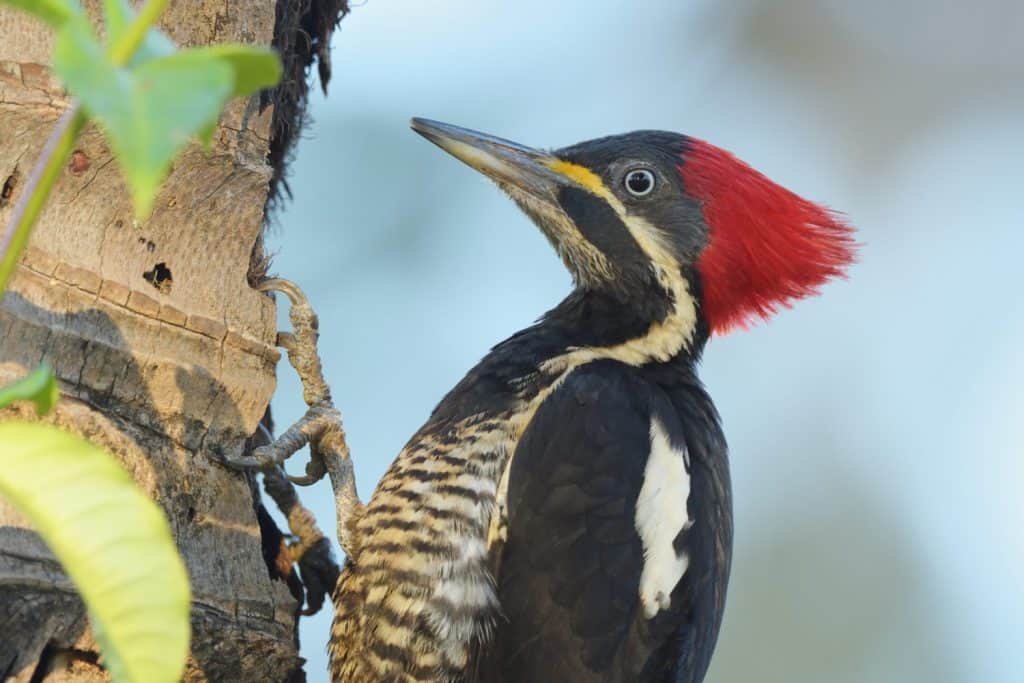
Woodpeckers spend hours drilling into tree trunks to find insects or nesting sites. Their powerful bills can chip away large sections of wood without causing them any sort of injury. They also help many other species by creating valuable real estate. Their holes later become homes for owls, bluebirds, bats, squirrels, and other animals.
4. Termites
©BEJITA/Shutterstock.com
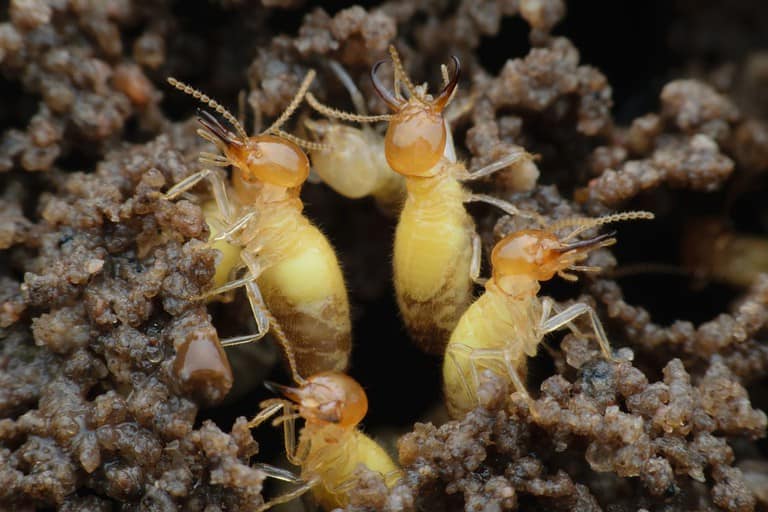
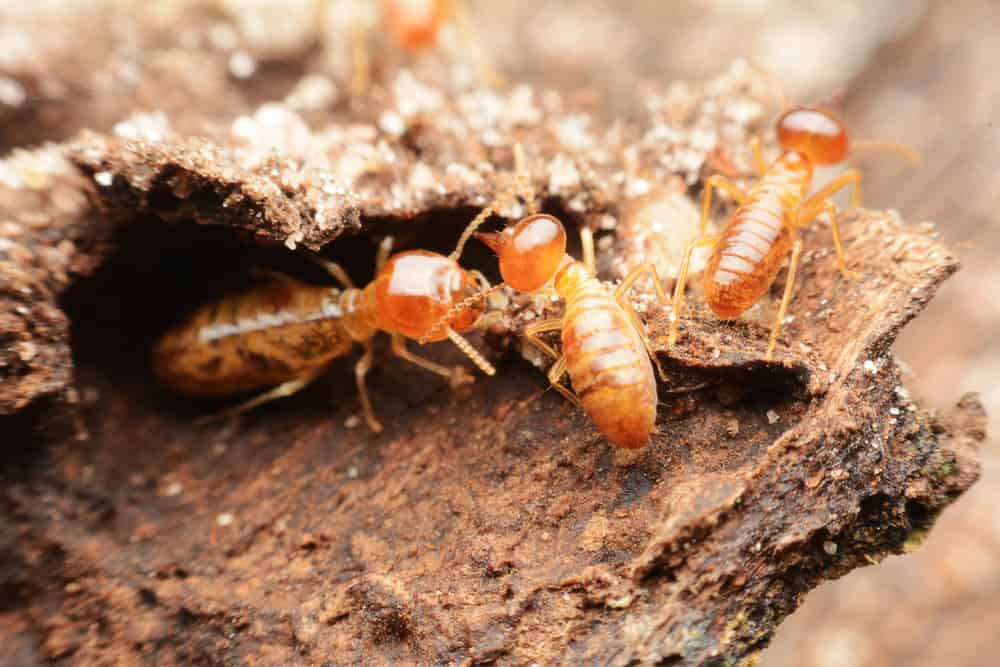
Tiny termites accomplish massive feats through sheer numbers. Working together, colonies can reduce fallen trees, wooden structures, and dead branches to little more than dust. Their constant chewing helps recycle nutrients back into the soil. Despite their reputation as pests, they play a main role in many ecosystems.
5. Pistol Shrimp
©Vojce/Shutterstock.com
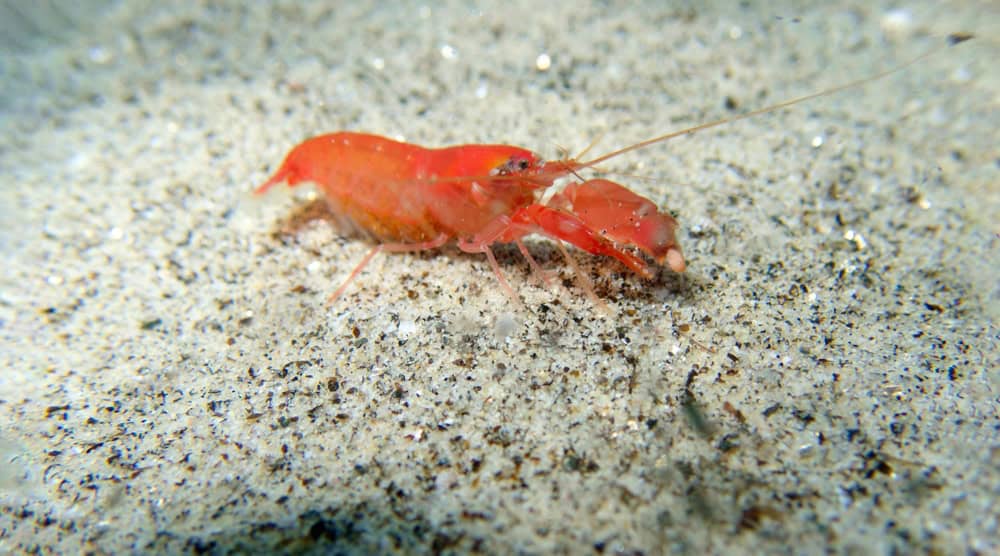
The pistol shrimp doesn’t rely on claws for cutting. Instead, it uses forceful explosions. By snapping its one oversized claw shut, it creates a shockwave capable of stunning or killing nearby prey. The snap is known for being so incredibly forceful that it generates temperatures almost as hot as the surface of the Sun, inside a brief and tiny collapsing bubble. It’s one of the loudest and most powerful weapons in nature, especially relative to body size.
6. Badger
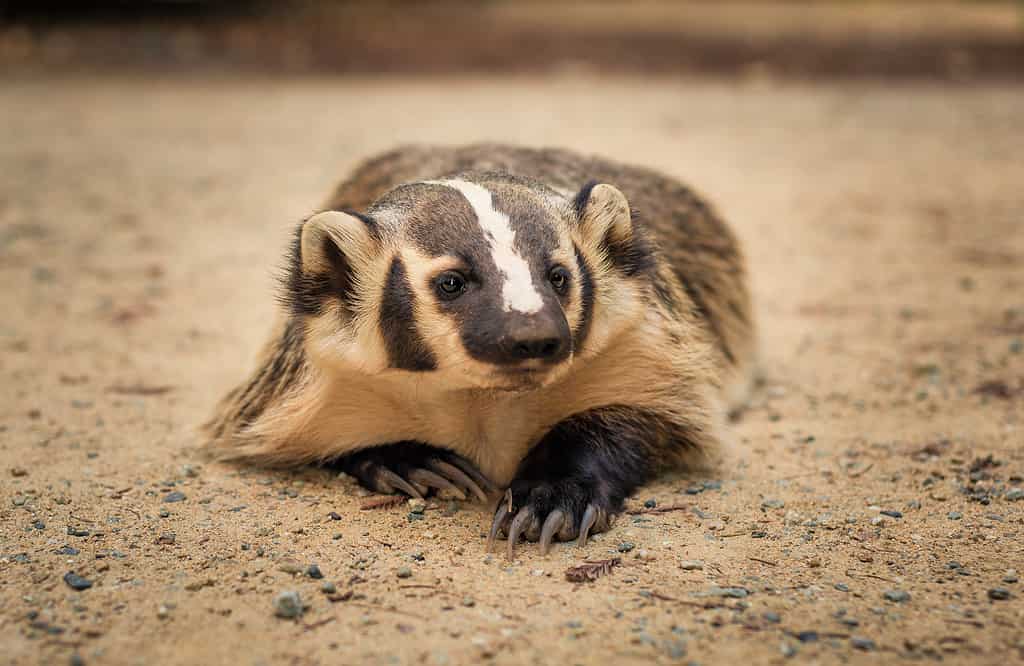
©Photography by Adri/ via Getty Images
Badgers are diggers that can excavate extensive tunnels. Their strong front claws can break through compact soil. As they dig, they search for rodents and other prey. Some burrow systems are used by multiple generations and eventually provide homes for many different species. They can transform the ground beneath your feet without anyone ever knowing.
7. Parrotfish
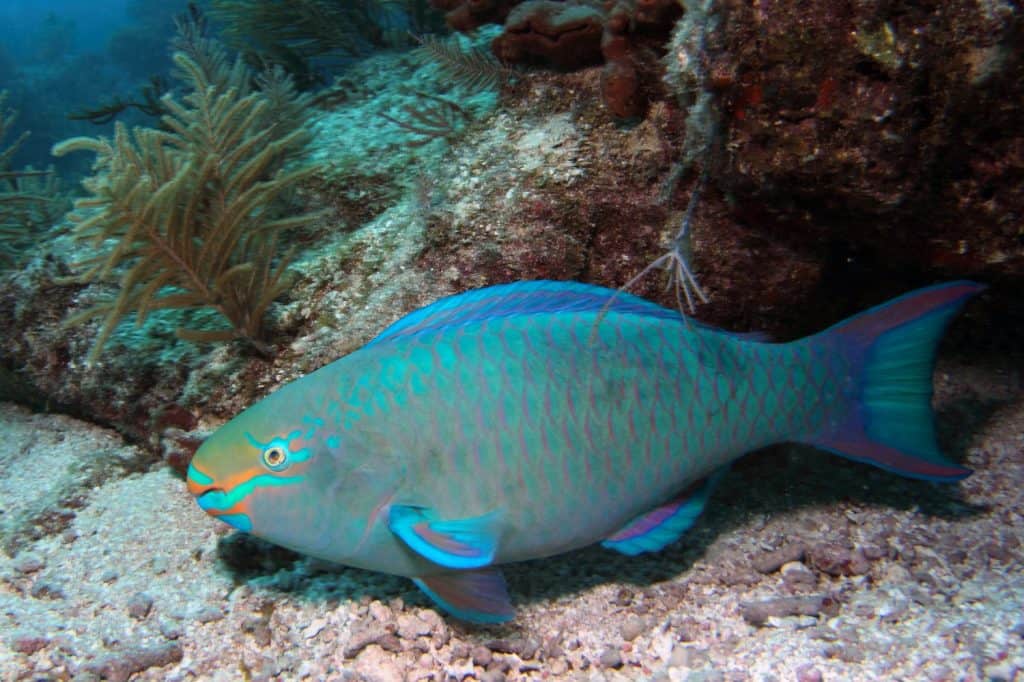
©Joe Quinn/Shutterstock.com
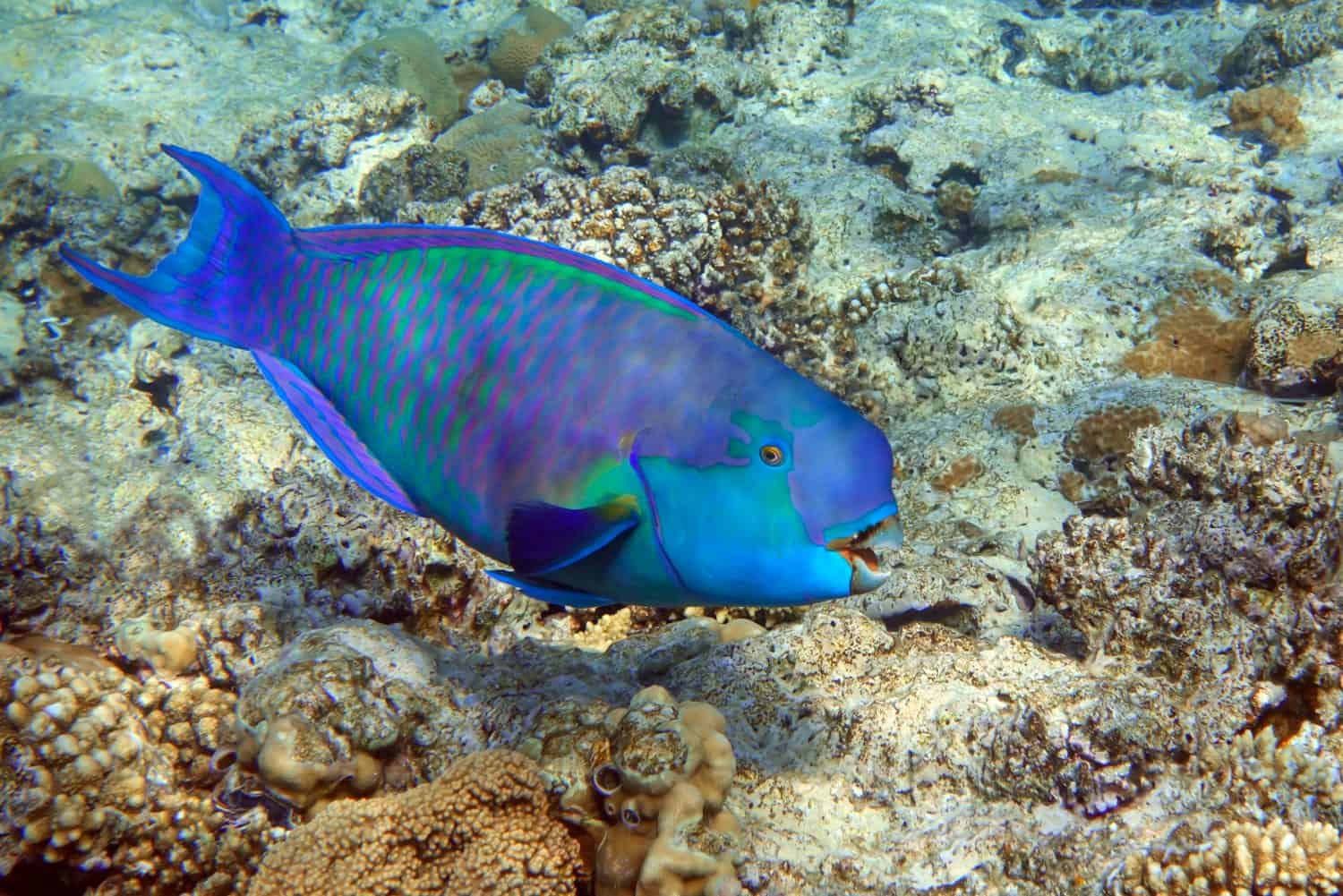
Parrotfish spend the day scraping algae from coral using unique teeth. These structures are strong enough to grind away tiny pieces of limestone. Over time, this constant scraping breaks down coral into white sand. In fact, many tropical beaches are covered with sand in part due to generations of continuously feeding parrotfish. The tiny demolition experts have a big impact on coastal ecosystems.
8. Mole
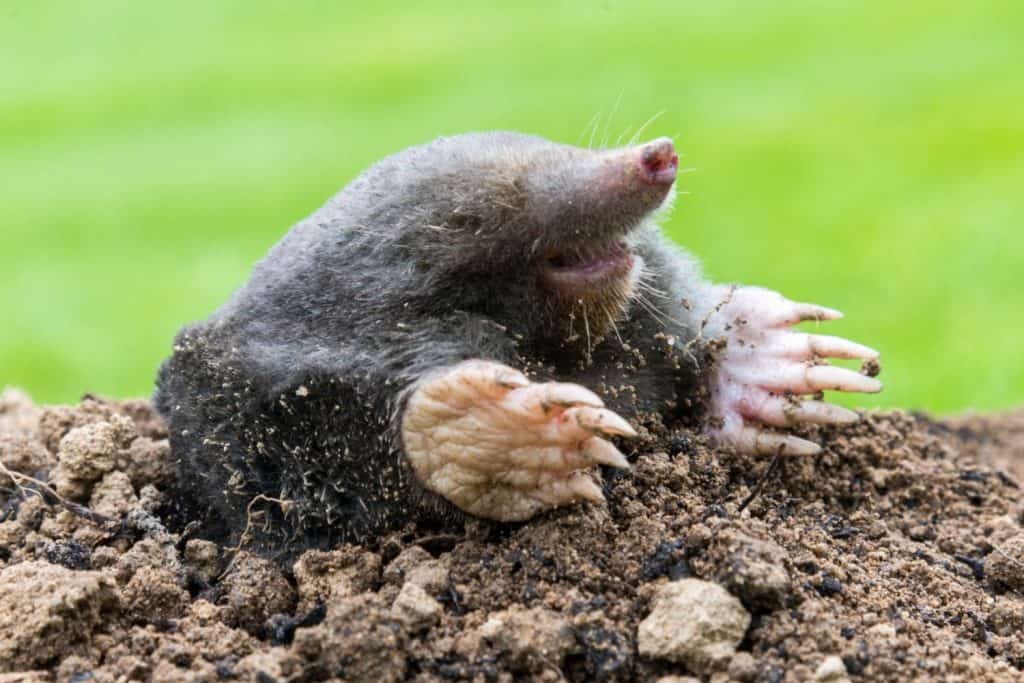
©kubais/Shutterstock.com
Moles spend a big percentage of their lives tunneling underground. They push through soil with paddle-shaped front feet, moving with remarkable speed. Through this maneuver, the small mammals design large-scale tunnel networks. As they dig, they aerate the soil and mix nutrients, which benefits plant life. In this way, their underground construction helps the landscape in ways most people never consider.