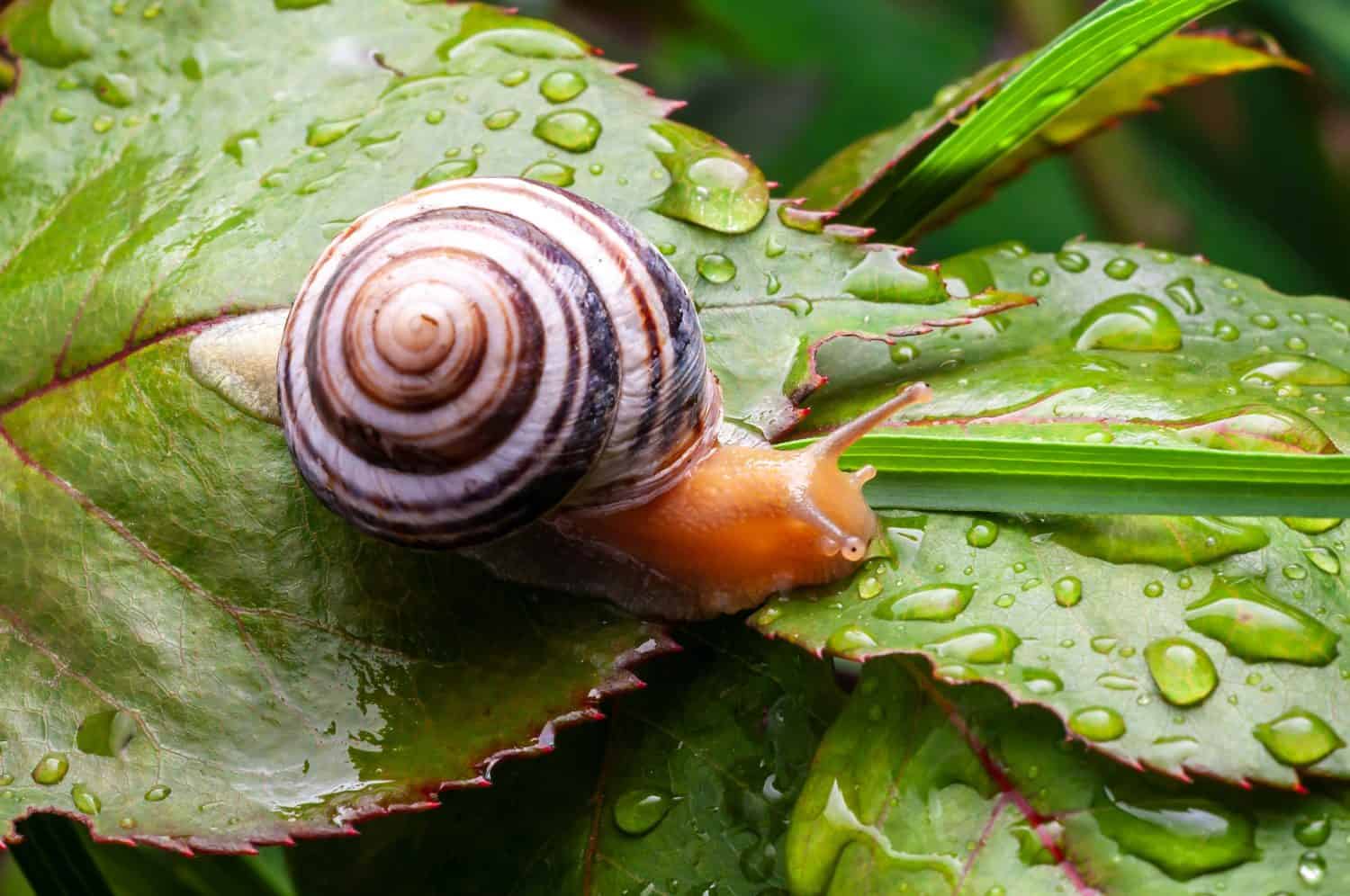

You might think that snails typically remain in their shells, occasionally slithering their way to a new location, but this Instagram video by @explaining.animals proves otherwise. When faced with a gap in their path, these impressive animals turn their bodies into literal bridges. With their amazing stretchy qualities, snails may just be the Mister Fantastic of the mollusk world.
Snails and Their Muscular Foot
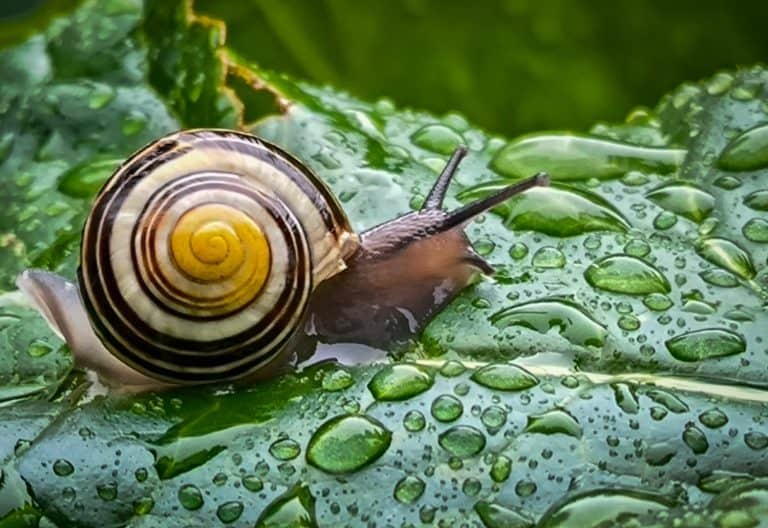
Gastropods, a class of animals that includes garden snails, have a body part that’s often hidden from view. These land snails possess a muscular foot, which helps them navigate various terrains. It allows them to move seamlessly while also protecting their soft underbellies. When it undulates, it propels the snail forward, aided by a naturally secreted mucous layer.
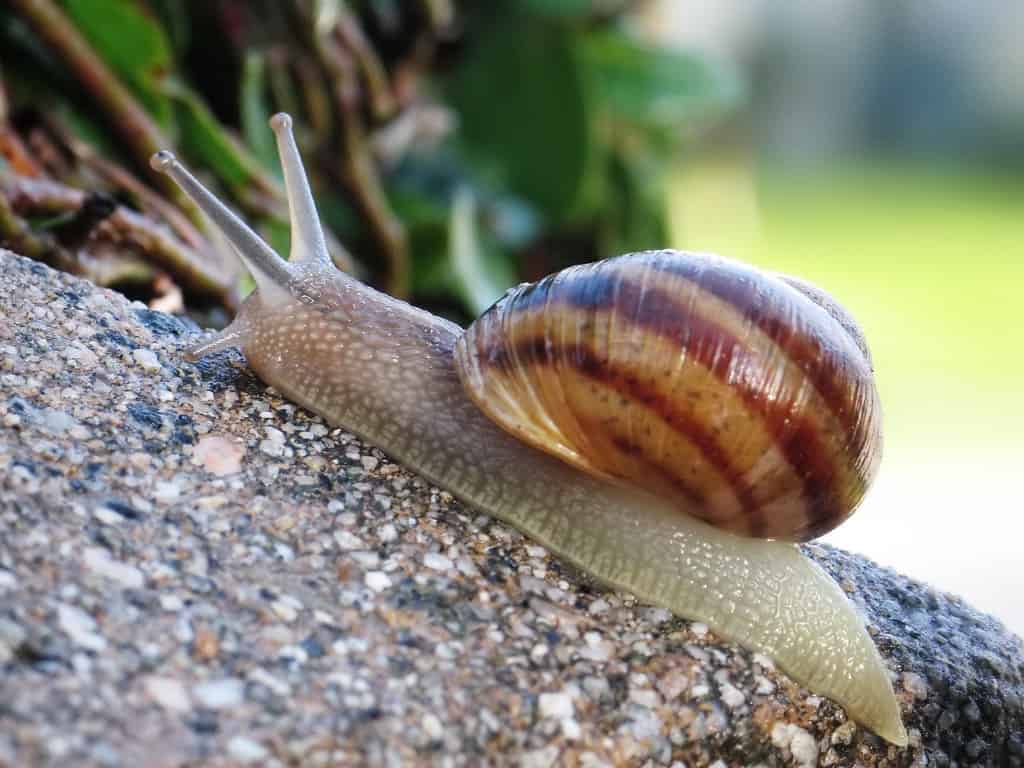
A snail’s muscular foot helps it traverse any terrain.
©macrophile on Flickr / CC BY 2.0, via Wikimedia Commons – Original / License
On shiny or wet surfaces, a snail’s muscular foot helps it maintain a grip, preventing it from sliding off objects and allowing it to scale vertical surfaces. This is how snails make their way into garden beds, planters, and even to the top of your picnic table! However, that’s not all this muscular foot is capable of.
Bridging the Gap One (Muscular) Foot at a Time
As seen in the Instagram video, this snail is quite the athlete. When faced with a crevice, snails don’t always try to find a new route. Instead, they simply extend and stretch this miraculous muscular foot to bridge the gap. The process is slow-going but effective, allowing the snail to literally become the bridge. As it reaches out, the foot anchors to the other side of the gap. Once it feels secure, the snail then begins the arduous process of sliding across to reach the other side. If a gap proves too wide for the snail, it will then find a new way to its destination.
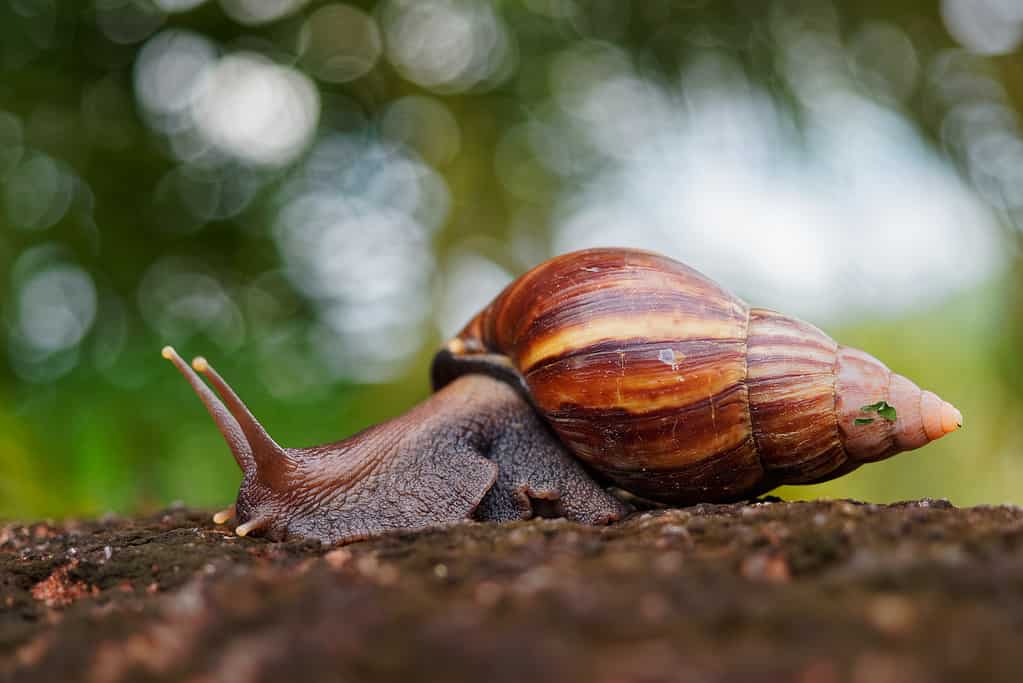
The mucous trail left by snails helps lubricate their locomotion.
©phototrip/iStock via Getty Images
As its body shrinks toward its muscular foot, its backend lengthens, allowing the snail to maneuver most of its body weight to the other side before detaching. As its tail-end finally releases its hold on the other side, the snail uses a combination of mucous, negative suction, and muscle power to adhere to the new surface. When the snail has safely crossed to the other side, its undulating muscular foot proceeds to move it forward and the snail’s body shrinks to its standard size. This incredible flexibility proves that land snails are more than just slimy mollusks. These tiny, muscular critters are some of the most adaptable animals you’ll find in your garden.