Quick Take
- Restoring a forest can actually make it easier to hunt the birds living inside it, and researchers found an unexpected mechanism behind this surprising outcome. See what researchers found →
- A decade of bird surveys in Harapan found that recovery wasn't happening where the forest looked healthiest, a finding whose explanation points to a hidden pressure most restoration plans ignore. Explore the decade of surveys →
- Indonesia's cage-bird trade is a cultural institution worth millions, and it is quietly reshaping which species survive in a supposedly protected rainforest. Discover the cage-bird trade →
- Global biodiversity policy rests on one key assumption about habitat restoration. The Harapan study suggests that assumption may be dangerously incomplete. See the policy implications →
The Harapan Rainforest is on the border of the Jambi and South Sumatra provinces of Sumatra, covering nearly 100,000 hectares of what remains of the island’s lowland rainforest. The long-term ecosystem restoration concession it is managed under is the first of its kind in Indonesian history, and one of the most significant forest recovery projects in Southeast Asia.
Over the past decade, the trees have been coming back, along with many of the animals, including a myriad of rare bird species. Is the concession enough to restore this rainforest? Long-term research appears to say it isn’t.
Here’s the story of the Harapan Rainforest, including the findings from these studies and what may happen to this rare ecosystem in the future.
The Harapan Rainforest: What Researchers Uncovered
Research led by H.S. Sathya Chandra Sagar of the University of East Anglia, working with scientists from multiple institutions across the UK and Indonesia, conducted repeated bird surveys across Harapan over a decade. They tracked 187 species, measuring population changes against the forest’s ongoing regeneration.

Birds in the Harapan Forest are retreating deeper and deeper into it, making observations difficult.
©Akhmad Dody Firmansyah/Shutterstock.com
The results, which were published in 2023, contain both good news and bad. On the positive side, 43.8% of species showed significant population increases over the study period. This finding demonstrates the potential for rapid bird and fauna recovery in regenerating tropical forests.
Now, for the bad news: at the start of the study period, 5.4% of species were found mainly in remote areas of the forest, areas inaccessible to humans. By the end of the study period, that figure had risen to 16.2%. Three times as many bird species retreated into Harapan’s hidden places, largely because the forest itself had become more accessible over that same period, not less.
Restoration work created new tracks and entry points. Because of this and other factors, the birds weren’t distributing themselves according to habitat quality alone. They were avoiding people, and for good reason.
The Cage-Bird Trade: What is It?
Indonesia has one of the world’s largest cage-bird trades, a process that involves capturing birds to be sold in a global, unethical industry. For example, songbirds are kept throughout Indonesia for song competitions, as status symbols, and as companions. The cultural practice of keeping caged birds is embedded across Java and much of Sumatra.
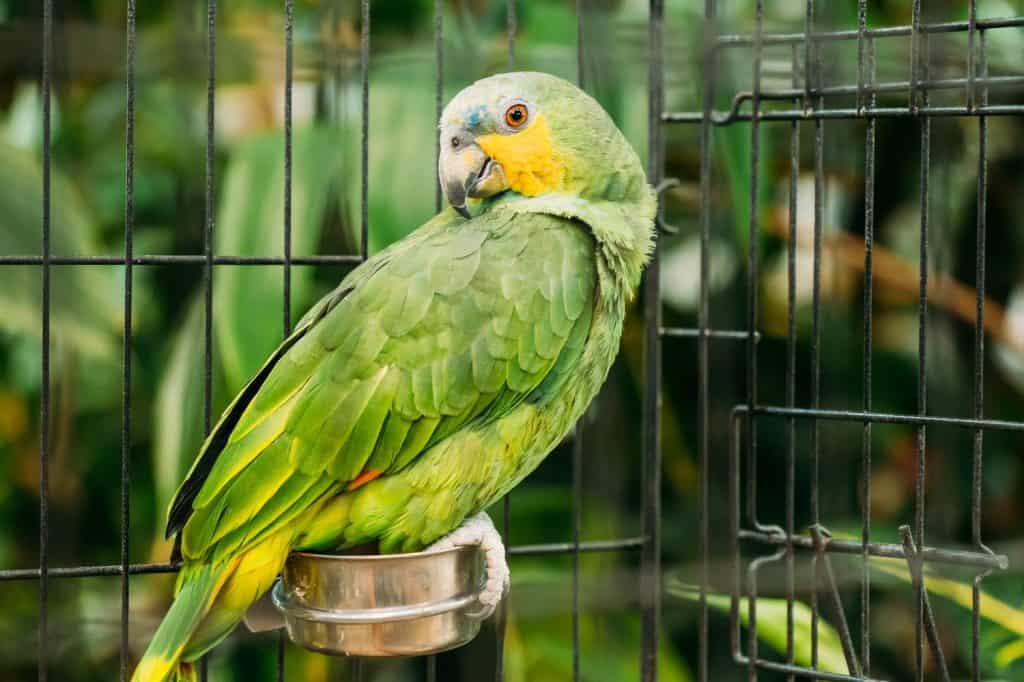
The cage-bird trade is a cultural institution in India, making it difficult to change.
©Grisha Bruev/Shutterstock.com
The demand this industry generates is immense, and much of that demand is met through wild trapping instead of captive breeding. Lowland Sumatran forests like Harapan represent accessible hunting grounds for trappers, and the study found that this hunting pressure was not applied evenly across species.
When the researchers compared species targeted specifically for the cage-bird trade against those trapped only opportunistically, they found that trade-targeted species were twice as likely to show population increases in very remote areas only. The study also found that 14% of species did not recover as fast as the observed forest regeneration predicted they should have, with trapping pressure being the most consistent explanation for this gap.
The Future of Forest Restoration in Indonesia
Forest restoration is a central pillar of global biodiversity policy. Southeast Asia, a place that has suffered some of the world’s highest rates of recent forest loss, is a major focus of international restoration efforts. The assumption underlying this process? Restoring habitat will restore the species that depend on it.
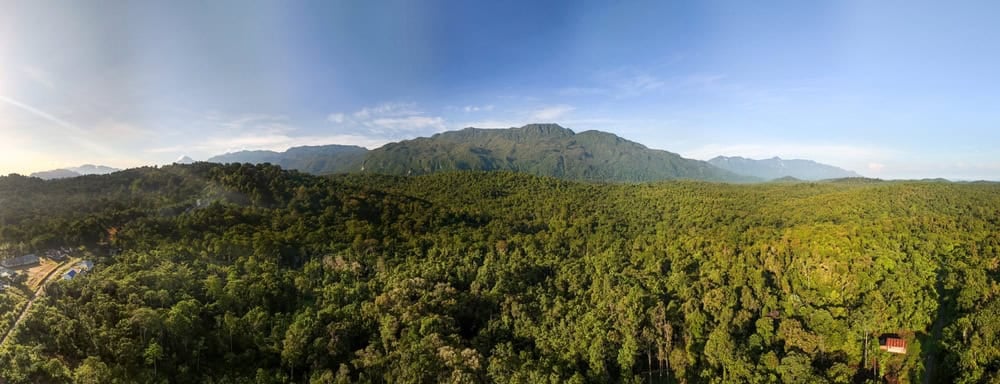
Forests in Indonesia need restoration efforts alongside hunting regulations.
©KELE project/Shutterstock.com
The Harapan study challenges that assumption by showing that wildlife trade can create issues with habitat recovery and population recovery. A restored forest that remains accessible to trappers becomes a more efficient hunting ground if regulations don’t exist in tandem.
Plus, as a forest regenerates and becomes denser, it can actually attract more birds, making trapping more productive in newly recovering areas, while simultaneously pushing the most targeted species deeper into areas that cannot be as easily observed.
The RSPB describes Harapan as a refuge for Critically Endangered wildlife including Sumatran Tigers, Sumatran Elephants, and Helmeted Hornbills, and notes that surveys have recorded over 300 bird species within its boundaries. Its biodiversity is beautiful, but it also ensures Harapan remains a target for hunters.
How Harapan’s Birds Can Be Saved
Harapan proves many things, especially when it comes to the hunting and cage-bird industry. A restoration project that invests in habitat recovery without addressing hunting and trapping will see its conservation gains partially or wholly offset by the trade.
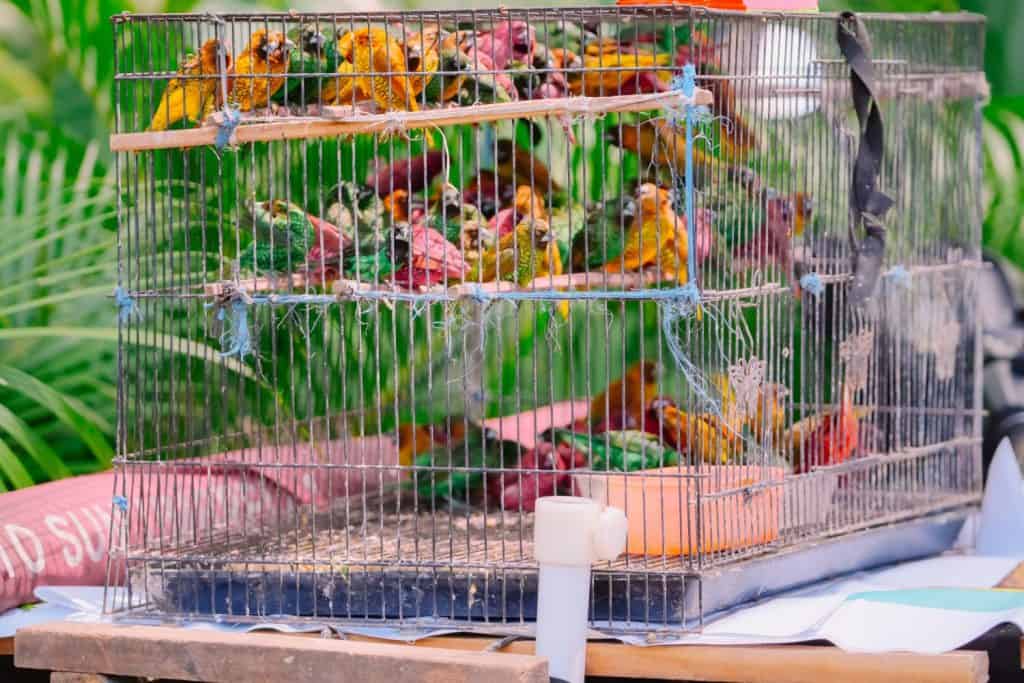
While a long-term challenge, there are efforts that can happen to save Indonesian forests and birds.
©purnomorpl/Shutterstock.com
Enforcement, community engagement, and demanding a reduction in the cage-bird trade need to be integrated into restoration planning. Birds in Harapan survived better where people couldn’t easily reach them. While Indonesia’s cage-bird trade is a multi-million-dollar industry with deep cultural roots, and reducing demand for wild-caught birds is a long-term challenge, the forest is returning. Its birds should return to a protected home, too.