
Quick Take
- Donkeys and mules are still used for transport on the car-free island of Hydra, Greece. See why cars can't work →
- Vehicles were banned on Hydra to help preserve the island’s traditional character and architecture. See how supplies reach homes →
- Donkeys are well adapted to rocky terrain thanks to their balance, endurance, and cautious footing. Explore their sure-footedness →
- Mules are often used for carrying heavier supplies because of their greater strength and stamina. Discover donkeys vs. mules →
In most towns, the sound of traffic is so constant that residents barely notice it anymore. However, on the Greek island of Hydra, that sound is almost entirely absent. Instead of vehicles, Hydra uses donkeys and mules to transport supplies and people around the island. Read on to learn why these animals are used and what makes them so essential for life on Hydra.
Why Hydra Still Depends on Donkeys
For so many places, travelling by vehicles is the norm. However, Hydra is almost entirely car-free, making it one of the most unique places to visit. Even bicycles are banned on the island, and as Hydra lacks an airport, it can only be reached by boat. The rule banning vehicles on Hydra was implemented in the 1950s as a way to preserve the island’s traditional architecture and character. Exceptions are made in only a few cases, such as for emergency vehicles and garbage trucks.
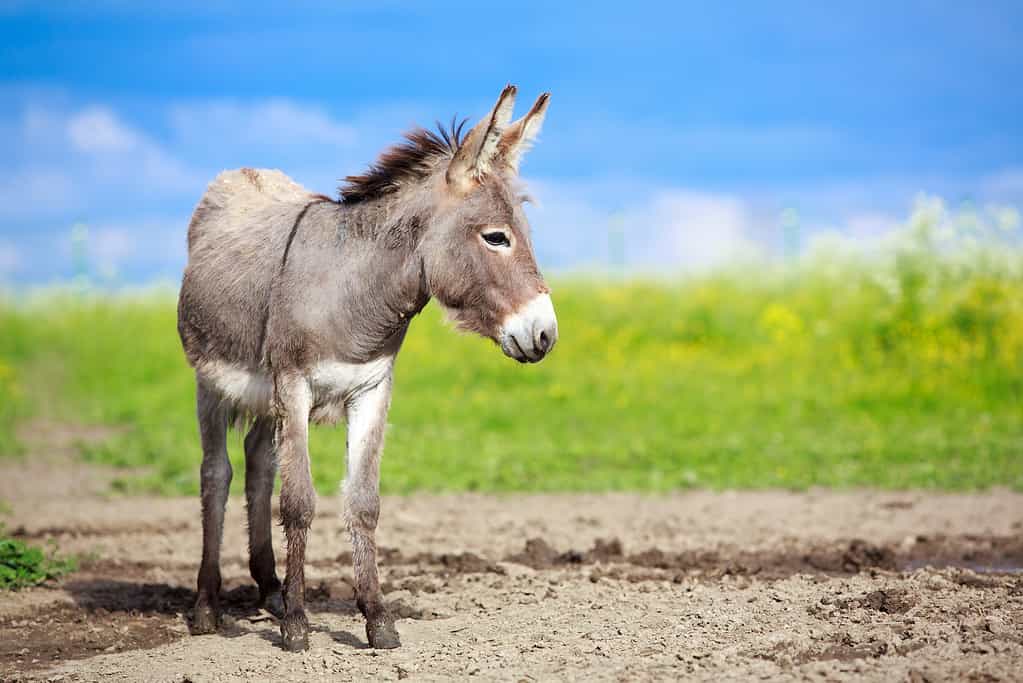
Donkeys are used to transport people and supplies in Hydra.
©DragoNika/Shutterstock.com
Hydra is located on a series of steep hills which overlook the harbor. It has a vast network of narrow alleyways, so it is naturally unsuited to modern modes of transport. Many of the streets are far too narrow for cars, while others are little more than steep stone staircases winding between homes. Therefore, the only way to explore the island is on foot or on the back of a donkey. Donkeys regularly transport people around town, including tourists who come to sightsee.
The donkeys don’t just carry people, though. Supplies, including food and building materials, are brought to the island by boat. Once on the island, they need to be carried up the hillside from the harbor to the local neighborhoods. This means that donkeys play an important role in everyday life on the island, as they are essential for providing shops and homes with the supplies that they need to function. Without donkeys, it would be almost impossible to move heavy goods through the town.
Why Use Donkeys?
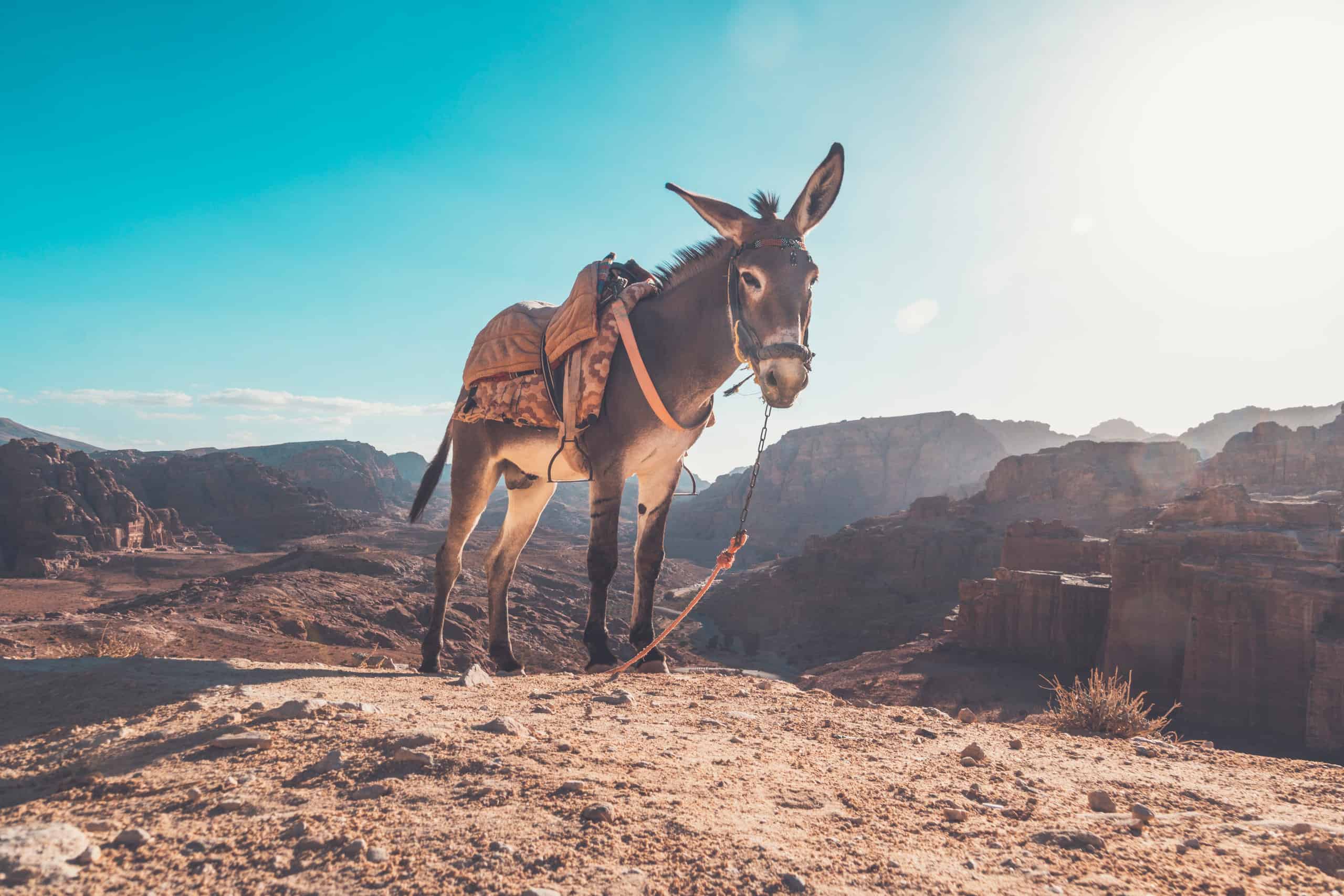
Donkeys have been used across the Mediterranean for thousands of years because they can handle challenging terrain and hot weather better than many larger animals. They have long been used as pack animals to transport goods along various trade routes. Despite their small size, they are strong and sure-footed, which means they are capable of navigating Hydra’s steep terrain and rocky, unpaved roads. Their hooves are also well adapted to rough ground, as they have tougher hoof walls than horses.
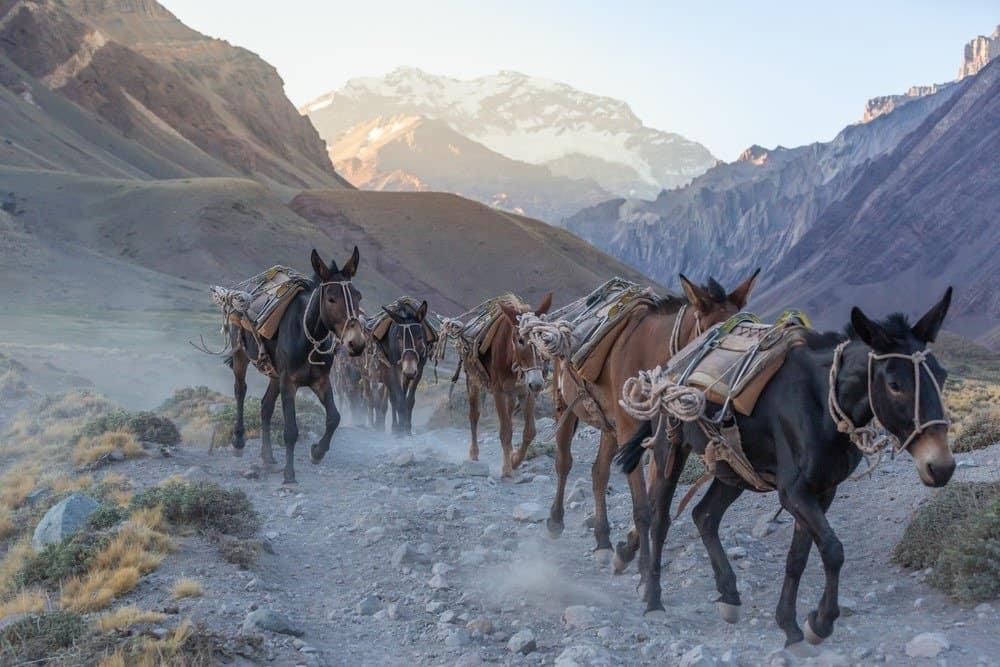
Donkeys are steady and sure-footed across rocky terrain.
©Ezequiel Laprida/Shutterstock.com
Although they are often described as stubborn, they actually have a very calm nature. They can be quite cautious, which actually helps them with deciding where to place their feet. Unlike horses, which are sometimes quicker to spook, donkeys tend to stop and assess situations that they see as unsafe. This is particularly useful on Hydra’s steep, narrow paths.
Mules, which are a cross between a horse and a donkey, are also used in Hydra. They are often preferred for carrying heavy loads due to their larger size and greater strength. This is because they combine both the endurance and steadiness of donkeys with the power of horses, making them better suited for carrying heavy loads than donkeys.