
There are some pretty amazing ways that animals benefit from each other in nature. Sometimes, they support each other in getting food. At other times, they may clean each other. One unique bond is the gopher tortoise and its unintended way of keeping other animals safe. As seen in this video by Nature on PBS, gopher tortoise shelters are often used by other animals to escape forest fires. Keep reading to learn more about this unique relationship in nature.
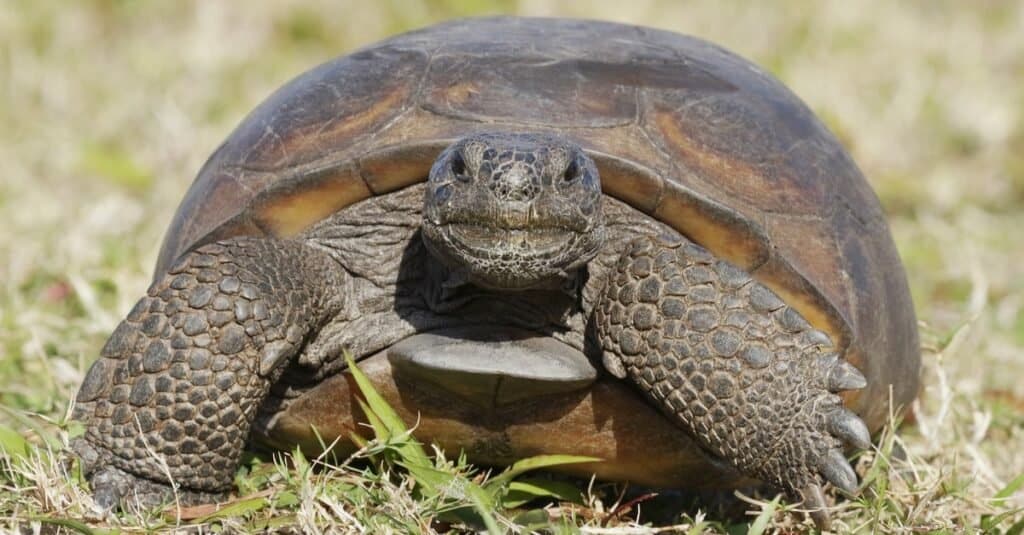
Gopher tortoises help to maintain their environment by eating shrubs and dry grasses.
©Brian Lasenby/Shutterstock.com
About the Gopher Tortoise
Gopher tortoises, known scientifically as Gopherus polyphemus, are land-dwelling reptiles. They are endemic to the southeastern United States, including Florida, as seen in the video. One reason they are found in this area is the drier climate. Gopher tortoises, which can live from 40-60 years, have adapted differently compared to other sea or wetland tortoises, as they inhabit sandy environments.
Born to Burrow
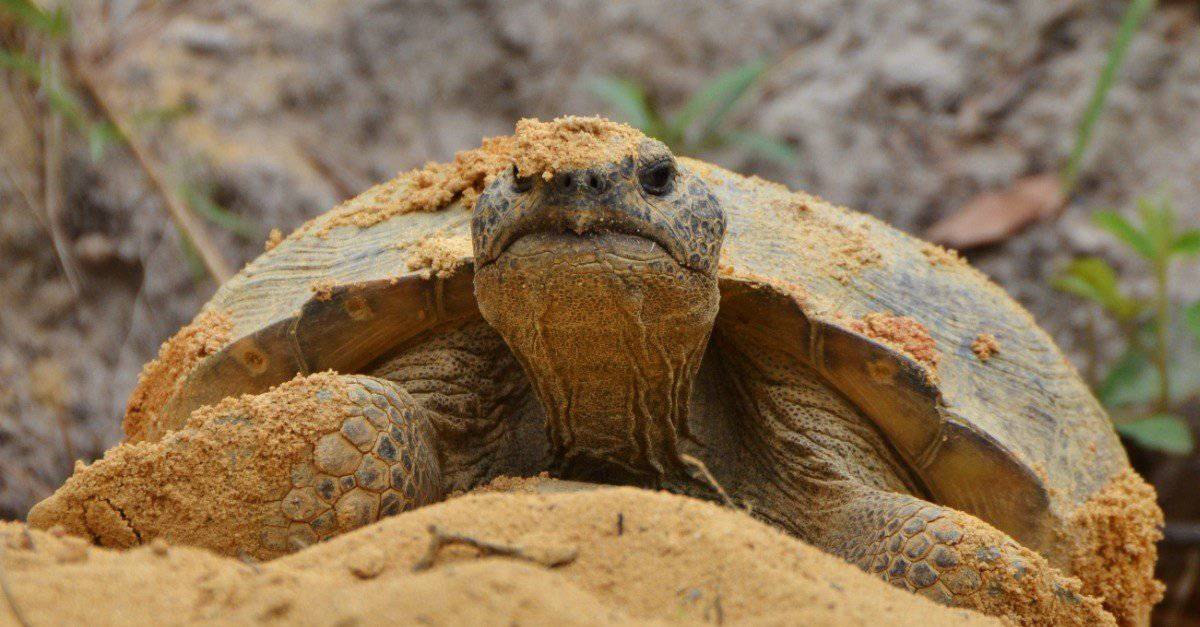
One distinct feature that sets them apart from other tortoises is their shovel-like forelimbs, which they use to dig through the sand. At around one foot in length and weighing between 8.8-13.2 pounds, gopher tortoises help to shape the ecosystems that they inhabit through their burrowing behaviors. Their burrows can be up to 40 feet long and around 10 feet deep.
Gopher tortoises have several reasons to burrow. One obvious reason is to avoid predators. Gopher tortoises spend 80% of their lives underground in their burrows, protecting them from larger predators, such as foxes and birds of prey, which are unable to enter. Another benefit of these burrows is the protection they offer from the elements. In the southeastern United States, the weather can shift from extreme cold to extreme heat in the span of a few months. By staying underground, they remain safe from the extreme weather conditions of these seasons. When they are above ground, they move slowly. Living a solitary lifestyle, these herbivores spend their time eating various grasses, flowers, and fruits.
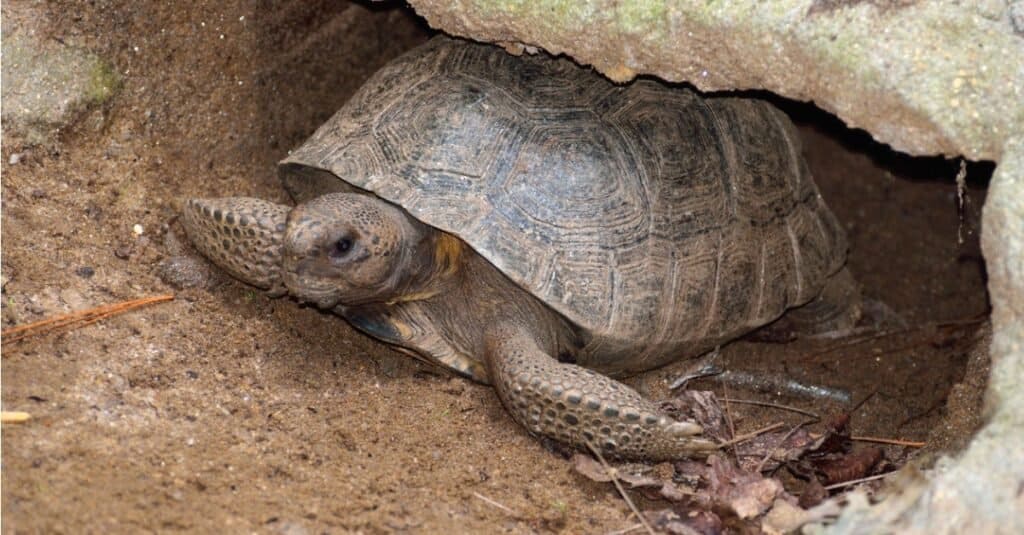
Gopher tortoises use their shovel-like forelimbs to burrow up to 40 feet long and about 10 feet deep.
©Paul Brennan/Shutterstock.com
Protecting Other Animals
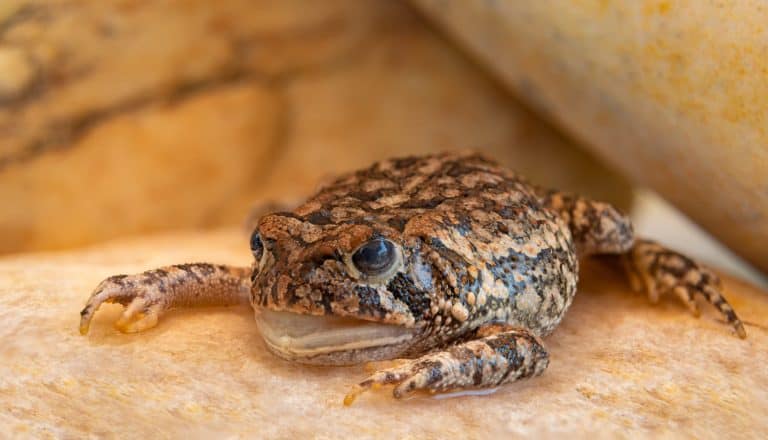
Gopher tortoises create multiple burrows in their long lives, and it is not uncommon for them to maintain several burrows at a time. These spaces have an unintended benefit for other wildlife in these dry biomes: they actually provide protection during wildfires. Inhabiting such dry environments comes with the risk of wildfires during the summer season, deadly to both the plants and animals of the ecosystem. The long and deep burrows of the gopher tortoise act as a natural bunker into which animals can flee. Biologists estimate that more than 350 different species use gopher tortoise burrows at some point in their lives. Some of these animals include snakes, frogs, mice, and lizards. These points of refuge help maintain the biodiversity of the ecosystem, even in the aftermath of devastating wildfires.