
Quick Take
- A rabbit-sized marsupial holds a secret weapon against Australia's devastating wildfires, and that weapon has nothing to do with water. See their wildfire role →
- Raising animals in captivity usually makes them unfit for the wild, yet conservationists somehow managed to get these bettongs ready to survive on their own. How did they do it? See how they're monitored →
- Feral cats and foxes aren't the only reason rufous bettongs vanished from New South Wales. One cause is far more overlooked. Explore the overlooked causes →
- The Aussie Ark Project isn't planning to manage these bettongs forever. Their endgame is something far more ambitious. Discover the long-term vision →
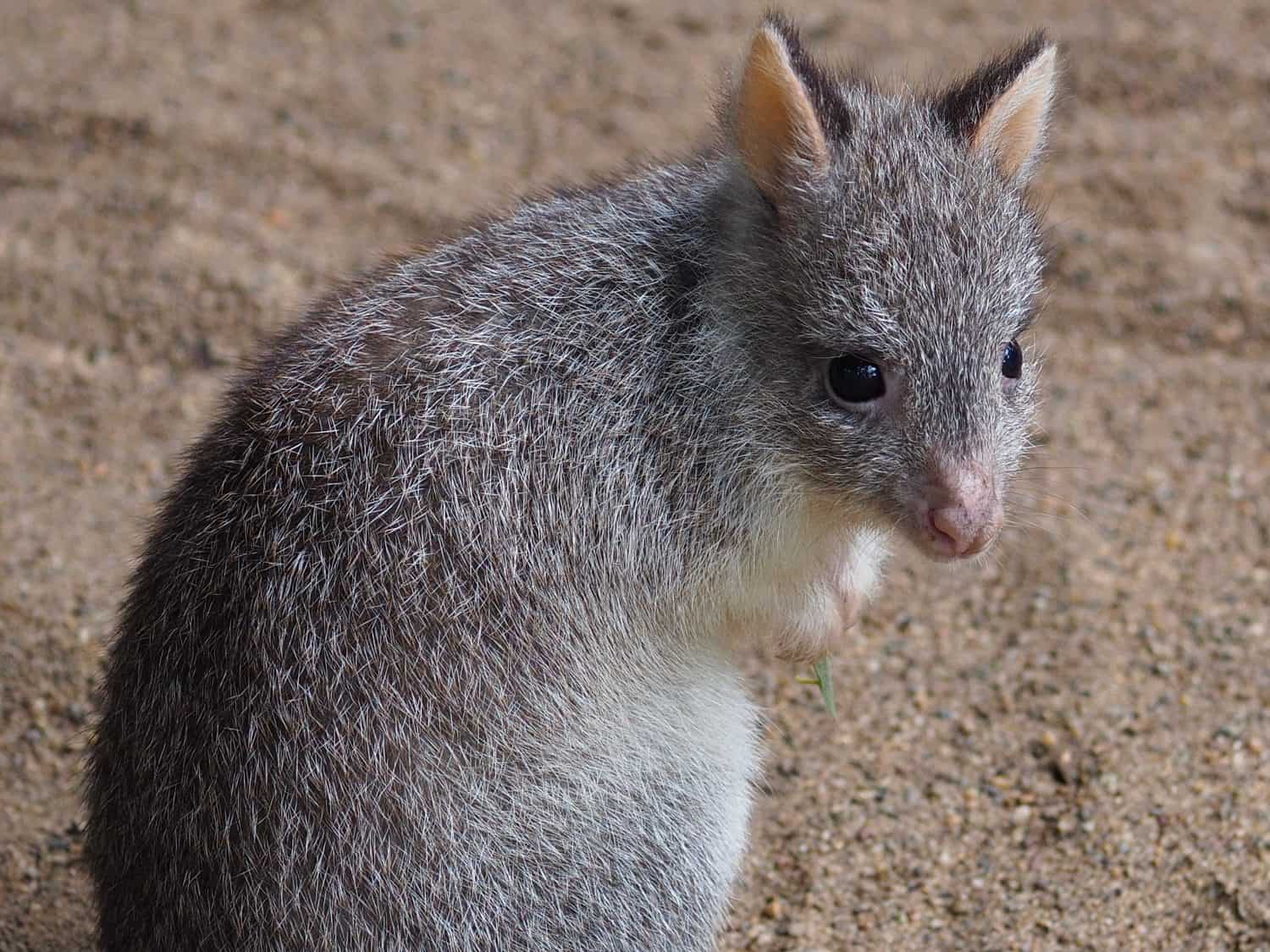
They may be small, but rufous bettongs are mighty, especially when it comes to habitat health. But as the marsupials’ population has declined, so has the diversity of the environments the bettongs inhabit. Hope remains on the horizon, however. These threatened bettongs are returning to regions of Australia where they were once extinct, resuming their role as ecosystem engineers.
Threatened Rufous Bettongs are Returning to Australia’s NSW Mid-North Coast
In just over a century, rufous bettongs have gone from being a common sight along Australia’s New South Wales mid-north coast to being nearly non-existent. Conservationists hope this will change soon as they work tirelessly to restore the rufous bettong population.
Recently, a group of 17 rufous bettongs was reintroduced into the Ngambaa Nature Reserve. Born in captivity but raised to behave like wild marsupials, the bettongs, which are no larger than a rabbit, were released into a portion of the reserve that is free of feral predators.
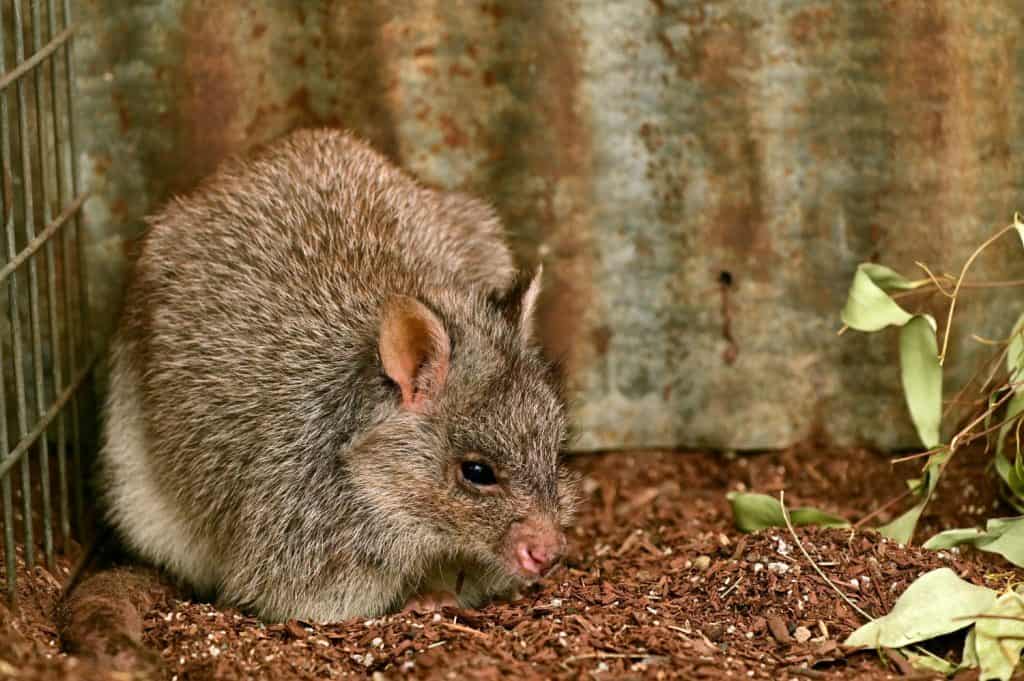
Rufous bettongs are being returned to Australia’s mid-north coast in NSW after becoming regionally extinct.
©ChameleonsEye/Shutterstock.com
The goal for this first cohort of 17 rufous bettongs, of which 10 are female and seven are male, is to thrive in a habitat where all they have to focus on is finding food, shelter, and mating. With predators removed from the equation, they have a real chance to thrive.
Should all go well, another 13 bettongs will be released over the next 18 months.
The goal of releasing rufous bettongs and other animals in feral-predator-free areas at Ngambaa Nature Reserve is to return threatened and endangered species to places where they have the best chance of survival. After years of planning by the organization that helped return the rufous bettong to its native habitat, the Aussie Ark Project will be waiting with bated breath to see if the bettongs can make it on their own.
Why Rufous Bettongs are Important to Their Ecosystems
Rufous bettongs, like all bettongs, are ecological engineers. When they are removed from their habitats, the overall environment suffers.
With climate change and the management of undeveloped lands blamed for massive fires in Australia, the tiny rufous bettong plays a major role in reducing fire intensity and size. This is because the marsupials break down leaf litter in their ecosystems. While they indirectly eat some of it while feeding, they break down leaves most directly while foraging. This allows leaves to decompose faster, leaving less fuel for fires when wildfire season hits.
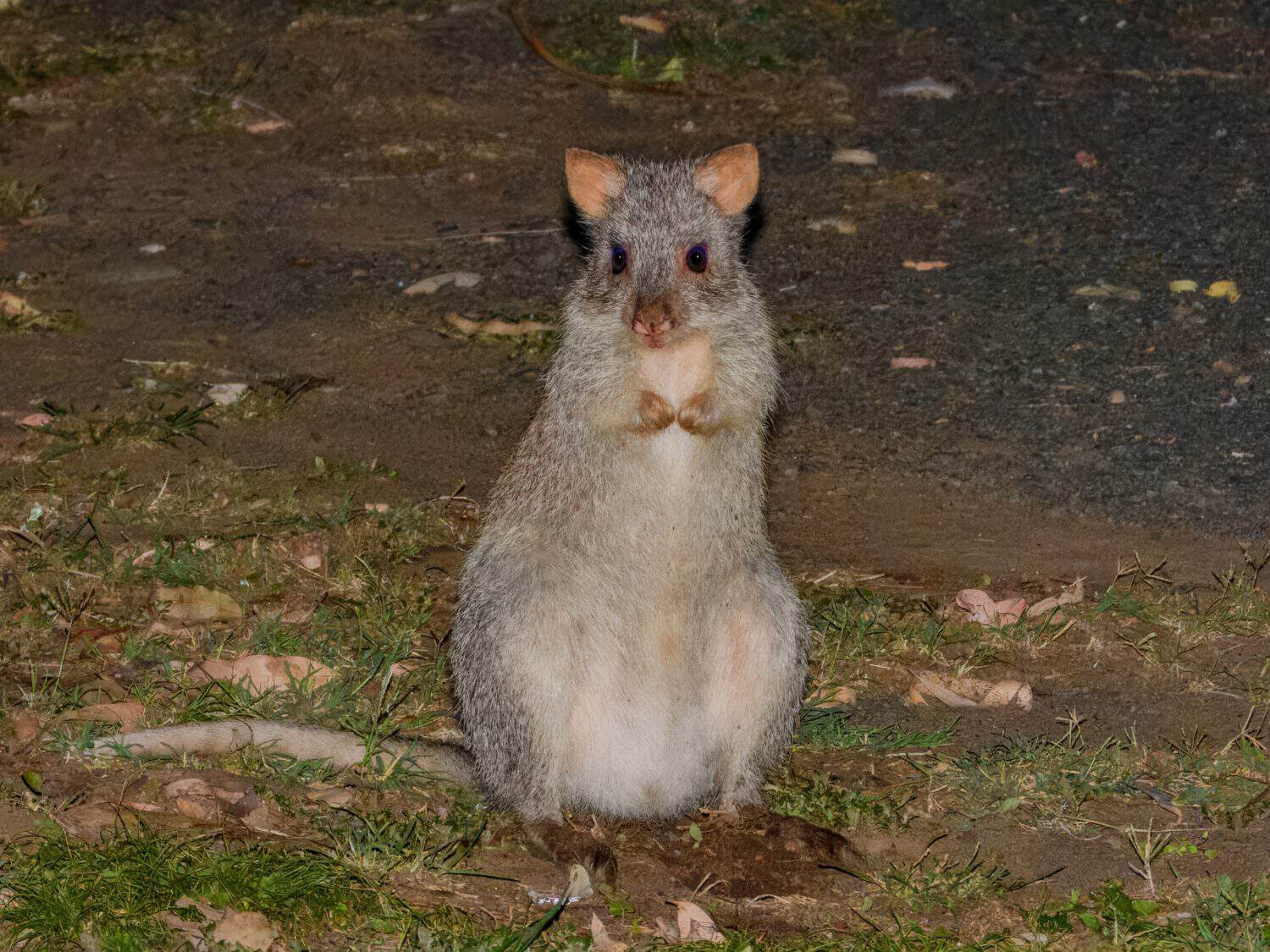
Rufous bettongs disperse seeds in their ecosystems and break down leaf litter.
©Imogen Warren/Shutterstock.com
Rufous bettongs also disperse seeds and fungi. By dispersing seeds and fungi throughout their habitats, rufous bettongs make their ecosystem more diverse. Some rufous bettongs travel nearly a mile from their nests, spreading fungi and seeds over long distances. In turn, the environment as a whole becomes healthier, proving what a necessary part of their ecosystem rufous bettongs are.
How Will the Rufous Bettongs Be Tracked?
To see how the rufous bettong population is faring in the weeks and months after their release, the Aussie Ark Project, in conjunction with NSW National Parks and the University of Newcastle, will monitor their progress. Given their small stature and the fact that they are nocturnal, multiple ways of tracking are being employed to give the most detailed information possible.
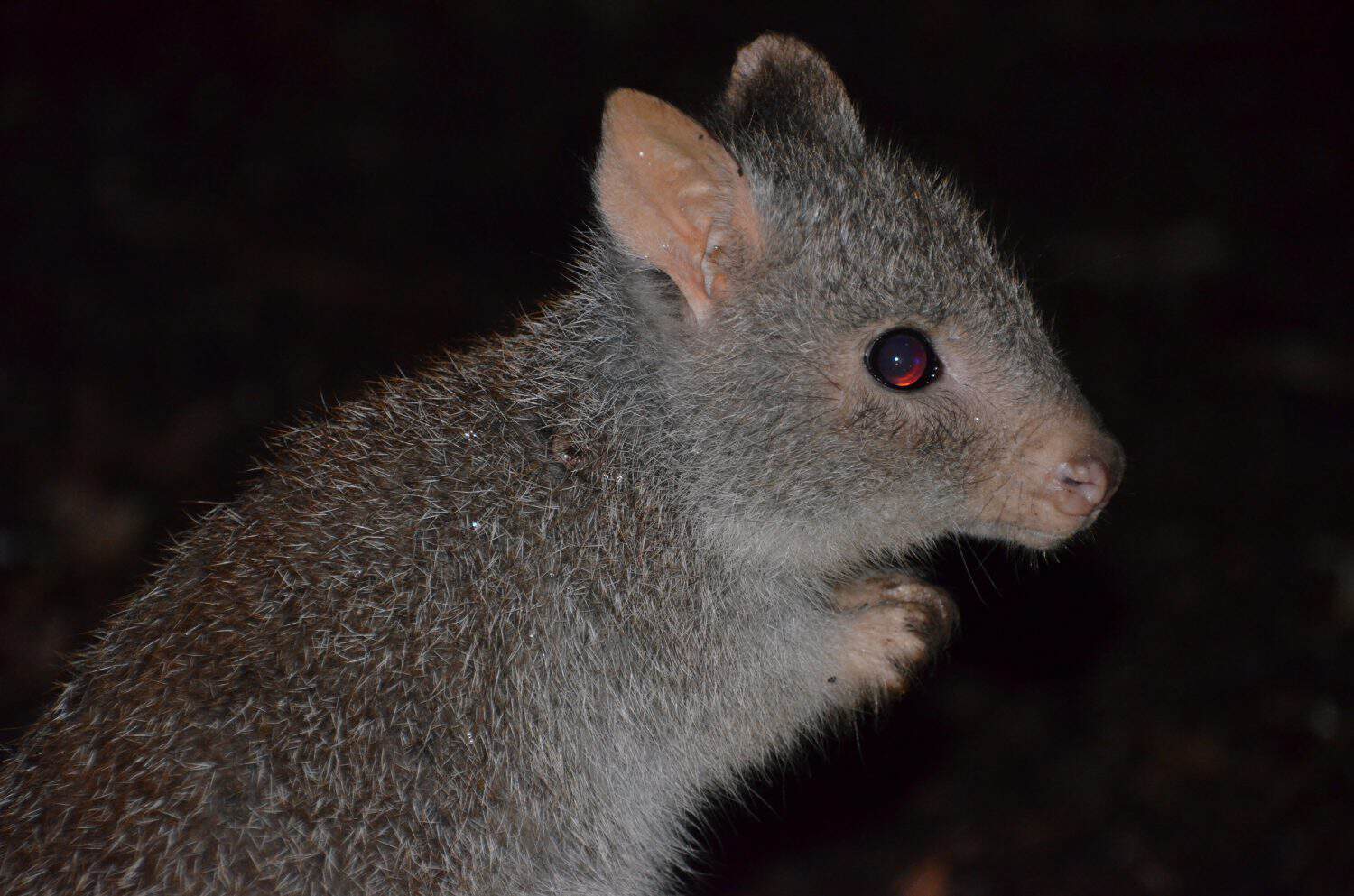
To determine how the rufous bettongs are faring, researchers will track them using microchips, cameras, and health checks.
©Kate Hutson/Shutterstock.com
Before the rufous bettongs were released, they had a tiny microchip implanted. These microchips can be read with remote scanners, so the animal does not need to be seen to determine whether it is in a particular area.
Additionally, cameras have been set up throughout the release area to catch glimpses of the rufous bettongs. This information can visually indicate how many bettongs are in the area and what their health appears to be. However, only a physical examination can confirm the well-being of the rufous bettongs, which is why health checks will be performed routinely.
What the Overall Goal of the Aussie Ark Project Is
The Aussie Ark Project has been working tirelessly to return rufous bettongs to the wild. However, the organization does not want to do this long-term. Instead, the hope is that the rufous bettongs placed in protected wild habitats will grow populations on their own and thrive without any outside assistance.
By placing the rufous bettongs in the Ngambaa Nature Reserve, the bettongs are getting the best start on wild living they could possibly receive. Transplanted into a habitat with no known feral predators, an abundant food supply, and no threat of habitat fragmentation, the rufous bettongs can focus on growing their population.
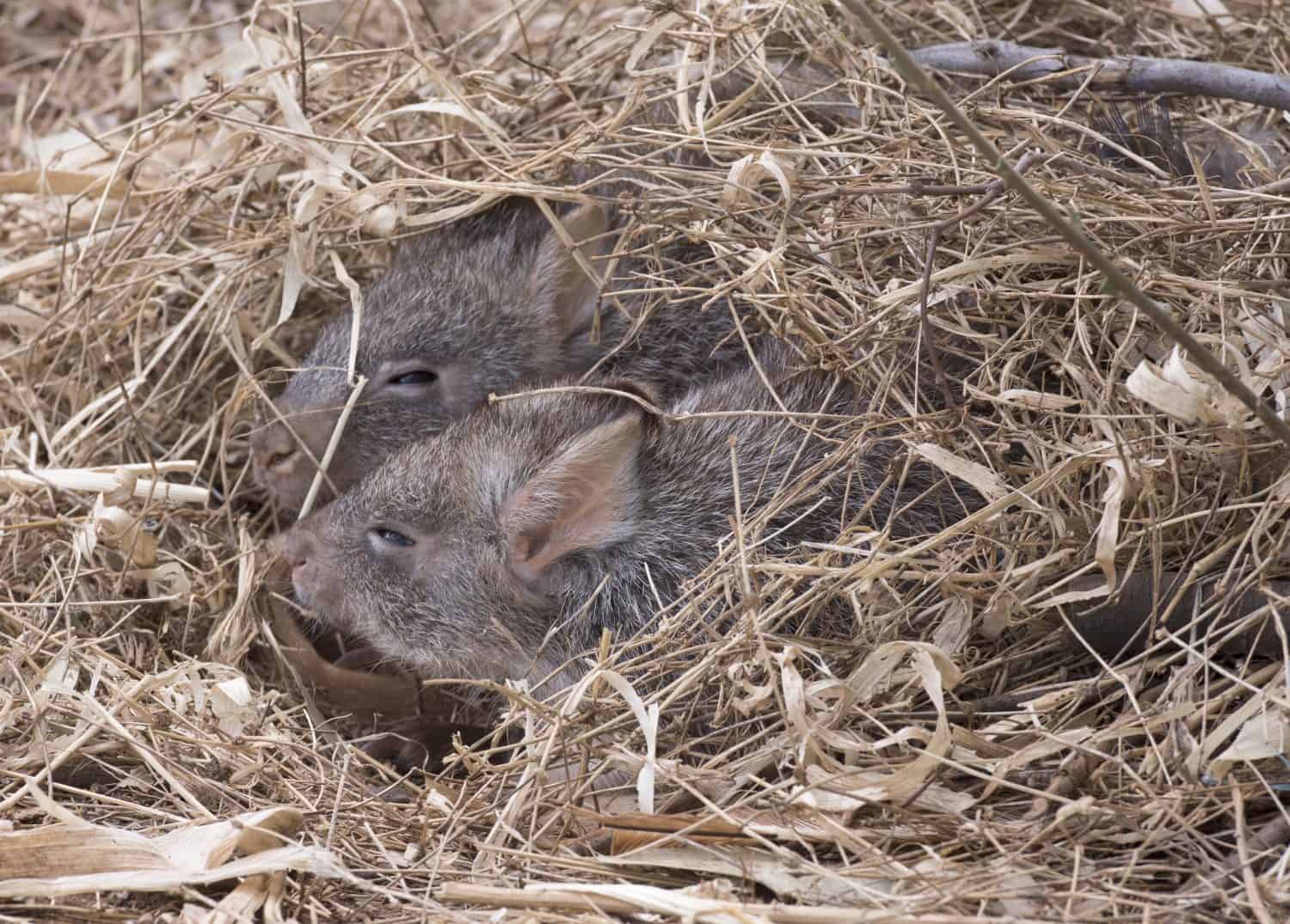
The Aussie Ark Project aims to make rufous bettongs an integral part of the NSW ecosystem again.
©John Carnemolla/Shutterstock.com
However, because they did not know how the rufous bettongs would fare, Aussie Ark Project did not release all the animals at once. If the first cohort of 17 does well, they can release the remaining 13 into the nature reserve with less trepidation over the next 18 months. If all goes well, these will be the founding rufous bettongs reclaiming the New South Wales mid-north coast for the first time in decades.
What Caused Rufous Bettongs to Go Locally Extinct?
Not long ago, the rufous bettong was a common species across New South Wales, Victoria, and the Murray Valley in Australia. However, over the last several decades, they have gone regionally extinct in some of these locales. The reasons are varied.
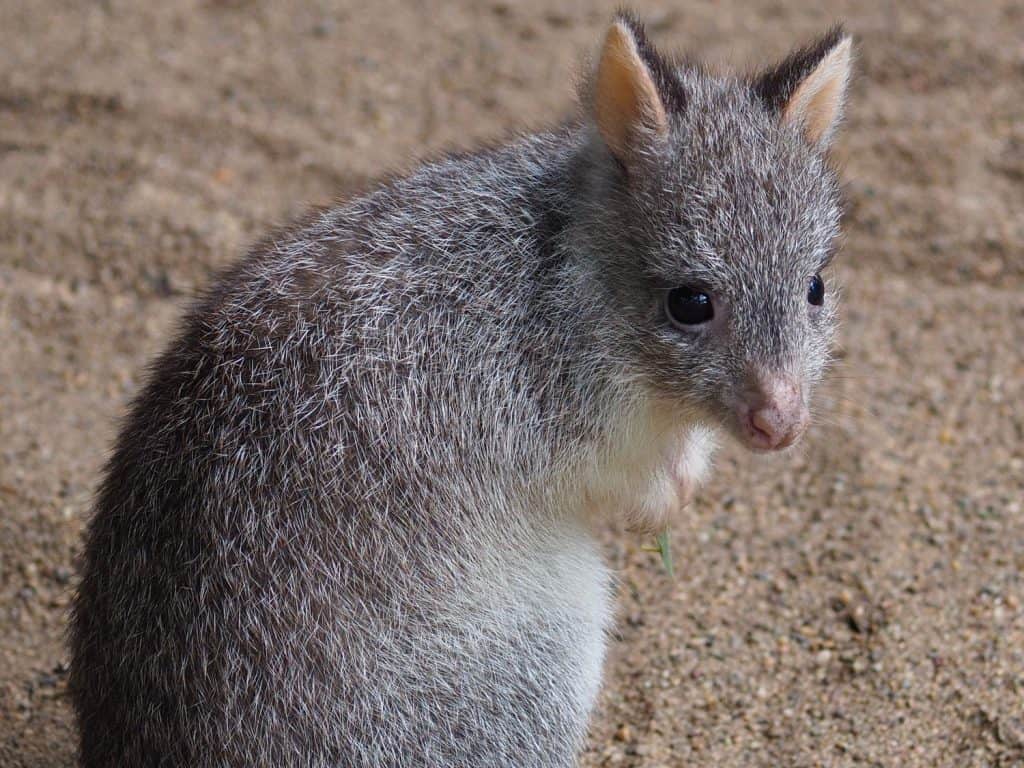
Rufous bettongs became locally extinct due to non-native predators, habitat fragmentation, and other factors.
©Andreas Ruhz/Shutterstock.com
The main reasons that rufous bettongs have gone locally extinct or seen severe population declines in Australia include:
- Removal and devastation of grasslands, coastal bushlands, and woodlands for agricultural use left rufous bettongs with fewer options for shelter or food
- Non-native predators, such as cats and foxes, overhunted the bettongs
- What is left of the rufous bettong habitat is fragmented, leaving fewer mates to choose from and dangerous roadways to cross
- Land management and climate change have led to more frequent and more intense fires, devastating rufous bettong populations
Conservationists hope that introducing the rufous bettongs into a predator-free habitat with abundant food and shelter will give the creatures a leg up they need to rebuild their population. With their survival threatened, rufous bettongs and other bettong species need all the help they can get before it is too late to act and the species is lost to extinction.