
Quick Take
- The relocation sites are being kept secret on purpose, and the reason behind this is more unusual than you'd expect. Why locations are secret →
- Beavers were hunted to extinction here for a reason most people would never guess, and fur was only part of the story. The full extinction story →
- Even neighbors who want the beavers back are worried they could make things worse, and this is the conflict no one is talking about. See the local concerns →
- These beavers already live near Loch Ness, so why couldn't they just walk there themselves? Why natural migration won't work →
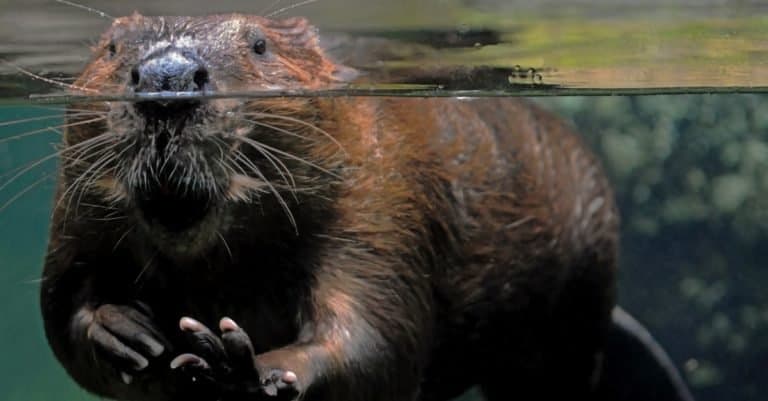
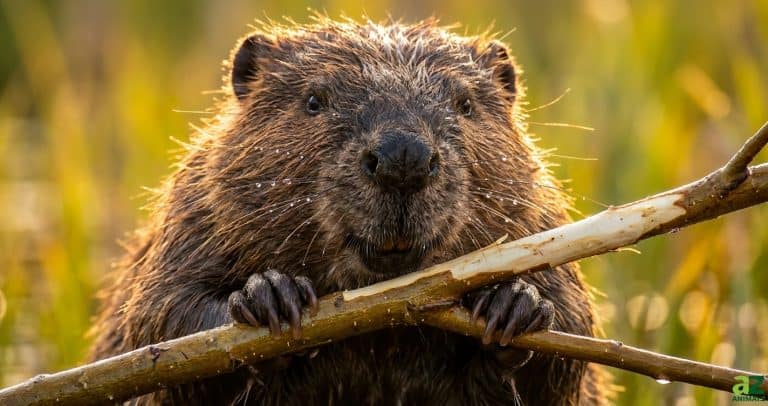
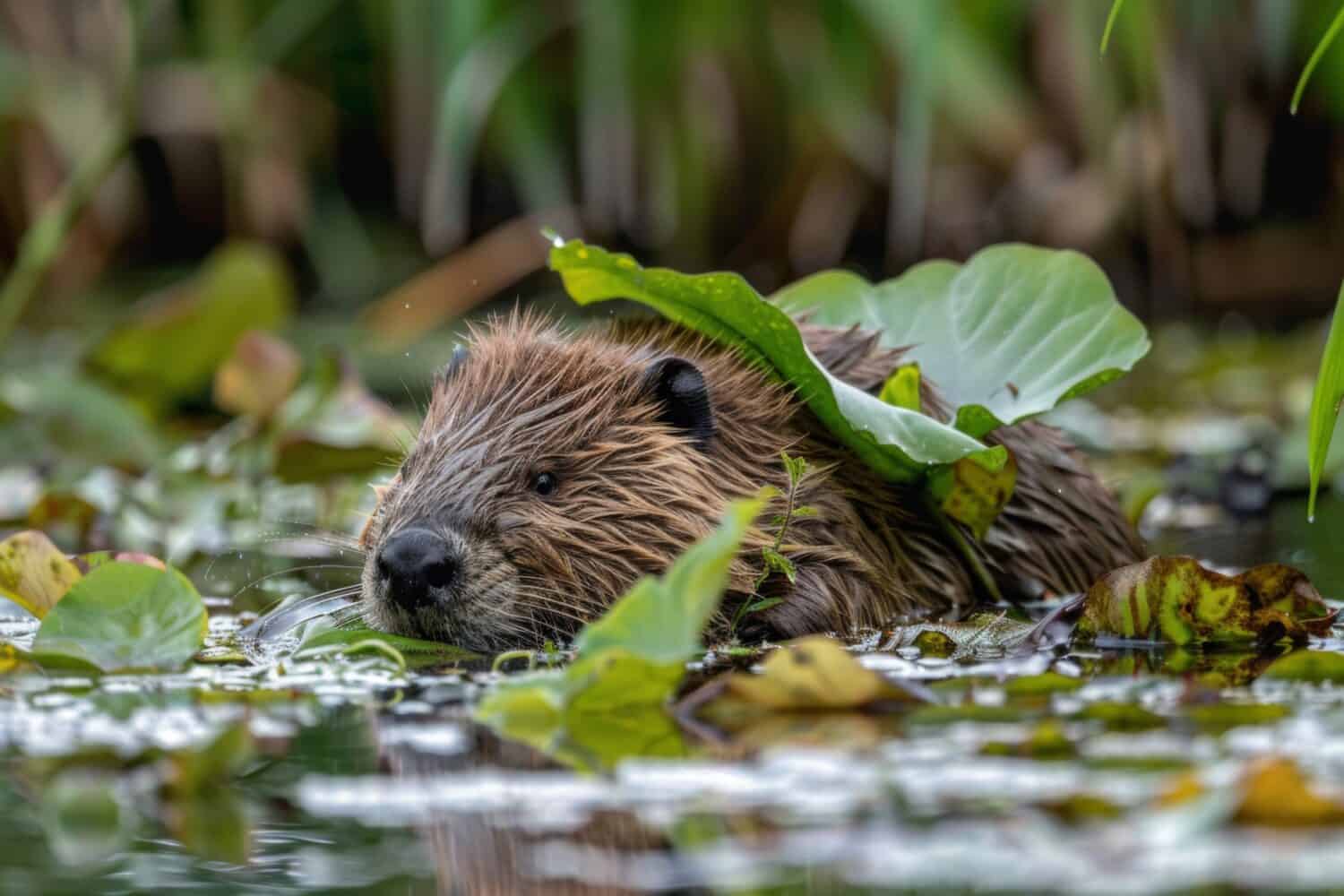
Loch Ness is famously known as home to Nessie, the Loch Ness Monster. However, the lake is about to get another exciting inhabitant: the beaver. These large rodents are returning to Loch Ness after an absence of 500 years.
Beavers are Returning to Loch Ness for the First Time in 500 Years
Beavers once were an integral part of the River Ness catchment. Their presence created healthy ecosystems around Loch Ness that benefited people and animals alike. But as the region expanded, beavers were not protected. This led to their regional extinction five centuries ago.
Now, thanks to a permit from NatureScot, beavers will return to Loch Ness. In total, 15 beaver families will be relocated to Loch Ness over the next three years. The first may occur as early as November 2026.
The exact locations will not be made public until the beavers have had an opportunity to settle into their new wetland homes. According to The Independent, Trees for Life and Beaver Trust, the charities responsible for relocating the beavers have said the beavers will be moved to “lochs, lochans and rivers around Loch Ness at sites that have been carefully chosen to establish a thriving and connected beaver population.”
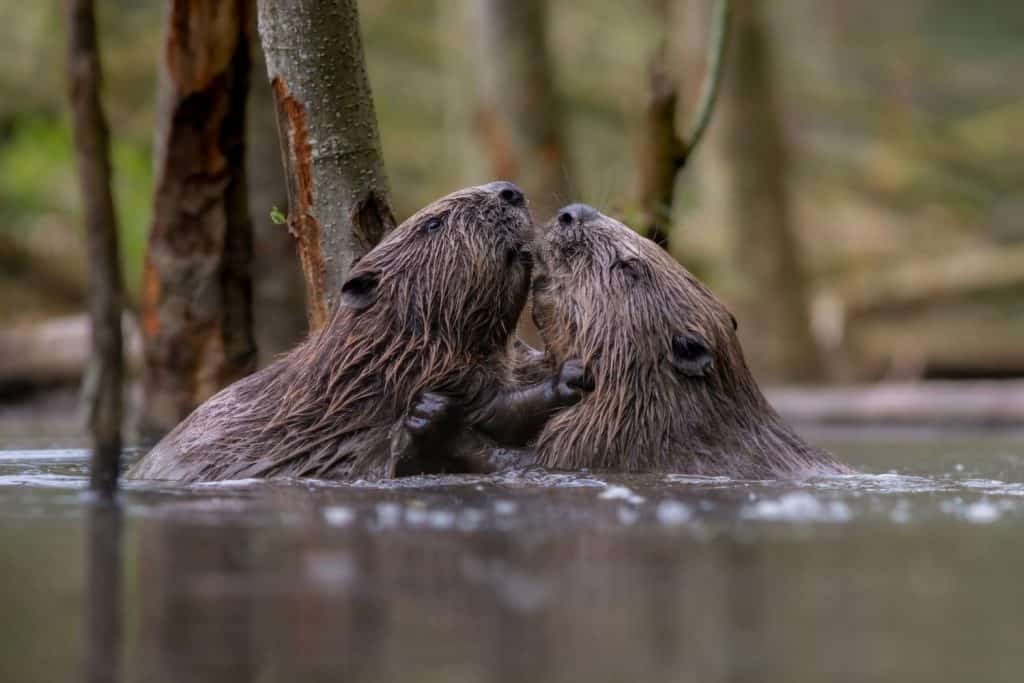
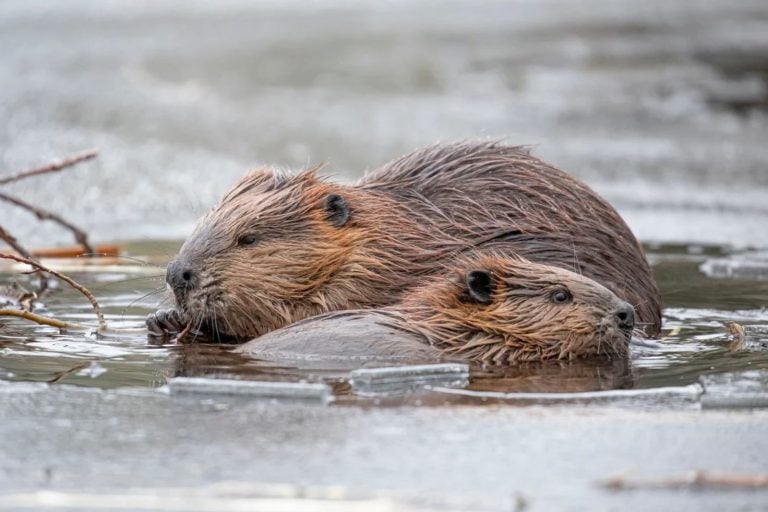
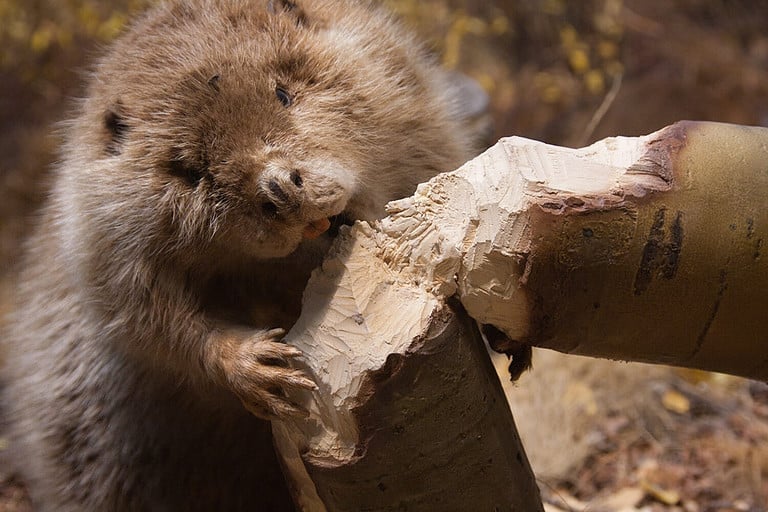
Beavers are being relocated to Loch Ness to positively impact the ecosystem.
©Michal14/Shutterstock.com
The River Ness catchment was chosen by NatureScot as being an excellent habitat for the beavers due to the expansive waterways, the wooded regions surrounding the catchment, and the low risk of negatively affecting surrounding land.
“After a careful assessment, we believe that bringing beavers back to the Ness catchment will significantly improve the biodiversity of this part of Scotland,” Robbie Kernahan, NatureScot Director for Wildlife Management, explained in a statement. “Beavers can bring many benefits for nature and people, creating habitats such as ponds and wetlands where other species thrive, as well as moderating water flows in times of flood and water scarcity.”
Before transplantation, all beavers will undergo medical testing to ensure they are free of illness or disease.
Why Did Beavers Go Extinct from Loch Ness?
The River Ness catchment was not the only place where beavers went extinct nearly 500 years ago. Their absence also spread across the British Isles, changing ecosystems and landscapes to this day.
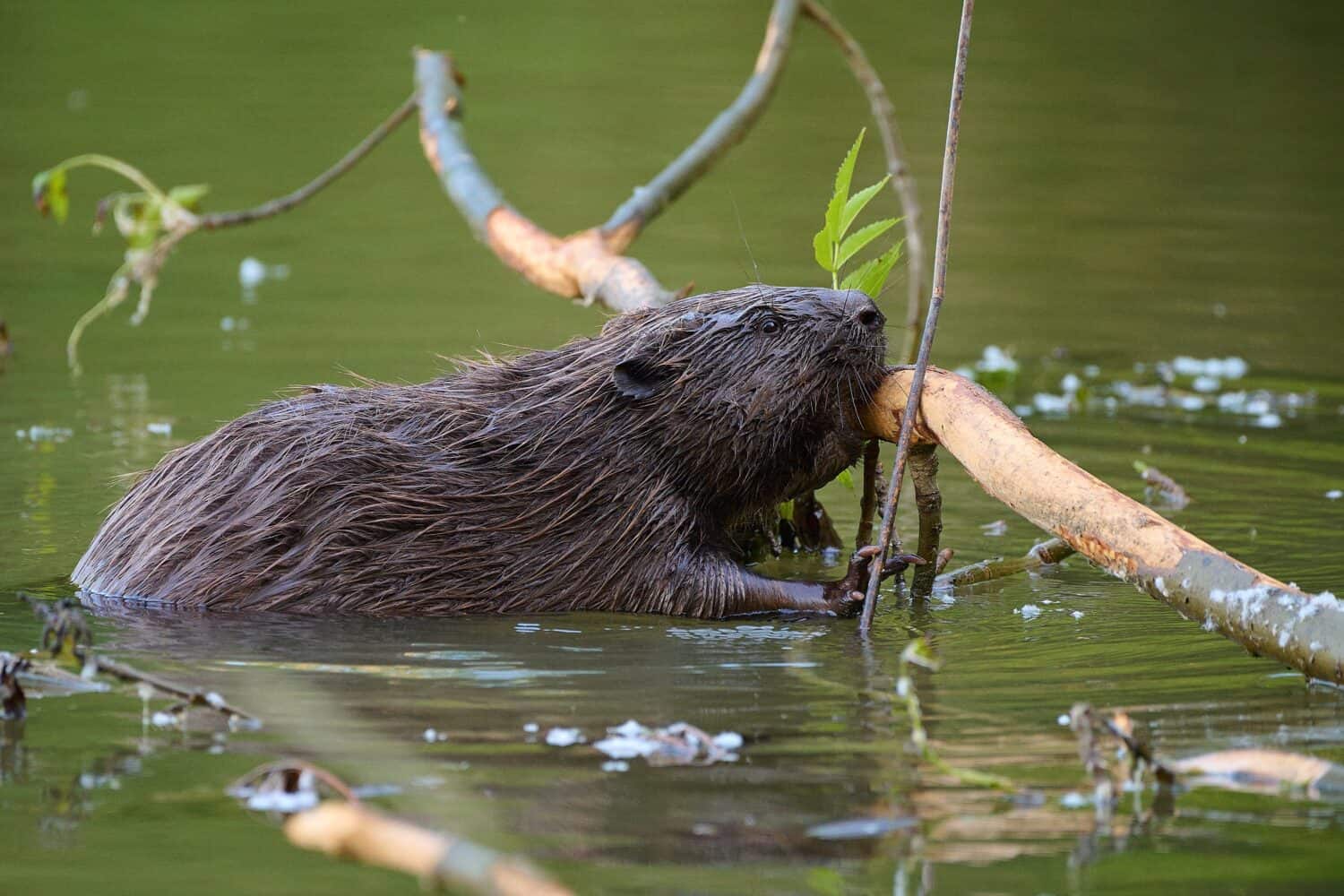
Beavers went extinct from Loch Ness after being overhunted, habitats were destroyed, and there were no laws to protect them.
©Tomas Palsovic/Shutterstock.com
Several reasons explain why beavers went extinct in Loch Ness. All of these can be attributed to the residents of the region at the time. Those reasons include:
- Overhunted for meat and fur
- Overhunted for use of their scent glands for makeup, perfumes, and medicine
- Riparian habitats were destroyed to create agricultural lands
- No laws were created to protect beavers, leaving them open to extinction and with no chance of recovery
It is a shame it has taken this long to return beavers to one of their natural habitats. But now that there is an understanding of the benefits beavers bring to an ecosystem, the hope is that beavers never go extinct from Loch Ness again.
Where the Relovated Beavers Come From
The beavers being relocated to Loch Ness were captured from thriving beaver communities near what will become their new home. Consequently, the hope is that the beavers will acclimate quickly after release and create a new habitat that Loch Ness has lacked for centuries.
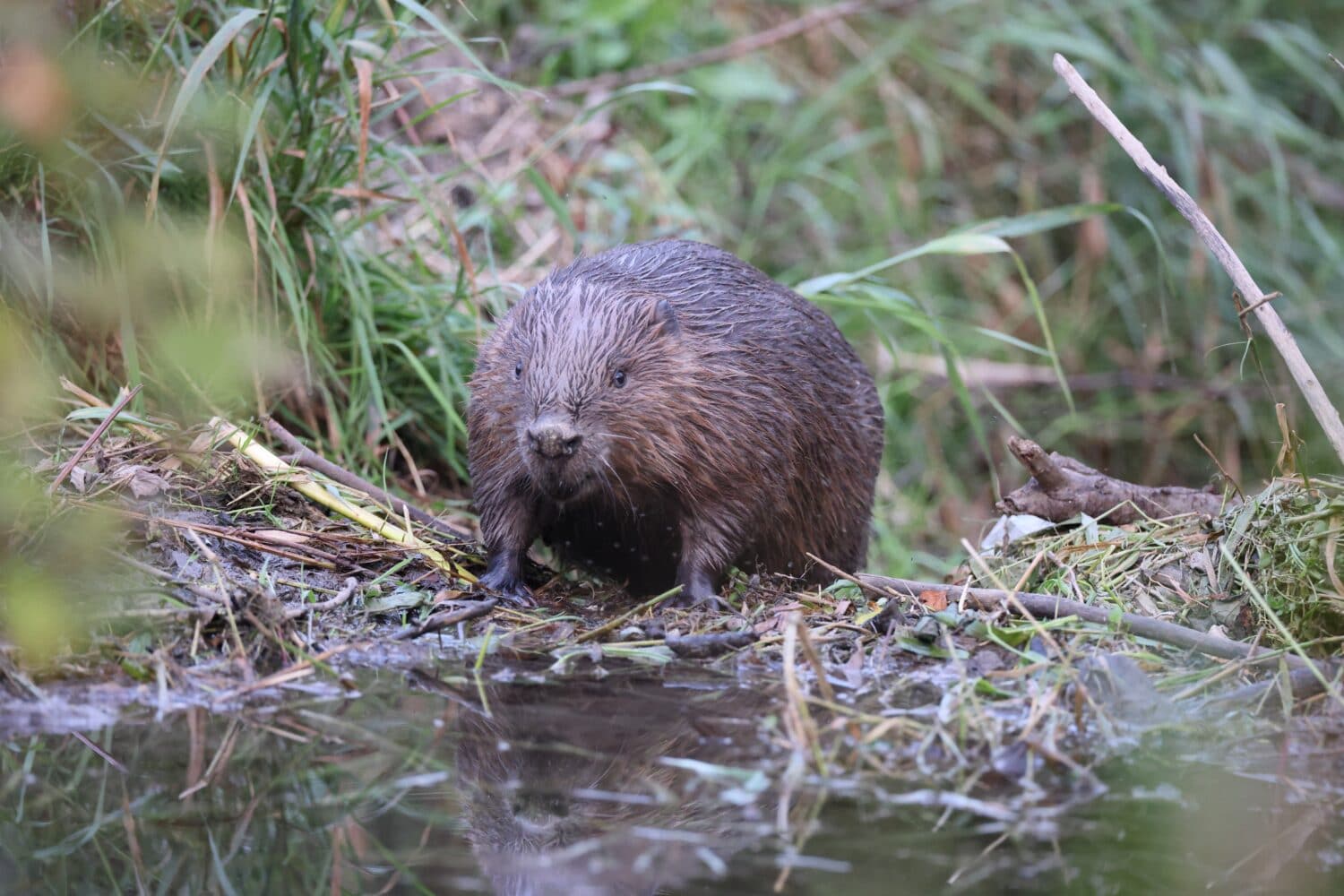
Beavers will be transplanted to Loch Ness will come from Abriachan, Strathglass, and River Oich.
©Frank Fichtmueller/Shutterstock.com
The known monitored beaver groups the Loch Ness population will be pulled from include:
- Abriachan
- Strathglass
- River Oich
Although these beavers live near the River Ness catchment, experts found no circumstances under which they naturally migrate there. Therefore, to bring beavers back to Loch Ness, they had to be transported. Natural dispersal would never have created a long-lasting beaver colonization of the region.
Benefits Beavers Bring to Loch Ness
With beavers extinct in Loch Ness for 500 years, it is easy to forget that they once benefited the region. Instead of being seen as nuisances, or worse, beavers are now seen as environmental engineers. Their return is anticipated to be a positive move for Loch Ness and the River Ness catchment, restoring the land to a state it has not experienced for centuries.
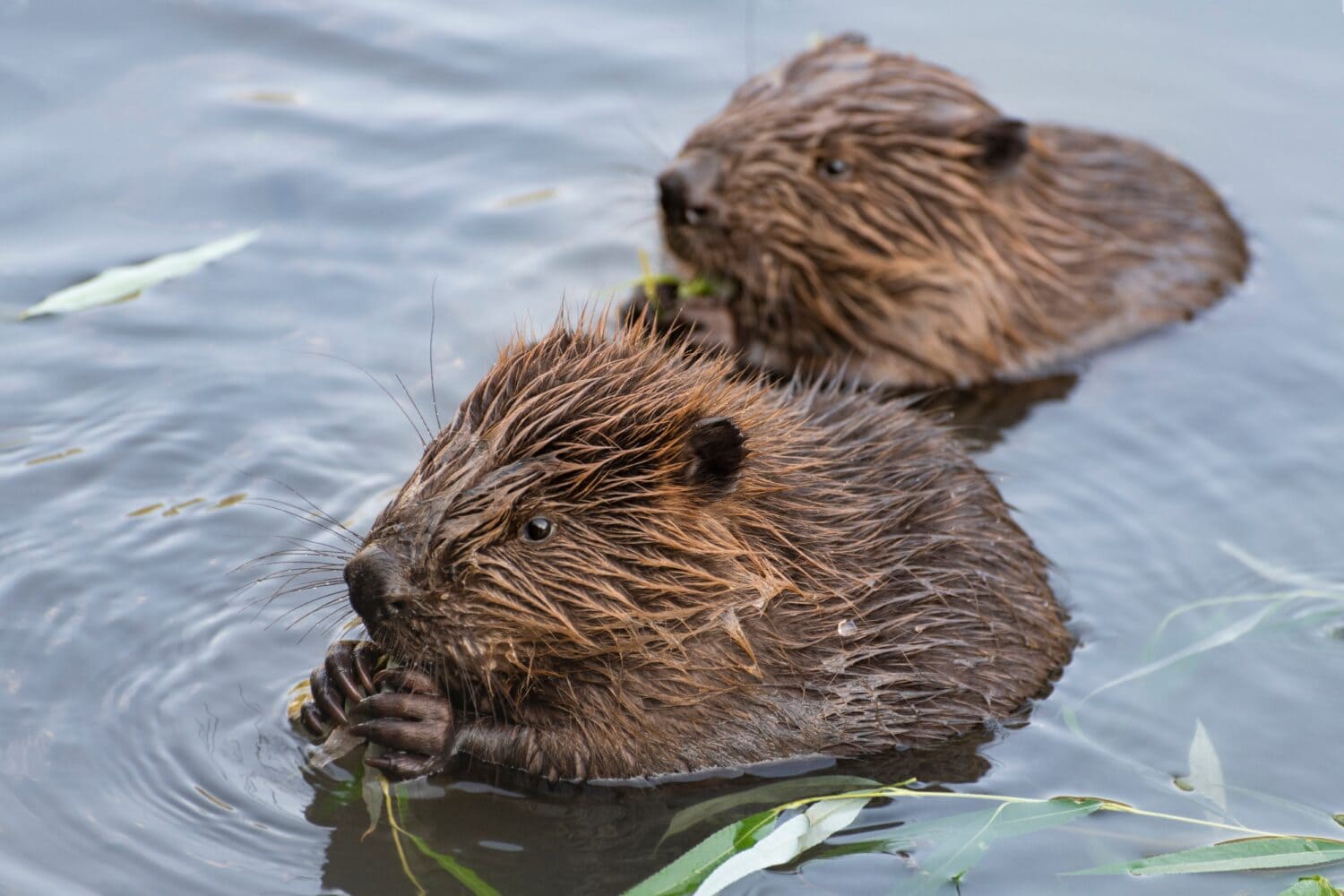
Beavers help to create dams and canals that connect riverways, reduce localized flooding, and create water storage during drought.
©Oksana Golubeva/Shutterstock.com
Some of the major benefits relocating beavers to Loch Ness brings are as follows:
- Beavers create dams and canals that connect riverways, floodplains, and wetlands to one another
- Dams and canals help to reduce localized flooding
- Dams create water storage, useful during times of drought
- Relocating beavers will create biodiversity in Loch Ness that has been missing
Outside of the environmental impacts, beavers returning to Loch Ness bring ecotourism to the region. Ecotourism already plays an important role in the Loch Ness area, along with cultural heritage. As a result, relocating beavers to an ecosystem where they once flourished nicely marries the two.
Concerns Raised About Relocating Beavers to Loch Ness
The relocation of beavers has gained the support of 73% of those living near Loch Ness. However, others have raised concerns. Landowners, residents, and fishery owners worry that beavers will create competition and harm the land. According to NatureScot, these concerns are valid. However, they commit to monitoring the relocated beavers to prevent issues before they begin.
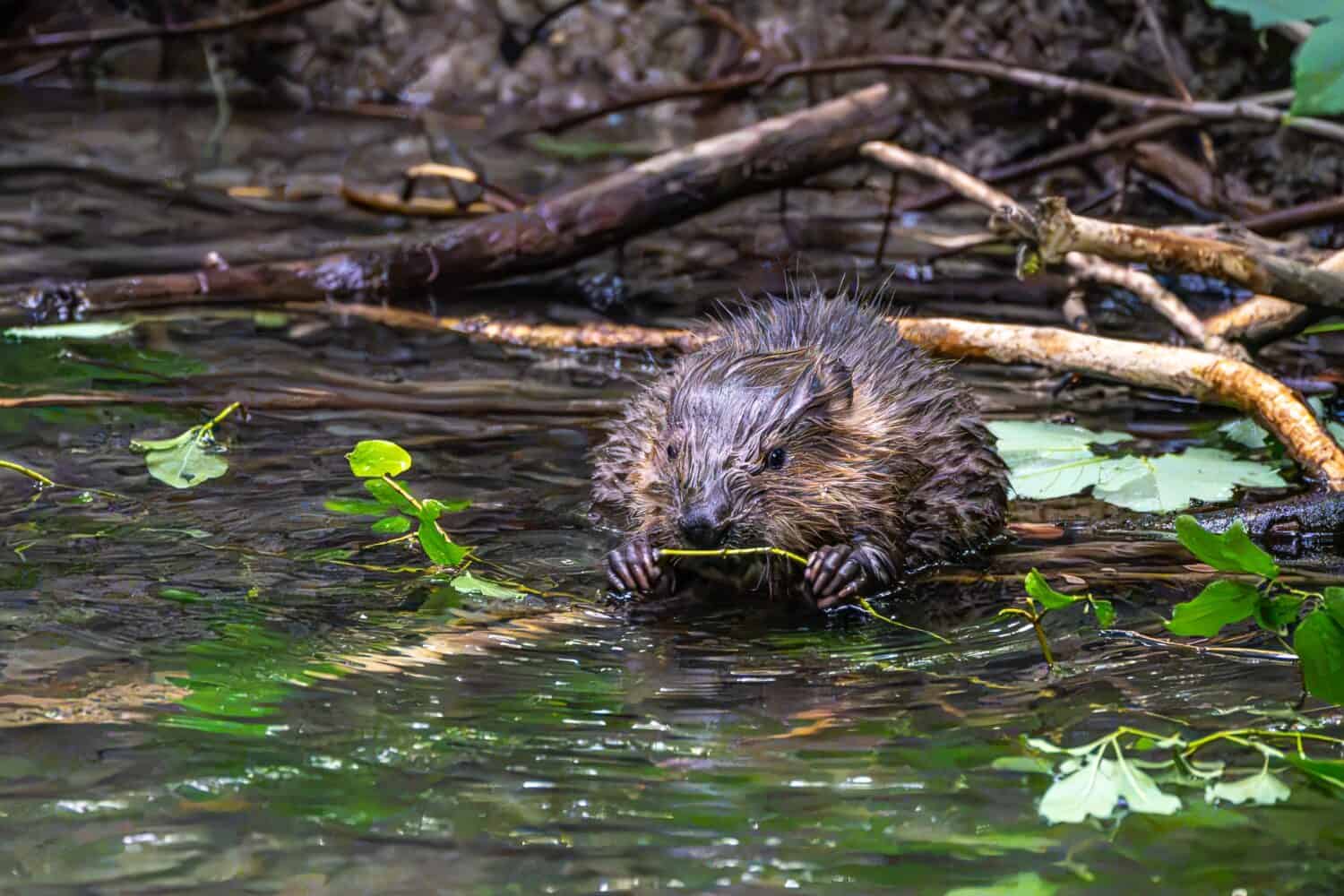
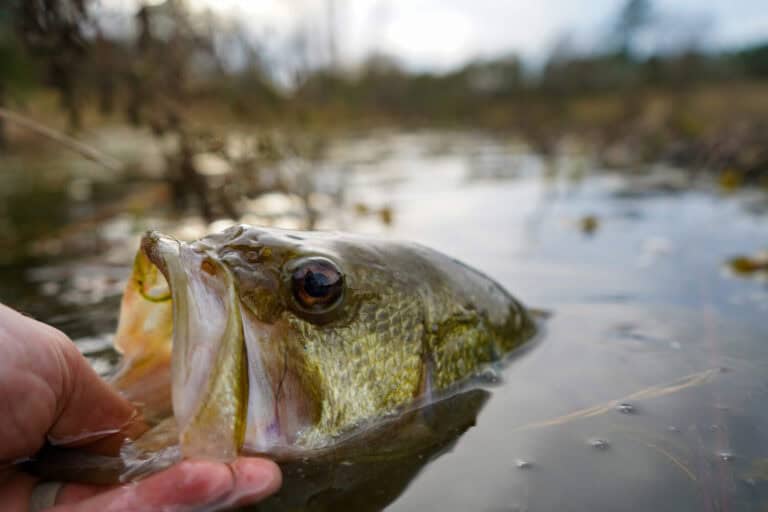
Concerns about relocating beavers to Loch Ness focused on potential water quality impacts and damage to farmland.
©RudiErnst/Shutterstock.com
Some of the biggest concerns that have been raised regarding relocating beavers to Loch Ness include:
- Creating dams can change the flow of the water, affecting its quality
- Fish stocks may be depleted as a result of altering water flows
- Damage to farmlands
- Water flow changes can lead to flooding
Until beavers are returned to Loch Ness, it is hard to tell how they will change the region’s landscape. While their return is expected to be positive, NatureScot will regularly survey the area to ensure land-use needs are not affected by the ecological benefits the beavers create, with the ultimate goal of beavers and residents along the River Ness catchment living in harmony.