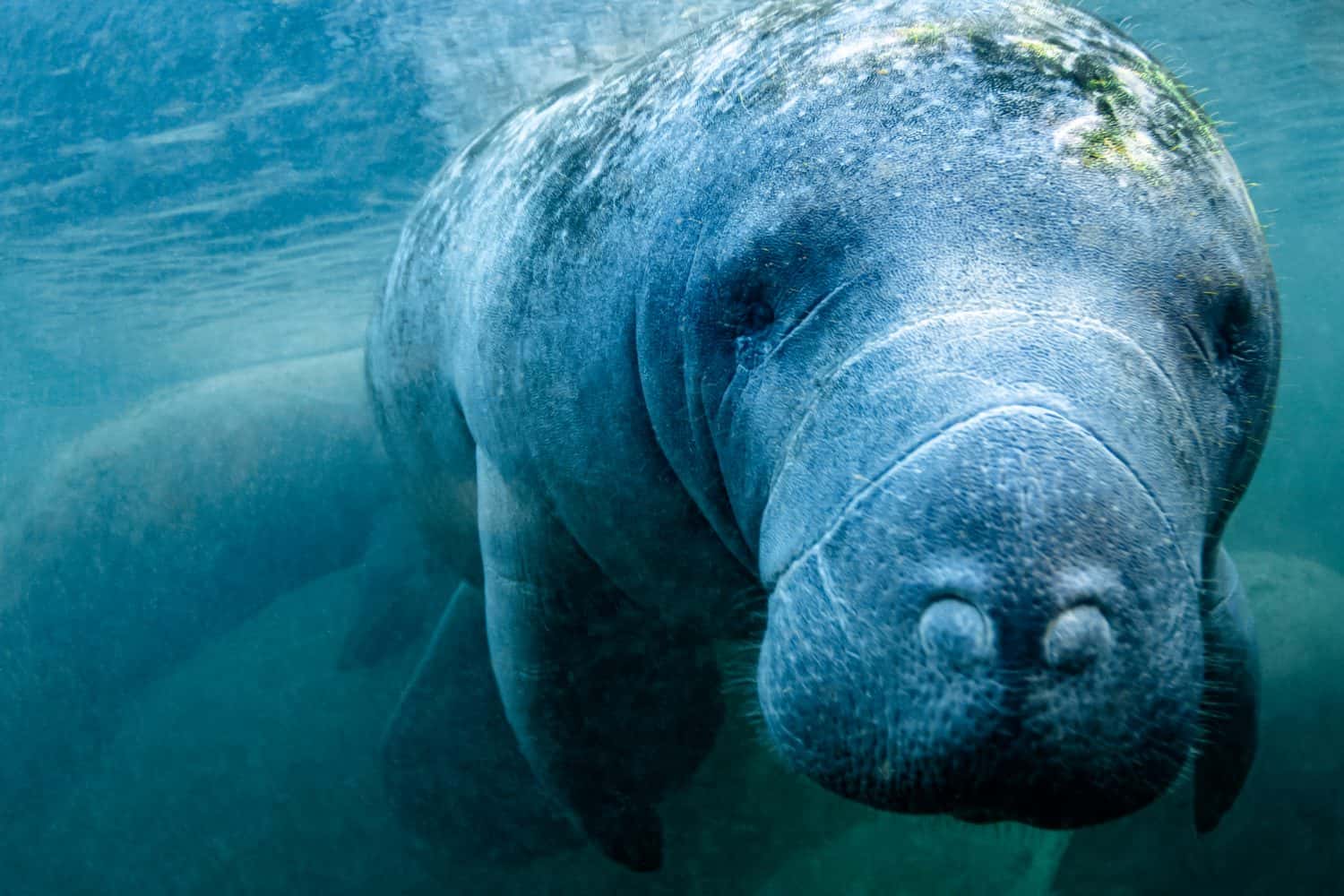

Quick Take
- Cold water temperatures are now one of the leading causes of manatee deaths in Florida.
- The number of hypothermia and boating-related manatee deaths has doubled as of April 2026.
- Despite rising fatalities, Florida’s population overall shows positive signs of recovery.
Throughout the world, climate change and human activity continue to devastate our most vulnerable populations. One species, currently listed as Threatened under the U.S. Endangered Species Act, is fighting this battle close to home. Although the term ‘climate change’ often suggests warming, it also leads to extreme fluctuations in temperature. For the Florida manatee, this means cold stress and, ultimately, weeks of fighting a losing battle. As of early 2026, cold stress is one of the leading causes of manatee deaths in Florida, but it’s not the only threat to Florida’s mascot.
Cold Water Is a Killer, Doubling Death Rates
“Cold water” and “Florida” don’t typically belong in the same sentence. But as global temperatures rise and weather becomes unpredictable, so too do weather patterns. With Florida experiencing colder-than-usual winters and springs, its native wildlife suffers. Manatees are particularly vulnerable to this. It takes weeks, if not months, for water temperatures to recover from a cold snap. In Florida, many of the canals and bays where manatees live are below what’s needed for them to survive.
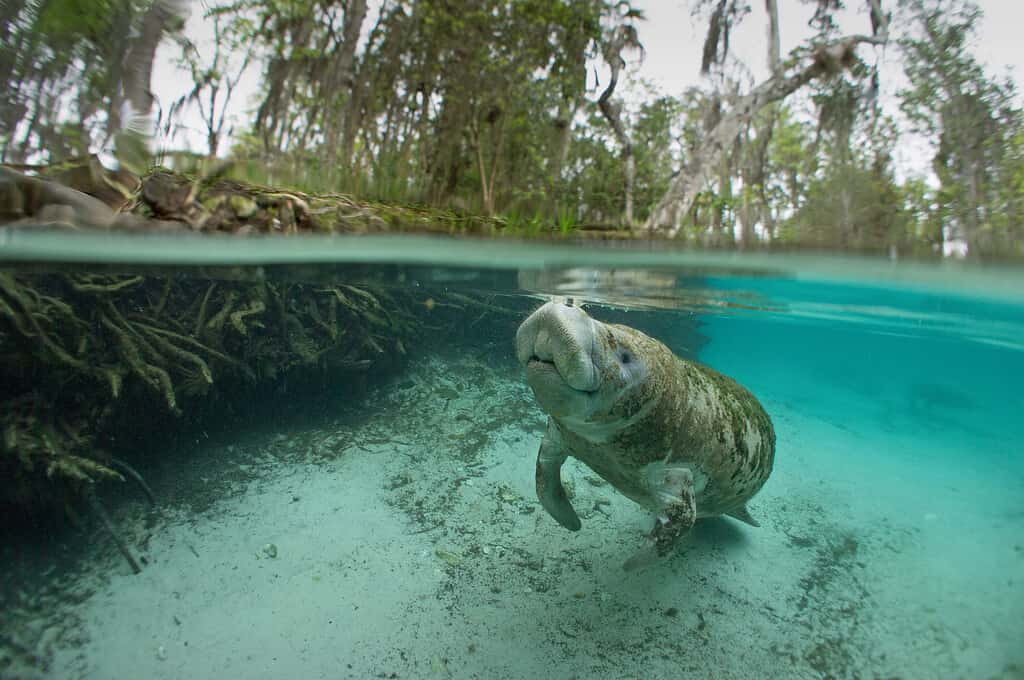
Manatees can’t survive water temperatures lower than 68 degrees Fahrenheit.
©tobiasfrei/iStock via Getty Images
In March 2026, these conditions caused cold stress, killing more than 30 manatees. When water temperatures drop below 68 degrees Fahrenheit, manatees can’t adapt as other species do. They have no dormant phase and can’t wait out the cold weather until spring arrives. This shocking number of fatalities eclipses previous years, which saw an average of 12 cold-related deaths per year over five years.
Boating Accidents Are Another Leading Cause of Death
Human activity also affects manatee survival rates. Even if manatees manage to survive cold temperatures, they still contend with accidental collisions with boats. As boaters power through canals and estuaries where manatees feed and raise their young, they’re more likely to be hit. While it’s not necessarily the boat captain’s fault, it’s a significant issue in places like Lee and Brevard Counties.
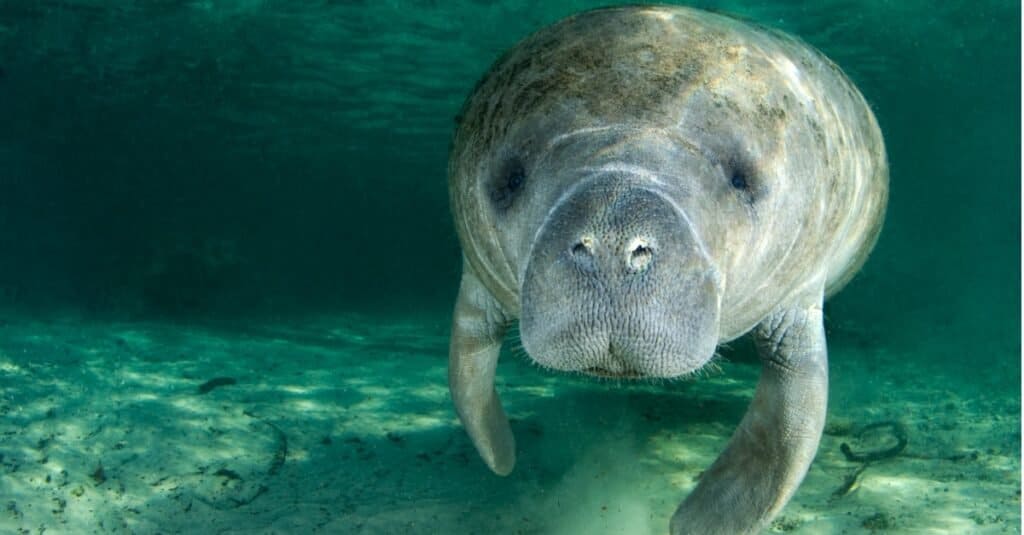
Boating accidents cause most of the scars on a manatee’s body, if the manatee survives the encounter.
©A Cotton Photo/Shutterstock.com
As of March 2026, 31 watercraft-related manatee deaths have already been recorded. This is still a steep jump from the five-year average of 21 boat-related manatee deaths. According to the Florida Fish and Wildlife Conservation Commission, these numbers are concerning but do not necessarily indicate a decline in the overall manatee population.
While Manatee Deaths Rise, Their Numbers Continue Increasing
Overall, the total number of manatee deaths is lower than in recent years. Despite the sharp peak in deaths at the start of 2026, Florida’s manatee deaths have gone down from 342 to 238 over the five-year average. Even with this good news, celebrating would be premature. Florida’s exceptionally cold February may continue to affect the current population. If this happens, the number of temperature-related fatalities will rise.
While Florida’s manatee populations have somewhat recovered over the last decade, the long-term effects of the events in 2025 have yet to be determined. Boating accidents happen at random, but with nowhere to go to escape the cold weather, the fate of these beloved animals still hangs in the balance through 2026.