
Named “the most biodiverse inland state in the U.S.” by Oxford Academic, Tennessee is home to some of the nation’s most scenic landscapes — from the Great Smoky Mountains to the Mississippi River. While its trails are brimming with wildlife, there might not be as many truly “dangerous” animals as hikers might assume. We’ll break down which species to watch out for and what to do when encountering wildlife.
Does Location Matter?
The short answer is yes. According to Janelle Musser, Black Bear Support Biologist at the Tennessee Wildlife Resources Agency, location is crucial when determining what species you might spot on a hike.
“If you’re hiking in East Tennessee, near the Smoky Mountains, you’re going to see bears, potentially wild hogs, snakes, a variety of birds, and maybe small mammals like squirrels, chipmunks, groundhogs, opossums, and raccoons,” Musser explains.
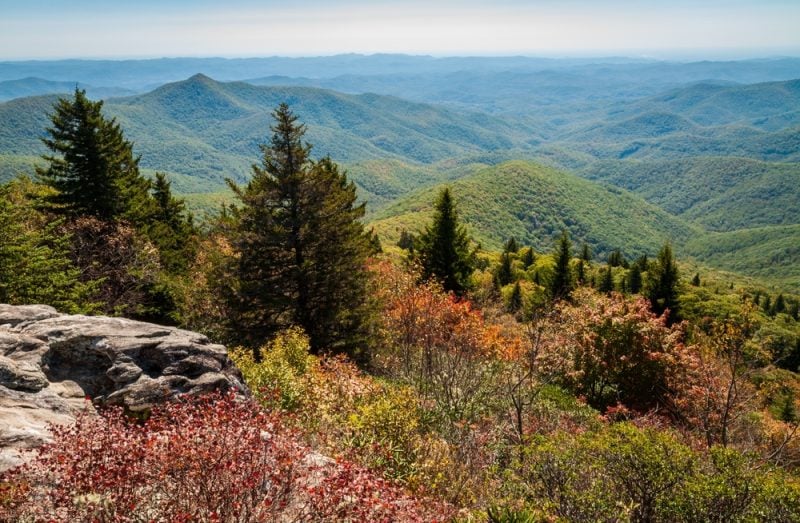
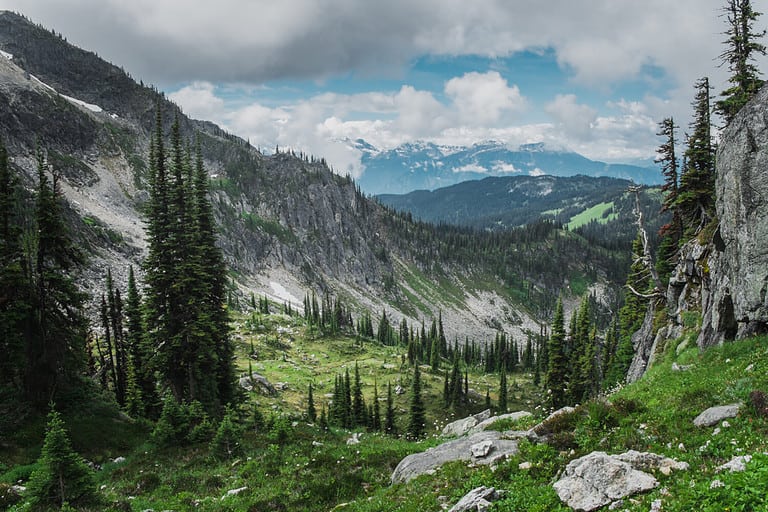
Scenic views of the Great Smoky Mountains, home to some of Tennessee’s most diverse wildlife.
©Zack Frank/Shutterstock.com
On the other hand, as you move toward West Tennessee—especially near swampy areas—you’re likely to see a greater variety of snakes. This region is also a haven for birds, including waterfowl, wading birds, songbirds, and birds of prey.
Two Animals to Keep a Close Watch For
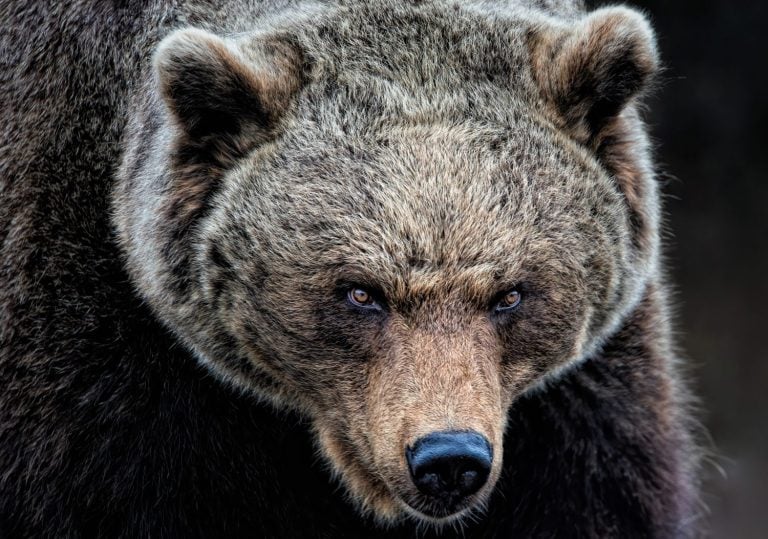
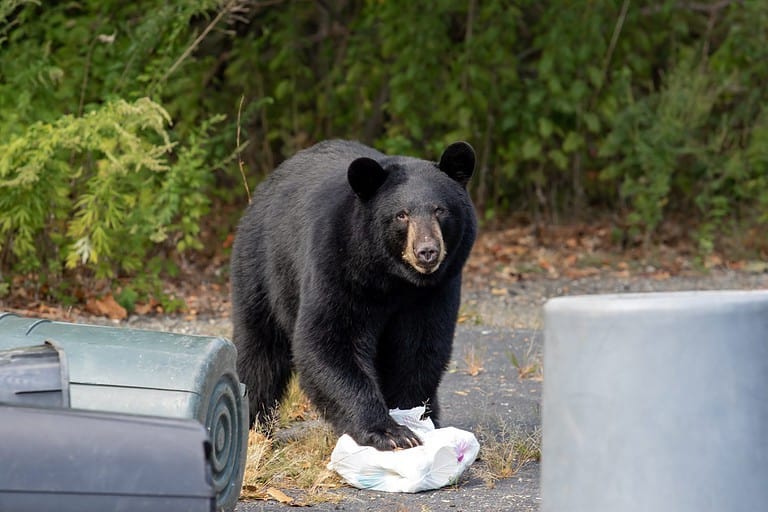
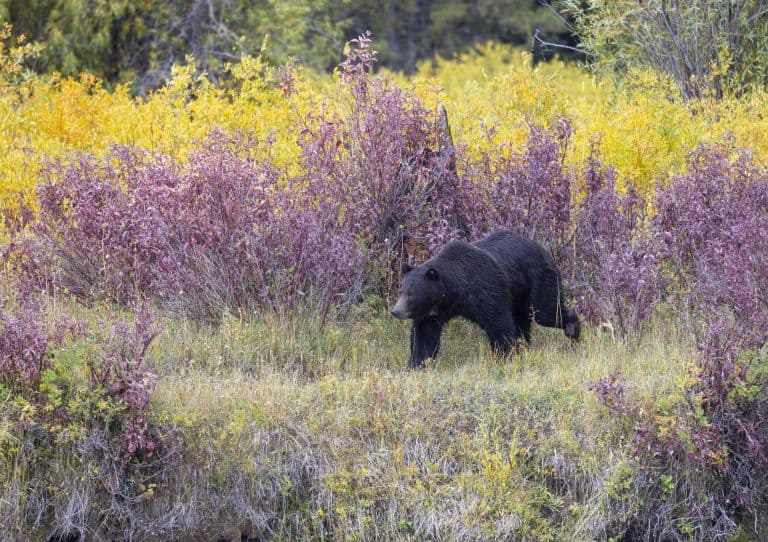
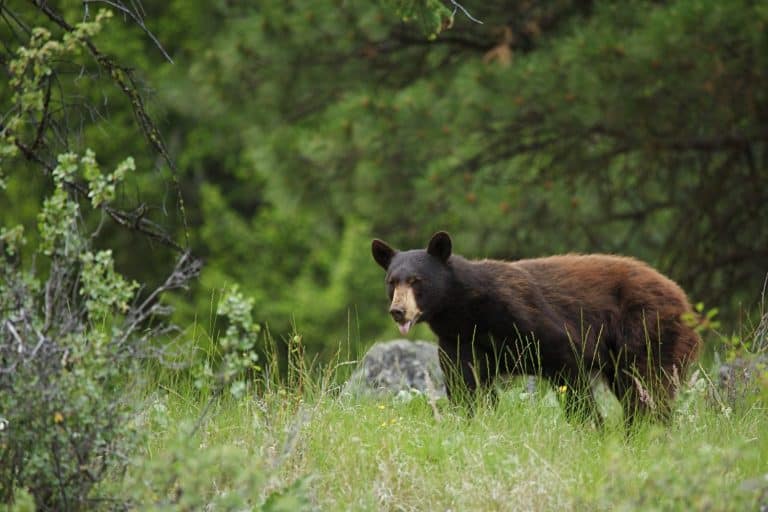
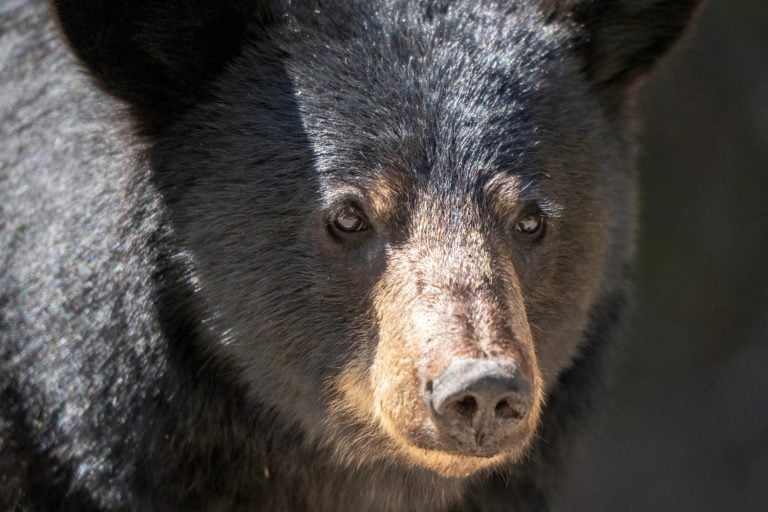
The first animal likely to come to mind when you think of hiking in Tennessee is a bear. While primarily known to roam through East Tennessee, Musser says experts are seeing the population expand to Middle and West Tennessee.
“Reports are usually in the springtime when bears are dispersing,” she adds. “That’s a common time for people to see bears—especially when those juveniles are being kicked away from Mom.”
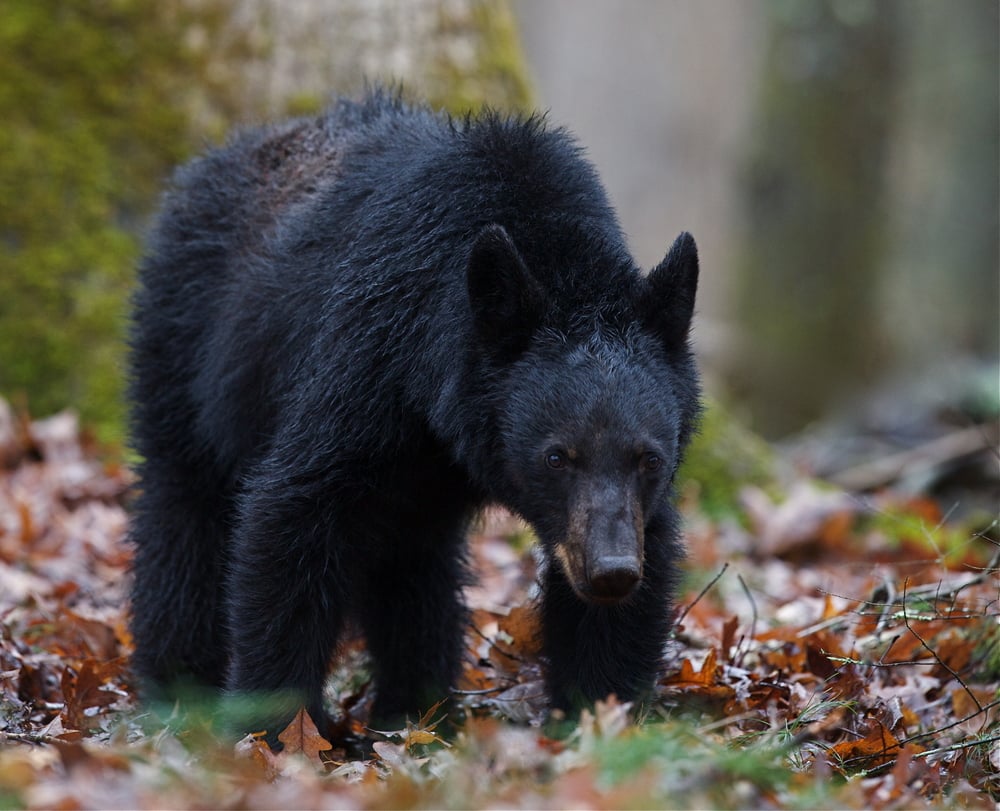
“We see an uptick of bears in August when natural foods are scarce,” Musser says. “Then, we see bears again in the fall when they are trying to eat a lot of calories to prepare for winter and are active all day.”
©Tom Reichner/Shutterstock.com
According to Musser, the other seemingly more “dangerous” species to keep a lookout for is wild hogs. Over the last 15 years, the species has expanded from 15 Tennessee counties to a total of 95. You’re more likely to spot them during the winter months, particularly in the southeastern mountain region and along the Mississippi River in West Tennessee.
Make noise, make yourself look big, raise your hands above your head, and yell to get that bear to move on.
Janelle Musser, Black Bear Support Biologist at the Tennessee Wildlife Resources Agency
Fortunately, the steps to remain safe around hogs and bears are somewhat similar. First, Musser says that if you’re a reasonable distance from the animal (about half a football field away), you should simply enjoy the experience.
For bears in particular, if you’re any closer than that, you want to make your presence known. “Make noise, make yourself look big, raise your hands above your head, and yell to get that bear to move on,” says Musser. “If it doesn’t move or just climbs a tree, then it’s best to back out of that area slowly and take another route.”
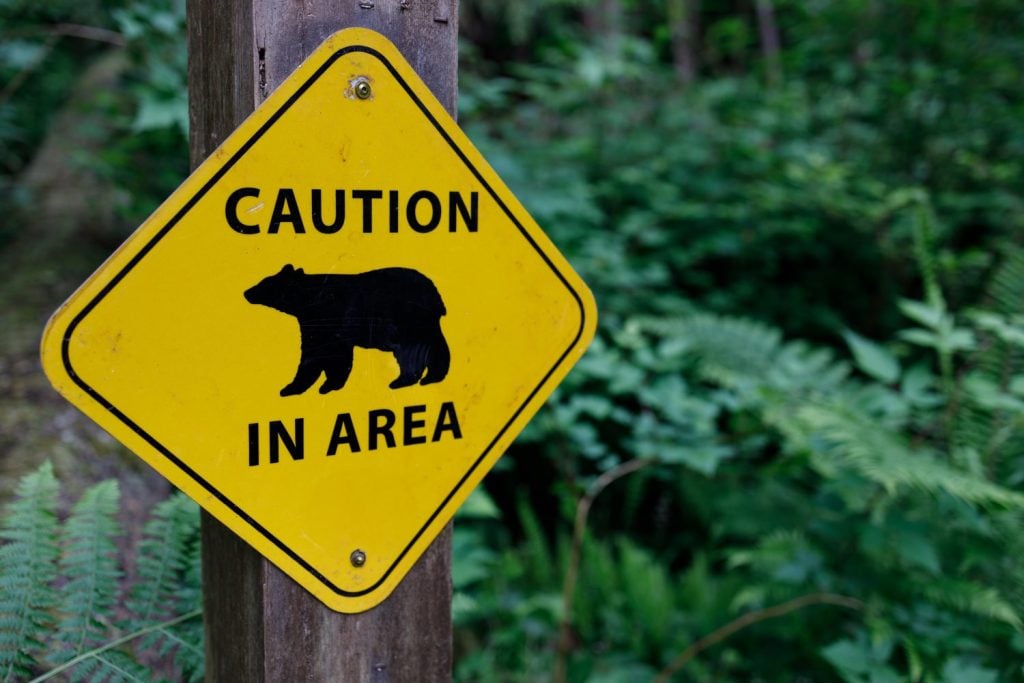
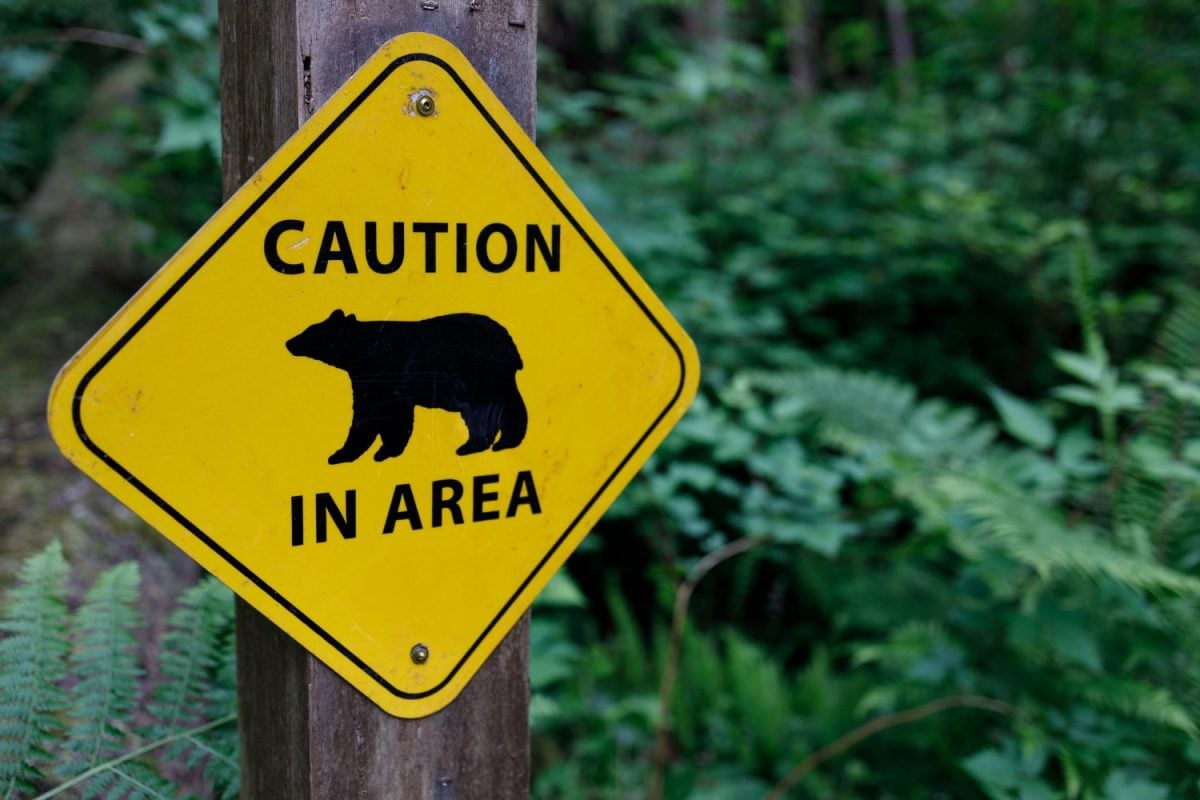
“When you’re hiking in bear country, it’s best to just be alert,” says Musser. “Don’t wear ear pods — especially noise-canceling headphones. That way, you can hear your surroundings and make noise to let wildlife know you’re around.”
©Margarita Young/Shutterstock.com
If you’re near a wild hog, the process is a bit different, as you’ll want to remain silent. “The best thing is to stay calm and back away slowly,” explains Musser. “If they move on to another area, then you can keep moving to wherever you are headed. If they don’t, then back away and don’t hike that trail that day.”
General Safety Advice
When it comes to safety in terms of general wildlife, Musser’s biggest piece of advice is to remain alert. Not only does this help you during dangerous situations with wildlife, but it can also prevent incidents before they even happen.
“The way a lot of people end up getting injured by wildlife is by trying to interact with them— whether that’s trying to get closer to take a photograph, trying to pick something up that they don’t realize is harmful, or trying to feed wildlife,” Musser says.
Other Common Tennessee Wildlife
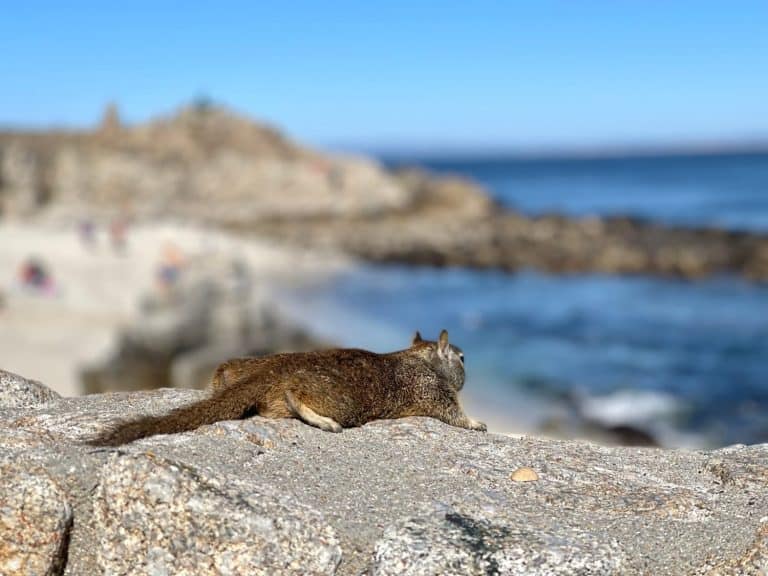
- Small mammals: Squirrels and chipmunks are frequent species along wooded trails, while raccoons and opossums are seen more at dawn, dusk, or near campsites.
- Deer: White-tailed deer are common throughout Tennessee. You’ll likely spot them in meadows and fields, as well as along the edge of hiking trails.
- Birds: Tennessee is home to various bird species, including hawks, woodpeckers, songbirds, and herons.
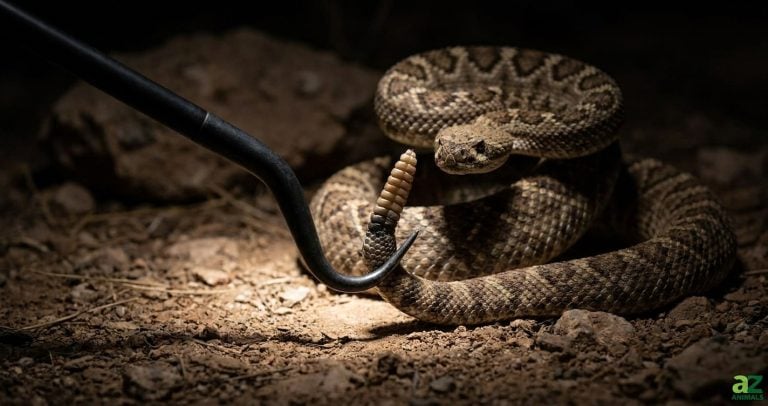
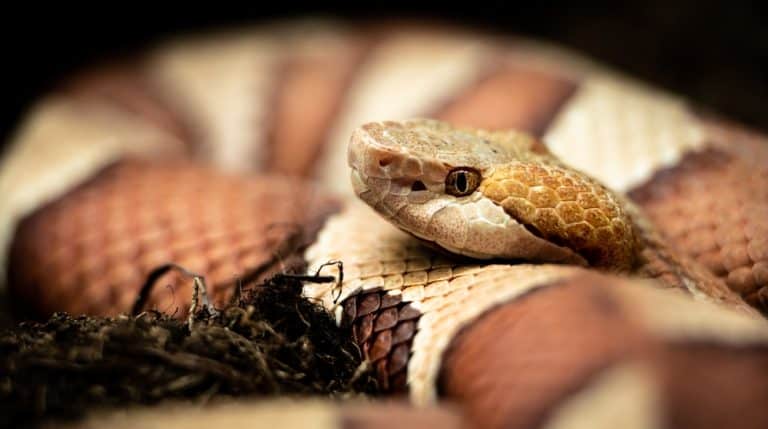
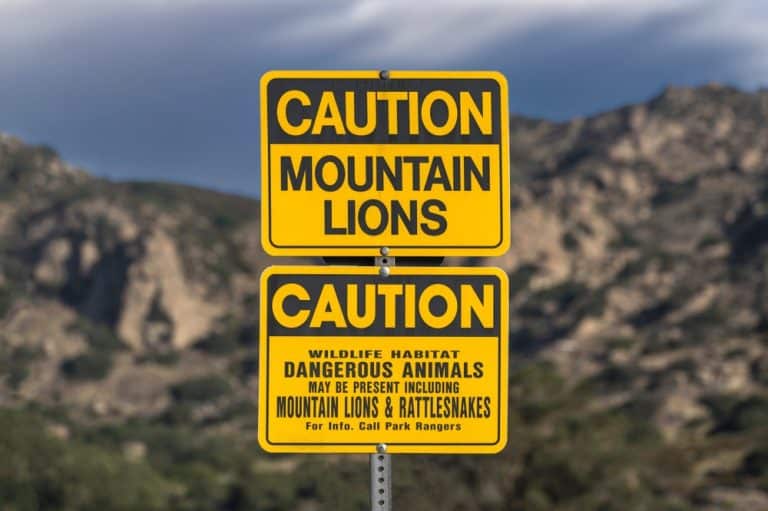
- Snakes: You are likely to spot snakes near lakes and swamps in West Tennessee. While most are not venomous, copperheads, cottonmouths, and timber rattlesnakes are potentially harmful species.
From chipmunks to black bears, the wildlife you might see during a hike in Tennessee is nothing short of memorable. Stay alert, keep a safe distance, and you’re bound to have incredible memories.