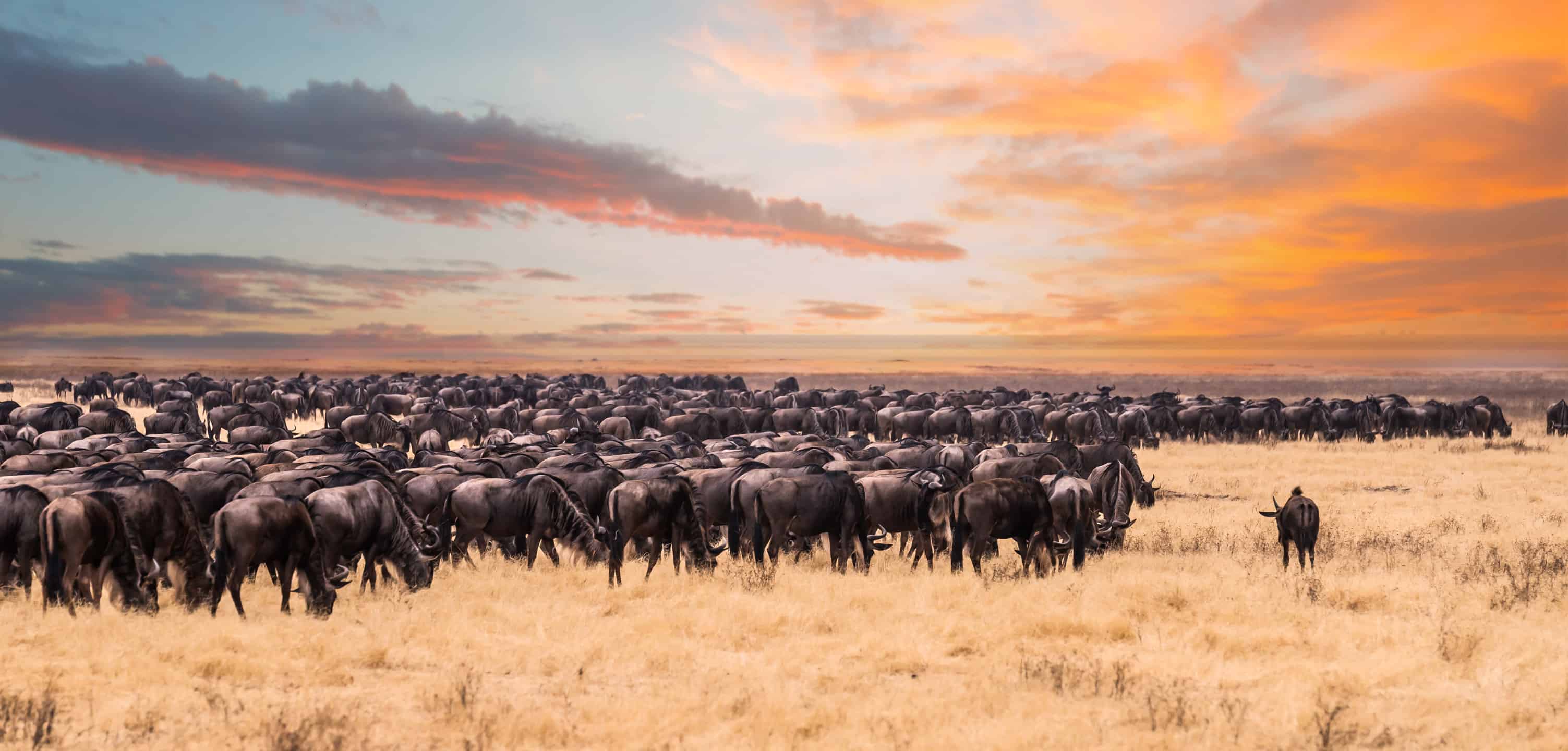

Africa’s annual Great Migration is hailed as one of the seven wonders of the world. During this extraordinary phenomenon, over a million wildebeests traverse the Masai Mara National Reserve (MMNR) to get to their new grazing grounds. But this awe-inspiring sight could become a wonder of the past. The Wildebeest migration in the MMNR is under considerable environmental pressure due to human activities. Here, we explore a recent study that aimed to identify the optimal arrangement of migration corridors and buffer zones to give the wildebeests the best possible protection.
Migrating Wildebeests
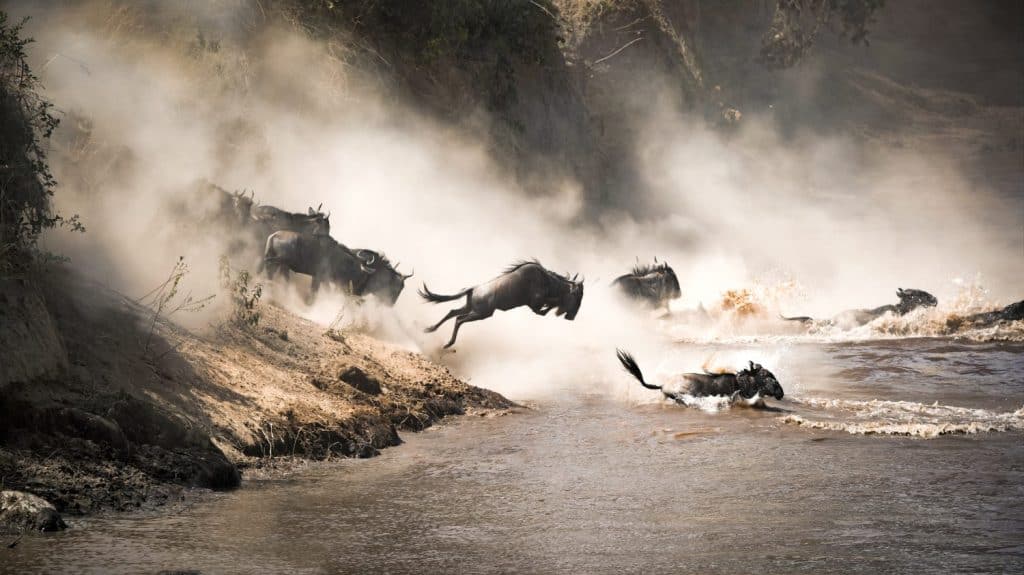
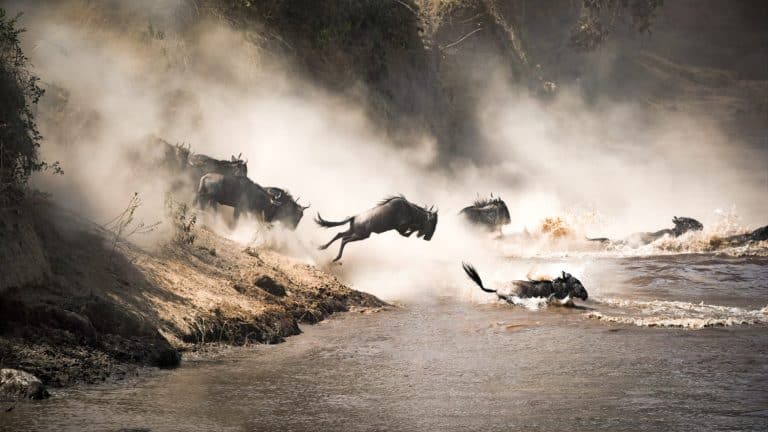
Wildebeest are vulnerable when migrating.
©Jane Rix/Shutterstock.com
Wildebeests, also called gnus, are a type of antelope in the Bovidae family. There are two species, the black wildebeest and the blue wildebeest. In East Africa, the blue wildebeest is the most abundant big game species. Not all wildebeests are migratory, but for some, it is an important behavior. The populations that migrate do so to find better grazing grounds during the dry season. The exact dates of the migration vary, but the routes always require them to cross rivers. This creates a spectacular sight that tourists travel thousands of miles to witness.
Successful overland migration requires certain conditions. There must be large and connected landscapes that the animals can access without disturbance, and these are increasingly hard to find. For example, fences across migration routes have prevented wildebeests from being able to access their watering holes from their grazing grounds and have resulted in tens of thousands of deaths.
If wildebeest are lost from an ecosystem, the impacts will be severe. They play a vital role in increasing soil fertility and adding to the biodiversity of the area. Wildebeest are also a major tourist attraction.
Human Impact on Migrating Animals
As human society expands, urbanization and changes in land use disrupt ecosystems, placing environmental stress on wildlife populations. Scientists refer to this as human–wildlife environmental conflict. Whilst some level of conflict is inevitable, conservationists work hard to identify solutions that alleviate the environmental impact of human activities. A balance has to be struck between economic advancement for the local population and ecological sustainability.
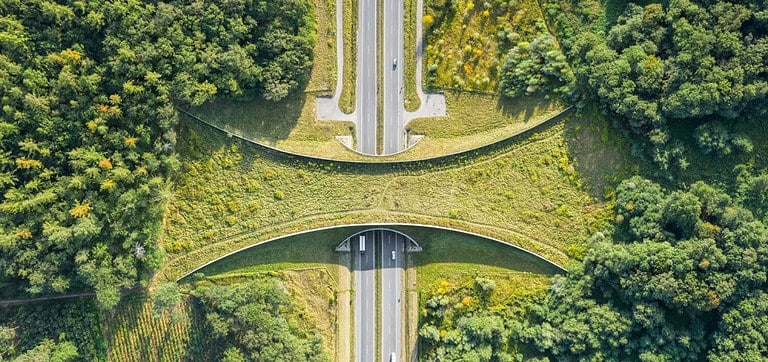
One such solution has been the use of ecological corridors and buffer zones. These habitats can be used to connect species separated by human activities. However, their use has not been fully assessed in large-scale migrations.
Wildebeest Migration Under Threat
Wildebeests migrate between the Serengeti National Park and MMNR. Their numbers declined significantly between the 1970s and the 1990s, and while some populations have stabilized or partially recovered in certain areas, overall numbers remain below historical levels. In some areas, wildebeest populations are under such pressure from land fragmentation, settlements, fencing, and cultivation that they have stopped migrating altogether. In the wider area, there is competition between the needs of the wildlife, tourists, urbanization, and the Maasai herdsmen.
Static protected areas, such as those in the national parks, are no longer sufficient to safeguard the migration. The scientists conducting this study have come up with a model that optimizes both migration corridors and buffer zones. They suggest that it balances the needs of conservation with human development.
Ecological Corridors for Migration
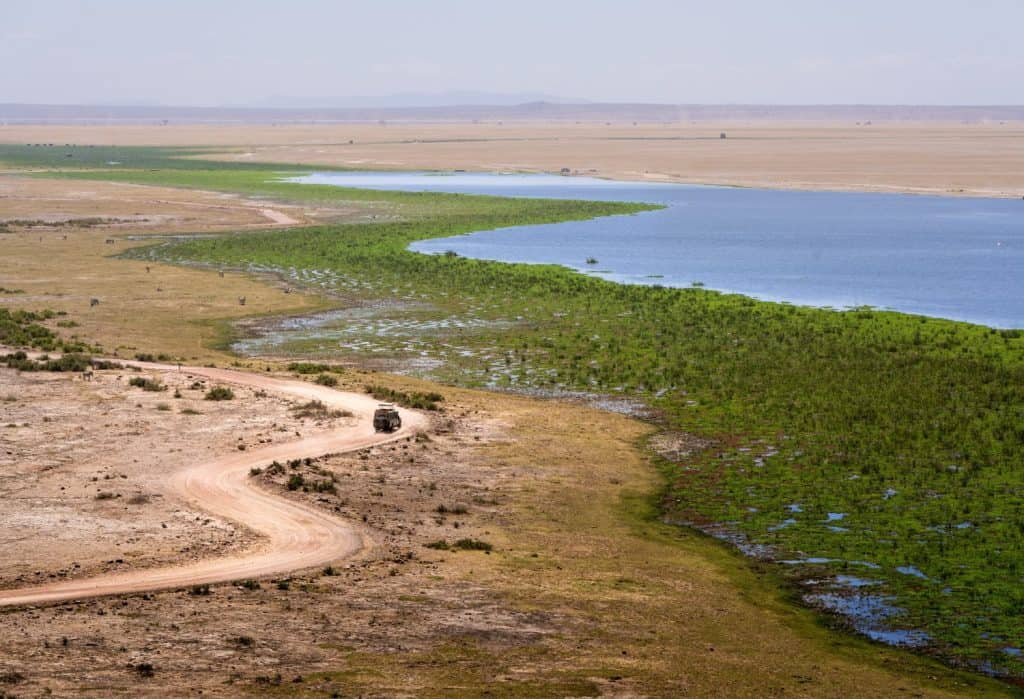
Masai Mara dry season necessitates migration.
©Smcgowan_photography/Shutterstock.com
Using a combination of maps of the MMNR wildebeest migration routes and mathematical calculations, the researchers derived a model of the migration routes of the wildebeests. Previous surveys have identified several factors that exert environmental pressure on wildlife. These include human population size, the number of human settlements, wildebeest numbers, and the distance the animals need to travel. By combining parameters for all of these variables into a mathematical model, the researchers identified an optimal migration route for the wildebeests. By protecting this route, with customized buffer zones around it, the wildebeests are given the best opportunity to migrate safely.
Recommendations to Protect Migration
The wildebeests of East Africa face considerable environmental pressures during migration. Ultimately, their migratory lifestyle and even their survival may be at stake. However, simply expanding the reserves will not be enough to protect them. They need customized and planned buffer zones that need to be protected when human developments, such as city expansions, are planned. In particular, urbanization in Nairobi is a threat, and urban sprawl is especially impactful on biodiversity. Larger human communities should not expand towards the migration routes. What’s more, industrial facilities could be relocated from high-impact areas to low-impact zones.
Finally, the researchers concluded that these buffer zones should only be developed with the full participation of the Maasai Mara’s indigenous communities. Their traditional lifestyles and livelihoods need to be respected. Sustainable, low-impact industries such as eco-tourism could be used to raise living standards whilst reducing the environmental impact on migrating wildebeest.