
Quick Take
- A record-breaking butterfly season sounds like great news, but scientists say it may be setting up a population crash that could take years to recover from. See the crash risk →
- Painted ladies have remarkable numbers from this summer's butterfly count. Explore the migration feat →
- The same hot, dry weather that's great for adult butterflies is quietly devastating something they depend on to survive as a species. How drought harms caterpillars →
- Some UK butterfly species never fully recovered after droughts in 1976 and 1995, a fact that has experts watching 2027 very closely. What experts fear for 2027 →
Over 100,000 volunteers in the United Kingdom counted nearly 1.4 million butterflies and day moths in the world’s largest insect count. Butterfly Conservation’s Big Butterfly Count of 2026 revealed that this summer was an incredibly successful one for butterflies. However, the hot, dry weather that produced the best butterfly count since 2019 could spell trouble for their offspring and threaten butterfly populations for years to come. Despite this year being the second-best Big Butterfly Count in 16 years, experts warn that drought conditions could mean less food for newly hatched caterpillars.
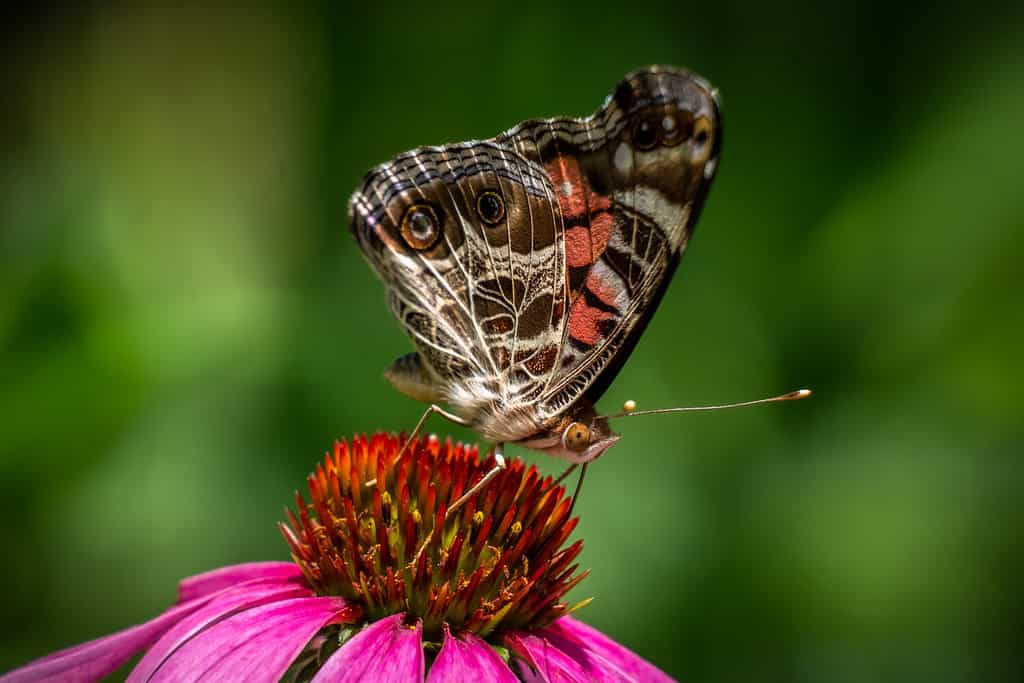
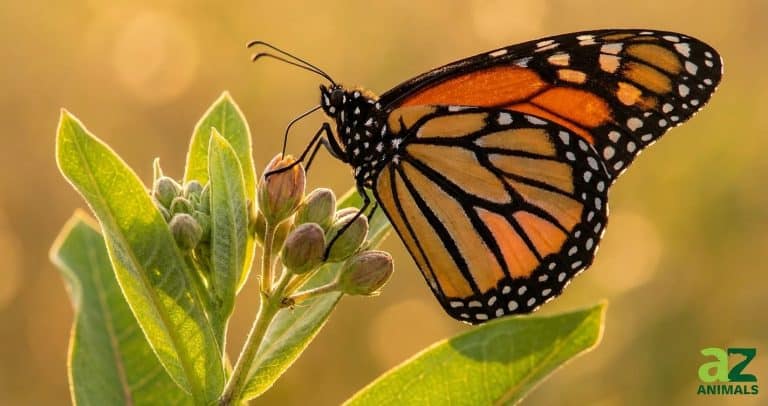
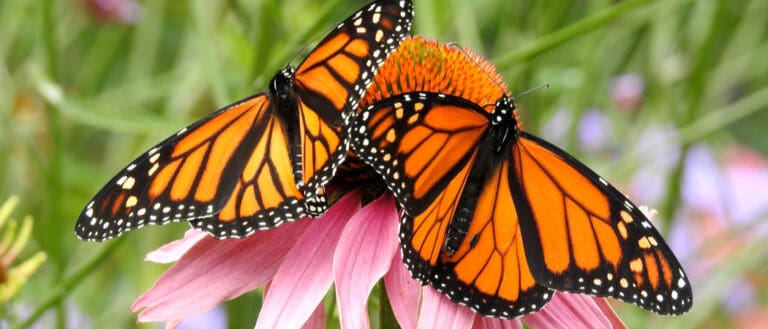
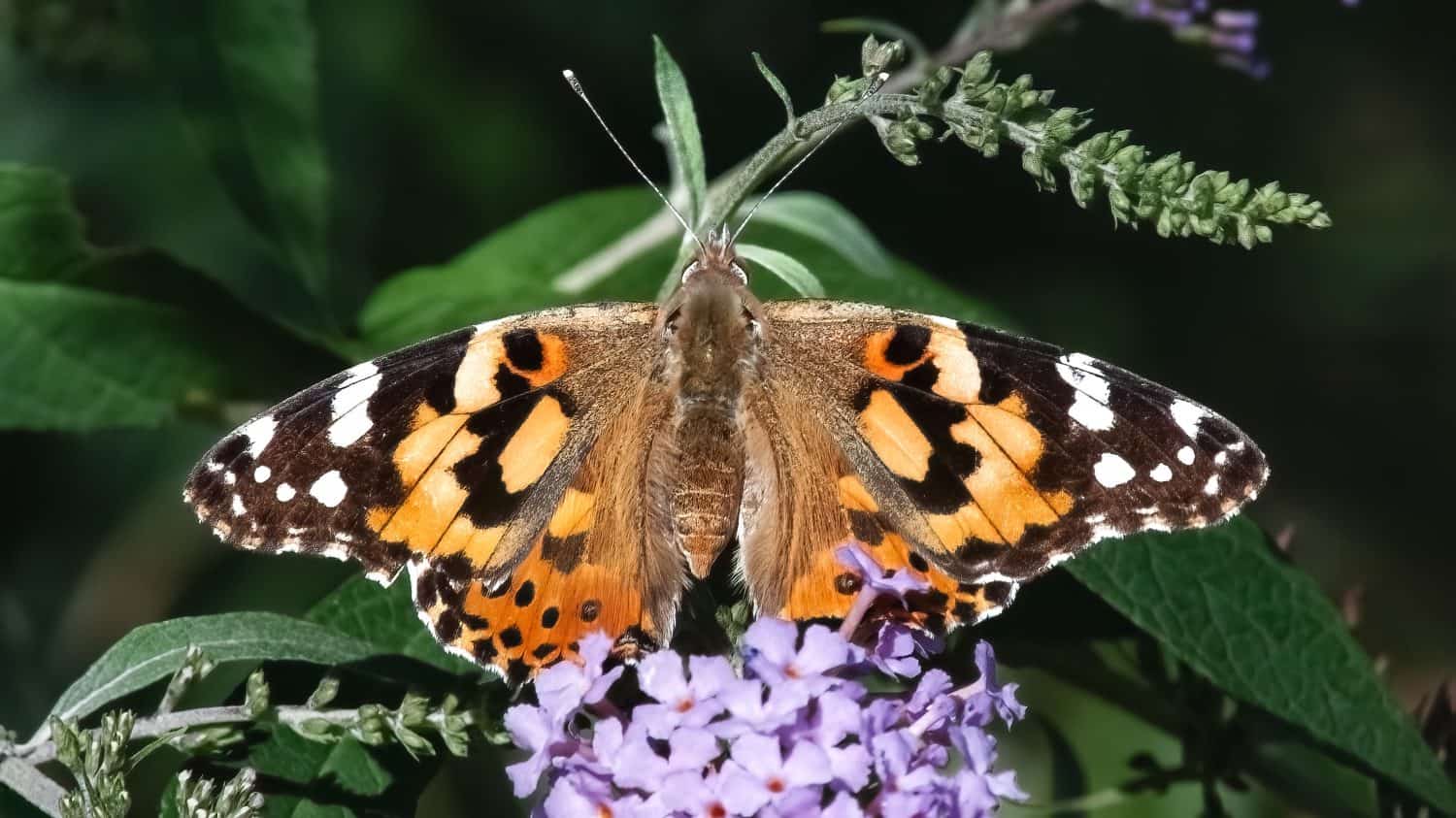
Painted lady butterflies migrate from long distances to reach the United Kingdom.
©samray/Shutterstock.com
Painted Ladies Had a Spectacular Surge
It was “painted lady summer” this season. Painted lady (Vanessa cardui) numbers were up 335% from last year and 161% from the average year. Volunteers counted 85,508 painted ladies, the second-best year since the count began in 2010.
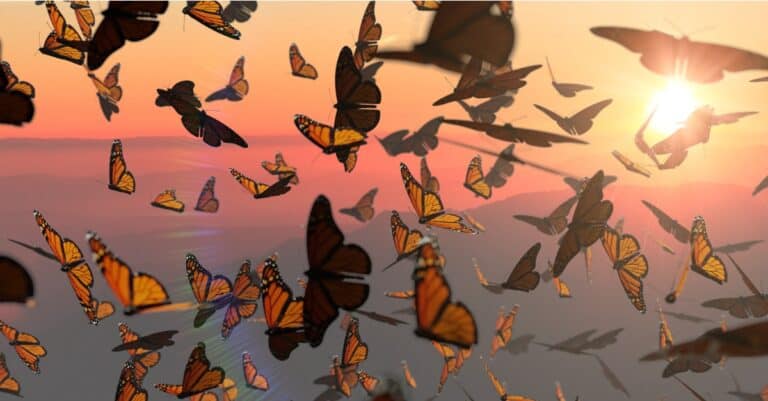
Painted ladies are the most widespread butterfly in the world and migrate incredibly long distances. The painted ladies in Britain undertake a multigenerational migration from Africa. Each generation travels one leg of the 5,000-mile journey, beginning in sub-Saharan Africa.
Traveling north across the Sahara Desert, some butterflies stop in North Africa, while others arrive in Southern Europe and the Mediterranean. The next generation continues north, finally arriving in Great Britain in spring and early summer. It’s a multigenerational trip to Great Britain, but researchers have learned that some travel the entire 5,000 miles back to Africa in a single generation.
Holly Blues and Gatekeepers Also Set Records

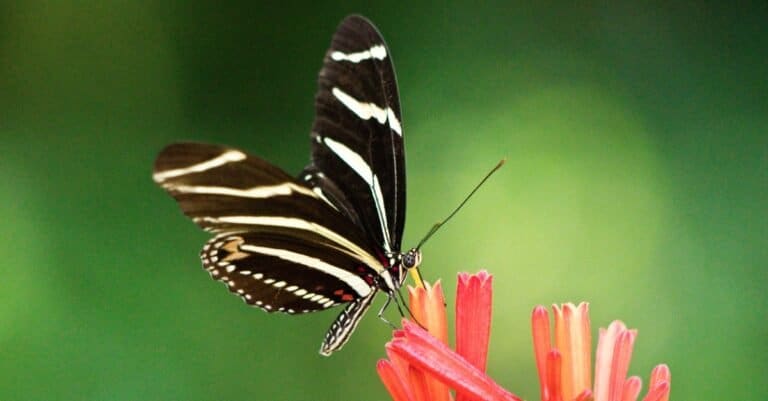
Holly blues are one of the first butterflies you may spot in the spring in the United Kingdom.
©AbbieC23/Shutterstock.com
Painted ladies are not the only butterfly species with spectacular results in 2026. Other winners in the butterfly count include holly blues (Celastrina argiolus) and gatekeepers (Pyronia tithonus). Both species had their best-ever year.
Additionally, small coppers experienced their third-best year. The most numerous species counted was the small white or cabbage white (Pieris rapae), with a total of 281,634. However, small white counts were down 13% from last year, although their overall trend is up 12% since the count began.
Why Heatwaves Can Be Good for Adult Butterflies
Some species of butterflies thrive in heatwaves. “This has been one of the hottest, driest summers on record, and the figures certainly suggest that was good news for many of the widespread butterfly species monitored by the Count,” Butterfly Conservation Head of Science Professor Richard Fox said in a press release. “In fact, it was the second best year in the 16-year history of the Big Butterfly Count.”
Butterflies are ectothermic, meaning they need external heat sources, like warm sunshine, to regulate their body temperature. Research has shown that heat-tolerant butterflies use their wings to release heat, while cold-tolerant butterflies can do the opposite to maintain heat longer. Migratory butterflies coming from warmer climates tended to have the best counts this hot, dry summer, while drought-sensitive butterflies had below-average numbers.
The Same Drought Could Threaten Next Year’s Butterflies
Despite the increased butterfly numbers this summer, future generations may be in danger. Fox explained, “Adult butterflies love hot, sunny weather for flying, feeding and breeding, and that’s exactly why people saw so many this summer – but a good summer for adult butterflies is not the same as a good summer for butterfly populations.”
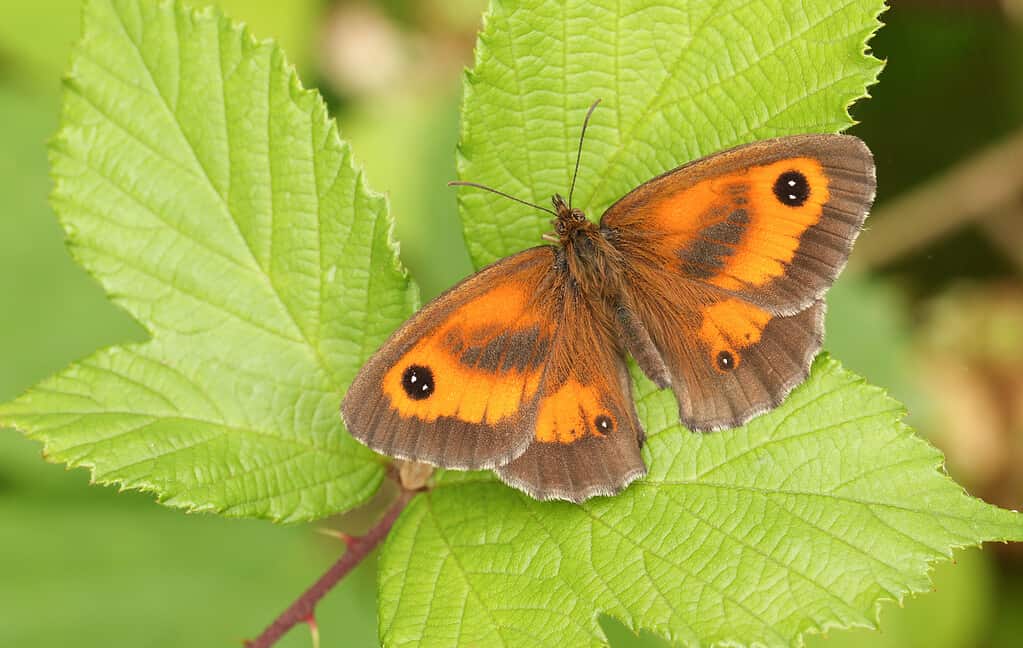
Gatekeeper butterflies had their best year yet in the Big Butterfly Count of 2026.
©Sandra Standbridge/Shutterstock.com
This year’s drought caused host plants that caterpillars feed on to wither and die. Fox said, “What matters far more is what’s happening on the ground, to the butterflies’ caterpillar offspring and the plants they depend on. The very same weather that made it a good year for butterflies – lots of sunshine and very little rain – could mean we’re actually on course for a population crash, which could take years to recover from.”
The Butterfly Boom Had Some Important Losers
Despite the fantastic results for many butterfly species, some experienced decline. The small tortoiseshell (Aglais urticae) was once widespread, but its count is down 30% from last year and 66% overall. Scientists aren’t sure why the small tortoiseshell is in decline but think it could be due to habitat loss or pesticide use.
Other species with lower counts this year include drought-sensitive species such as the speckled wood (Pararge aegeria), green-veined white (Pieris napi), and ringlet (Aphantopus hyperantus).
Will 2027 Reveal the Cost of Britain’s Butterfly Summer?
According to Fox, some butterfly species never fully recovered their numbers after severe droughts in 1976 and 1995. Further, butterfly populations were already in decline, even before this year’s severe drought. In fact, 80% of UK butterfly species have declined since the 1970s.
Fox explained, “With increasingly hot, dry summers and droughts predicted to become more and more frequent due to climate breakdown, degraded habitats and already depleted butterfly populations, some species may be pushed further and faster towards extinction, which is a very somber thought. They are, quite simply, less resilient to these events, which means we could be looking at very difficult years ahead.”
One thing that differs from this year’s drought compared to the droughts of 1976 and 1995 is that those years were preceded by a year of dry weather. Naturalist Matthew Oates told The Guardian that he is hopeful this year’s wet winter and a week of wet weather in June may help next year’s butterfly populations.