
Quick Take
- Winter hazards to dogs’ paws from snow, ice, and salt cause frostbite, slips, torn pads, and dry or cracked skin.
- Walk duration should shrink with cold; 20°F to 32°F is cold for all breeds, limited to 20 minutes with booties and balm.
- Protection methods include booties, paw balm, trimming toe hair, avoiding icy patches, keeping outdoor time short, and wiping balm off after walks.
Regardless of how cold the weather gets, dogs still require outdoor areas to relieve themselves. This means, even if they are not going for a walk, they are potentially exposed to hidden winter hazards for their paws, such as snow, salt, and ice. Prolonged exposure to them can cause damage, some of it extensive. This is why knowing not only when it is safe for dogs to go outdoors during winter, but also how to protect furry friends, is vital for their health and comfort as temperatures drop from chilly to downright frigid.
Many dog owners rue the day that winter weather hits. This is because colder temperatures bring ice and snow, which both owners and their dogs must navigate to stay safe. When it is time to go out for a walk, pet parents bundle up, and sometimes their furry friends do as well. But even when precautions are taken, snow, ice, and salt can still take a toll on dogs’ feet and paw pads, leading to mild to severe discomfort.
Snow, salt, and ice are hard on dogs’ feet for different reasons. When it comes to snow, it can accumulate in balls between a dog’s toes, making it hard or even painful for them to walk. Additionally, if too much time is spent in the snow, the cold can cause the dog’s paws to develop frostbite and the overall body temperature to drop, leading to harmful conditions such as hypothermia.
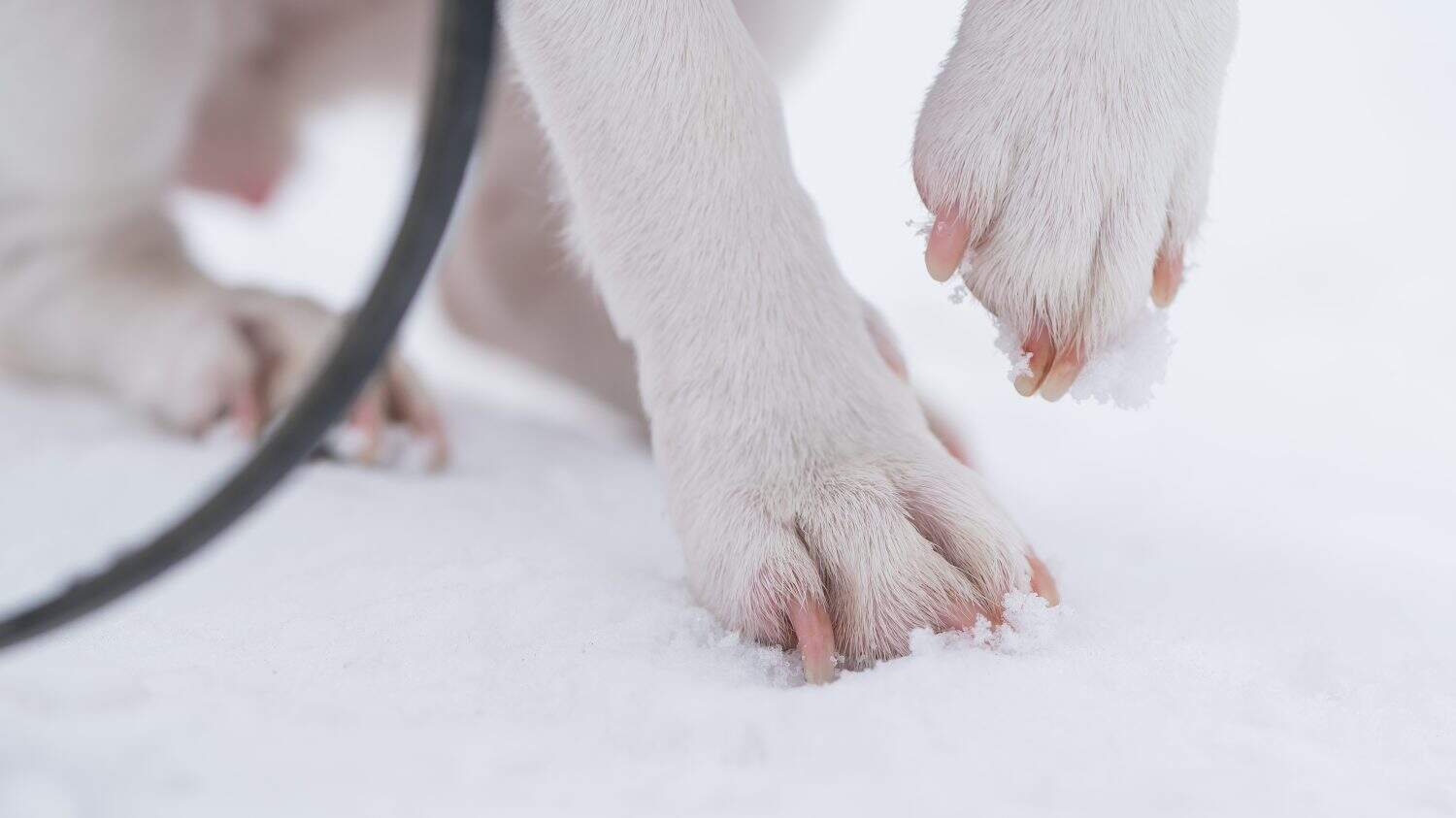
Snow can accumulate in balls between a dog’s toes, causing it discomfort.
©Reshetnikov_art/Shutterstock.com
Ice prevents dogs from getting proper traction when walking. Therefore, injuries from slipping are more likely to occur during the winter. The paw pads can also be pulled or torn, causing extremely painful tears, and, as with snow exposure, too much time on the ice can lead to frostbite or hypothermia.
To rid streets and sidewalks of snow and ice, salt or even de-icing agents are applied. Both of these can cause dryness, cracks, and even burns to paw pads. The winter months can be rough on dogs’ feet and paw pads. Does this mean that canines should not be walked when temperatures dip? The answer is, it depends.
Just because winter brings colder temperatures does not mean dogs cannot be walked. What it means is that when taking dogs out for outdoor fun, their safety and comfort should be considered, just as they are for the pet parent walking them.
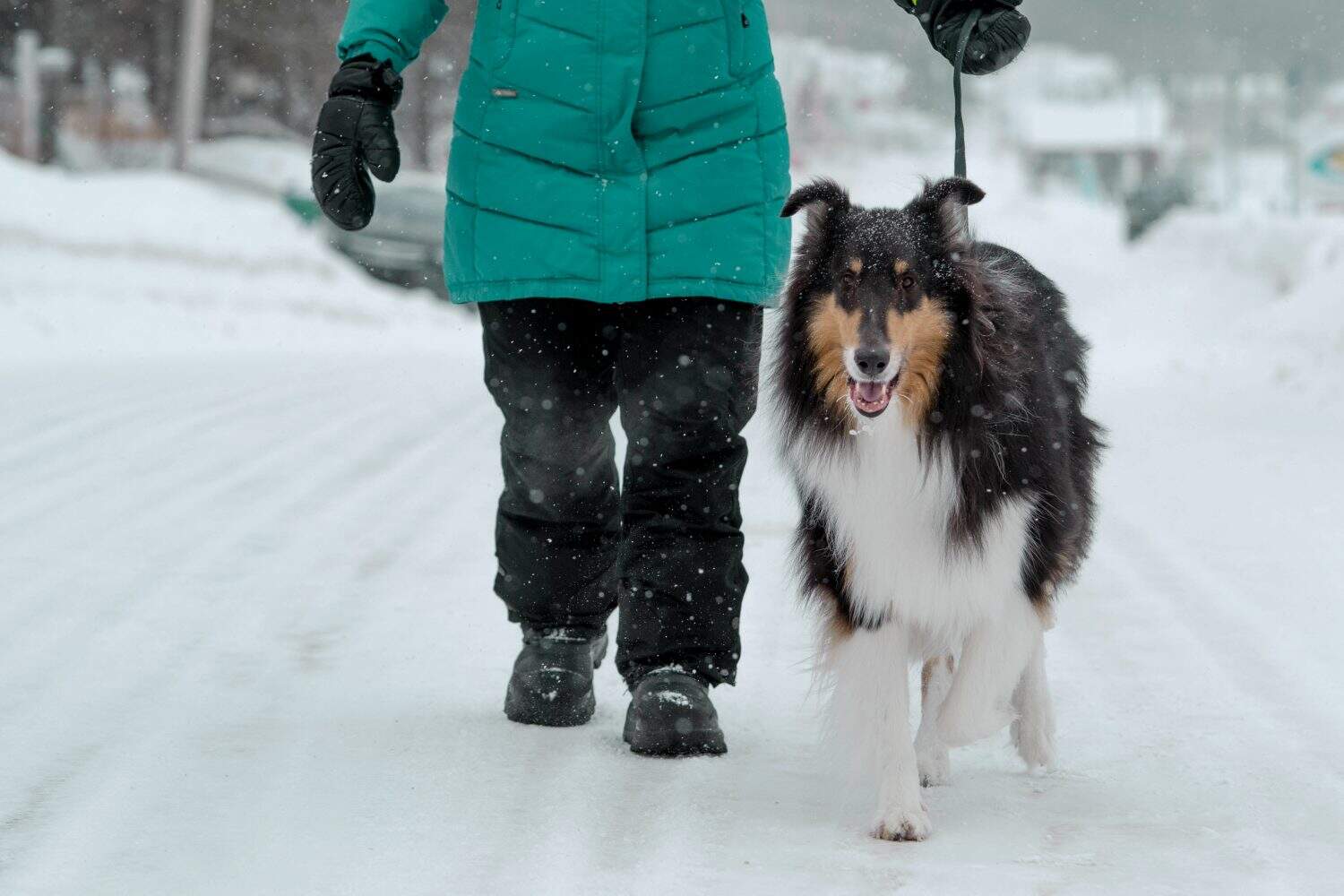
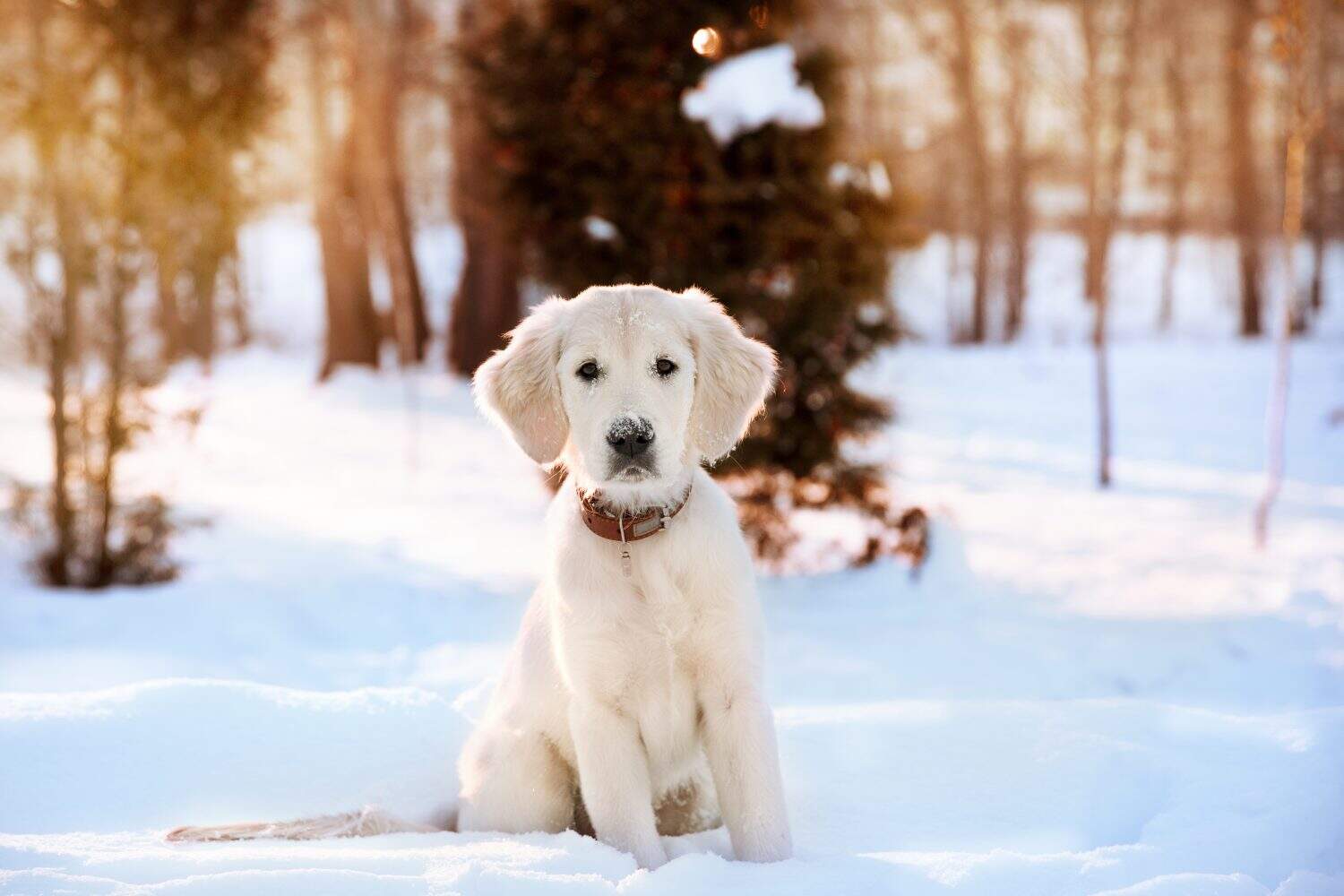
Dogs can still be walked in the winter, as long as precautions are taken to keep them safe and comfortable.
©Beatrice Foord-St-Laurent/Shutterstock.com
Temperatures that are considered safe and when to keep dogs indoors are as follows:
| Temperature | How Dogs Experience It | Recommendations |
| 45°F and above | Comfortable for all dogs, regardless of size | Walks can be done normally. |
| 32°F to 45°F | Comfortable for large dogs, cool for smaller breeds | Large and medium dogs can walk as they usually do. Small breeds will need to limit time outdoors or wear protective clothing to keep them warm. |
| 20°F to 32°F | Cold for all breeds | Walks should be kept to 20 minutes or less for all breeds. Booties, balm, and protective clothing are recommended. |
| 10°F to 20°F | Very cold for all breeds | Walks are not recommended. Walking should be for bathroom breaks only. |
If the temperature dips below 10°F, the weather is considered too dangerous for most dogs to go outside, let alone walk. Their outdoor exposure should be limited to the time needed to relieve themselves. By following these weather guidelines, not only will dogs’ feet be better protected, but they will also be less likely to be exposed to extreme cold, reducing the risk of hypothermia.
Each breed of dog has a different sensitivity to having their paws exposed to ice and snow. Those who enjoy the colder temperatures may be able to stand being outdoors longer than those who were not bred to live in the snow. In general, however, experts state that it is best to limit time spent on ice and snow without paw protection between 15 minutes and 30 minutes.
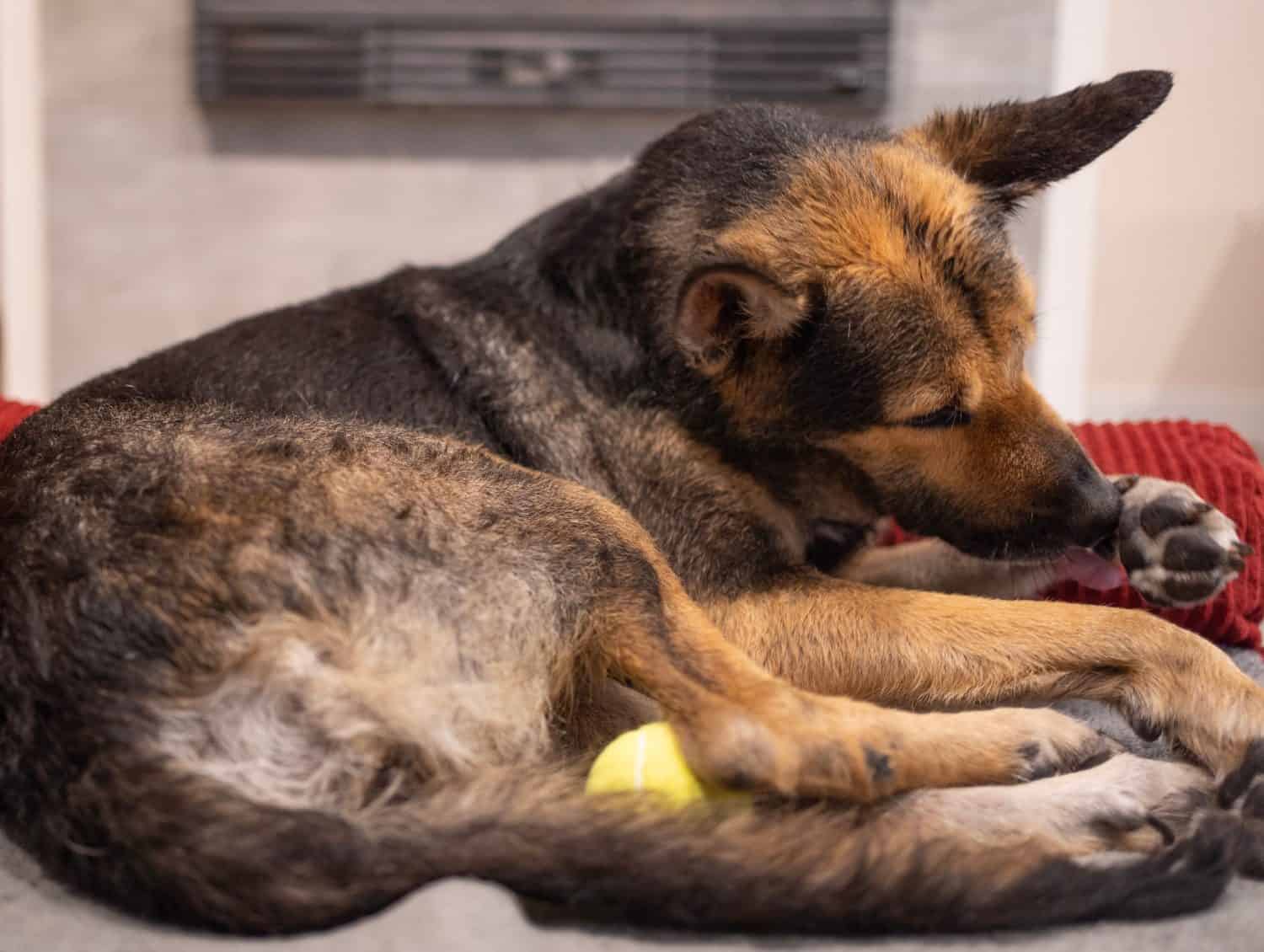
Excessive paw licking can be a sign of paw damage after being in ice or snow.
©Victor Canales Studio/Shutterstock.com
Even with this short amount of time outdoors, dogs may begin to show signs of discomfort in their paws. Some of the signs that dogs have experienced some form of damage to their paw pads or feet include:
- Limping
- Whining when walking
- Compulsively licking paws
- Cracked or bleeding paws
- Refusal to walk
If dogs show any of these signs, they are likely in need of veterinary assistance. For superficial paw pad injuries, it can take a week or two to heal completely. Those that are more serious can take months. Therefore, the sooner the injury is addressed, the better.
Some breeds of dogs have to be walked daily, regardless of the weather, due to their energy levels. For those who have a dog that needs some outdoor time even when there is ice, snow, and salt on the ground, there are ways to protect them from these conditions.
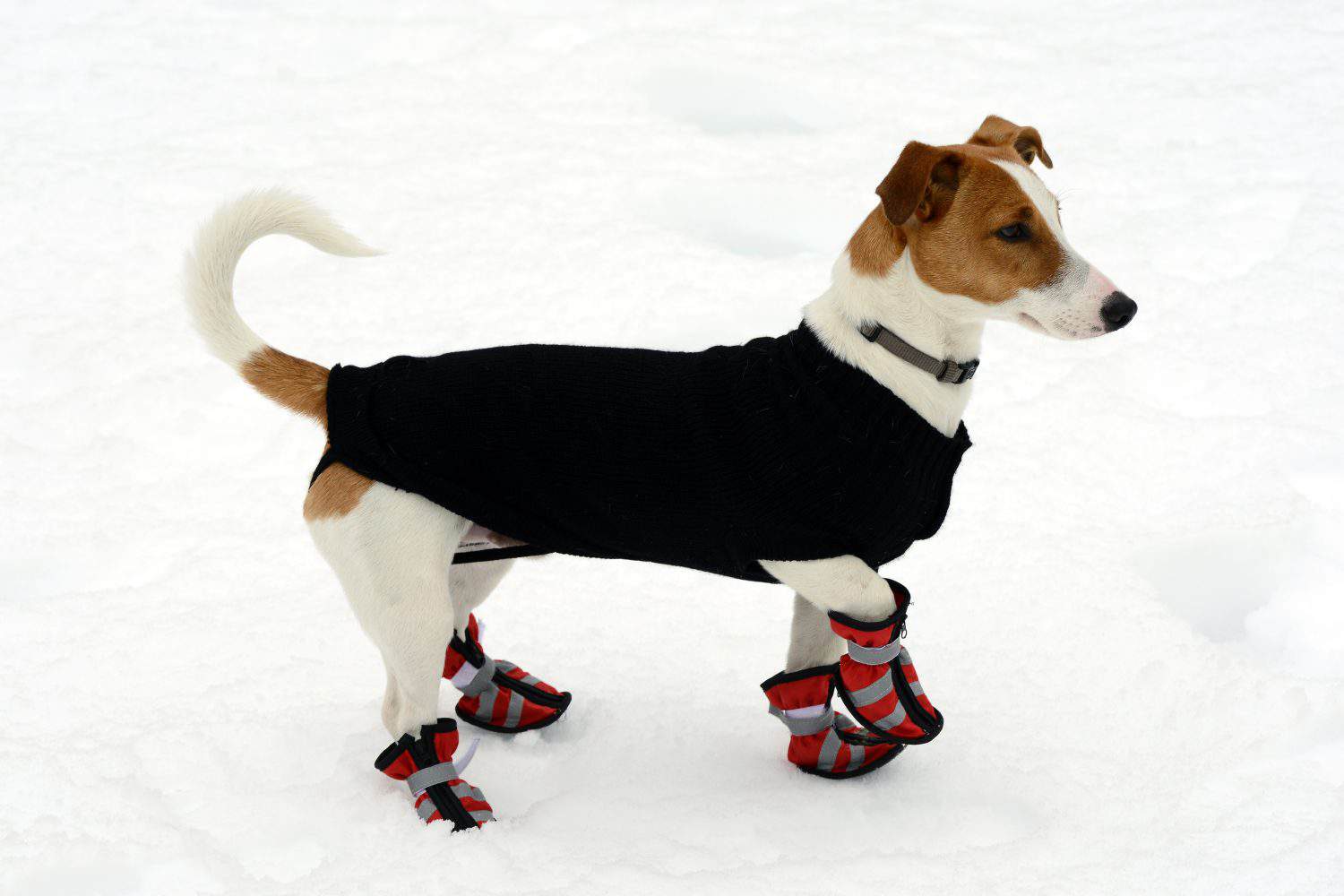
Putting booties on dogs is one of the easiest ways to protect them from the snow, ice, and salt during the winter.
©Photology1971/Shutterstock.com
The best ways to keep dog paws healthy and happy during the chilly winter months include:
- Booties – Not all dogs enjoy wearing booties. Some may even walk a little oddly the first few times they are placed on their feet. However, because the booties are waterproof and have traction on the bottom, they are a guaranteed way to keep out elements, salt, and chemicals from dogs’ feet and paws.
- Paw balm – The balm is applied before a walk to protect the pads from coming into contact with ice, snow, and chemicals. Just remember to wipe it off at the end of the walk so that dogs do not lick it, potentially consuming salt and chemical residue.
- Trim toes – Some dogs grow longer hair between their toes than others. This hair can accumulate ice, snow, and salt. To prevent this, trim the hair and check the toes for any debris when returning home from a walk.
- Avoid ice – If there are icy patches, keep dogs away from them to prevent injury and paw pad exposure to extreme cold.
- Avoid extreme cold – If dogs absolutely need a walk to keep from tearing the house apart, take multiple short walks to limit exposure to harsh outdoor elements.
Dogs may wear a year-round fur coat, but that does not protect their paws from extreme conditions. By following recommendations and keeping time spent outdoors to a minimum when frigid weather sets in, most dogs will fare just fine.
Even if recommendations are followed about when to take dogs out during the winter, there are still times when their paws can get them into trouble. From contact with chemicals to cracked paws, and even walking in areas that lower their body temperature too much, there are signs to watch for after taking dogs for a walk in the frigid winter months.
Signs pet owners should watch for after being in the ice and snow with their dogs that call for veterinary attention include:
- Pain and limping
- Cracked and bleeding paw pads
- Difficulty walking
- Lack of energy
- Overall weakness
- Paws and/or ears being pale in color
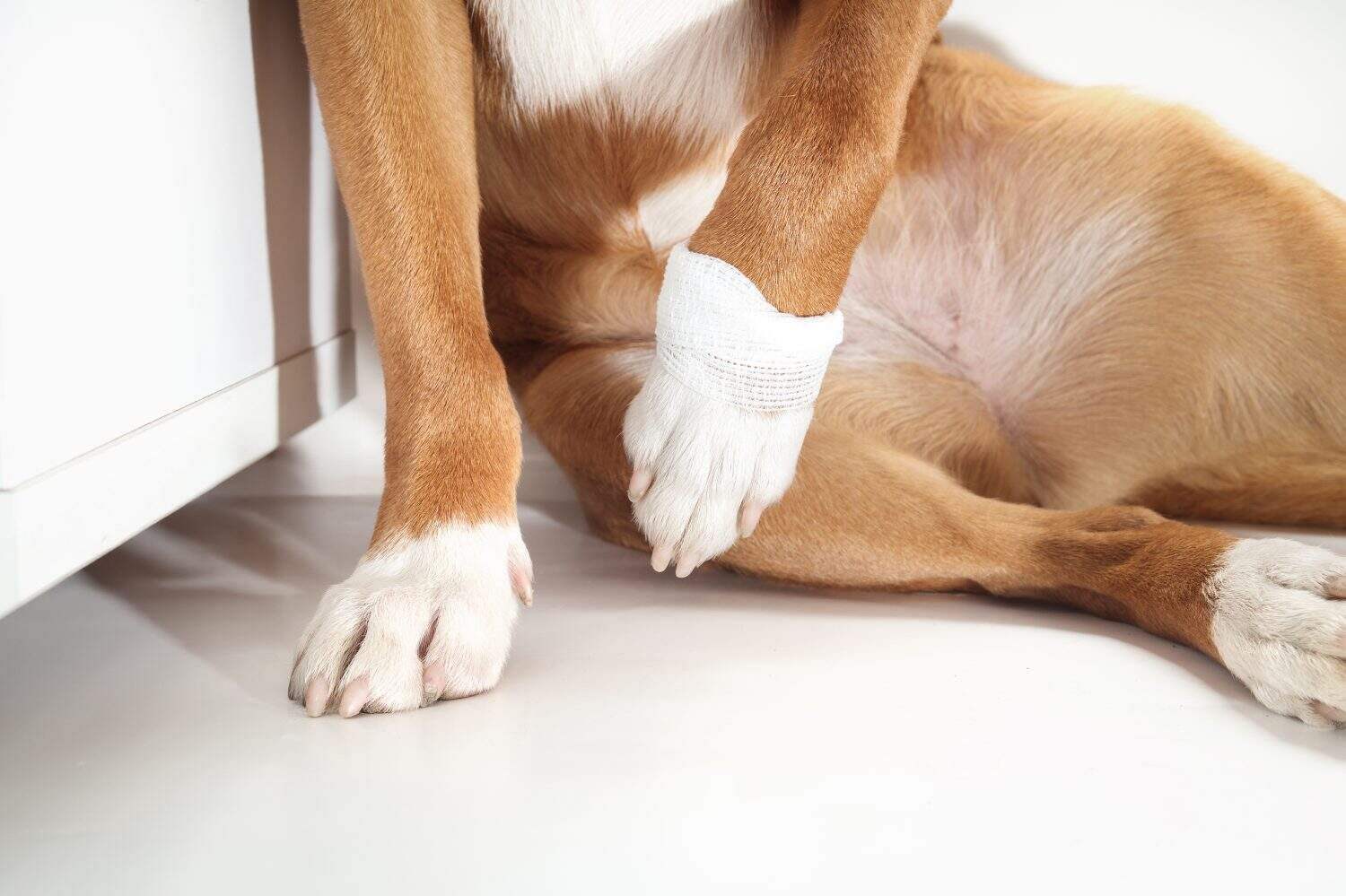
Limping, cracked and bleeding paw pads, and difficulty walking are some signs that a dog should see a vet after time in the snow, ice, and salt.
©sophiecat/Shutterstock.com
If dogs show any of these symptoms, they may be suffering from chemical exposure after licking their paws, early stages of hypothermia, or paw injuries severe enough to require veterinary care. It is essential to get them to a vet as soon as possible to mitigate any ill effects of walking in the frost and cold and to get the dogs on the road to recovery.
Winter can be a magical time to walk a dog. As long as the weather is not too cold and the dog’s paws are protected, it can be a fun adventure for pet parent and dog alike. However, when conditions feel too brisk, it is best to limit time outdoors to bathroom breaks only to keep dogs and their tender paws safe from the ice and snow.