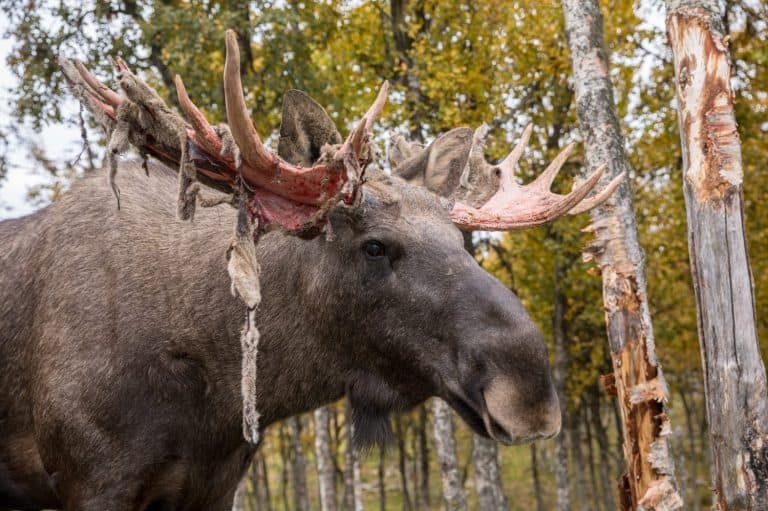
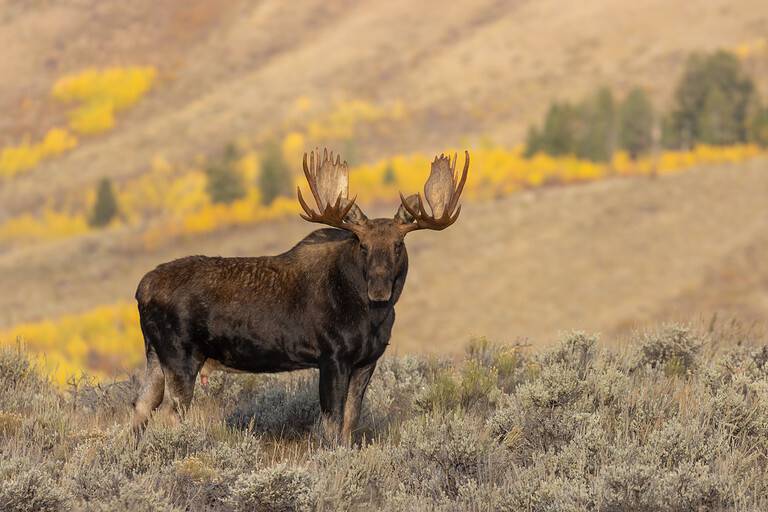
Around late winter, you might catch a glimpse of a bone peeking through the brush in the woods. Upon closer examination, the curving pale shape gives way to what this bone is: antlers. These characteristic shapes might not make it clear whether the antler was shed by an elk or a white-tailed deer. However, there are subtle differences in size, branching, and density between the two that might guide you to the answer.
What Are Antlers?
The antler shed cycle can hinge on changes in hormones.
©Brais Seara/Shutterstock.com
Before we dive into this topic, we must first understand what these structures are. The best place to start is by defining what these animal crowns are. One of the biggest misconceptions about antlers is that they are similar to horns. Antlers, though similar in appearance, are not horns. While horns are surrounded by a keratin sheath, antlers are covered in “velvet,” or skin and blood vessels. The inside of antlers also tells a different story. Antlers are composed of bone, other minerals, and blood vessels. This structure is an extension of the animal’s skull and is typically shed every year.
If you have ever broken a bone and had to nurse your healing, you might think antlers are pretty impressive. In fact, antlers are among the quickest-growing tissues in the world of vertebrates. It is estimated that adult white-tailed deer antlers can grow approximately 1/4 inch a day, while elk antlers can grow about an inch per day. This rapid growth requires a steady supply of nutrients, making antler production a costly process. This process relies on diet, age, and genetics to ensure their strength and durability. As these structures are used to defend themselves and establish dominance, it becomes crucial to maintain their health throughout the season.
Untangling the Difference
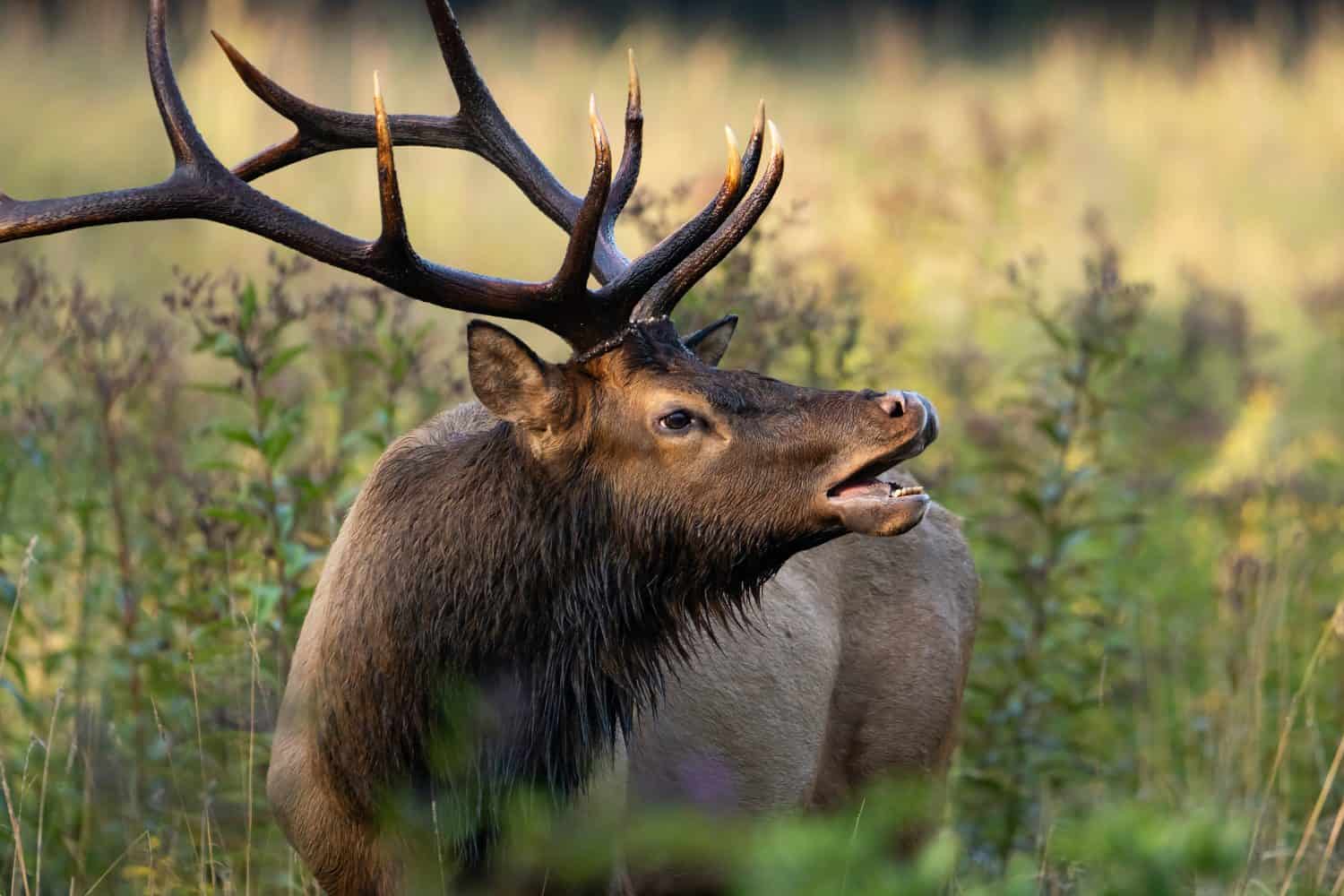
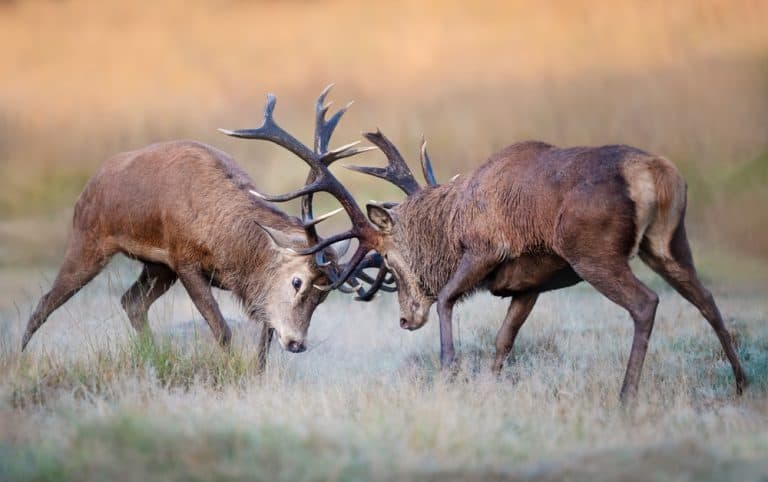
Elks are known for the mating call referred to as “bugle”.
©Cavan-Images/Shutterstock.com
Although elk are from the same family as other deer (Cervidae), they are a different species. The most obvious clue to the differences between elk and white-tailed deer antlers is their size. Usually, elk are much larger than white-tailed deer. On average, a mature male elk can weigh upwards of 1,000 pounds, while male white-tailed deer typically weigh upwards of 300 pounds. This difference in body size is also reflected in their antler mass.
During their prime, the spread of an elk’s antlers can span about four feet, with each antler weighing up to 20 pounds (or 40 pounds for the full set). In contrast, white-tailed deer antlers typically weigh around 3 to 9 pounds. But what if you do not have antlers from both species to compare?
Branching the Difference
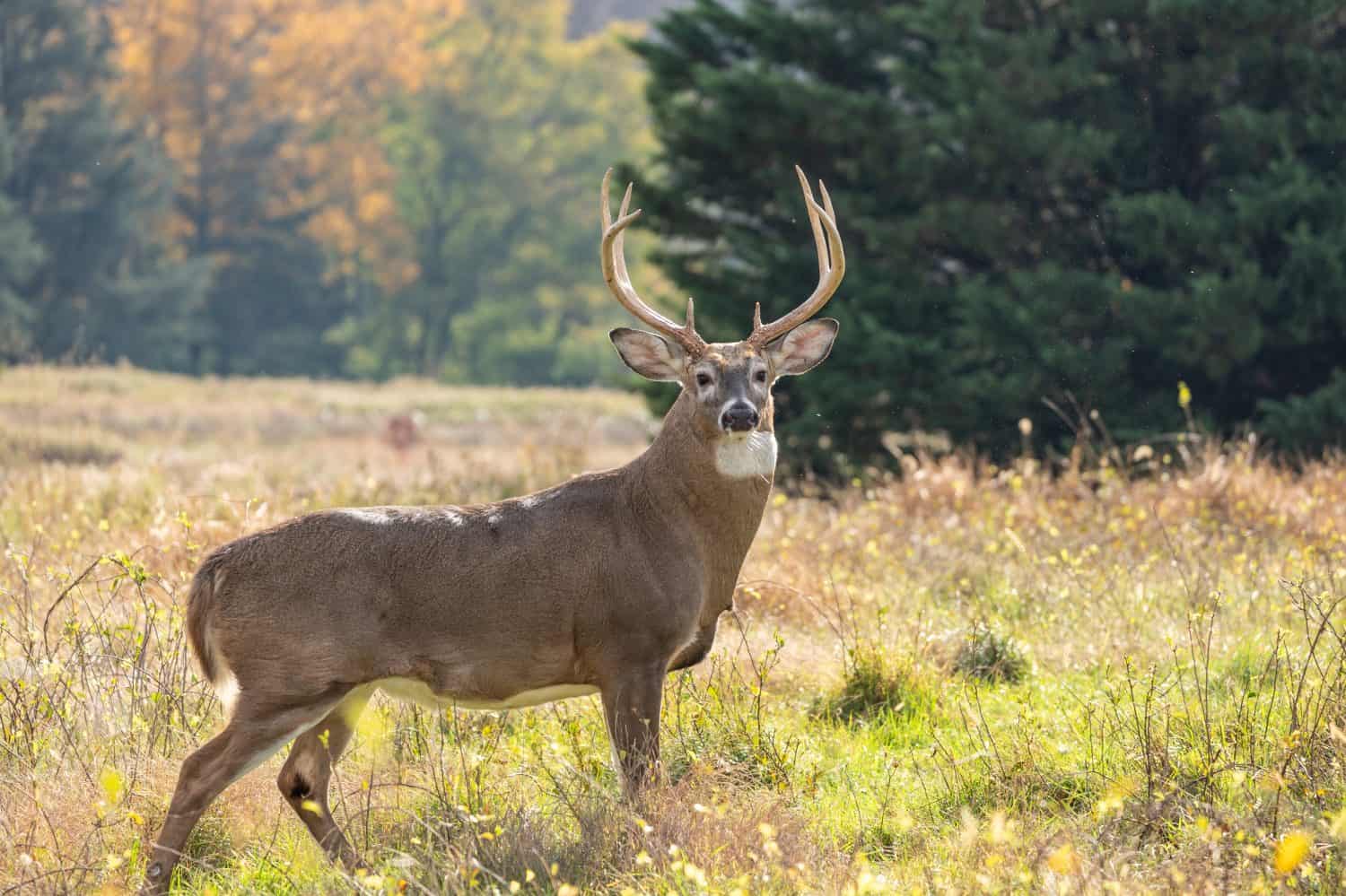
White-tailed deer are primarily crepuscular.
©Amy Lutz/Shutterstock.com
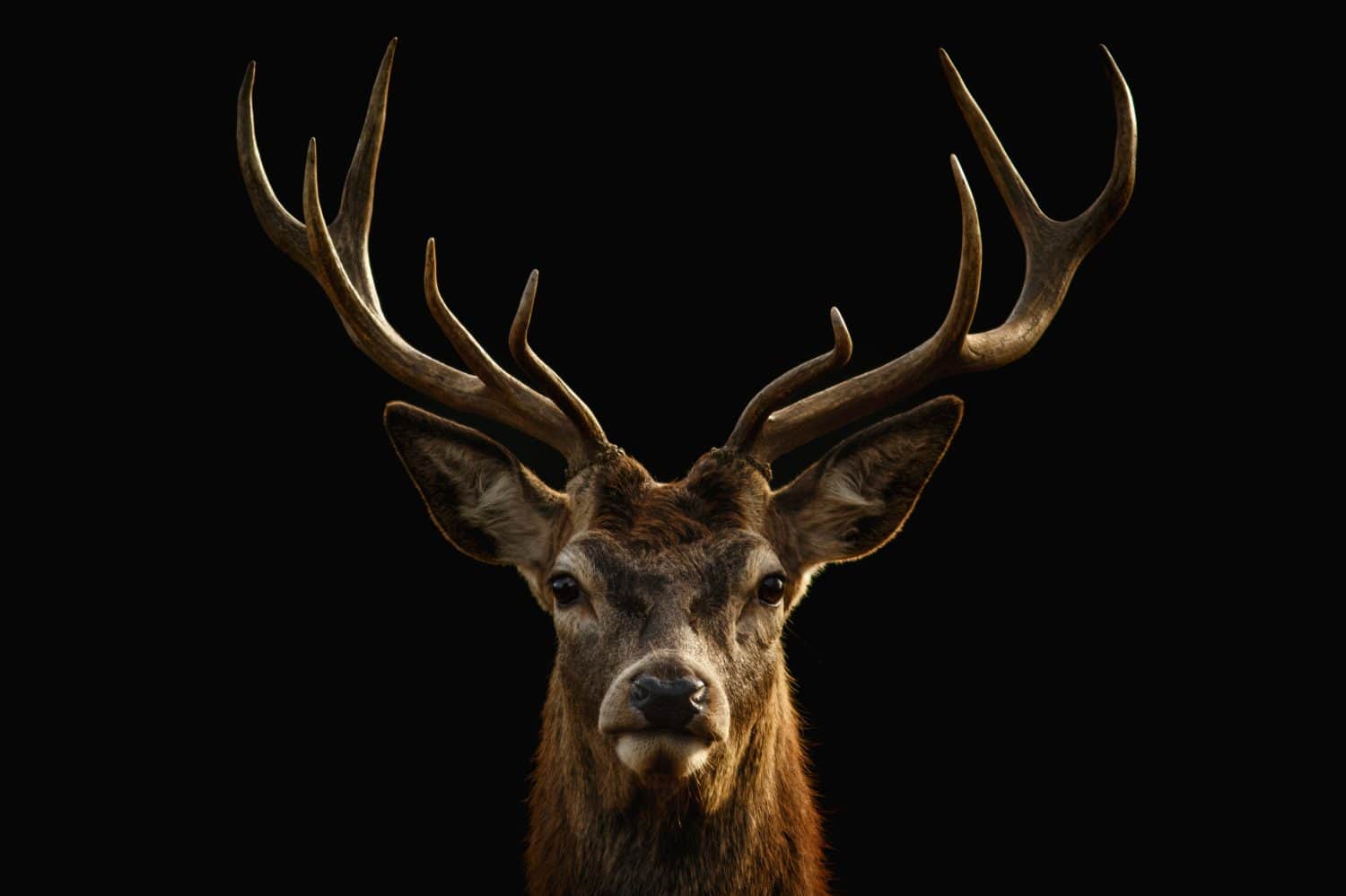
Another key determining factor is the antler branching pattern. Let’s use some pictures as a guide.
White-Tailed Deer Antlers
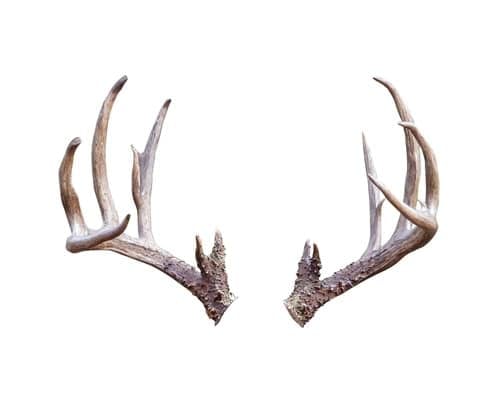
Once a buck sheds its antlers, the process of growing new ones begins.
©Brian Woolman/Shutterstock.com
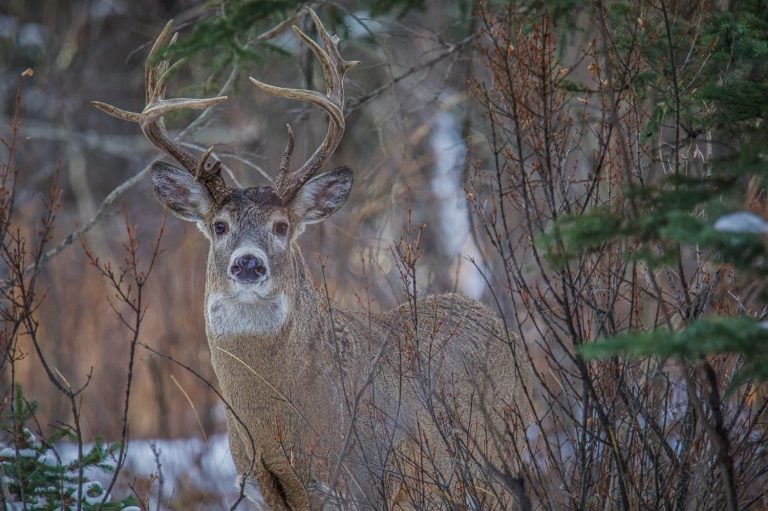
A deer’s antlers can vary between species, but one of the key features of white-tailed deer antlers is that they have a main beam with smaller tines branching off of it. The more forward-pointing the tines (forked branches) are, the more likely they are deer antlers. Some say it is more similar to the appearance of a comb.
Deer antlers also have fewer tines and are typically shorter in length overall. In addition, when looking at their main beam, it tends to be on the thinner side.
Elk Antlers
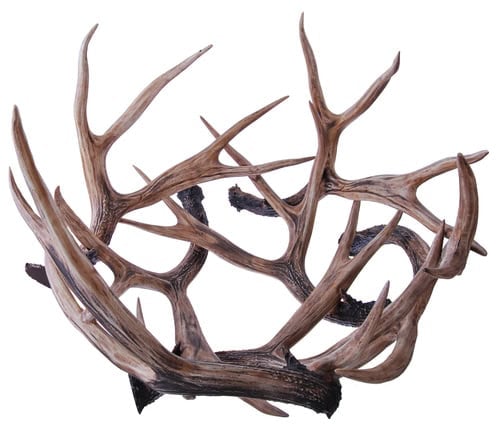
Elk are the second-largest deer in the Cervidae.
©Subject Photo/Shutterstock.com
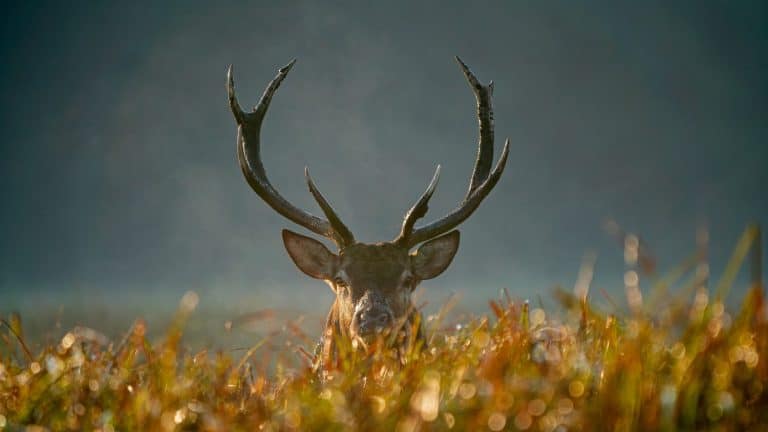
These antlers typically have a single main beam from which longer tines project upward and slightly backward. Hunters usually describe mature elk as 6×6, meaning six points per antler, on both sides. If the shed antler has longer, sweeping curves with tines projecting mostly upwards, it probably came from an elk.
Differences in Density
If we take a look inside these antlers, both are made of similar materials. These materials include collagen and other minerals. The differences lie in the amount of marrow content. Marrow is the spongy material within bones. Elk antlers are generally less dense and contain more marrow, making them somewhat softer, while white-tailed deer antlers are denser and harder throughout due to lower marrow content.
Final Look At Nature’s Crown
Antlers offer much more than a glimpse into the life cycle of deer. Each antler tells a story, carved in calcium and collagen and wrapped in a sheet of velvet. Though white-tailed deer and elk share evolutionary heritage, along the way they diverged in size, shape, and antler bone density. This cyclical process of shedding reminds us that antlers represent renewal in nature, serving as a testament to the indescribable beauty and ingenuity of natural processes.