
It is no secret that tourists can sometimes behave very badly. There are endless stories of people in European museums trying to snap selfies with priceless artifacts, only to knock them over and cause damage that can never be repaired. As outrageous as that is, some tourists manage to top it when dealing with wildlife. Sadly, there are just as many news reports of people acting recklessly when they come face to face with the real animal kingdom.
Take Yellowstone National Park, for example, where one incident went from careless to downright absurd. A group of tourists stumbled upon a newborn wild animal, and instead of keeping their distance, they decided to interfere. For reasons no one can quite understand, they kidnapped the animal and then handed it over to park authorities. The sheer lack of common sense is staggering.
This bizarre story serves as a reminder of why wild animals should never be treated like roadside attractions. It was not only irresponsible but also dangerous for both the animal and the people involved. Let’s take a closer look at what happened, why it was such a terrible decision, and the basic guidelines every tourist should follow to avoid becoming the next cautionary tale.
Yellowstone Yokels
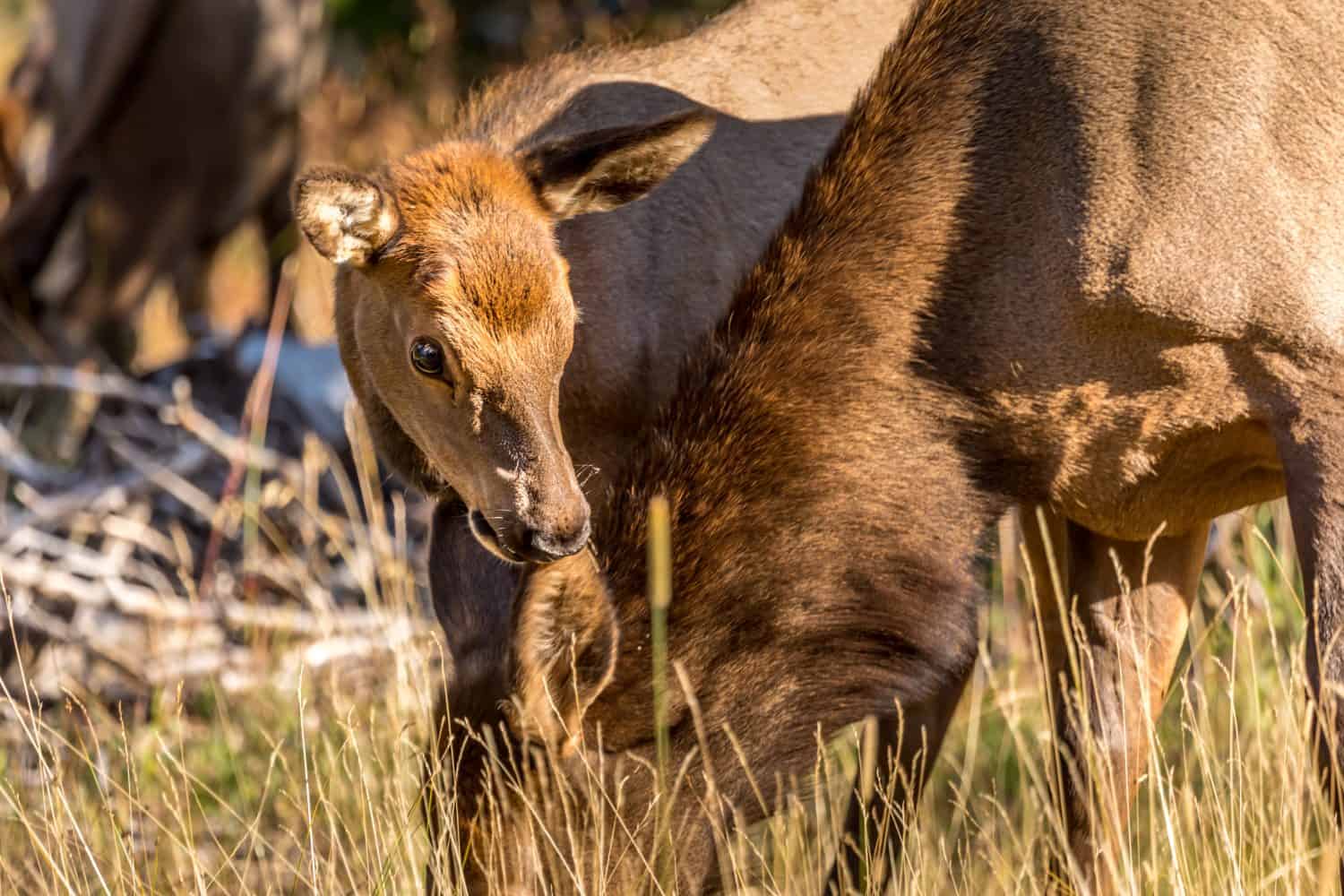
For some inexplicable reason, a group of tourists at Yellowstone National Park put a newborn elk in their car on Memorial Day Weekend in 2023.
©Martina Birnbaum/Shutterstock.com
Some people just try to do the ‘right’ thing while completely forgetting where they are, what they are dealing with, and what the fallout from their decision might be. Perhaps they acted without thinking because they believed consequences could be dealt with later. As explained in this Yahoo! News story, emotions were high and critical thinking was low when a group of tourists came across a newborn baby elk on Memorial Day weekend in Yellowstone National Park.
According to the story, the group of tourists saw the elk, presumably alone with no mother or adult elk nearby, and flew into a panic. One assumes that they thought that the baby was in danger since it had no mother or chaperone in sight. Their thinking, however, seems to have ended there, because the tourists managed to grab the baby elk and throw it in their car.
After that, they drove down what was presumably U.S. Highway 191 before arriving at the West Yellowstone police department. It’s hard to say exactly what happened next, much less how the police responded to the incident. Initially, the park reported that the elk calf “later ran off into the forest and its condition is unknown.” Tragically, however, the National Park Service later reported that the elk calf was abandoned by its herd and had to be euthanized.
Missing Details
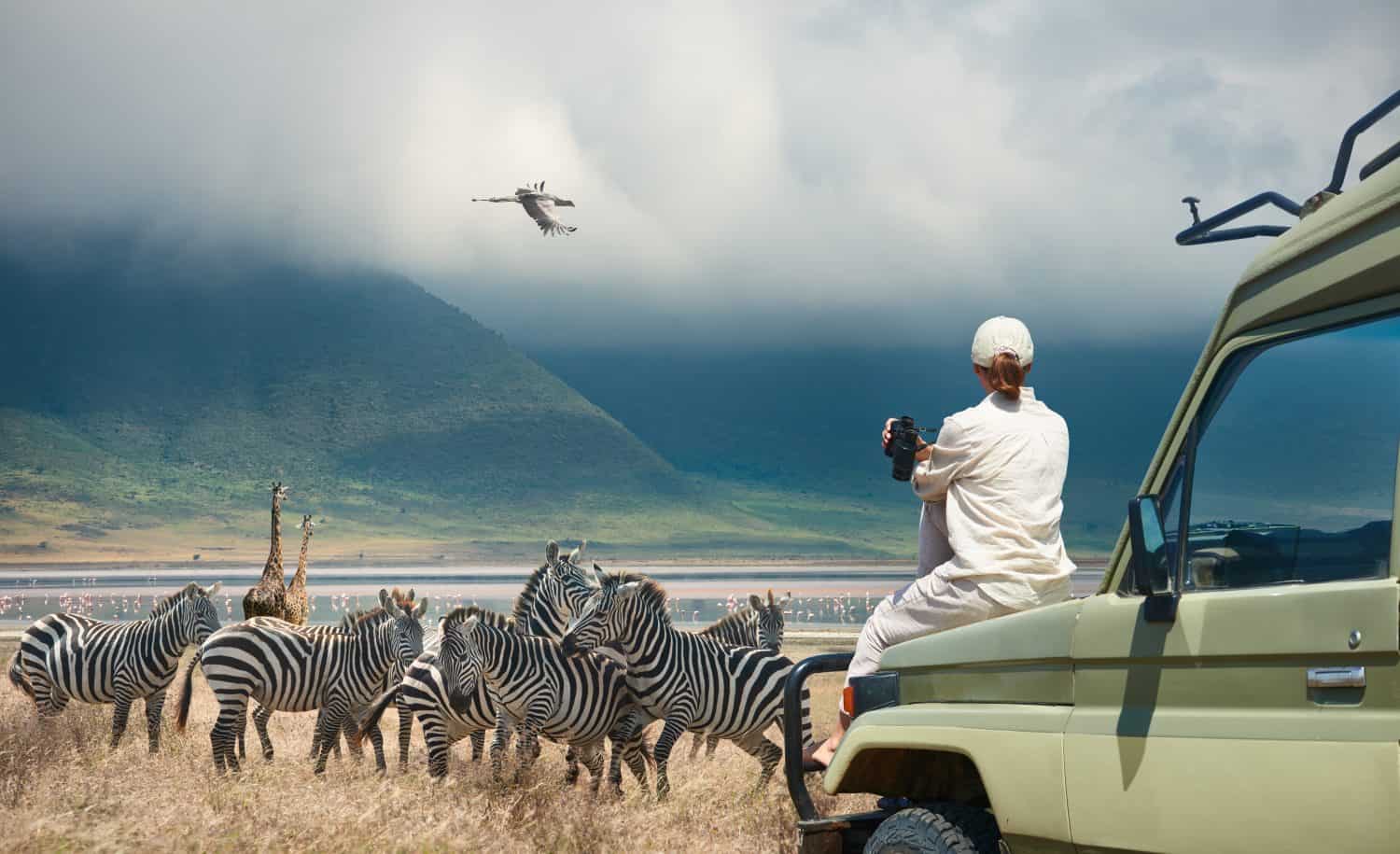
Wildlife tourism can be remarkably rewarding and exciting, but some tourists just don’t know how to act when faced with the great outdoors.
©soft_light/Shutterstock.com
The lack of details in this story fills the imagination with possibilities. What was that car ride down Highway 191 like with a terrified newborn elk in the car? Did the group of tourists second-guess themselves after they kidnapped the elk before realizing it was too late to undo their decision? Furthermore, what happened at the police station that allowed the newborn elk to abscond into the wilderness?
It would be funny if it weren’t so tragic, considering that the newborn elk probably couldn’t find its mother. This kind of behavior from tourists is misguided, selfish, and absurd. You would hope that this was a one-off incident, but unfortunately, incidents like these are all too common. Tourists misbehaving in the wilderness are so common that there’s even a term for them: tourons (tourists + morons).
Similar Incidents
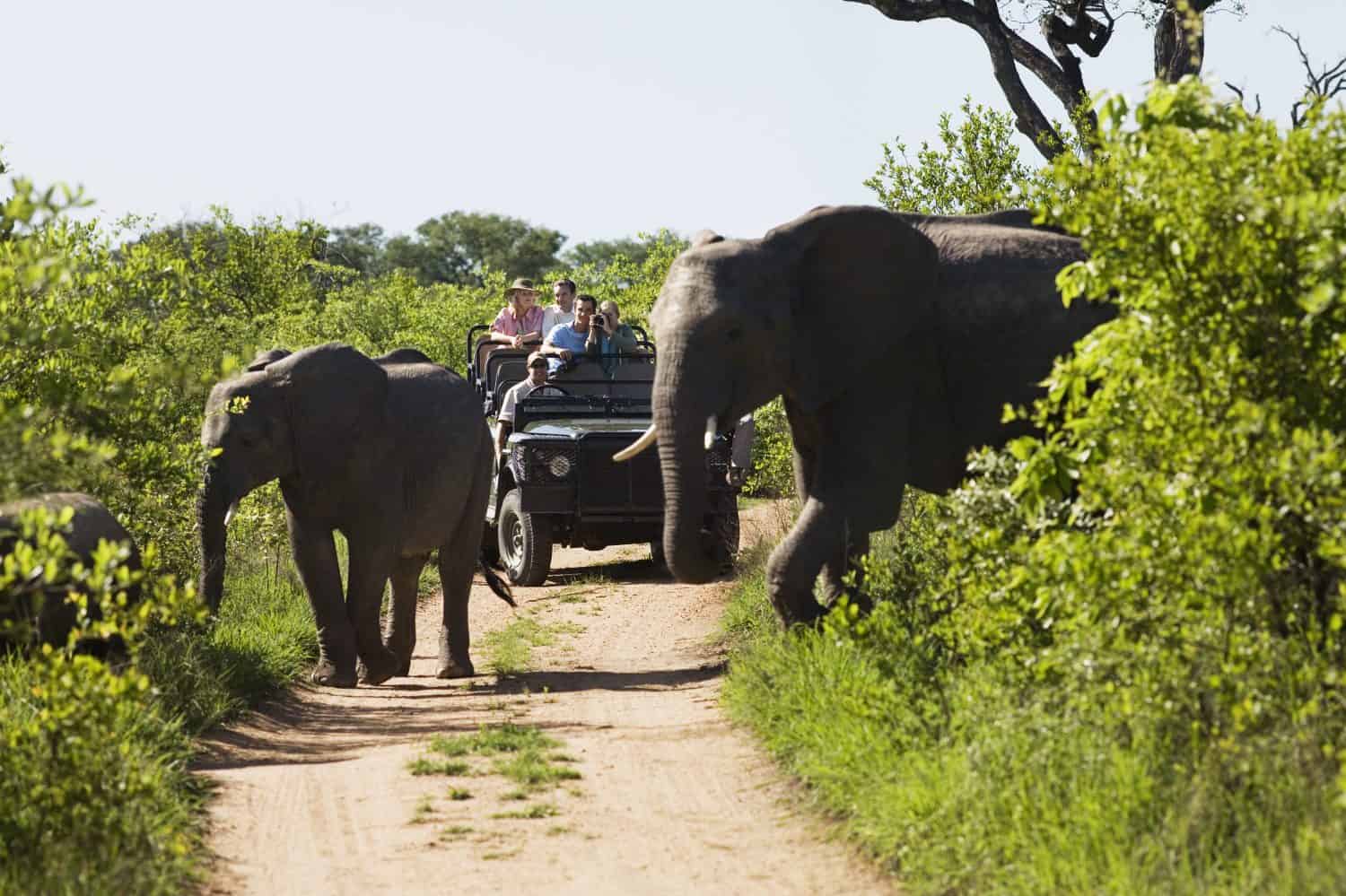
Stories like the tourists kidnapping a newborn elk and taking it to the police department are all too common in the world of wildlife tourism.
©sirtravelalot/Shutterstock.com
These stories about misbehaving tourists happen all the time. We don’t even have to leave Yellowstone National Park to find several stories that will shock you and make you shake your head; people just don’t know how to act around wild animals.
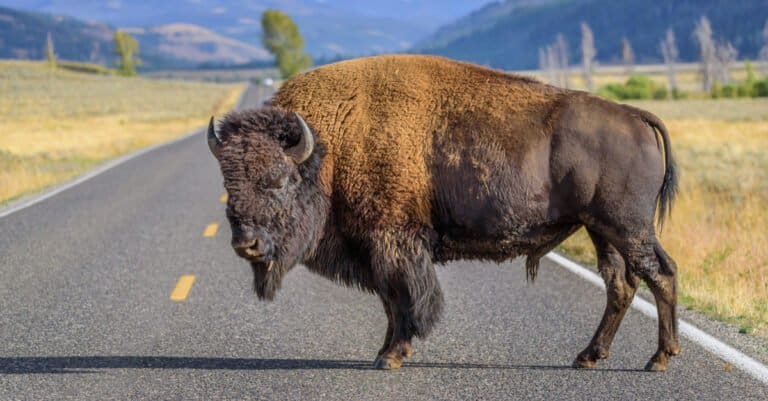
In this story shared a few days ago, a video captures tourists just walking up to bison in a field, getting less than ten feet away from the grazing animals, acting as if they were pets. As mentioned in that article, the summertime brings throngs of tourists to National Parks, and bad behavior along with them. The story mentions two other recent incidents: people caught a tourist trying to pet a squirrel in Grand Canyon National Park, and others witnessed a tourist getting scarily close to a black bear in Canada’s Jasper National Park.
Baby Bison
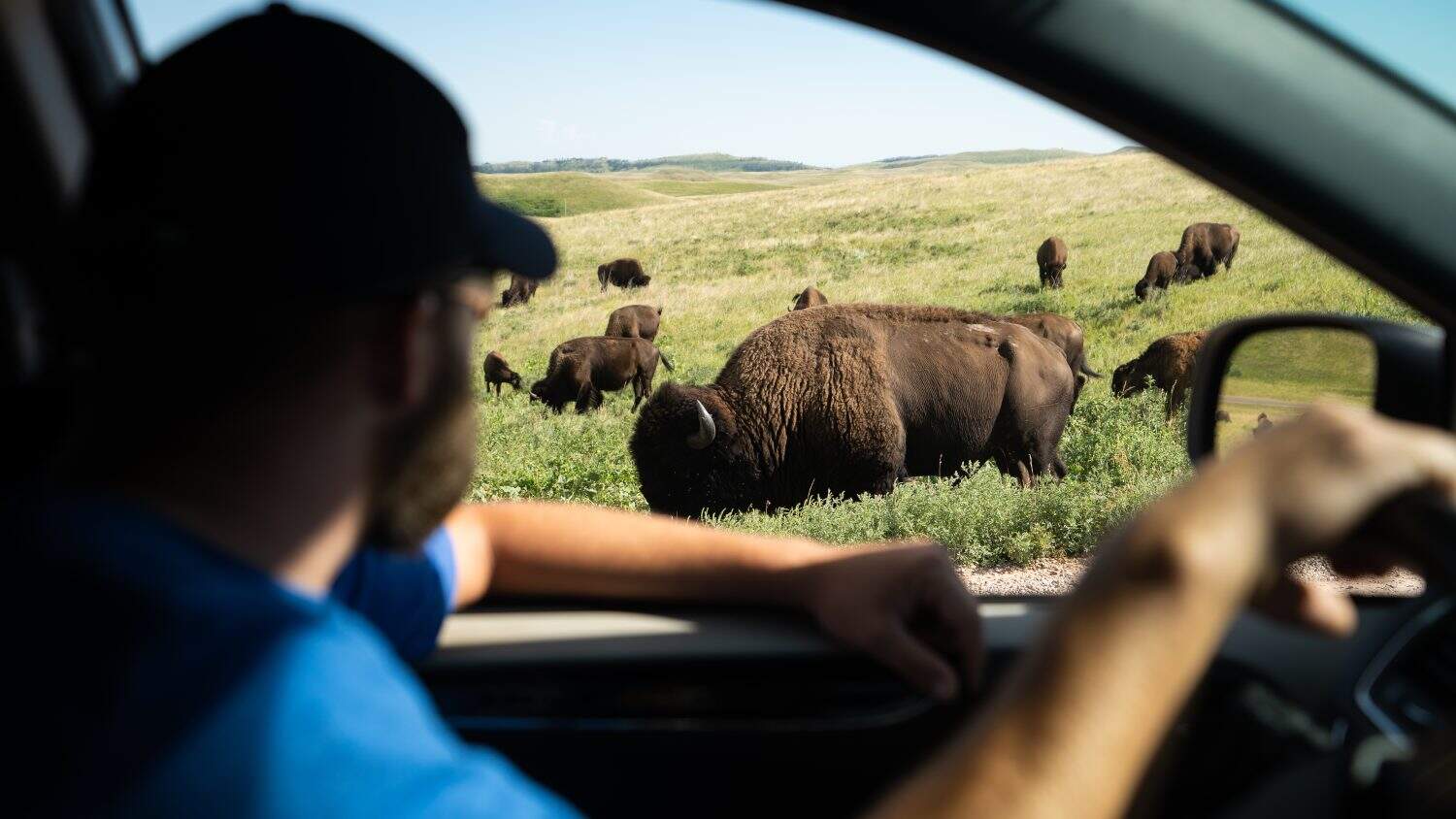
A similar incident happened several years ago in Yellowstone National Park when two Canadian tourists put a baby bison in their car.
©Tiffany Noel Videography/Shutterstock.com
Remarkably, an incident eerily similar to the newborn elk story happened in Yellowstone several years ago. According to a Weather.com story, two Canadian tourists to Yellowstone in May 2016 arrived at a ranger station with a baby bison in their SUV. According to the tourists, they put it in their car and eventually brought it to a ranger station because they thought it was getting cold.
Tragically, attempts to reunite the calf with its herd were unsuccessful. To make matters worse, rangers were forced to euthanize the bison calf. These stories are heartbreaking and boggle the mind, yet people still keep interacting with wild animals in disastrous ways. That’s why it’s important to understand what to do when confronted with a wild animal.
Wildlife Guidelines
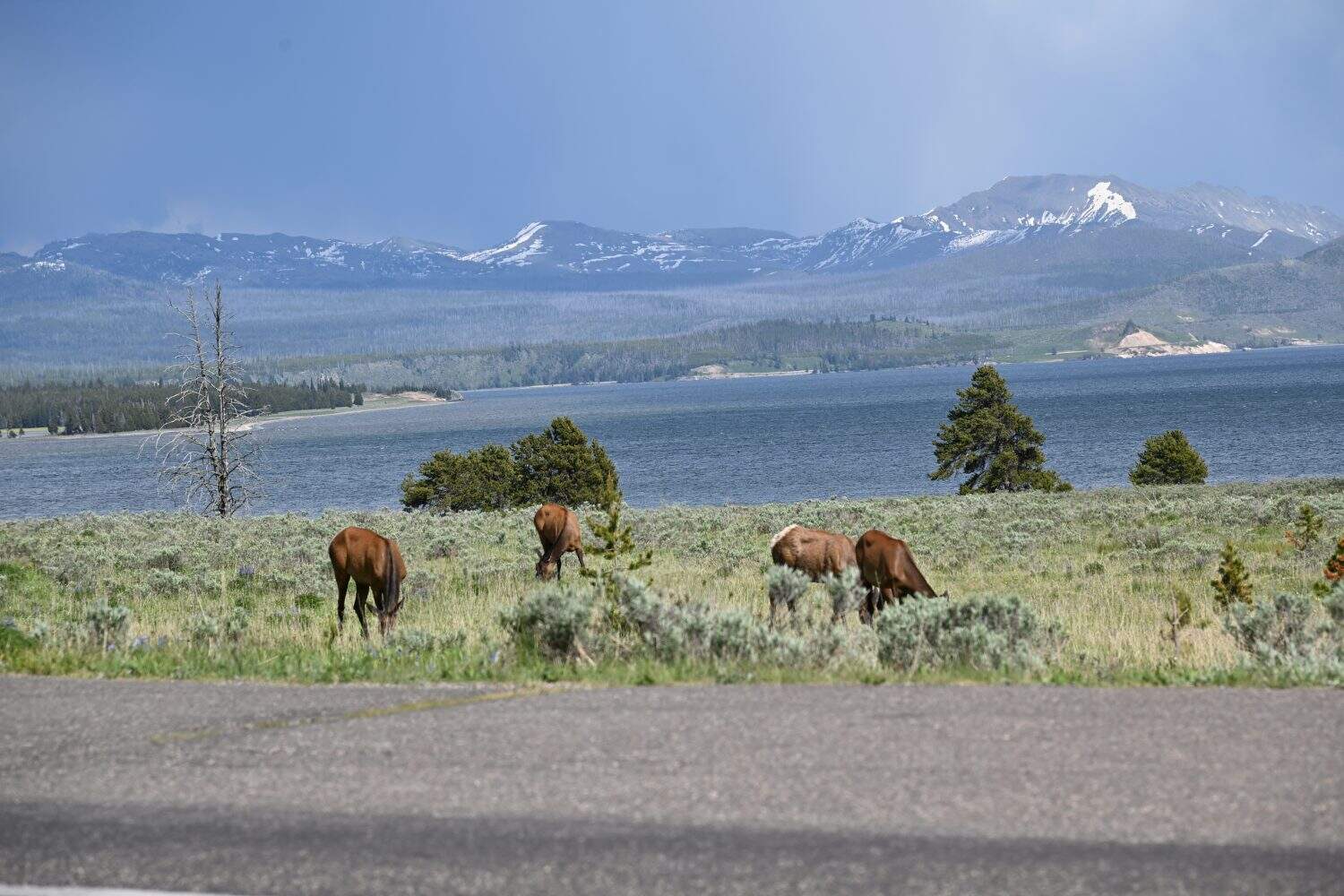
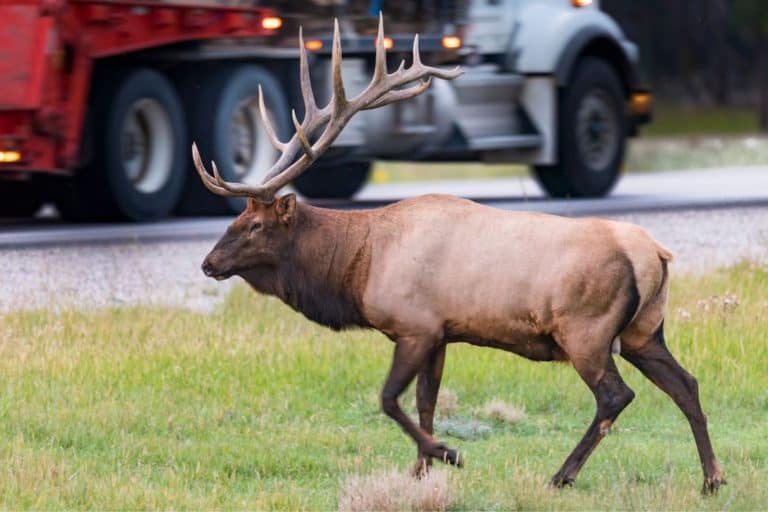
Even if you see elk hanging out by the road in Yellowstone National Park, keep a safe distance because they are still wild animals.
©IC Focused/Shutterstock.com
In most of the scenarios mentioned above, people are trying to do good, even if the situations end badly. They are operating through emotional impulse, misguided beliefs, a lack of awareness, or a savior complex. It’s not that these things are inherently bad; it’s just that the relationship between human beings and wild animals is precarious, complex, and deserving of respect. People interact with wild animals without realizing that interference is almost always harmful. That’s why it’s important to understand some guidelines around these interactions.
Luckily, the National Park Service has some rules for dealing with wild animals. For one, they recommend you stay at least 25 yards away from grazing animals like elk and 100 yards away from predators. Furthermore, the NPS says to never cross a barrier to get a better photo. Getting too close to any wild animal, whether predator or prey, is dangerous. Even with fines in place for doing so, as well as harsh state and Federal laws, wildlife tourists persist.
Photos and Feeding
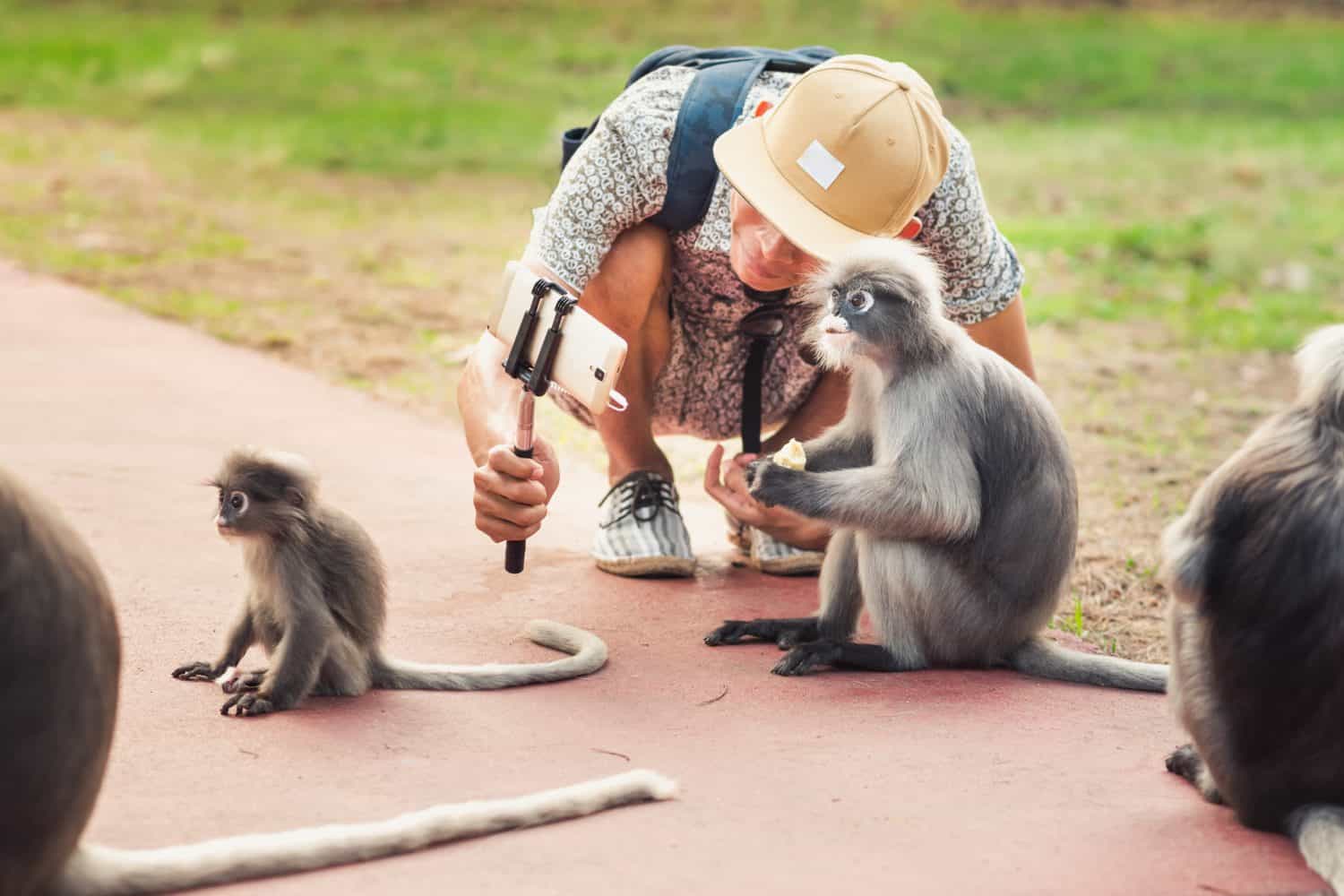
Always be sure to keep your distance when photographing a wild animal, and ensure any food you have is locked away well.
©David Bokuchava/Shutterstock.com
Sure, you may want to get that ultimate wildlife shot, but being a tourist in a National Park comes with responsibility and requires respect. It bears repeating: never cross any barrier put in place by the park. Furthermore, use binoculars or a zoom lens when possible. If a sign says no pictures allowed, it says it for a reason. As for food, you should never feed a wild animal, even unintentionally. A single piece of human food can make animals aggressive or ill. That’s why it’s important to make sure any food you have is secured and locked away tightly, especially if you are camping in a national park, or really, any wilderness area.
Young Animals
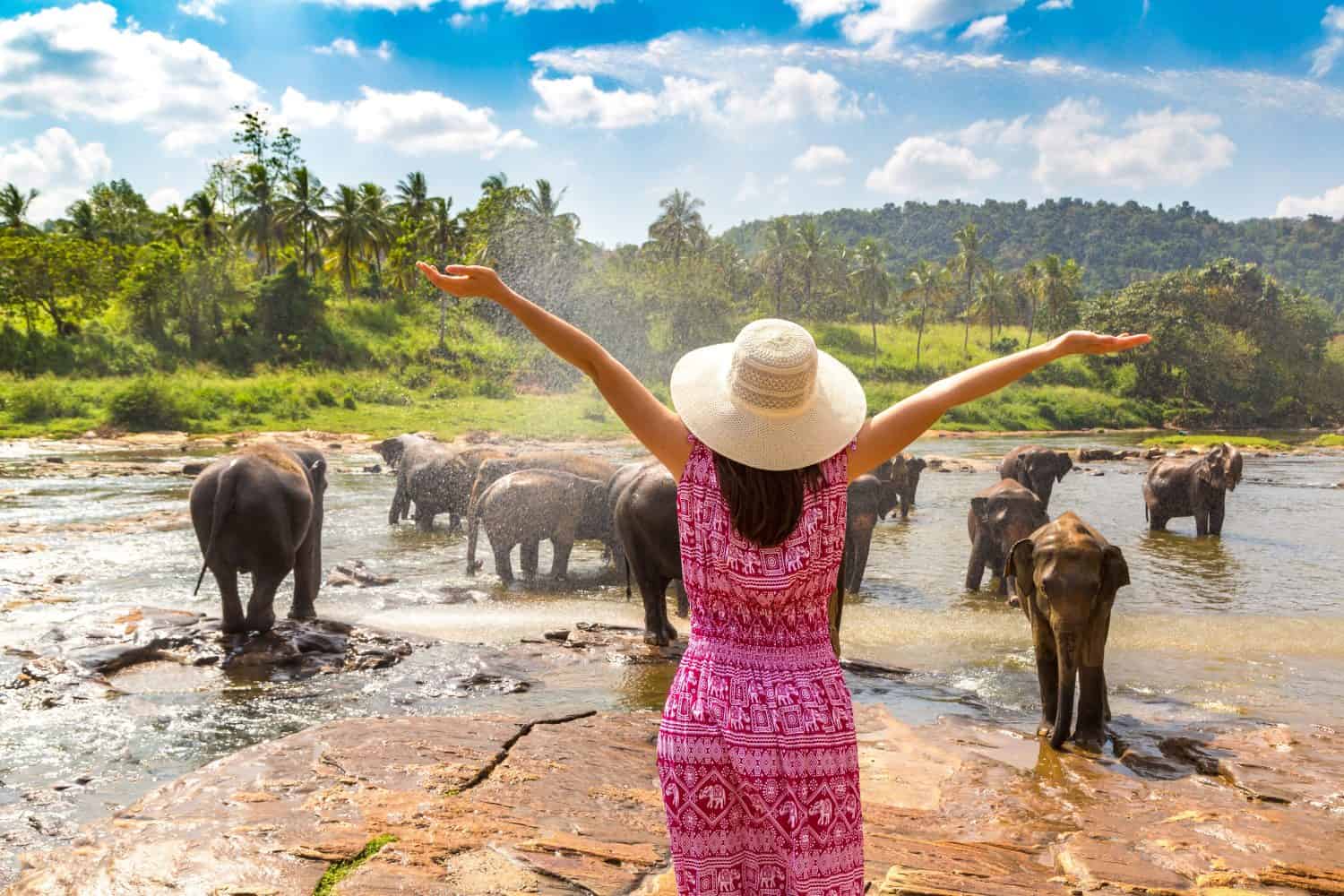
People mean well when they interact with a seemingly alone baby wild animal, but it almost always leads to worse outcomes than if they just left it alone.
©Sergii Figurnyi/Shutterstock.com
The rules regarding young animals are particularly pertinent to this article. As the NPS states, you should never touch, pick up, or move any animal, including young ones. Echoing the barrier rule, you should also keep a considerable distance, even if a mother doesn’t seem to be around. When in serious doubt about the state of a young animal, alert a ranger or park professional before taking any personal action. As the stories covered in this article illustrate, interacting with a baby wild animal almost always leads to worse outcomes: abandonment, injury, or forced euthanasia. A simple rule of thumb for any wildlife interaction is: if you’re in doubt, step back. Every story of tourists disastrously interacting with wildlife is avoidable. Just keep your distance and do not interact with wild animals at all.