
Quick Take
- White-tailed deer were nearly extinct in Illinois in the late 1800s. Today, their population is between 600,000 and 700,000.
- In the early 1900s, a 5-year hunting moratorium was enacted, then extended to 56 years when population numbers failed to recover as predicted.
- Seasonal darker fur coats are one adaptation strategy to help deer survive sub-zero winter temperatures.
- Relocating deer from the Horseshoe Lake wildlife refuge was essential to sustain repopulation efforts throughout the state.
White-tailed deer are an integral part of Native American culture. They were also important in the daily lives of early European settlers throughout the American Midwest, including the lands known today as the state of Illinois. The deer represents adaptability—a trait essential for surviving Illinois’ harsh winters and scorching summers. When Illinois schoolchildren were asked in 1980 which animal should be selected as the state’s official animal, the graceful white-tailed deer was the clear winner.
How Did the White-Tailed Deer Get Selected as Illinois’ Official State Animal?
The selection of an official state animal resulted from a collaboration between the Illinois State Museum and the state’s General Assembly. The group compiled a list of possible candidates—all mammals native to Illinois—including the white-tailed deer, raccoon, ground squirrel, and others.

The white-tailed deer was one of several animals included in the vote on the official state animal.
©Omar F Martinez/Shutterstock.com
Once the list was finalized, Illinois schoolchildren voted on the candidates. The white-tailed deer won by a landslide. The Illinois General Assembly then made the vote official via Public Act 87-273 on January 1, 1982.
Why Did They Pick the White-Tailed Deer?
The white-tailed deer is the only deer native to Illinois and can be found throughout the state. The deer also represents a key attribute that Illinois residents must have—adaptability. With four distinct seasons—including winters that bring sub-zero temperatures and snowstorms, and summers that bring sweltering heat and humidity—the people who call Illinois home must be ready for anything.
White-tailed deer demonstrate this same ability to adapt to changing conditions with ease. When displaced from one area, deer quickly adapt to new environments. If humans encroach on their habitat, they adjust their diet to include available foods such as vegetable gardens, crops, and even bird feeders.
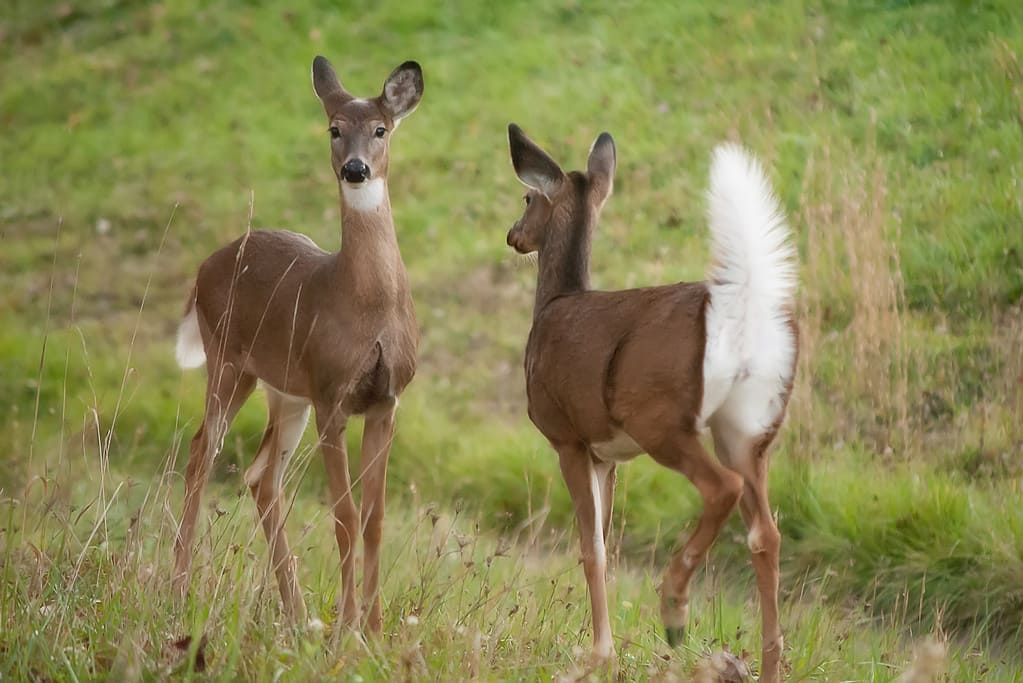
White-tailed deer demonstrate the adaptability required to live in an ever-changing environment.
©Christopher Roth/iStock via Getty Images
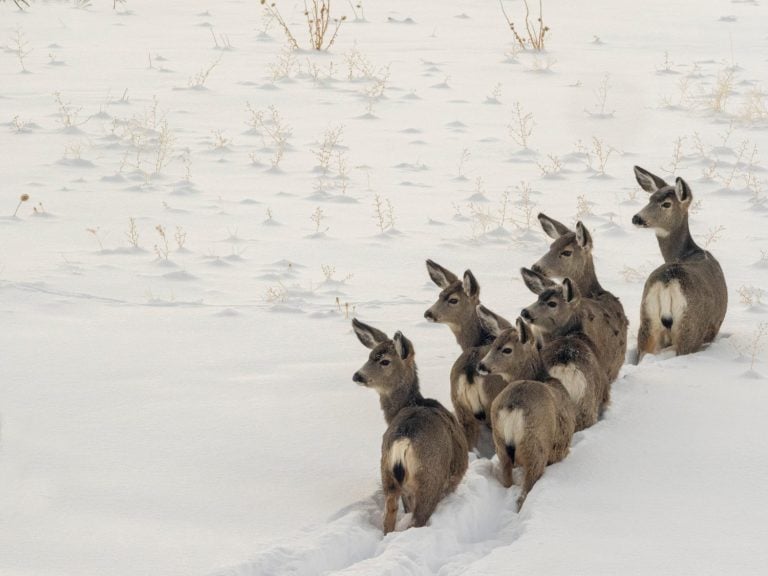
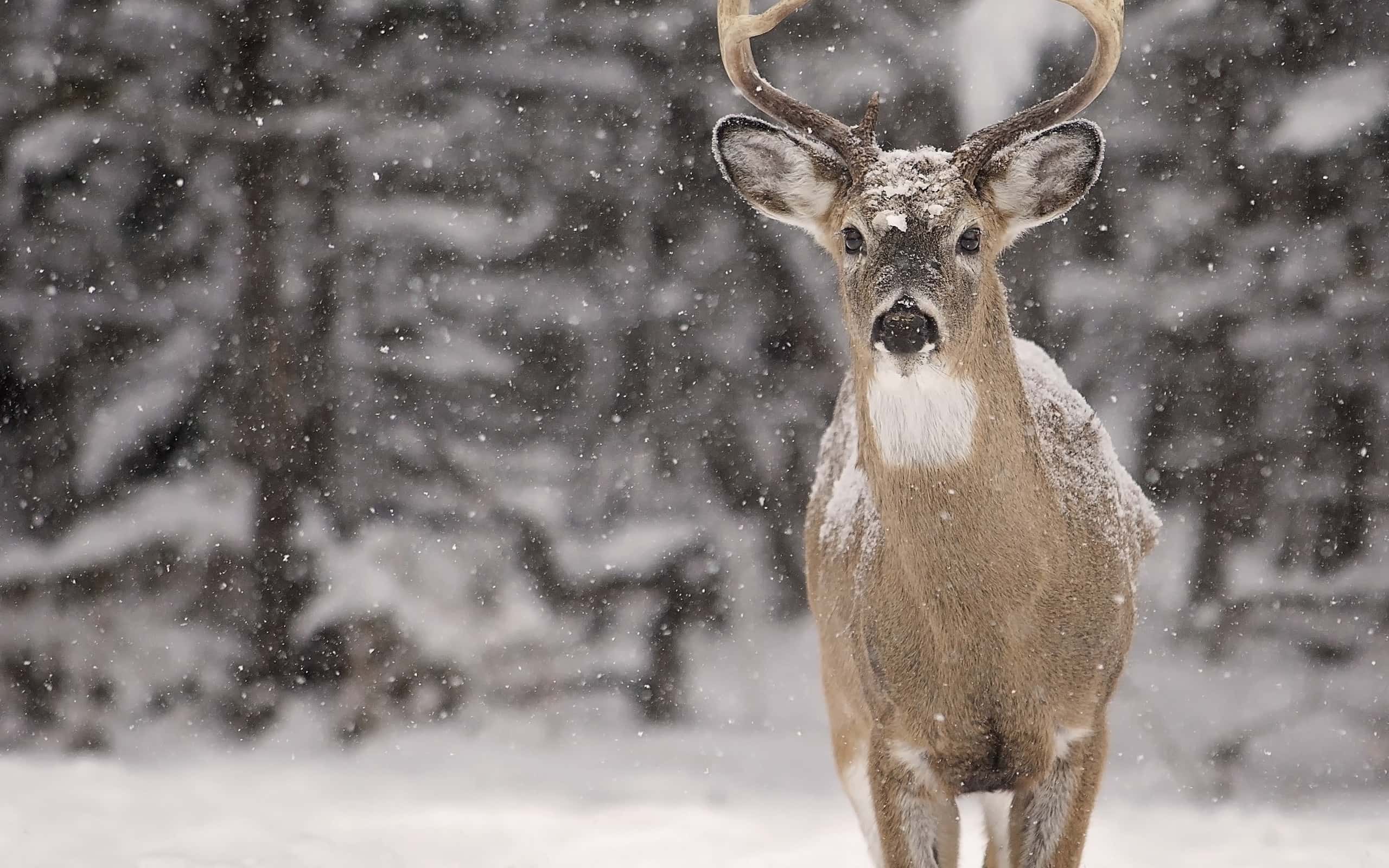
When winter’s harsh conditions arrive, deer grow thicker, darker coats that help absorb more heat from the sun and keep them warm. They also gather in groups to conserve body heat. Just like the people who call Illinois home, the state’s white-tailed deer have what it takes to thrive here.
The White-Tailed Deer’s Amazing Comeback in Illinois
Before the 1800s, the white-tailed deer population in Illinois was abundant. However, after European settlers arrived, the deer population began to decline. Unregulated hunting, habitat loss, and other factors nearly wiped out white-tailed deer in Illinois by the late 1800s. Illinois was one of 15 states where white-tailed deer populations were near zero by the turn of the century.
In response, the Illinois legislature enacted conservation measures, including a temporary moratorium on deer hunting in 1901. The original ban was intended to last only five years, but as deer populations continued to decline, the ban remained in place for 56 years.
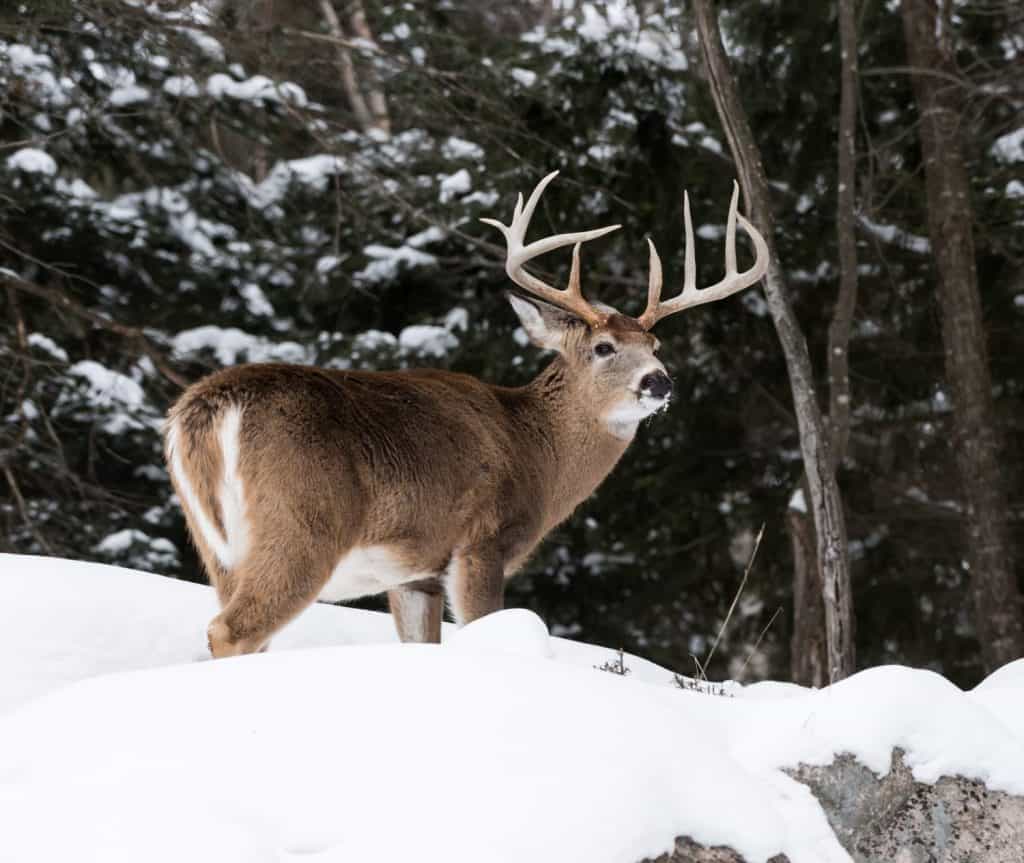
White-tailed deer went nearly extinct by the late 1800s in Illinois.
©FotoRequest/Shutterstock.com
To help Illinois deer populations, the state implemented a number of initiatives. One was the state’s first official game farm in 1903. Then, between 1923 and 1927, the state’s fish and game laws were extensively revised, and the first wildlife refuge was established around Horseshoe Lake in Alexander County.
However, Illinois’ deer population did not begin to recover until the state started importing white-tailed deer from other states. By 1940, the state’s deer population was estimated at around 500. Additional deer were relocated from the Horseshoe Lake wildlife refuge to other parts of the state, and populations continued to grow. By the 1960s, Illinois’ white-tailed deer population had grown to nearly 20,000. Today, the state is home to an estimated 600,000 to 700,000 white-tailed deer.
The White-Tailed Deer’s Unique Traits
The white-tailed deer gets its name from the flash of white fur on the underside of its tail. This distinctive patch isn’t just for show—it serves as a warning signal. When a deer senses danger, it raises its tail to display the white fur, alerting other deer nearby.
White-tailed deer have highly developed senses of hearing, sight, and smell. Their ears can rotate to pinpoint sounds, and their eyes provide nearly 310-degree vision. However, their sense of smell is the most powerful, helping them detect threats, communicate, and find food. In ideal conditions, deer can detect human scent from up to a mile away—a useful skill during hunting season.
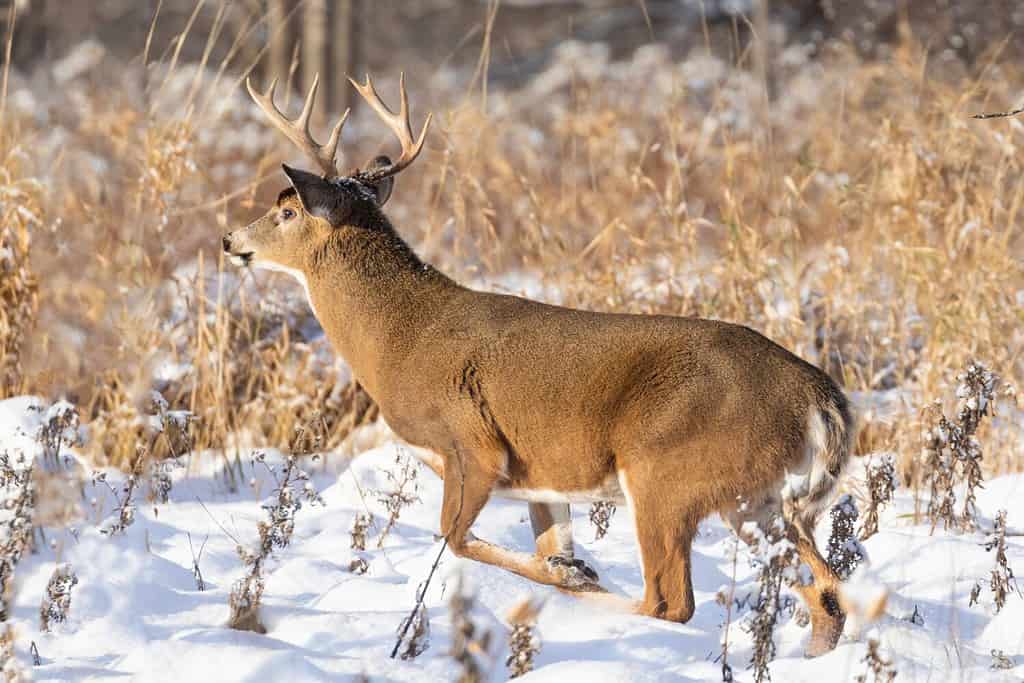
Male white-tailed deer shed their antlers each year.
©Mircea Costina/Shutterstock.com
These deer are also exceptional runners and jumpers. A white-tailed deer can run up to 30 miles per hour, jump nearly nine feet high, and cover up to 30 feet in a single bound. They are strong swimmers as well, reaching speeds of up to 13 miles per hour, which helps them cross large lakes and rivers to escape predators. Only male white-tailed deer grow antlers, which they shed each year. The antlers are made of living bone, and new ones begin growing soon after the old ones are shed.