
Quick Take
- In 2015, the white-tailed deer was designated the official state mammal of Georgia.
- Deer hunting generates hundreds of millions of dollars annually through licenses, gear, travel, and land leases.
- The original candidate chosen by students was the gray fox, but lawmakers selected the white-tailed deer for broader reach and economic relevance.
- Read on to discover how a Reese Road Leadership Academy project propelled House Bill 70 to designation, taking effect July 1, 2015.
Imagine driving one of Georgia‘s back roads at dusk and catching a white flash as a deer lifts its tail and slips into the pines. That familiar sight helps explain why Georgia chose the white-tailed deer as its official state mammal in 2015. Lawmakers wanted an animal symbolic of everyday wildlife, long-term conservation recovery, and the state’s outdoor traditions and economy. The white-tailed deer fits all of those roles. It lives across the state, shapes how land is managed, and plays a major part in how Georgians interact with wildlife. Its selection was not accidental or purely symbolic, but the result of history, science, and public involvement coming together.

A Familiar Neighbor Across the State
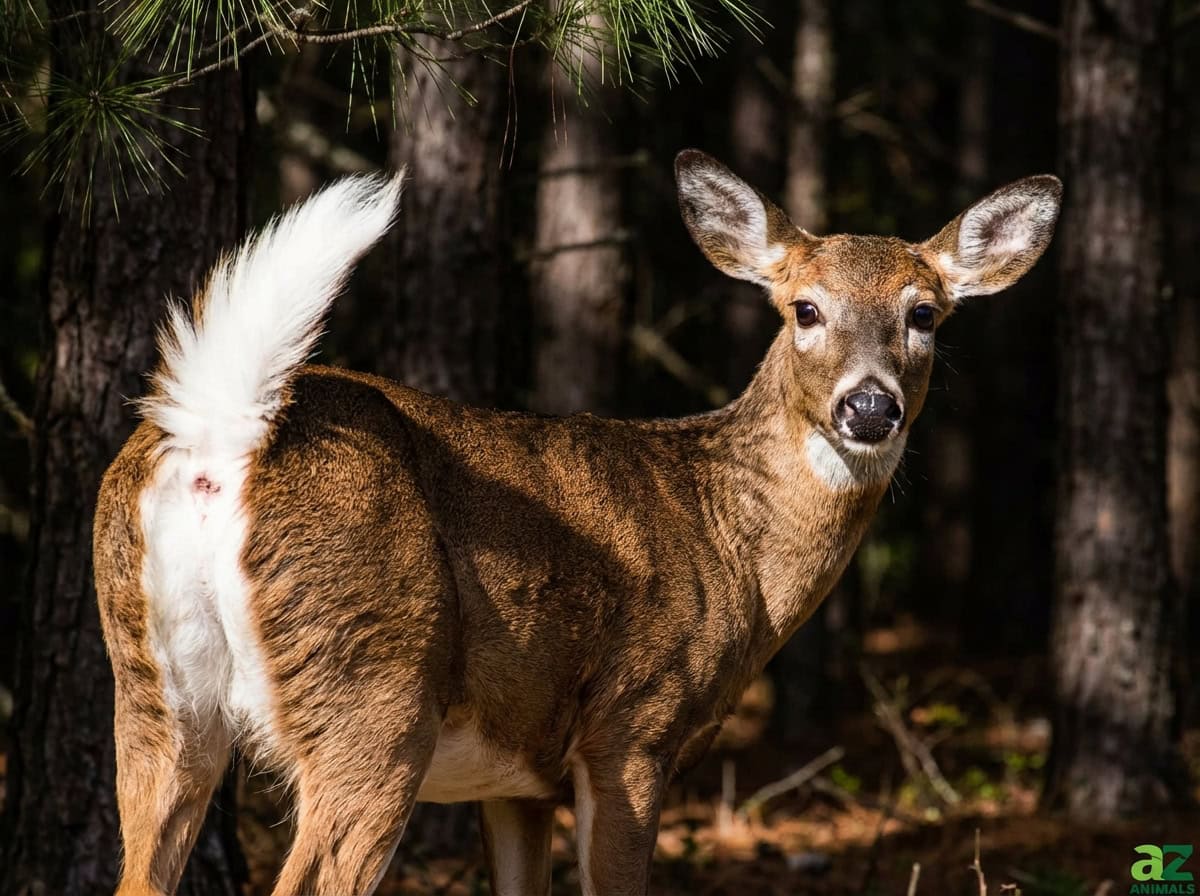
The white-tailed deer is one of the most recognizable wild animals in Georgia. It lives in habitats ranging from Appalachian foothills to coastal marsh edges, and it also appears in suburbs, farm fields, and wooded neighborhoods. Biologists describe the species as highly adaptable, able to survive wherever food and cover exist. Deer feed on leaves, buds, acorns, crops, and ornamental plants, which explains why they thrive near people as well as in remote forests. Adult deer vary widely in size, with weights influenced by age, sex, and regional conditions. Their raised white tail serves as a warning signal to other deer when danger is nearby and is often the last visible sign before they disappear into cover.
That bright white tail isn’t just for show; it’s a warning signal moments before the deer disappear into cover.
©Christopher Roth/iStock via Getty Images
From Scarcity to Recovery
Although deer are widespread today, Georgia once faced the loss of nearly all its white-tailed deer. By the late nineteenth century, unregulated hunting and widespread clearing of forests had pushed populations to very low levels. Public concern led to the creation of a state game agency in 1911, laying the groundwork for organized wildlife management. Over the following decades, Georgia protected remaining deer, restored habitat, and reintroduced animals into areas where they had vanished. By the mid-twentieth century, these efforts began to show results. The population grew steadily, reaching more than one million animals by the late twentieth century, a level that remains roughly consistent today.
A Foundation of the Outdoor Economy
The white-tailed deer holds major economic importance in Georgia. Deer hunting generates hundreds of millions of dollars each year through licenses, equipment sales, travel, and land leases. This spending supports jobs and businesses, especially in rural areas where other industries may be limited. Hunting license revenue also funds wildlife research and habitat management that benefit many species. Regulated hunting helps keep deer numbers aligned with what the land can support. Without population control, high deer densities can damage crops, forests, and residential landscapes, and can increase the risk of vehicle collisions. The deer, therefore, represents opportunity tied closely to responsibility.
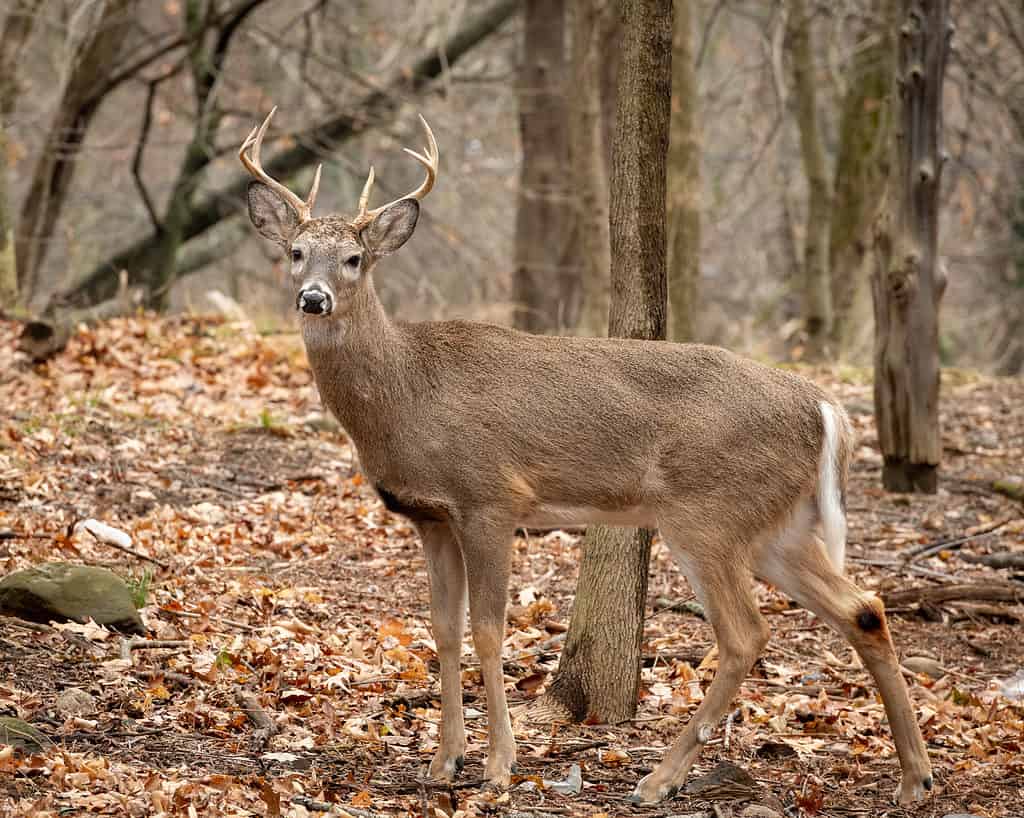
White-tailed deer, New Jersey.
©Herbie Pabst/Shutterstock.com
How Students Started the State Mammal Movement
The effort to name a state mammal began with elementary school students. In the early 2010s, first graders at Reese Road Leadership Academy in Muscogee County discovered that Georgia lacked an official state mammal. With guidance from teachers, they researched native wildlife and selected the gray fox as their original choice. The project became a lesson in civic engagement. Students visited the state Capitol, met with lawmakers, and shared their research. Their work inspired House Bill 70, which proposed adding a state mammal to Georgia’s list of official symbols. The bill gave legislators a chance to consider which animal best reflected the state as a whole.
How States Use Animal Symbols to Tell Their Story
Across the country, states select official animals to express shared history, priorities, and connections to the land. These designations often highlight species that are native or closely linked to local livelihoods, whether through agriculture, recreation, or conservation. The selection process itself frequently involves schools, civic groups, or youth-led campaigns, which turns the decision into a practical lesson in government, science, and community participation. Once adopted, a state animal becomes a recognizable reference point in classrooms, educational programs, and public materials, helping residents associate wildlife with a sense of place.
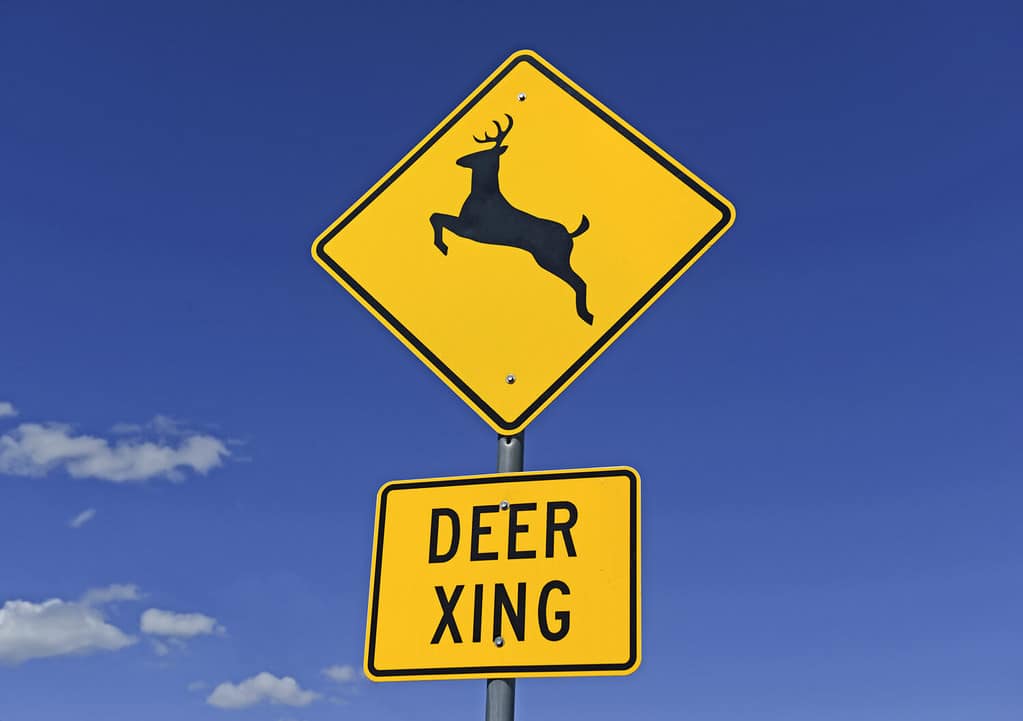
More than a warning sign, the leaping deer has become a public symbol of how wildlife fits into everyday life.
©nyker/Shutterstock.com
Official recognition can also influence how people think about conservation. Naming a state animal draws attention to habitat protection, research needs, and long-term management goals. While the designation does not create automatic legal protections, it can build public support for science-based decision-making and funding for wildlife programs. In this way, state animals serve as public representatives for local ecosystems, reinforcing the idea that human communities and wildlife depend on the same landscapes.
Why the Deer Was Chosen Instead
As House Bill 70 moved forward, wildlife experts and legislators debated which species should be named. The Georgia Department of Natural Resources recommended the white-tailed deer rather than the gray fox. Officials argued that deer were more widespread, more familiar to residents, and more closely tied to the state’s conservation history. Deer management also played a clear role in Georgia’s economy and land stewardship. Lawmakers agreed that the deer better represented shared responsibility between hunters, landowners, scientists, and the public. The decision reflected current realities rather than rarity or symbolism alone.
The Law That Made It Official
House Bill 70 amended Georgia’s code of state symbols to designate the white-tailed deer as the official state mammal. The bill passed the Georgia House of Representatives with strong support, though a small number of lawmakers objected. Some critics argued that deer caused crop damage and should not be honored. Despite those concerns, the bill cleared the legislature and was signed into law. It took effect on July 1, 2015, and was added to Georgia’s legal code as a formal recognition of the species’ status within the state.
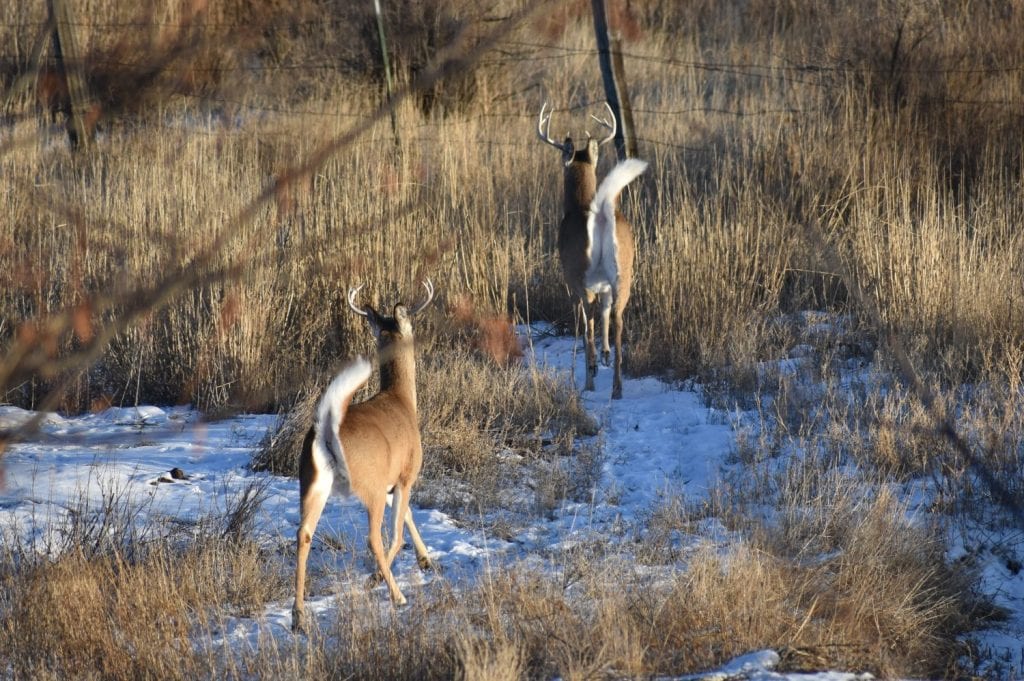
Running through rural Georgia, the white-tailed deer holds official status as the state’s designated mammal.
©Cynthia Vannoy/Shutterstock.com
A Broader Meaning Beyond Hunting
Supporters emphasized that the deer represented more than hunting alone. White-tailed deer live in forests, farmland, suburbs, and wetlands, making them one of the species most Georgians encounter in daily life. People see them crossing roads, feeding at forest edges, or raising fawns near homes. Conservationists note that the recovery of deer reflects stronger wildlife laws, changing land use, and public interest in habitat protection. As a symbol, the deer reflects how science-based management can restore a species while allowing people to continue using and enjoying the land.
Debate Over Nuisance and Identity
The designation of a state mammal did not eliminate controversy. Farmers and landowners have long dealt with deer damage to crops and timber. Wildlife managers acknowledge that unchecked deer populations can reduce plant diversity and increase vehicle collisions. Deer are one of the leading causes of animal-related deaths in the country, mainly due to road accidents. These concerns remain part of ongoing management discussions.
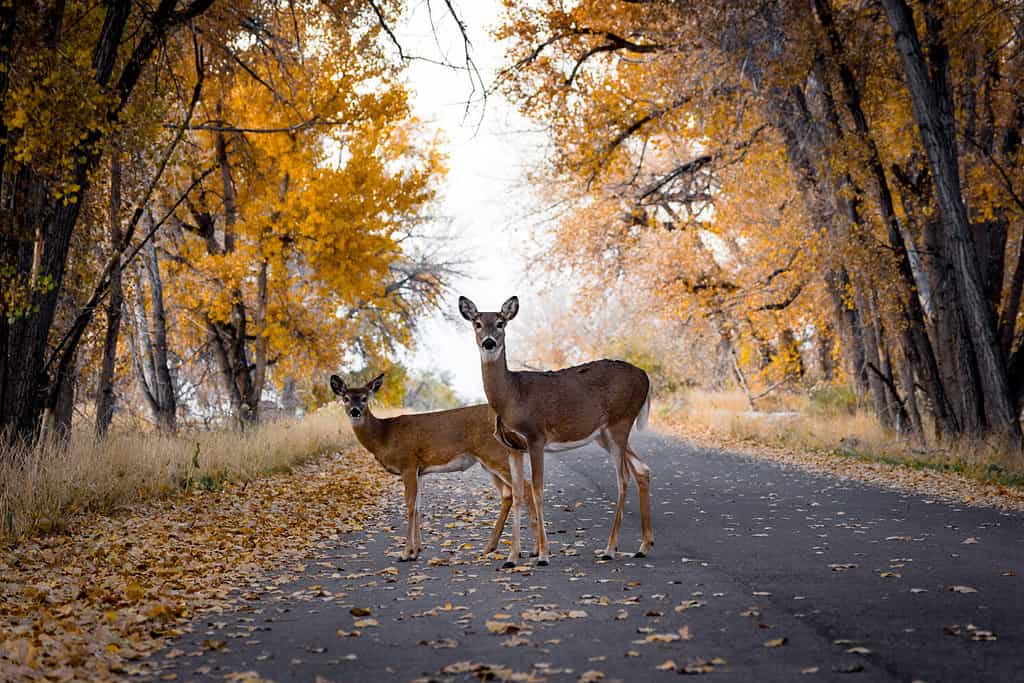
Deer and people often meet at the roadway, highlighting why ongoing management remains necessary.
©Sean Thomforde/Shutterstock.com
State officials stressed that naming a state mammal did not alter hunting regulations or limit damage control options. Instead, it highlighted the need for continued oversight and cooperation among agencies, hunters, and landowners.
Managing Deer in the Present Day
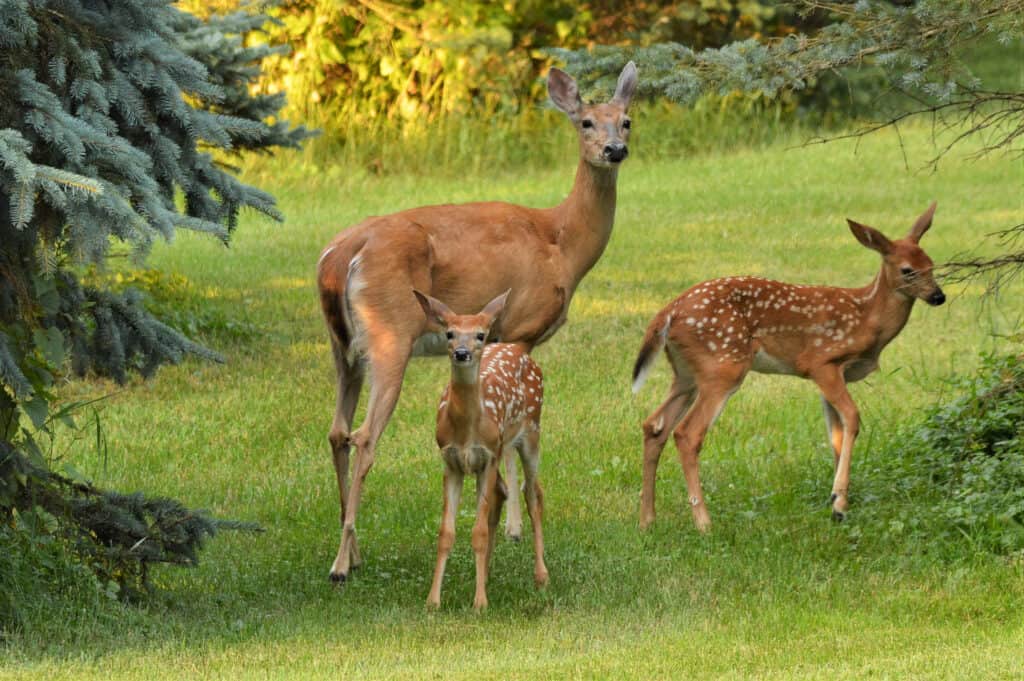
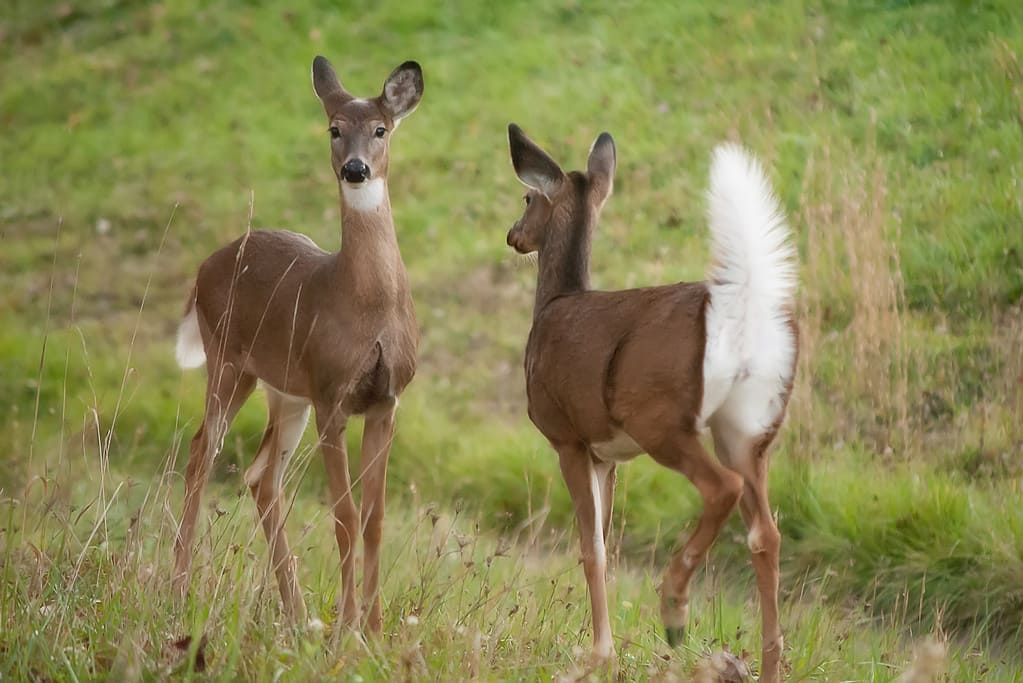
A managed landscape and a thriving family group show how long-term planning guides deer recovery and sustainability.
©Lester Graham/Shutterstock.com
What the State Mammal Represents Today
Georgia’s choice of the white-tailed deer reflects a long story. It begins with overhunting and habitat loss, moves through restoration and student-led advocacy, and continues with modern wildlife management. The deer stands as a familiar animal that shapes ecosystems and human activity alike. Its presence reminds residents that conservation is not a finished task, but a continuing balance between use and care. As long as that balance holds, the white-tailed deer will remain a living symbol of Georgia’s relationship with its land and wildlife.