
Quick Take
- There's a free, community-powered tool that tracks hummingbird migration in near real-time, yet most backyard enthusiasts have never heard of it. Explore the free tracker →
- Timing your feeder setup wrong could mean missing the hummingbirds entirely. The migration map tells you exactly when to act. Time your feeder setup →
- The homemade nectar recipe that attracts the most hummingbirds takes under ten minutes to make, and you likely already have both ingredients at home. Get the nectar recipe →
- Hummingbirds remember your yard the way elephants remember watering holes, so get it right once and they'll keep coming back. See yard prep tips →
With the arrival of spring comes the potential for multiple glittering hummingbirds to grace your yard. In fact, their appearance is like a clarion call of the season, coinciding with blooming gardens and warming temperatures. Hummingbirds often weigh less than a pound, but that doesn’t stop them from enduring exhausting journeys. Some fly thousands of miles each year, following an internal compass precise enough to rival even the best GPS systems. For the hummingbird enthusiast or casual observer alike, tracking the journey of American hummingbirds has grown into something of a grassroots scientific project.
It doesn’t matter whether you live in the Pacific Northwest or on the East Coast; there are plenty of innovative tools to help with hummingbird tracking, so you can prepare your yard in time for their arrival. Let’s explore some of these tools, including the Hummingbird Central Tracker Map, and learn some tips and tricks for welcoming the sky’s lightest dive bombers.
The Hummingbird Central Map Tracker
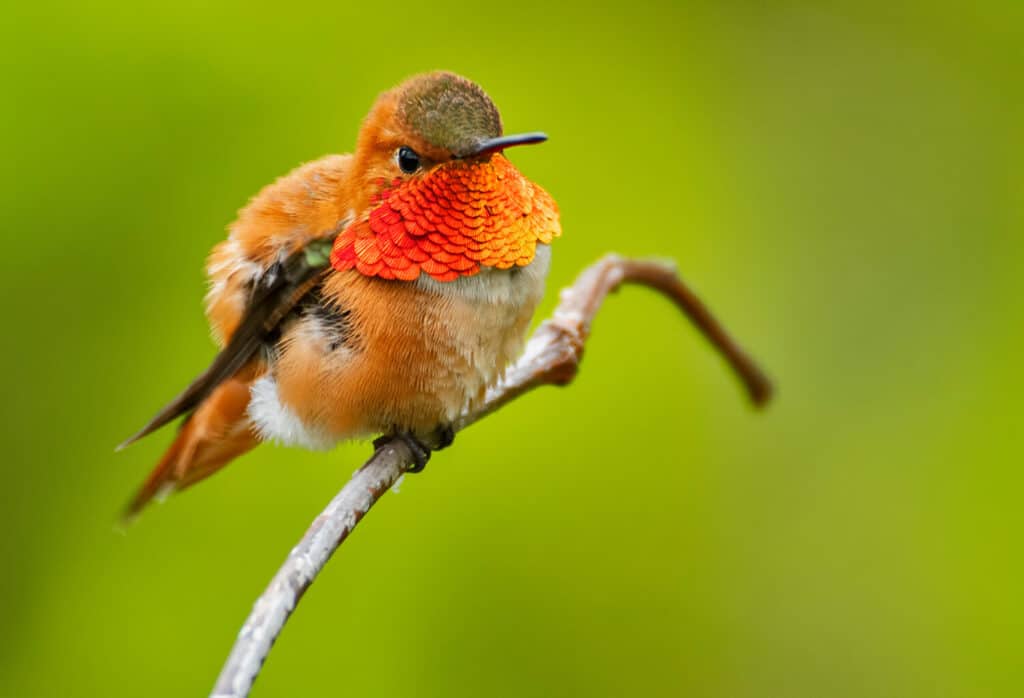
Rufous hummingbirds are denoted with an orange icon on the hummingbird central map tracker website.
©punkbirdr/Shutterstock.com
The community-driven tracking of hummingbirds has led to some useful developments. Take the Hummingbird Central Map tracker, for example. It is arguably the most up-to-date and dynamic free tool available for monitoring all things hummingbird. It aggregates user-submitted data into a constantly updated visual database.
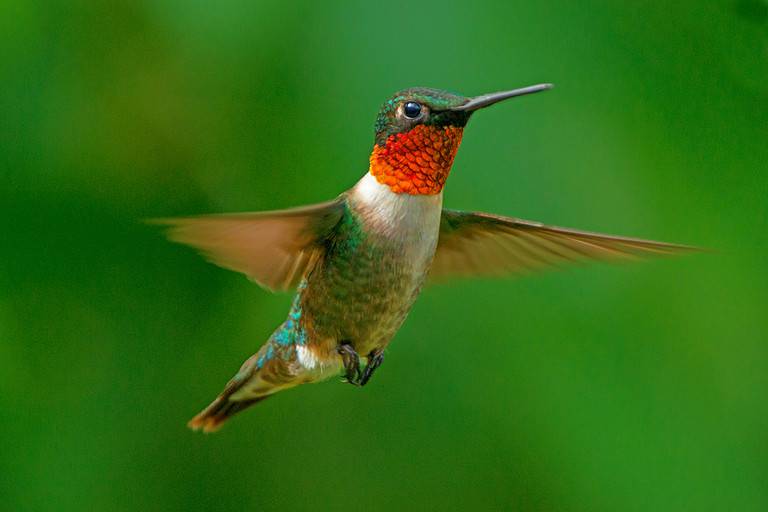
Typically, the team behind the map tracks spring hummingbird migration between late January and May each year. For privacy’s sake, user-submitted data is pinned to a generalized area of the nearest city center, with several reports in the same area consolidated into one icon. Different color icons represent different types of hummingbirds (red for Ruby-throated and orange for Rufous). Typically, the team processes and publishes submissions within several days.
The map works best when viewed on a desktop computer or tablet. If viewed by phone, landscape mode provides the best experience. To get the most out of the map tracker, be sure to use the (+) or (-) button for zooming in on specific regions and even neighborhoods. Also, check the dates listed next to hummingbird icons to get the most up-to-date information. You can even become a ‘citizen scientist‘ yourself by contributing your own sightings. This not only makes you a real hummingbird helper; it also improves the database’s overall accuracy.
Current Hummingbird Migration
The map’s most recent update (for mid-April 2026) shows that hummingbirds continue to migrate quickly across the United States. Ruby-throated hummingbirds have ventured past the Gulf Coast and are showing up increasingly throughout the Mid-Atlantic and Midwest. The farthest fliers have pushed even farther into the Great Lakes and southern New England regions.
On the West Coast, Anna’s hummingbirds usually remain in California and other parts of the Pacific Northwest throughout the year, with their range extending north to British Columbia and inland to Arizona. The map’s data, however, shows a northwest push of Rufous and black-chinned hummingbirds. They are likely using helpful tailwinds and early plant blooms to move ahead of their usual late-April migration pattern.
Hummingbirds are one of the most fascinating birds found in North America, so if you want more of these multi-colored beauties hanging out in your yard, it makes perfect sense. While these lightning-fast birds have migration schedules to keep, they are known to make refueling pit stops along the way. This provides ample opportunity for hummingbird enthusiasts to attract them. In fact, there are several time-tested strategies for attracting hummingbirds.
Tips for Attracting Hummingbirds
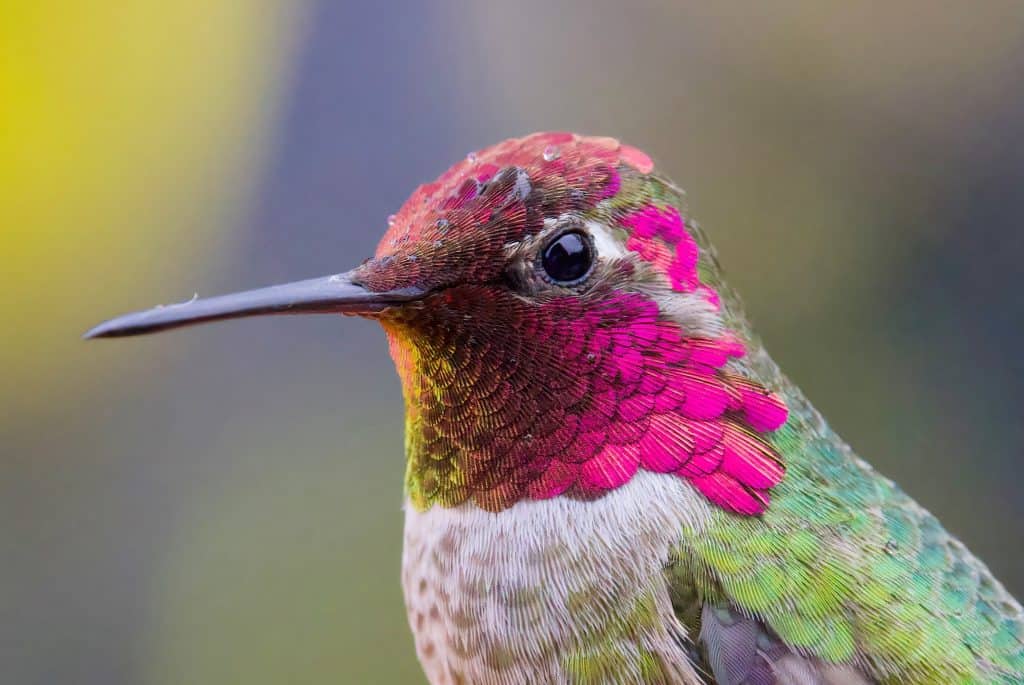
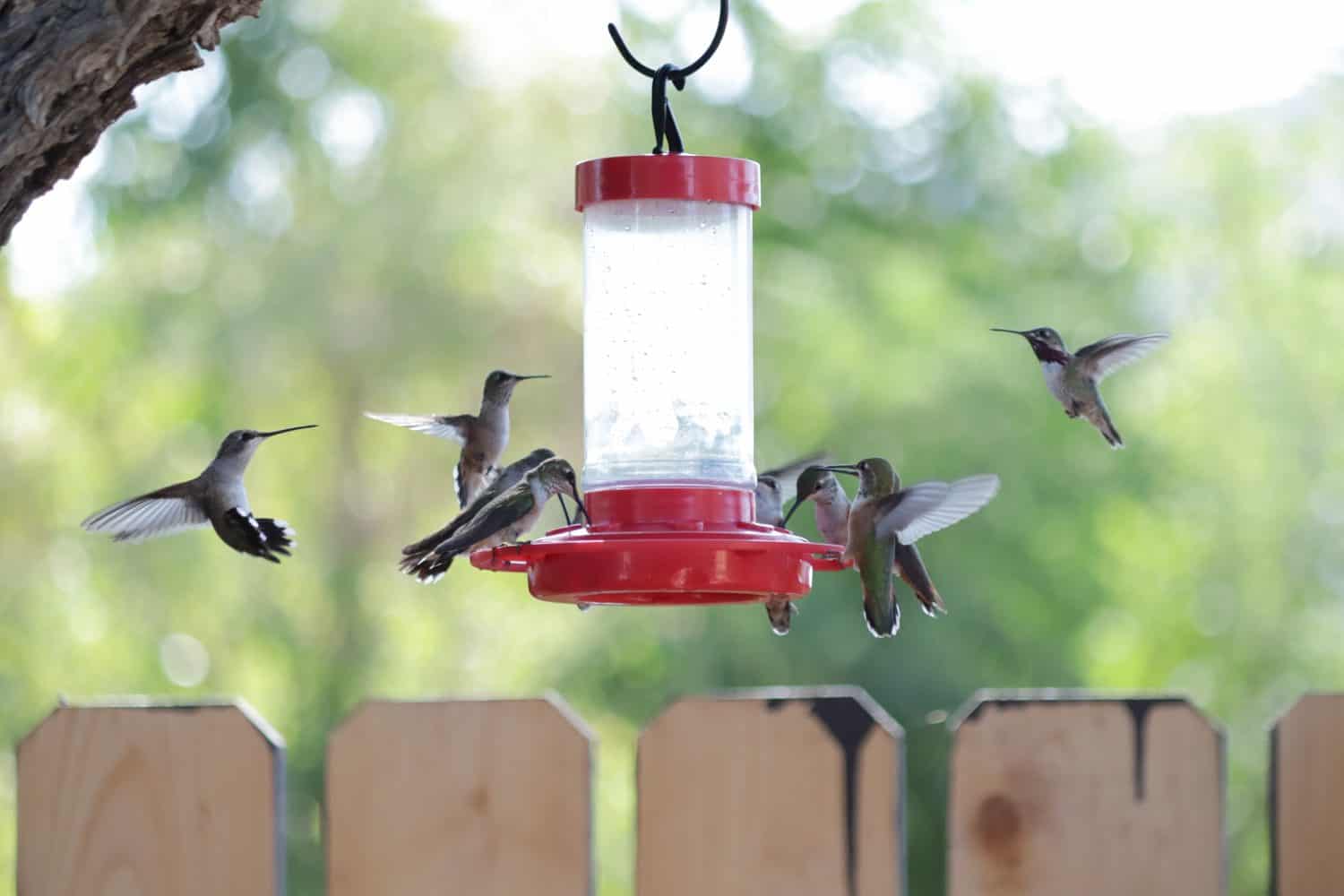
Hummingbirds often return to areas with a consistent food supply, so if you attract some to your yard one year, they will likely return the next.
©JMONTYGO/Shutterstock.com
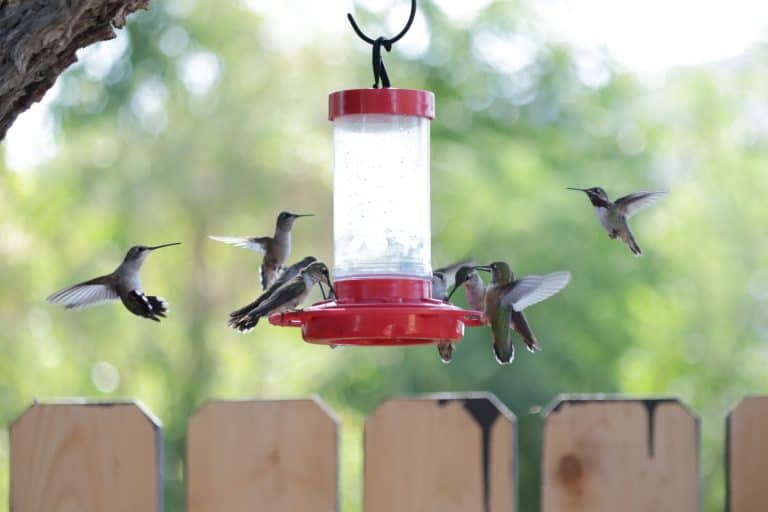
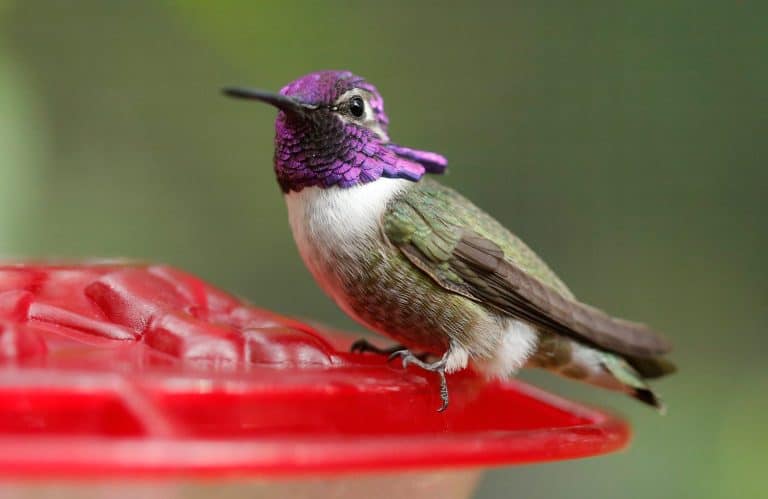
In Aztec culture and mythology, hummingbirds were considered sacred and associated with warriors. Much like bulls, hummingbirds are attracted to the color red. That means that one sure-fire way of attracting hummingbirds is to plant native, tubular flowers with a red sheen. These include bee balm and trumpet honeysuckle, in particular, as they provide hummingbirds with the best nutrition. Though such blooms offer natural means of attraction, it would be dishonest to say that artificial strategies aren’t often more reliable. One of the best ways to catch a hummingbird’s attention is to place a red feeder in an exposed area.
If you’re concerned about what food to place in an artificial feeder, don’t be. Hummingbird enthusiasts have refined a recipe over the years, one that draws the most hummingbird attention while remaining as safe and nutritious for them as possible. DIY Hummingbird feeder mix involves a simple 4:1 ratio and takes less than ten minutes to make. Mix one-part unrefined white sugar with four parts water. Stir or boil the mixture until the sugar completely dissolves. Ensure the mixture is cool before pouring it into a clean feeder and replace it every three to five days to prevent mold growth.
Hummingbirds, almost like elephants, have a good memory for food sources. If they like what you are offering, they have a high chance of returning to the same yard year after year. By consulting the interactive map tracker, you can hang your feeders several days in advance to ensure that you attract as many hummingbirds to your yard as possible.