
Quick Take
- Savanna Spy: Sound, started by Carmen Reisdorf, combines citizen science with BirdNET to map Texas bird habitats under prescribed fire and grazing.
- Over three years, more than 900 volunteers identified 70,000 bird calls, producing a reliable dataset for researchers.
- Citizen scientists confirm or deny matches, helping the AI learn correct identifications.
It’s said that the most significant accomplishments often have humble beginnings. For Carmen Reisdorf, a freshman at Texas A&M University, one research project proved just how true that can be. Birdwatching became one of 2025’s top outdoor hobbies, with an estimated 96 million birders in the U.S. alone. If even a fraction of those birdwatchers could help identify calls and sightings, an entire world of bird research would open up.
Reisdorf used this idea to her advantage to create one of the most impressive citizen research projects in ornithology. Here’s how her research, hard work, and determination are changing the landscape of Texas birds.
A Worthy Goal
The Savanna Spy: Sound mission statement reads, “Grasslands are declining across the United States, and so are the birds that live in them. The Prairie Project investigates prescribed fire and livestock grazing (together called pyric herbivory) to sustain prairie habitats in Texas.” The goal is a worthy one: to learn more about bird habitats in areas of controlled burning and grazing. According to Reisdorf, birds are a prime indicator of environmental health. Their feeding, migration, and reproductive habits are all clues to a region’s sustainability.
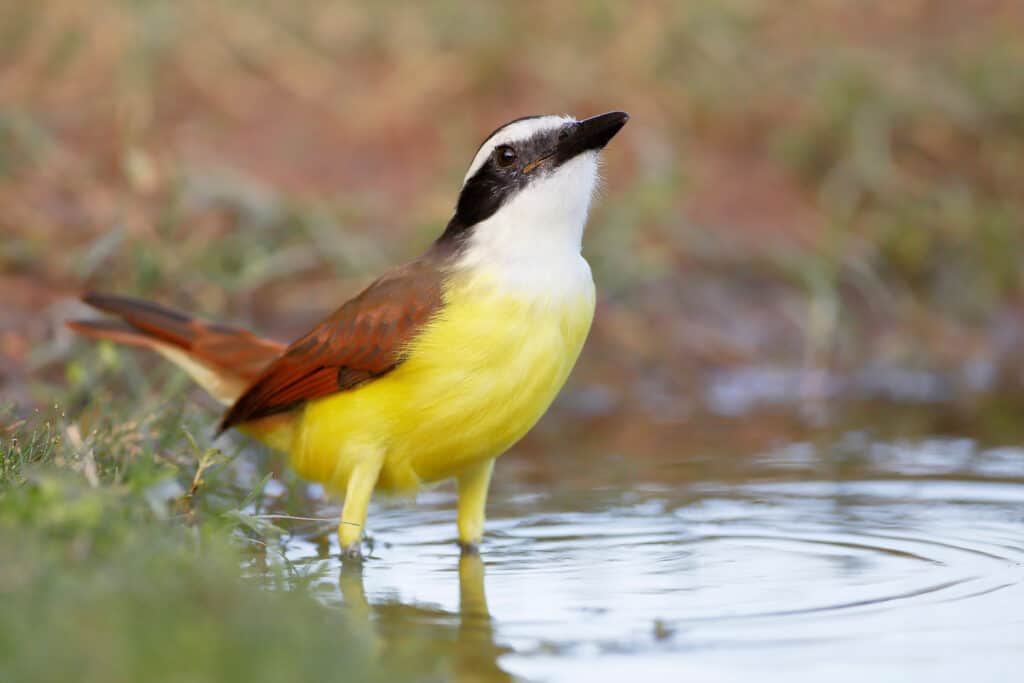
Great kiskadees are incredibly adaptive birds and are opportunistic omnivores that nest in all sorts of habitats.
©Wilfred Marissen/Shutterstock.com
The idea for this research project began when Reisdorf took Fundamentals of Ecology, a class taught by Dr. Ben Wu. It started as an idea for a small honors project to support Wu’s research. By using Zooniverse and BirdNET, Reisdorf built Savanna Spy: Sound. Over the course of three years, the volunteer-guided project grew to more than 900 people who identified more than 70,000 bird calls. The data returned by volunteers is surprisingly accurate, and now Reisdorf works with other researchers to confirm and vet the identifications. Savanna Spy: Sound was also inspired by the Prairie Project, which observes land restoration and management in Texas, Oklahoma, and Nebraska.
How Does Savanna Spy: Sound Work?
With the help of citizen scientists and BirdNET’s artificial intelligence model, Savanna Spy: Sound identifies bird calls. These calls are recorded by citizen scientists who can volunteer to submit their findings while birding. While learning bird calls can be challenging, Savanna Spy: Sound makes it easier with audio examples and AI identifications. Citizen scientists then confirm the bird call or note an error, which becomes helpful data.
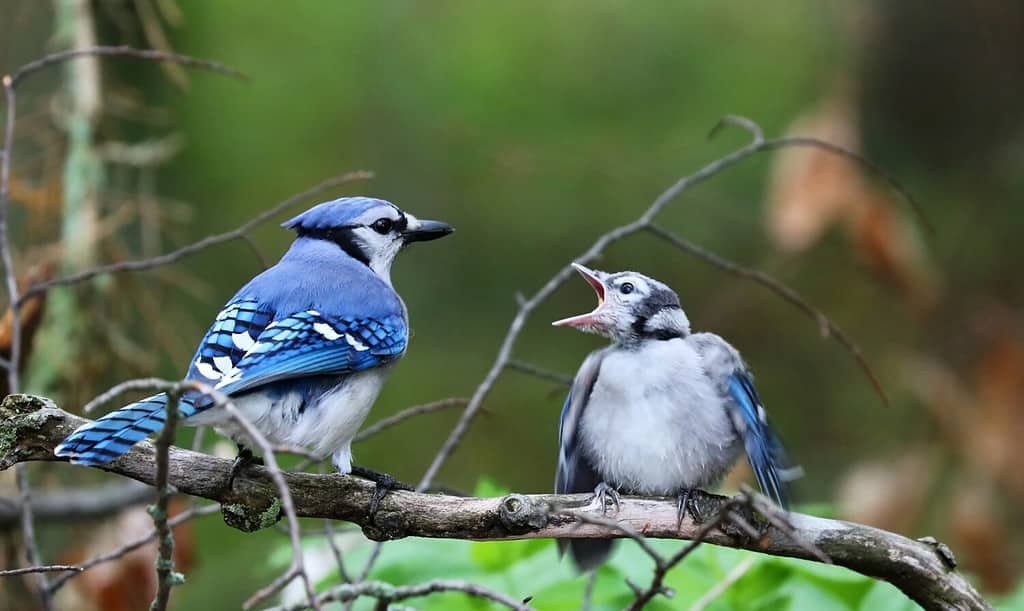
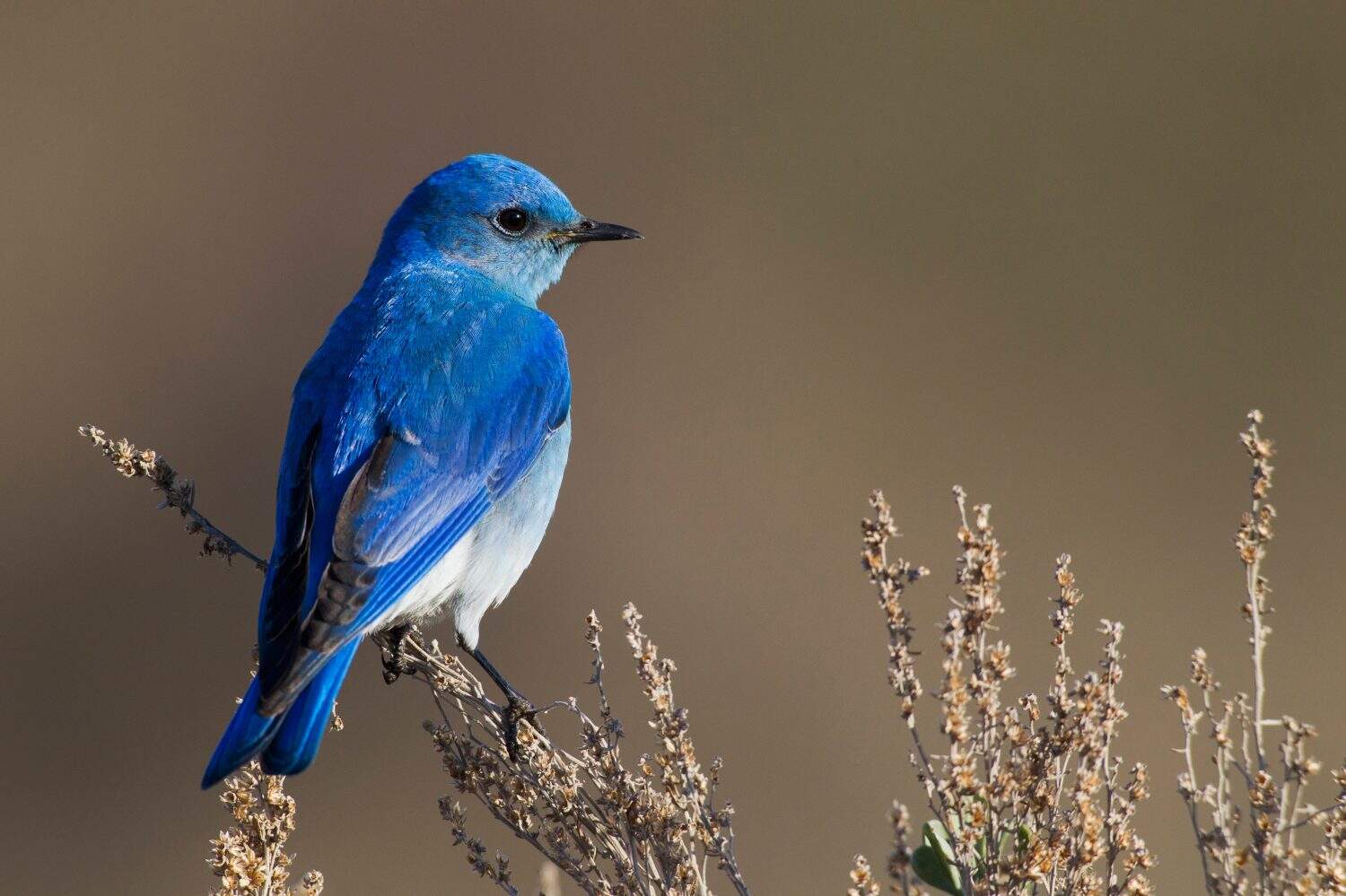
Blue jays can copy the calls of hawks to scare other birds away from a bird feeder.
©Karel Bock/Shutterstock.com
As volunteers confirm or deny a sound match, this data helps the AI. It’s an ongoing process that essentially trains the technology to better evaluate sounds and learn which are correct. With this research, Reisdorf and her peers can study the landscape and the status of its bird populations. Although AI is sometimes met with skepticism, applications like this may help protect certain animal species. In Texas, controlled burns significantly affect the environment and can also affect native wildlife populations. Those wanting to participate in the project can start on the Zooniverse information page.
The Effects of Prescribed Fire on Texas Birds
Overall, controlled burns, also known as prescribed fire, typically help bird life in Texas. There are several benefits to burning the land, including:
- Growth Promotion: It seems counterintuitive, but controlled burns actually encourage new grass growth. Burning brush also breaks grasses down into vital nutrients for the soil. This cycle promotes new grasslands, which provide food and shelter for birds.
- Insect Availability: Burns encourage rapid insect reproduction. This means an abundance of food sources for birds.
- Varied Terrain: Burning dead grassland gives way to new growth, but it rarely grows in the same pattern. This creates a new landscape which can be especially beneficial to migrating birds.
When it comes to bird migrations, burns have different results depending on the season. Texas’ wintering birds sometimes use burned areas for shelter, while late-season burns encourage new growth while minimally affecting native bird species. Burns during the growing season encourage quick regrowth and generally do not affect a bird’s quality of life.
Why Our Participation Matters
Volunteer participation in Reisdorf’s Savanna Spy: Sound project not only accelerated research but also expanded the dataset to include data from multiple regions. Citizen scientists are essential to projects such as this, where researchers cannot be everywhere at once. By having volunteers understand the goal and collect data, a complete picture can be pieced together. In this instance, hundreds of bird calls from the Edwards Plateau were identified. This occurred more quickly than it would have with a small team of researchers, allowing for faster identification of issues and recognition of benefits.
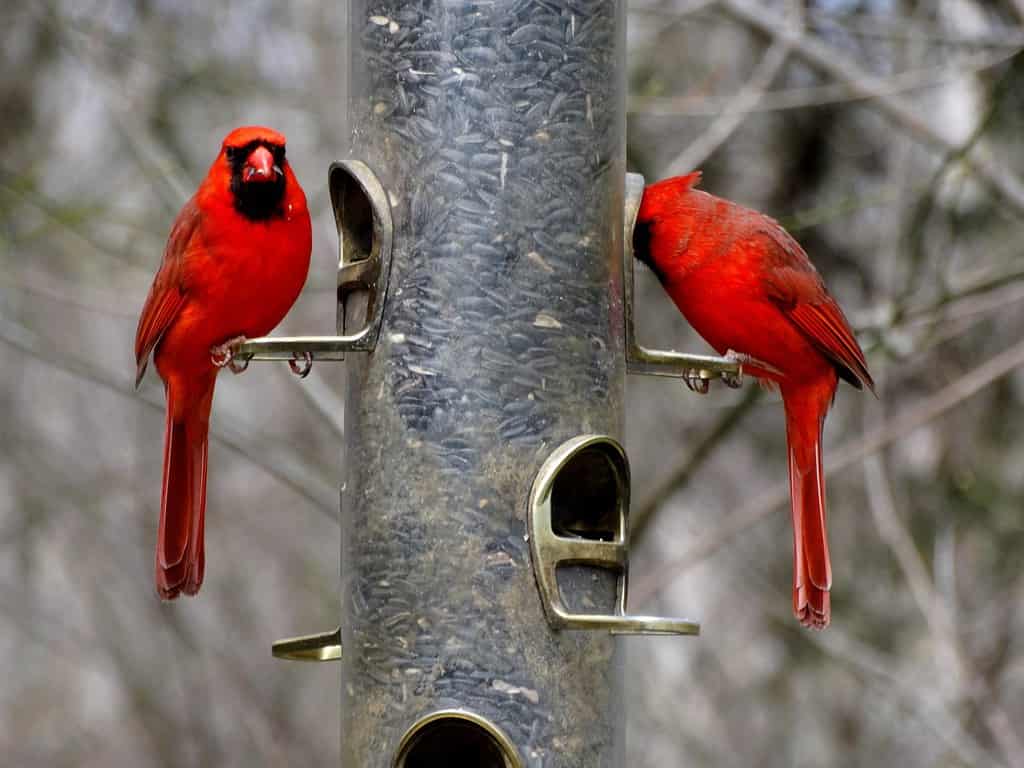
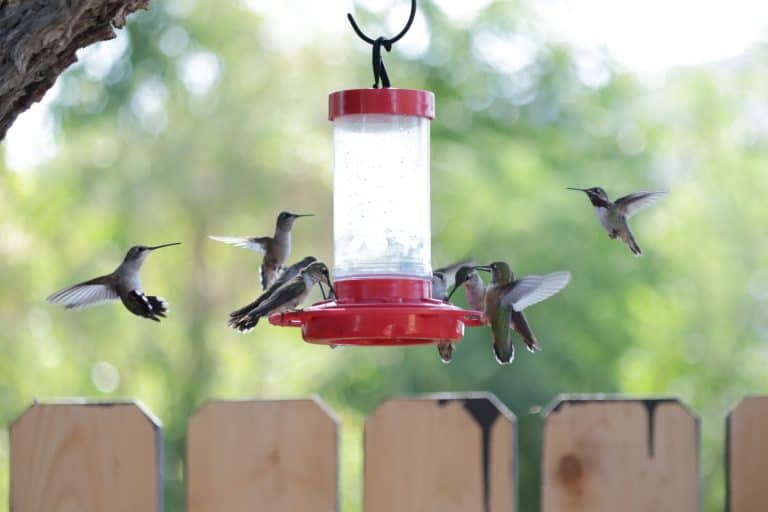
You can participate in a bird research project from the comfort of your own backyard.
©Sebastiaan Bleesing 95/Shutterstock.com
There are many bird-focused research projects that anyone can volunteer for. Each one has a unique goal, and some are location-based. Whether it’s tracking migration, observing local bird species, or visually identifying birds, we can do our part to help.
Some other projects seeking citizen scientists include:
- Christmas Bird Count (CBC): This research project is run by the Audubon Society and takes place annually from December 14th to January 5th. The goal is to count specific bird species at specific locations to determine population trends.
- Great Backyard Bird Count (GBBC): Volunteers can do this from the comfort of their own backyards. This event runs for four days in February and aims to count and report as many birds as possible worldwide.
- Project FeederWatch: This research project is run by Cornell Lab and can also be done from your own backyard. The goal is to choose a set number of hours to observe visiting birds and to submit the recorded data. It’s all done through an app, and Cornell Lab will even send helpful identification materials.
- NestWatch: Similar to Project FeederWatch, birders can help this research project by observing local bird nests. The data gets submitted to Cornell Lab, which adds it to their records.
Each of us can contribute to bird research—all it takes is a smartphone. Any data you collect could lead to a breakthrough or support a scientific theory, and it might even be your own!