
Quick Take
- Cats have a higher risk of kidney disease than other animals.
- There are some definitive reasons why cats contract kidney disease.
- If kidney disease is suspected, contact a vet sooner rather than later.
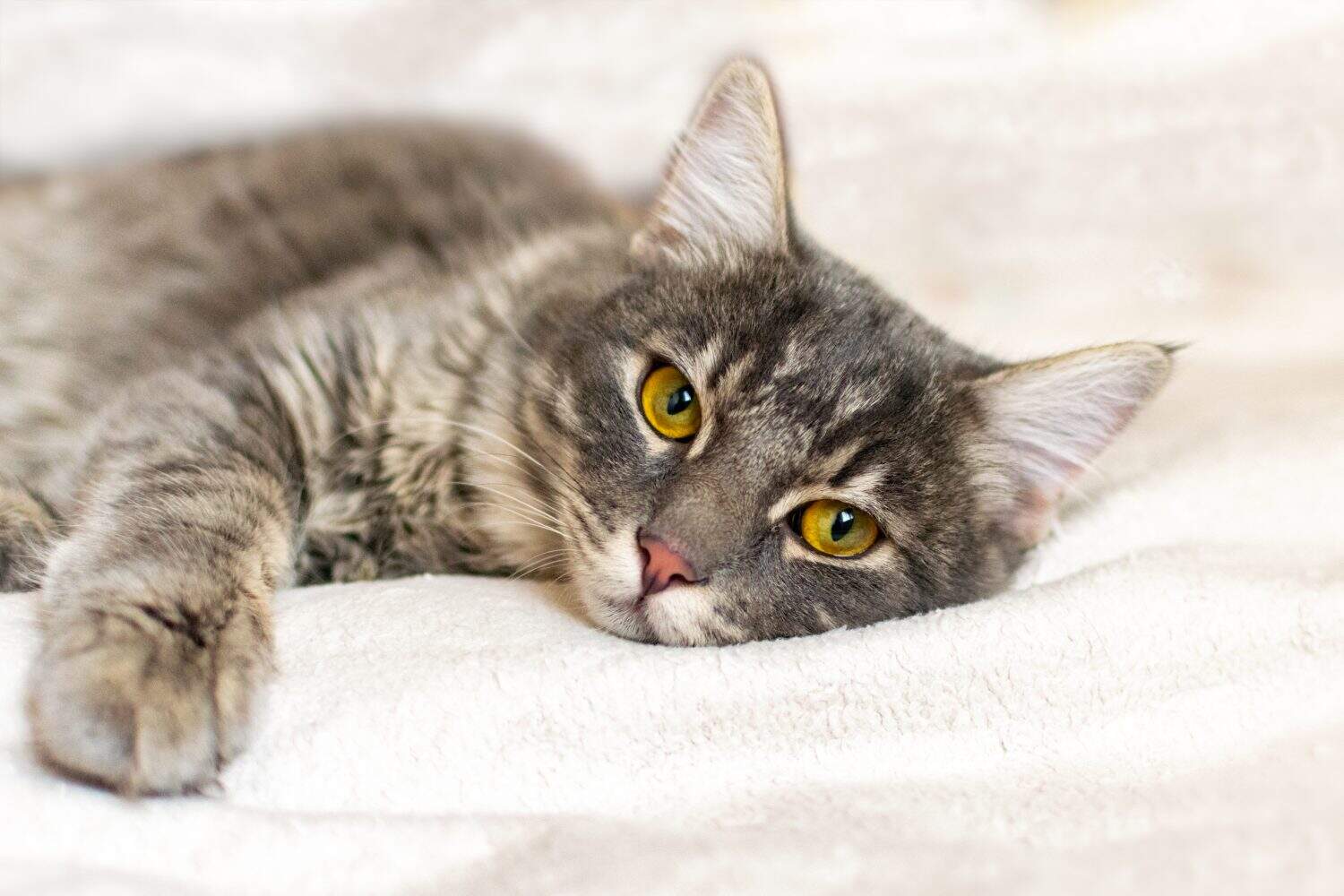
Kidney disease, when caught early, can be managed so animals can live normal lives. Like dogs, certain cat breeds—such as the Persian, Maine Coon, Russian Blue, and Siamese—are more prone to kidney disease. However, unlike dogs, kidney disease is one of the most prevalent health issues in cats. As cats age, their chances of kidney disease increase dramatically. In fact, it is more common for senior cats to have kidney disease than not.
Why Kidney Disease Is So Prevalent In Cats

Kidney disease is the most often diagnosed disease in cats.
©pinkfloyd yilmaz uslu/Shutterstock.com
Kidney disease can happen in all animals. However, in cats, it seems to be more prevalent. Just why cats are more prone to contracting kidney disease is still not entirely known. However, there are some definitive reasons why cats contract kidney disease.
Kidney disease, also called chronic kidney disease or renal failure, occurs when the kidneys begin to function below capacity. Things like removing the waste from the blood, keeping blood pressure stable, and making more red blood cells do not happen as they should. When this occurs, the health of cats begins to fail rapidly.
Fortunately, when cats are diagnosed with kidney disease, it is not necessarily a death sentence. This is why the earlier the diagnosis, the better.
How Many Cats Are Affected By Kidney Disease?

80% of 15-year-old cats are diagnosed with kidney disease.
©Zhuravlev Andrey/Shutterstock.com
Cats of any age can develop kidney disease. In general, the majority of cats that develop kidney disease tend to be older.
When cats reach the age of seven, they have a higher chance of developing kidney disease than they did when they were younger. This is because they have reached “senior” status. While there are no statistics available for the percentage of cats who develop kidney disease at this age, by the time cats reach 10 years old, 40% will be diagnosed with kidney disease. Those who are over the age of 15 have an 80% chance of being diagnosed with kidney disease.
A cat can develop kidney disease at any age, so it cannot be ruled out based on age alone. In general, though, kidney disease tends to affect older cats, which is why any change in behavior or health should be addressed sooner rather than later.
What Causes Kidney Disease in Cats?
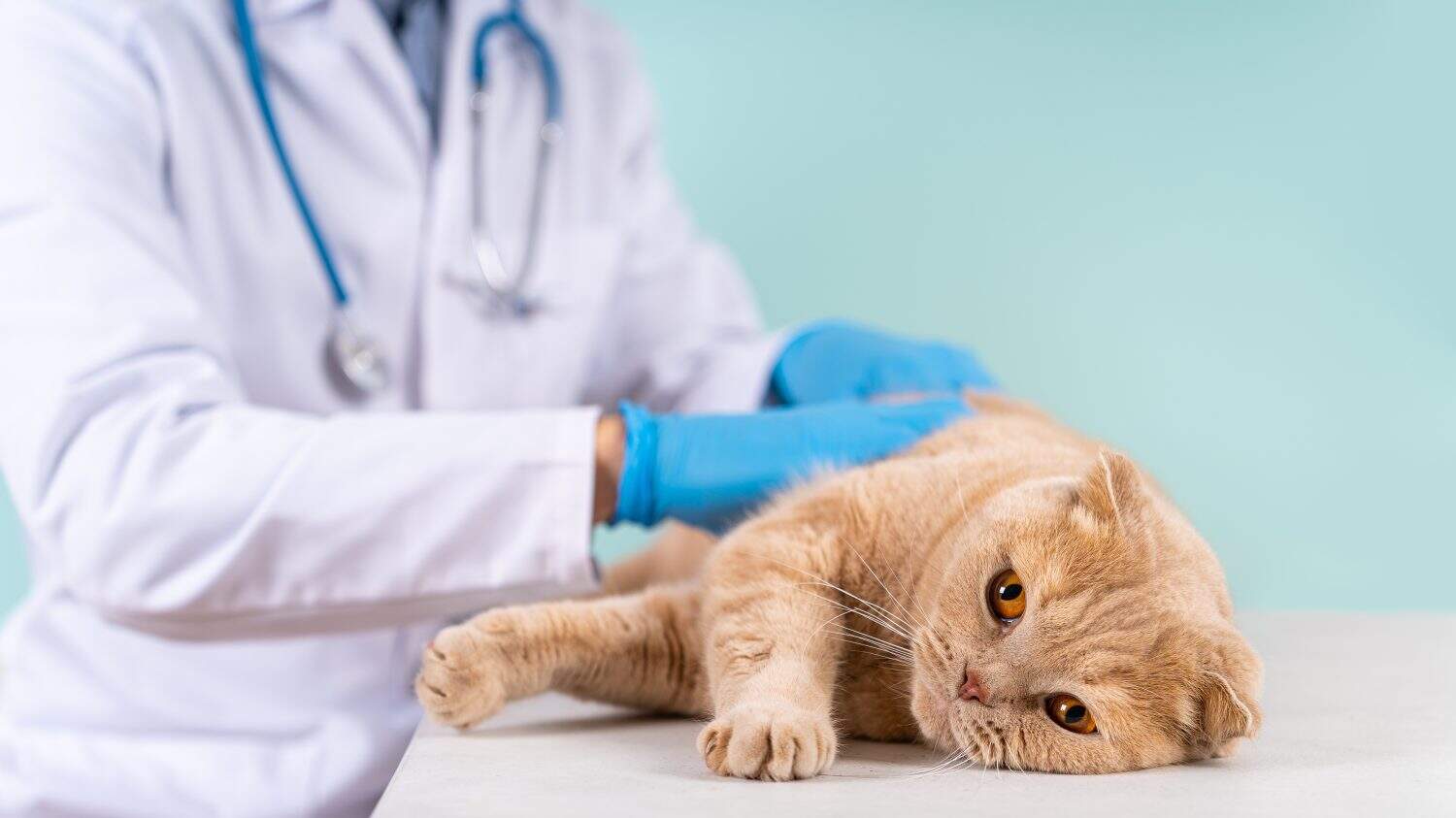
Cats can be diagnosed with kidney disease that is hereditary, caused by an injury, or due to an underlying medical condition.
©Dina Photo Stories/Shutterstock.com
The reasons for kidney disease vary as much as the timing of its diagnosis. While older cats are more likely to be diagnosed with chronic kidney disease, the onset of the disease can happen at any stage of a cat’s life.
The different types of kidney disease cats can develop include:
| Types of Kidney Disease | Description |
| Hereditary kidney disease | Polycystic kidney disease is hereditary in cats. Consequently, when kittens are born, they will already have small cysts in their kidneys, leading to kidney disease. |
| Injury leading to kidney disease | Injuries such as an infection, ingesting toxins, or ingesting medications can lead to kidney disease. |
| A medical condition leading to kidney disease | Cancers, heart disease, clotting disorders, and more can lead to kidney disease. |
While there is no guaranteed way to prevent kidney disease in cats, providing a constant source of fresh water, offering both healthy wet and dry food, and scheduling annual checkups gives cats the best chance of living a healthy life. When this is done, veterinarians should be able to detect early signs of ill health and help prevent conditions from developing or worsening.
Signs That Cats Are Suffering from Kidney Disease

Cats may hide when they do not feel well, but there are a number of symptoms pointing to kidney disease when it is present.
©Germanova Antonina/Shutterstock.com
Given that cats are creatures who are prone to hiding when they do not feel well, it can be hard to tell if something is wrong. For those cats that are suffering from kidney disease, however, there are tell-tale signs that a cat’s health is suffering.
Some of the most common symptoms cats with kidney disease exhibit include:
- Drinking increased amounts of water
- Inability to urinate or urinating less frequently
- Dehydration
- Vomiting
- Weight loss
- Muscle loss
- Ammonia-smelling breath
- Sores in the mouth
- Edema
- Constipation
- Lack of energy
- Going outside of the litter box
- Hiding or not wanting to be around others
- Body temperature fluctuations
If any of these signs are present, it strongly indicates that a cat is unwell and that its kidneys may be malfunctioning. Getting them to a vet immediately is the recommendation of experts so that care can begin as soon as possible.
Are There Treatments Available for Feline Kidney Disease?
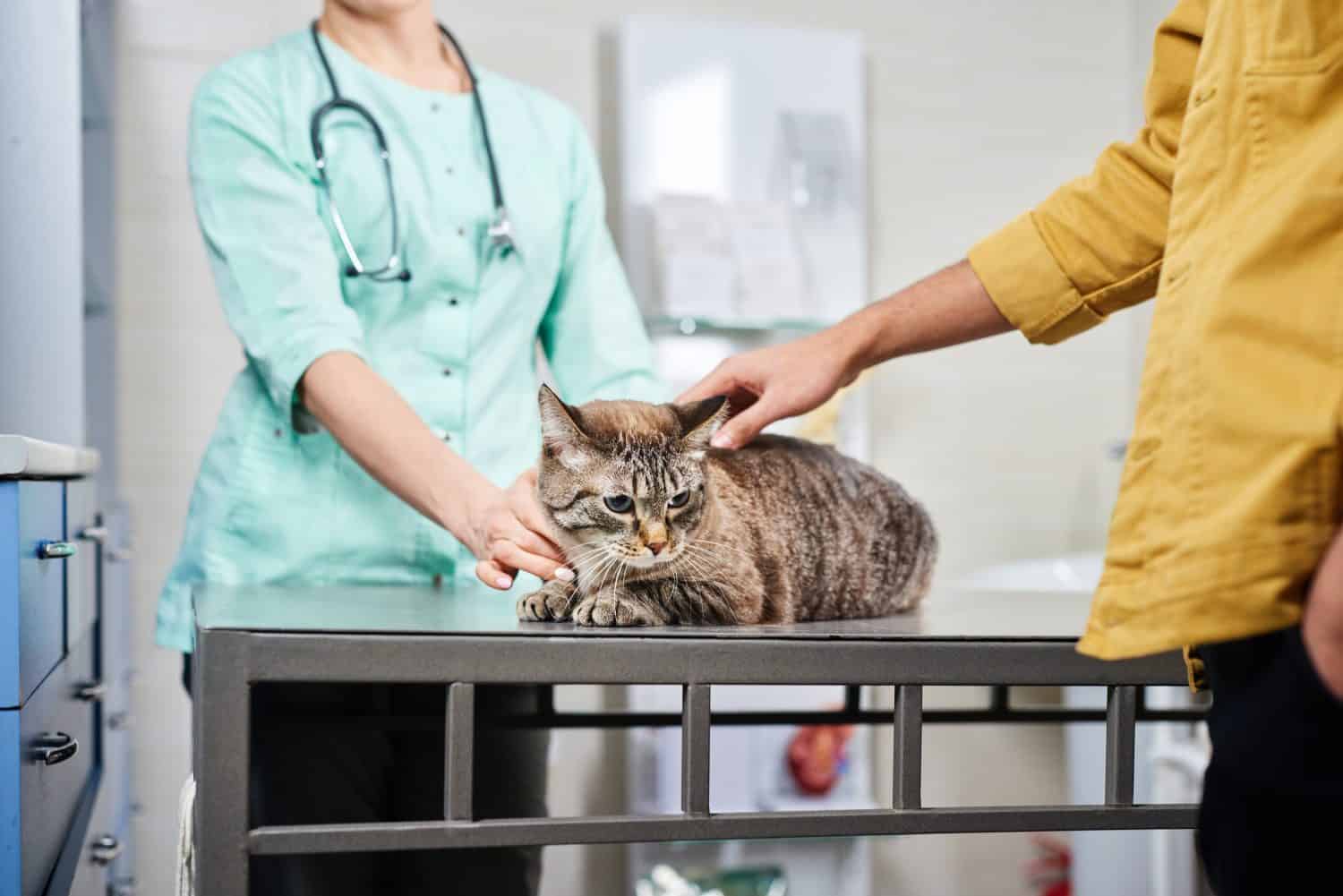
Cats cannot be cured of kidney disease, but they can change their lifestyles if the disease is caught early enough to live normal lives.
©Sata Production/Shutterstock.com
Unfortunately, if a cat has kidney disease, their kidneys will never function as they once did when they were healthy. However, if caught in its early stages, it is possible not only to keep cats comfortable but also to allow them to live long lives in some cases. Some of the most common ways to manage kidney disease in cats include:
| Treatment Option | How It Works |
| Changing the diet | By switching to a low-phosphorus diet, the kidneys do not have to work as hard to break it down. |
| Providing cats with fluids | Fluids, also known as subcutaneous fluids, may be necessary not only to hydrate cats but also to help the kidneys flush toxins from the body. |
| Prescription medications | A variety of medications may be prescribed to cats to help them stay comfortable, ranging from anti-nausea medicines to those that support kidney function. |
| Monitoring kidney disease | Cats that have been diagnosed with kidney disease will need to be monitored for their lifetimes. This helps ensure kidney function remains stable, and if it changes, measures can be taken to keep cats as comfortable as possible. |
The earlier the kidney disease is detected, the more treatment options are available for cats. Additionally, as the disease progresses, there are ways to prevent it from advancing quickly. This means that cats will need to be on medication and/or prescription food for the rest of their lives. The benefit, however, is that some cats who have their kidney disease detected early go on to live long and happy lives.
Signs That Cats Have Kidney Failure

Cats with Stage 4 kidney disease are functioning at only 10% of normal kidney function.
©Julia Cherk/Shutterstock.com
In many cases, many cat owners will not realize there is something seriously wrong with their cats until 75% of the cat’s kidney function has failed. In humans, this is just before late-stage renal failure, which is defined as having only 15% of normal kidney function. For cats, however, 25% of normal kidney function is late-stage kidney failure.
The symptoms of late-stage kidney failure can also look like kidney disease. However, once a cat reaches Stage 4 in their kidney disease journey, which is 90% of normal kidney function failing, bloodwork will look very different. This is because:
- Creatine levels will be very high
- Blood urea nitrogen levels will be very high
- Red blood cell count is low
- Appetite will decrease or even be nonexistent despite any food offered
- Continuous weight loss occurs
- Keeping the cat hydrated is nearly impossible to do
Cats diagnosed with end-stage kidney disease can be kept comfortable for a time. Most will survive several weeks to months after diagnosis. As the disease progresses, cats will have no energy, will stop grooming themselves, will not eat, may hide, and may seem confused. It is at this point that hard decisions will need to be made to allow cats to pass with as little pain as possible after battling their kidney disease.
The earlier cats are diagnosed with kidney disease, the better their chances of thriving. This is why, given that most cats begin to show signs of kidney disease around the age of seven, veterinarians recommend complete blood workups to both provide a baseline of health as cats enter their senior years and to determine if kidney disease is present so that care can begin immediately to give cats the best quality of life possible.