
Quick Take
- New data shows that 80% of samples across 30 refuges revealed high mercury levels.
- A 5-year underwater larval cycle can reveal high mercury detection in wildlife refuges.
- More than 1,000 dragonfly larvae have been sampled to determine at-risk areas for mercury toxicity.
One of the most accurate indicators of the health of the natural world is the ecosystem itself. For decades, scientists have studied certain species to learn about their habitats. This method is foolproof and rarely leaves room for error, especially in marine environments. While fish typically wave the biggest red flags, there’s another surprising animal indicator: the dragonfly. And now, dragonflies that were studied years ago are finally providing clues about toxicity levels that would otherwise go unnoticed, until it was too late.
The Extraordinary Detective Abilities of the Dragonfly
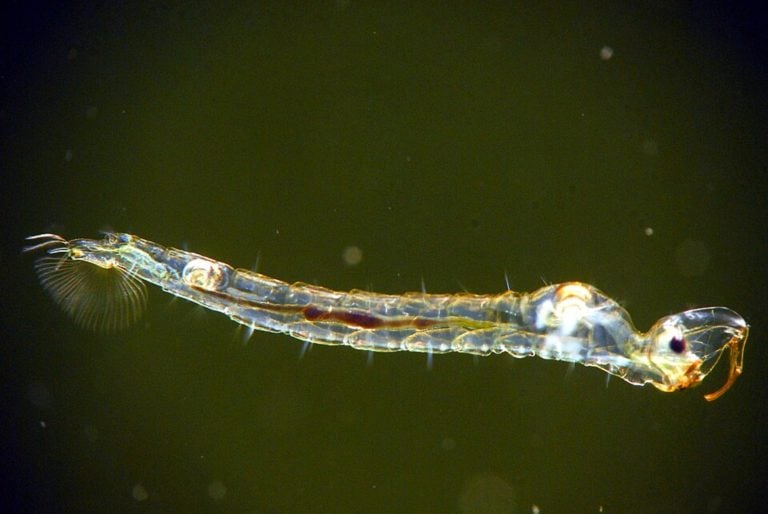
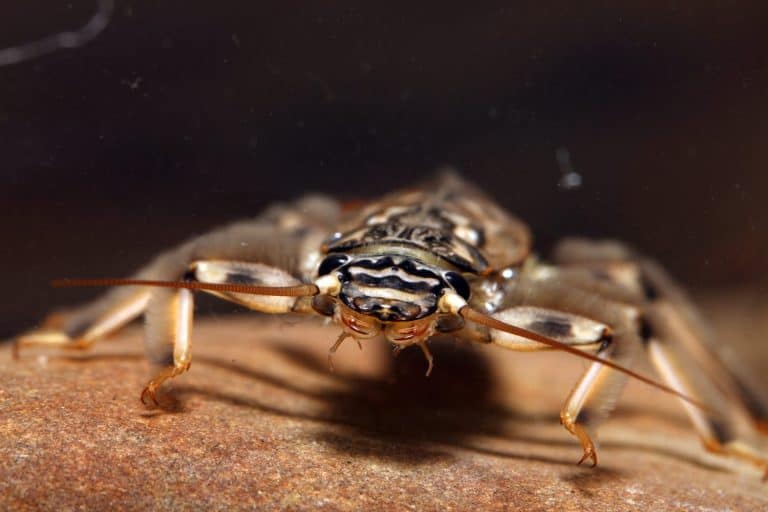
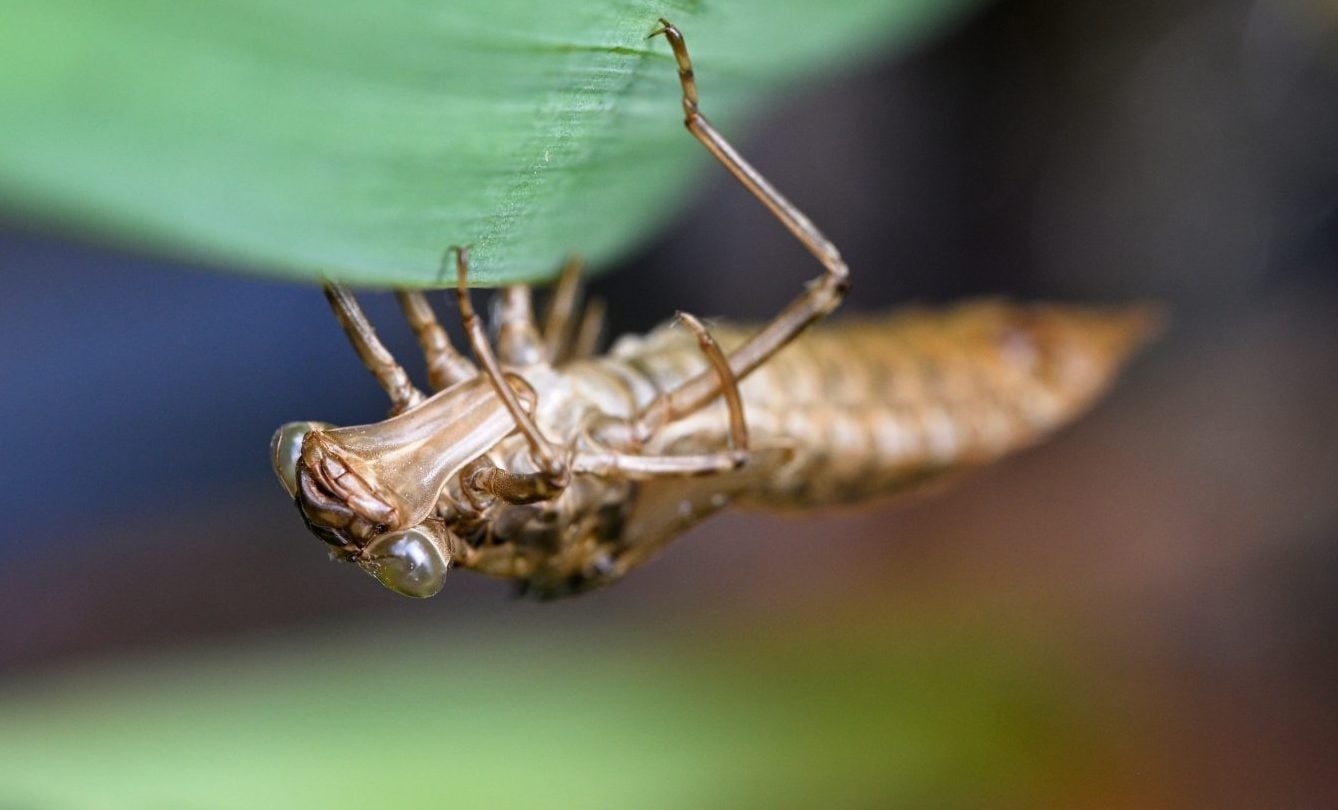
Dragonflies symbolize many different things across different cultures: strength, power, and adaptability, among them. In the scientific world, they also have strong connotations. Dragonflies are bioindicators, living organisms that are used to convey the status of an ecosystem. Dragonfly larvae, in particular, offer significant clues to the aquatic biomes in which they remain submerged until adulthood. Their sensitivity to water and environmental conditions is telling, especially when studied under a microscope.
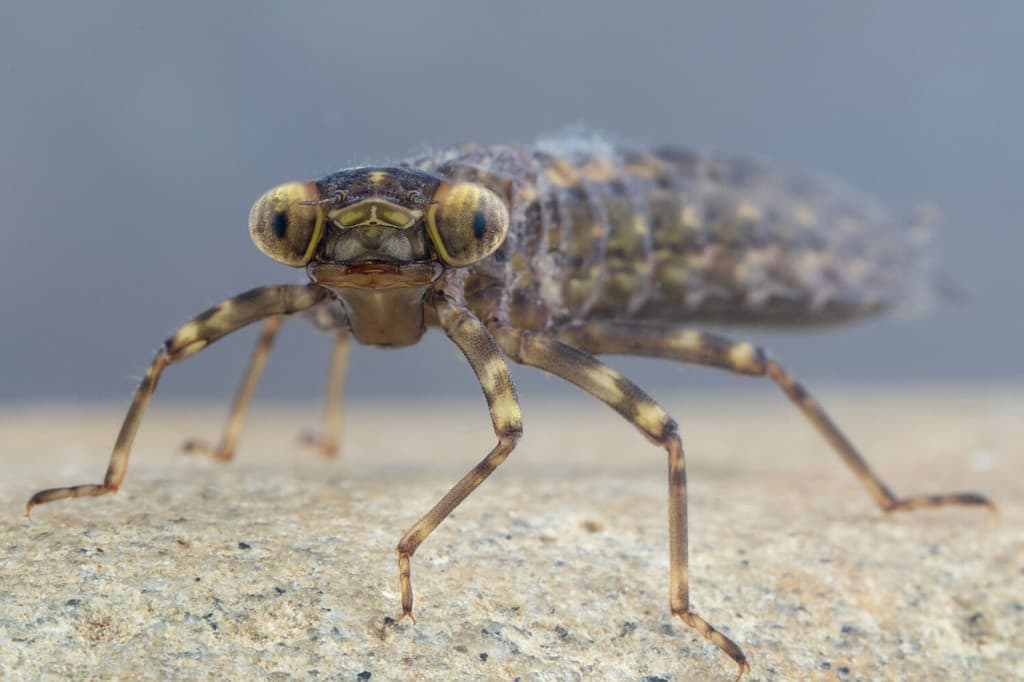
Dragonfly larvae can remain underwater for 1 to 5 years.
©asturfauna/Shutterstock.com
Dragonflies join the likes of lichens, amphibians, and even birds when it comes to signaling that something is wrong. If there’s a toxin in the air or in the water, these species are the first to let us know. For a scientist, this is almost as good as using a seismograph to predict when an earthquake will happen. In nature, these species serve as an early detection system. It’s also thanks to the diet and the diverse range of dragonflies that scientists can draw these inferences. They sit at the top of the food chain in their aquatic environment habitats and are found on every continent except Antarctica.
An Early Warning System
A study published in March 2026 in The Journal of Wildlife Management details the data collected from 1,356 dragonfly larvae. These larvae were observed between 2021 and 2023, providing roughly two years of bioindication data for scientists. The larvae were located in 30 refuges throughout the United States, which offered a diverse cross-section of North America’s aquatic habitats. The goal of the study was to determine mercury levels in the water. The sites studied were at risk of high levels, and the data scientists collected from dragonfly larvae confirmed this.
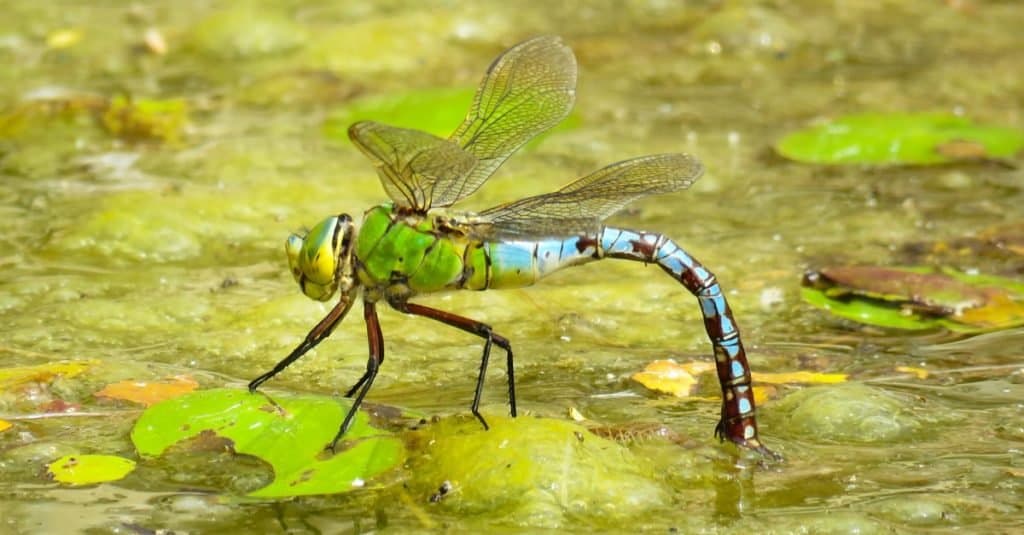
Samples from dragonflies can reveal changes in mercury levels over the years.
©Helen Cradduck/Shutterstock.com
Approximately 80% of the refuge samples collected showed elevated mercury levels. This puts them at moderate-to-high risk for contamination, which poses a threat to both animals and humans living near these water refuges. Jennifer Wilkening, PhD, of the US Fish and Wildlife Service, was quoted following the study, saying, “Our results provide one of the first refuge-wide assessments of mercury exposure using dragonfly larvae as indicators. These data contribute to broader efforts to assess mercury risk across public lands and underscore the importance of understanding the environmental factors driving exposure, helping managers more effectively reduce risks to wildlife and people.”
What This Means for the Water Refuges at Risk
The findings of this study are concerning on many levels. Because dragonflies can remain submerged for one to five years, they are by far the most accurate indicator of the health of these water refuges. Their samples paint a grim picture for the survival of the species that also live in each refuge. And for humans, the picture becomes bleaker, as mercury poses an equally severe risk.
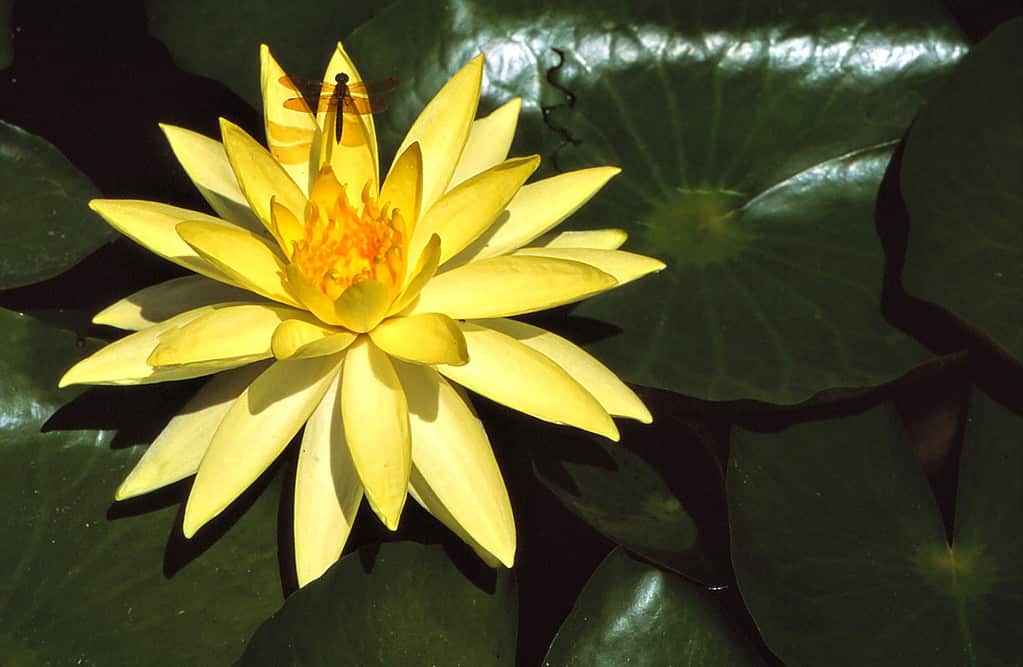
As bioindicators, dragonflies offer insight into the overall health of an ecosystem.
©Richard Jackson/iStock via Getty Images
Toxic levels of mercury typically originate from human activity. This includes processes like coal combustion, which releases elemental and oxidized mercury, which are then converted to methylmercury in aquatic environments through bacterial processes. Methylmercury is then absorbed by species such as dragonflies during their larval stage, serving as an indicator of water quality. As species higher on the food chain consume the dragonflies, they, too, end up with high levels of mercury. This process continues all the way up the food chain and eventually reaches the top, where humans are.
In especially dry environments, scientists theorize that mercury can also pollute water through rain or snow. As toxic chemicals are absorbed into our atmosphere, they make their way back down through precipitation. This runs into local waterways and refuges, contaminating the water. Unfortunately, this also puts the land at risk, as mercury can seep into groundwater. The result is a toxic food source that affects every species in the food chain.
The Dragonfly Mercury Project
When it comes to monitoring dragonflies across the U.S., one team is making a difference in the health of our aquatic ecosystems. The U.S. Geological Survey and National Park Service jointly run the Dragonfly Mercury Project, which oversees many natural areas. Run by a collective of experts and citizen scientists, this group monitors current and new mercury level findings. Together, they’ve collected thousands of samples across more than 100 national park locations and protected areas.
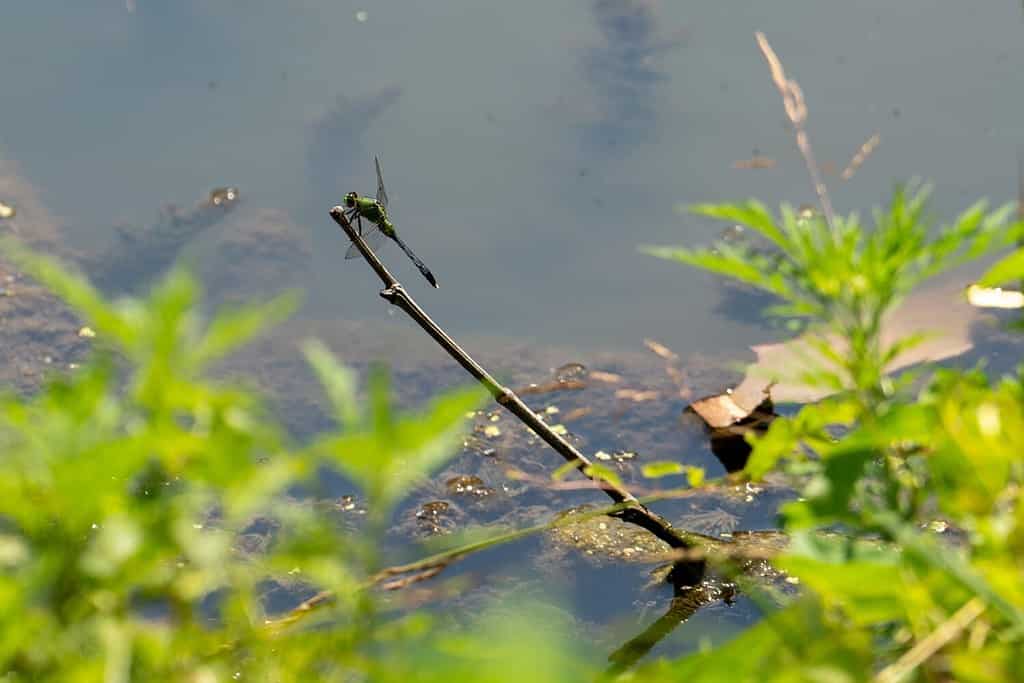
As other species consume dragonflies, their genetic markers also become indicative of mercury levels and other toxins.
©Brooke Bowdren/Shutterstock.com
The work DMP does is essential not only to the overall health of our waterways but to the earth as a whole. Although mercury pollution remains a concern, global mercury emissions and atmospheric mercury levels have decreased in recent years due to regulatory efforts such as these. The studies conducted by DMP alert scientists to at-risk areas where further research can be conducted to determine a solution. Removing mercury from contaminated water is no easy feat, and it must be stopped at the source. Monitoring mercury levels in dragonfly larvae is the best early-detection system we have, along with those like DMP who care enough to do it.