
Quick Take
- Your ears aren't a random target. There's a specific biological reason mosquitoes lock onto that spot above everywhere else on your body. See why ears attract →
- Some people are essentially mosquito beacons, and the reason has nothing to do with what they wear or what they eat for dinner. Discover your mosquito appeal →
- That infuriating buzz isn't just the sound of wings. It's doing something that has nothing to do with you. Hear the real reason →
- Mosquitoes bite your feet just as often as your ears, yet you never seem to notice when they do. Explore why you notice ears →
The annoying buzz of a mosquito near your ear in the dark is a nearly universal annoyance. On muggy summer nights, that sound can disrupt even the deepest sleep, but while it feels like targeted torment, science suggests otherwise. What really brings these insects so close to us at night, and why do they seem so intent on our ears?
Continue reading
Following an Invisible Trail
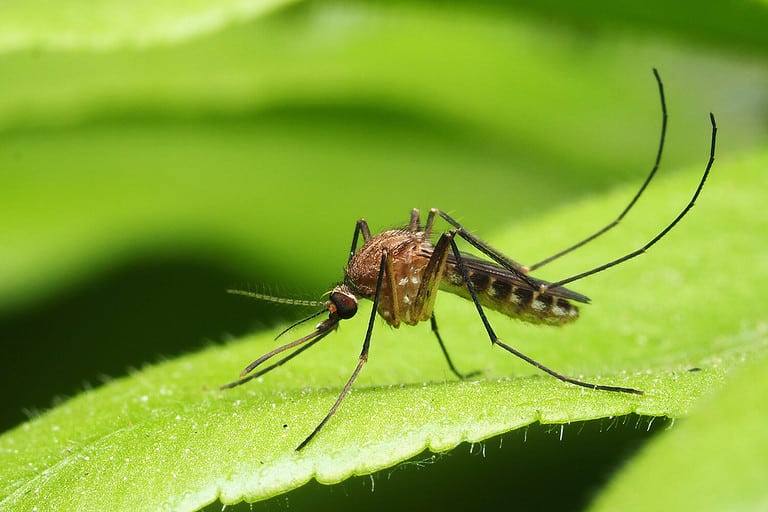
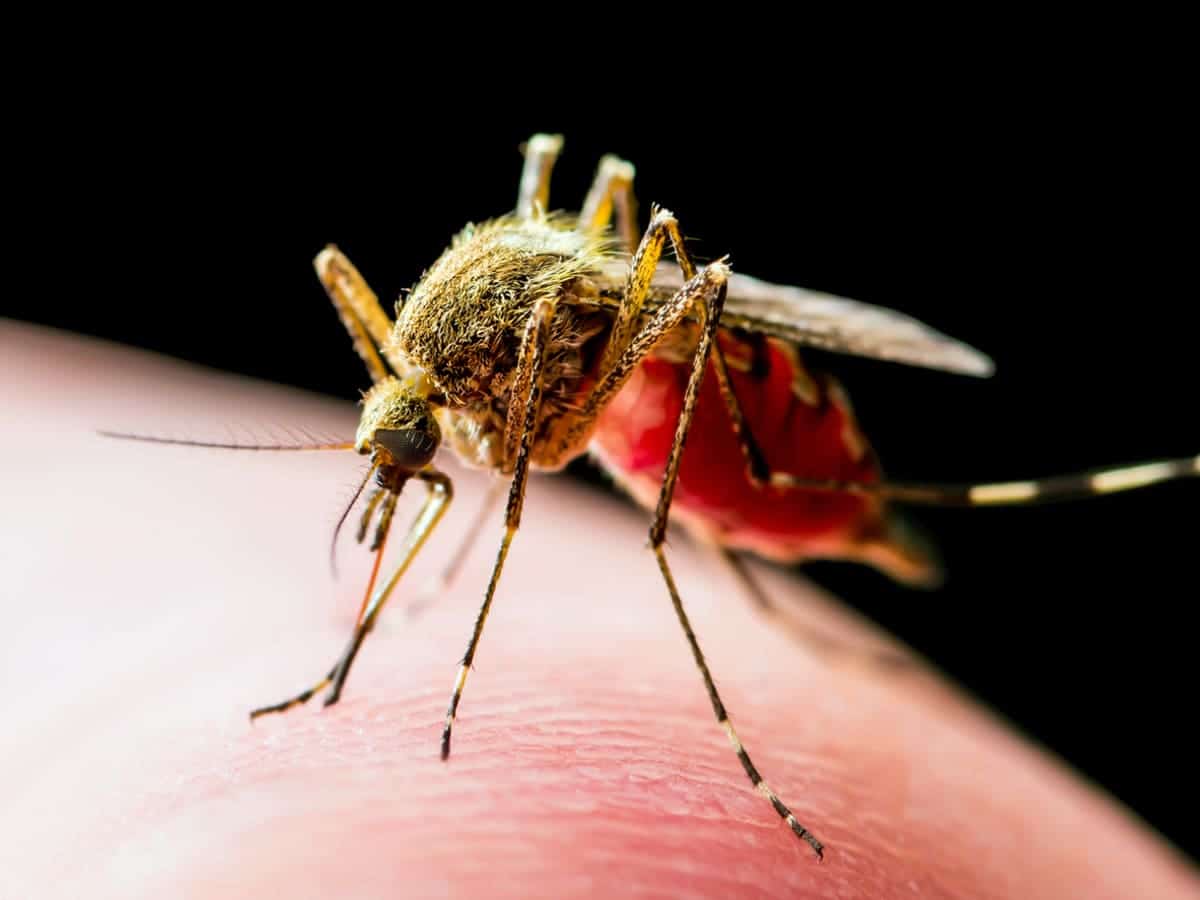
When you hear that notorious buzzing, you’re most likely encountering a female mosquito. Only females bite humans, in pursuit of our blood to obtain vital proteins for their eggs after mating. Males, on the other hand, feed exclusively on nectar and plant juices and rarely come near.
Female mosquitoes are guided by a remarkably sophisticated sensory system. They’re finely tuned to detect chemical signals streaming from the human body, particularly the plume of carbon dioxide we exhale with each breath. At night, that plume rises from our face, forming an invisible trail that mosquitoes can follow directly to our heads.
Why Ears Are Irresistible
If they seem fixated on your ear, it’s not by chance. The region around the ears offers heightened warmth and humidity, conditions mosquitoes find especially inviting. The skin in this area is thin, making it easier for these insects to access blood vessels. Together, these factors make your ears a prime target during their search.
Researchers have also found that individual factors come into play. People with less diverse skin bacteria are more attractive to mosquitoes, while genetic makeup and diet influence the mix of chemicals released by the skin. Some of us, unwittingly, send out signals that stand out, even among a crowd.
The Biological Purpose of the Buzz
The sound that keeps people up at night isn’t simply a byproduct of flight. It serves a direct biological purpose for mosquitoes. The buzz is caused by the rapid beating of a female’s wings, which beat at a rate of about 450 to 500 beats per second, roughly matching the musical note A. Males have feather-like antennae specially adapted to sense these frequencies, allowing them to identify and locate females and to participate in mating “duets.” When males and females harmonize, it serves as both a mating call and a safeguard against mating with the wrong species.
This humming, which is so aggravating to us, is actually crucial for both finding prey and attracting mates.
We Hear What’s Closest
It’s easy to assume mosquitoes prefer our ears, but our perception skews reality. Human hearing is highly sensitive around the head, making buzzing near our ears easily detectable. Mosquitoes also target other regions, such as the feet, where skin bacteria release enticing molecules. Those bites often go unnoticed simply because the sound doesn’t reach our eardrums as easily.
Despite the irritation they cause, each late-night encounter carries a message about the ways animals have evolved to navigate their world. The mosquito’s nighttime melody is, in the end, a story of survival that we’ll likely keep hearing on summer nights for years to come.