
Quick Take
- This ant has a surprisingly picky checklist before it rolls, and skipping even one condition is enough to make it refuse to budge. See the trigger conditions →
- Rolling and falling look identical from the outside, but the ant treats them as completely different events. Understand rolling vs. falling →
- There's a physics-based reason why a curled-up ant outruns one sprinting on all six legs. Explore the rolling physics →
- After a high-speed escape, the ant recovers in a surprisingly short window, though its nervous system isn't done yet. See the recovery timeline →
The best defensive strategy is not always to fight an aggressor. Sometimes, it is best to leave the situation completely.
A tiny ant species has developed a unique method of fleeing danger. Instead of battling other ants or insects, the ants curl into balls and roll away. While highly effective, this technique is only used in certain situations.
Myrmecina graminicola Tuck Their Heads and Roll Away from Danger
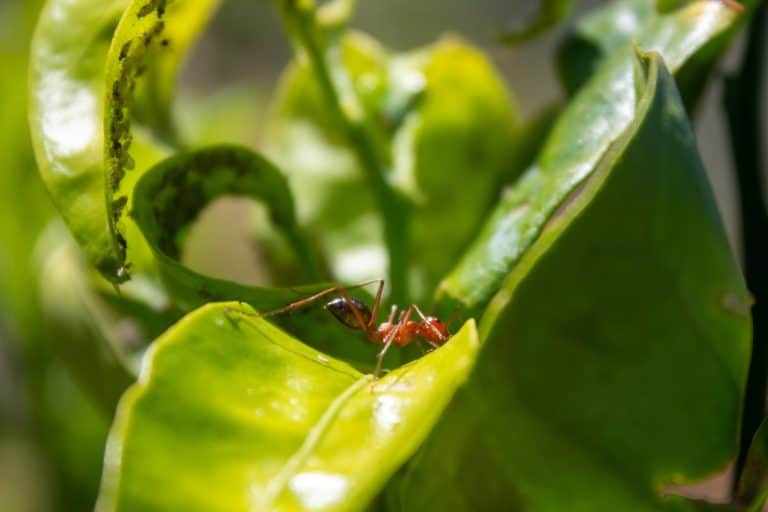
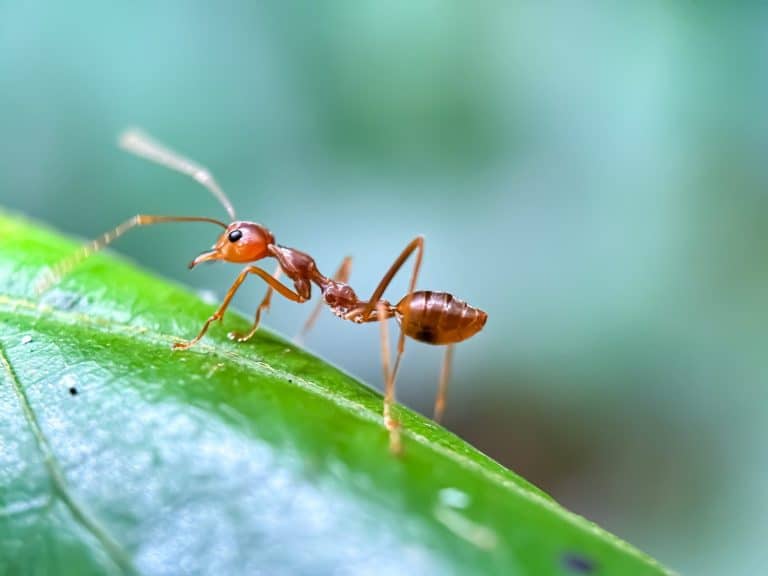
Myrmecina graminicola, or the woodlouse ant, is commonly found in Northern Africa, Europe, and Asia. These small ants, about three millimeters long, are difficult to spot. This is why their defensive technique of turning themselves into a ball to roll away from danger is rarely observed.
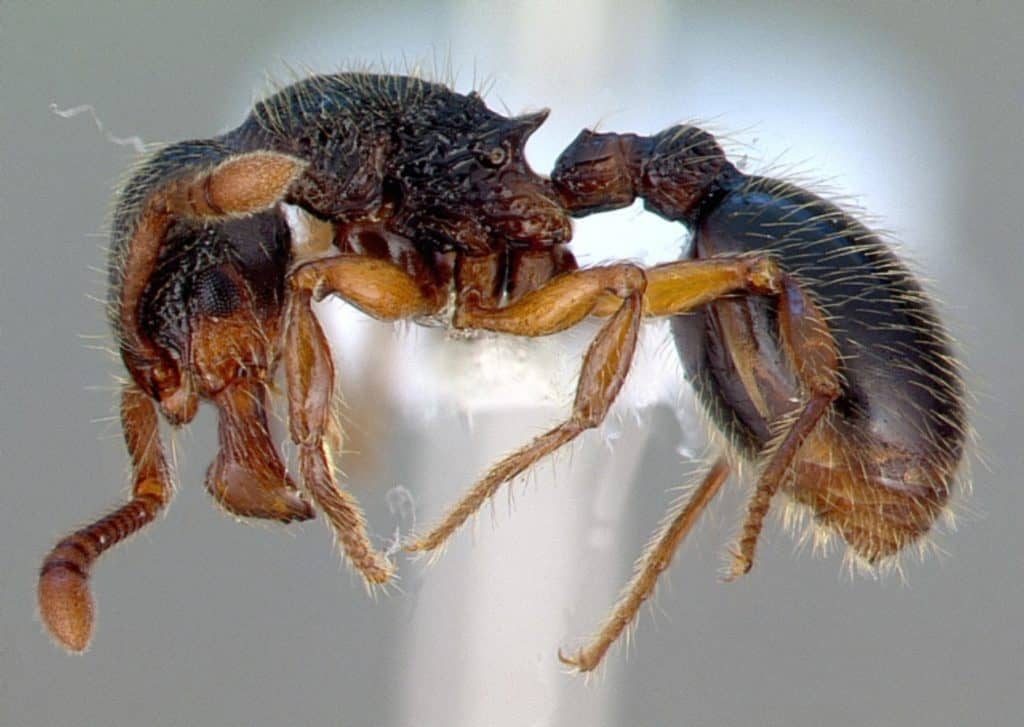
Myrmecina graminicola can tuck itself into a ball to roll away from danger.
The ants will not use rolling as their first line of defense. Often, ants simply freeze to avoid being seen by predators. But when conditions are right, ants tuck in their antennae and curl into a sphere. The ants tend to utilize this strategy when they are near a downward slope or proper substrate.
To begin the roll, the ants tuck themselves into a ball and use their antennae and legs to give themselves a big boost away from danger. The rolling continues as legs poke out of the ball to give extra pushes when needed. Once the rolling ends, the ant is hopefully far enough away from the danger.
An Accidental Fall Will Not Automatically Trigger Rolling
Myrmecina graminicola does not turn itself into a ball by chance. This is an active response to perceived danger. The ant has to intentionally roll away by deliberately tucking itself to do so. Conversely, the ant cannot control falling. Therefore, although the acts look similar, rolling and falling are very different indeed.
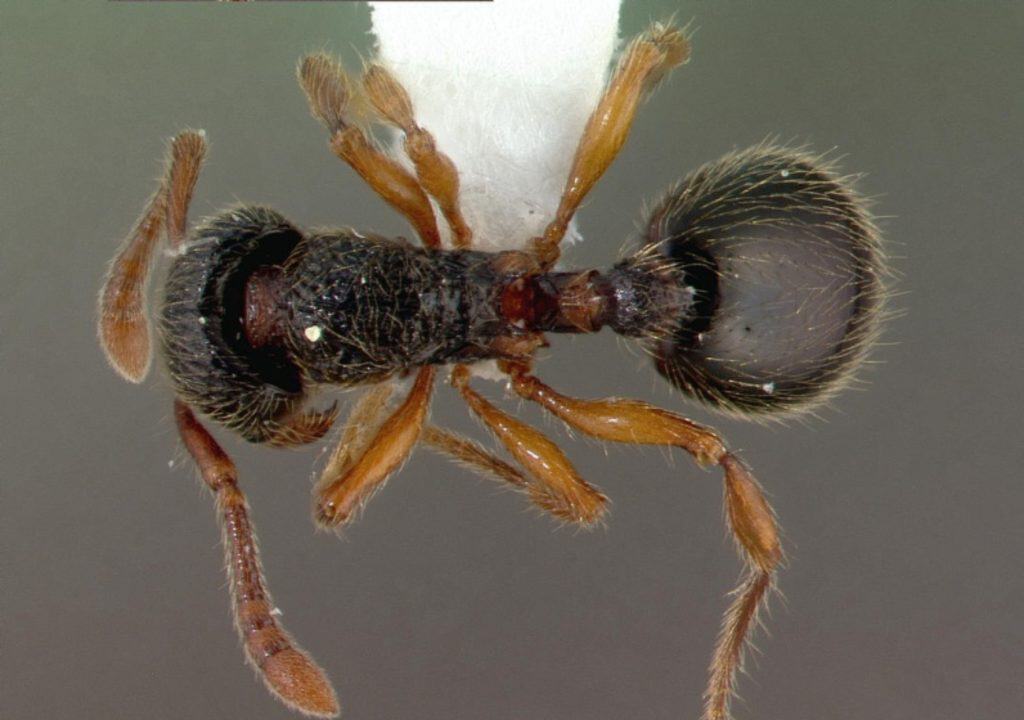
Only under certain circumstances do ants tuck themselves into balls to roll away. Falling is not one of those circumstances.
©attribution⧽ (required by the license) © AntWeb.org / CC-BY-SA-3.0 – Original / License
Myrmecina graminicola may be designed to roll, but the technique is intended only for certain circumstances. If an ant is accidentally pushed off the platform it is walking on or loses its footing and falls, it does not tuck itself into a ball to brace for impact. According to the study, the ant tucks into a ball only when certain stimuli warrant it. The response to falling would look more like freezing, with legs and antennae going motionless after landing. They may walk away or simply return to the task at hand.
What is the Best Substrate for Myrmecina graminicola to Roll On?
Not all substrates are created equal when it comes to rolling. This is something that Myrmecina graminicola takes into consideration when determining if rolling is the best option for escape.
The substrates that the ants prefer when they are rolling away from danger include:
- Combination of fine soil and leaf litter from broadleaf trees that is decomposing
- Substrate should be loose and not compacted
- Ground should be moist but not wet to allow for the best rolling technique
- Loose soil and leaves should be more than two inches thick
Hard, dry surfaces do not make good places to roll. Consequently, if this is the only option for Myrmecina graminicola, they may choose to freeze or run, rather than roll away from a threat.
Time it Takes to Recover from Rolling
After some animals escape danger, they need time to recover. For Myrmecina graminicola, recovery takes only a few seconds to a minute, and the ant is ready to resume normal activities, though in a heightened, vigilant state.
When the ant comes to a stop after rolling, the following occurs:
- Ant will uncurl and begin to forage and walk in its habitat
- The ant’s body returns to its horizontal, flattened position for walking
- Ant will be on alert, scanning the area for threats, until it is certain it no longer needs to roll away again
Because Myrmecina graminicola’s bodies have adapted to roll, they feel no ill effects after the behavior. However, researchers have observed that it can take some time for a heightened state of alert to fade. It is only when the ant realizes no danger is present that scanning, combined with freezing and rapid movement, ends. A timetable for how long this process takes has not been established.
Why Rolling is Faster for Myrmecina graminicola Than Running Away
Many ants can move quickly when their nest is disturbed or when they are chased by a predator. However, running is definitively slower than rolling away. This is why Myrmecina graminicola has adopted the method of escape.
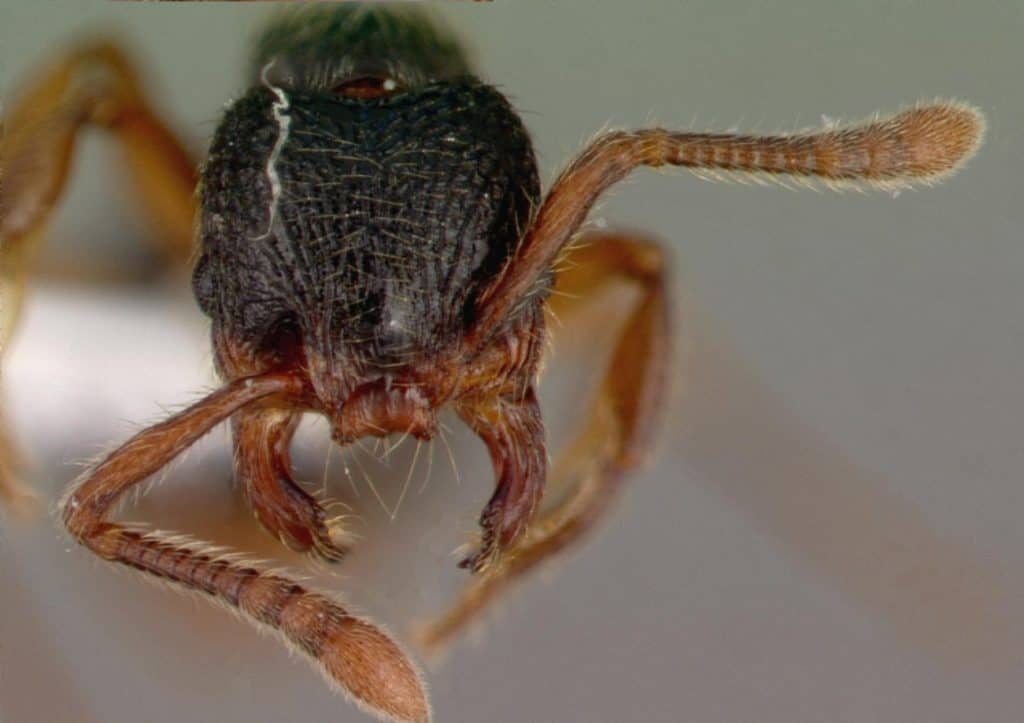
Rolling can get ants out of danger because it is more streamlined and has less drag to slow them down.
Once the ants propel themselves forward with their legs and antennae, they gain forward momentum. Rolling becomes faster than running due to the following:
- Rolling in a ball is more streamlined, meaning there is less friction and drag to slow the ant down
- Less energy is used to roll, as the ant is using gravity versus active energy running, meaning the ants can roll further than run to get away from danger
- Each push helps to propel the ant forward further, rather than small legs that do not cover as much ground
While faster, it does not mean the ant will travel long distances in this rolling position. The goal of rolling is to avoid predators or threats; it is not a means of continuous transportation.