
Quick Take
- The Southwest's apex predators are losing more habitat than their prey, a fact that reveals something deeply unsettling about how droughts rewire food chains. See habitat loss data →
- Scientists tracked thousands of animals across 200,000 square miles, and the species they found most at risk wasn't the one anyone expected. Explore the tracking findings →
- A megadrought that began in 2000 is already reshaping which animals can survive in Nevada and Utah, yet conservation efforts are aimed at the wrong species. See the drought's impact →
In 2000, the spring season began to look different in the Southwestern U.S. The expected rain never came, and the landscape faced some of the driest days on record. As summer arrived, temperatures skyrocketed, absorbing any remaining moisture on the ground throughout Nevada and Utah. These states were in the early stages of a megadrought that scientists are now estimating will last into the next century.
The effects of this ongoing period of minimal precipitation and below-average water flow are already being observed in ecosystems. Mammals in both states are experiencing population pressures, primarily due to habitat reduction and decreased availability of food and water caused by the ongoing drought. As the newest study monitors the Southwest’s apex predators and large mammals, their findings as of 2026 are already worrisome.
The Suffering of the Southwest
A recent study by the University of Michigan is drawing attention to a rapidly growing problem. Severe drought conditions across Nevada and Utah are not only changing the landscape but also putting significant stress on local ecosystems. The effects of the megadrought that started decades ago are still reaching historic proportions. As a result, no species is safe from the lack of water or, by extension, the lack of food.
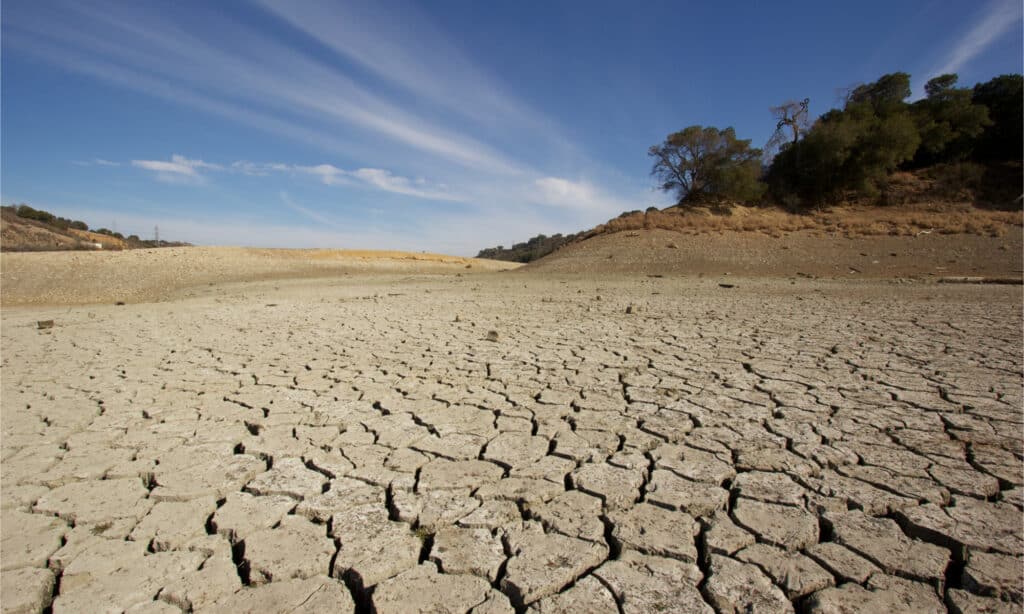
Droughts dry up essential water sources, such as Stevens Creek reservoir in California.
©Jake Osborne/Shutterstock.com
As water disappears, so do the natural habitats of the Southwest’s animals. In nearly every biome, animals commonly gather at watering holes or make homes near rivers and streams. This is essential for the survival of most of the world’s wildlife. Even in desert environments, animals adapt and find ways to collect or obtain water. However, with prolonged below-average precipitation in the Southwest, the region’s mammals are ill-equipped to cope with such a decades-long event.
The University of Michigan analyzed 12 years of data on animals commonly found throughout the Southwestern U.S. What they learned from 2010 to 2022 was unnerving. The cry for conservation is loud, and it starts with species no one would expect to be the most vulnerable.
Any Species Could Fall to the Drought
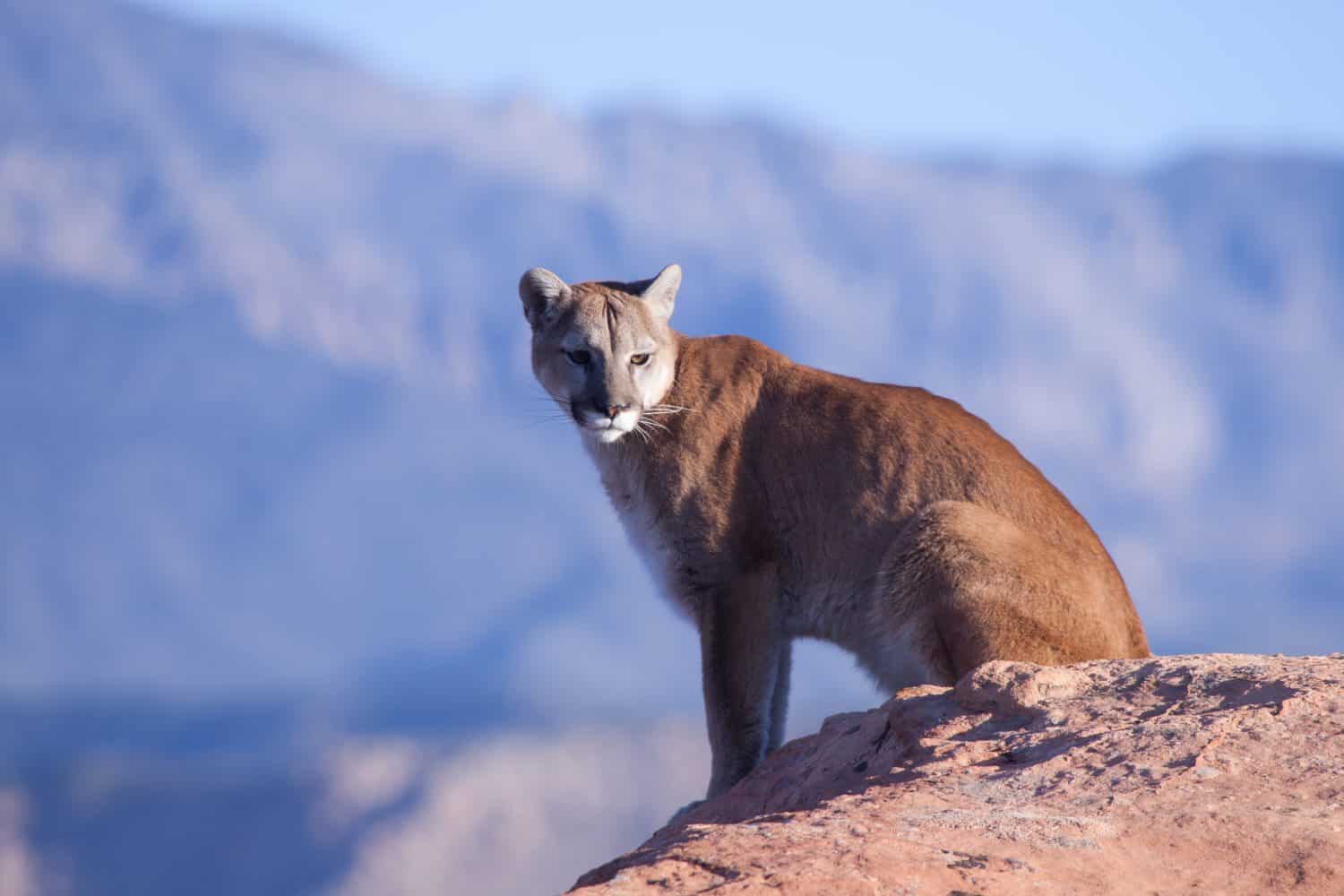
Using GPS locators affixed to collars, scientists tracked mule deer, cougars, and black bears. These are some of the Southwest’s most prevalent species, but they were tracked for another reason. They demonstrate both ends of the food chain. Mule deer are preyed upon by cougars, which are among the top predators in Utah and Nevada. Black bears occupy the middle ground as omnivores, consuming vegetation and small mammals. Mule deer represent the herbivores, relying on plant matter to survive.
Studying these specific animals provides a fuller picture of how the drought is affecting wildlife. As the study’s results were analyzed, researchers reached a shocking conclusion: each of these species experienced at least a major reduction in habitat.
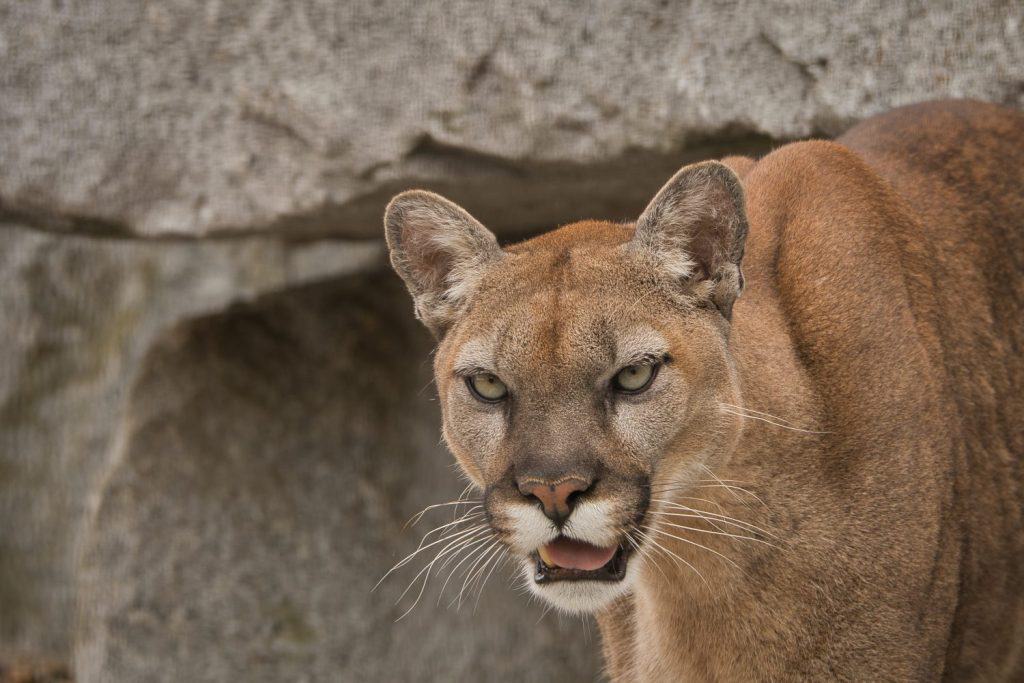
Cougars rely on water, but also rely on the prey that drink from the same waterways.
©Michael J Magee/Shutterstock.com
Kirby Mills, the lead author of the study and a postdoctoral researcher at the U-M Institute for Global Change Biology, said the consequences extend beyond this. “We found that drought was negatively impacting life across Utah and Nevada statewide for species that have very different ecologies. We just looked at these three large mammals, but drought is probably affecting all the wildlife living in this region and could threaten their persistence into the future if droughts get worse,” he said.
Conservation Kicks In
In total, the study followed more than 3,000 animals in the Southwest. They covered 200,000 square miles, a significant amount of territory. As different portions of their habitats became uninhabitable, many of these animals were displaced by the megadrought. Mule deer experienced a 10% loss of highly selected habitat, black bears 14%, and cougars the largest loss at 18%.
These percentages are staggering and demonstrate a clear domino effect directly related to the drought. As mule deer look for new territory, fewer survive the adaptation needed to endure long periods of time without water. When their population declines, black bears experience the same loss of vegetation, leading to further declines in their numbers. Cougars, which prey on mule deer, suffer as a result of their food source disappearing.
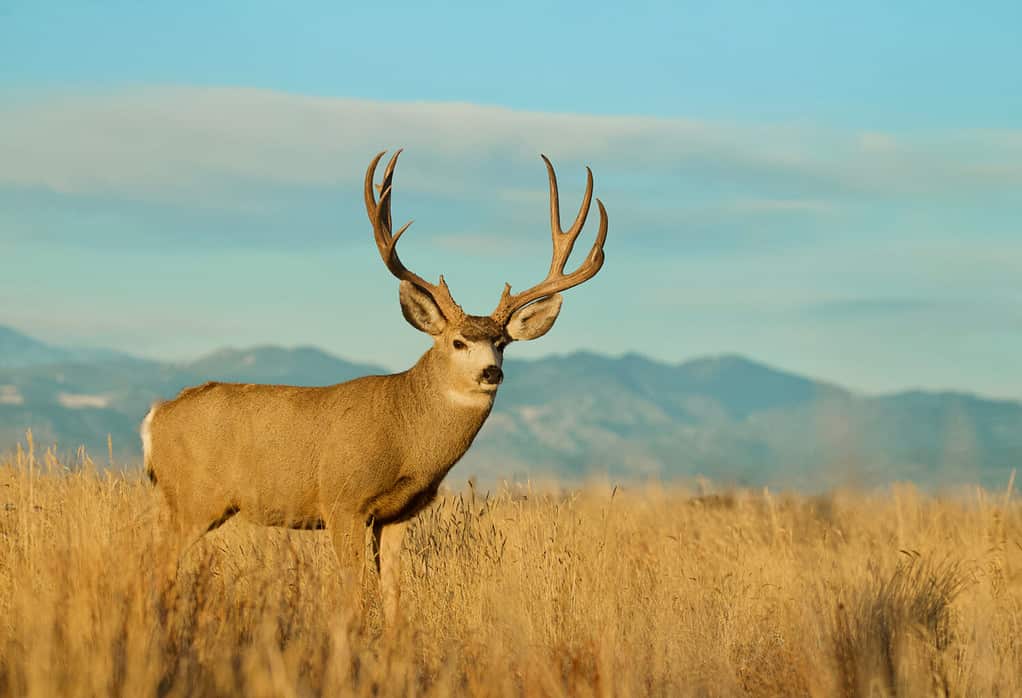
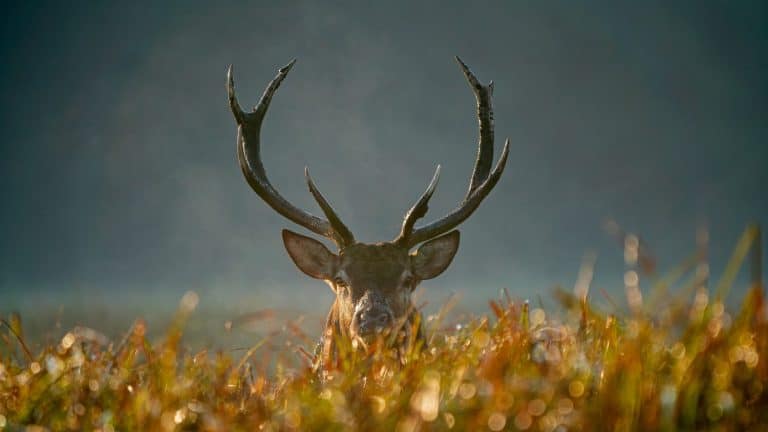
Mule deer rely on vegetation that grows in the Southwest, and may die without access to seasonal plants.
©Tom Reichner/Shutterstock.com
Mills’ examination of this chain reaction, which extends beyond the Southwest’s most common species, serves as accurate foreshadowing. If these losses are occurring at such a significant level among top predators, there’s reason to believe the drought is affecting all mammal and plant life lower on the food chain. The study draws attention to the need for conservation, not just for one species. As climate change intensifies and droughts become more frequent, conservation efforts must also shift to include vulnerable and predatory species.