
Quick Take
- Apennine brown bears are a small, isolated population in central Italy that evolved to be less aggressive toward humans.
- Genetic analysis links reduced aggression to human intervention and isolation, showing selective signatures in genes associated with less aggression.
- A mitochondrial mutation in Apennine bears lowers energy production, prompting ideas to boost diets with antioxidant foods.
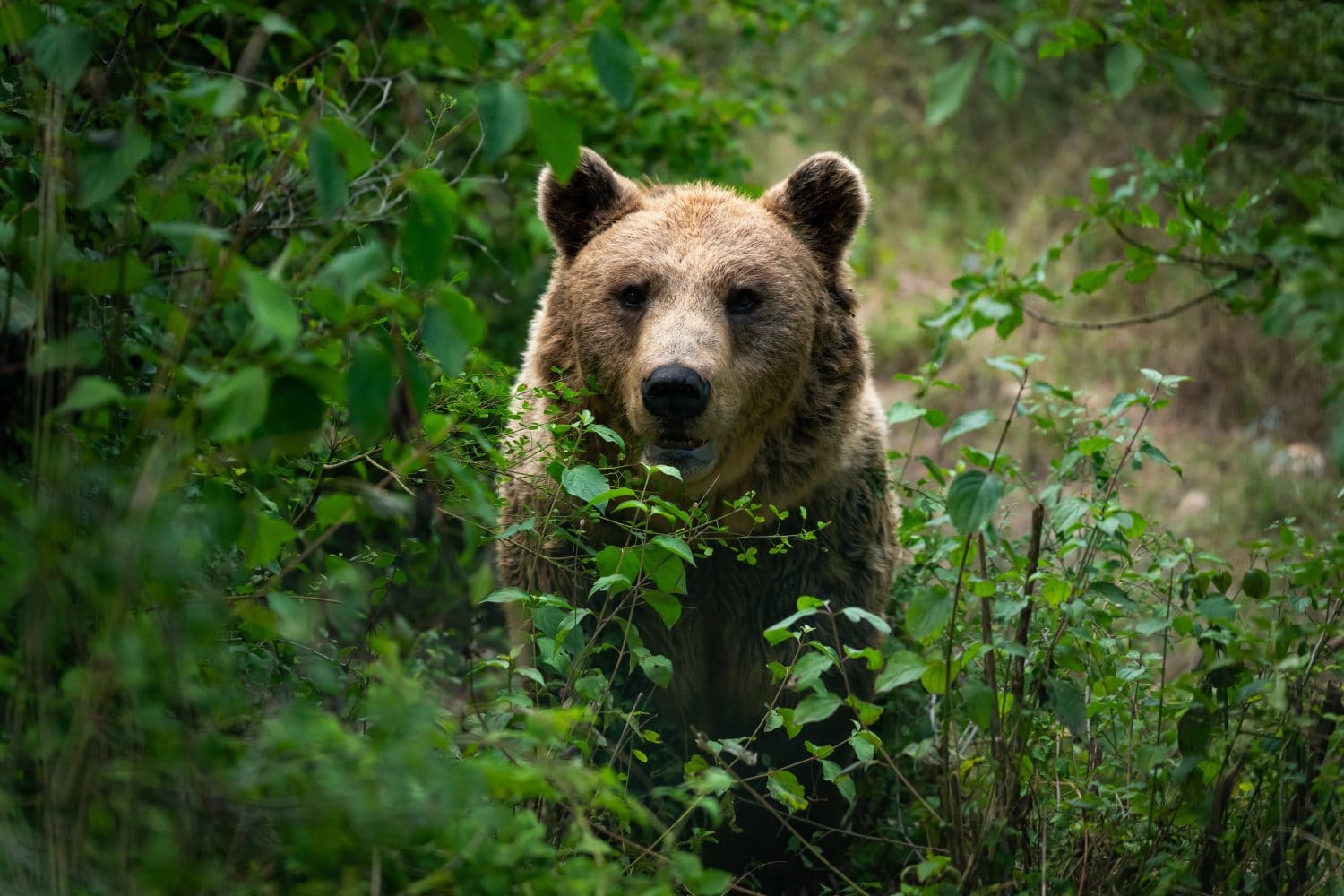
Every fall and winter, headlines are filled with stories about bears—attacks on humans, raids on garbage cans, and threats to household pets. The media often portrays bears as a serious problem, and they can be, especially in the months before they enter torpor (a mild form of hibernation). However, as this article will show, not all bears have evolved in the same way. Take the brown bears found only in a small section of central Italy. Geographical restrictions led to evolutionary advantages, such as an unusual tolerance of human beings.
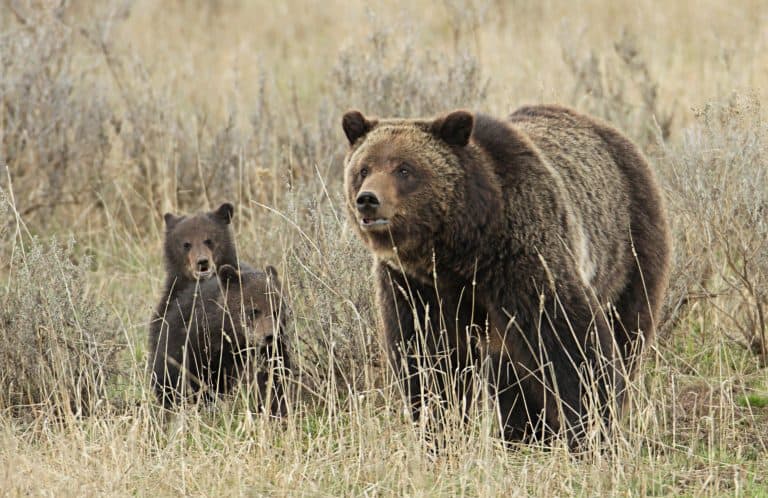
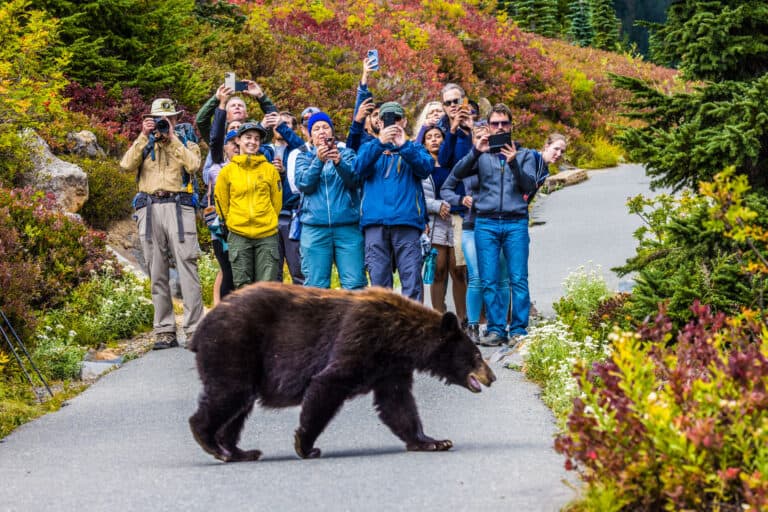
While bears in other parts of the world, like the Rocky Mountains, are known to be relatively curious about people, they are not above swiping at one if they get too close. If a barking dog is present, most bears would likely become aggressive. In contrast, Italian brown bears often choose peace over violence. However, this warming to humankind did not happen overnight. It is the result of thousands of years of geographic squeezing, shifting political influence, and genetic restructuring. A new academic paper illustrates this fascinating and unexpected symbiotic relationship between bears and humans. Let’s learn more about Italian Brown bears and what forces contributed to their surprisingly docile nature.
Apennine Bears
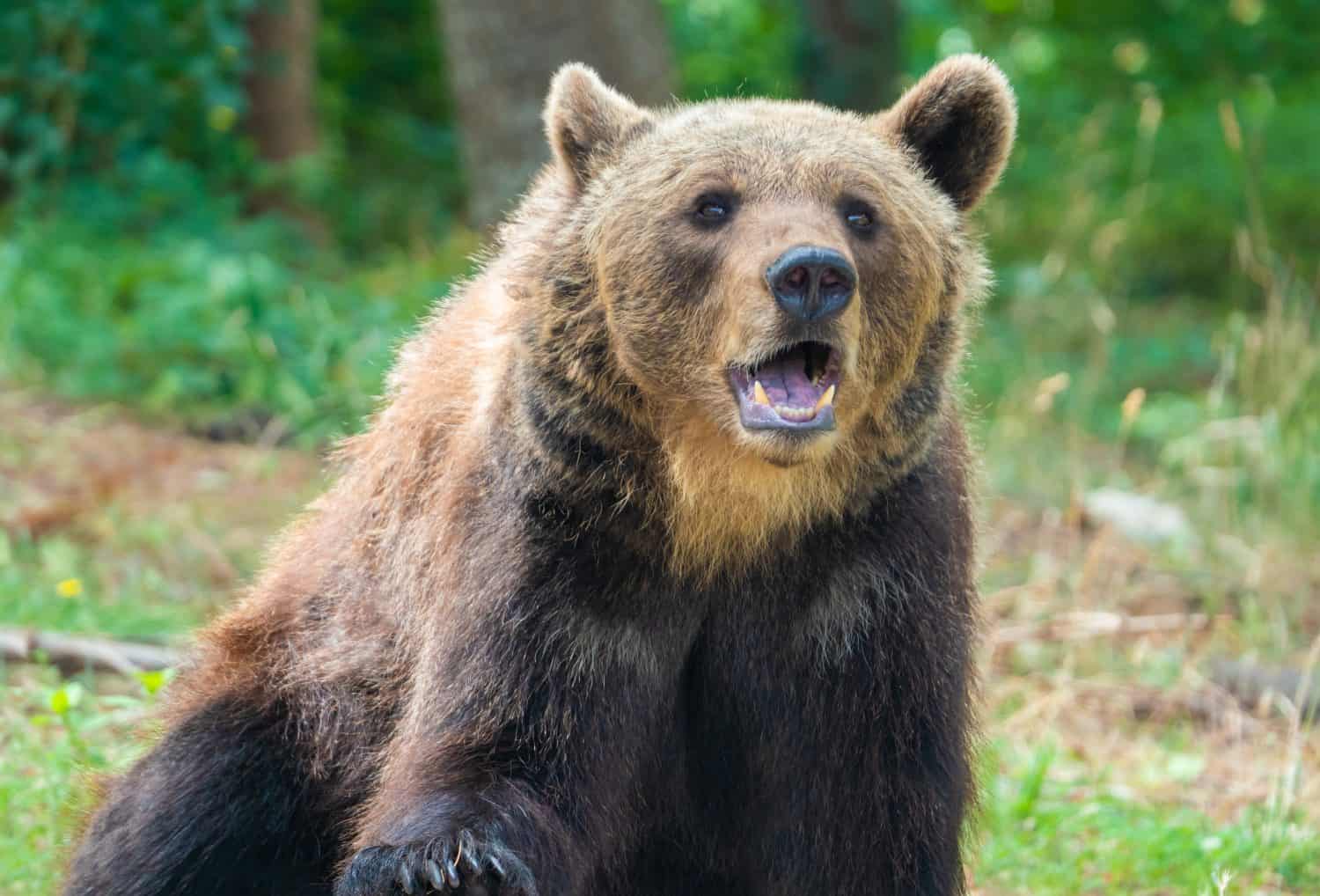
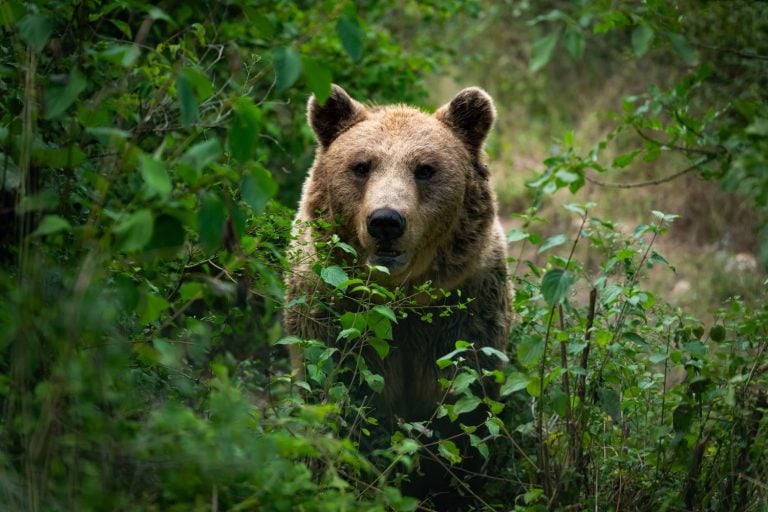
Apennine bears exhibit several features and behaviors different than those of other European brown bears.
©ValerioMei/Shutterstock.com
In many ways, Apennine bears are like other types of brown bears found in Europe. They are mostly nocturnal and subsist on an omnivorous diet. However, these brown bears have several unique features when it comes to their appearance. Their footprints differ from those of other bears. They also leave distinct claw marks. While they lack good eyesight, they compensate with a keen sense of smell.
Apennine brown bears also exhibit different winter hibernation behaviors than other bears. Whereas other bear species stock up on food for months before entering hibernation and sleeping through the winter, Apennine bears experience periods of inactivity. They wake up several times during their torpor, so they are less lethargic when spring arrives compared to other bears.
Restricted to the Abruzzo, Lazio, and Molise National Park in central Italy, these bears have been affected by human development more than most creatures. This has resulted in both serious consequences for their population and unexpected benefits for their human neighbors. Despite being a symbol of the region, their numbers are dwindling rapidly. A new paper provides further insight into the unique genetics of these bears and suggests potential strategies for their survival.
A Sacred Sample Population

Geographic isolation and human interference have made Marsican brown bears considerably less aggressive than other bears.
©ValerioMei/Shutterstock.com
A new paper in the journal Molecular Biology and Evolution, published by Oxford University Press, posits a remarkable theory: a type of Italian brown bear’s restricted environment caused them to evolve into smaller statures and more docile behaviors.
Long before this new study was published, however, Italian brown bears were a focus of scientific inquiry. Also called Apennine brown bears or Marsican brown bears, these creatures are arguably some of the most unique—and endangered—mammals on earth. Indeed, Ursus arctos marsicanus lives solely in a small and isolated population in central Italy. Scientists believe this population of bears genetically diverged from other European brown bears between 2,000 and 3,000 years ago, as they have been completely isolated from other bears since the time of the Roman Empire.
This new paper, entitled “Coexisting With Humans: Genomic and Behavioral Consequences in a Small and Isolated Bear Population,” suggests this isolation was due to humans. Major forest clearances and the spread of agriculture coincided with an increase in human population density. This cordoned the Marsican brown bears off from others. With nowhere to go, they began to inbreed at higher rates.
Today, Marsican or Apennine brown bears have distinctly different phenotypes compared to other brown bear populations. Their bodies are much smaller, and their head and facial structures are distinct. More interestingly, they are noticeably less afraid or more tolerant of human beings.
Genetic Modification
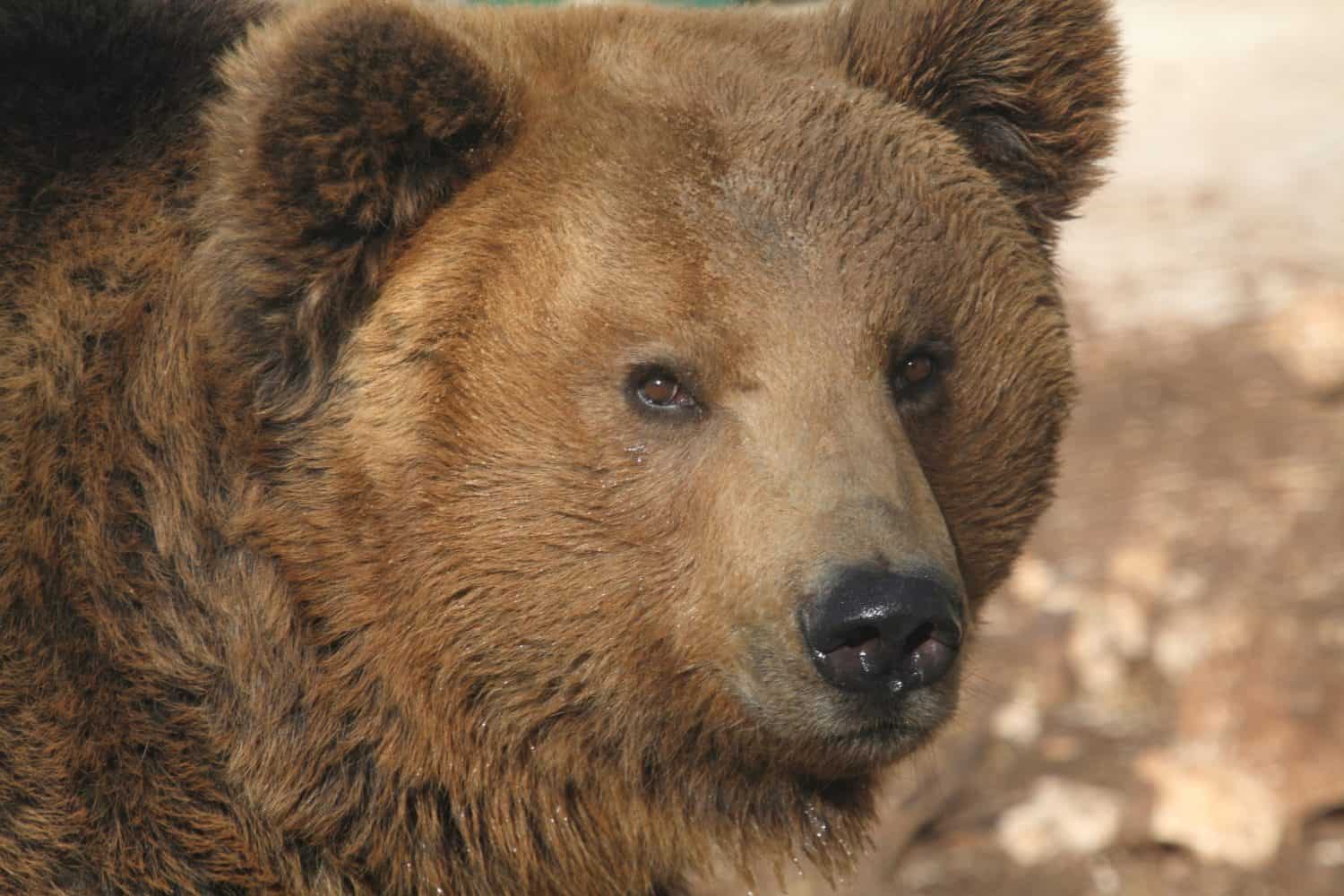
New research suggests that humans killed all the aggressive Marsican bears, producing more docile bears over thousands of years.
©Antonio Nardelli/Shutterstock.com
This new paper argues that this tolerance of human beings was a product of human intervention. Several thousand years of close-quarters living hastened this behavioral shift. Mankind, if anything, seeks to bend the world to its will, and bears are not exempt. Humans likely selected for good behavior by removing aggressive bears in this isolated mountain range in central Italy. While this caused the bears to suffer from inbreeding and genomic erosion, it also resulted in less aggressive behavior.
To test this, researchers generated a “high-quality chromosome-level reference genome for the Apennine brown bear and re-sequenced whole genomes from a sample of individuals. These were compared with genomes from a larger European population in Slovakia.” Confirming their theory, Apennine brown bears “exhibited reduced genomic diversity and higher inbreeding compared to other brown bears.”
The most telling aspect of their findings, however, pertained to behavior. These bears possessed selective signatures at genes associated with less aggression. As researcher Giorgio Bertorelle explained, all these findings together pointed toward human intervention. He said, “The general implications of our findings are clear. Human-wildlife interactions are often dangerous for the survival of a species, but may also favor the evolution of traits that reduce conflict. This means that even populations that have been heavily and negatively affected by human activities may harbor genetic variants that should not be diluted, for example, by restocking.”
Good Behavior, Faulty Cells
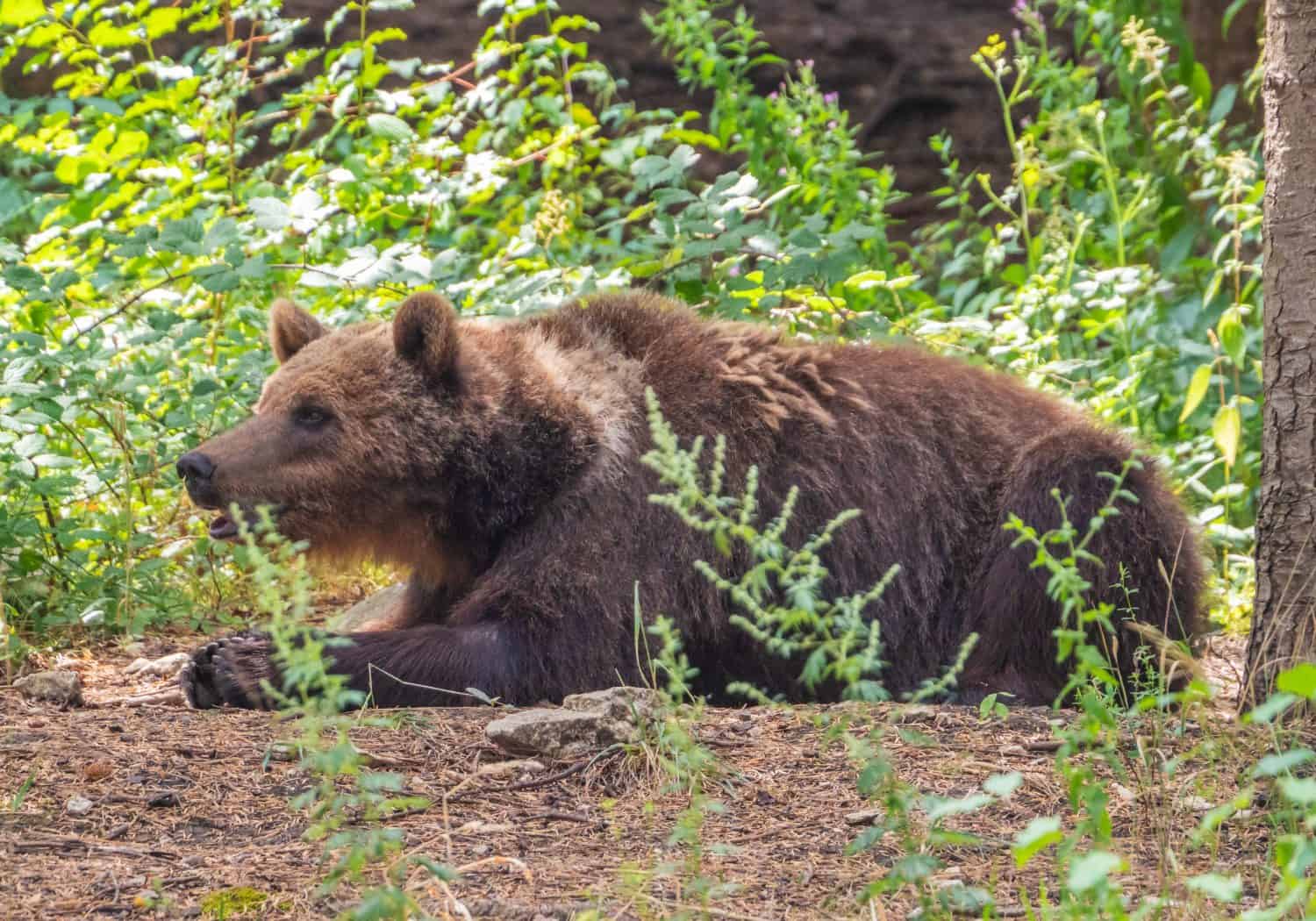
Other research showed that Marsican bears have faulty mitochondria in their cells, leading to diminished energy.
©ValerioMei/Shutterstock.com
Apennine brown bears have many unique characteristics, but not all of them are conducive to population growth. Research publicized earlier this year shows that these bears have something akin to faulty batteries in their cells. According to an article by Discover Wildlife, scientists at Marche Polytechnic University in Italy discovered a genetic defect in Apennine brown bears. Advanced computer modeling and laboratory experiments revealed a mutation in the bears’ mitochondria, the structures in cells responsible for producing energy.
Apennine brown bears, however, feature a mitochondrial mutation that reduces their ability to generate energy. It also causes a build-up of harmful byproducts. As scientist Nunzio Perta explained, this reduces their output and expenditure considerably. He said, “This mutation appears to significantly impact these bears. It’s like they’re constantly running on low batteries. This could make it harder for them to survive, especially in a challenging environment.”
Due to this research, scientists are looking for novel ways to help bears combat this mutation. Several ideas have been put forward, but diet seems to be the prevailing option. Experts believe that introducing more natural foods rich in antioxidants to their habitat could help. This could help counteract the effects of their faulty mitochondria.
Seriously Endangered
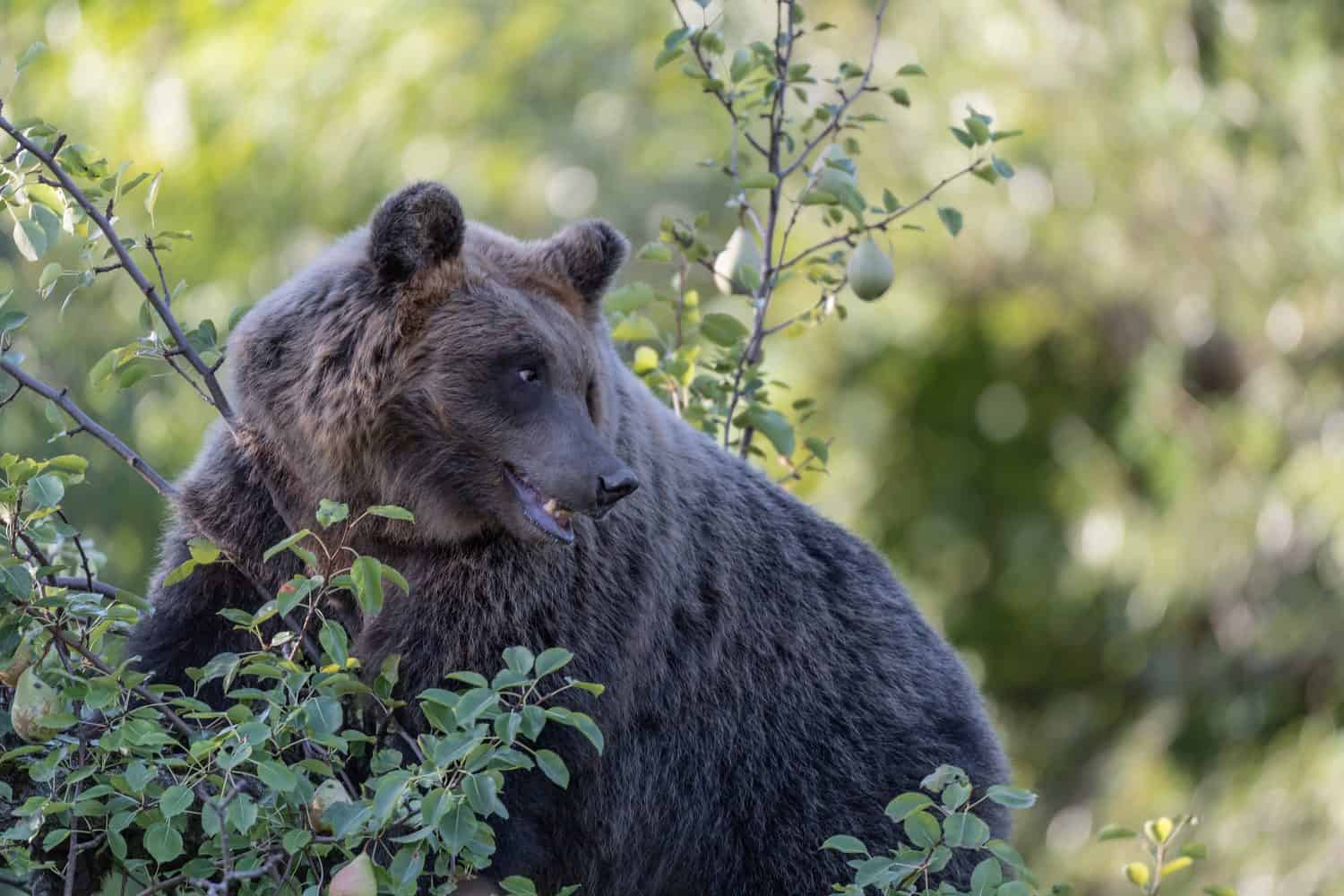
There are only about 50 individual Apennine brown bears left in the wild.
©Massimiliano Paolino/Shutterstock.com
All this research is emerging about Apennine brown bears because they are at serious risk of extinction. Indeed, there are only about 40 to 50 individuals left in the wild, with most residing in the Abruzzo, Lazio, and Molise National Park and some ranging into surrounding areas in central Italy. In response, the Italian government has recently begun emphasizing its conservation, turning the park into a sanctuary for this “Critically Endangered” bear. Hopefully, this surge of new research about their uniqueness will give Apennine bears a chance at a more secure future. After all, they are much friendlier to humans than other bears in the region. Since humans contributed to their genetic divergence, it is our responsibility to help ensure their well-being in the future.