
Obesity is a problem not just for people but for their pets. This year, October 8 is National Pet Obesity Awareness Day in the United States. It’s an annual reminder of the risks and realities of pet obesity—not just for dogs and cats, but for birds, rodents, and reptiles as well. Even if you don’t think your pet is obese, read on. It might not be as obvious as you’d think.
What Is National Pet Obesity Awareness Day?
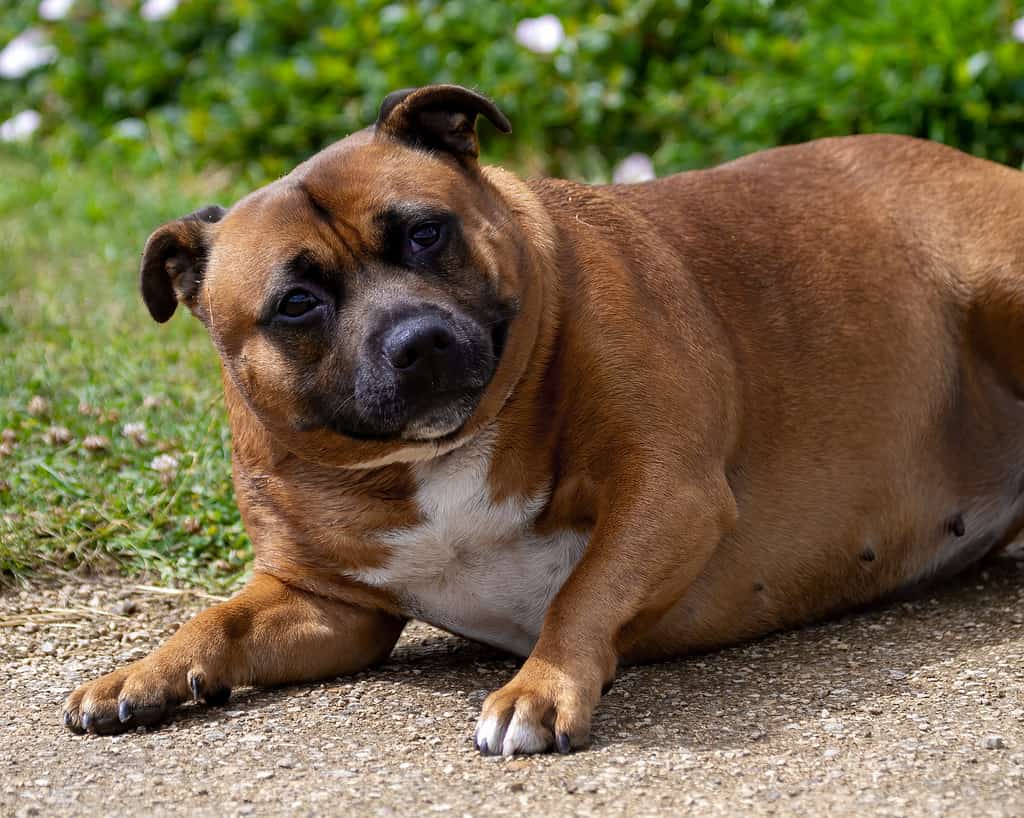
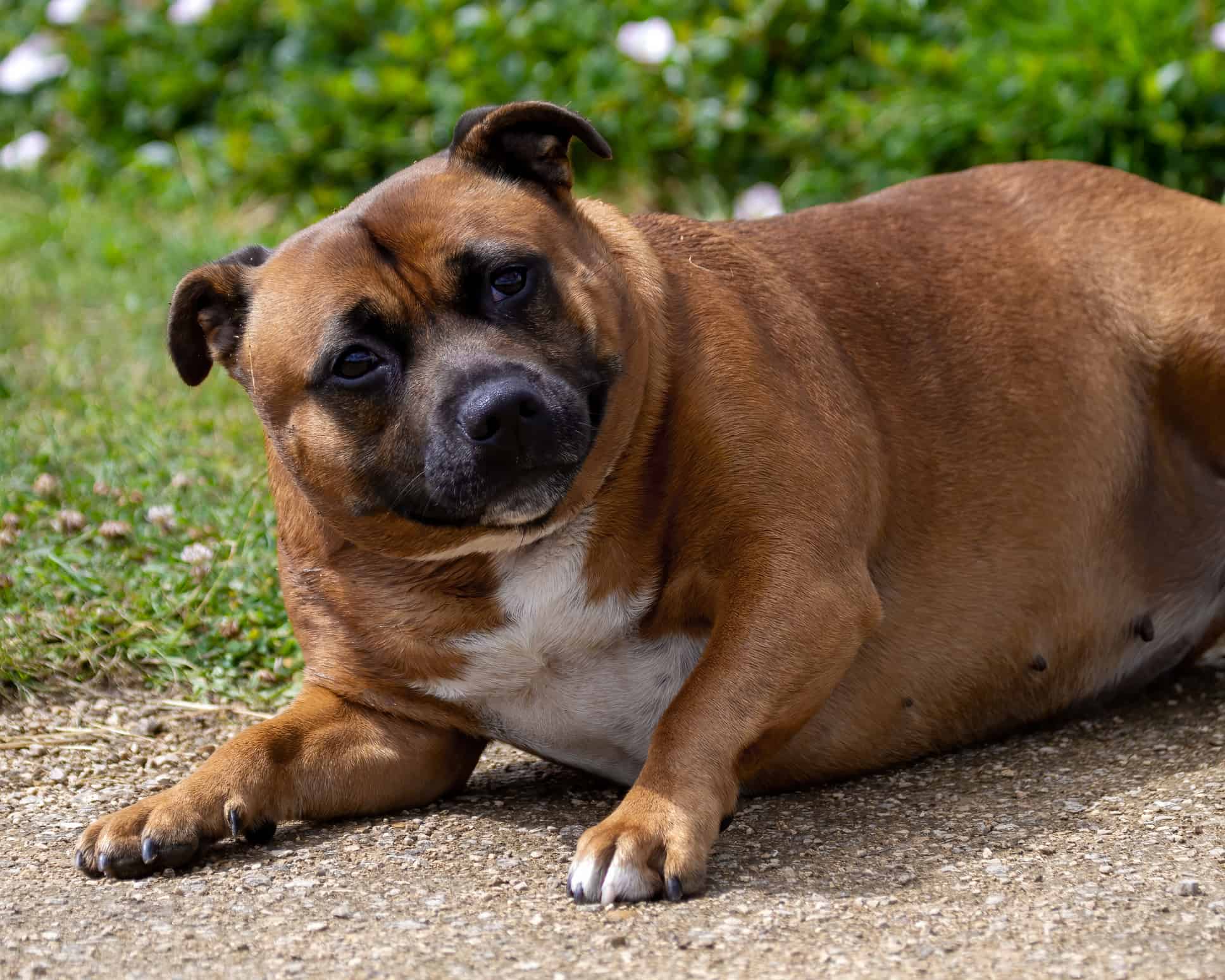
The Association for Pet Obesity Prevention has been helping owners address overweight pets for nearly 20 years.
©Sue Thatcher/iStock via Getty Images
National Pet Obesity Awareness Day is observed on the second Wednesday of October each year, which in 2025 falls on October 8. It was started by the Association for Pet Obesity Prevention, which has spent nearly two decades researching trends and helping pet owners and veterinarians address the rise of overweight pets. Events and surveys on this day encourage pet owners to measure their animals’ health and spread awareness about the risks of excess weight. The day is observed nationally and increasingly, internationally, through activities and educational resources.
Why Does Pet Obesity Matter?

Obesity can affect the health of all kinds of pets, including rodents like Guinea pigs.
©Shchus/Shutterstock.com
Sometimes people think obesity in pets is cute, and some owners may even deliberately overfeed their pet. But obesity in pets is not cute or harmless. It can cause serious, even life-shortening, conditions such as diabetes, arthritis, heart disease, breathing problems, cancer, and a reduced quality of life. Overweight dogs and cats often develop painful joints and may struggle with grooming or basic mobility. Birds, rodents, and reptiles are also at risk. Excessive weight in these species can lead to mobility challenges, organ stress, and shorter lifespans.
How Widespread Is the Problem?

Over half of the pet cats & dogs in the United States are overweight or obese.
©Myskina6/iStock via Getty Images
Pet obesity has reached epidemic levels in the United States. Surveys show that around 63% of cats and 59% of dogs are overweight or obese. The issue also affects pet birds and rodents, often because of poor diets and limited exercise. Many owners underestimate their pets’ condition, with most believing their animals are healthy even when veterinarians classify them as overweight.
What Causes Pet Obesity?

Some pets become obese because of eating (or stealing) human junk food.
©Masarik/Shutterstock.com
Some pets are predisposed to gaining weight more than others. Certain breeds, such as Labradors, beagles, and dachshunds, are naturally prone to putting on extra pounds. Medical conditions like hypothyroidism or metabolic disorders can also slow a pet’s ability to burn calories. In addition, many animals experience a drop in metabolism after being spayed or neutered, which can make weight gain more likely if diet and exercise aren’t adjusted.
However, pet obesity often reflects the habits of the household. Owners who lead sedentary lives are less likely to walk, play, or actively engage with their animals, leaving pets without the exercise they need. At the same time, people who snack frequently on unhealthy foods often share those treats with their pets, either out of convenience or guilt when the animal begs. Over time, pets learn that begging pays off, and owners mistake this behavior for genuine hunger. The result is a cycle of overfeeding and under-exercising that mirrors the owner’s own routine.
Recognizing Obesity: Is My Pet Overweight?
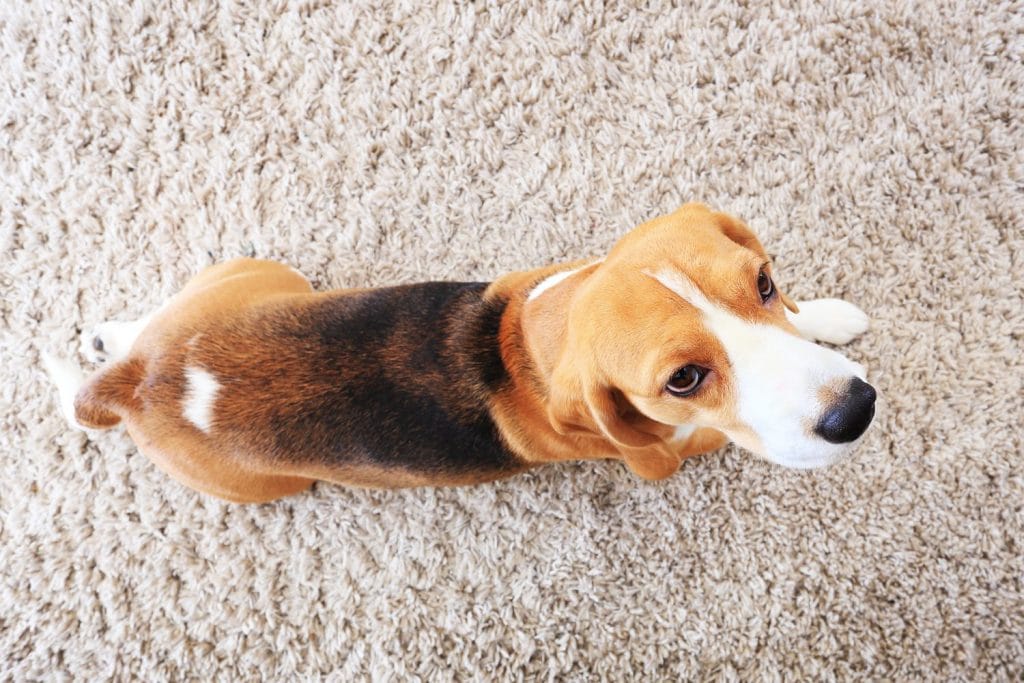
One indicator that this dog is not overweight is that, from above, it has a visible waist behind the ribcage.
©PixieMe/Shutterstock.com
Telling whether a pet is overweight is not always straightforward, and the signs can vary between species. With dogs and cats, one of the easiest checks is to look at them from above. A healthy animal should have a noticeable waistline behind the ribcage, and you should be able to feel the ribs without pressing hard, though they should not be sticking out. If the body takes on a round or oval shape, if there are obvious fat pads over the hips or tail base, or if the waist has disappeared altogether, chances are the pet is carrying too much weight. Other red flags include low stamina, reluctance to move or play, difficulty grooming, or labored breathing during mild activity. These symptoms often appear gradually, so owners may not recognize them until the animal’s health has already been affected.
Smaller pets also show distinct changes when they put on excess weight. Birds may develop a fuller, rounded breast and visible fat under the skin around the wings or abdomen, which can make flying awkward or even impossible. Rodents like hamsters, guinea pigs, and rats often shift into a pear shape, with thicker hindquarters and less ability to groom properly. Reptiles, though less commonly obese, can still gain unhealthy weight if fed high-calorie foods or improper diets; signs include fat deposits near the legs and sluggish or inactive behavior.
While these visual cues are useful, they are not foolproof. The most dependable way to confirm whether an animal is overweight is to bring it to a veterinarian. A vet can perform a body condition score, which measures fat coverage at specific points on the body and provides an objective picture of the pet’s health.
What Should Pet Owners Do?
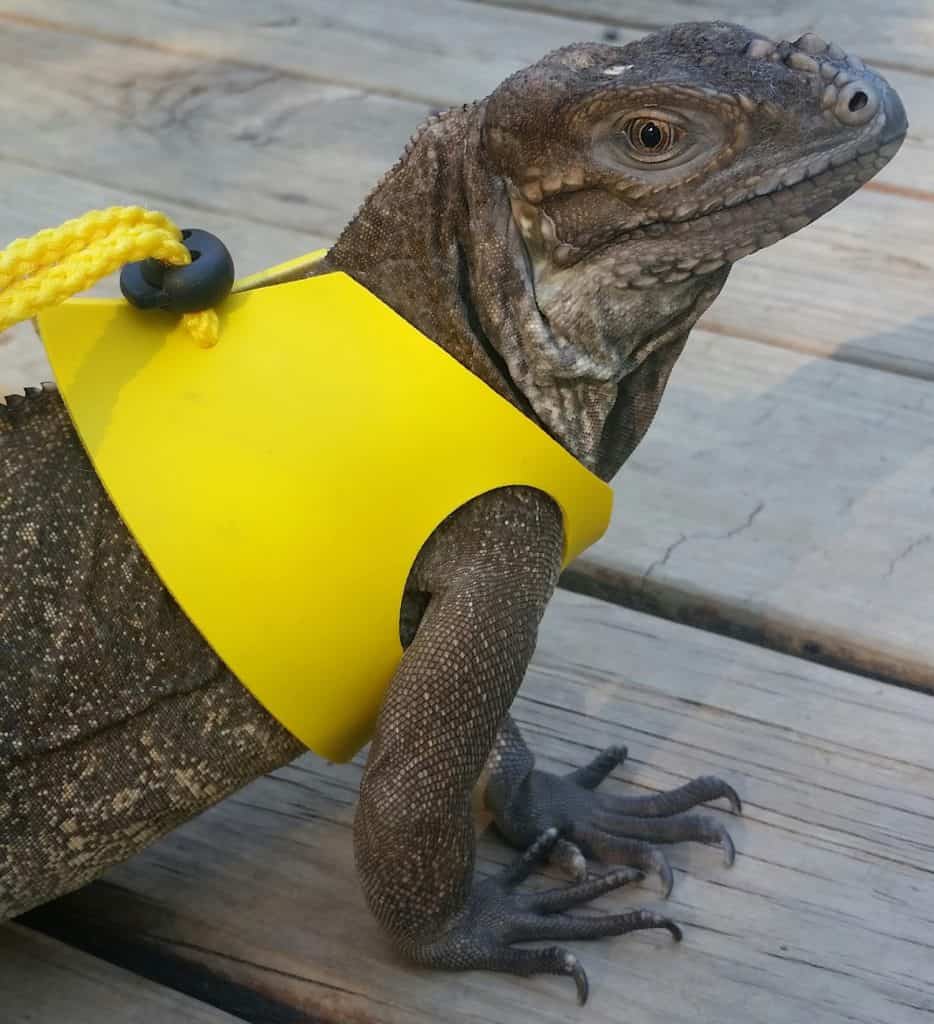
Taking your pet on walks or other kinds of physical activity can help it stay at a healthy weight.
©OgleRpets/Shutterstock.com
The Association for Pet Obesity Prevention has a lot of helpful resources, including a pet calorie calculator, specific weight loss advice for dogs and cats, and the ranges of weight considered healthy for different breeds. These are some of the steps you can take to help get your pet back to a healthy weight:
- Visit the Vet: A veterinarian can confirm if excess weight is a concern, rule out medical conditions, and help develop a safe weight loss plan.
- Weigh and Track: Regular weigh-ins monitor progress and catch regain early. Even small reductions can make a big difference.
- Diet Changes: Limit treats, avoid table scraps, and provide portioned meals. For dogs and cats, this may mean switching to a veterinarian-approved weight management diet. For birds, rodents, and reptiles, a species-appropriate diet with professional guidance is essential.
- Enlist Family and Friends: Make sure everyone avoids giving extra treats or table scraps. Consistent rules help prevent excess calories and keep pets on track.
- Increase Activity: Dogs benefit from daily walks or games like fetch. Cats need interactive toys or short play sessions. Birds thrive when given safe flying time or climbing perches. Rodents stay active with wheels, tunnels, and foraging toys. Reptiles need climbing structures, basking areas, and supervised time outside their enclosure, if safe.
- Avoid Crash Diets: Quick fixes are unsafe. Gradual weight loss is the safest approach, especially for cats and certain rodents, where rapid loss can cause dangerous liver issues.
Reducing the Risk: Preventing Pet Obesity

Having a proper feeding schedule & amount while also having consistent activity time for the pet is essential.
©Oleg Elkov/Shutterstock.com
Prevention is easier than treatment. Measuring food accurately, keeping a feeding schedule, and resisting those pleading eyes at treat time go a long way. Consistent activity—whether play, walks, or training—is essential. Owners should also learn what a healthy weight looks like for different species and breeds. For dogs, veterinarians can provide an ideal body condition score for the breed and age. For cats, birds, rodents, and reptiles, use trusted care guides and professional advice. Routine health checks, at least once or twice a year, help maintain a healthy weight and catch problems early.
Conclusion
As National Pet Obesity Awareness Day nears, it’s a good time to honestly assess how pets are doing. Obesity shortens lives and causes needless suffering, but it can be prevented with awareness, sound nutrition, and activity. Whether the companion is a dog, cat, bird, rodent, or reptile, every animal deserves the chance to live a healthier life. Why not mark October 8 as the day to start or redouble the effort?