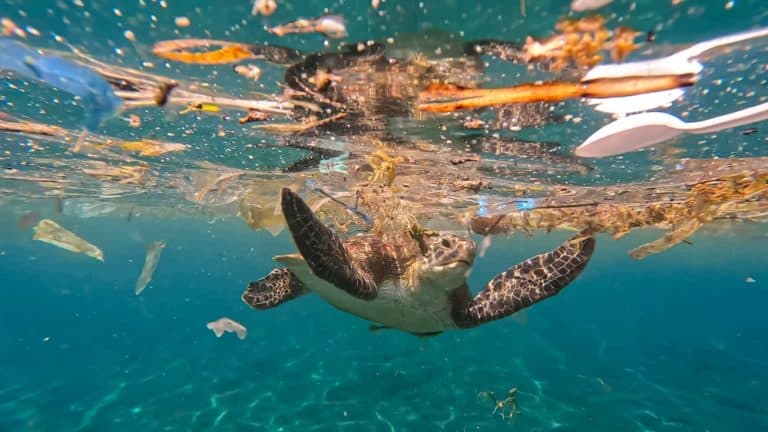
Quick Take
- The fishing line that nearly killed Oscar may have also saved his life, though not for the reason you would expect. See how the line helped →
- Freeing a sea turtle from entanglement was just the beginning, and what rescuers found next changed everything. Follow Oscar's full rescue →
- Most ocean debris threatening sea turtles doesn't actually come from the ocean, and the true source surprises most people. Explore the true debris sources →
- A disease with no visible symptoms was silently threatening Oscar, and only a freak accident brought it to light. Discover the hidden disease →
At the end of summer, companies and individuals often leave behind fishing lines and crab nets, creating hazards that can seriously harm or kill marine life. In one case, a discarded fishing line nearly killed an endangered sea turtle. Fortunately, thanks to the efforts of people clearing abandoned fishing gear from the bay, this story has a happy ending.
In the summer of 2025, a group of volunteers from Biscayne National Park, Miami-Dade County Department of Regulatory and Economic Resources, Coastal Cleanup Corporation, Fishing Spots Conservation, and the University of Florida worked together to remove crab traps left behind in Biscayne Bay at the end of crabbing season.
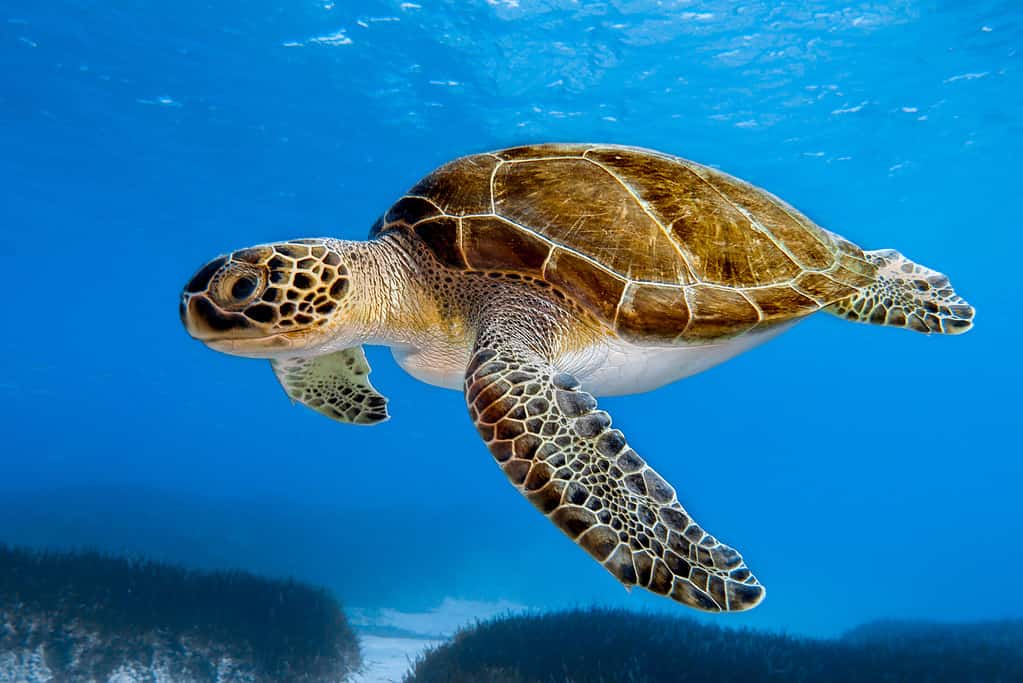
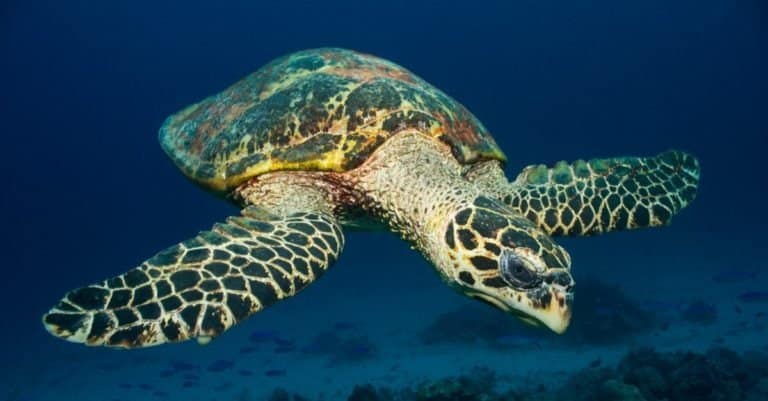
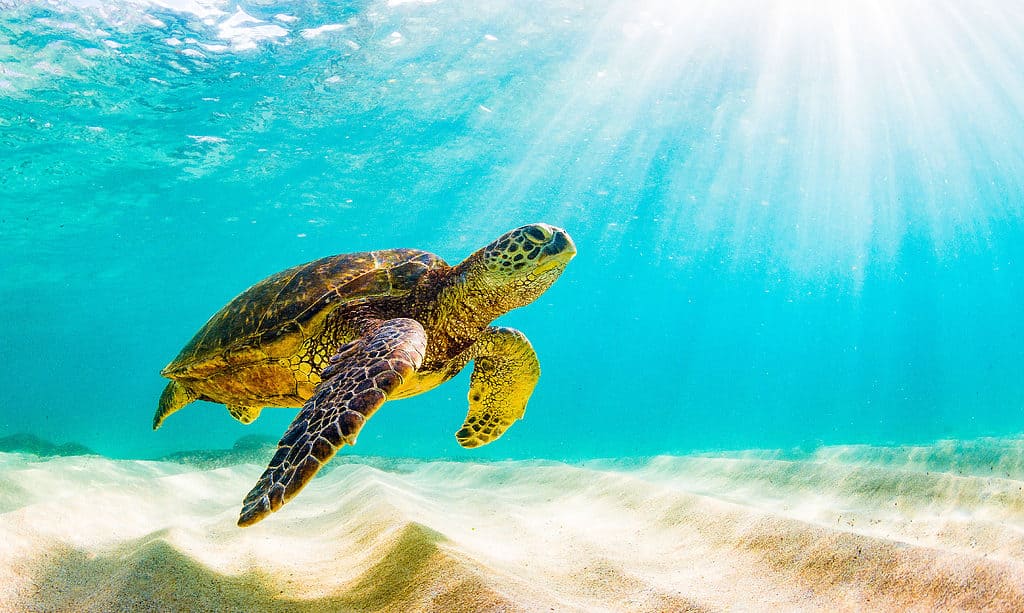
A green sea turtle, like this one, was entangled in fishing gear in Biscayne Bay.
©Sakis Lazarides/ via Getty Images
As the crew worked, the individuals assigned to the shallow waters located a struggling juvenile green sea turtle. They determined that the turtle was entangled in crabbing gear. Florida Sea Grant, an organization associated with the University of Florida, quickly obtained the required permit to handle live sea turtles and successfully removed the fishing line wrapped around the turtle’s front flipper.
A Silver Lining of the Rescue
If sea turtles do not have injuries from entanglement, they are released after the fishing line or plastic is removed. However, upon examination, veterinarians found additional fishing line embedded in the turtle, which required expert care for removal, according to NOAA. Consequently, the green sea turtle named Oscar was transported to the Zoo Miami Sea Turtle Hospital.
Veterinary staff successfully removed the embedded fishing line, but they discovered that Oscar was suffering from fibropapillomatosis, a disease that causes large tumors to grow on turtles’ skin and around their eyes.
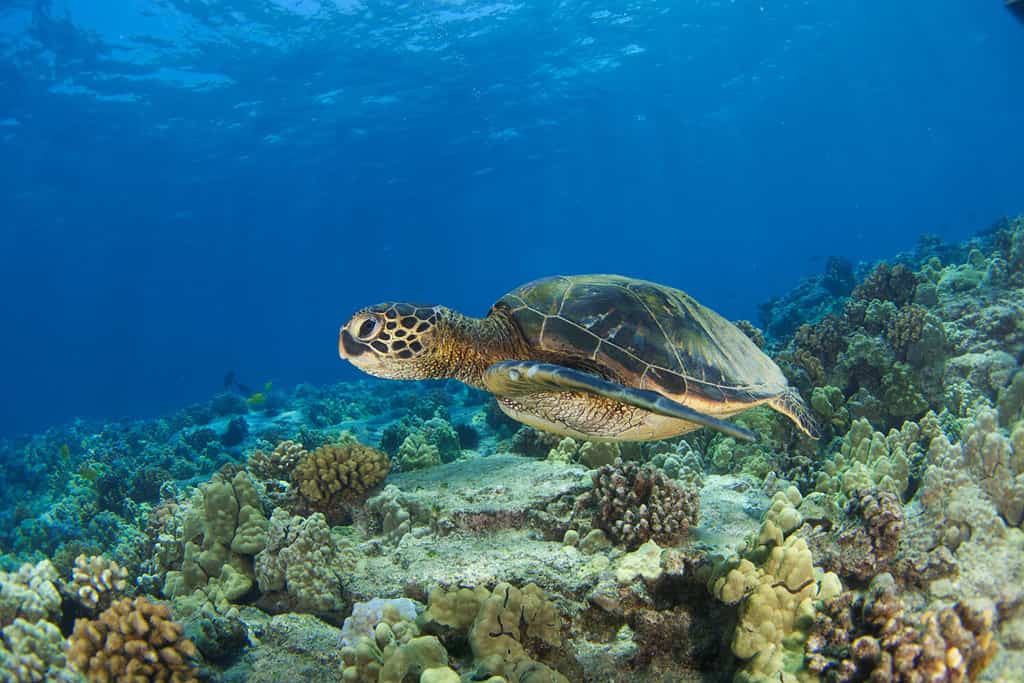
Oscar had fibropapillomatosis, a disease that causes tumors to grow on green sea turtles.
©Fine Art Photos/Shutterstock.com
Because of this diagnosis, Oscar had to remain in rehabilitation for seven months and undergo five separate surgeries to remove the tumors. If Oscar had not been caught in the fishing gear, the disease might have ended his life prematurely in the wild, as it would have gone untreated. Fortunately, in February 2026, Oscar received a clean bill of health and was released back into Biscayne Bay, where he can hopefully live a long life with the other sea turtles.
Main Sources of Debris for Green Sea Turtles
Sadly, the ocean is filled with manmade debris. This debris, including plastic and fishing gear, comes from multiple sources. However, the main sources remain the same, prompting conservationists to continue sounding the alarm for change.
While commercial fishing boats, independent fishing companies, and cruise ships contribute significantly to ocean-based debris, most ocean debris actually comes from land-based sources such as single-use plastics, poor waste management, and river runoff.
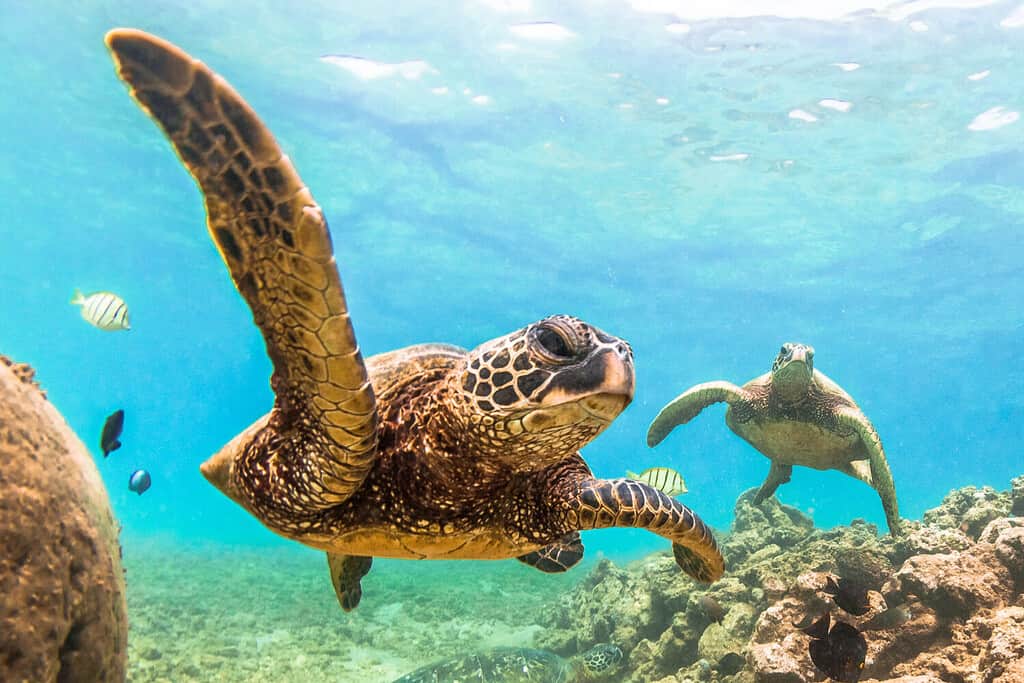
Fishing gear and plastic pollution are most often caused by commercial fishing boats.
©Shane Myers Photography/Shutterstock.com
Abandoned, lost, or discarded fishing gear from commercial fishing boats is a major source of marine debris. This is harmful not only to sea turtles but also to other marine life that can become entangled or ingest dangerous pieces of plastic.
Programs in Place to Eliminate Ocean Debris
To help make the ocean cleaner for sea turtles and other marine life, organizations such as the Nationwide TRAP Program work to remove debris from the ocean. Without these organizations, endangered sea turtles and other ocean wildlife would be in much worse condition than they are today.
Multiple organizations worldwide work to clear the oceans of fishing gear debris.
©iStock.com/ShaneMyersPhoto
Some of the known organizations and programs working to clean the ocean of harmful debris include:
- NOAA Marine Debris Program: Works with other organizations to clear oceans, waterways, and the Great Lakes of debris.
- Institute for Environmental Solutions: Has programs in place to both remove plastic from the ocean and reduce plastic use overall.
- SEE Turtles: Collects debris and recycles it to be used as products that support conservation and the livelihoods of those who live near the sea.
- Ocean Conservancy: Responsible for ocean clean-ups multiple times per year, focusing on gear removal and educating companies and individuals about the dangers of “ghost gear.”
These are just a few of the programs and organizations working to clear the oceans and waterways of harmful debris. Regular clearing of known sea turtle habitats has helped prevent several species on the brink of extinction from disappearing. However, the long-term impact of gear pollution and habitat loss remains a significant concern for their future.