Quick Take
- These ants don't just fight back. They weaponize their own bodies in a way no other colony defender does. See how they defend →
- The colony's most dangerous vulnerability has nothing to do with the size of its enemies. It's about geography. Explore the canopy threat →
- A hidden relationship inside the nest is the real reason these ants are willing to die, and the truth behind it is not what you would expect. Discover the hidden reason →
- The toxic payload these ants deploy doesn't just injure predators. It shuts down something fundamental to keep them from ever reaching the queen. See the toxic mechanism →
Ant colonies are comprised of several types of worker ants. While some worker ants forage for food, others take care of the brood or maintain the nest. Other ants defend the colony, keeping predators and invaders at bay.
One ant species takes protecting the colony to a completely different level. Bornean exploding ants will detonate their bodies to save the colony. It is truly an example of acting above oneself, sacrificing one’s life for the greater good of the colony.
Bornean Exploding Ants Will Explode to Save Their Colony
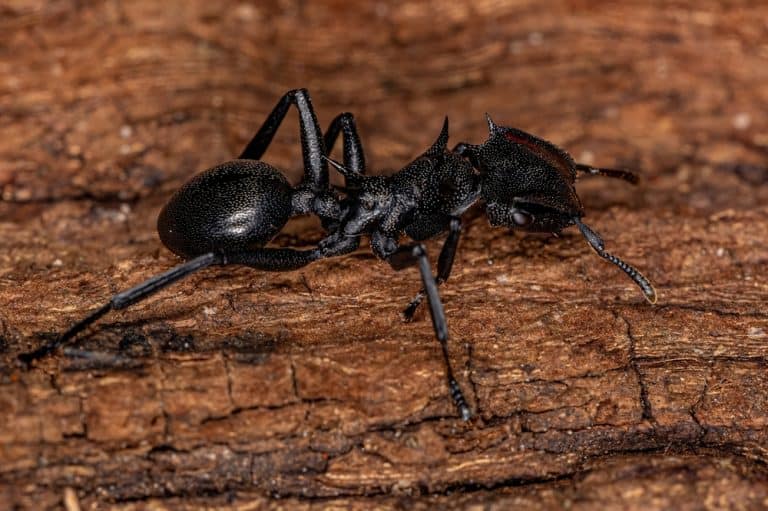
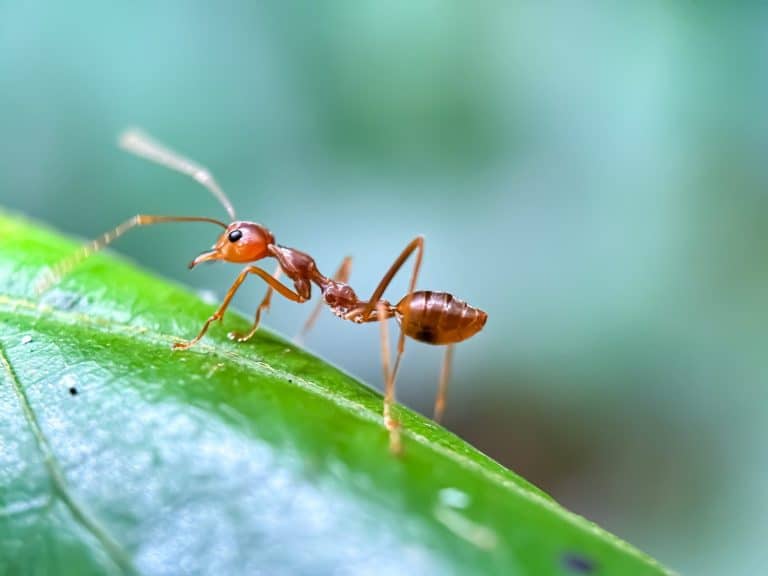
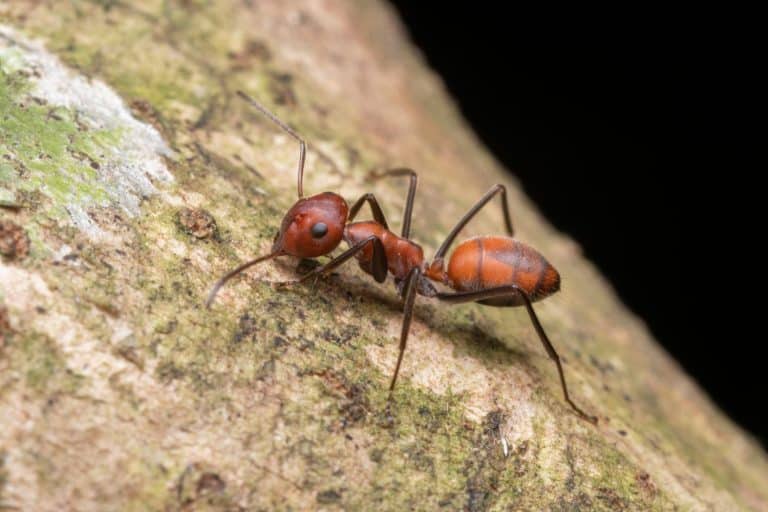
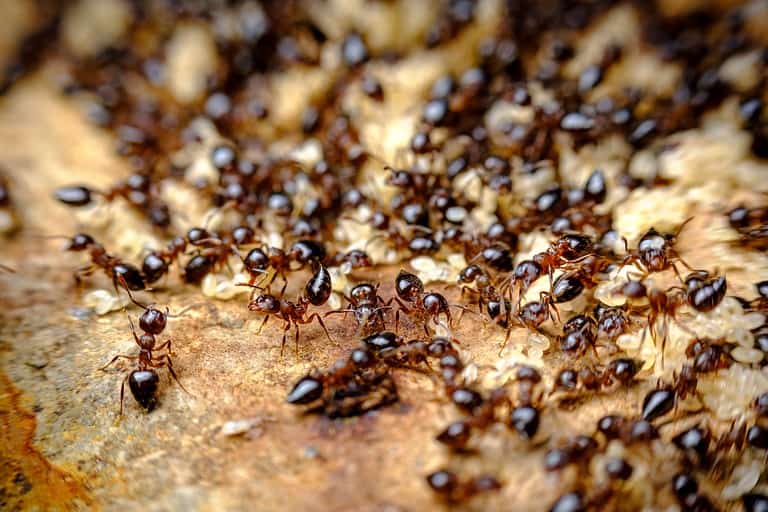
Bornean exploding ants live in the tropical rainforests of Southeast Asia and Borneo. Here, the ants live in the canopies of the trees, feeding on leaf litter and other microbes they forage.
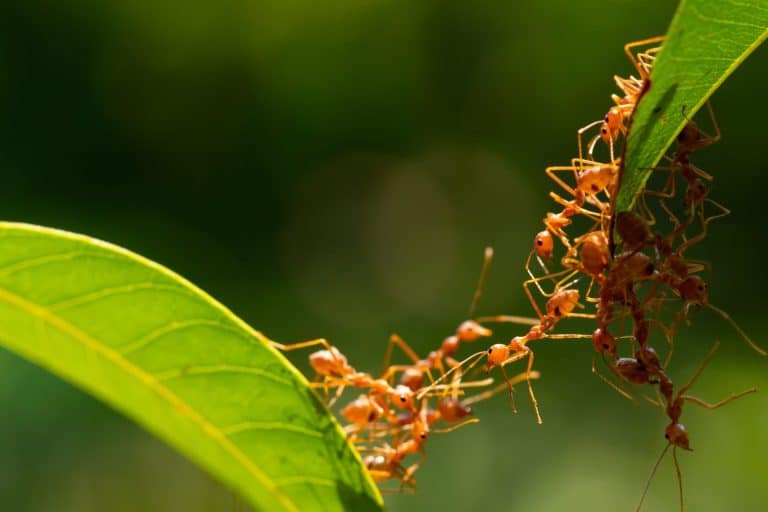
Living in tree canopies means these ants are safe from ground-dwelling predators. However, it does put the colony, comprising a few hundred ants and one queen, in a precarious position if predators attack. This is because there is only one way up and one way down the tree. If enough predators, such as weaver ants, make their way up, the colony would be unable to defend itself, nor could it retreat to the rainforest floor. To combat this, Bornean exploding ants have evolved a unique defensive mechanism to stop predators in their tracks. That mechanism is explosion.
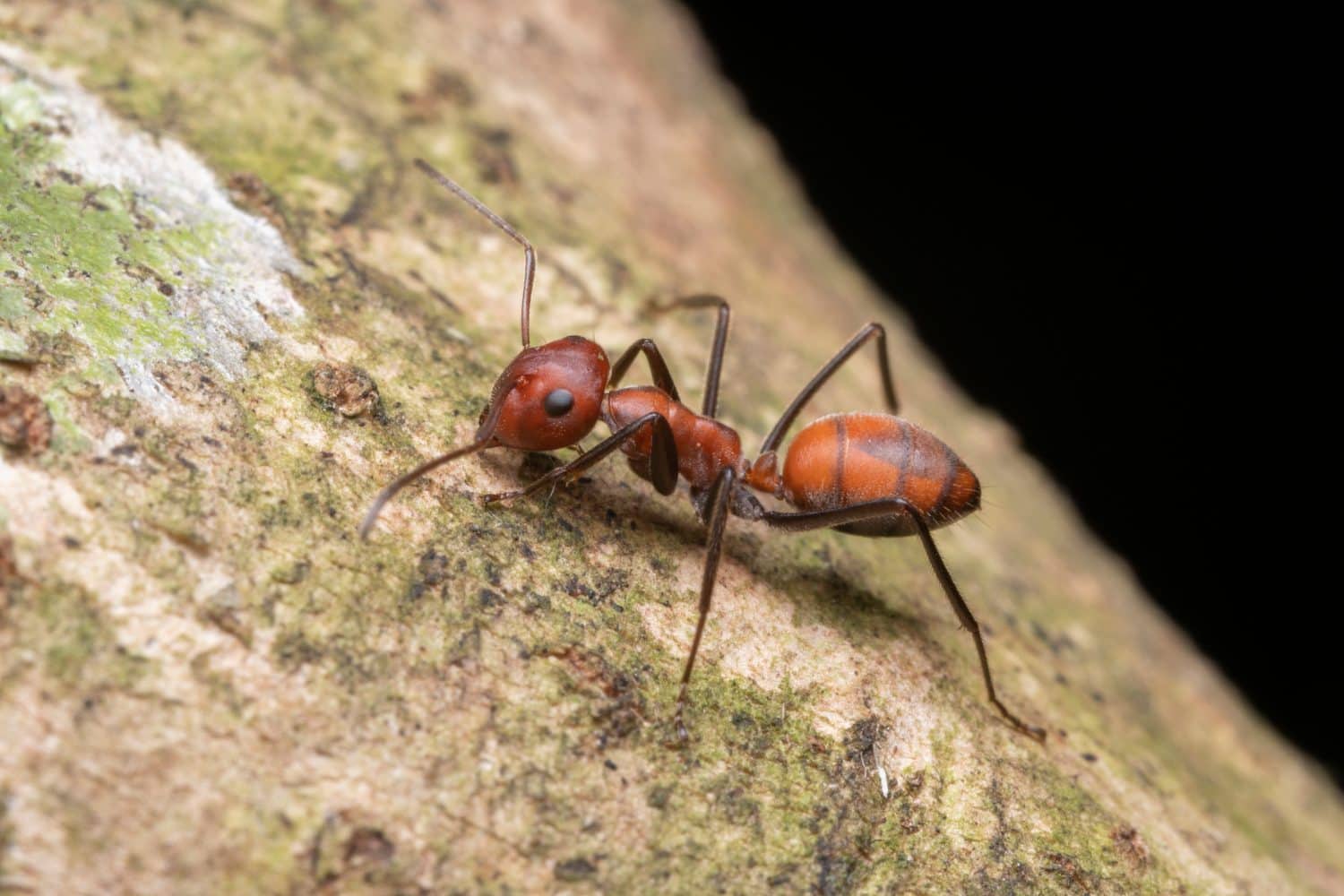
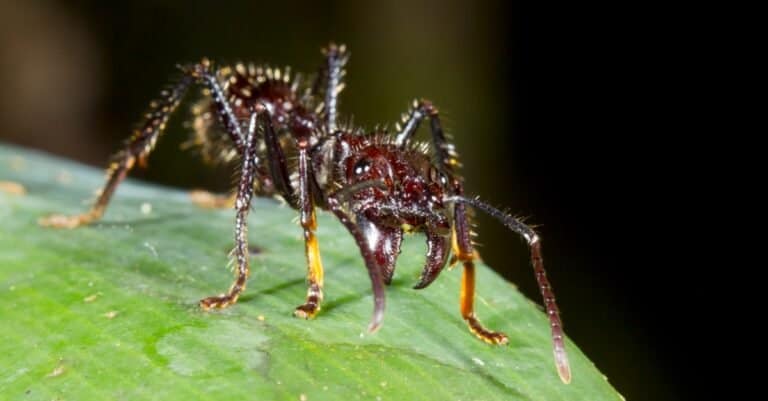
A Bornean exploding ant will sacrifice its life to save the colony and queen.
©MDong_97/Shutterstock.com
After all warnings have been exhausted, Bornean exploding ants will either place themselves in the predator’s direct path or grab the predator to momentarily immobilize it. They will then explode, covering predators with a yellow substance. This substance kills predators before they can wreak havoc on the colony, albeit at the expense of a few Bornean ants’ lives.
How Bornean Exploding Ants Explode
Bornean exploding ants use defensive tactics and warning signs, giving predators an opportunity to retreat. When that does not work, the last line of defense is to explode.
The entire length of the Bornean exploding ant’s body is lined with an enlarged mandibular gland. Within this gland is a yellow, toxic, sticky substance. When the Bornean exploding ant ruptures its body with powerful abdominal contractions, the substance coats the predator or invader.
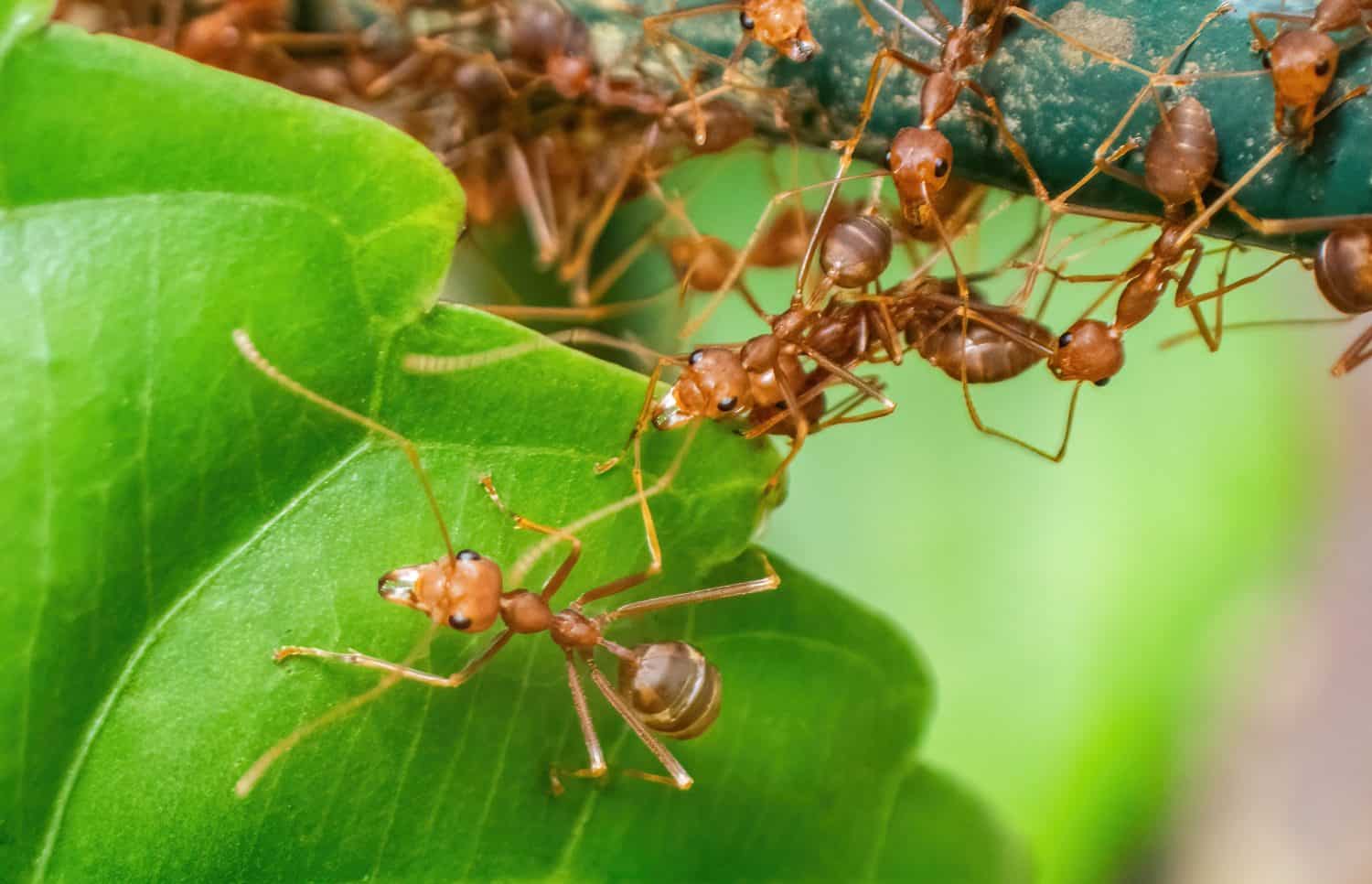
Bornean exploding ants are known for stopping and killing larger weaver ants with their yellow, sticky, toxic mandibular secretions.
©Guy Bryant/Shutterstock.com
Once covered in the gland’s secretions, the predator is no longer able to attack because its nervous system misfires. Eventually, the creature that attempted to invade the colony dies. The colony itself remains unharmed, although one or more ants had to sacrifice their lives to ensure its safety.
Why Do Bornean Exploding Ants Sacrifice Themselves?
To be clear, Bornean exploding ants do not want to rupture their bodies and die. This is done as a last resort when dealing with predators. However, Bornean exploding ants do not hesitate to explode if it means saving the rest of the colony.
The most fundamental reason Bornean exploding ants sacrifice themselves is to protect their colony and the foraging grounds it relies on. Given that resources are limited in the ecosystem the ants live in, if larger weaver ants were to succeed in taking over the colony, all Bornean exploding ants would die. By sacrificing a few worker ants, the remainder of the colony survives.
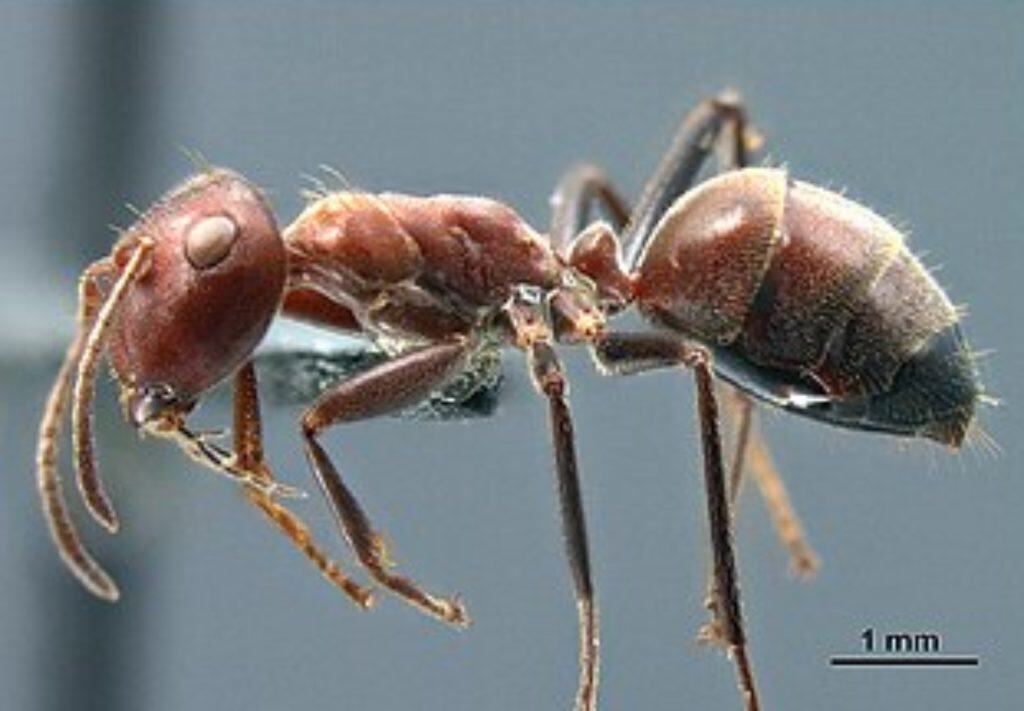
Bornean exploding ants explode to save their colony and the microbiome they created in a tree’s canopy.
©Laciny A, Zettel H, Kopchinskiy A, Pretzer C, Pal A, Salim KA, Rahimi MJ, Hoenigsberger M, Lim L, Jaitrong W, Druzhinina IS (2018) Colobopsis explodens sp. n., model species for studies on “exploding ants” (Hymenoptera, Formicidae), with biological notes and first illustrations of males of the Colobopsis cylindrica group. ZooKeys 751: 1-40. https://doi.org/10.3897/zookeys.751.22661, CC BY 4.0 , via Wikimedia Commons – Original / License
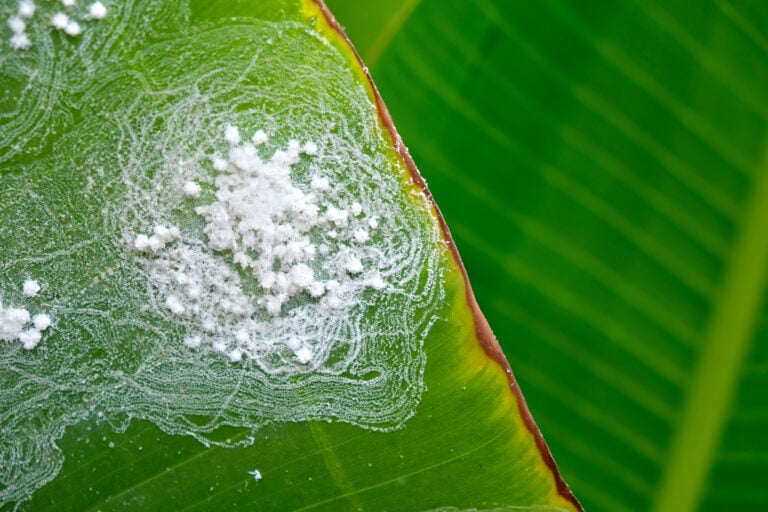
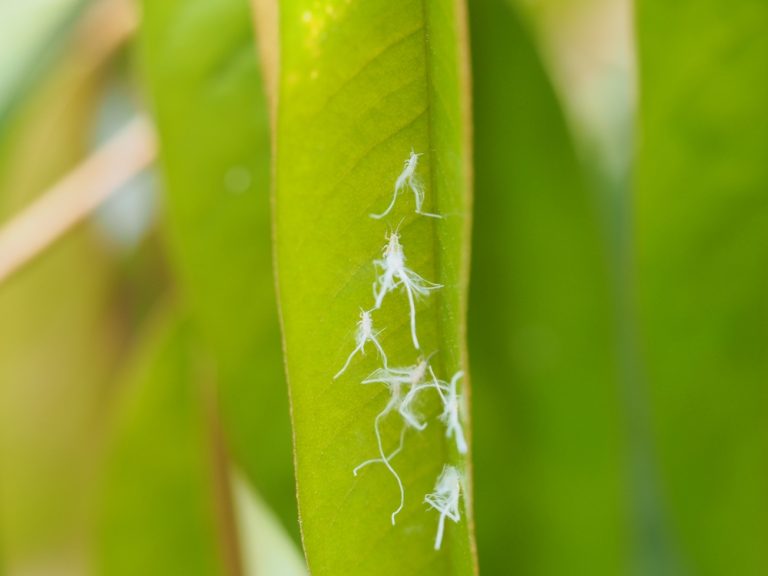
As the colony is established, a microbiome is created. In this microbiome, Bornean exploding ants create a stable, safe habitat for microbes in the tropical canopy. In return, the microbes provide nutrition for the ants. Given how important this symbiotic relationship is, the Bornean exploding ants do not want to give it up. Consequently, they will sacrifice themselves to both preserve the microbiome and prevent other creatures from taking advantage of it.
It is rare in the animal kingdom for a species to sacrifice themselves for the greater good. But it is because of this that Bornean exploding ant colonies are as large as they are, easily fending off predatory arthropods bigger than themselves, even though individuals lose their lives in the process.