
Quick Take
- One ant species has no queen, yet a single female still monopolizes all reproduction through a disturbingly clever form of physical control. See how she controls reproduction →
- Destroying a tiny pair of appendages permanently shuts down a female ant's ability to reproduce, though the reason why isn't what scientists first assumed. Discover why gemmae matter →
- When a colony loses its sole reproducer, the females that emerge next engage in a frantic mutilation race in which timing determines everything. Watch the mutilation race unfold →
- Being mutilated and stripped of reproductive ability is actually the best possible outcome for these ants, and the colony math explains exactly why. Explore the colony math →
Ants often prioritize colony survival over individual reproduction, which can lead to surprisingly aggressive behavior. In the Indian queenless ant, the reproductive female removes the gemmae of newly emerged females, preventing them from mating and competing for reproductive control. Here’s why this aggressive strategy has proved successful.
Continue reading
The Indian Queenless Ant’s Remarkable Qualities
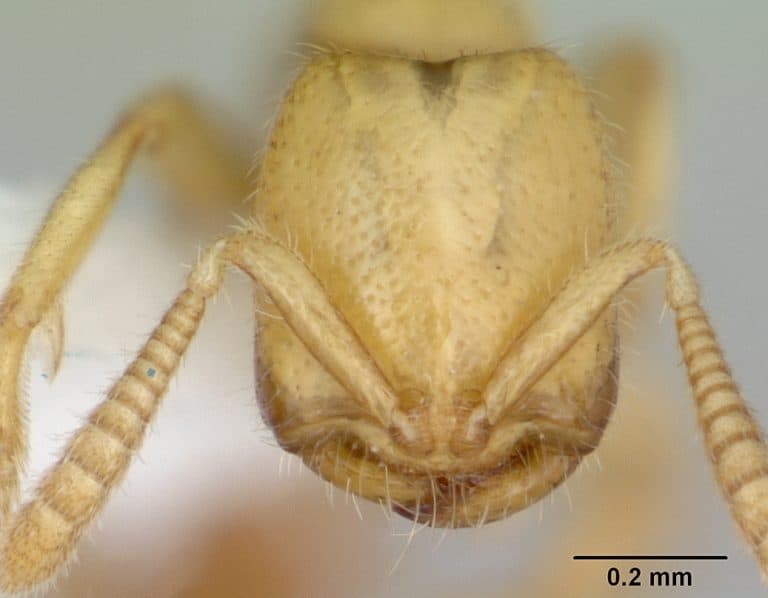
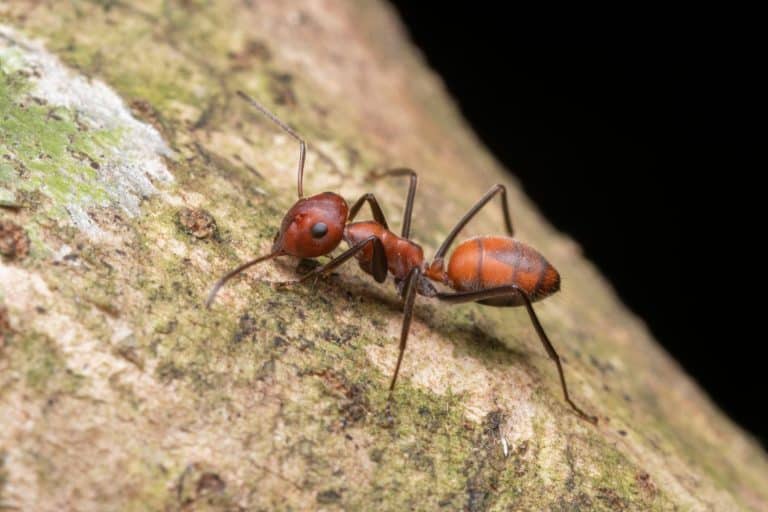
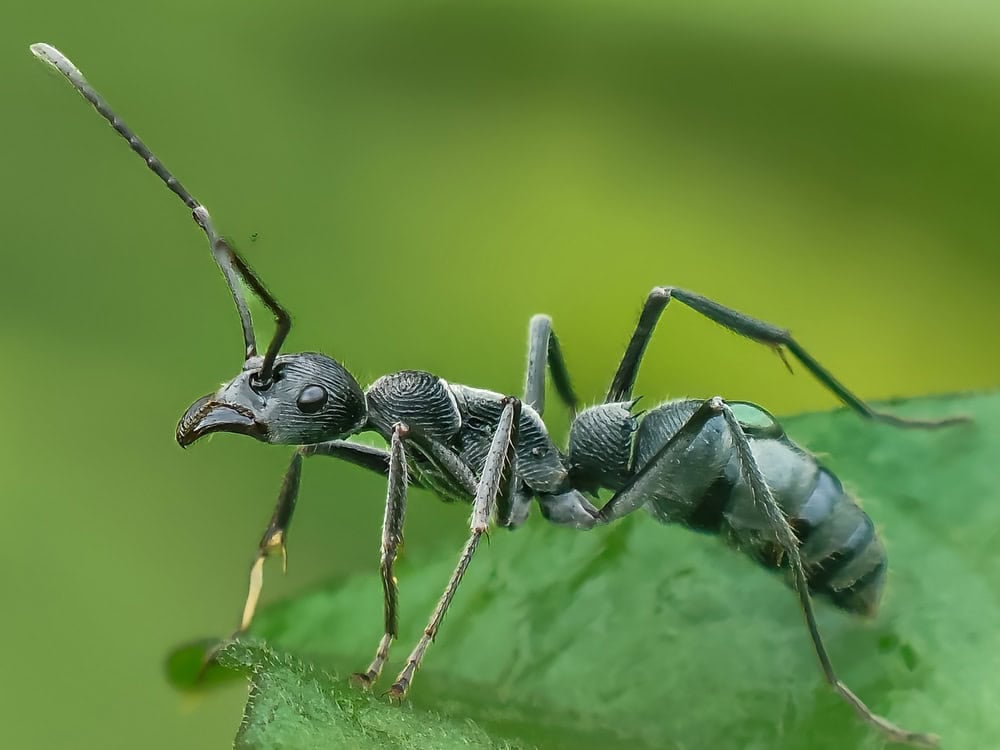
In many ways, the Indian Queenless ant (Diacamma indicum) is much like any other ant species. This small ponerine ant is black, around 0.4 inches long, and lives in India, Sri Lanka, Bangladesh, and possibly Japan (an introduced population). Like other ants, it lives in colonies, and these range from 12 to 260 adults. Their nests are mostly built underground but may also be found under rocks or in tree branches. Some are even found in bricks. The nests are shallow, and the ants have been seen moving them to higher elevations during monsoons.
So far, so normal. When you look at the ant’s social structure, however, it is very different. While most ant species have a winged queen who is the only female that can lay eggs, this species has no queen at all!
How Do Queenless Ant Colonies Work?
All of the females in a Diacamma indicum colony are monomorphic, which means they look the same. Just one of them acts as an egg producer and functional queen. She is called the gamergate and is a wingless female that can reproduce sexually. All of the other females are non-reproductive and are essentially her helpers. You cannot tell them apart by just looking at them. There is only one gamergate in each colony, and she achieves this status through social manipulation.
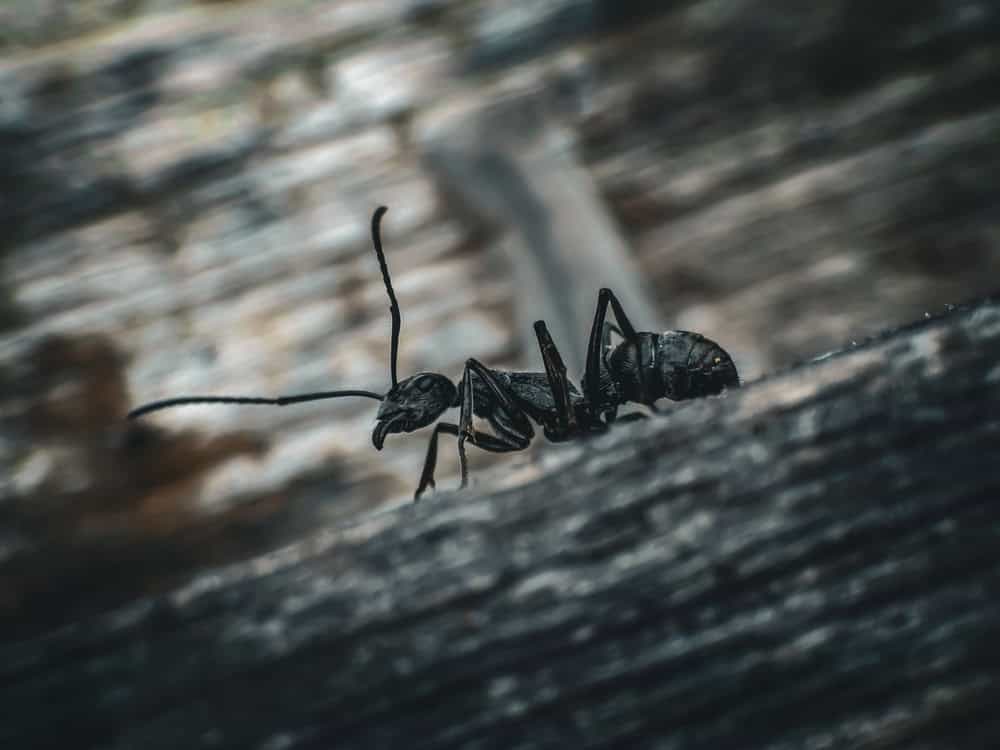
There is no winged queen in Diacamma colonies.
©Nature06/Shutterstock.com
This is how it works. All females leave their pupal case with a pair of appendages on their thorax called gemmae. However, as soon as they emerge, they are mutilated, and the gemmae are destroyed. The guilty party is the gamergate, although she may also be assisted by female helpers in this species. The mutilated females cannot mate and therefore do not sexually reproduce. Instead, they start to behave as helpers. Only the gamergate keeps her gemmae intact for her entire life.
What Exactly Are Gemmae and Why Are They So Important?
When a female loses her gemmae appendages, she does not lose the ability to lay eggs. Rather, she loses her ability to mate and therefore can no longer reproduce sexually. An unmutilated female becomes sexually mature around a week after she emerges. She exhibits a behavior called ‘sexual calling,’ in which she goes to the entrance of the nest and rubs her back with her slightly raised hind legs. This attracts males to her to mate. Scientists are not yet certain why the loss of gemmae stops these ants from performing sexual calling. Some have suggested it is linked to sex pheromones. However, it’s more likely connected to the sensory hairs, gland openings, and nerves leading to the central nervous system extending from the gemmae. They may receive external stimuli, which trigger sexual calling. When the gemmae are destroyed, however, no stimuli can be detected.
Fighting to Be a Functional Queen
So, what happens when a colony has lost its gamergate? This is called an orphan colony, and it needs a replacement quickly if it is to survive. So, the newly emerged females fight it out and try to cut off each other’s gemmae! This is not an evenly matched contest because the female that emerged first has the advantage. This is likely because her cuticle (outer layer) is harder, having had longer to dry. Therefore, it is usually the first female to emerge that takes on the gamergate role. She goes on to mutilate all of her sisters who emerged a bit later. She will eventually mate and will remain the gamergate for the colony for the rest of her life.
Putting the Colony First
This is a perfect example of how ants put the survival of the colony above their individual best interests. There are plenty of examples of ants from other species sacrificing their own lives for the good of the colony. In this species, the females sacrifice their own reproductive ability. In colonies with a healthy gamergate, preventing other females from breeding maintains monogyny.
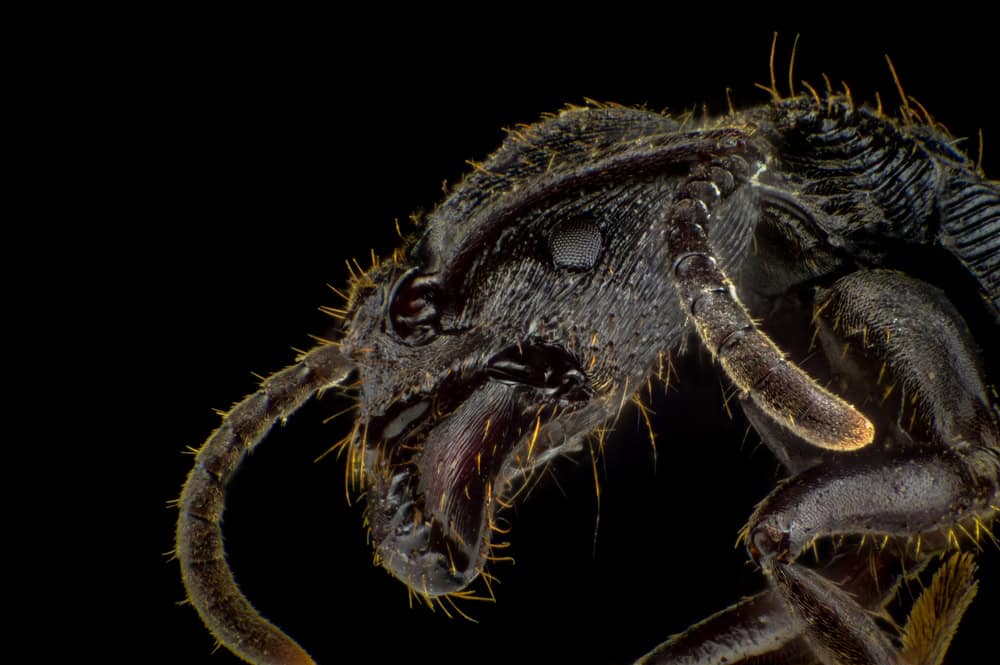
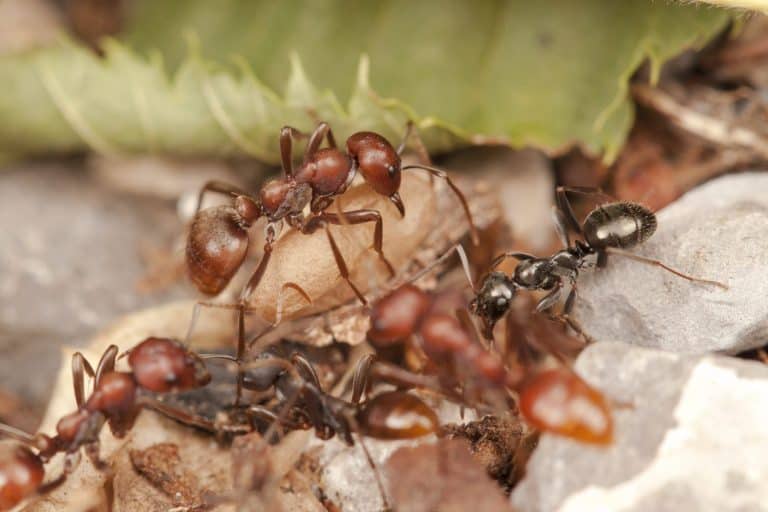
Colony survival can require brutal behavior.
©Danny Radius/Shutterstock.com
Sexual reproduction requires females to have internal structures that helpers lack. For example, they need a robust, specialized, pouch-like structure found in their internal reproductive tract called a bursa. This is needed to withstand the lengthy mating process, which can take days! When the females emerge, these sexual organs are in a neutral state, but after mutilation they start to reduce. If mutilation does not take place, they develop further in readiness for breeding. It takes just a week for them to be ready to mate and lay eggs. This is how she helps the colony.
Mutilated females, however, have a different role. They secure the future of the colony by helping the gamergate, who is quite likely their relative. The loss of gemmae does not stop a female from carrying out all other tasks. Weighing the costs and benefits to the colony, this is her best option.