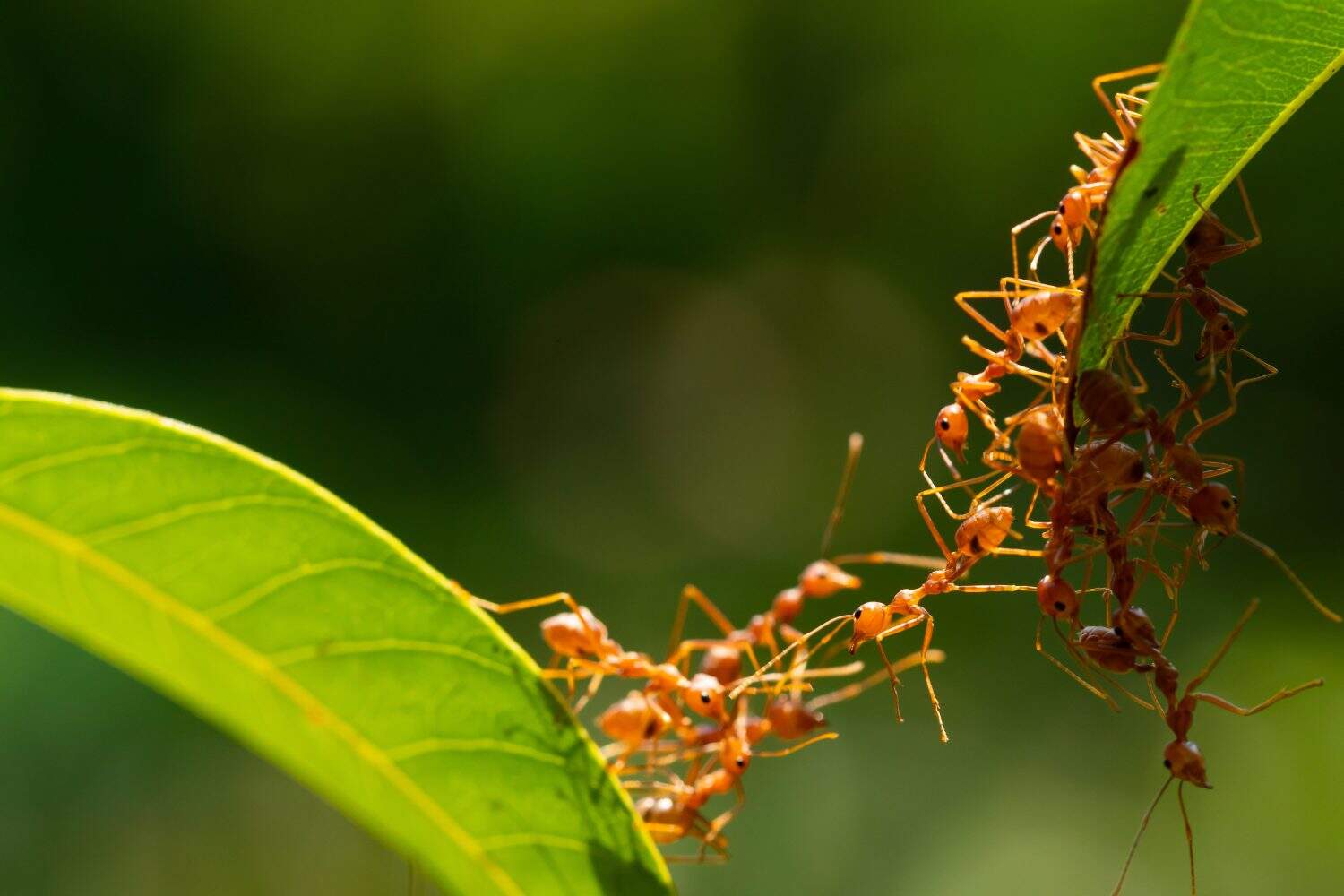

Quick Take
- Some insects, such as bees and ants, prioritize the health of the group over personal safety.
- Through a process called autothysis, some ants are able to self-destruct to save their colonies from intruders and predators.
- The majority of exploding ants are in the genus Colobopsis.
- The pressure from contracted muscles causes the abdomen to rupture, ejecting a sticky and toxic secretion on the attacker, which can be fatal.
There are some pretty crazy ways that animals and insects defend themselves. And some insects prioritize the health of the group over their own safety. Although it is a drastic measure, some ants are able to self-destruct to save their colonies from intruders and predators. This process is called autothysis. This YouTube Short by @DoctorNOS talks about autothysis and shows a video of an ant doing it. Read here to learn why and how ants explode.
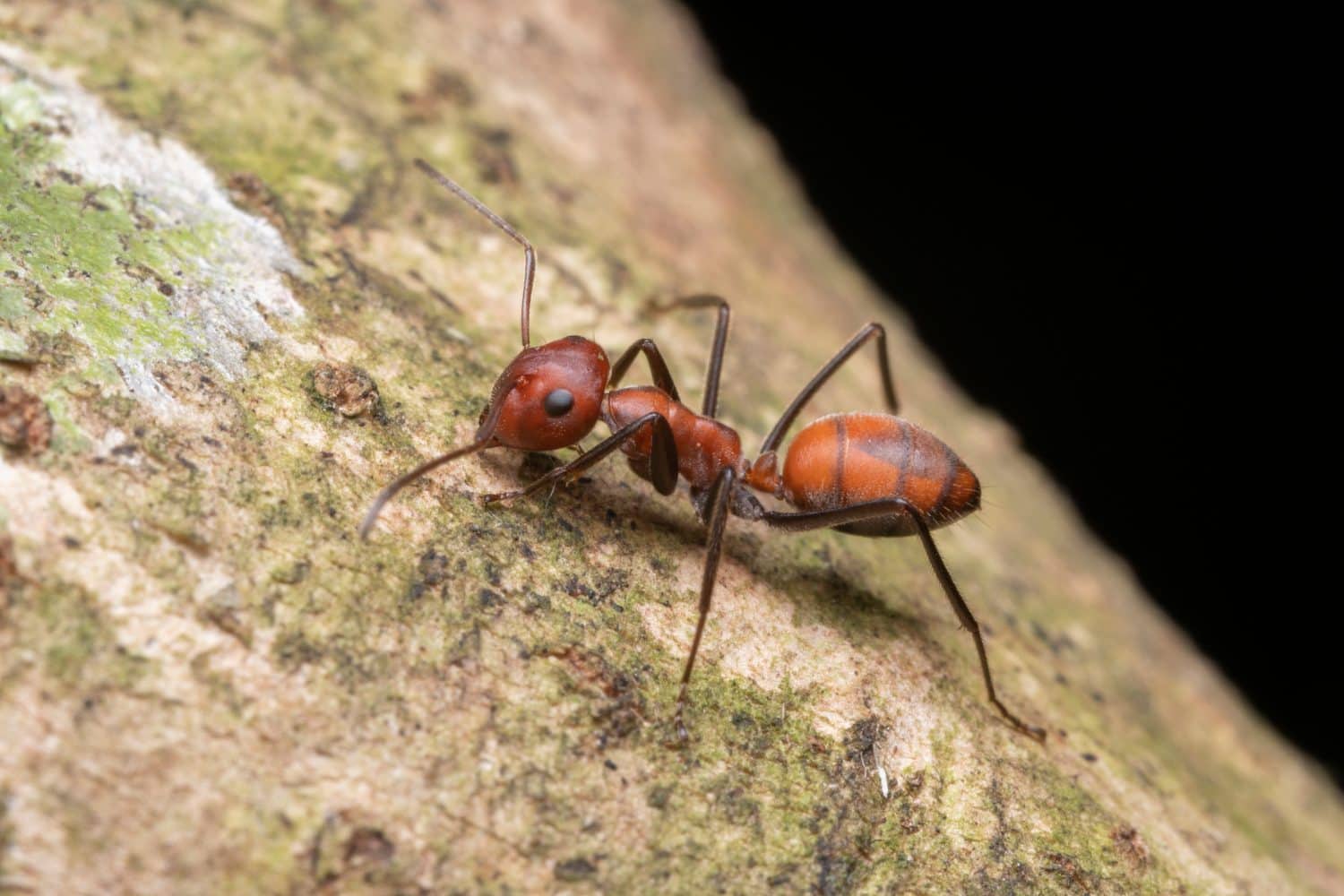
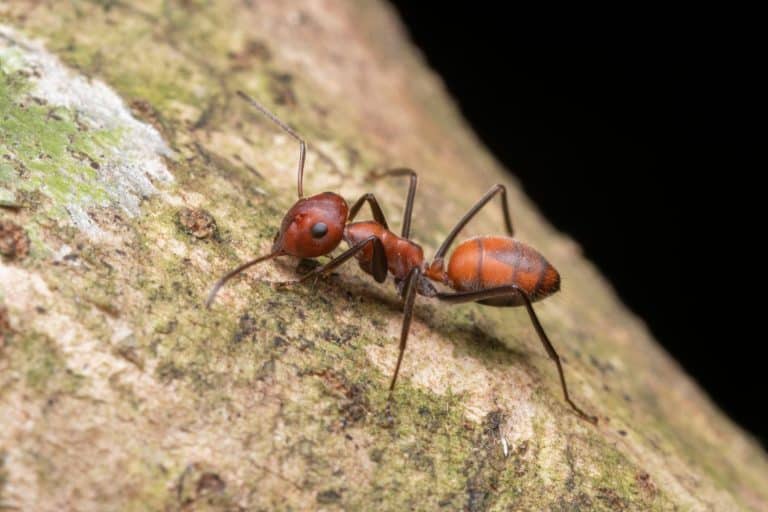
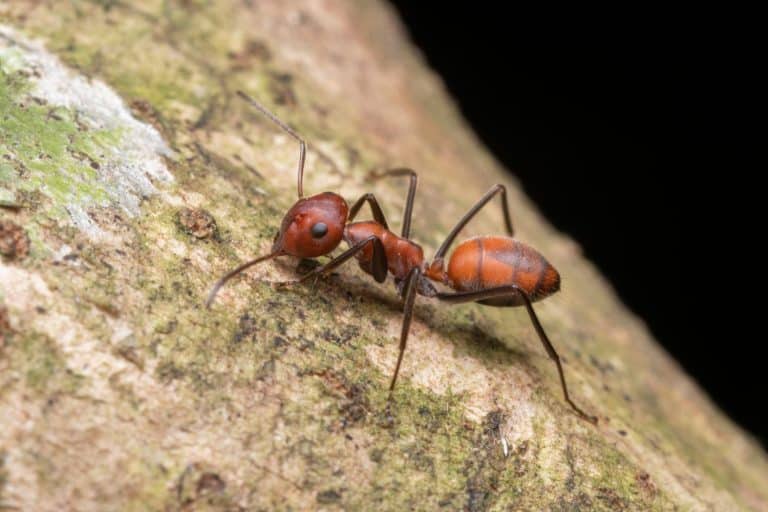
The exploding ant produces a yellow, sticky, and irritating fluid when they rupture their abdomen.
©MDong_97/Shutterstock.com
What is Autothysis
The word autothysis comes from the Greek roots meaning self (auto) and sacrifice (thysia). It is a rare defense mechanism during which an animal intentionally destroys itself. When ants explode by rupturing internal glands or organs, they release a toxic and sticky chemical onto the predator. It’s an extreme form of suicide, all for the benefit of the colony.
Some ants have special glands that are large and extend throughout the body. When threatened, the ant contracts its muscles. The pressure from the contraction causes the body, specifically the rear of the abdomen, to rupture, ejecting a sticky and toxic secretion on the attacker. The toxic and gelatinous fluid can immobilize or kill the predator, making it a powerful defense. Ants are not the only insects known to use this defense; termite soldiers can also self-rupture. Bees also exhibit similar suicidal defenses.
Not all ants explode, as this ability is species specific. Of the few exploding species that exist, the majority are in the genus Colobopsis. This genus includes the most notorious exploding ant, Colobopsis explodens, which is found in Southeast Asia. Autothysis developed over centuries of evolution as a response to the need to defend the colony. Many worker ants live for the sole purpose of protecting their colony. To make themselves the best defenders, they have evolved to sacrifice themselves in any way possible. So, while this extreme defense may seem senseless and dramatic for the any in question, it is the ultimate sacrifice for the colony as a whole.