
Quick Take
- Evolution has produced a vast range ofanimal defense strategies, like heavy armor and camouflage abilities.
- However, nature is also capable of developing some truly odd protection strategies.
- The Texas Horned Lizard squirts blood from a sinus membrane in their eye.
- Sea Cucumbers eject their internal organs to disorient predators and later regenerate them.
Animals face a constant battle to survive, not just by finding food but by avoiding becoming food themselves. Over millions of years, evolution has produced a vast range of defense strategies, from camouflage and armor to venom and lightning-fast escape tactics. Yet these widely known adaptations are just the basics nature has to offer. A stranger side of nature exists; one filled with defenses so unusual they almost seem unbelievable. Some animals spray blood from their eyes, others explode in a chemical sacrifice, and a few can even eject their own organs to escape danger!
These bizarre defenses aren’t random oddities; they are finely tuned survival techniques formed over millions of years by specific predators and harsh environments. In the wild, where pending death is around every corner, these creative and fascinating tools become powerful weapons. This article focuses on creatures that have developed shockingly inventive ways to stay alive. Here are some of the most unusual animal defenses you’ve likely never heard of, and the remarkable science behind them.
Turkey Vultures
©hubert999/Shutterstock.com
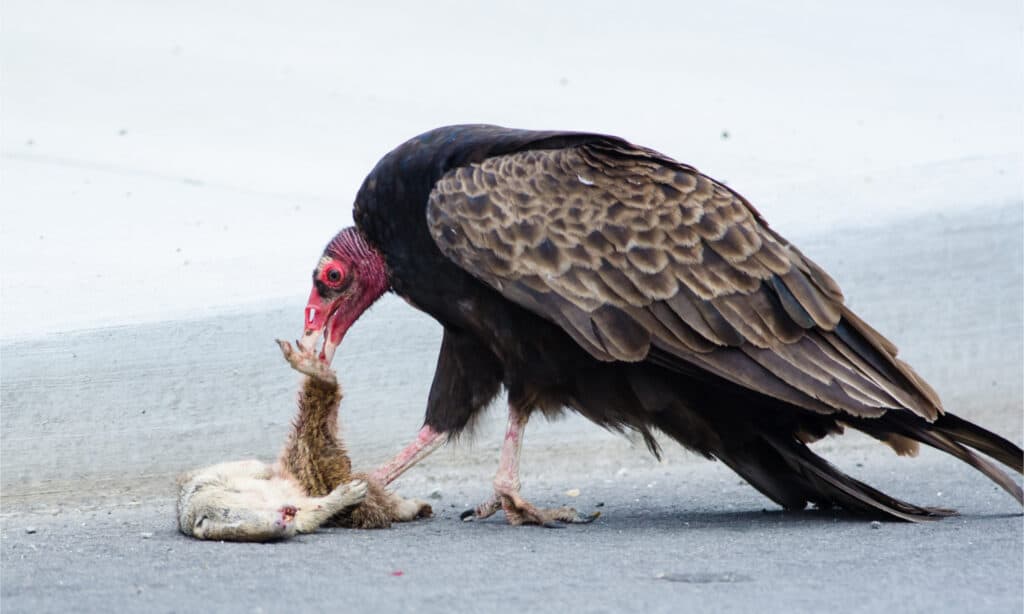
Turkey vultures are imposing birds that feed on carrion (dead animals). They have very few predators, but very old and young birds are hunted by raptors like red-tailed hawks, bald eagles, golden eagles, and great-horned owls. Occasionally, opportunistic mammals will also pounce on them. To protect themselves, the vultures vomit a disgusting combination of strong stomach acid and partially digested rotten meat – the smell is enough to put off most predators.
Southeast Asian Ants
©SIMON SHIM/Shutterstock.com
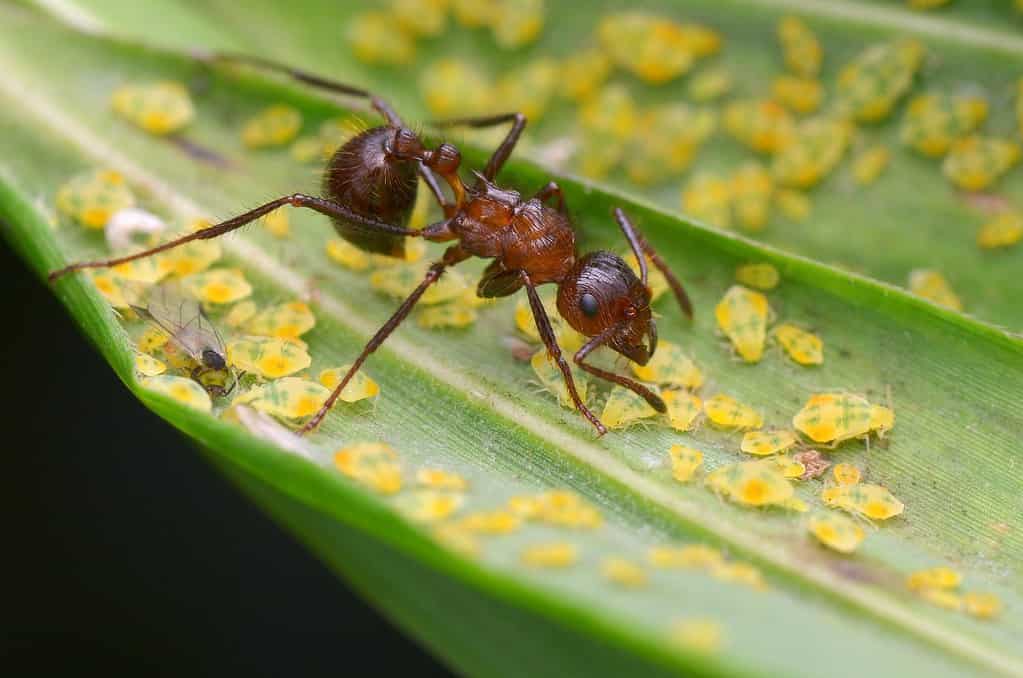
Worker ants from at least 15 different southeast Asian species have developed a mechanism for literally blowing themselves up when their colony is threatened. In a remarkable display of self-sacrifice for the greater good, they violently contract their abdominal muscles which in turn bursts open glands filled with a sticky defensive secretion. This repels would-be attackers. It also instantly kills the ant!
Hagfish
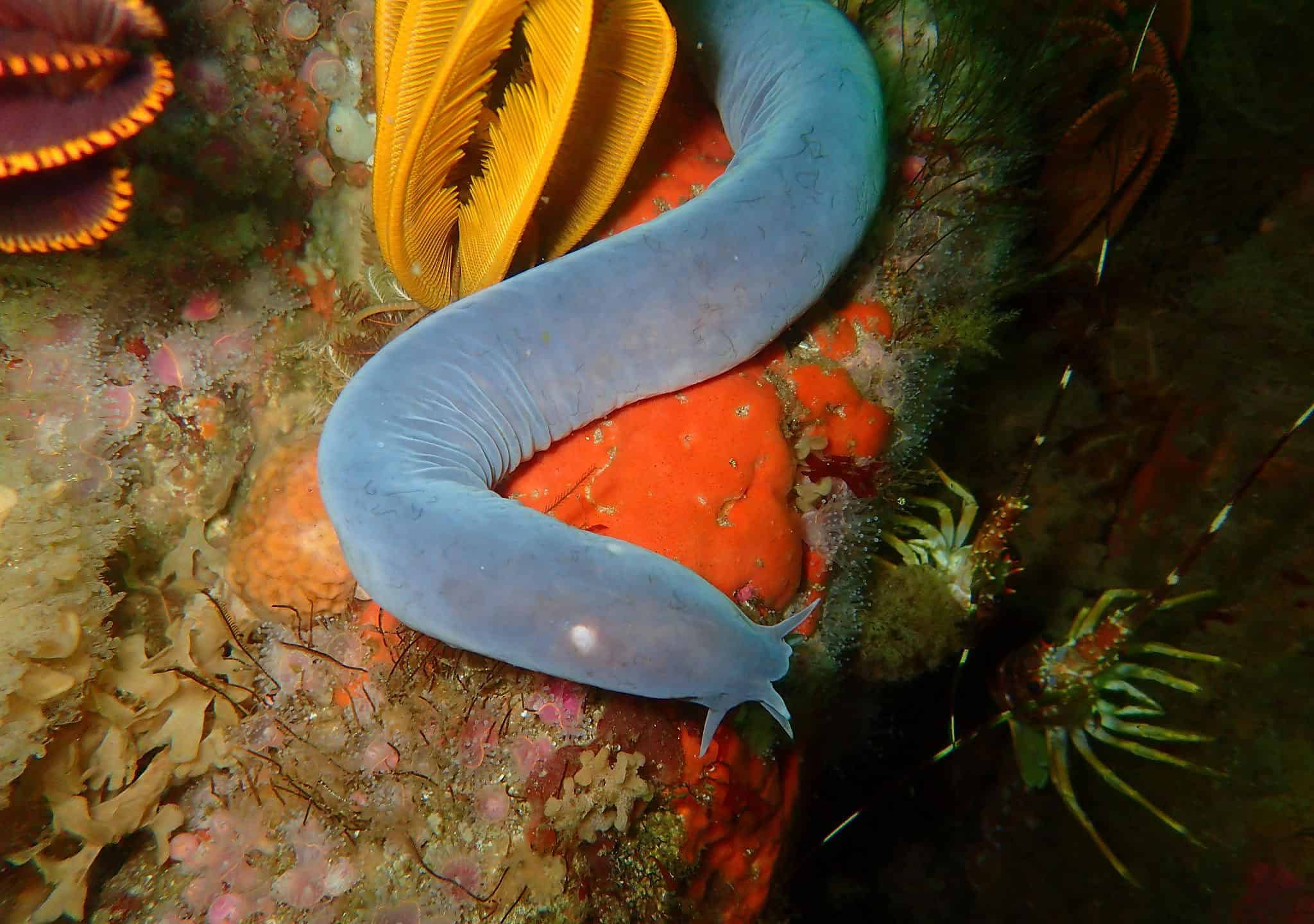
Hagfish are also called slimy eels and for good reason. They have hundreds of glands that produce large amounts of sticky slime. When they are attacked by predators (sharks and bony fishes) their slime fills the mouth and gill chambers of the predator. What’s more, they can discharge jets of slime directly into the predator’s mouth causing them to choke and abandon the attack.
Texas Horned Lizard
©Matt Jeppson/Shutterstock.com
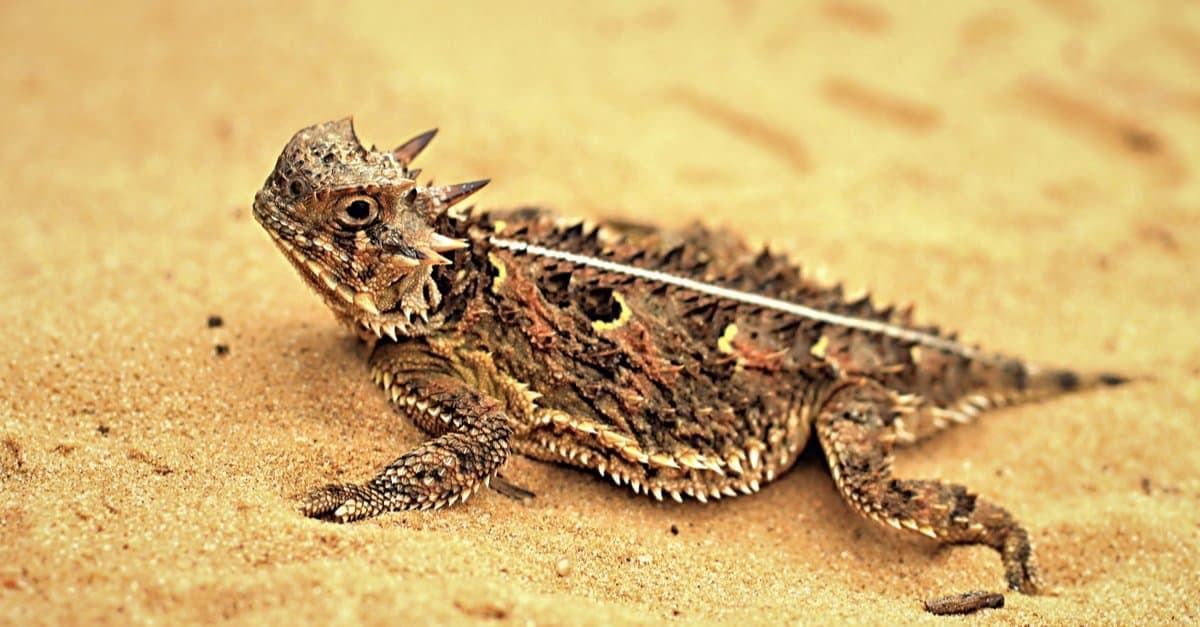
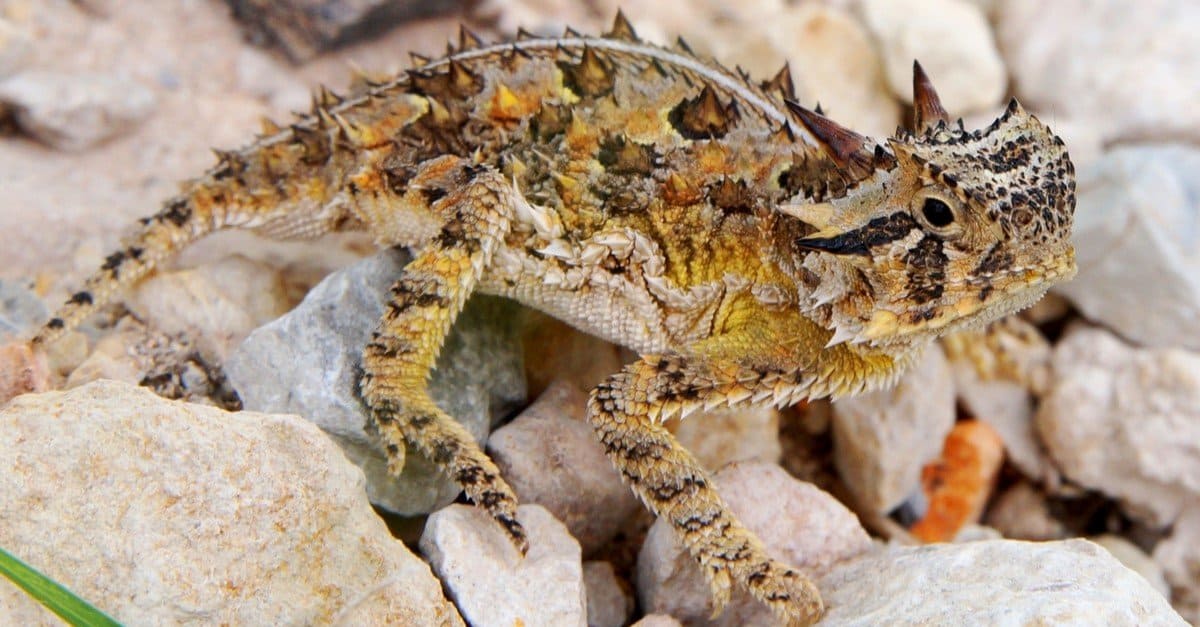
These little lizards look a bit like a mini-dinosaur and are hunted by coyotes, foxes, hawks, snakes, roadrunners, and domestic dogs. They have a special type of sinus membrane in the corner of their eyes which they can rupture by constricting their muscles, squirting a stream of blood at their predator. The blood can travel 3-5 feet.
Kogia Whales
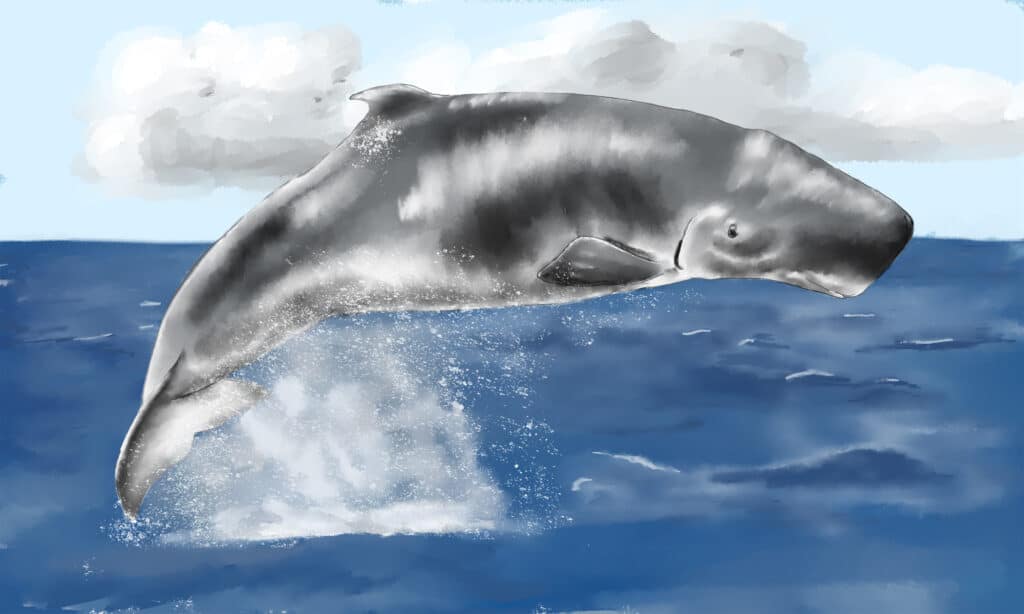
Large sharks and orcas view kogia whales as prey, so these amazing animals have developed an ingenious (slightly disgusting) way of evading capture. They have a sac full of unpleasant reddish-brown liquid in their intestine. When threatened, three gallons of it can be ejected a bit like the ink created by squid. The whale flaps its fins and tail to spread the liquid around which is enough to confuse most predators and hide the whale’s escape.
Bombardier Beetles
©pusit_panya/Shutterstock.com
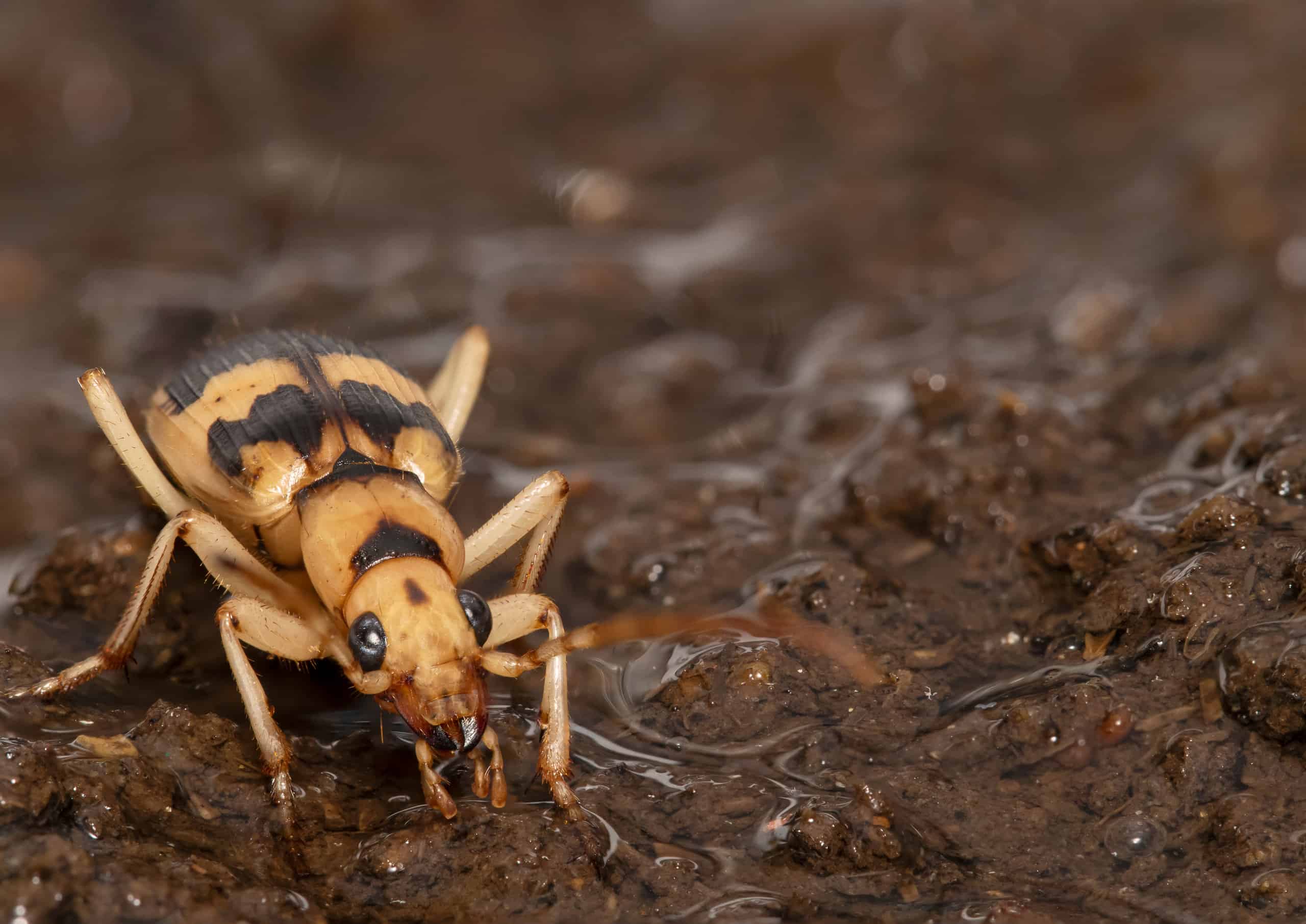
There are hundreds of different species of bombardier beetles, but they all share the same defense tactic. They have two chambers in their abdomen; one contains hydroquinone and the other contains hydrogen peroxide. When threatened by toads or frogs, both chemicals are discharged at the same time, mixing and reacting to produce heat. The resulting liquid can reach nearly 212 degrees Fahrenheit and is directed at the attacker. The beetle can eject this substance in a rapid series of pulses.
Boxer Crab
©Jung Hsuan/Shutterstock.com
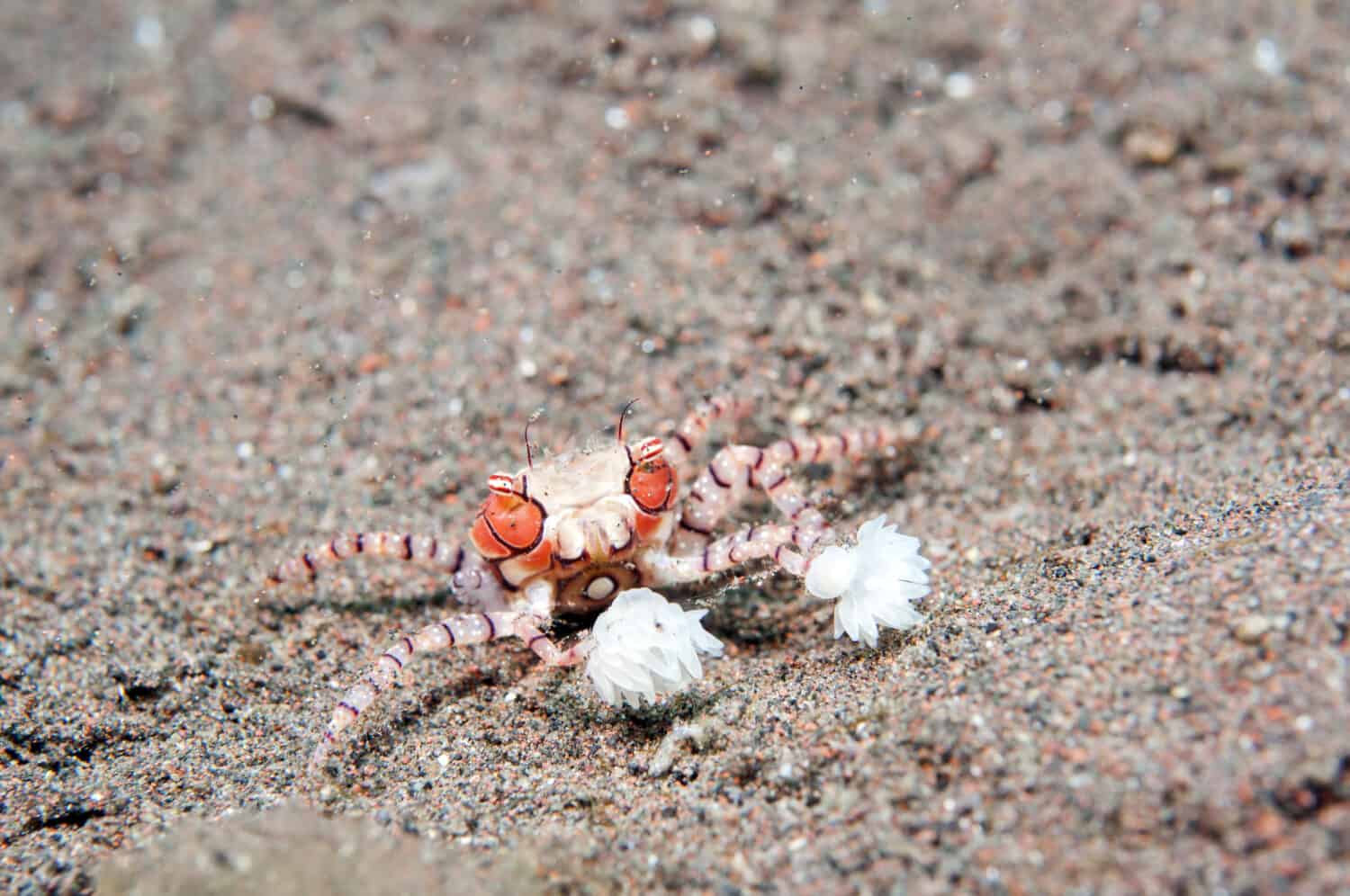
Also called pom pom crabs or cheerleader crabs, these creatures use another animal when defending themselves. They carry venomous anemones called Triactis producta in each of their claws and wave them around to ward off predators.
Motyxia
©Bakulane Ripki/Shutterstock.com
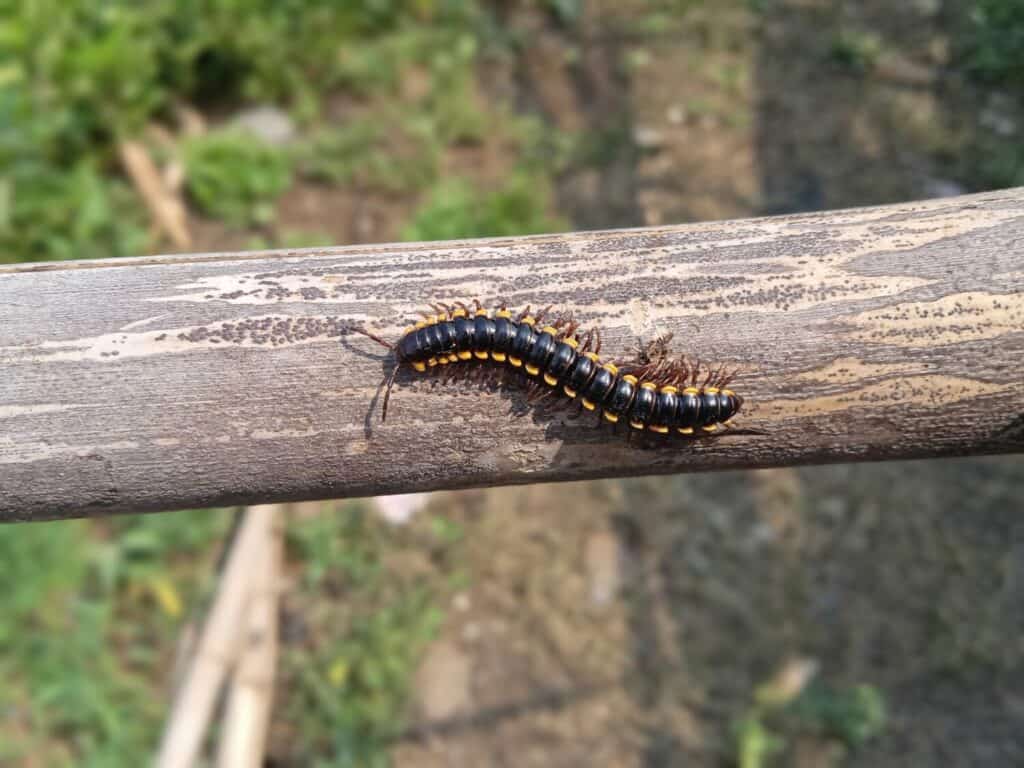
Motyxia are a genus of millipede found in California who live underground during the day but come up to forage for food at night. They emit a greenish-blue light to deter predators but also have another more violent defense mechanism. They can discharge toxic cyanide and other foul-tasting chemicals from small pores along the sides of their bodies. This is enough to put most predators off.
Northern Fulmars
©MichaelY/Shutterstock.com
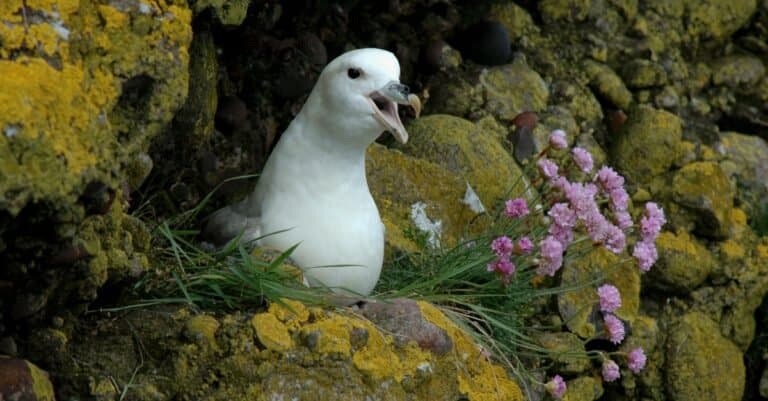
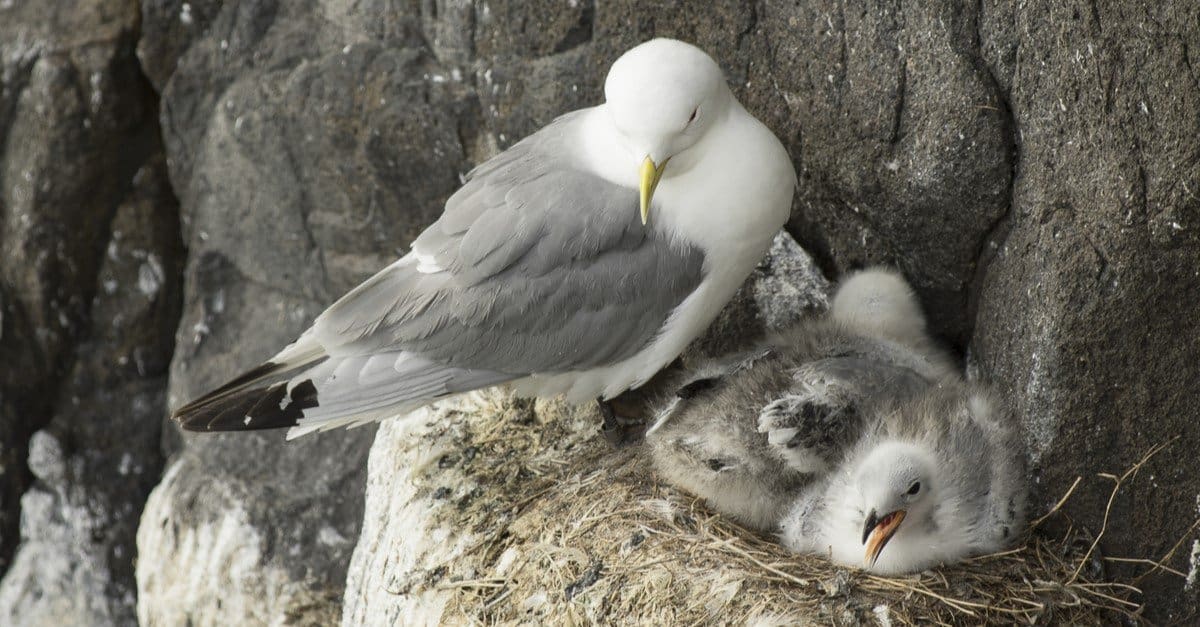
These gull-like birds are found in the cold northern Atlantic, Pacific, and Arctic Oceans and nest on steep cliffs. During this time the chicks in particular are vulnerable to attack by sheathbills and skuas. To defend themselves, they vomit up a sticky mixture of partially digested fish that sprays over several yards. It mats the predators feathers together and is enough to make them think twice before launching another attack.
Termites
©PK289/Shutterstock.com
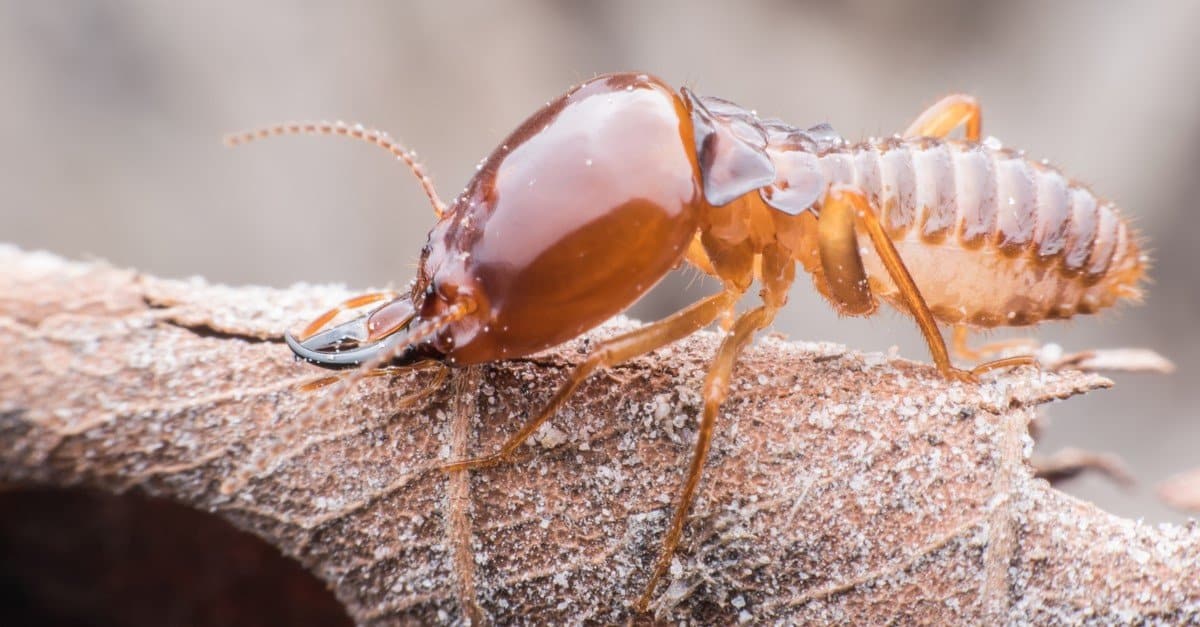
The Neocapritermes taracua species of termite carry a backpack primed with a toxic blue substance that they blow up when their colony is threatened. This mechanism was only discovered in 2012! When it is not being deployed, the chemical is carried safely as a stable crystal. However, when an attack is detected, the termite ruptures its own body by contracting muscles allowing the crystals to mix with labial secretions, triggering a chemical reaction and producing a toxic liquid that bursts out from the termite’s back. Both the attacker and the termite die in the encounter.
Hairy Frogs

©Emőke Dénes, CC BY-SA 4.0, via Wikimedia Commons - Original / License
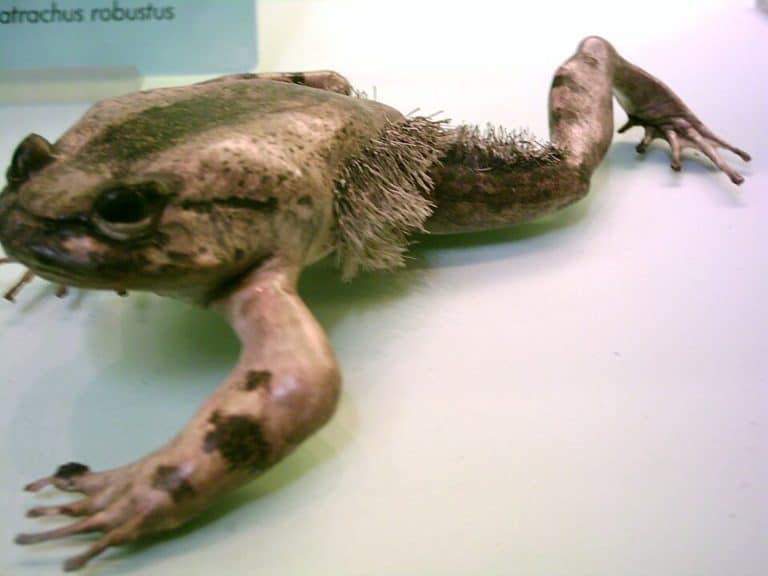
Also called wolverine frogs, these animals create their own weapons using their bones! When they are threatened they crack their own finger bones and poke them through the skin so that they can be used defensively like claws! They are able to do this thanks to a special arrangement of muscles in their hind feet.
Sea Cucumbers
©Ethan Daniels/Shutterstock.com
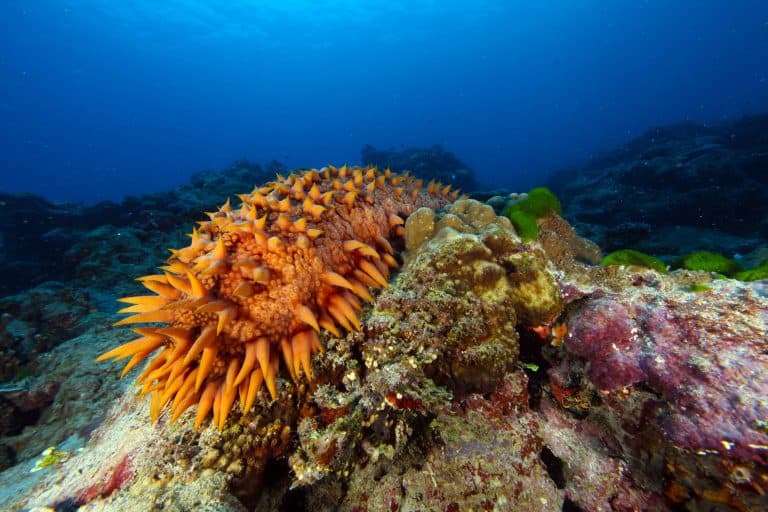
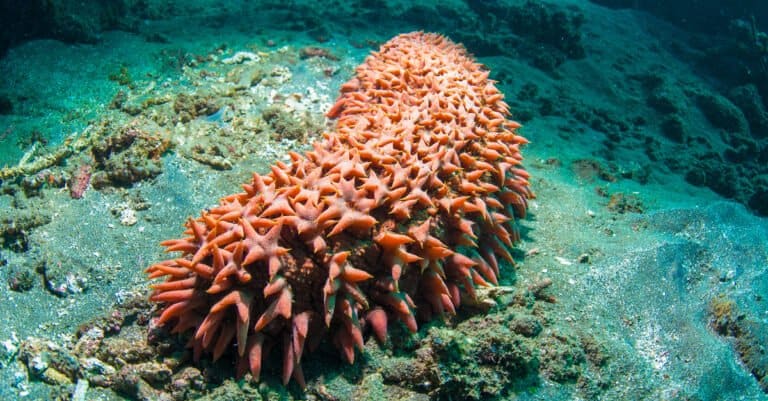
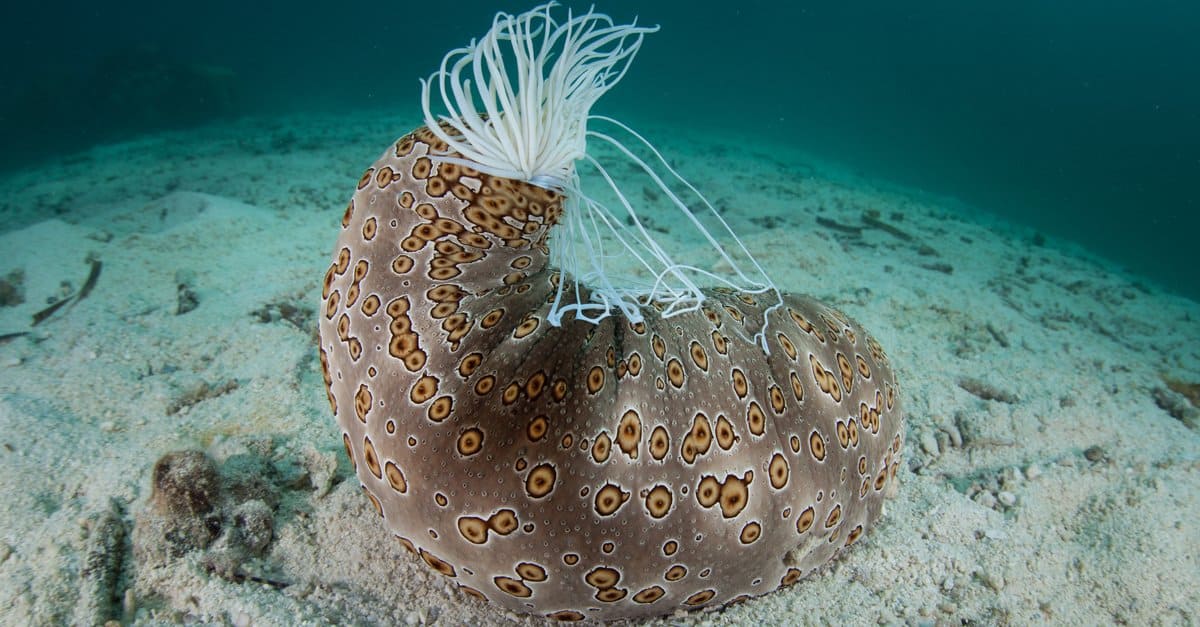
In one of the most extreme defensive mechanisms on the planet, sea cucumbers eject their internal organs when they sense that they are being attacked. Depending on species, organs can be expelled through the rear or the front! This act causes the predator to become entangled. And some species of sea cucumber have poisonous internal organs, which makes the mechanism even more effective. Incredibly, the sea cucumber does not die from this act of defense and is able to regenerate the lost organs.